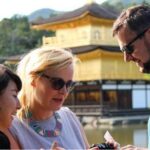
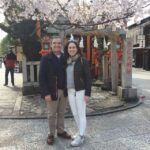
Torii gates at dusk feel like a secret door. This private Kyoto tour strings together the city’s headline sights with a calmer, local-style pace, so you spend less time guessing and more time enjoying Fushimi Inari and the streets around it. I also like that you get a private guide, with room to steer the day toward your interests, not a one-size schedule.
My other favorite part is how the day keeps food and small browsing in the mix, from Kyoto sweets around Sannenzaka/Ninenzaka to shopping for ingredients at Nishiki Market. One thing to plan for: this is a private walking/attraction day where meals and some temple admissions are extra, including Sanjusangendo’s 600 yen entry and likely Kiyomizudera entry, plus lunch and dinner on your own.
In This Review
- Key highlights you’ll actually feel in your day
- A 6-hour private Kyoto route that doesn’t waste your energy
- Price and value: what you’re paying for
- The meeting point that sets the tone: Kyoto Station to Kawaramachi
- Stop 1: Fushimi Inari Taisha Shrine at dusk
- Stop 2: Sanjusangendo Temple and the 1,000 Kannon statues
- Stop 3: Sannenzaka and Ninenzaka for snacks, browsing, and old-street Kyoto
- Stop 4: Kiyomizudera Temple and the big-Kyoto experience
- Stop 5: Nishiki Market Shopping District for food shopping
- What makes the guide time feel worth it
- How to plan your day around the itinerary (so it feels easy)
- Should you book this Kyoto Private Tour?
- FAQ
- What is included in the Kyoto private tour?
- How much is the admission fee for Sanjusangendo Temple?
- Are admission tickets included for all the stops?
- Where do we meet, and where does the tour end?
- How long is the tour?
- Can I cancel for a full refund?
Key highlights you’ll actually feel in your day
- Late-evening Fushimi Inari torii gates that can feel like you’ve stepped into another Kyoto mood
- Sanjusangendo’s 1,000 life-sized Kannon statues plus the main statue up close
- Sannenzaka and Ninenzaka street strolling with Kyoto snacks and souvenir shopping built into the route
- Kiyomizudera without the guesswork for how to experience one of Kyoto’s biggest draws
- Nishiki Market food shopping with a 400+ year market feel and plenty of bite-size tastings you can pace yourself through
A 6-hour private Kyoto route that doesn’t waste your energy
Kyoto can feel like a test when you arrive with only Google Maps and a list of must-sees. This tour fixes that problem by pairing big, famous landmarks with a guided flow that makes it easier to move between areas without losing hours. The day is about 6 hours, and it runs as a true private experience, so your guide can adjust the timing based on what your group cares about most.
You’ll start at Kyoto Station (Higashishiokoji Kamadonocho) and finish around Kawaramachi-dori or near your hotel area. That end point matters because it drops you close to more restaurants and evening strolling, instead of dumping you back in an empty transit zone.
You can also read our reviews of more private tours in Kyoto
Price and value: what you’re paying for
At $178 per person, the price is doing something specific: you’re buying one-on-one time with a guide for a full half-day. The guide is included, and the itinerary includes multiple stops where admission is free (like Fushimi Inari and the market/streets parts). That’s how you get value without stacking the day with paid attractions only.
Where the budget can shift is straightforward:
- Lunch and dinner are not included (lunch ¥1,000 to ¥2,000 per person; dinner ¥1,000 to ¥5,000 per person).
- Sanjusangendo costs 600 yen per person.
- Kiyomizudera admission is not included (you pay on site).
- Private transportation may be extra at ¥1,000 per person per day.
If you’re the type who hates “maybe we’ll see it” sightseeing, the guide time is often worth it. You’re not just checking boxes; you’re getting help with timing, local customs, and choosing where to slow down.
The meeting point that sets the tone: Kyoto Station to Kawaramachi
Starting at Kyoto Station is convenient because it’s a major hub with easy connections from elsewhere in Japan. From the first handoff, you’re set up for a day that feels organized. You’ll meet in the Kyoto Station area, then work your way through Kyoto’s classic zones and end near Kawaramachi-dori, which is useful if you want to continue eating your way through the evening.
Because it’s a private tour, you’re not competing with other groups for attention. That’s especially helpful in crowded spots like central temple areas and shopping streets.
Stop 1: Fushimi Inari Taisha Shrine at dusk
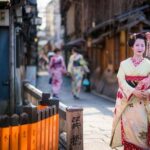
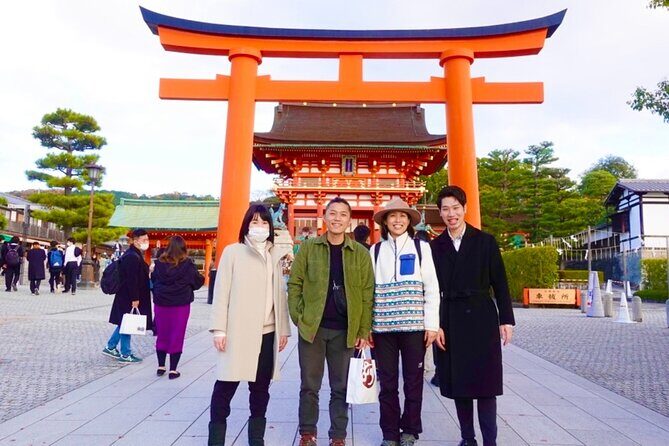
Fushimi Inari Taisha Shrine is famous for a reason, but the tour leans into the part that most people miss: walking through the torii gates in the late evening. At that time, the vibe can shift from daytime rush to something more mysterious and peaceful—still lively, but less like a conveyor belt.
What I like about this start is that it creates a strong emotional “first scene.” You arrive, you get the iconic experience quickly, and the guide can help you experience it at a comfortable pace rather than rushing toward the next highlight. The stop runs about 1 hour, and admission is free.
Practical tip: wear shoes you can walk in for a while. Even when you’re not climbing high, temple areas involve a lot of steps and uneven ground.
Stop 2: Sanjusangendo Temple and the 1,000 Kannon statues
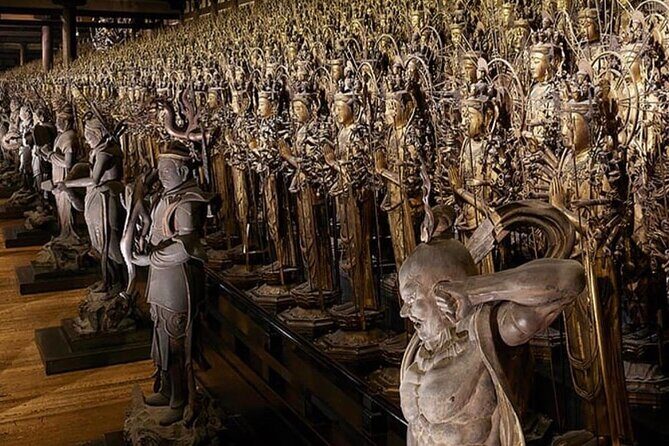
Sanjusangendo is one of those places where the scale hits you fast. You’ll see the main statue and one thousand life-sized Kannon statues. If you like art, religious symbolism, or simply feeling dwarfed by craftsmanship, this stop is a great use of time.
The entry detail here is clear: admission is 600 yen per person, not included in the tour price. The duration is about 1 hour, which is long enough to take it in without feeling like you’re stuck reading labels the whole time.
One consideration: this is an indoor sight. If you’re visiting during hot or rainy weather, that’s a plus. If you prefer open-air views, you’ll still get plenty of those later in the day at other stops, so don’t worry too much.
You can also read our reviews of more historical tours in Kyoto
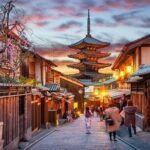
Stop 3: Sannenzaka and Ninenzaka for snacks, browsing, and old-street Kyoto
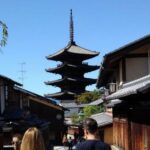
Sannenzaka and Ninenzaka are the kind of streets that make you slow down even if you didn’t plan to. The tour treats them as a lunch-and-browse segment, which is smart because it keeps you in the right mood: walking first, eating second, and shopping as you go.
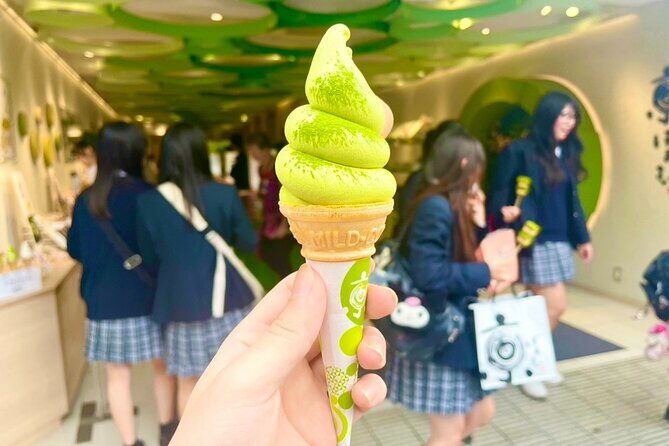
This stop is where you can see and shop for souvenirs and food items, and you’ll have the chance to try Kyoto sweets such as green tea ice cream and yatsuhashi. Admission is free, and the stop runs about 1 hour.
A small drawback to keep in mind: these streets are popular, so expect crowds at peak hours. The payoff is that you’re in the middle of the atmosphere—wooden streets, snack smells, and the kind of everyday Kyoto you usually only get by wandering without a plan.
Stop 4: Kiyomizudera Temple and the big-Kyoto experience
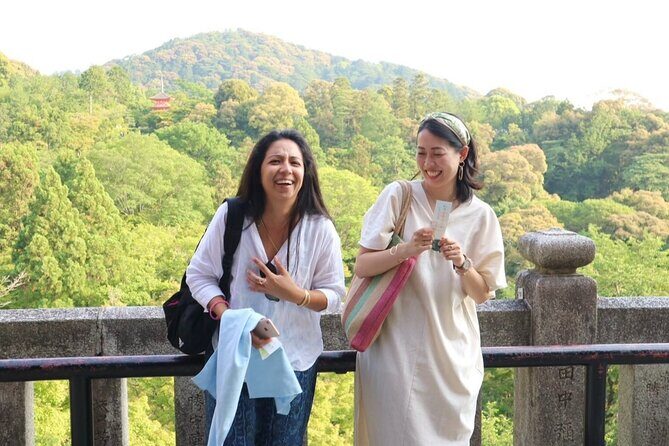
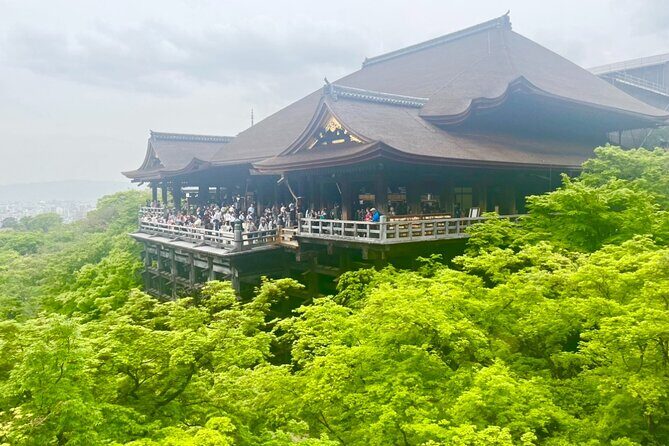
Kiyomizudera is one of Kyoto’s most famous temples, and the tour gives it a focused block of time at about 1 hour 40 minutes. It’s popular on a scale that’s hard to ignore—about 5 million tourists a year is the kind of number that tells you why crowd management matters. Since admission is not included, you’ll need to buy your entry on the day.
What this stop is good for is perspective. You’ll see why Kiyomizudera became a signature of Kyoto tourism while still having a guide to help you experience it without feeling lost in the flow. Even if you’ve seen photos, being there in person changes the scale and the details.
Consideration: because it’s a top attraction, the timing you arrive matters. Your guide’s job here is important—getting you positioned and moving at the right pace so you spend more time looking and less time stuck.
Stop 5: Nishiki Market Shopping District for food shopping
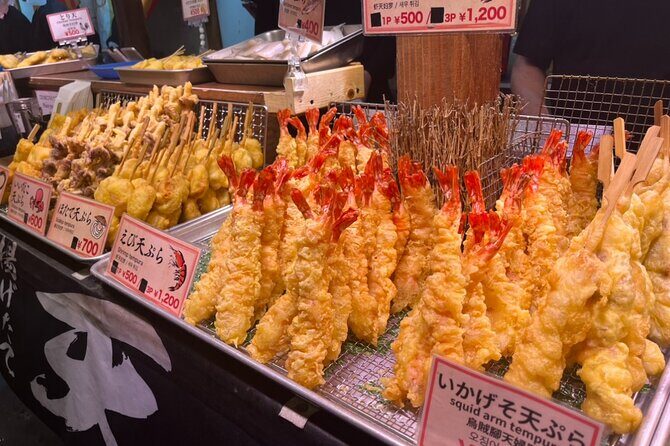
Nishiki Market is Kyoto’s leading market for food and food products, and it comes with a history of over 400 years. The tour spends about 1 hour 20 minutes here, and admission is free, so it’s a low-cost way to experience a lot.
I like this stop because it’s hands-on. Instead of only sightseeing, you get to browse and snack your way through a food-focused market environment. If you enjoy cooking, it’s also a great place to pick up ingredients and packaged Kyoto favorites to bring home.
One practical thing: markets are a lot of senses at once—smells, samples, crowds. If you get overwhelmed easily, move with intention. You don’t need to try everything. A guide helps you find good options without turning the market into a stressful scavenger hunt.
What makes the guide time feel worth it
The tours I read about under this experience name mention guides such as Kazu and Risa, and the common thread is how they adjust to the group. In real Kyoto families and mixed-age groups, interests vary wildly—one person wants shrines, another wants food, someone else needs pacing. The private format makes it possible to shape the day around that.
You can also expect a focus on local customs and confidence in how to behave in temple areas. That kind of guidance matters most when you’re moving between places where etiquette is part of the experience, not just background.
How to plan your day around the itinerary (so it feels easy)
This tour is built like a classic Kyoto sampler: one iconic shrine, one major temple interior, one old-street food/browsing zone, another signature temple, and a final market stop. Here’s how I’d plan to make it feel smooth:
- Bring cash for admissions and meals. The tour price doesn’t cover Sanjusangendo, and lunch/dinner are on you.
- Choose comfy footwear. You’ll be walking through multiple districts with stairs and uneven surfaces.
- Decide your snack strategy at Sannenzaka/Ninenzaka. It’s the sweet spot for trying items like green tea ice cream and yatsuhashi without turning lunch into a full production.
- Use Nishiki Market as your finish-line. By the time you get there, you’ll know what you’re in the mood for—tasting, shopping, or both.
If you’re traveling with teens or mixed-age family members, this pacing is usually a good fit because there are multiple “attention anchors” (shrines, statues, food streets, and a market) instead of one long stretch of temple after temple.
Should you book this Kyoto Private Tour?
Book it if you want a day that feels organized but not rigid. The big draws are private guide time, an itinerary that mixes iconic Kyoto with street-and-food stops, and smart value where several attractions have free admission. It’s also a strong choice for families and groups who want someone to handle the how-and-when so you can focus on enjoying the sights.
Consider skipping or adjusting expectations if your priority is only paid, museum-style attractions. Since lunch, dinner, and some temple admissions aren’t included, your final day cost will be higher than the base price. Still, if you like food shopping and want the most efficient path between Kyoto’s signature areas, the structure here makes sense.
If you want Kyoto to feel like a friend-guided day instead of a checklist, this is a very solid way to do it.
FAQ
What is included in the Kyoto private tour?
The tour includes a private tour guide. You’ll also receive a mobile ticket.
How much is the admission fee for Sanjusangendo Temple?
Sanjusangendo Temple costs 600 yen per person, and that admission is not included in the tour price.
Are admission tickets included for all the stops?
No. Fushimi Inari Taisha Shrine, Sannenzaka Ninenzaka, and Nishiki Market are listed as free. Sanjusangendo is not included (600 yen), and Kiyomizudera Temple admission is also not included.
Where do we meet, and where does the tour end?
You start at Kyoto Station (Higashishiokoji Kamadonocho, Shimogyo Ward). The tour ends near Kawaramachi-dori Street or around your hotel.
How long is the tour?
The duration is about 6 hours.
Can I cancel for a full refund?
Yes. You can cancel for a full refund up to 24 hours before the experience starts. If you cancel less than 24 hours before, the amount paid is not refunded.