REVIEW · TEA CEREMONY EXPERIENCES
Tea ceremony by the tea master in Kyoto SHIUN AN
Book on Viator →Operated by SHIUN AN · Bookable on Viator
A Kyoto tea room can feel like another planet. At SHIUN AN, you get a true matcha-focused ceremony in a small group, near Daitoku-ji, with time to learn the steps and try it yourself. The session leans quiet and careful: you start by admiring the room, watch the tea process, then you make your own bowl.
I love how the experience is taught by a tea master with a formal Tea Name (professor-level qualification), so the instruction isn’t watered down. I also like that it’s not just watching—you get two matcha servings and a chance to practice making tea with the proper tools.
One consideration: the location can be a bit out of the way, and there may be stairs and tatami-style seating. If you’re sensitive to kneeling or steps, it’s worth planning your route and letting the team know your needs.
In This Review
- Key things to know before you go
- Why SHIUN AN Kyoto Feels Like a Real Tea Room Ritual
- Price and Timing: What You’re Actually Paying For
- Group Size at SHIUN AN: Intimate by Default
- Getting There Near Daitoku-ji: Plan Your Arrival Smart
- The Ceremony Room: Scrolls, Flowers, and Why the Setup Matters
- Sweets and Matcha: Watching the Tea Master Serve
- Your Turn: Making Matcha the Correct Way (Not Just the Fun Way)
- The Little Comfort Items That Matter More Than You Think
- How This Fits Into a Kyoto Day: Daitoku-ji and Kinkaku-ji Links
- Comfort and Etiquette Notes (So You Don’t Feel Rushed)
- Who This Tea Ceremony Is Best For
- Should You Book SHIUN AN Tea Ceremony in Kyoto?
- FAQ
- How long is the tea ceremony at SHIUN AN?
- What is the group size limit?
- What does the price include?
- Do you get to make your own matcha?
- Is pickup or drop-off included?
- Where is the meeting point?
- Are service animals allowed?
- What is the cancellation policy?
- What should I do if I have food allergies?
Key things to know before you go
- Small group by design: max 6 guests, sometimes up to 8 in peak season
- Close to Daitoku-ji (and easy to connect): good base for Kinkaku-ji too
- Hands-on matcha: you’ll make your own bowl, not just sample tea
- Included tatami comforts: white socks and a fold fan for the room
- Real ceremony flow: scrolls/flowers first, seasonal sweets with matcha, then practice
- English support: a translator helps you follow the steps and meaning
Why SHIUN AN Kyoto Feels Like a Real Tea Room Ritual
Kyoto has a lot of tea experiences that feel quick and staged. This one is structured like a small ceremony lesson, with the feel of a private appointment. The venue is a short distance from Daitoku-ji Temple, an area known for calm and tradition, and that matters. When the surroundings are quiet, you notice details you’d otherwise rush past—how the host moves, how the utensils are handled, and how the room itself sets the pace.
The ceremony also has a “learn the why” side. Before matcha ever reaches your lips, the host explains the steps, the tools, and why decoration and room layout matter. That gives you context for what you’re doing, not just a sequence of actions.
You can also read our reviews of more tours and experiences in Kyoto.


Price and Timing: What You’re Actually Paying For
At $33.03 per person for about 45 minutes, this isn’t a bargain tea break. It’s closer to a guided cultural lesson with real equipment, real instruction, and repeated matcha servings.
Here’s where the value shows up:
- You don’t just taste matcha once. You get two bowls of matcha during the session.
- You also get two kinds of Japanese sweets, which are part of how the ceremony is meant to balance flavor and mood.
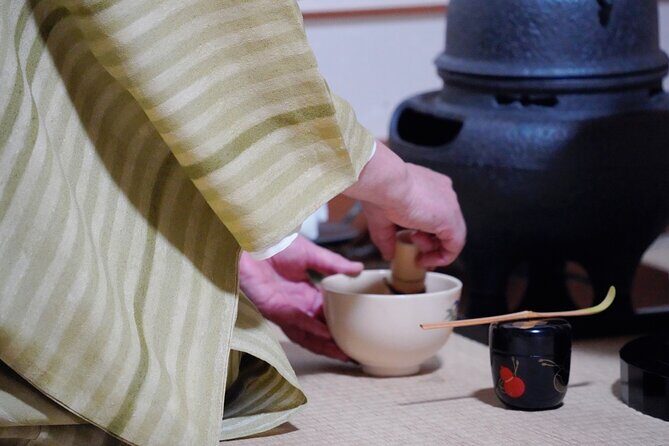
- You’re given what you need to participate: tea bowls, tea containers, tea scoops, and whisks.
- You receive practical comfort items: white socks (for tatami floors) and a fold fan.
For a first-time visitor, the time is just right. You’ll feel the “arc” of the ceremony—room, explanation, sweet and tea observation, then your own bowl—without the session stretching into something that feels like a lecture.
Group Size at SHIUN AN: Intimate by Default
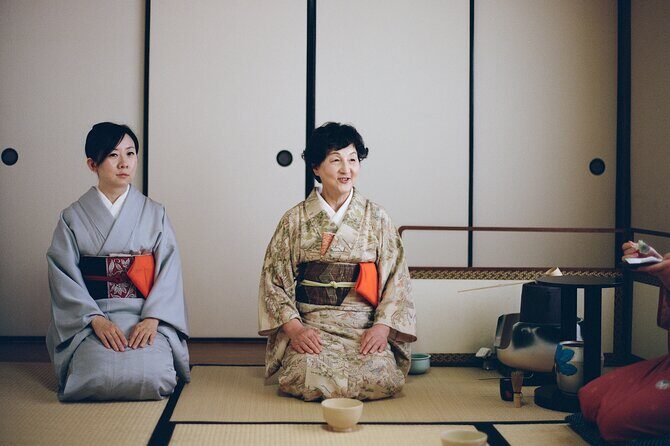
This is one of the big reasons people feel happy walking out. The experience runs in a small group: up to 6, and during busier periods up to 8.
Small group size changes the whole vibe. You can ask questions, you’re not constantly blocked by other people’s arms and elbows, and the instructor can keep an eye on how you’re holding the bowl, whisking, and moving through each step. In a tea ceremony, those small movements are the point.
If you’re traveling with family or friends, this group size also tends to make photos easier and keeps the room calmer. You’re more likely to remember it as an actual moment, not a crowded stop.
Getting There Near Daitoku-ji: Plan Your Arrival Smart
The meeting point is at 955-1 Idachō, Kamigyo Ward, Kyoto (602-8302). That puts you in the north Kyoto area rather than the famous tourist core.
Two practical realities:
- It’s near public transportation, but it can still be tricky to spot the exact spot on foot.
- Reviews highlight that the location can involve difficult stairs. Another review notes it’s in a more residential area and can be hard to find quickly, so build in a little extra time.
My advice: use your maps app, aim to arrive early, and don’t over-plan a tight schedule right before it. If walking or stairs are a concern, consider a short taxi ride from the nearest station to reduce stress.
The Ceremony Room: Scrolls, Flowers, and Why the Setup Matters
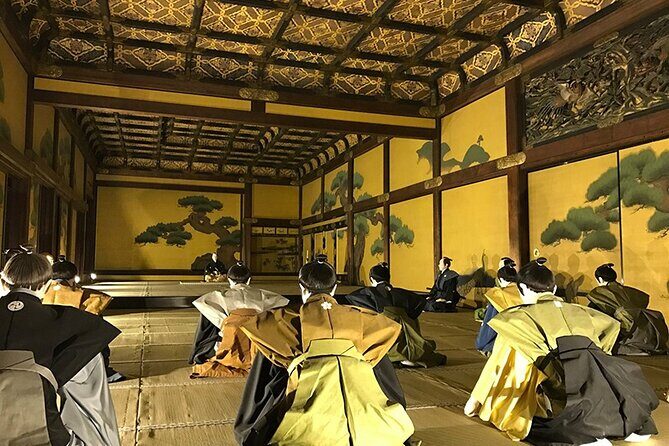
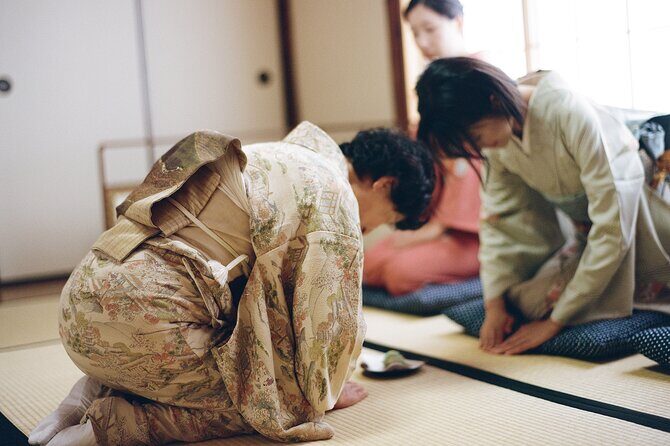
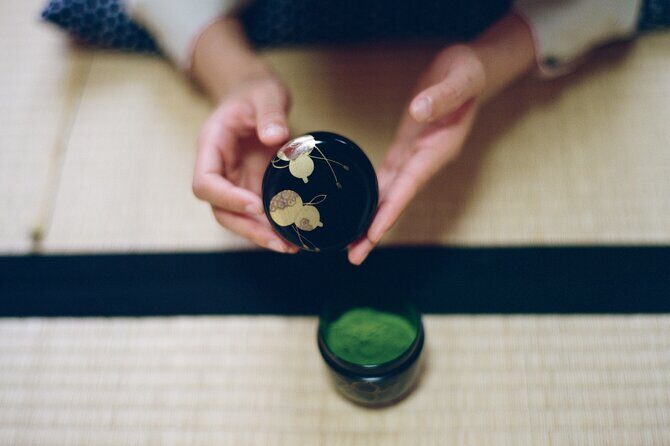
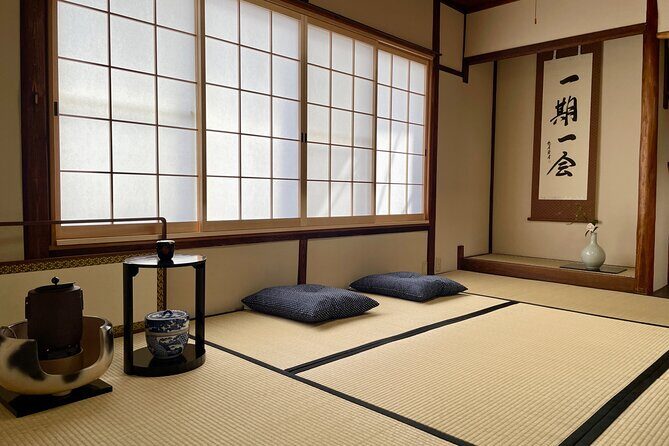
The experience starts with a guided entry into the tea room. The host shows you the hanging scrolls and flower arrangements before the first matcha moment. This isn’t decoration for decoration’s sake. In Japanese tea culture, the room layout helps you focus. It signals the mood of the season and the intention of the gathering.
Then the instructor explains:
- the main steps of the ceremony
- the utensils and what each one does
- why the room and its layout matter
If you’re used to visiting temples or shrines, you’ll recognize the pattern: a space designed to slow you down. But with a tea room, the slowing-down isn’t passive. You’re learning how to perform the ritual correctly, so you can feel how the details connect.


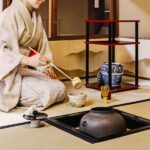


Sweets and Matcha: Watching the Tea Master Serve
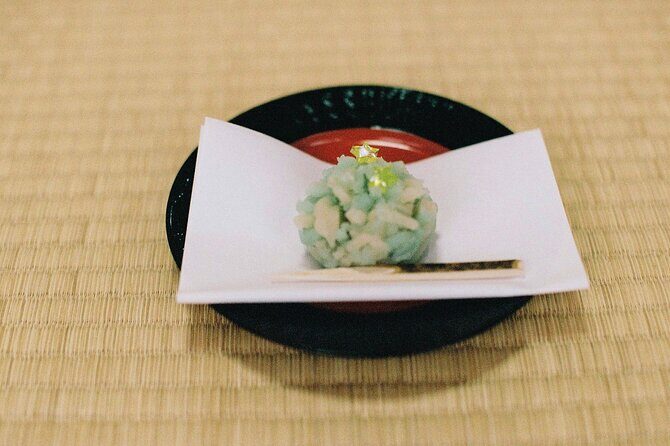
After the room talk, you’ll enjoy a seasonal sweet while watching how the tea is served. This is a good moment to pay attention to timing. In tea ceremony, nothing is truly random. The sweet, the whisking, the pauses, and the way the bowl is handled all shape the flavor and the experience.
You’ll see how the host prepares matcha and presents the bowl. This part is especially valuable if you’ve only ever had matcha as a drink from a café. Ceremony matcha is about texture—froth, consistency, and the way the bowl changes the taste experience.
And then you get to enjoy two bowls of matcha across the session. That helps you compare and notice differences rather than just tasting once and forgetting the details.
Your Turn: Making Matcha the Correct Way (Not Just the Fun Way)
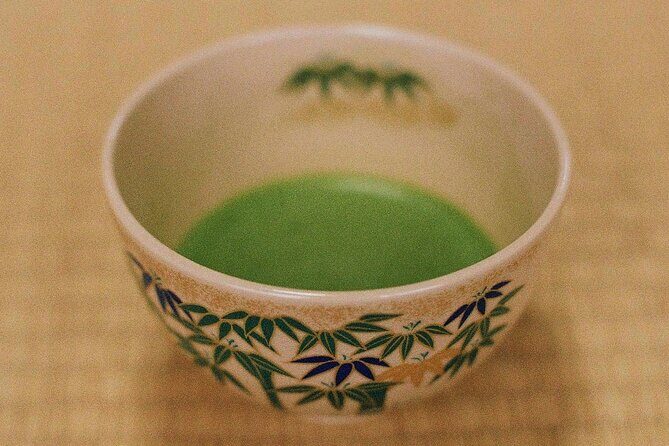
The ceremony ends with a hands-on element. You get the chance to make your own bowl of matcha and practice the basics of tea making.
This is the moment that separates a real cultural class from a simple demo. You’ll be guided through:
- how to handle the utensils
- how to scoop and prepare matcha
- how to whisk properly
- how the serving flow works once your bowl is ready
You’re not required to be perfect. The goal is to learn the fundamentals and leave with a sense of what makes the tea ceremony more precise than most people expect. One nice touch: since they provide the utensils and you’re using the same setup the host uses, your practice doesn’t feel like an imitation craft session. It feels like stepping into the actual method.
The Little Comfort Items That Matter More Than You Think
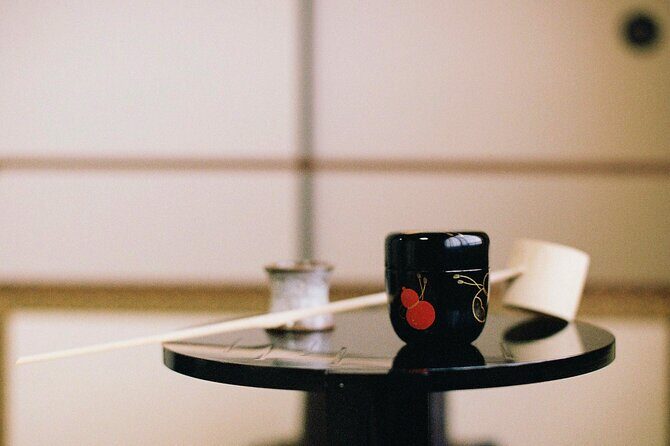
This experience includes practical items that make the tea room work:
- White socks for the tatami floor
- Fold fan to use during the session
- The tea-making tools so you can practice properly
Those details sound small until you’re standing in a room where everyone is already settled. Socks mean you don’t have to hunt for something last-minute, and they help you feel comfortable on tatami. The fold fan fits the rhythm of the room, too—it’s part of how guests move and stay composed.
How This Fits Into a Kyoto Day: Daitoku-ji and Kinkaku-ji Links
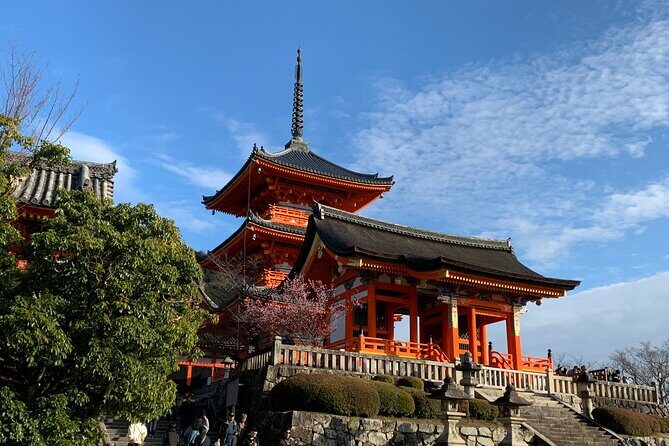
You’re near Daitoku-ji Temple, which has a strong Zen connection and ties into the cultural world that shaped tea ceremony. You’re also close to Kinkaku-ji (Golden Pavilion Temple)—about four bus stops away.
If you like a calm morning and a scenic afternoon, you can structure your day like this:
- Start with the tea ceremony (a quiet reset)
- Then head to Kinkaku-ji for the big visual payoff
If you do the reverse, you might find it harder to settle into the tea-room pace after walking and crowds. Tea ceremonies are at their best when you’re not rushing to fit in one more photo at the end.
Comfort and Etiquette Notes (So You Don’t Feel Rushed)
Tatami seating and ceremonial kneeling can be a challenge for some people. The experience provides socks to help you manage the floor, and one guest has noted they were accommodated when they couldn’t sit on the floor comfortably.
What to do:
- Wear clothing that lets you move your legs and knees without fighting your outfit.
- If stairs are a concern, arrive with extra time and consider asking for guidance ahead of your visit.
- Don’t worry about doing everything perfectly. The session is paced for learning.
The good part about this format is that you’re not trying to copy a complicated ritual in silence. There’s explanation, and you get time to practice the basics.
Who This Tea Ceremony Is Best For
This is a great match if you:
- want an authentic Kyoto cultural moment that’s not just sightseeing
- love matcha and want to learn what makes ceremony matcha different
- prefer small groups and a quieter setting
- want instruction you can actually use later, not just a one-time sample
It’s also a solid “first tea ceremony” choice because the structure supports understanding: room context, steps, observation, sweets, then hands-on practice.
If you’re the type who hates rules or structured timing, you might find the ceremony’s pace a little slower than you expect. But if you’re curious, it’s exactly the kind of slow that rewards you.
Should You Book SHIUN AN Tea Ceremony in Kyoto?
Book it if you want a genuine Kyoto tea ceremony that values correctness and learning. The combination of small group size, formal tea instruction, included tools, and two matcha bowls plus sweets gives you real value for the price. You’ll leave with a clearer sense of how tea ceremony works—how the room, the process, and the tasting connect.
Skip it only if you know you can’t handle stairs or the physical comfort of tatami-style seating. Otherwise, it’s an easy add-on to a Kyoto north-side itinerary, and it pairs beautifully with Daitoku-ji and Kinkaku-ji plans.
FAQ
How long is the tea ceremony at SHIUN AN?
It lasts about 45 minutes.
What is the group size limit?
The experience has a maximum of 6 travelers, and during peak seasons it can increase to a maximum of 8.
What does the price include?
The experience includes tea bowls, tea containers, tea scoops and tea whisks, white socks and a fold fan, plus matcha tea and Japanese sweets.
Do you get to make your own matcha?
Yes. The ceremony ends with each guest having the opportunity to make their own bowl of matcha and master the basics.
Is pickup or drop-off included?
No. Pickups and drop-offs are not included.
Where is the meeting point?
The meeting point is 955-1 Idachō, Kamigyo Ward, Kyoto, 602-8302, Japan.
Are service animals allowed?
Yes. Service animals are allowed.
What is the cancellation policy?
You can cancel for a full refund if you cancel at least 24 hours before the experience start time (local time).
What should I do if I have food allergies?
Please let the operator know if you have any food allergies, so they can accommodate you.