REVIEW · BIKE & E-BIKE TOURS
Kyoto: Early Bird E-Bike Tour with Lunch
Book on GetYourGuide →Operated by Cycle Kyoto · Bookable on GetYourGuide
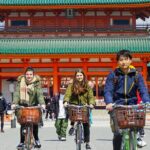
Beat Kyoto’s crowds early on two wheels. This is a Kyoto e-bike tour that runs like a smart morning plan: start with the iconic spots before tour buses fully wake up, then keep rolling through east and south Kyoto with real breaks for coffee and a sit-down lunch. I like that it mixes major sights like Fushimi Inari Taisha with calmer, quieter stretches along the Kamo River and the Path of Philosophy, so your photos don’t look like everyone else’s. The only real drawback is simple: it’s not for you if you can’t ride a bike comfortably or if you have back issues, even with the help of an e-bike.
You’ll be in good hands with an English-speaking guide, and the group stays small (up to 8). There’s a short safety briefing, then you’re off—keeping the pace friendly, but still active for a full 7 hours with some uphill biking.
In This Review
- Key highlights you’ll feel fast (and enjoy all day)
- Early-bird Kyoto on an e-bike: what makes this plan work
- Meeting Cycle Kyoto: how to find the start and get ready
- Safety briefing and the e-bike setup: quick, but don’t skip it
- Fushimi Inari Taisha in the morning: the shrine that sets your tone
- Kamo River stretch and a local café break you’ll actually need
- Ginkaku-ji and the Path of Philosophy: UNESCO plus a slow roll
- Nanzenji’s gardens and the red brick aqueduct moment
- Heian Shrine, Shirakawa Canal, and the ride toward Gion
- Gion streets and Higashi Honganji: closing the day with atmosphere
- Price and value: is $135 a fair deal?
- Who this Kyoto e-bike tour fits best (and who should skip it)
- The guide factor: why the day feels smoother
- Should you book this tour?
- FAQ
- How long is the Kyoto early-bird e-bike tour with lunch?
- What’s included in the price?
- Where is the meeting point near JR Kyoto Station?
- Is hotel pickup and drop-off included?
- Is the tour guided in English, and how big is the group?
- What should I bring and wear for the bike ride?
- Can I cancel for a full refund?
Key highlights you’ll feel fast (and enjoy all day)
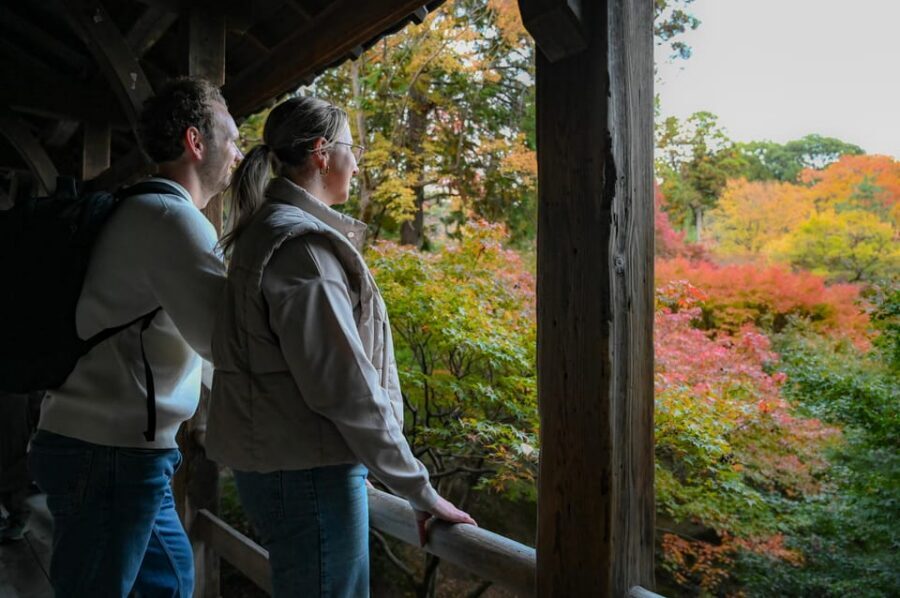
- Fushimi Inari before the crush: you’re guided through the shrine early, when the lanes are still breathable for photos.
- Morning coffee in a local café: a real pause, not just a quick stop.
- UNESCO Ginkaku-ji plus the Path of Philosophy: temple time paired with a slow, scenic ride.
- Nanzen-ji gardens and the red brick aqueduct: one of Kyoto’s most visually satisfying temple complexes.
- Shirakawa Canal into Gion: you’ll cruise the kind of Kyoto streets you came for—without waiting forever.
Early-bird Kyoto on an e-bike: what makes this plan work
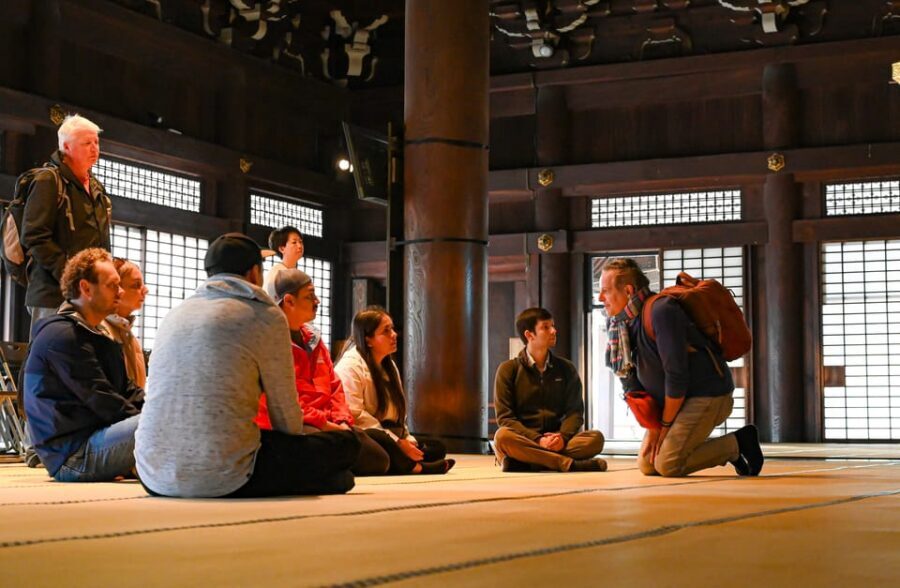
Kyoto works best when you respect time. The big temples and shrine entrances can get crowded fast, and if you arrive late, you end up staring at a shoulder instead of a view. This tour solves that with an early start and a route built to move you from south Kyoto to east Kyoto before the day fully takes over.
The e-bike is the secret sauce. You still get the rhythm of a bike, but you don’t spend the day grinding uphill. That matters here because Kyoto isn’t flat, and you’ll want your energy for walking inside temple grounds and taking photos.
Two other parts I really like are the pacing and the breaks. There’s a morning coffee stop and a sit-down lunch, so you’re not rushing through everything on empty energy. You also move in a small group, which helps your guide adjust the tempo and handle photo stops without making the whole tour feel like a traffic jam.
One thing to flag upfront: this is active. You’ll be riding for much of the day, and the tour isn’t designed for people who can’t bike confidently.
You can also read our reviews of more cycling tours in Kyoto
Meeting Cycle Kyoto: how to find the start and get ready
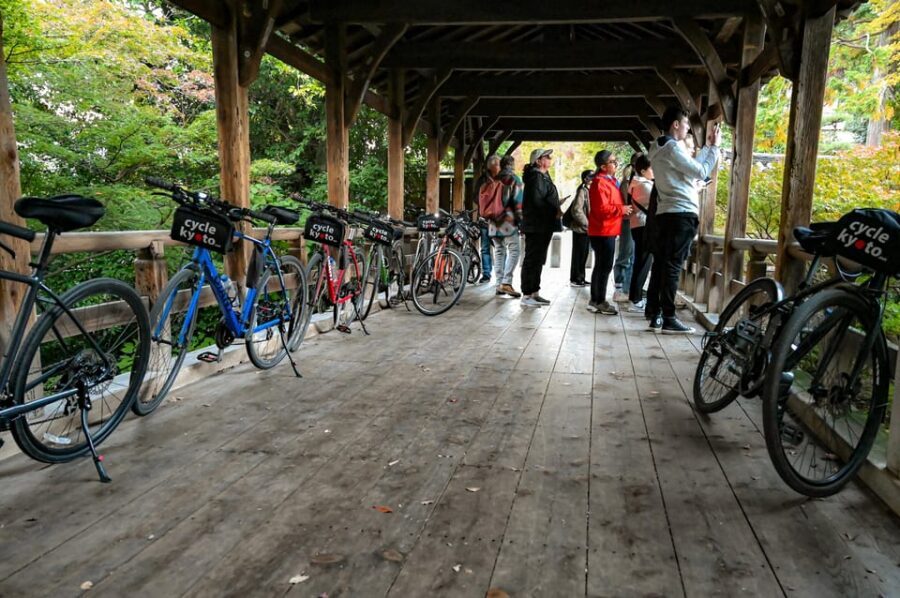
You meet at Cycle Kyoto. If you’re coming from JR Kyoto Station, it’s a straightforward walk: go past Avanti, cross the traffic lights, continue past the Daily Yamazaki convenience store, then take the next left.
Show up 15 minutes early. That buffer matters because you’ll do a safety briefing first, get fitted on the e-bike, and be ready to leave without scrambling in your jacket.
For what to bring, keep it practical:
- Comfortable shoes you’re willing to wear on temple gravel and steps
- Warm clothing (Kyoto mornings can feel chilly)
- Hat, sunscreen, and camera if you want the classic Kyoto shots
- Gloves can make a big difference if your hands get cold on the ride
Also remember the simple rules: no smoking and no alcohol or drugs during the tour.
Safety briefing and the e-bike setup: quick, but don’t skip it
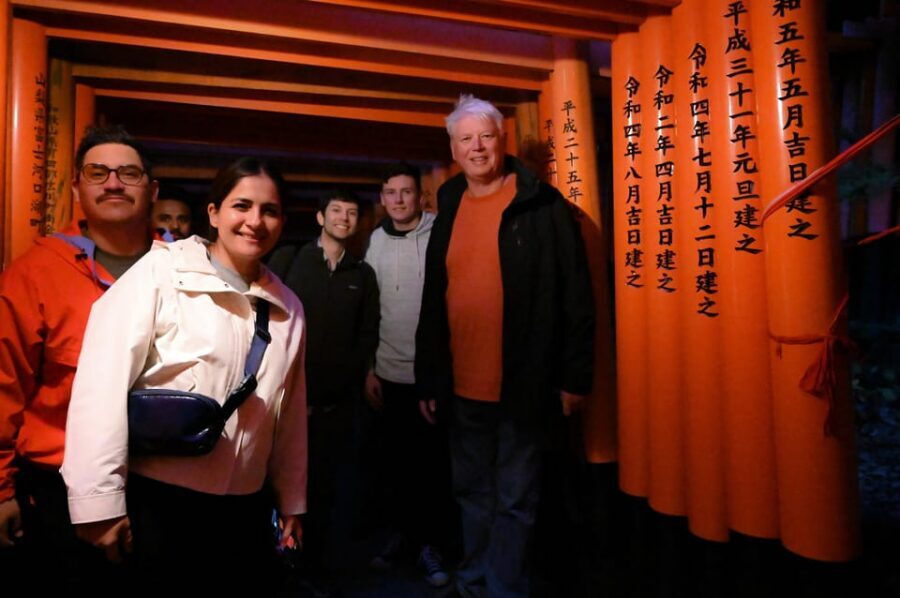
Before you hit Fushimi Inari, you get a short safety briefing (about 15 minutes). That’s not wasted time. It helps you adjust to how the e-bike feels—especially when you switch from riding to dismounting for temple walks.
Even though the bikes are electric, you still need to steer, brake, and balance while following the group. If you’ve never ridden a bike in traffic-like situations (tight streets, pedestrians, sudden stops), this briefing is where you’ll learn how the guide expects you to move.
You’ll wear a helmet and have water with you. Those small basics make a long day much more pleasant, especially when Kyoto sun shows up later than you expect.
Fushimi Inari Taisha in the morning: the shrine that sets your tone
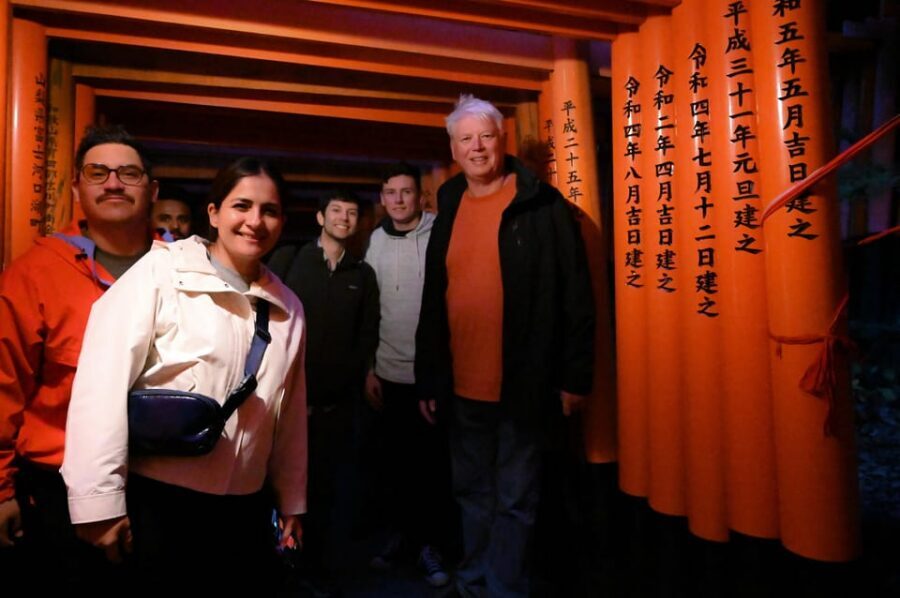
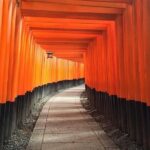
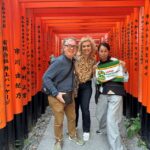
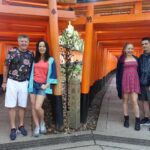
Fushimi Inari Taisha is one of those places you think you know—until you see it early enough to actually walk without bottlenecks. This tour guides you there first (guided time is about 45 minutes), and the timing is the whole advantage.
You’ll get your bearings with your guide, then work your way through the shrine lanes. It’s the kind of sightseeing where your best photos depend on walking angles, not just standing in place. Going early also means you can slow down and look at details—stone paths, shrine features, and the rhythm of the torii gates—without feeling rushed by a nonstop flow of people.
The upside of starting here is mental. Kyoto can be a lot on day one. When you nail Fushimi Inari calmly, the rest of the morning feels lighter, even as you hop from stop to stop.
Kamo River stretch and a local café break you’ll actually need
After Fushimi Inari, the route moves toward the Kamo River (about 40 minutes for a visit). This is a breather stage. The river area gives your legs a reset, and it’s also a great chance to notice how the city shifts once you leave the biggest shrine pull.
Then comes the local café break (about 20 minutes). Morning coffee in Kyoto is more than caffeine—it’s an easy way to slow down, warm up (if it’s cool), and plan your camera shots without feeling pressured.
I like that the tour doesn’t treat coffee as a throwaway stop. It’s built into the day so you can re-charge before the bigger temple and garden portion. If you’re sensitive to walking fatigue, this is the moment that can save the afternoon.
You can also read our reviews of more tours and experiences in Kyoto

Ginkaku-ji and the Path of Philosophy: UNESCO plus a slow roll
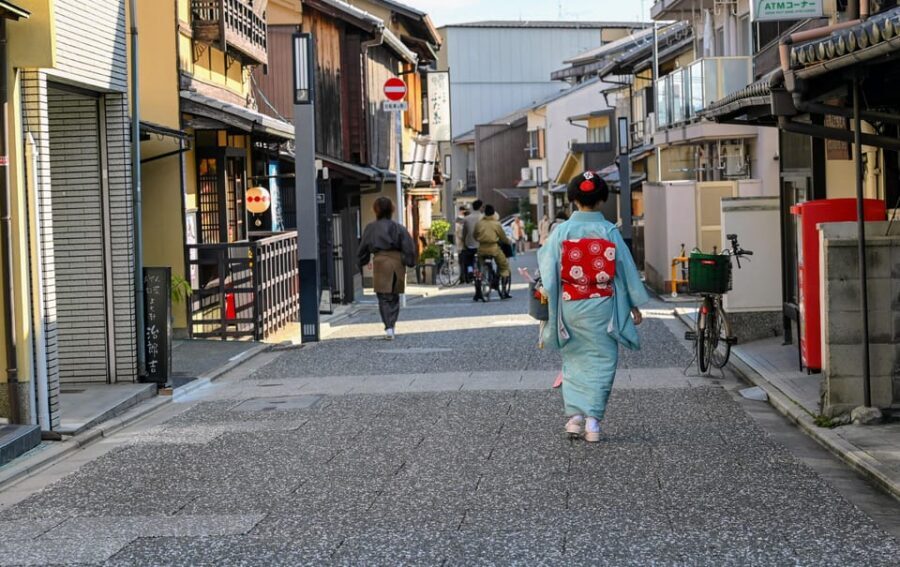
Next up is Ginkaku-ji (Silver Pavilion), with about 1 hour guided and a bit of extra time for your own wandering (the schedule includes a short additional visit window). This stop is where the tour transitions from shrine-and-streets to temple-and-gardens.
Ginkaku-ji is a UNESCO-listed highlight, and it’s the kind of place where timing matters. Early in the day, you can look longer at the garden composition and the temple grounds without fighting for space to take photos.
From there, you ride along the Path of Philosophy. The key here is that the tour keeps you moving slowly. This is not a race. It’s a scenic corridor that rewards you for pausing, turning, and noticing the way Kyoto streets and greenery sit side by side.
The drawback to consider: you’ll still be biking while you enjoy the route. If your idea of temple time is sitting still for hours, you might wish you had more independent time at Ginkaku-ji. The tradeoff is that you gain a whole afternoon’s worth of sights in one connected day.
Nanzenji’s gardens and the red brick aqueduct moment
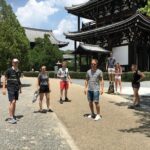
After the Path of Philosophy, you head into the Nanzen-ji Temple area (guided time around 35 minutes). This is one of the more dramatic temple complexes on the route, and it’s easy to see why it sticks in memory.
Two things make Nanzen-ji special on this tour:
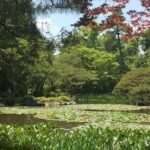
- The traditional gardens give you calm visual space, not just stone and buildings
- The grounds include the red brick aqueduct, which adds a totally different texture to Kyoto’s usual palette
Even if you’re not a garden person, this section gives you something to look at that feels cinematic from multiple angles. The aqueduct in particular is the kind of structure that turns into a photo magnet without needing a special pose.
You also get the benefit of context from your guide—why certain layouts matter, what you’re seeing, and what to pay attention to while you’re walking. That kind of guidance helps you enjoy the stop instead of just ticking off a name on a list.
Heian Shrine, Shirakawa Canal, and the ride toward Gion
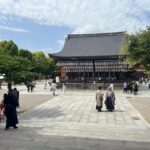
After Nanzenji, the tour includes Heian Shrine (about 30 minutes). This is a nice pivot point. Heian Shrine often feels more open and monumental than some of the older, narrower temple lanes. It’s a good place to reset after garden time.
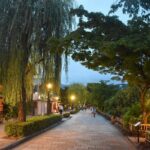
Then you ride along the Shirakawa Canal. This is where the atmosphere shifts back to street-level Kyoto. You’re not just looking at buildings—you’re traveling through a corridor that feels made for slow touring.
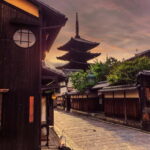
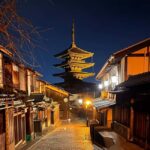
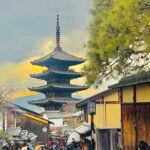
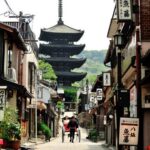
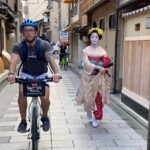
As you move south toward Gion, you’ll get that classic feel of old Kyoto lanes. The route is designed so you experience Gion as you enter it, not as a final stop where you’re tired and trying to squeeze everything in.
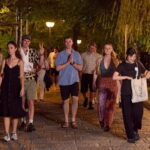
A quick heads-up: Gion has lots of pedestrians and smaller streets. Keep your balance, watch for foot traffic, and let the guide handle the flow. The e-bike makes the ride easier, but polite riding still matters here.
Gion streets and Higashi Honganji: closing the day with atmosphere
The tour continues with Gion (about 50 minutes, guided) followed by Higashi Honganji Temple (about 50 minutes, guided). You end the day by heading back toward Cycle Kyoto after arriving at the gates.
I like this closing combination because it covers two different types of Kyoto atmosphere. Gion gives you streets and the feeling of historic neighborhoods. Higashi Honganji adds a more temple-focused ending, letting you see another side of religious Kyoto without repeating the same visual style as the morning stops.
By the time you reach Higashi Honganji, you’ll also understand the theme of the day: early access to major sites, then a connected ride through districts that change character as you move. That’s the value of doing this as a guided route rather than hopping around town on your own.
Price and value: is $135 a fair deal?
At $135 per person for a 7-hour tour, the price makes sense when you look at what’s included.
You get:
- E-bike rental
- Helmet
- Morning coffee
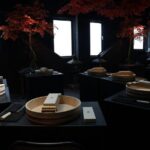
- A sit-down lunch
- A live English guide
- Water
Temple and shrine fees aren’t listed as included, so it’s smart to expect you may pay small entrance costs depending on what you access during each stop. Still, even with that possibility, the tour is priced to reduce your day-to-day costs. If you tried to DIY this route, you’d still need transportation, time wasted figuring out the best bike-friendly paths, and you’d likely lose the early timing that makes Fushimi Inari and the temple circuit easier.
The other part of value is group size. With a small group (up to 8), you spend less time waiting and more time actually seeing. The tour also builds in stops that keep you from burning out before Gion.
Who this Kyoto e-bike tour fits best (and who should skip it)
This is a great fit if you want:
- A guided sweep of south and east Kyoto in one day
- The big hitters early: Fushimi Inari, Ginkaku-ji, Nanzenji
- Guided context plus time to walk and photograph
- Built-in breaks: coffee and lunch, not just street snacks
You should think twice if:
- You’re pregnant (not suitable)
- You have back problems (not suitable)
- You can’t ride a bike comfortably (not suitable)
If you’re on the edge of comfort with biking, don’t assume “e-bike” means “no effort.” You’ll still be riding and navigating through real streets. The e-bike helps, but your confidence still matters.
The guide factor: why the day feels smoother
This tour runs with an English live guide, and the pacing tends to feel organized. Some of the guides you might encounter on this route include Julian, Indra, Carl, or Karl—names that show up with consistent feedback about being engaged, cheerful, and good at explaining what you’re seeing.
That explanation part matters more than it sounds. Kyoto is full of small details—patterns, layouts, and symbolism. When a guide points out what to notice, you’ll walk away feeling like you understood more than just the postcard version.
Should you book this tour?
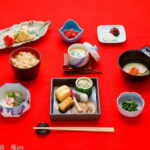
Book it if you want a well-timed Kyoto day where you see the top sights without losing hours to transit. The early-bird approach plus the e-bike makes it realistic to hit Fushimi Inari, Ginkaku-ji, Nanzenji, and Gion in one loop, and the coffee plus sit-down lunch are the kind of comforts you’ll appreciate later.
Skip it if you prefer a slow, unguided day with minimal biking, or if you’re not comfortable riding a bike for much of the route. In that case, you’ll likely do better with a lighter walking-focused plan.
If you’re somewhere in the middle—curious, but want structure—this is one of the more practical ways to tour Kyoto without turning your day into logistics.
FAQ
How long is the Kyoto early-bird e-bike tour with lunch?
It lasts about 7 hours.
What’s included in the price?
The tour includes an e-bike rental, helmet, morning coffee, a sit-down lunch, live English guide, and water.
Where is the meeting point near JR Kyoto Station?
From JR Kyoto station, walk past Avanti, cross over the traffic lights, walk past the Daily Yamazaki convenience store, then take the next left. Arrive about 15 minutes before the start.
Is hotel pickup and drop-off included?
No. Hotel pickup and drop-off are not included.
Is the tour guided in English, and how big is the group?
Yes, it’s guided in English, and the group is limited to 8 participants.
What should I bring and wear for the bike ride?
Wear comfortable shoes suitable for biking. Bring warm clothing, a hat, sunscreen, a camera if you want, and gloves.
Can I cancel for a full refund?
Yes. You can cancel up to 24 hours in advance for a full refund.