REVIEW · KYOTO
Kyoto: Amanohashidate Ine Funaya Tour
Book on GetYourGuide →Operated by REOTRIP TECHNOLOGY LIMITED · Bookable on GetYourGuide
You can do Heaven’s Bridge and a boat-house town in one day. This Kyoto-area tour strings together Amanohashidate sandbar views, the study-focused Chion-ji Temple, and the seaside fishing charm of Ine, with enough time at each stop to actually enjoy it. I especially like how the route is built for big scenery in the morning and a slower, more human-scale town later on. One possible drawback: the day runs long, and the amount of historical explanation can vary by guide—some groups want more depth, and ticket add-ons aren’t included in the base price.
The big win here is the combination of natural sights and a temple stop, then ending in Ine with a waterfront walk and the option to join a bay cruise. Guides named Jay and Fred have been called out for being efficient and helpful, and that matters when you’re moving through multiple sites. Still, plan ahead for extra costs (especially entry tickets and optional rides) and bring the right payment setup—one guest ran into trouble with card acceptance for an extra they had to pay.
In This Review
- Key highlights worth your time
- A one-day route that hits scenery, temple, and seaside life
- Getting there from Osaka: pickup options and what to watch
- Heaven’s Bridge at Amanohashidate: pines, white sand, and sea views
- Chion-ji Temple and Manjushri: a short visit with student-focused meaning
- The Kyoto Prefecture pause: a photo window plus guided walk time
- Ine, Japan’s funaya waterfront: boat houses, shops, and bay time
- Price and value: what $76 really covers
- Tips to avoid common day-trip problems in Japan
- Guide quality matters: what to do if you want more explanation
- Who should book this Amanohashidate and Ine Funaya tour
- Should you book this tour?
- FAQ
- How long is the Kyoto: Amanohashidate Ine Funaya Tour?
- What does the tour cost?
- Where do I meet the tour?
- What is included in the price?
- Are entry tickets included?
- What languages is the guide speaking?
- What are the luggage rules?
Key highlights worth your time
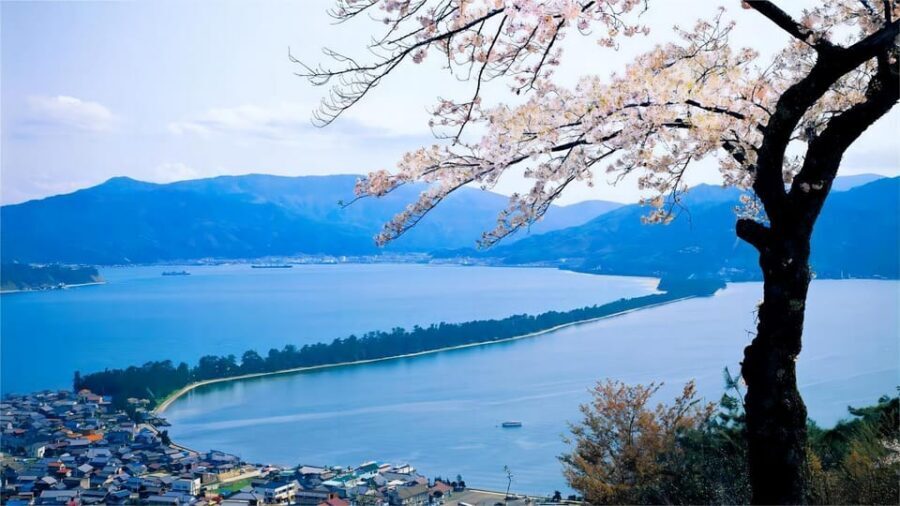
- Heaven’s Bridge viewpoint at Amanohashidate: pine-covered sands meeting both sides of Miyazu Bay
- Photo time plus guided stops: you get structured viewing, then breathing room to wander and shoot
- Chion-ji Temple to Manjushri: a concise visit tied to blessings for students
- Ine’s funaya boat houses: waterfront architecture you can see from the street-level promenade
- Optional boat cruise with seagulls: a fun way to experience the bay instead of only looking from land
A one-day route that hits scenery, temple, and seaside life
This is one of those day tours that works because it follows a simple logic: start with the iconic coastline view first, add a focused religious stop, then finish in Ine where the town itself is the attraction. You’re not trying to squeeze ten major landmarks into one hour each. Instead, you’ll spend real time at the places that are hard to reproduce on your own without effort.
If you like variety—salt-air views in the morning, temple calm in the middle, then fishing-town character at the end—you’ll likely enjoy the flow. Amanohashidate gives you the dramatic “bridge” geography; Chion-ji offers a story you can remember; Ine lets you slow down, browse, and watch boats working the bay.
That structure also helps you plan your energy. After the long coach ride, you’re not stuck staring out a window the whole time. You get sightseeing time quickly at Amanohashidate, then shorter stops with guided context.
You can also read our reviews of more tours and experiences in Kyoto.



Getting there from Osaka: pickup options and what to watch
The tour is built around pickup in the Osaka area, and your exact meeting point depends on which option you book. Two start choices are listed: Nippombashi Station and Kyoto-Hachijoguchi Bus Loading Area. From there, you get on a coach and head toward Amanohashidate.
Expect a 2.5-hour drive before the first big stop. This is normal for the region—this part of Honshu has fewer “walkable” clusters than central Kyoto, so you’ll rely on the bus.
A couple practical notes that will make the day easier:
- You’ll receive an email the day before with your pickup details, including the guide contact info and the bus license plate number. Check that message so you’re not guessing where to go.
- Schedules can shift from traffic, weather, holidays, or crowds. This isn’t unusual for a countryside route, so build a little slack into your travel day.
If you’re sensitive to time, this is a long outing—about 10 hours from start to finish—so don’t book it on the same day as tight, must-hit reservations.
Heaven’s Bridge at Amanohashidate: pines, white sand, and sea views
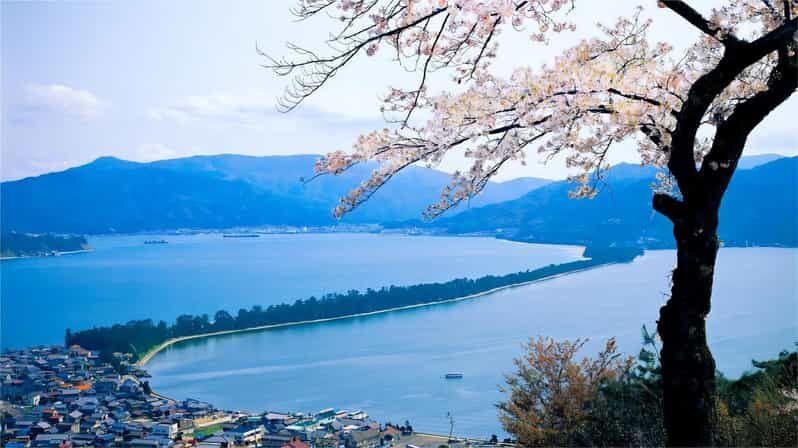
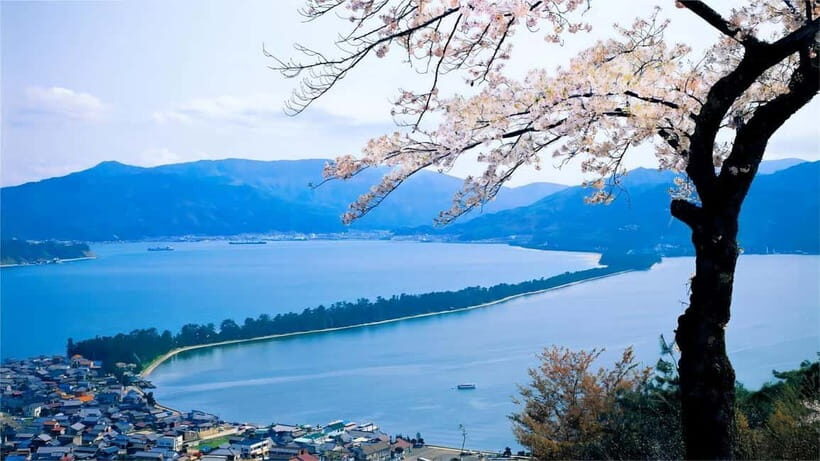
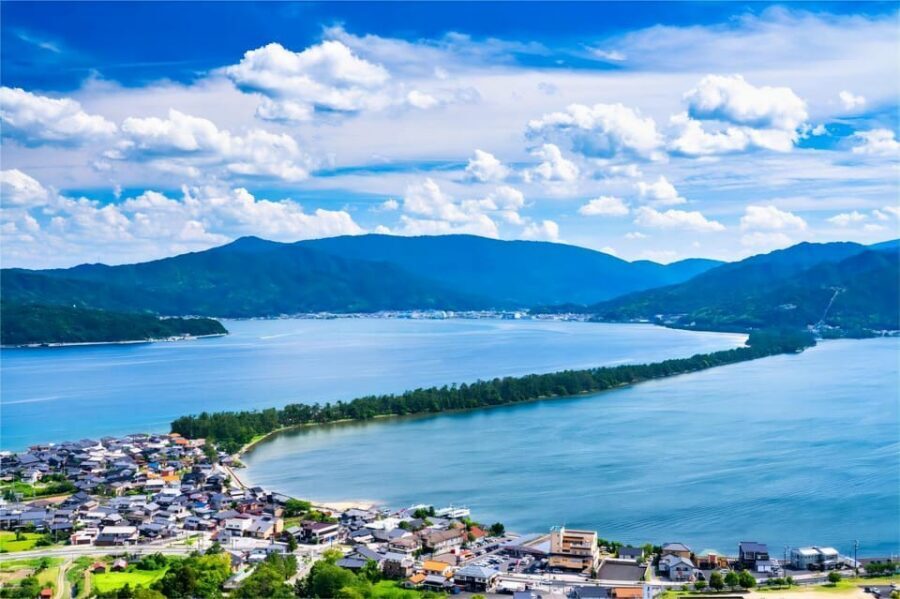
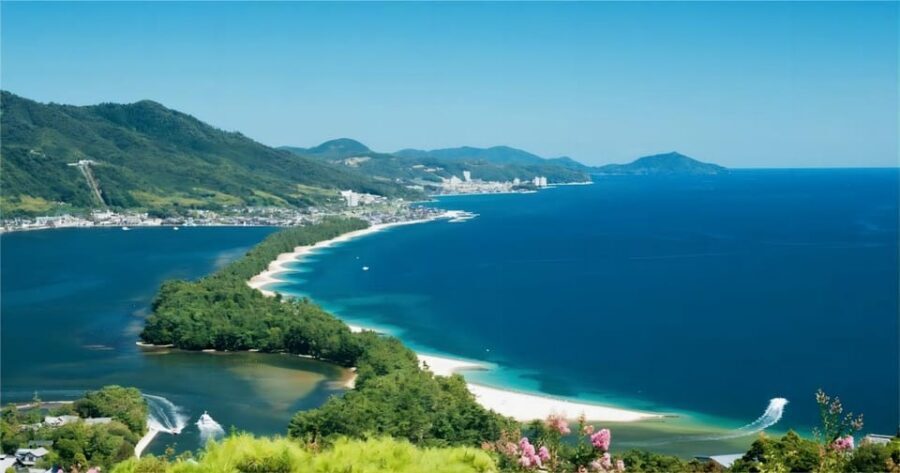
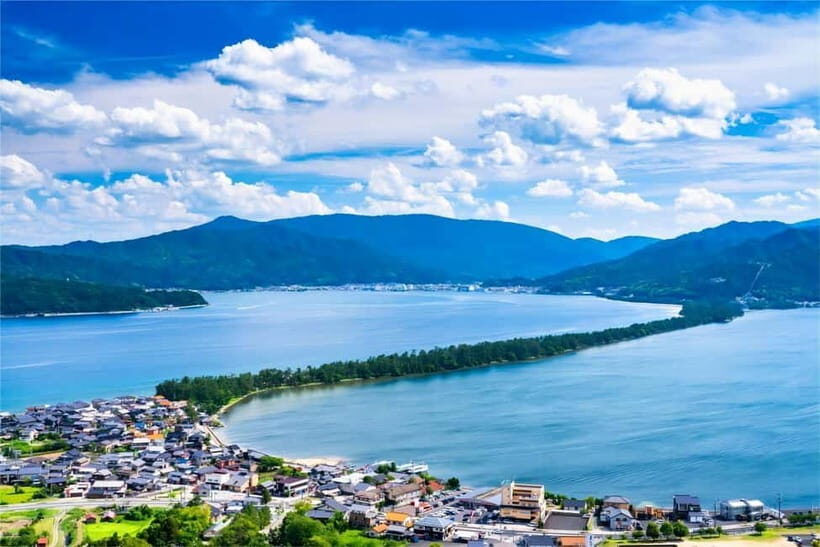
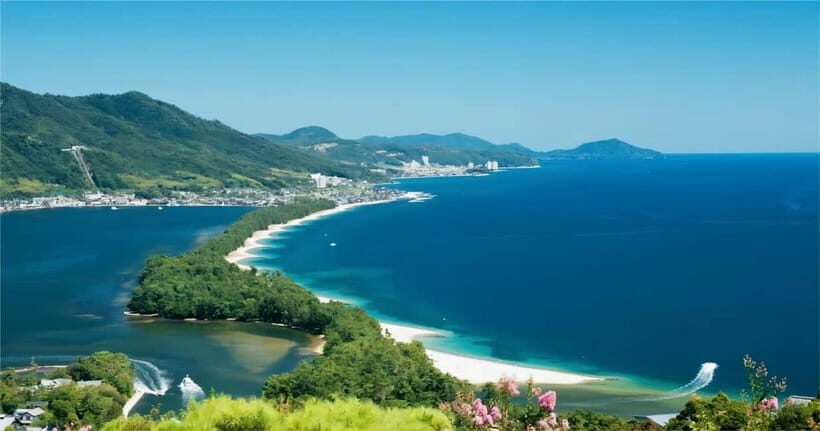
Your first major stop is Amanohashidate, the sandbar that connects both sides of Miyazu Bay. The name translates roughly to Bridge to Heaven, and that idea isn’t just marketing. When you stand along the viewing area, the geography makes sense fast: land seems to stretch like a natural bridge between two coasts.
You’ll have about 2 hours here, including a photo stop, a guided visit, and time to explore. That time allocation matters. The best photos don’t happen if you rush. The sandbar shifts visually with your angle, and the surrounding water reads differently depending on clouds and light.
What you’re looking for at Amanohashidate:
- Pristine white sandy beaches along the viewing stretch
- Lush green pine trees covering the sandbar
- Views across Miyazu Bay, with the Aso Sea and the Sea of Japan also referenced on this route
You also get a guided explanation here, which helps you connect the view to the cultural recognition—the site is one of Japan’s Three Views. Even if you don’t care about rankings, that context helps you understand why the viewing platform is where it is and what locals pay attention to.
One small drawback: the stop has a lot of scenic momentum, so if you’re hoping for deep historical storytelling, you may need to ask your guide directly. Several guests appreciated clear explanations, while others wanted more history. If that’s your preference, arrive ready with 1–2 questions.
Chion-ji Temple and Manjushri: a short visit with student-focused meaning
After Amanohashidate, you head to Chion-ji Temple, located south of the sandbar. This part of the day is shorter—about 30 minutes—but it’s designed to give you a “learn something real” moment instead of just passing through.
Chion-ji is dedicated to Manjushri, a Buddhist god associated with wisdom. That theme shows up in the temple’s role in daily life: students visit to seek blessings that help with their studies and progress.
Even in a brief visit, you’ll get a guided walk that points out meaningful details. For example:
- An ancient gate that you pass through on the way in
- A fan-shaped signed poem that symbolizes progress and improvement
Those details are the kind of thing you might miss if you were sightseeing alone, because they’re not always obvious from the main walkway. A good guide helps you slow down long enough to notice them.
If you’re the type who likes quiet places, this stop is a good counterweight to the open-air scenery earlier. If you’re the type who likes facts, it’s a good opportunity to ask what the temple is emphasizing during your visit, because the student-wisdom connection gives the site a practical purpose.
The Kyoto Prefecture pause: a photo window plus guided walk time
The itinerary includes a stop listed as Kyoto Prefecture with a guided component and about 1 hour of walking/sightseeing. The exact attraction isn’t specified in the info you have, so treat this as a scenic and logistical breathing space rather than a “must-know monument.”
This is useful time for:
- Getting extra photo stops that you can’t plan from a timetable
- Stretching your legs after the coach ride
- Resetting before you reach Ine, where the day becomes more of a waterfront stroll
If you’re prone to getting hangry on long days, this is also a moment to buy water or snacks if you can. Food and drinks aren’t included, so being proactive helps.



Ine, Japan’s funaya waterfront: boat houses, shops, and bay time
By the time you reach Ine, the mood shifts. Amanohashidate is about coastline drama; Ine is about human-scale seaside living. This fishing town is known for its waterfront boat houses—often referred to as funaya—which line up along the bay like workspaces that became architecture.
You’ll have time to:
- Walk along the waterfront and see the boat houses up close
- Shop for souvenirs
- Browse restaurants and local snacks (though you’ll pay for food yourself)
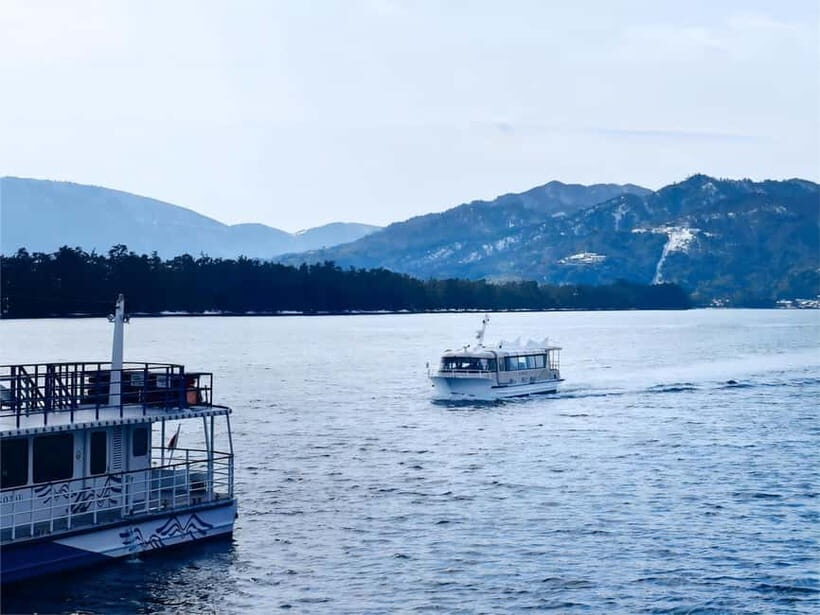
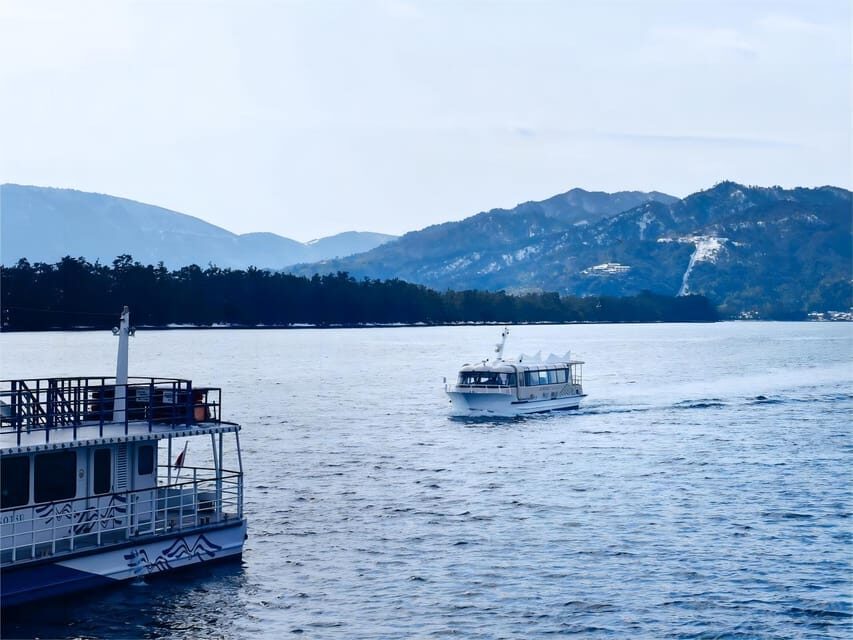
Here’s the best part: you also have the option to add a boat ride. If you do, the highlights mention a boat cruise around the bay where you can feed seagulls. That’s not just entertainment—it changes how you interpret the town. From land, boat houses look like a neat postcard. From the water, you understand why they’re built where they are.
A key planning thought: the itinerary provides town time and optional boat activity, but the boat ride isn’t listed as included. So budget extra for it, and try not to treat it as a guaranteed “free add-on.”
Also, the final stretch feels more relaxed than the morning. You can wander at your own pace, which is exactly what you want after time in a coach.
Price and value: what $76 really covers
At $76 per person for a 10-hour outing, the value comes from what’s included and what isn’t.
Included:
- Return hotel transfer
- Transportation to the sites
- A tour guide (English and Japanese)
Not included:
- Food and drinks
- Entry tickets
In plain terms: the coach and guide are the core value. You’re paying for an organized way to cover Amanohashidate + Chion-ji + Ine in one day without the stress of transfers, timing, and routing across the countryside.
What to keep in mind about “not included”:
- Entry fees can add up quickly once you add temple admissions and any optional attractions.
- One guest specifically wished they had known the extra amount for entry tickets ahead of time because they had limited cash and later couldn’t find a payment method they needed.
So, the smart budgeting move is simple: expect some add-ons and carry a bit more than you think you’ll need.
Tips to avoid common day-trip problems in Japan
This kind of countryside tour runs smoothly when you prepare for small friction points. Here are my best practical tips, based on what’s explicitly known about the tour plus the real-world payment and guide-explanation issues that can pop up.
1) Bring enough cash for small payments
Entry tickets aren’t included, and at some stops you may find payment systems are inconsistent. The tour doesn’t guarantee card acceptance for every extra. If you want less stress, bring cash for admission fees and small purchases. You can still pay by card when it works—but don’t plan your whole day on one payment method.
2) Don’t plan meals too tightly
Food isn’t included. Ine has shops and restaurants, so you should be able to eat there, but a long itinerary means timing can shift. Leave space in your plans so you’re not searching for a meal at the exact moment you planned to sit down.
3) Wear shoes for a mix of viewing areas and walking
You’ll do photo stops, guided walks, and time to stroll around both Amanohashidate and Ine. Even short walks add up after a coach ride. Comfortable footwear makes the day feel easier.
4) Check the day-before email
Pickup location details, contact info, and the bus license plate number are sent by email. If you skip that step, you risk confusion at the exact moment you need calm.
5) Luggage reality check
You can bring one piece of luggage for free. Extra luggage larger than 20 inches costs $16 USD. If you have a lot of shopping or bulky gear, plan what you’ll carry during the tour.
Guide quality matters: what to do if you want more explanation
This is where expectations help. A good guide can turn a scenic stop into a meaningful one with clear context—especially at Chion-ji, where the Manjushri/wisdom angle and the student-progress symbolism are part of the point.
Some guides on this route have been specifically praised by name—Jay and Fred—for being efficient and helpful. Others have had feedback about explanations being lighter than expected or English being harder to follow.
So here’s what I’d do if you want more depth:
- Ask one direct question early, such as what detail at Chion-ji matters most and why the fan-shaped poem is significant.
- If you prefer structured history, let your guide know politely during the stop that you’d like a bit more background.
If you don’t ask, you might still get good sightseeing guidance—but you could miss the deeper context you’re hoping for.
Who should book this Amanohashidate and Ine Funaya tour
You’ll likely be happy with this tour if you:
- Want a straightforward way to see Amanohashidate and Ine without juggling routes
- Like a day that blends scenery, a temple stop, and a lively waterfront town
- Prefer a guided day where the timing is handled for you
- Enjoy optional add-ons like a bay cruise instead of being locked into one activity
You might think twice if you:
- Want long, detailed museum-style storytelling at every stop
- Are very sensitive to meal timing and extra costs (since food and entry tickets aren’t included)
- Don’t want a full coach day (it’s about 10 hours)
Should you book this tour?
If you’re spending time in Kyoto/Osaka and want one day that feels like the coast and the countryside rather than just city sights, this is a strong choice. The combination of Heaven’s Bridge scenery, a purposeful temple visit focused on wisdom and students, and Ine’s funaya waterfront makes the day feel complete.
Book it if you’re okay planning for extra spending on entry tickets and an optional boat ride, and if you can be flexible about timing. Bring cash, read your day-before email, and wear comfortable shoes. Then you’ll get the best of Japan’s coastal views and a fishing-town atmosphere that doesn’t require you to master complicated transport.
FAQ
How long is the Kyoto: Amanohashidate Ine Funaya Tour?
The tour lasts 10 hours.
What does the tour cost?
The price is listed as $76 per person.
Where do I meet the tour?
Meeting points can vary depending on the option booked. Two starting location options are Nippombashi Station and Kyoto-Hachijoguchi Bus Loading Area.
What is included in the price?
Return hotel transfer, transportation to the sites, and a tour guide are included.
Are entry tickets included?
No. Entry tickets are not included.
What languages is the guide speaking?
The live tour guide is available in English and Japanese.
What are the luggage rules?
Each person can bring one piece of luggage for free. Additional luggage larger than 20 inches costs $16 USD.