REVIEW · FOOD
Kyoto: Nishiki Market and Depachika Food Tour with a Local
Book on GetYourGuide →Operated by TripGuru Japan · Bookable on GetYourGuide
Short on time, but hungry for Kyoto?
This is a fast, focused walk that pairs Nishiki Market with a department-store depachika food hall, then slows things down at Nishiki-Tenmangu Shrine. I like that you get guided ordering and smart tastings, so you’re not stuck guessing what to try in a crowded market.
What I like most comes down to two things: the guide-led sampling plan and the way the tour shapes your choices (so you taste Kyoto flavors, not just whatever looks shiny). Small group energy helps, too, since the guide can actually keep an eye on everyone and explain what you’re eating. One drawback to plan around: the tour is only two hours, so you’ll leave pleased, not stuffed.
In This Review
- Key highlights you’ll care about
- Kyoto in Two Hours: Nishiki Market + Depachika Food Hall
- Starting at Apple Kyoto: Timing, shoes, and cash
- Daimaru Kyoto depachika: where the eating gets easy
- Nishiki Market for one focused hour: what to taste and why
- Nishiki-Tenmangu Shrine: a calm reset after the snacks
- The included tastings: what you actually get to eat
- Price and value: is $42 fair for Kyoto food?
- Pacing, crowding, and what the group size changes
- Who should book this food tour, and who should skip
- Should you book? My practical call
- FAQ
- FAQ
- How long is the Kyoto Nishiki Market and Depachika food tour?
- Where do we meet for the tour?
- Where does the tour end?
- Is the tour guided in English?
- How large is the group?
- What food tastings are included?
- Do I need to bring cash?
- Is hotel pickup and drop-off included?
- Is this tour suitable for mobility impairments?
- Can I cancel for a refund?
Key highlights you’ll care about
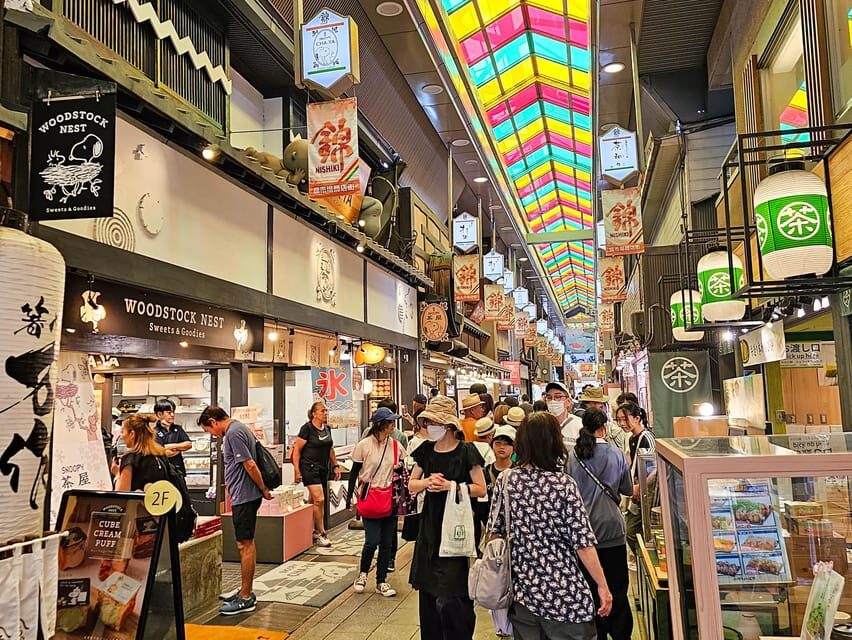
- Nishiki Market in one hour: a guided route through classic Kyoto snack stops and market stalls
- Daimaru Kyoto depachika: basement food-hall sampling at a department-store favorite
- Included tastings: yuba sashimi plus soy milk donut, Nishiki gyoza, and uoriki tempura hamo fish
- Nishiki-Tenmangu Shrine break: a calm Shinto stop for a reset amid all the eating
- Small group limit (9 people): easier conversation and less queueing-by-accident
- Guides with strong English track records: names like Vincent, Jasmine, and Mao show up repeatedly in past bookings
Kyoto in Two Hours: Nishiki Market + Depachika Food Hall
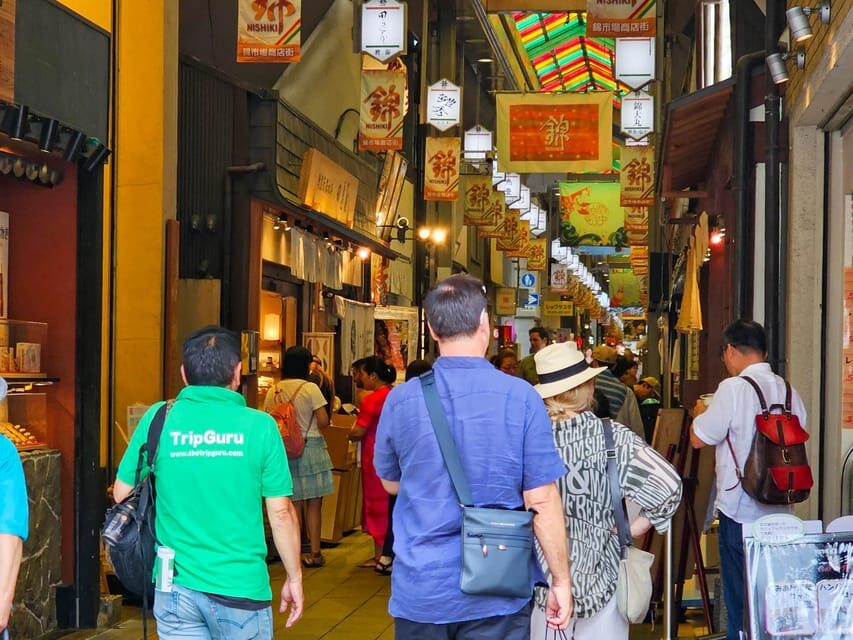
If Kyoto feels like a long checklist, this tour is the short version. You start at Apple Kyoto, then move through two major food zones that are famous for very different reasons: market chaos above ground, and carefully packaged, ready-to-eat comfort in the department store basement.
The best part is the pacing. Nishiki Market is where you go to understand what Kyoto people actually snack on and buy daily. Depachika is where you see how Japanese food culture turns everyday cravings into small, giftable works of edible art.
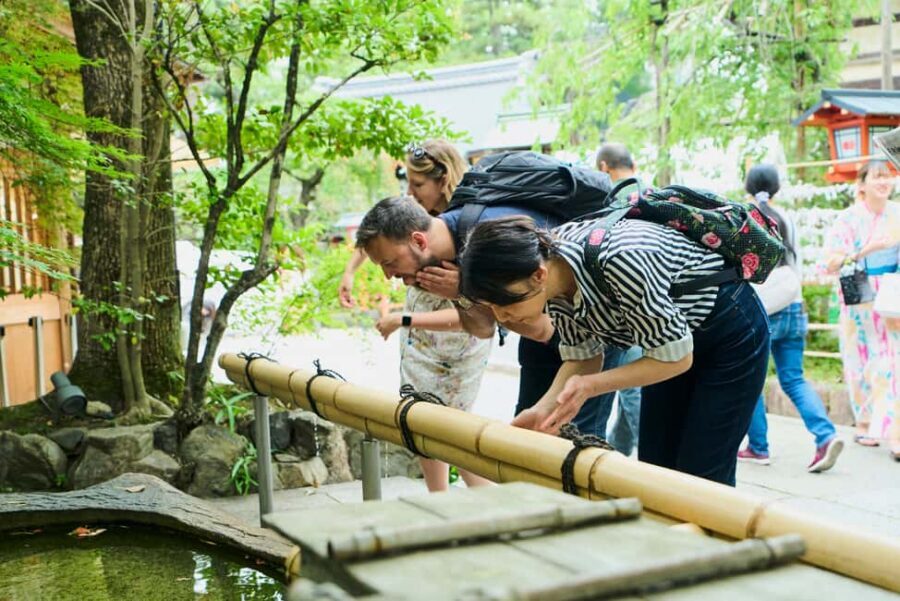
And after all that eating, the tour adds a breather at Nishiki-Tenmangu Shrine. It’s not just a photo stop. You get a guided look at the shrine’s learning connection, plus the chance to cleanse your hands at the sacred water fountain before you keep exploring.
You can also read our reviews of more food & drink experiences in Kyoto
Starting at Apple Kyoto: Timing, shoes, and cash
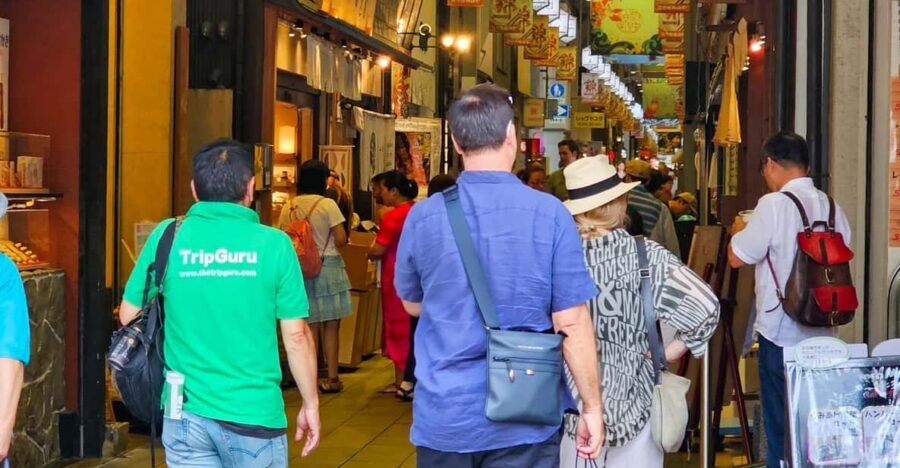
Your meeting point is Apple Kyoto, and the guide waits there wearing a TripGuru shirt or holding a TripGuru sign. Show up at least 10 minutes early, because the guide only waits a maximum of 10 minutes before heading to the next stop.
Also factor in traffic. Navigation apps can underestimate morning time, so give yourself extra buffer to avoid arriving flustered. This matters more than usual because you’re dealing with tight blocks of time across multiple food stops.
What to bring is straightforward: comfortable shoes, a camera, and cash. You’ll likely want cash for optional buys after your included tastings, especially in dense market lanes where vendors may have their own payment setup.
One more practical note: this walk is not listed as suitable for people with mobility impairments, heart problems, respiratory issues, or for pregnant women. The tour includes standing, walking, and crowded areas.
Daimaru Kyoto depachika: where the eating gets easy
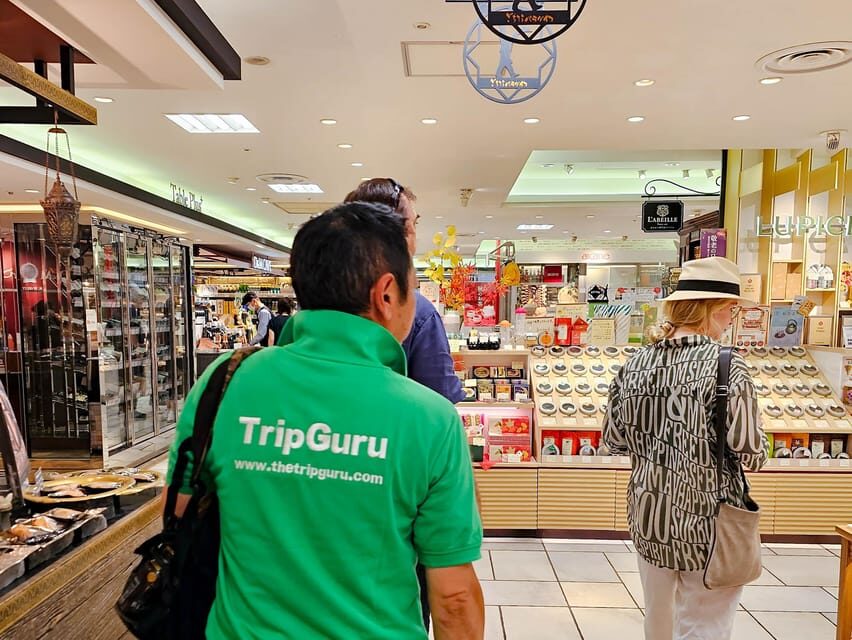
The tour starts with time at Daimaru Kyoto, including a food market visit (1.5 hours). This is your depachika warm-up, the kind of place where you can taste without needing a restaurant reservation or a menu translation marathon.
Why this stop works: depachika food halls are built for browsing while hungry. You can compare textures and styles quickly, then decide what to try. It’s also a smart way to get your bearings before heading into the tighter, more traditional lanes of Nishiki Market.
The guide’s role is big here. Instead of you aimlessly grabbing whatever catches your eye, you get tastings tied to Kyoto food themes. Past bookings show guides like Vincent and Ai have a gift for explaining what you’re tasting and how it fits into Japanese food habits, not just naming items.
If you’re the type who likes to ask questions (and who doesn’t?), this is a good segment to do it. You’ll often hear the difference between how a snack is made and what it’s supposed to taste like.
Nishiki Market for one focused hour: what to taste and why
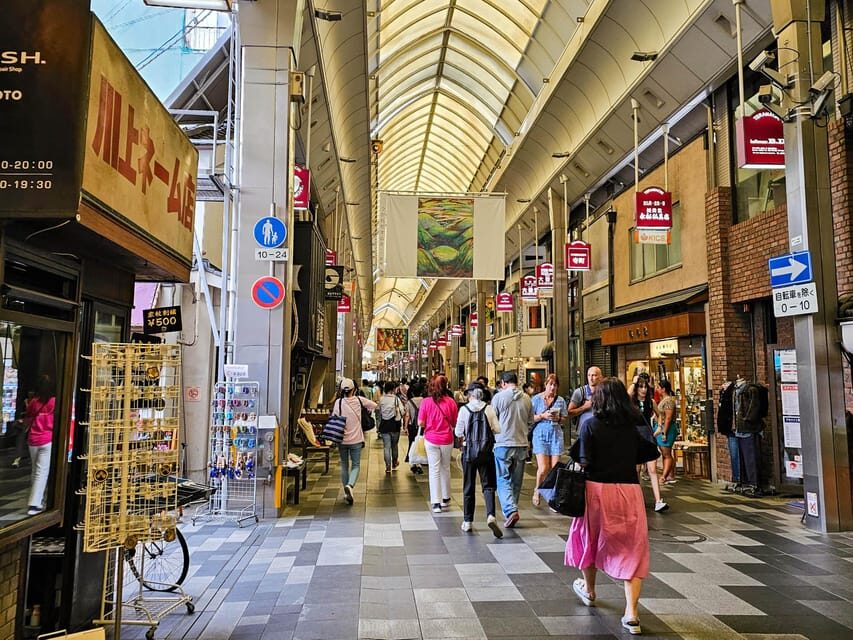
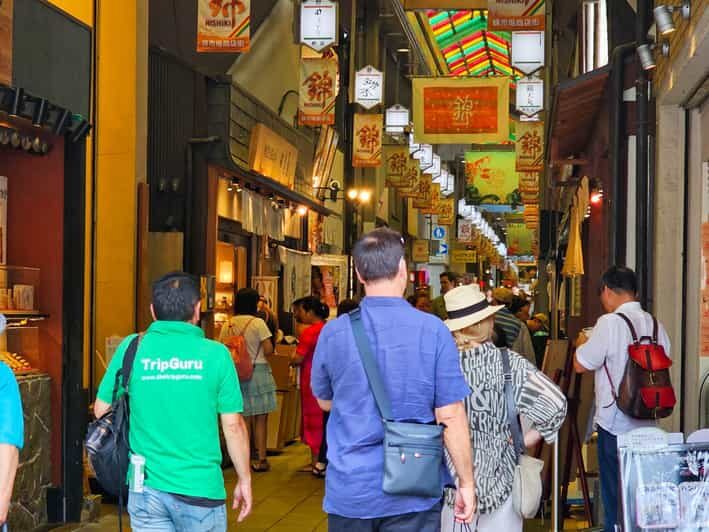
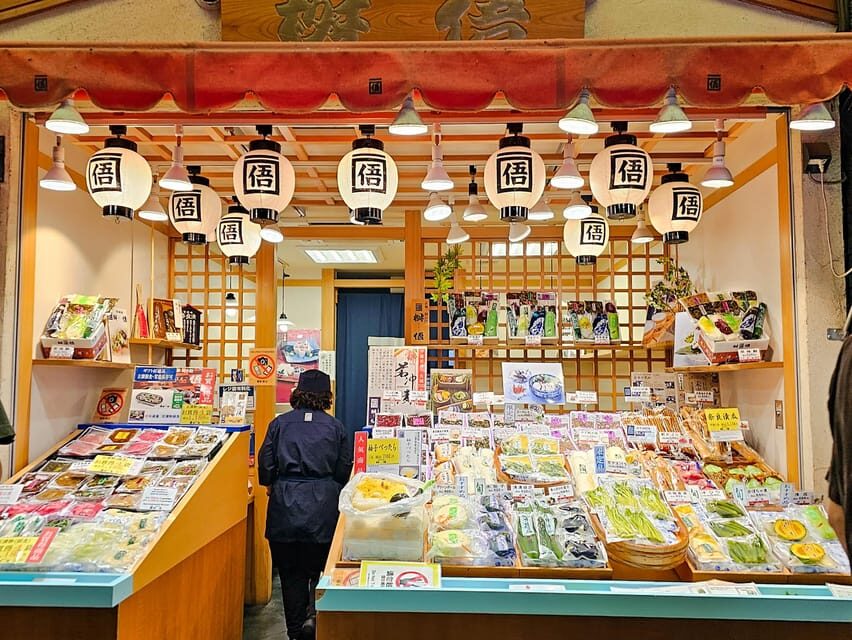
Next comes Nishiki Market, with one hour allocated for the market itself and food tasting. Nishiki is known as Kyoto’s kitchen, and the point of going with a guide is that you’re not just wandering. You’re learning how to select items in a place where the smells and variety can overwhelm even confident eaters.
What makes Nishiki Market special isn’t only the food. It’s the way the market mixes quick bites, ingredients, and specialty goods in a tight footprint. You’ll see vendors selling seasonal foods and Kyoto favorites, and you’ll also run into shops that are more tool-and-ingredient focused, like cookware and knives.
Here’s what I’d do in your shoes: stay curious, but don’t try to taste everything. Your guide’s tasting plan is there for a reason. In past bookings, guests praised guides like Jasmine and Mao for giving history and context while still giving you time to shop if you want to.
Also keep an eye on how the guide manages timing. Some guests loved that the guide could adapt when a group lingered longer in Daimaru. That kind of flexibility helps, because market time has a way of stretching when something smells too good to ignore.
Nishiki-Tenmangu Shrine: a calm reset after the snacks
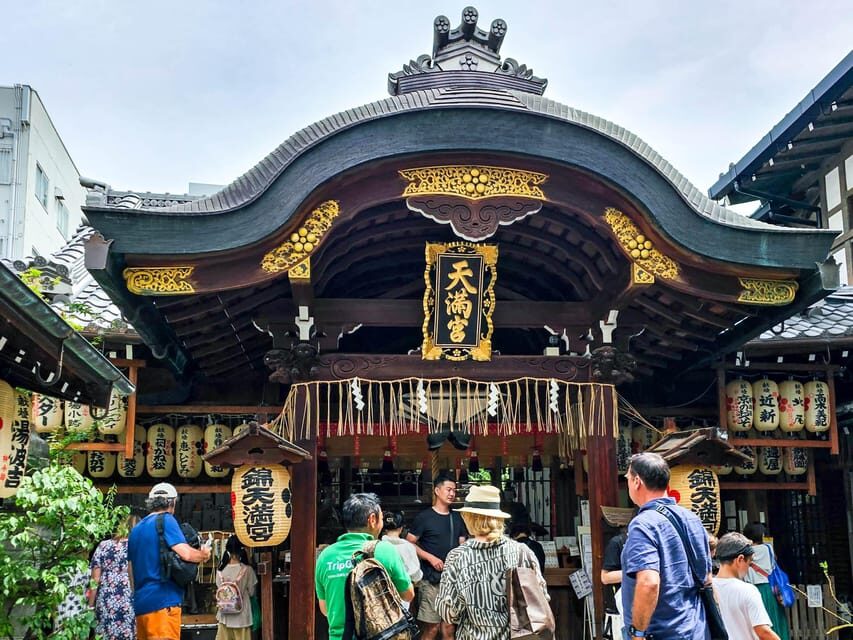
After the market, you head to Nishiki-Tenmangu Shrine, with about 30 minutes for a guided visit. This is a quiet counterpoint to the food noise, and it’s placed well so you don’t feel like you’re rushing through everything.
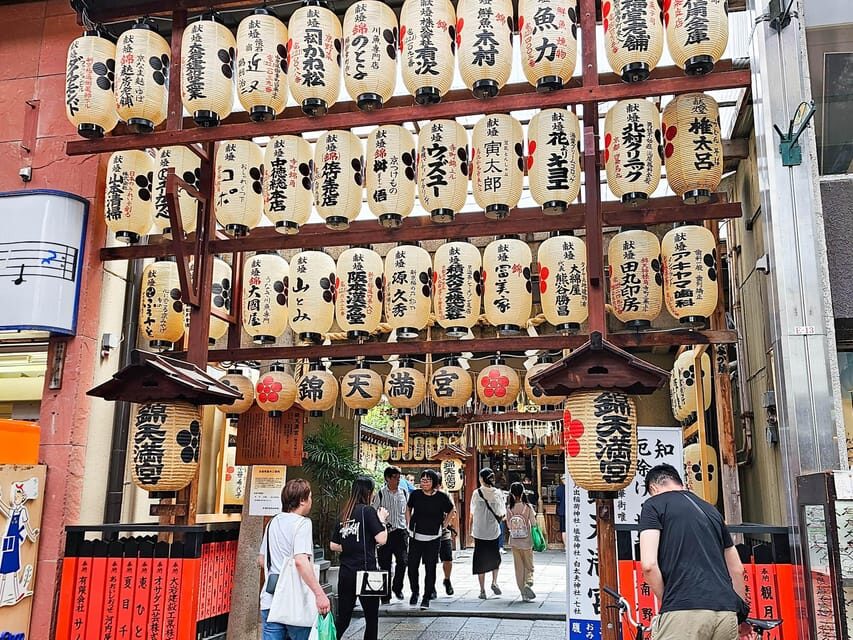
The shrine is dedicated to a deity of learning, so the experience tends to feel reflective rather than purely touristy. You’ll also cleanse your hands at the sacred water fountain, which is believed to bring good fortune and blessings.
Think of it as a palate reset too. Your brain is full of flavors at this point, and a calm, guided moment helps you absorb what you ate and why. It also breaks up the walking, which you’ll appreciate if you start getting sensory overload in the market.
You can also read our reviews of more tours and experiences in Kyoto

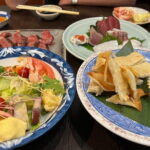
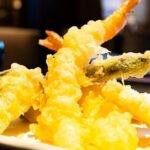
The included tastings: what you actually get to eat
This tour isn’t just a sightseeing walk. It includes specific tasting items, so you know you’ll have real food during the 2-hour window.
Your included tastings are:
- Yuba sashimi (tofu skin) and soy milk donut
- Nishiki gyoza
- Uoriki tempura hamo fish
Why these choices make sense: they cover different parts of Kyoto-Japanese comfort food. Yuba is a tofu-skin classic tied to regional food traditions. Gyoza gives you a familiar shape with local style potential. Tempura hamo fish is the kind of specialty you’d hesitate to order on your own unless you’re already fluent in menus and seasonal recommendations.
Also notice how you’re tasting across textures: soft, crisp, fried, and fresh. In a short tour, that variety is the difference between feeling like you had “a snack” and feeling like you sampled Kyoto.
One thing to remember: included tastings are still a set amount. If you want a full meal, plan to top up after the tour at your own pace. Several guides in past bookings were praised for a friendly, low-pressure atmosphere, but the tour still can’t replace a sit-down dinner.
Price and value: is $42 fair for Kyoto food?
At $42 per person, this is priced like a shortcut that saves you confusion and time. The value comes from three things you don’t get for free if you wander alone:
1) A guided route through two major food zones. You’re not just walking; you’re following an order that makes sense.
2) Included tastings that add up faster than you think in Japan. Yuba, gyoza, and a tempura specialty aren’t random free samples.
3) English explanation that helps you make better choices right away.
If you’re a foodie who hates decision fatigue, you’ll feel the value quickly. If you’re a traveler who already knows exactly what you want, you might question the guided element. But even then, the shrine stop and the depachika orientation are useful.
Small group size also plays into value. Limited to 9 participants, so you’re less likely to get stuck behind a wall of elbows and less likely to get lost when the guide moves quickly between counters.
So for $42, I see this as paying for “taste guidance + time efficiency,” not for a long list of stops.
Pacing, crowding, and what the group size changes
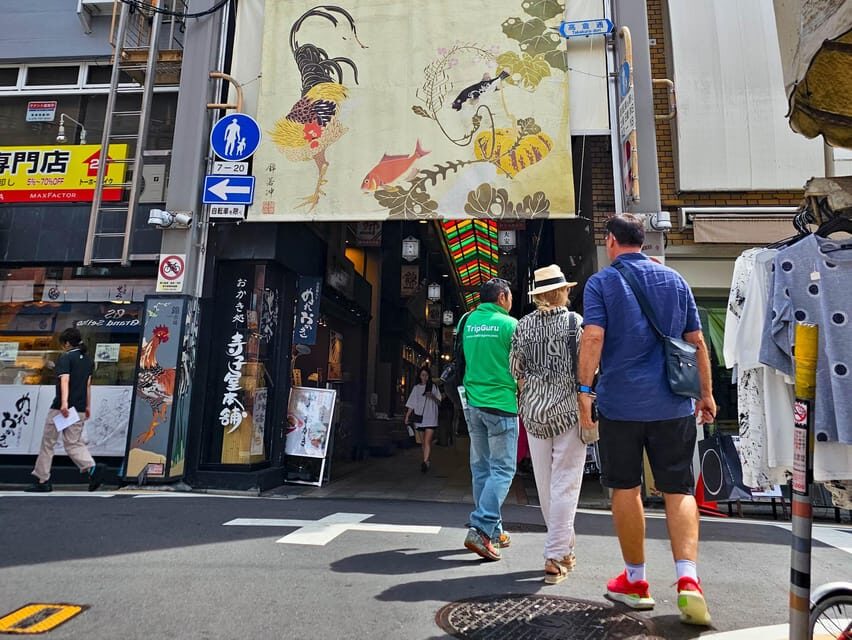
This is a walking food tour. That sounds obvious, but in Kyoto it matters. Nishiki Market corridors can get tight, and depachika counters are practical but busy. Shoes help. Patience helps more.
The small group of 9 changes the experience in a real way: you can ask questions without feeling like you’re slowing down a parade. In past bookings, guests highlighted that guides like Mao, Boris, and Richard handled questions well and offered useful recommendations without pressure.
Pacing-wise, the tour is built to fit into a short attention span. You’re not expected to stay glued to the guide the entire time, but you do need to keep moving on schedule. The 10-minute early rule exists for a reason: the route depends on everyone staying aligned.
If you tend to shop while you walk, do it thoughtfully. There’s time for shopping opportunities, but you’ll want to choose quickly so you don’t cut into the tastings.
Who should book this food tour, and who should skip
This tour is a strong fit if:
- You want Kyoto food basics fast without getting lost in market overwhelm
- You like structured tasting, not a free-for-all
- You’d rather spend money on guidance than on guesswork
It’s especially good for first-time visitors to Nishiki Market who want to understand what each food choice means. Past guides such as Jasmine and Ai have been praised for sharing food history and making it easy to interact.
Skip it if:
- Walking through crowded areas is tough for you
- You have respiratory issues or heart problems (not listed as suitable)
- You’re pregnant or have mobility constraints (also not listed as suitable)
Also consider your appetite expectations. The included tastings are satisfying, but the tour is only 2 hours. Treat it like a delicious sampler plus guidance, then eat a proper meal after.
Should you book? My practical call
I’d book this if you’re in Kyoto for a short window and you want the highest food-impact per hour. Nishiki Market is the kind of place where guidance pays off, and depachika adds a different, very Japanese slice of food culture you might miss on your own.
I’d also book it if you like being able to ask a guide questions and hear what’s behind the flavors. Past bookings repeatedly mention guides who speak strong English and explain the meaning behind what you’re tasting, whether the guide is Vincent, Mao, Boris, Jasmine, or Ai.
Only hold off if you’re expecting a long, filling meal outing. This is tastings + orientation + a shrine stop, not a full-on feast. If you want that, add a second plan for dinner near Kyoto-Kawaramachi Station, where the tour ends.
FAQ
FAQ
How long is the Kyoto Nishiki Market and Depachika food tour?
It lasts 2 hours.
Where do we meet for the tour?
The meeting point is Apple Kyoto. The guide will be there wearing a TripGuru shirt or holding a TripGuru sign.
Where does the tour end?
The tour finishes at Kyoto-Kawaramachi Station.
Is the tour guided in English?
Yes, the tour is an English-speaking tour guide.
How large is the group?
It’s a small group limited to 9 participants.
What food tastings are included?
The included tastings are yuba sashimi (tofu skin) with soy milk donut, Nishiki gyoza, and uoriki tempura hamo fish.
Do I need to bring cash?
Yes. The tour lists cash as something to bring.
Is hotel pickup and drop-off included?
No, hotel pickup and drop-off are not included.
Is this tour suitable for mobility impairments?
No. It’s listed as not suitable for people with mobility impairments.
Can I cancel for a refund?
Yes. Free cancellation is available up to 24 hours in advance for a full refund.
![[2.3km / 1.43mi] Kyoto East Early Morning Walking Tour - What the small group size really changes](https://7.kyotoescapes.com/wp-content/uploads/2-3km-1-43mi-kyoto-east-early-morning-walking-tour.jpg)