REVIEW · FOOD
Kyoto: Local Food Tasting Tour at the Nishiki Market
Book on GetYourGuide →Operated by Japan Wonder Travel · Bookable on GetYourGuide
Food here comes in bites.
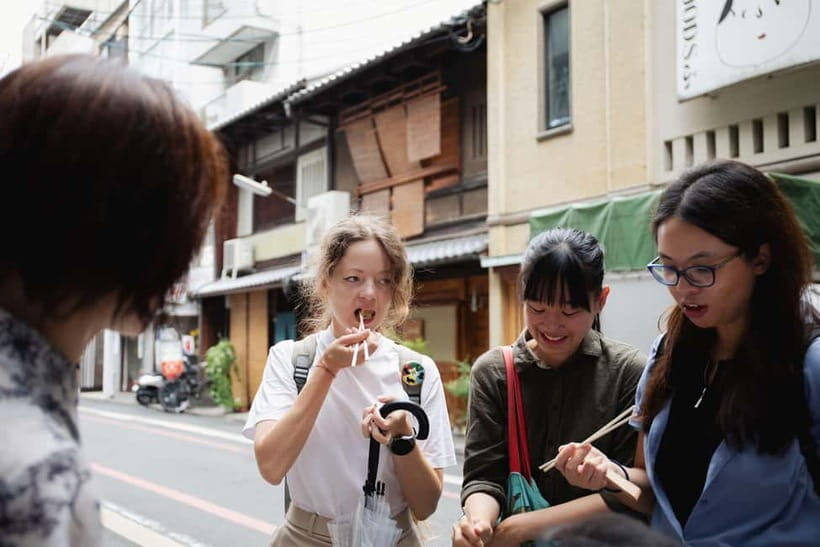
This Nishiki Market walking tour is a smart way to taste Kyoto without getting lost in the snack chaos, guided by locals like Hide, Takuna, and Ayu. You’ll spend time in a market that’s been serving shoppers for centuries, then connect the food to everyday life and traditions.
I especially like that you get five carefully chosen specialties (think yuba, obanzai, hamo tempura, and wagyu steak skewers), so you’re not just grabbing whatever looks good. I also like the small-group feel (up to 6), which keeps the pace human and makes it easier to ask questions as you walk.
One drawback to consider: this is a lot of walking and standing on busy streets, and the tour can’t accommodate dietary restrictions (including vegetarian, halal, kosher, gluten-free, and allergy-related needs). If you have mobility issues, this one may not work well.
In This Review
- Key Points to Know Before You Go
- Nishiki Market at Human Speed: What This Walk Feels Like
- The Nishiki Market Stops: How 400 Years of Stalls Gets You Real Food
- The practical reality of the market: busy hands, quick choices
- Five Specialty Tastings: The Best-Value Part of the Tour
- What you’ll learn that you can’t get from a menu
- The Short Cultural Stops: Nishiki-Tenmangu Shrine and Beyond
- Nishiki-Tenmangu Shrine: a fast reset
- Shinkyogoku Shopping Arcade: street-level Kyoto shopping
- Teramachi Street Shopping District: a longer wander
- A less-frequented “hidden” stop (10 minutes)
- Tea Ceremony Option: When to Add It and What You’ll Actually Do
- Price and Value: Does $78 Make Sense for 3 Hours?
- Who This Tour Suits Best (And Who Should Skip It)
- My Booking Checklist: How to Get the Most From It
- Should You Book the Kyoto Nishiki Market Food Tasting Tour?
- FAQ
- How long is the Kyoto Nishiki Market local food tasting tour?
- What food will be included on the tour?
- Is the tour wheelchair accessible?
- Can the guide accommodate dietary restrictions?
- Does the tour include a tea ceremony?
- What should I bring and wear?
Key Points to Know Before You Go
- Small group size (max 6) keeps the tour moving at a pace that feels doable.
- Five specialty tastings take the guesswork out of what to try at Nishiki Market.
- A 400-year-old market with about 130 stalls means lots to see, even between bites.
- Short cultural stops (including Nishiki-Tenmangu Shrine) give context fast.
- English-speaking local guides focus on food, culture, and how daily life shapes what you eat.
- Optional tea ceremony adds a hands-on cultural finish near Nishiki Market.
Nishiki Market at Human Speed: What This Walk Feels Like
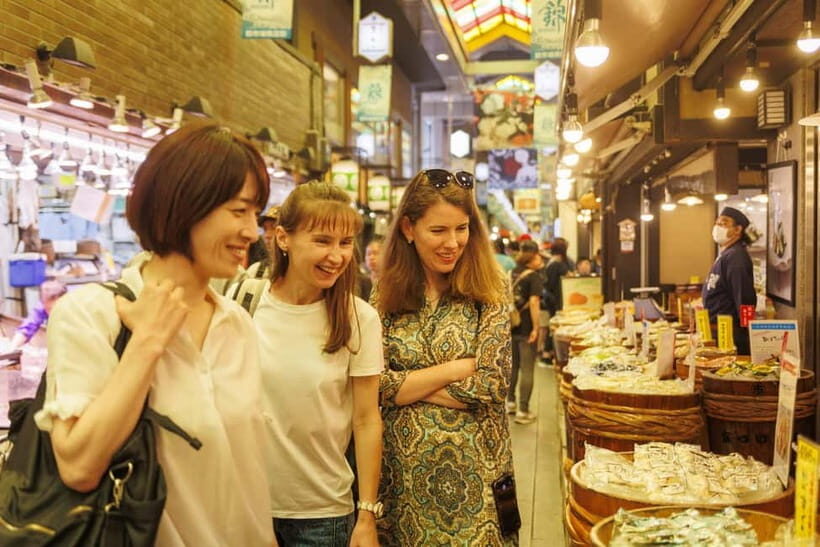
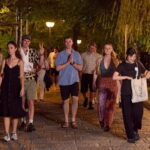
Nishiki Market is famous for a reason: it’s basically Kyoto’s pantry made public. You’ll see row after row of stalls selling everything from snackable bites to packaged seasonings, and it’s easy to feel overwhelmed if you come in “food-first, plan-never.” This tour fixes that by moving you through the market with a guide who knows where to go and what to prioritize.
The best part is the pacing. With only about 1.5 hours in Nishiki Market (and then a few more stops outside it), you get time to taste without rushing, plus time to look around and understand what you’re seeing. It’s not a sit-down meal that leaves you stuffed and sleepy. It’s tasting plus short cultural context, the right mix for first-timers.
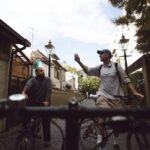
I also like that this tour is structured around short, specific stops rather than one long supermarket shuffle. You’ll get a quick shrine visit, then glide into shopping arcades and street districts where the mood shifts from “market food” to “Kyoto streets.”
You can also read our reviews of more food & drink experiences in Kyoto
The Nishiki Market Stops: How 400 Years of Stalls Gets You Real Food
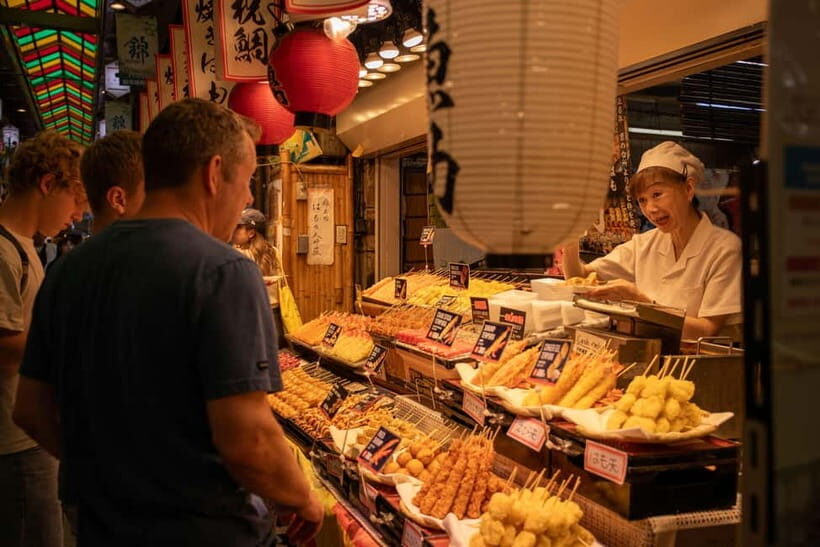
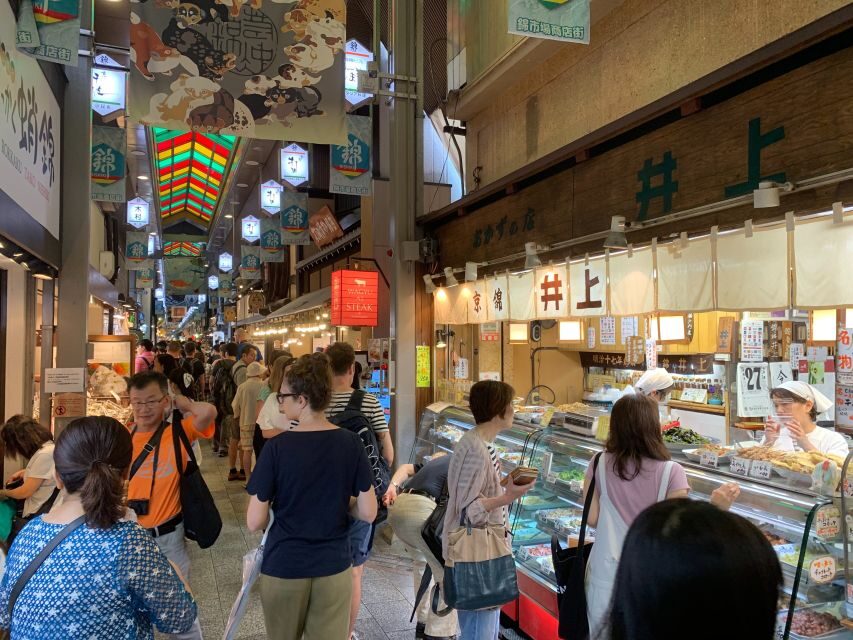
Nishiki Market is often described as Kyoto’s Kitchen, and on this tour you experience it that way: not as a museum, but as a living place where people come to pick up ingredients and snacks. It’s a 400-year-old market with around 130 stalls, so the variety is the whole point.
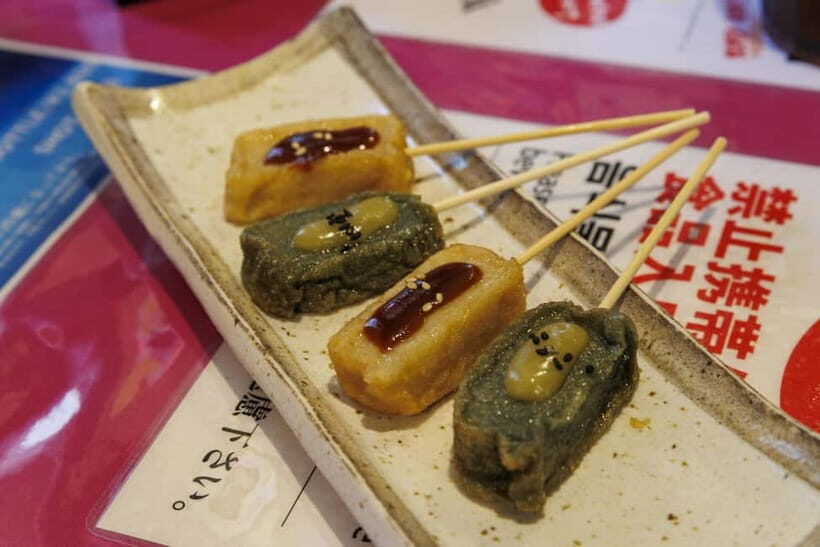
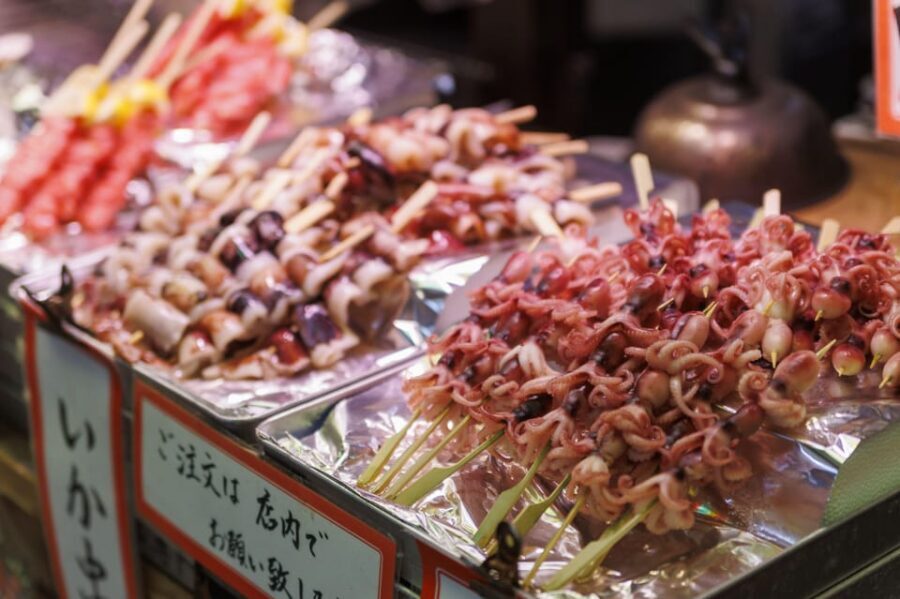
During your market time, your guide helps you read the options quickly. That matters because Nishiki can feel like a food alphabet you don’t yet understand. You might see skewers, tofu-based items, tempura options, specialty sauces, crackers, honey, and seasonings—plus plenty of shop displays that look similar until you know what to look for.
What you’re doing here is learning how Kyoto eats in small portions. Instead of trying to decide on one “best” dish, you get multiple bites across different styles: crispy fried, savory-sweet, broth-adjacent, and tofu-forward choices. It’s a lot easier to appreciate Kyoto cuisine when you can compare textures and flavors back to back.
The practical reality of the market: busy hands, quick choices
Nishiki is crowded in the way popular food places get: lots of people, close spacing, and occasional line-ups. The tour group moves together, and your guide keeps you from losing time scanning menus while others pass you by. Bring comfortable shoes. Rain gear helps too, because weather in Kyoto can turn fast and you’ll still be walking.
Five Specialty Tastings: The Best-Value Part of the Tour
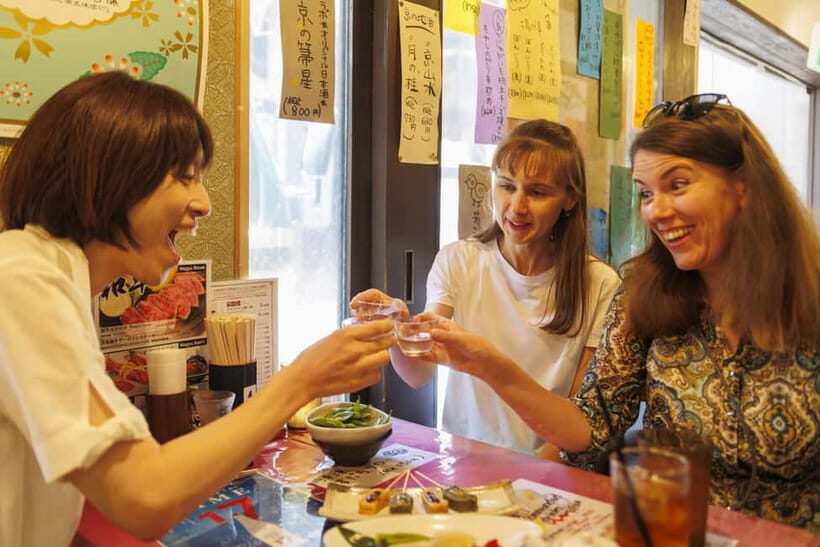
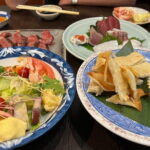
This is where the tour earns its price. You’re paying for guidance plus five curated food tastings rather than “random samples.” The included items listed for this tour include:
- Yuba
- Obanzai (Kyoto-style home cooking)
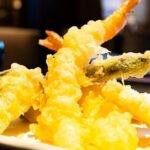
- Hamo tempura
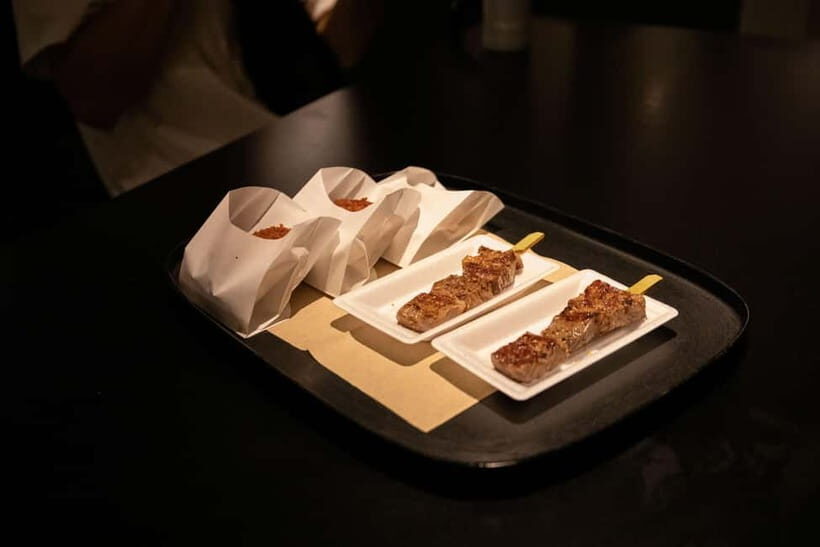
- Wagyu steak skewers
- And more small tastings like Kyoto seasonings, cracker bites, and Japanese flavored honey
Even if you’re not a huge foodie, these picks make sense because they represent different sides of Kyoto cooking.
Yuba (tofu skin) is a Kyoto hallmark. It’s not just an ingredient—it’s a texture lesson. It’s light, delicate, and often tastes richer than you expect.
Obanzai is where Kyoto shows its everyday self. Obanzai isn’t trying to be fancy; it’s about home cooking—seasonal vegetables, careful simmering, and flavors that feel balanced rather than loud.
Hamo tempura is a chance to try something you’re unlikely to order blindly on your first night. If hamo is on the seasonal menu, it tends to land as a crispy, aromatic bite that doesn’t taste like generic tempura.
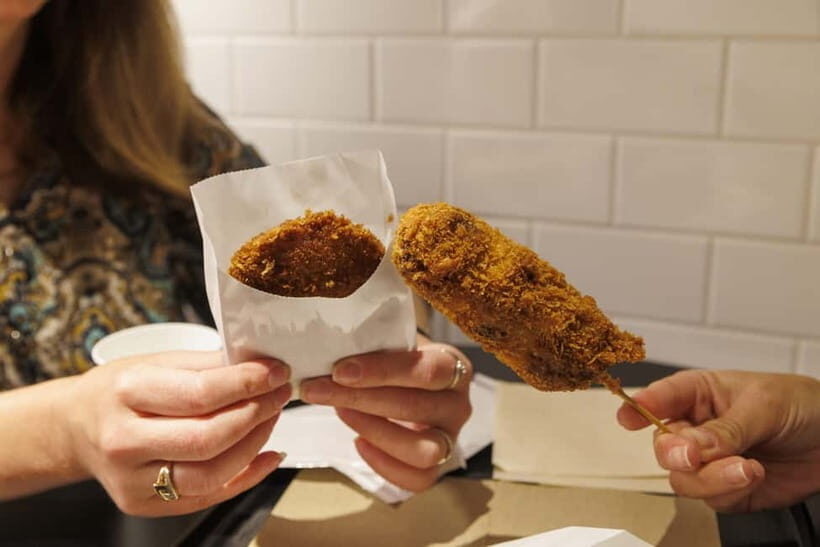
Wagyu steak skewers are the comfort-food anchor. You’ll feel the difference between “good beef” and Kyoto-style presentation, and it helps break up the more delicate flavors (so you don’t end the tour only craving something crunchy and salty).
Then you get the supporting cast—crackers, seasonings, and flavored honey—which are ideal tasting companions. They teach you how Kyoto flavors get built: small amounts, clear taste goals, and pairing that makes each bite feel intentional.
What you’ll learn that you can’t get from a menu
The guide doesn’t just hand you food. They explain what you’re tasting and how it fits into Kyoto life. That’s important because Nishiki isn’t only about what’s delicious; it’s about what’s culturally normal. The tour helps you understand why certain ingredients show up again and again, and what local customers typically reach for.
You can also read our reviews of more tours and experiences in Kyoto

The Short Cultural Stops: Nishiki-Tenmangu Shrine and Beyond
Not all the value is in the food. You also get a few quick cultural detours that keep the tour from feeling like a snack marathon.
Nishiki-Tenmangu Shrine: a fast reset
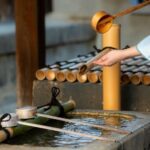
You’ll spend about 10 minutes at Nishiki-Tenmangu Shrine. This is short on purpose. It gives your brain a breather from constant eating decisions, and it connects the market to the Kyoto rhythm: people shop, walk, and also pause at shrines as part of daily life.
Even in 10 minutes, you’ll feel the change in atmosphere. It’s a good moment to step out of the busiest market flow and re-center before heading into shopping streets.
Shinkyogoku Shopping Arcade: street-level Kyoto shopping
Next comes Shinkyogoku Shopping Arcade for about 45 minutes. Arcades are where you see the city’s commercial texture up close: side-by-side storefronts, everyday goods, and the kind of neighborhood energy that doesn’t look staged for tourists.
This stop is useful because it shows you what you’ll find after Nishiki—how people keep shopping once the market bites are done.
Teramachi Street Shopping District: a longer wander
You’ll also visit Teramachi Street Shopping District for about 30 minutes. This is less about one specific attraction and more about atmosphere. You get time to look around, and the guide’s presence helps you spot what’s worth slowing down for.
A less-frequented “hidden” stop (10 minutes)
There’s also a short 10-minute hidden gem style stop. The key takeaway: it’s brief, so you don’t lose momentum, but it’s there to broaden the tour beyond the biggest tourist magnets.
Tea Ceremony Option: When to Add It and What You’ll Actually Do
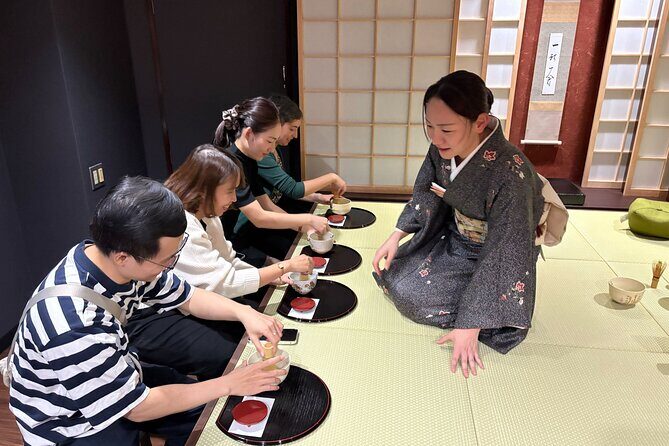
If you add the tea ceremony, it starts at 2:00 PM and runs about 90 minutes. You’ll need to make your own way to the venue near Nishiki Market after the food tour.
This part includes:
- Professional kimono dressing
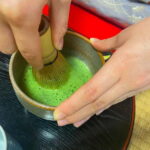
- A tea ceremony guided by a seasoned tea master
- Learning the meaning behind each movement and gesture
- Time for commemorative photos in a traditional setting
This is a good match after a food tour because it slows your senses down. Food is active—sweet, salty, crispy, savory. Tea is controlled and intentional. You’ll come out of it with a better sense of why Japanese culture often values small motions and careful timing.
Price and Value: Does $78 Make Sense for 3 Hours?
At $78 per person for about 3 hours, you’re paying for more than just food. You’re paying for:
- A local English-speaking guide
- A structured route through a crowded market
- Five included tastings
- Plus extra tastings like seasonings, crackers, and flavored honey
- Cultural stops (shrine + shopping arcades)
- And tea ceremony if you select that option
If you’ve ever tried to “DIY Nishiki,” you know how fast costs add up when you keep buying one more snack to figure out what’s good. This tour turns that guesswork into a plan. You still get to taste plenty, but you’re tasting with intention—and that’s where the money tends to feel justified.
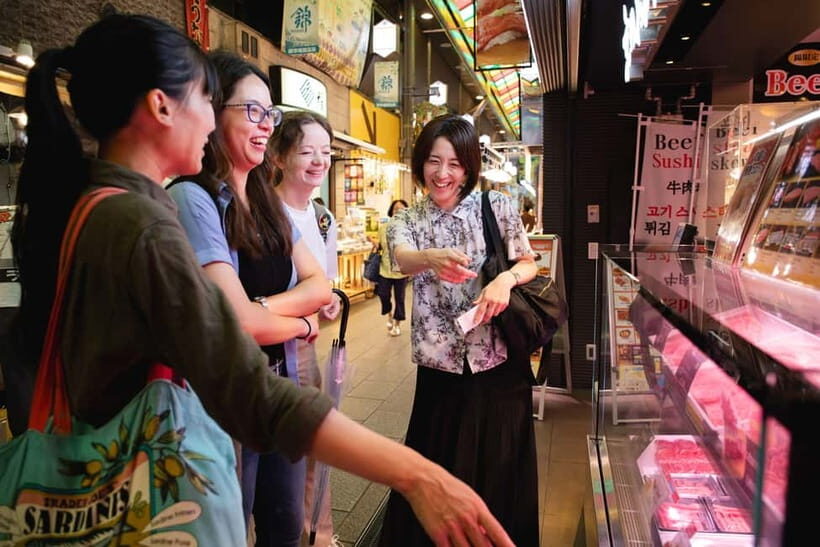
The small group (up to 6) also matters. In bigger groups, you lose time at stalls and your questions don’t land. Here, guides can give more personal explanations and keep the pace workable.
Who This Tour Suits Best (And Who Should Skip It)
This tour is a strong fit if you:
- Want a first reliable Kyoto food intro
- Prefer tasting over a full meal
- Like market energy but don’t want to sort through 130-stall chaos
- Enjoy learning how food connects to daily life
It may not suit you if:
- You need dietary accommodations (the tour can’t handle vegetarian, halal, kosher, gluten-free, or allergy-related requests)
- You have mobility impairments or use a wheelchair (it’s not suited for that)
- You travel with pets or large luggage (pets aren’t allowed; luggage/large bags aren’t allowed)
If you’re traveling with kids, note that the tour is described as a group walking tour and is time-boxed. Many families love food tours because they work as a shared activity—just plan for the walking.
My Booking Checklist: How to Get the Most From It
A few small choices make a big difference here.
Wear comfortable shoes. Market floors and crowded sidewalks aren’t made for blisters.
Bring rain gear. You’re outdoors for a lot of the experience.
Come hungry, but don’t overdo it. The tour focuses on tastings, not one big meal, so you want room for multiple bites.
And go in with the right mindset: you’re not trying to eat one “perfect” dish. You’re collecting flavor references. By the end, you’ll know what Kyoto is like—how it balances delicate tastes (like tofu skin and home-style cooking) with crispy and savory hits (like tempura and wagyu).
Should You Book the Kyoto Nishiki Market Food Tasting Tour?
Yes—if you want a guided way to sample Kyoto’s favorites in a market that’s too busy to master alone. The combination of five included specialties, a local guide who explains what you’re tasting, and short cultural stops makes this a high-value way to learn Kyoto food fast.
Skip it only if dietary needs are part of your planning, or if you know you’ll struggle with sustained walking in crowded areas. If that’s not your situation, this tour is an efficient, fun first step into Kyoto cuisine—and a really practical way to leave the market feeling confident, not just full.
FAQ
How long is the Kyoto Nishiki Market local food tasting tour?
It lasts about 3 hours (listed as 3 hours or 270 minutes).
What food will be included on the tour?
The tour includes 5 special food tastings, including yuba, obanzai, hamo tempura, and wagyu steak skewers, plus additional tasting items like Kyoto seasonings, cracker bites, and Japanese flavored honey.
Is the tour wheelchair accessible?
No. It is not suitable for wheelchair users or people with mobility impairments.
Can the guide accommodate dietary restrictions?
No. Dietary restrictions are not accommodated, including vegetarian, halal, kosher, gluten-free, or allergy-related requests.
Does the tour include a tea ceremony?
There is an optional tea ceremony add-on. If you choose it, the tea ceremony begins at 2:00 PM and lasts 90 minutes, and you’ll need to make your own way to the venue near Nishiki Market.
What should I bring and wear?
Wear comfortable shoes and bring rain gear. The tour also doesn’t allow pets or luggage/large bags.