REVIEW · COOKING CLASSES
Nishiki Market Food Tour with Cooking Class
Book on GetYourGuide →Operated by Cooking Sun · Bookable on GetYourGuide
Nishiki Market turns food-shopping into a lesson. On this private Nishiki Market Food Tour with Cooking Class, I like the way a fluent English local guide (often seen as Chie/Chei) gets you oriented in Kyoto’s food market fast, and I really like the hands-on part where you cook your own donburi bowl using fresh ingredients from the stalls.
One thing to plan for: the market time is typically around an hour, so if you want long snack stops at every counter, you’ll probably want extra time (and extra money) for that on your own.
In This Review
- Key takeaways before you go
- Nishiki Market plus donburi cooking in 150 minutes
- Meeting at the western entrance and getting your bearings fast
- What the market tour really gives you: stalls, etiquette, and taste samples
- Cook your bowl: Kaisen-don, Ten-don, or Oyako-don
- Inside the cooking studio: step-by-step donburi and a recipe you’ll use again
- Sake tasting and pickles: optional extras that add context
- Price and value: why $109 can feel fair
- Who this tour suits best (and who should think twice)
- Practical tips that make the day smoother
- Should you book the Nishiki Market Food Tour with Cooking Class?
- FAQ
- What is the duration of the Nishiki Market Food Tour with Cooking Class?
- Where do I meet for the tour?
- How much does the tour cost?
- Is the tour private?
- What languages are offered for the instructor and tour?
- What can I cook during the donburi cooking class?
- Are sake tastings included?
- What is included in the price?
- What is not included?
- Is there a cancellation option?
Key takeaways before you go
- English-speaking local guide who helps you choose and ask questions in real time
- Cook donburi from market ingredients with what you buy during the tour
- Pick your bowl: Kaisen-don (seafood), Ten-don (tempura), or Oyako-don (chicken & egg)
- Free pickles tastings, plus optional sake (three types)
- Taxi to the cooking studio included, so you don’t have to figure out transfers
- Recipe included, so you can recreate your bowl later at home
Nishiki Market plus donburi cooking in 150 minutes
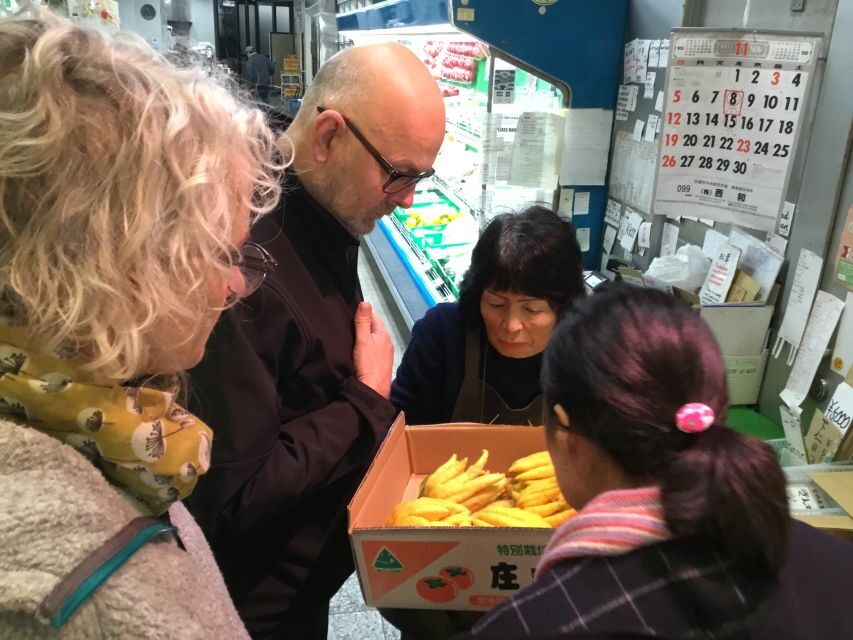
This is a smart format if you want two things at once: local market know-how and real cooking skills. The whole experience runs about 150 minutes, which is long enough to do a guided walk and still get your hands busy in the kitchen.
You’ll start at the western entrance of Nishiki Market. Then you head into the market for about an hour, with your guide steering the pace. After that, you move to a cooking studio for the donburi lesson and meal, typically another hour to cook and eat.
You can also read our reviews of more food & drink experiences in Kyoto
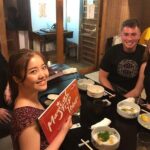
Meeting at the western entrance and getting your bearings fast
Meeting at the Nishiki Market western side entrance matters. The market is packed, and it’s easy to waste time drifting between tourist-focused displays. A good guide helps you focus on stalls with the items that actually make sense for your bowl.
This is also a private experience, so you’re not stuck in a slow moving group line. You can ask questions as you go, and your guide can also help with translation when shop staff are busy.
If you’re the type who likes to return to your favorite stall afterward, this structure is ideal. You get the list of what to look for without spending your whole morning wandering.
What the market tour really gives you: stalls, etiquette, and taste samples
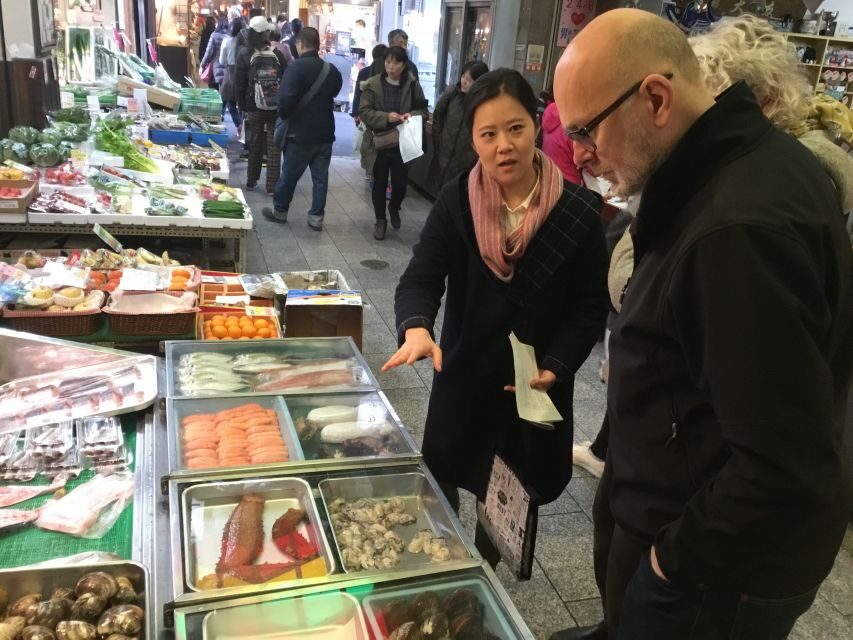
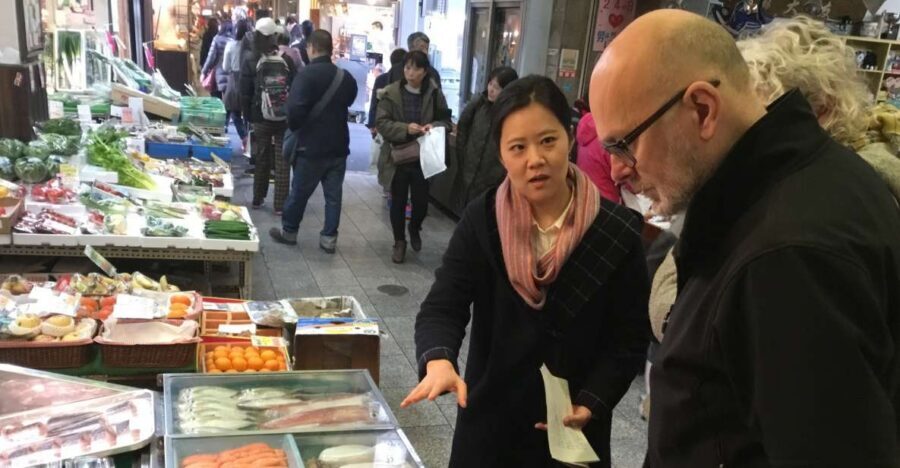
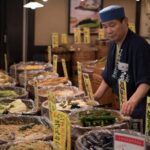
Yes, Nishiki Market is famous. But the practical value here is that someone points out what’s worth noticing—and why. As you walk, you’ll learn what each shop is known for, and you’ll get explanations that go beyond names on shelves.
A standout detail from the experience style is etiquette. One theme that comes up is rules like not eating and walking. That sounds simple, but in a dense market it changes how you shop. You’ll move more confidently once you understand what’s expected.
You’ll also get help with tasting along the way. The tour includes free Japanese pickles tastings, and you’ll sample food items during the market portion. If you’re the kind of traveler who likes to understand flavor building blocks (salt, acidity, crunch, fermented notes), this part pays off later when you cook.
And there’s a useful reality check: even with a guide, you may still not cover every street-side stall. The goal is to learn the market’s logic and come away ready to cook, not to see everything.
Cook your bowl: Kaisen-don, Ten-don, or Oyako-don
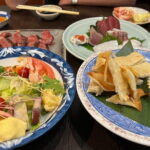
The cooking class centers on donburi—rice bowls topped with savory ingredients. What makes this more than a basic show-and-tell class is that you choose your bowl and then cook it yourself.
You can select one of these options:
- Kaisen-don (seafood)
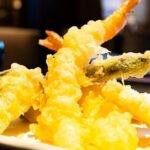
- Ten-don (tempura)
- Oyako-don (chicken & egg)
Your ingredients come from what you buy in the market, and the cost of those ingredients is included in the tour. That means your meal isn’t generic. It’s based on the specific items you selected during the walk.
You may also find you get guided customization. In past sessions, people asked for substitutions—like tofu instead of chicken—and the instructor helped make it work. If you have a dietary preference or swap request, bring it up during the class planning so the kitchen can adjust appropriately.
Inside the cooking studio: step-by-step donburi and a recipe you’ll use again
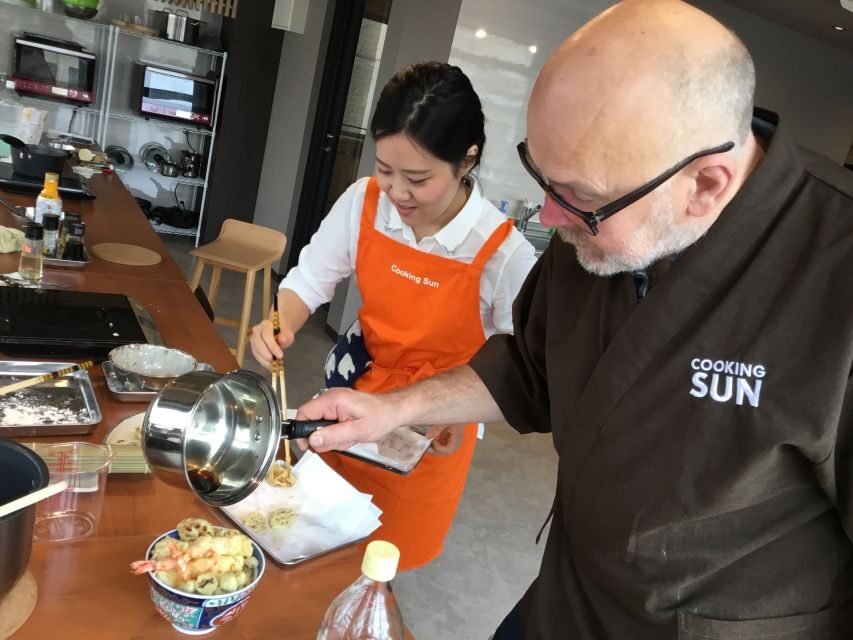
After the market, you’ll transfer to the kitchen studio (a taxi ride from the market is included). That’s a small detail, but it helps a lot when you’re in a crowded area. You avoid the stress of figuring out the quickest route while you’re already hungry.
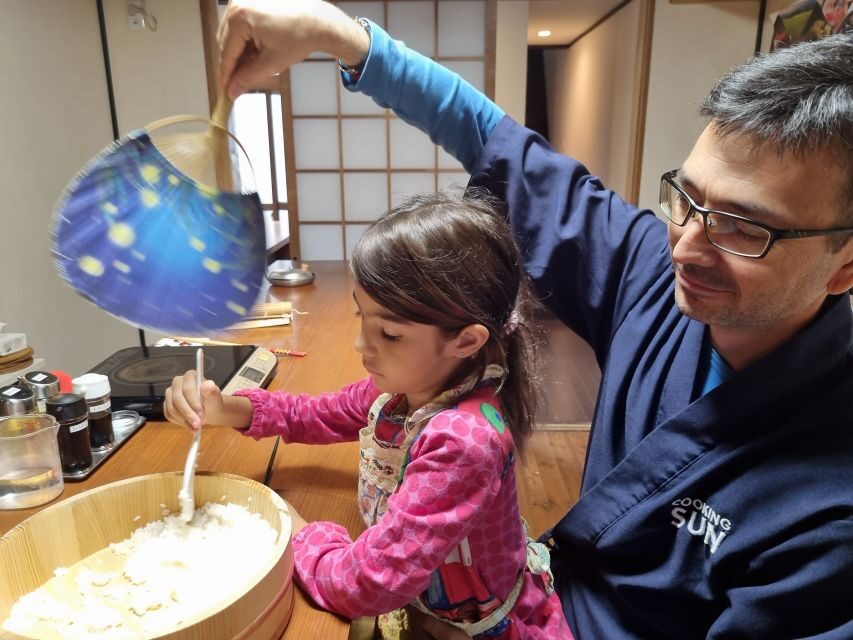
In the kitchen, you’ll cook and eat what you’ve chosen. The class is designed for English speakers, and you’ll receive a recipe. That recipe is the part that keeps the experience useful after the trip, especially if you like recreating dishes rather than just eating them.
Cooking quality seems to matter here. Multiple participants noted the kitchen was clean and well set up, and the teaching style focused on doing each step correctly—not only making it taste good. You may also learn broader flavor foundations, like dashi, and how to build the bowl with sauces and toppings in a way that looks good on the plate.
There’s also an element of presentation. One practical theme from the experience is that the instructor doesn’t just say what to do—they help you make the dish come out neatly. That’s helpful if you’ve never cooked Japanese-style bowls at home.
You can also read our reviews of more tours and experiences in Kyoto

Sake tasting and pickles: optional extras that add context
This experience includes free Japanese pickles tastings in the tour. It’s a small section, but it’s the kind of thing that gives you a better sense of how meals in Japan balance flavors. Pickles bring acidity and crunch, and once you taste them deliberately, you start noticing how they fit next to salty-sweet sauces and rice.
Then there’s sake tasting, which is optional. The tasting mentioned is of three different types of sake. If you’re curious about how alcohol tasting works in a food-pairing context, this is a nice add-on because it’s tied to the meal and the market culture, not treated like a separate activity.
If you’re not into alcohol, the pickles and food samples still keep the tour moving. You’re not forced to do the sake portion.
Price and value: why $109 can feel fair
At $109 per person for about 150 minutes, you’re paying for more than a guided walk. Here’s what you actually get included:
- Market tour fee
- Ingredients for your donburi (included)
- Recipe
- Sample tastings
- Taxi cost from market to studio
That’s a meaningful bundle. Market tours alone can be expensive in Kyoto, and a hands-on cooking class usually costs extra. In this format, you’re also not paying separately for ingredients, which is a big part of what you’d otherwise spend in Japan.
What’s not included is any extra food you might want to eat on your own during the market. Also, the class is focused on the donburi bowls. If you want more street-snack variety beyond what’s included, plan for that.
One more value point: the private nature matters. You get the pace that fits you, time for questions, and help navigating what to buy. If you’re traveling with kids, couples, or anyone who hates feeling rushed, private often delivers more satisfaction than a shared group.
Who this tour suits best (and who should think twice)
This tour makes the most sense if you:
- Want an English guide to explain what to buy and how to cook it
- Like hands-on learning (not just eating)
- Prefer a plan with structure in a crowded market
- Plan to bring skills home, not only souvenirs
It’s also a good fit if you want a meal that’s clearly defined. The donburi option keeps the cooking focused, and the market tour acts like your shopping list.
You should think twice if you:
- Want lots of free time to snack and linger in every stall
- Expect a long, super-detailed market deep-dive with unlimited tasting time
- Are picky about every ingredient quality, because one participant felt a specific ingredient choice wasn’t great
In other words: this is a “learn + cook” experience. If your main goal is maximum market wandering, you may want to add independent exploring time.
Practical tips that make the day smoother
A few things can help you enjoy this more from the start:
- Wear comfortable shoes. Nishiki Market is walk-heavy and tight.
- Come hungry. You’re tasting, then you’re cooking and eating, so skipping meals beforehand can be a mistake.
- Ask questions early. If you’re unsure what something is or how it will affect your bowl, ask at the market while your guide is there to translate.
- Plan for pickles and optional sake. You’ll likely get offered tastes as part of the experience.
- If you want substitutions, say so in advance. At least some past requests—like swapping chicken for tofu—have been accommodated, but it’s smart to confirm your preference during the class setup.
Should you book the Nishiki Market Food Tour with Cooking Class?
If you want a memorable Kyoto food experience with real skills you can repeat, I’d book this. The combination of a private English guide, included market shopping for your ingredients, and a hands-on donburi cooking session is a strong value at $109.
Skip it only if you’re mainly chasing unlimited snack time and lots of free-form wandering. If that’s your style, you can always explore Nishiki Market on your own. But if you want to leave with both a great lunch and the confidence to cook Japanese bowls at home, this tour is one of the better ways to do it.
FAQ
What is the duration of the Nishiki Market Food Tour with Cooking Class?
The tour lasts about 150 minutes, with time spent walking Nishiki Market and time cooking and eating donburi.
Where do I meet for the tour?
You meet at the western entrance of Nishiki Market.
How much does the tour cost?
The price is $109 per person.
Is the tour private?
Yes. It’s listed as a private group.
What languages are offered for the instructor and tour?
The tour and instructor are in English.
What can I cook during the donburi cooking class?
You can choose one of three options: Kaisen-don (seafood), Ten-don (tempura), or Oyako-don (chicken & egg).
Are sake tastings included?
A sake tasting is optional. The highlights mention tasting of three different types of sake.
What is included in the price?
Included items are the tour fee, donburi ingredients for cooking, recipe, sample tastings during the tour, and taxi cost from the market to the studio.
What is not included?
Foods you might want to eat on your own are not included.
Is there a cancellation option?
Free cancellation is available up to 24 hours in advance for a full refund. The listing also offers reserve now & pay later.