Kyoto can feel like a puzzle. This full-day tour solves it with local routing and 10 key stops packed into one day. You start in Arashiyama, then work your way through temple classics and big-name shrines with a guide who knows how to move the group without wasting time.
I especially like the balance of famous sights and quick context. You get the Golden Pavilion moment at Kinkaku-ji, the famously calm stone garden at Ryoan-ji, and the torii gate walk at Fushimi Inari Taisha, all without having to plan trains and buses all day. For a first visit, that shortcut matters.
One thing to consider: this is a serious walking day. Expect 20,000+ steps, and if you need strict vegetarian options, lunch at a sushi-go-round can be hit-or-miss since only some menu items may work.
In This Review
- Key highlights that make this Kyoto day tour worth your time
- A 9.5-Hour Kyoto hit list starting in Arashiyama
- Arashiyama bamboo forest: the cool start you can feel
- Kinkaku-ji and Ryoan-ji: two ways to slow your eyes
- Fushimi Inari Taisha: torii gates without the guesswork
- Kiyomizu-zaka and Sanneizaka: the streets that make photos make sense
- Kiyomizu-dera: the nail-free wood stage moment
- Yasaka Pagoda at Hokan-ji and the Gion finish
- Lunch at a sushi-go-round: fast, fun, and watch the vegetarian fit
- Price and value: what you’re actually paying for
- Walking 20,000+ steps: how to keep your body and mind happy
- Who should book this Kyoto full course day tour?
- Should you book this Kyoto full course tour?
- FAQ
- How long is the Kyoto full course tour?
- Where do you meet, and where does the tour end?
- What are the main stops included in the day?
- Are temple and shrine entrance fees included?
- Is lunch included, and what kind of food is it?
- What about transportation during the day?
- How many people are in the group?
- Is the tour suitable for everyone physically?
- What happens if I arrive late?
Key highlights that make this Kyoto day tour worth your time
- 10 stops in one day: big highlights plus a few charming side-street stretches
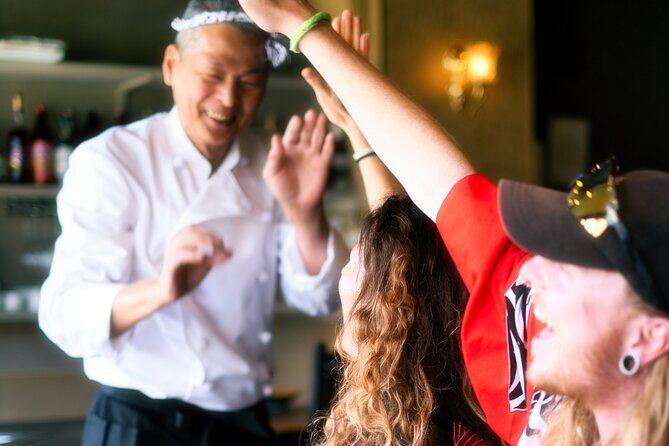
- Guides with real local experience (examples include Megumi and Masako) who help you handle Kyoto’s transit maze
- Arashiyama + transit time including the Randen Tram line in the mix
- A classic Kyoto morning-to-evening route that ends in the Gion area
- Sushi-go-round lunch with multiple choices, but vegetarian options might be limited
- Small group size (maximum 10), which helps keep the pace organized
A 9.5-Hour Kyoto hit list starting in Arashiyama
This tour is built for one goal: see a lot of Kyoto in a single day without spending your vacation time on logistics. The duration is about 9 hours 30 minutes, and the pace is fast—plan your day around it and keep your energy up.
You meet at JR Saga-Arashiyama Station and start on time, so don’t plan to “just show up when you feel like it.” If you’re the kind of traveler who wants slow museum time and long café stops, this may feel like a sprint.
For most people, though, this is a smart way to get oriented. Kyoto is gorgeous, but it’s also spread out—and public transport takes some practice. Having an organized route means you’ll spend your attention on the sights, not on figuring out which bus goes where.
You can also read our reviews of more tours and experiences in Kyoto.



Arashiyama bamboo forest: the cool start you can feel
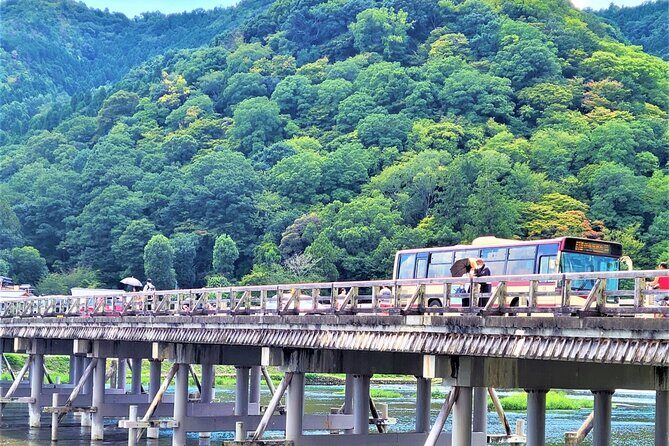
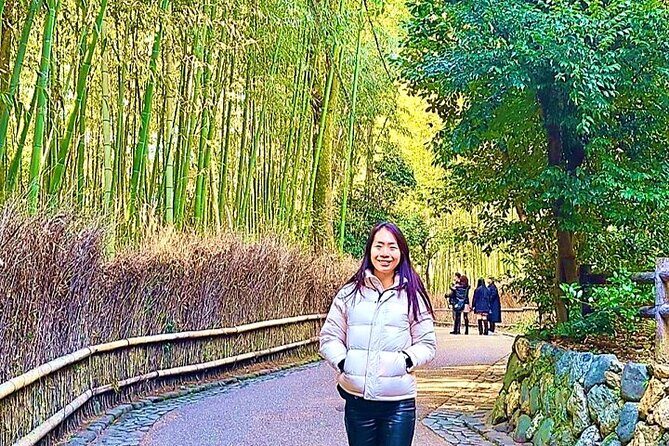
The tour begins in Arashiyama, where you get a short visit—about 30 minutes—to see the bamboo forest and surrounding wooded mountain feel. Even in a brief stop, this area does what it’s famous for: it sets a different mood from the rest of the city.
Here’s the practical part: the bamboo forest time is short, so it’s not for wandering at random. If you want the best photos, arrive with a quick plan: find your main viewpoint first, then walk out to catch different angles.
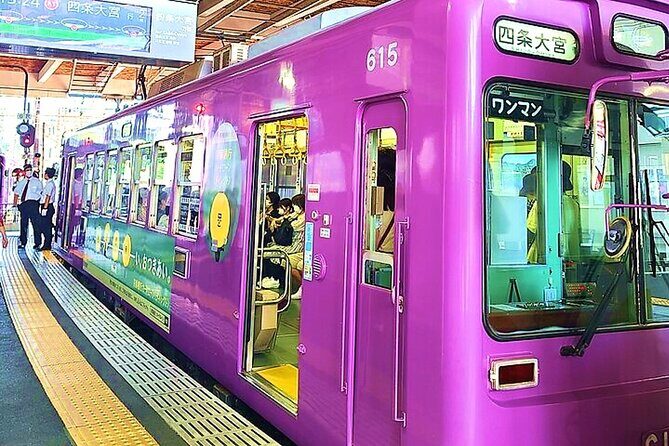
Also, Arashiyama is where the tour’s transit elements start to matter. The day includes the Randen Tram line in the overall experience, which helps break up the route and keeps the day from feeling like nothing but temple-to-temple hopping.
Kinkaku-ji and Ryoan-ji: two ways to slow your eyes
After Arashiyama, the tour moves to two of Kyoto’s most recognizable temple experiences.
At Kinkaku-ji (Golden Pavilion), you get another 30-minute stop. This is the one that most people picture when they hear Kyoto: the famous gold-colored pavilion. Note the detail that matters for budgeting—admission isn’t included, so you’ll want to be ready with cash or whatever payment method the site uses.
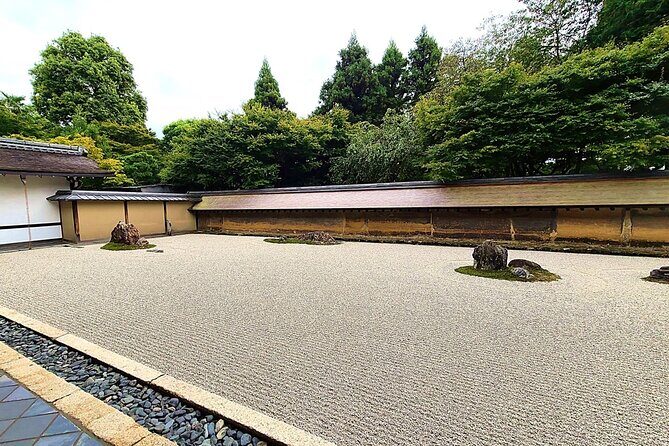
Then comes Ryoan-ji, known for its stone garden—the kind of garden people study from one angle and still find new things. The stop is also about 30 minutes, but the experience feels different because you’re not chasing a view; you’re settling your attention.
A small tip for enjoying these two back-to-back: don’t multitask. If you’re trying to read signs, take photos, and keep checking your phone for the next stop, you’ll rush the feeling. Even though the tour is fast, the garden moments are meant to be quieter.
Fushimi Inari Taisha: torii gates without the guesswork
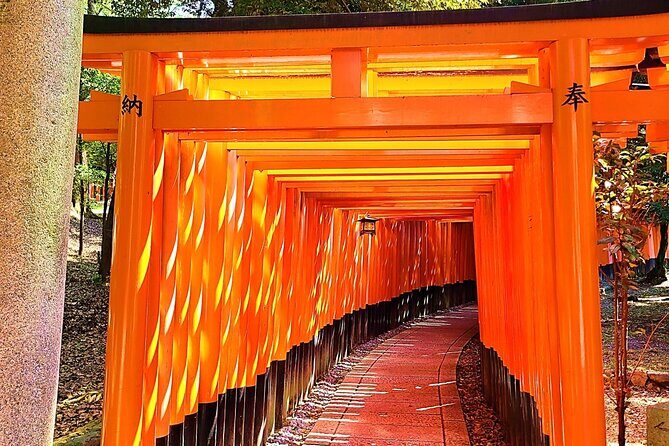
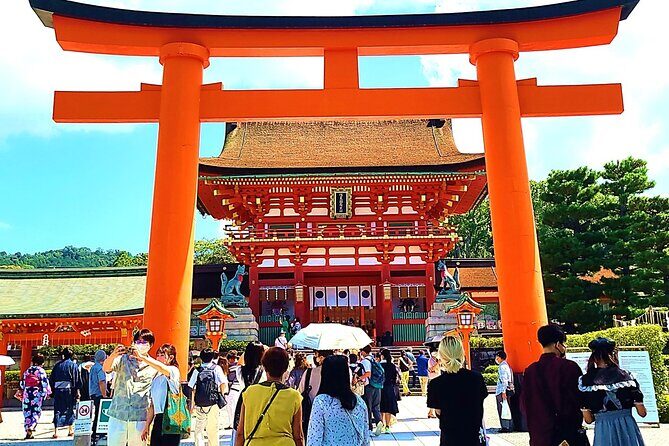
Next up is Fushimi Inari Taisha, where you see more than 1,000 red torii gates along the walking paths. This is one of Kyoto’s top draws, and the tour gives you about 30 minutes here.
This stop is perfect for first-time visitors because it’s the kind of Kyoto you can’t really fake. The torii corridor changes as you walk—perspective shifts, gates repeat, and suddenly the shrine feels like a route, not a single building.
The drawback of a short visit: you won’t reach every deep area you might dream about. If you’re the type who loves long walks through layered spaces, treat this stop like a taste and plan extra time later if you want more of the mountain approach.
Kiyomizu-zaka and Sanneizaka: the streets that make photos make sense
After the shrines and temples, you get a break that’s still Kyoto-focused: walking the approach streets.
The tour includes Kiyomizu-zaka Street for about 30 minutes, and this is where souvenir shops and local food spots crowd together in a way that feels instantly Kyoto. It’s a great place to slow down just enough to browse, grab a snack, and reset your legs.
Then you move to Sanneizaka (also around 30 minutes), a pedestrian slope lined with shops. This is often where visitors finally feel the city’s texture: wooden façades, small lanes, and that lived-in tourist-to-local mix.
Why these street stops matter: temples alone can blur together after a full day. These lanes give you spacing, local flavor, and a visual rhythm that makes the famous sights feel more connected.



Kiyomizu-dera: the nail-free wood stage moment
At Kiyomizu-dera, the tour gives you about 30 minutes. This is the major temple for many Japanese tourists as well, and there’s a detail you’ll want to keep in mind while you’re there: the main wood stage is described as using no nails.
That kind of construction fact changes how you look at the scene. Instead of just seeing a viewpoint, you notice the structure and imagine the engineering challenge of building something like that centuries ago.
Admission isn’t included here, so build that into your day. And because the tour is timed, try not to get stuck too long at any single spot. You want to see the temple’s main perspectives, take your photos, and keep the rest of your day from turning into a rush.
Yasaka Pagoda at Hokan-ji and the Gion finish
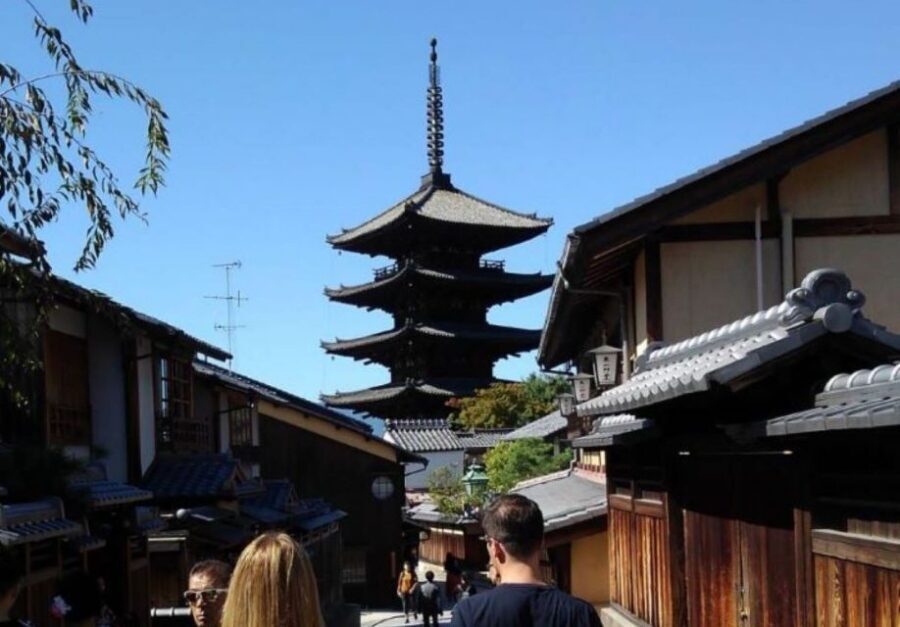
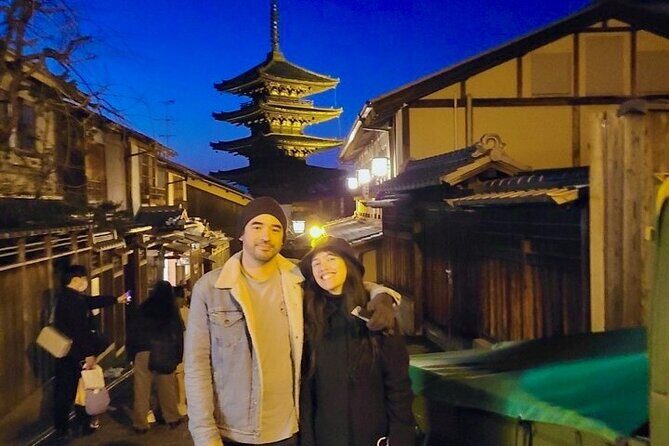
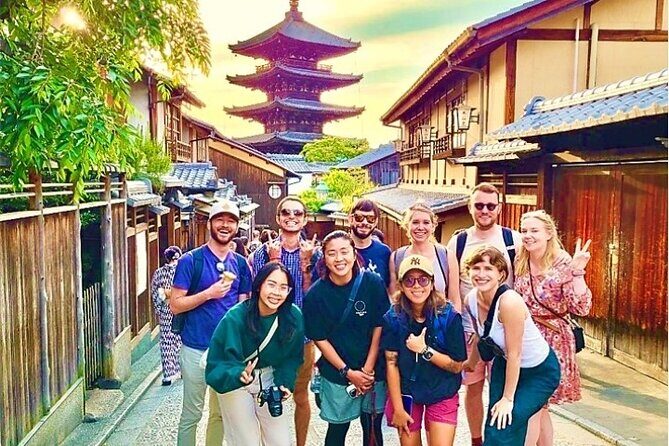
The route continues to Hokan-ji, where you’ll see the symbol people call Yasaka Pagoda. This is another 30-minute stop, and the tour lists this admission as free. Even if you only get one good look, the pagoda shape is memorable and helps anchor the tour’s final Kyoto style shift.
Then the day ends in Gion, around 30 minutes. Gion is where Kyoto feels like Kyoto—historic streets, traditional atmosphere, and the sense that the city has a long memory.
This end point is a good choice because you leave the tour near places you can explore on your own afterward. If you still have energy, you can continue wandering in the Gion area without needing to cram in one more “must-see” stop.
Lunch at a sushi-go-round: fast, fun, and watch the vegetarian fit
Lunch is included as a conveyor belt sushi stop (often described as a sushi-go-round). The tour lists options such as sushi, vegetable sushi, ramen, kara-age, beer, and mochi.
For most people, it’s an efficient lunch that doesn’t eat up your sightseeing time. You sit down, pick your items, and keep moving—exactly what you need on a day that’s already running hard.
Here’s the honest caution: a review pointed out that lunch may not cater well to vegetarians. The tour’s format means only some menu items might work for vegetarian diets. If you’re vegetarian (or you avoid fish), plan to be flexible and ready to order something simpler, and consider bringing a backup snack if your diet is strict.
Price and value: what you’re actually paying for
The tour fee is $98.83 per person, and it’s booked fairly in advance (about 22 days on average). That price includes the tour fee and consumption tax, but it doesn’t include transportation, food, or most entrance fees.
So what are you paying for, really?
You’re paying for:
- A pre-planned route across Kyoto’s major points
- Guided navigation so you don’t waste hours figuring out bus and train transfers
- Time-saving choices, including which stops to hit within limited windows
- A small group experience (maximum 10), which makes coordination easier
On your own, you might save money if you’re confident with transit and willing to spend extra time researching. But if your goal is a high-hit day with less planning stress, the value holds up.
For budgeting, the data you’ll want to plan around is roughly:
- Transportation about $10 (listed as ¥1,340 per person)
- Entrance fees about $11 (listed as ¥1,600 total)
- Food about $6.8–$14 depending on what you order
Add those together and you’ll get a more realistic idea of your all-in cost.
Walking 20,000+ steps: how to keep your body and mind happy
This is not a sit-and-look tour. You’re set up for a long day with 20,000+ steps, plus walking between transit and stops. The tour also mentions you should have moderate physical fitness.
My practical advice is simple:
- Wear comfortable shoes that you trust for long pavement days.
- Carry a small layer (temples and shaded areas can feel cooler than the streets).
- If you need frequent breaks, take them early rather than waiting until you’re already exhausted.
Also, the tour requires you to follow your host. If you break away, the group leader can’t search for you, and refunds aren’t offered for that. The pace works best when everyone stays together.
Finally, bring the right payment tools for Kyoto. The tour recommends preparing a transport IC card like SUICA or PASMO, and to have cash ready.
Who should book this Kyoto full course day tour?
This tour is a great fit if you:
- Have limited time in Kyoto and want a strong first visit
- Prefer guided routing over studying bus lines
- Want a day that mixes temples, shrines, and classic streets, ending in the Gion area
- Like group structure and clear start/finish points
It’s less ideal if you:
- Need lots of accessibility support or very slow pacing (temples and streets can be tricky)
- Have very strict dietary needs and can’t handle limited vegetarian choices at lunch
- Hate walking long distances and standing through short sightseeing windows
If you’re the type who plans to spend 2–3 additional days exploring at your own rhythm, this tour can act like your map. You’ll learn what areas you want to return to without guessing from scratch.
Should you book this Kyoto full course tour?
If you want Kyoto highlights without the planning headache, I’d say yes—especially for a first-time visit. The biggest reason is simple: the day is structured so you hit major locations in a single run, with guides who help you handle Kyoto’s complicated transit.
Book it if you’re comfortable with a heavy walking day and you’re okay with short, focused stops (not long lingering sessions). Skip it or reconsider if your priorities are slow travel, flexible pacing, or guaranteed vegetarian-friendly dining.
My call: This is a solid value for people who want maximum Kyoto in one day—and don’t mind that the experience comes with a workout.
FAQ
How long is the Kyoto full course tour?
It’s about 9 hours 30 minutes long.
Where do you meet, and where does the tour end?
You meet at JR Saga-Arashiyama Station and end at Gion Shopping Street Promotion Associates in the Gion area.
What are the main stops included in the day?
The tour includes Arashiyama, Kinkaku-ji, Ryoan-ji, Fushimi Inari Taisha, Kiyomizu-zaka Street, Kiyomizu-dera, Sanneizaka, Hokan-ji (Yasaka Pagoda), and Gion.
Are temple and shrine entrance fees included?
No. The tour notes that several major sites have admission not included, including places like Kinkaku-ji, Ryoan-ji, Fushimi Inari Taisha, Kiyomizu-dera, and others as listed.
Is lunch included, and what kind of food is it?
Yes. Lunch is at a conveyor belt sushi (sushi-go-round) place, with options listed such as sushi, vegetable sushi, ramen, kara-age, beer, and mochi.
What about transportation during the day?
Transportation costs are not included. The estimate provided is about $10 (¥1,340) per person, and you’re advised to have an IC card like SUICA or PASMO ready.
How many people are in the group?
The maximum group size is 10 travelers.
Is the tour suitable for everyone physically?
It’s recommended for travelers with moderate physical fitness, and you should be prepared for extensive walking (over 20,000 steps).
What happens if I arrive late?
The program starts on time, and late arrivals aren’t allowed to participate, with no refunds.