REVIEW · COOKING CLASSES
Kyoto: White Miso Cooking Class & Fermented Food Course Lunch
Book on Viator →Operated by Tranquwell · Bookable on Viator
Fermentation made practical in Kyoto. This hands-on white miso class turns a centuries-old ingredient into something you can cook and talk about at the table, led by miso expert Miyuki Toko. You’ll learn the craft, shape your own batch of white miso, then taste it in a warm potage.
I love how much time you spend actually doing the work, not just watching, and how the class ends with a satisfying fermented lunch that makes the big idea feel real. One thing to consider: you won’t be able to take your miso home because of customs rules.
In This Review
- Key Highlights at a Glance
- Fermentation Made Practical in Kyoto
- Start at 9:20 at 和想日々 京都Japan: How the Morning Flows
- White Miso from Scratch: The Hands-On Part That Actually Sticks
- White Miso Potage: Turning Paste into Spoonable Comfort
- Fermented Food Lunch: The Payoff You Can Taste
- Meet Miyuki Toko: Why the Explanations Land
- Price and Value: Is $120 Fair for 3 Hours 40 Minutes?
- Small Group Logistics That Actually Matter
- Tips to Get the Best Day Out of It
- Should You Book This Kyoto White Miso Class?
- FAQ
- How long is the white miso cooking class?
- What does the class cost?
- What’s included in the experience?
- Can I take the miso home after the class?
- Where do I meet for the tour?
- What time does the tour start?
- How many people are in the group?
- What if the tour doesn’t reach the minimum number of participants?
- Who leads the workshop?
Key Highlights at a Glance
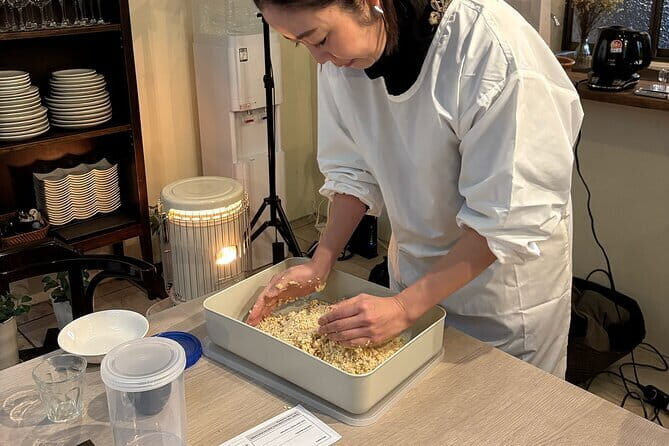
- Real hands-on white miso making led by a miso specialist
- Miyuki Toko’s fermentation context, including how miso fits modern diets
- Cook-and-taste white miso potage soup
- Fermented food lunch included as part of the experience
- Small group size (max 6) for more attentive guidance
Fermentation Made Practical in Kyoto
Kyoto has a way of making food feel like culture, not just calories. This class is built around one ingredient—Kyoto-style white miso—and then shows you how fermentation connects to everyday eating. By the end, you’re not only tasting miso. You’re understanding why people treat it like a kitchen cornerstone.
What I like most is the balance. You get the hands-on making, you get the food part (potage and lunch), and you also get the why behind it. The result is an experience that feels warm, specific, and useful.
You can also read our reviews of more food & drink experiences in Kyoto
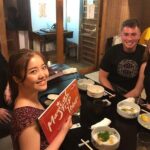
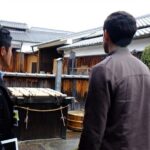
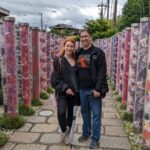
Start at 9:20 at 和想日々 京都Japan: How the Morning Flows
The class starts at 9:20 am and runs about 3 hours 40 minutes. You’ll meet at 和想日々 京都Japan, 〒604-0085 Kyoto, Nakagyo Ward, Higashitakeyachō, 416 京都食と暮らしの研究所 1F奥. From there, you’ll return to the same meeting point when it’s done.
It’s not a half-day wander with random stops. This is one focused block of time. You’ll want to show up a few minutes early if you can, because the start of a hands-on class sets the tone. If it’s raining, you can also use that extra time to settle in before you start mixing.
You’ll use a mobile ticket, so have your confirmation ready on your phone.
White Miso from Scratch: The Hands-On Part That Actually Sticks
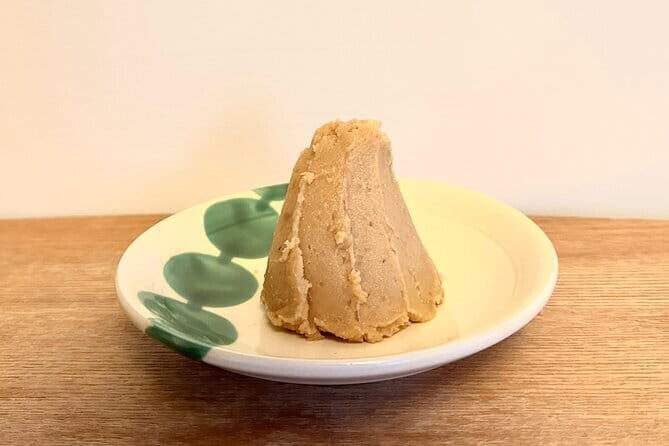
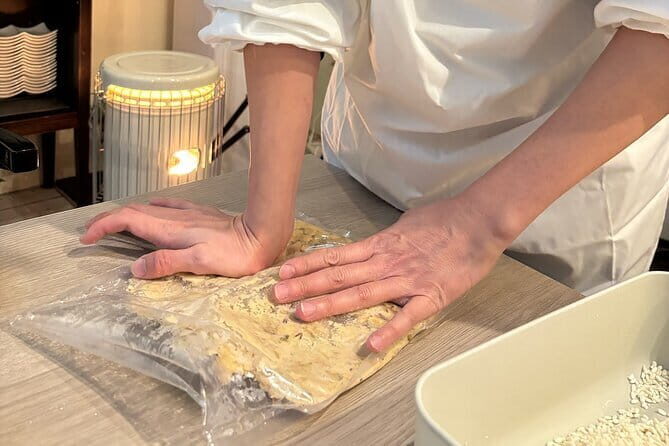
This is a real workshop, not a tasting lesson. You’ll make white miso from scratch with guidance from a miso expert, and you’ll hear history and process details along the way. The point isn’t just to produce something edible. It’s to learn how miso making works as a craft and how fermentation changes food over time.
From the vibe of past sessions, the work has some physical effort. Expect a bit of a workout in the mixing and handling stage. If you like cooking but want something more structured than a casual recipe, this delivers. If you prefer very fast, no-hassle cooking, it might feel like more effort than you expected—but you’ll also feel the reward in the results and the confidence you take away.
What you’ll practice here
- Learning the process for making white miso
- Getting expert explanations of miso’s role in Japanese cuisine
- Working in a guided, small-group setting so you can ask questions
One practical note: the class is capped at 6 travelers, so you’re not lost in a crowd. That matters for a hands-on activity where you might need clarification about texture, consistency, or timing.
White Miso Potage: Turning Paste into Spoonable Comfort
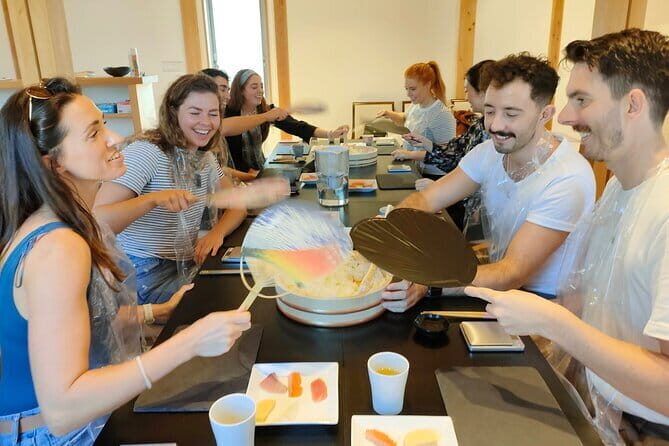
After the miso-making stage, you’ll cook and taste potage soup with white miso. This is one of the best parts of the whole experience because it turns fermentation theory into something you can immediately recognize on your tongue.
White miso tends to be milder and smoother than darker varieties, and that plays nicely in a creamy soup format. You’re not just eating miso raw. You’re seeing how it behaves when heated and blended into a comforting bowl. For me, that’s the bridge to real-life use: you get a ready-to-imagine direction for how you might use miso later at home—especially in soups, dressings, and everyday comfort foods.
A small caution: soup and lunch means you’ll want to keep your focus until the end. Some classes stop at the cooking moment. Here, tasting is built in, so plan to stay engaged through the final meal portion.
Fermented Food Lunch: The Payoff You Can Taste
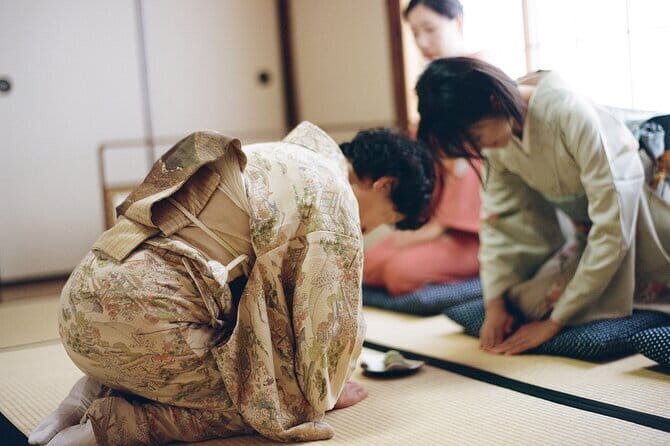
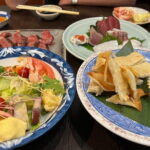
You finish with a fermented food lunch. The description is clear: it’s there to nourish your gut and reinforce the point of fermentation as a modern dietary habit, not just an old tradition.
Even if you’re new to fermented foods, the lunch structure helps. You’re guided from making miso to tasting it in a warm soup, and then you’re given a meal that keeps the fermentation theme going. It’s a smart way to connect the dots without lecturing.
Also, this timing makes sense for most schedules. Late morning is a sweet spot: you’ll be ready to eat, but you’re not too tired to absorb the information.
You can also read our reviews of more tours and experiences in Kyoto

Meet Miyuki Toko: Why the Explanations Land
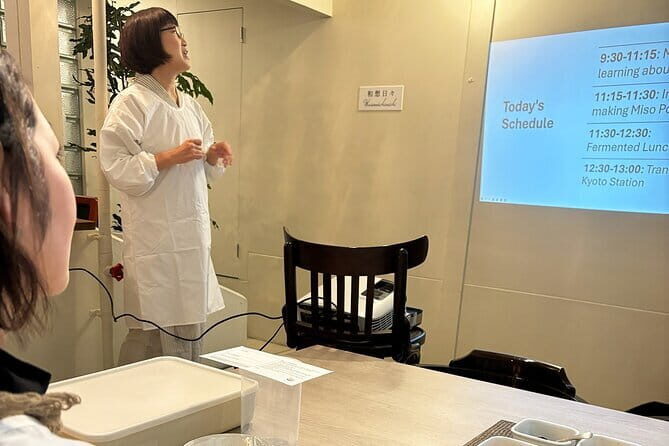
The experiences around this class consistently praise the instructor, and Miyuki Toko comes up as the miso expert guiding sessions. What stands out is how she connects the ingredient to something broader: the history of miso and the importance of fermentation in the modern Japanese diet and diets in general.
That “why it matters” portion is exactly what makes the class more than just cooking. You leave with language for explaining miso—how it shows up in Japanese meals and how fermentation fits into daily eating patterns. If you’re the type who likes to understand what you’re tasting, you’ll appreciate the way the workshop frames miso as both food and idea.
And yes, the guidance seems practical and supportive. One note from past participants is that the instruction feels soft and patient. That’s especially helpful when the hands-on part gets a little intense.
Price and Value: Is $120 Fair for 3 Hours 40 Minutes?
At $120 per person, this isn’t a budget activity. But it also isn’t priced like a quick demo.
Here’s what you’re paying for, in plain terms:
- Hands-on white miso making with expert guidance
- Cooking and tasting potage soup with your miso
- A included fermented food lunch
- A small group format (max 6), which usually means more attention per person
The customs catch affects the value in an important way: you can’t take miso home. That means you’re paying for an experience and a meal, not a souvenir you can stash in your suitcase.
Still, if you want to learn a technique you can repeat, this is one of the stronger “learn through making” options in Kyoto. The payoff is your new confidence and your clearer sense of how miso works in real dishes.
Small Group Logistics That Actually Matter
This class limits group size to a maximum of 6. That’s not just a comfort detail. For a hands-on food process, it reduces chaos and makes it easier to get corrections. It also makes the explanations easier to follow, especially when you’re learning something that doesn’t come from a single ingredient label.
The tour also requires a minimum of 2 participants. If that number isn’t reached, the experience can be canceled and you’ll get either a different option or a full refund. Since the workshop timing is specific, it’s smart to book with flexibility in mind if your Kyoto days are tight.
Tips to Get the Best Day Out of It
A few practical moves can make your morning smoother:
- Wear clothes you don’t mind getting splashed during mixing. Cooking miso can get messy.
- Bring your mobile ticket confirmation so check-in is quick.
- If you’re early, use that time to ask questions. Past experiences mention extra friendly conversation when people arrived ahead of start time.
- Plan to eat the full lunch portion. The fermentation theme is part of the learning, not an afterthought.
If you’re visiting Kyoto for food experiences, this one is a good use of time. It’s focused, hands-on, and ends with a meal that supports what you learned.
Should You Book This Kyoto White Miso Class?
Book it if you want a real technique and not just a tasting. This class fits best when you like learning through doing, you’re curious about fermentation, and you enjoy the idea of eating what you helped make.
Skip it—or at least think twice—if you mainly want an edible takeaway. Because of customs regulations, you won’t be able to take your miso home. Also, if you dislike hands-on cooking or find messy tasks stressful, you might prefer a different style of workshop.
If you’re the kind of foodie who wants Kyoto to make sense beyond temples and streets, this is a solid choice: white miso, potage soup, and fermented lunch, all in one compact morning with an expert like Miyuki Toko guiding the way.
FAQ
How long is the white miso cooking class?
The experience runs for about 3 hours 40 minutes.
What does the class cost?
It costs $120.00 per person.
What’s included in the experience?
You’ll make white miso, cook and taste potage soup with white miso, and enjoy a fermented food lunch.
Can I take the miso home after the class?
No. You won’t be able to take the miso home due to customs regulations.
Where do I meet for the tour?
Meet at 和想日々 京都Japan, 〒604-0085 Kyoto, Nakagyo Ward, Higashitakeyachō, 416 京都食と暮らしの研究所1F奥.
What time does the tour start?
The start time is 9:20 am.
How many people are in the group?
The class has a maximum of 6 travelers.
What if the tour doesn’t reach the minimum number of participants?
If it doesn’t meet the minimum of 2 participants, the tour may be canceled and you’ll receive a full refund.
Who leads the workshop?
The class is led by a miso expert. In the experiences shared, the instructor has been Miyuki Toko.
.jpg)