REVIEW · WALKING TOURS
Kyoto Early Bird Walking Tour
Book on Viator →Operated by KAMNAVI Tours · Bookable on Viator
Get Kyoto before the lines. This 5-hour morning tour is built to beat the rush, with three major stops paced for fresh air, calm temples, and an afternoon you still own. First thing I love is the early start strategy—Fushimi Inari and Kinkaku-ji feel totally different when you arrive as they open.
Second thing I love is how smoothly the day flows: you’re not just “seeing,” you’re walking with a guide who helps you connect routes and make time for the small moments. One possible drawback: Kinkaku-ji admission and transit aren’t included, so you’ll want to budget extra and accept that there’s quite a bit of walking.
In This Review
- Key highlights to know before you go
- Early Morning Plan: Why a 5-Hour Tour Beats a Full Day
- Meeting at Kyoto Station: The Easiest Way to Start Strong
- Stop 1: Fushimi Inari-taisha at Torii-Cool Morning Hours
- Stop 2: Kinkaku-ji Golden Pavilion as It Opens (and Why That’s the Whole Point)
- Stop 3: Arashiyama Bamboo Forest Before It Gets Hot and Crowded
- How the Guides Make It Worth Paying For
- Price and Logistics: What You Actually Pay
- Walking Comfort: When the Morning Pace Works (and When It Might Not)
- Best Fit: Who Should Book Early Bird Kyoto
- Should You Book This Tour?
- FAQ
- Where is the meeting point?
- How long is the Kyoto Early Bird Walking Tour?
- Which attractions are included in the tour?
- Is Kinkaku-ji admission included in the price?
- Is public transportation included?
- What happens if weather is bad?
Key highlights to know before you go
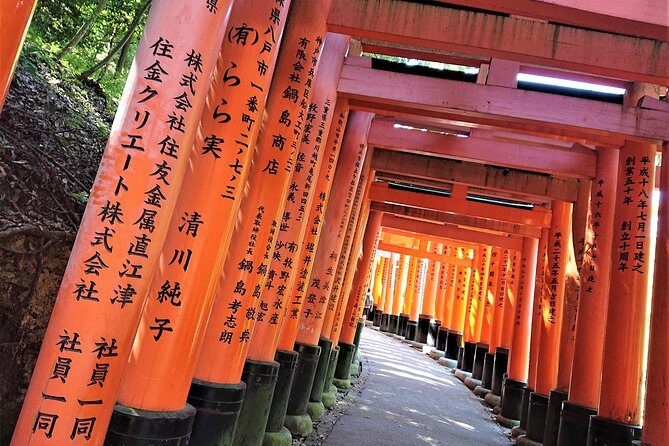
- Fushimi Inari at dawn hours means the torii tunnel feels quiet, not shoulder-to-shoulder
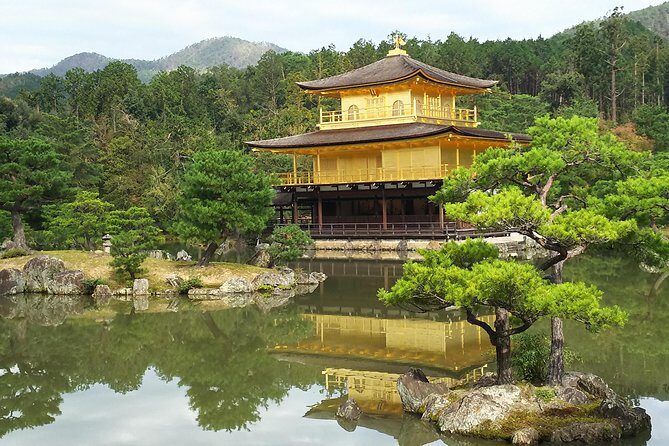
- Kinkaku-ji right when it opens gives you a rare calm look at the gilded pavilion and pond area
- Arashiyama bamboo early usually means cooler air and that bamboo hush before the big crowds arrive
- Private tour for your group keeps the pace practical and makes it easier to ask questions
- Guides who help with routes and timing come up again and again in the feedback
Early Morning Plan: Why a 5-Hour Tour Beats a Full Day
Kyoto’s a city where the best views can be the first thing ruined by crowds. This Early Bird walking tour is smart because it flips the timing. You start from Kyoto Station in the morning, hit the three headline sights while the streets are still waking up, and then you’re done by noon-ish. That matters more than it sounds. After midday, Arashiyama and the temple zones tend to swell fast, and the walk from place to place can feel longer once heat and foot traffic stack up.
I also like the tour’s “half-day” mindset. It’s designed so you don’t burn the entire trip chasing three sites and then feel stuck. Instead, you get a clean foundation (what you saw, why it matters, where to stand for photos), and you still have time for your own Kyoto plan later—cafés, quiet neighborhoods, or a second round somewhere you loved.
One more practical point: the tour is 5 hours 15 minutes (approx.) with three ~1-hour stops listed, plus travel and walking time between them. That makes it a good fit if you want highlights without committing to an all-day marathon.
You can also read our reviews of more walking tours in Kyoto


Meeting at Kyoto Station: The Easiest Way to Start Strong
Your guide meets you early at Kyoto Station (Building 9, 901 Higashishiokōjichō area). That’s a big deal for first-timers, because Kyoto navigation can feel like a puzzle—train lines, bus routes, station exits, and the “which way is the actual walking route?” factor.
This tour’s value is that you don’t have to solve it all at 7 a.m. Guides in the feedback repeatedly mention handling navigation smoothly, including helping with station transfers and keeping the group on schedule. One review even called out how the guide checked in for practical needs like restrooms, plus made the pacing feel easy—even on a rainy day.
Also, it’s mobile ticket format. So you’re not juggling paper vouchers while you’re half-awake in the station.
What to bring so the morning feels good:
- Comfortable shoes (this is quite a bit of walking)
- Water (especially in warmer months)
- A small weather plan if rain pops up, since the experience depends on good weather
Stop 1: Fushimi Inari-taisha at Torii-Cool Morning Hours
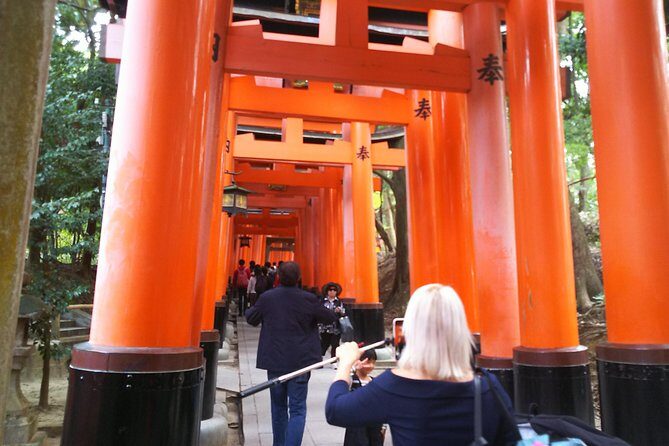
The tour’s first anchor is Fushimi Inari-taisha Shrine. This is the torii-gate tunnel—thousands of vermilion gates that look like they go on forever. People come for photos, but what you notice early is something else: pace. In the morning, the path feels more like a shrine walk than a queue. The colors still hit hard, but the experience is calmer.
The route starts you at the gates before the crowds arrive. That timing changes how you experience the place. Early visitors tend to move slower, notice the details, and actually read the vibe of a sacred space rather than just passing through.
A guide also helps you connect what you’re seeing to context. At Fushimi Inari, you’re stepping into a place tied to worship and Japanese religious life. Even if you don’t plan to memorize details, having a guide provide quick meaning behind what you’re looking at makes the gates feel less like a photo backdrop and more like a lived tradition.
Duration is listed at about 1 hour for this stop. That’s long enough to enjoy the main atmosphere without feeling stuck, but short enough that you won’t lose the rest of the day to indecision.
Practical drawback: this is the kind of place where you can accidentally add extra walking if you get tempted by every side path. A guide helps keep it on-track.
Stop 2: Kinkaku-ji Golden Pavilion as It Opens (and Why That’s the Whole Point)
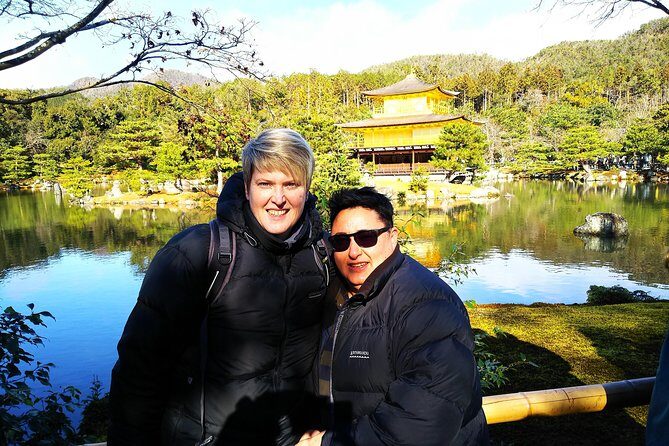
Next up is Kinkaku-ji Temple, also known as the Golden Pavilion. This is the stop with an important catch: admission isn’t included, and it costs ¥500 per person. Plan for that, and you’ll avoid that little travel buzzkill right when you’re ready to enter.
Why arrive early? Because Kinkaku-ji is one of Kyoto’s most photographed icons. The tour specifically schedules it right after it opens. That means you’re more likely to see the pavilion and the surrounding pond area in a quieter rhythm—less rushing, more time to absorb the symmetry, and better odds for clear photos.
In the feedback, people repeatedly describe sparse crowds at both Fushimi Inari and the Golden Pavilion early in the day. The difference you feel is simple: at opening time, you’re not fighting for positions.
Also, the tour’s structure keeps the visit focused. You’re not doing a vague “temple sweep.” You’re getting the core experience, with your guide guiding you to where the morning quiet shows best.
Possible drawback: since the admission fee is extra, you’ll want to carry a bit of cash or be ready to pay whatever method the site supports. The tour does not include food and drink either, so if you like a snack after Kinkaku-ji, you may need to plan that into your afternoon.
Stop 3: Arashiyama Bamboo Forest Before It Gets Hot and Crowded
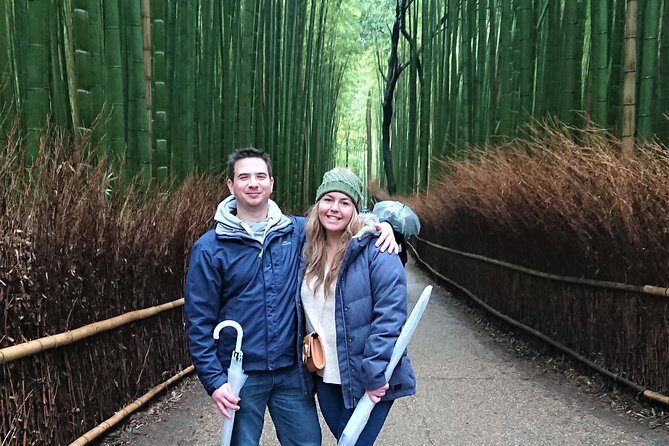
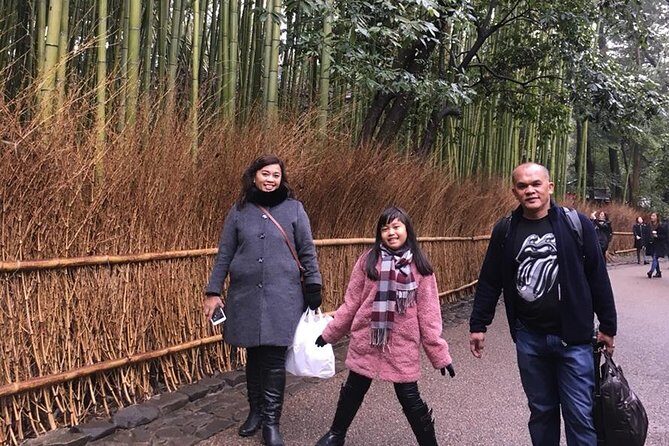
The final stop is Arashiyama, with the big draw being the bamboo forest. The tour leans into the morning advantage here too. In the early hours, the bamboo grove feels cool and airy, and you can actually hear the breeze as you walk. That’s the kind of sensory detail that disappears later when the forest turns into a bottleneck.
The tour timing note is very real: around midday, temperatures and crowds tend to rise. Starting earlier means you’re more likely to feel that peaceful, slightly hushed atmosphere the bamboo is known for.
This stop is listed at about 1 hour. It’s a smart length: long enough to slow down, look up through the bamboo, and enjoy the mood—short enough that you won’t feel wiped out by the end.
In feedback, people also highlight photo-spot help. That makes sense: bamboo views can be tricky. A guide can help you find good angles without wasting time wandering in circles.
One consideration: since the tour is a walking tour and there’s quite a bit of walking overall, bamboo forest shoes matter. If your feet are already tired from a previous Kyoto day, this tour might feel more intense than the “half-day” label suggests.




How the Guides Make It Worth Paying For
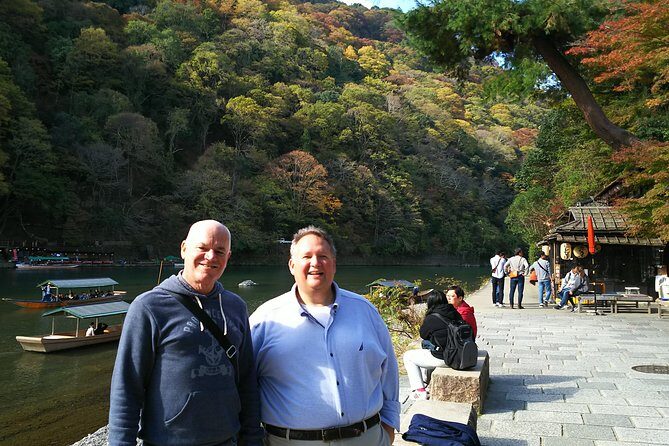
The guide isn’t just a bonus; it’s the value engine here. This tour includes the guide fee, and the result is a morning where the plan stays coherent. You’re not guessing routes between Kyoto Station, Inari, Kinkaku-ji, and Arashiyama.
Across the feedback, guide names come up often—Akiko, Megumi, Kaz, Tomoko, Hiro, Sumiko, Emiko, Makoto-san, Makiko, Miho, Toshi, Naoko, and Kazuo. What those reviews share isn’t just friendliness. It’s practical help:
- handling navigation and timing between stops
- making sure you’re not stuck waiting at the wrong station entrance
- checking in on needs like water or restroom breaks
- helping with photo spots
- adapting when weather changes (one review specifically mentions rain and how the guide kept things smooth)
If you’re traveling with kids or you want less stress, that guidance is especially useful. Several reviews mention guides being attentive with families and helping keep the day moving without rushing the experience.
The best way to use a guided morning is to treat it like a guided lesson. Ask questions. Even small things—what you’re looking at, why it’s shaped a certain way, what to notice in the morning—make the sights feel deeper without turning the day into a lecture.
Price and Logistics: What You Actually Pay
The listed price is $105.45 per person, and it includes the guide fee plus a mobile ticket. That’s the baseline value: you’re paying for the morning route management and interpretation.
Not included:
- Public transportation fare: ¥1,220 per person
- Kinkaku-ji admission: ¥500 per person
- Food and drink
So your “real total” is the tour price plus about ¥1,720 for transit + Golden Pavilion entry, before any snacks or drinks. For me, that’s fair for a half-day that hits three top Kyoto highlights in one efficient arc—especially if you’d otherwise spend time figuring out connections or paying for individual guide services.
One more logistics detail: it’s a private tour/activity, meaning only your group participates. That can change the experience feel. Even if you’re not a slow traveler, private pacing usually means fewer awkward waits and less pressure to keep up with strangers.
Walking Comfort: When the Morning Pace Works (and When It Might Not)
This is a walking tour, and the data is clear: you should have moderate physical fitness, and it involves quite a bit of walking. That doesn’t mean it’s extreme, but you’ll be moving.
There’s also a health note: it’s not recommended for people with heart conditions. So if that applies to you, you’ll want to choose a different style of tour or ask for options.
The good news: it’s described as accessible for those with limited eye sight and limited mobility. Plus, animals/pets are allowed. If you need to move slowly or plan breaks, a guide-led plan can help more than self-guided walking, because you can align pace with your needs.
My practical advice: if you’re visiting Kyoto in summer, take sun seriously. One review recommendation specifically urged bringing a sun umbrella. Even if you’re not packing light, it’s a cheap upgrade to make the afternoon you return to feel less punishing.
Best Fit: Who Should Book Early Bird Kyoto
This tour is a smart choice if you:
- want three major Kyoto sights without burning your whole day
- hate crowd stress and want the calm versions of Fushimi Inari and Kinkaku-ji
- appreciate a guide for route planning and quick cultural context
- want to be done by noon so you can explore independently
It’s also a strong fit for first-time visitors who want a clean overview of Kyoto’s religious and cultural landmarks. Guides repeatedly help people get their bearings fast, and that’s hard to replicate on your own when you’re tired or jet-lagged.
Where it might not fit:
- If you love super slow, wandering-only travel, the tour’s structure may feel a bit “guided.”
- If you’re sensitive to walking time, be honest with yourself about comfort.
Should You Book This Tour?
Yes, I’d book it if your priority is beating crowds and seeing Kyoto’s headline icons in a way that feels efficient. The early timing is the real product: Fushimi Inari before the crush, Kinkaku-ji at opening calm, and Arashiyama bamboo before midday heat and crowds. The guide layer adds meaning and reduces wasted time moving between locations.
If you’re the type who benefits from clear routing, photo help, and someone keeping the morning on track, this tour makes a lot of sense. Just budget for ¥1,220 transit and ¥500 Kinkaku-ji admission, wear comfortable shoes, and bring water.
FAQ
Where is the meeting point?
You meet your guide at Kyoto Station, at Building 9 (901 Higashishiokōjichō, Shimogyo Ward, Kyoto). The tour ends back at the meeting point.
How long is the Kyoto Early Bird Walking Tour?
The tour lasts about 5 hours 15 minutes.
Which attractions are included in the tour?
The tour visits Fushimi Inari-taisha Shrine, Kinkaku-ji Temple (Golden Pavilion), and Arashiyama bamboo forest.
Is Kinkaku-ji admission included in the price?
No. Kinkaku-ji admission is not included and costs ¥500 per person.
Is public transportation included?
No. Public transportation fare is not included. The listed fare is ¥1,220 per person.
What happens if weather is bad?
The experience requires good weather. If it’s canceled due to poor weather, you’ll be offered a different date or a full refund. Free cancellation is available up to 24 hours in advance for a full refund.