REVIEW · TEA CEREMONY EXPERIENCES
Matcha Grinding Experience and Walking Tour in Uji Kyoto
Book on Viator →Operated by Tomodachi Tours · Bookable on Viator
Matcha starts with stone and footsteps. This Uji Kyoto walking tour ties together Byodo-in Temple, famous for the 10-yen coin, with a hands-on matcha grinding session where you make and taste tea you just ground. I like the small group size (up to 6 people) and the way guides such as Vincent explain what you’re seeing. One catch: you need WhatsApp access and a mask for the matcha-making workshop.
For around $130.46, you’re not just walking past sights. You also get Byodo-in Temple admission, a guided matcha class, and your choice of Japanese sweets or matcha ice cream—so the day has real structure, not just roaming time.
In This Review
- Key highlights at a glance
- Getting to Uji: the 9:30 am Kyoto Station meetup
- Entering Byodo-in Temple and the 10-yen coin moment
- Uji Shrine: the tea-town pause between landmarks
- Fukujuen Ujicha Kobo: where the matcha workshop energy happens
- Stone-mill matcha: what you actually make and taste
- What your guide helps you understand in Uji
- How this tour fits a typical Kyoto itinerary (and who it suits)
- Price and value: what $130.46 includes for your 4 hours
- Should you book the Uji matcha grinding tour?
- FAQ
- How long is the Matcha Grinding Experience and Walking Tour in Uji?
- What time does the tour start, and where do I meet?
- Is the tour in English?
- What’s included in the price?
- Do I need a mask during the matcha workshop?
- How big is the group?
- What communication app should I have before the tour?
Key highlights at a glance
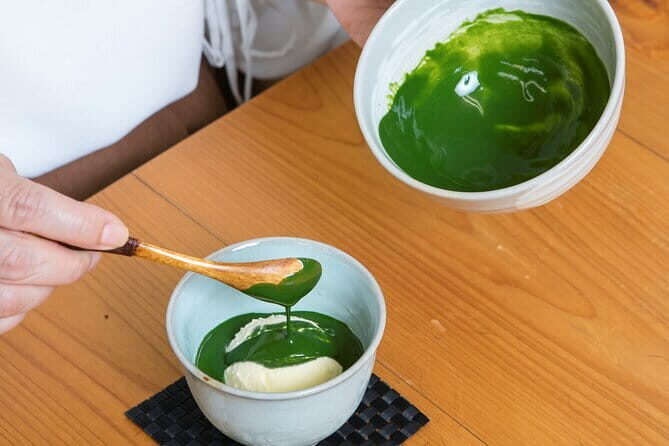
- Stone mill grinding: you turn tea leaves into matcha powder yourself
- Byodo-in Temple stop: UNESCO setting tied to Japan’s 10-yen coin
- Uji Shrine visit: a calm pause that fits the tea-town mood
- Fukujuen Ujicha Kobo: workshop-focused stop that supports the tasting part
- Small group pace: up to 6 people, which usually feels more personal
Getting to Uji: the 9:30 am Kyoto Station meetup
This tour starts at 9:30 am at Shinshindo near JR Kyoto Station (Central Exit area, bus ticket center). There’s no hotel pickup, so you’ll want to make sure you can reach that meeting point on your own and arrive a bit early to find the right spot.
The route is built around a walking day in Uji, and it runs about 4 hours. You’ll also end back at the meeting point, which is handy if you’re planning a second activity after your matcha fix.
One thing I like about this setup is that it’s simple. You’re not chasing a dozen transfer points or guessing where a group disappears into the city. You meet in a clear place in Kyoto, then follow the plan.
You can also read our reviews of more walking tours in Kyoto



Entering Byodo-in Temple and the 10-yen coin moment
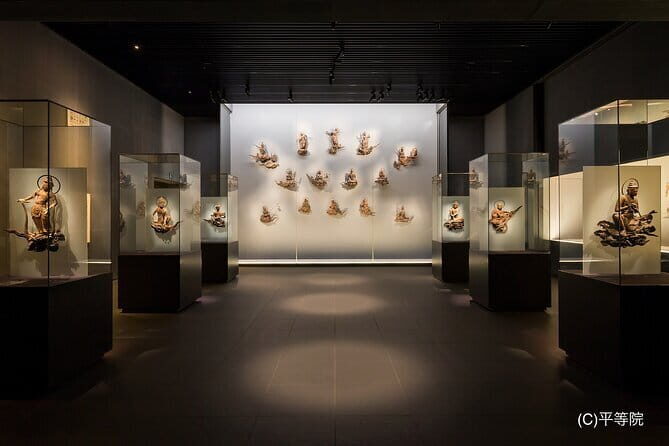
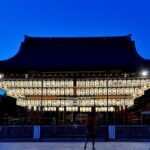
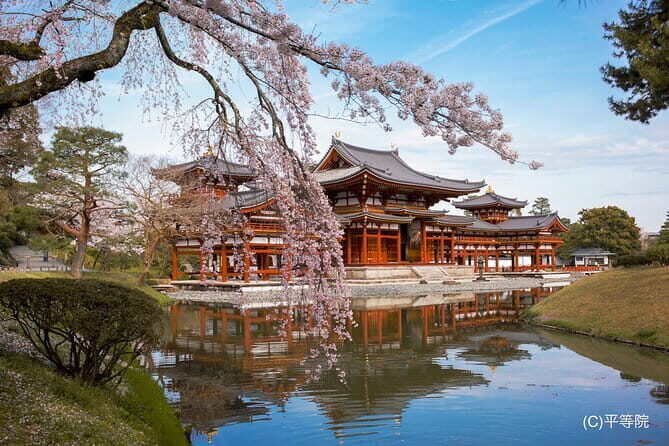
Byodo-in Temple is the anchor sight of the day. Even if you’ve only seen it in photos, you’ll recognize it fast because it’s the one most associated with Japan’s 10-yen coin look.
With a guide, the visit is easier than trying to piece it all together alone. You get context for why this temple is so closely linked to Japanese culture and tea-town identity. That context matters, because Byodo-in isn’t just a pretty stop. It’s part of the story of where places like Uji fit in Japan’s broader cultural map.
A practical note: this is a morning tour. That’s good for comfort and photos, and it also keeps your day from stretching too long. The temple visit is structured as Stop 1, so it sets the tone before the tea work starts.
If you want a tip for your “what should I photograph” plan: focus on angles that show the famous temple look from outside views, then take a second lap for quieter details once you’re walking in the flow your guide creates.
Uji Shrine: the tea-town pause between landmarks
After Byodo-in, you move on to Uji Shrine. This stop works as a breather. The temple-photography energy gives way to a quieter, more grounded feel, which is exactly what you want before you start grinding matcha.
You’re still on a guided walk, so you don’t have to guess what to pay attention to. The guide helps you connect the dots between tea culture and the way local places—like shrines and temples—sit at the center of community life.
The biggest value here is pacing. Uji can be easy to rush through if you treat it like a quick photo stop. This tour keeps you moving but also builds in small transitions, so the whole day feels like a single experience rather than separate errands.
Fukujuen Ujicha Kobo: where the matcha workshop energy happens
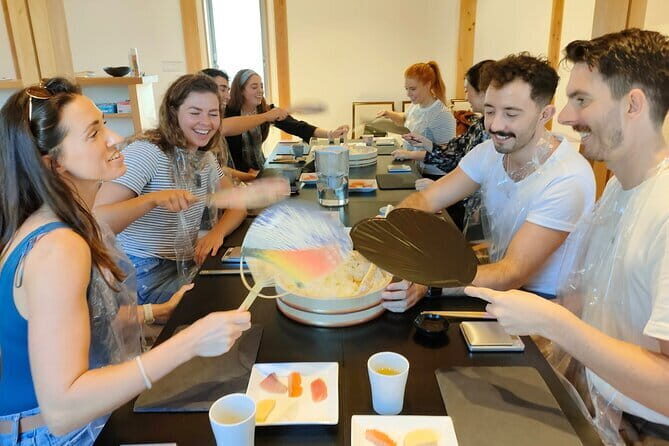
Stop 3 is Fukujuen Ujicha Kobo, which is where the matcha-making part comes into focus. If you’re serious about matcha, this is the moment you’ve been walking toward.
You’ll do the main hands-on activity here: grinding tea leaves into matcha powder using a traditional stone mill. Then you drink your fresh matcha right after, paired with Japanese sweets or matcha ice cream (your choice).
I like that the workshop isn’t treated like a quick stunt. It’s built into the tour as the core activity, tied to the city’s identity. You’re not just learning a technique; you’re tasting the result while the day is still fresh.
Also, because the group is capped at 6, you’re more likely to get personal attention during the process. That matters when you’re learning a tactile skill like grinding.
Stone-mill matcha: what you actually make and taste
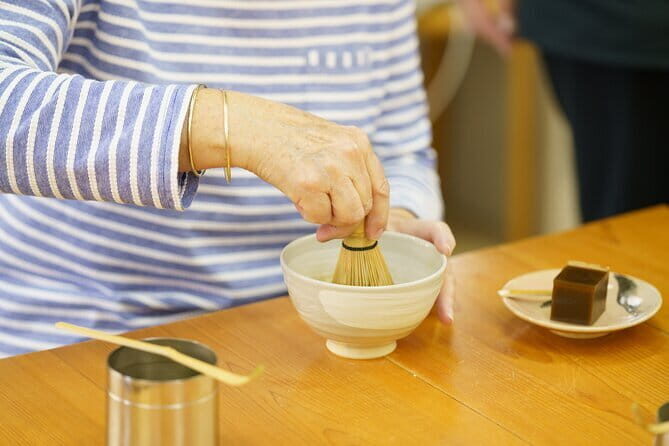
The heart of this experience is the stone grinding. You’ll work with a traditional mill to turn green tea leaves into the powder used for matcha. This part is hands-on, so you get a better understanding of why matcha has that distinct texture and flavor compared with other green teas.
Right after grinding, you get to drink your matcha. This isn’t a lesson followed by an unrelated snack. It’s a simple loop: make it, taste it, and connect the flavor to the effort.
During the matcha-making workshop, you’ll need to wear a mask. I’d plan your outfit accordingly and keep in mind that this is a workshop setting where you’ll be close to your activity station and your guide.
You’ll also get Japanese snacks or matcha ice cream included. That choice is smart: if you want something classic with your tea, go for sweets. If you want a cool finish, the matcha ice cream option helps you end the day on a lighter note.




What your guide helps you understand in Uji
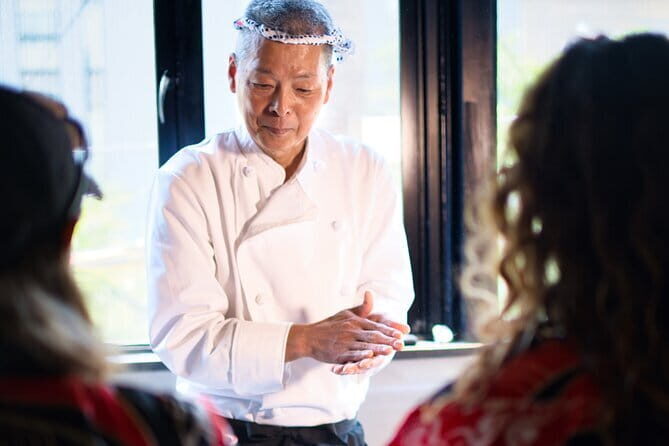
A walking tour earns its keep when you don’t feel like you’re just following someone down a path. Here, your guide explains what you’re looking at and ties it back to tea culture.
You’ll learn why Uji is known as Japan’s top region for high-quality green tea, and you’ll get history and context during the temple and shrine stops as well. That’s important for matcha lovers, because Uji isn’t only about the drink—it’s about where that drink fits in Japan’s traditions.
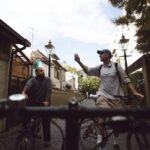
One guide example you may run into is Vincent. In past outings, he’s been described as friendly and focused on explaining the sights and the matcha experience clearly. Even if you don’t have the same guide, the tour format is designed around explanation, not silent sightseeing.
The result is that the day feels like a story you can repeat later. You’ll be able to say not only that you ground matcha, but also why Uji matters.
How this tour fits a typical Kyoto itinerary (and who it suits)
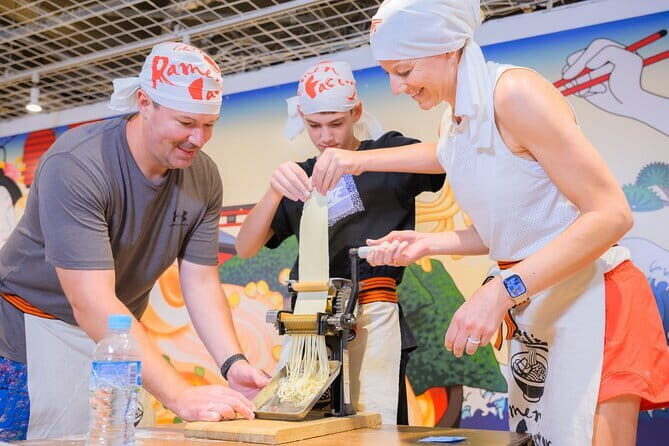
This is a strong choice if you’re staying in Kyoto and want something different from the usual temple marathon. It’s built around Uji, so you get a change of pace: same region, but a calmer tea-town rhythm.
It also suits people who like experiences with a clear outcome. You’re not just walking for hours and hoping you find something interesting. You will leave with matcha powder you helped produce (in the moment), a temple visit you can anchor with the 10-yen coin, and a real tasting payoff.
This tour is also a good fit for:
- matcha fans who want hands-on grinding, not just tea tasting
- people who enjoy a guided pace through temples and shrines
- small groups who want a more personal experience (cap is 6)
If you’re the type who hates workshops, this might feel like too much “activity time.” But if you like doing something with your hands and then tasting the result immediately, this format clicks.
Price and value: what $130.46 includes for your 4 hours
At $130.46 per person, this tour isn’t a budget snack run. But it also isn’t overpriced for what’s included.
You’re getting:
- Byodo-in Temple admission
- a guided matcha making class
- your drink and included sweets or matcha ice cream
- a guide-led walking route with stops in Uji
When you add it up, you’re paying for more than entrance fees. You’re paying for the guided explanation plus a hands-on activity. Those two pieces often cost extra if you try to build the day yourself.
The small-group cap helps, too. More attention during a workshop can be the difference between watching and actually learning. And since it’s a 4-hour experience, it’s long enough to feel like a full outing without eating your entire day.
Should you book the Uji matcha grinding tour?
If you love matcha and want the iconic Uji tea-town experience without over-planning, I think this is a smart booking. The combination of Byodo-in Temple, a shrine stop, and a real stone-mill workshop gives you both context and the hands-on payoff.
Book it if:
- you want an English guided format and clear explanations
- you’re excited to grind matcha and drink it fresh
- you like small-group days rather than large crowd tours
Be cautious if:
- you don’t want to use WhatsApp for guide communication
- you strongly dislike wearing a mask during the workshop
If those items won’t bother you, this is the kind of day you’ll remember when you’re back in Kyoto—because it ends with a taste that’s tied directly to what you did with your own hands.
FAQ
How long is the Matcha Grinding Experience and Walking Tour in Uji?
It’s listed as about 4 hours.
What time does the tour start, and where do I meet?
It starts at 9:30 am. You meet at Shinshindo – JR Kyoto Station (Kyoto Station, Central Exit area / bus ticket center area).
Is the tour in English?
Yes, it’s an English guided tour.
What’s included in the price?
The price includes Byodo-in Temple admission, the matcha making class, and Japanese snacks or matcha ice cream.
Do I need a mask during the matcha workshop?
Yes. You should wear a mask during the matcha making workshop.
How big is the group?
The tour has a maximum of 6 travelers.
What communication app should I have before the tour?
You should make sure WhatsApp is available, since the guide will use it to contact you.