REVIEW · 1-DAY TOURS
Nara Day Trip from Kyoto with a Licensed Guide
Book on Viator →Operated by MY Travel Consulting · Bookable on Viator
Nara is ancient Japan in a way Kyoto and Tokyo rarely are, and this day trip keeps it simple and guide-led from start to finish. I like that you get a National Licensed English-speaking guide plus hotel pickup, so the day runs without the usual train-station guesswork. I also like the order of the sights, mixing deer at Nara Park with the big-ticket temples at Todai-ji and Kasuga Taisha. The main drawback to flag is that it’s a long, mostly walk-and-stand kind of day, and lunch isn’t included.
You’ll start in Kyoto with your guide, then take the train out to Nara. The pacing is built around a handful of “can’t miss” stops, with time to actually look instead of sprinting between photo spots.
In This Review
- A Private Group Means You Set the Pace
- Key Points You’ll Feel On the Ground
- Hotel Pickup to Nara by Train: Why This Route Works
- Kyoto Station to Nara: Getting Your Bearings Without Stress
- Nara Park’s Deer and Temples: The First Stop That Sets the Mood
- Entering Todai-ji: Nandai Gate First, Then the Great Buddha
- Kasuga Grand Shrine: Sacred Shinto, More Time to Take It In
- Isuien Garden’s Shakkei: A Short Visit With a Specific Payoff
- Price and Value: What $340 Per Person Actually Covers
- Weather Changes and Your Energy Level
- When the Guide Clicks: Akiko Okada, Jun, Fumi, and Tatsuya
- Should You Book This Nara Day Trip?
- FAQ
- How long is the Nara day trip from Kyoto?
- What does the tour cost?
- Is hotel pickup included?
- Are admission fees included?
- Is lunch included?
- Is this a private tour?
A Private Group Means You Set the Pace
This is a private tour for your group only, so you can ask questions and move at a comfortable rhythm. That said, one small risk with any private tour is a guide-style mismatch—so if you care about history depth versus practical sightseeing, say that up front.
Key Points You’ll Feel On the Ground
- Hotel pickup + train routing that saves time: You start the day already set up.
- Licensed guide interpretation in English: You get context for what you’re seeing.
- Nara Park plus the deer crackers moment: The iconic first stop is easy and fun.
- Todai-ji’s gate and Great Buddha scale: Big structures with real historical weight.
- Kasuga Grand Shrine with a slower, longer visit: More time to read the sacred atmosphere.
- Isuien Garden’s shakkei borrowed scenery: A short stop with a specific payoff.
You can also read our reviews of more guided tours in Kyoto


Hotel Pickup to Nara by Train: Why This Route Works
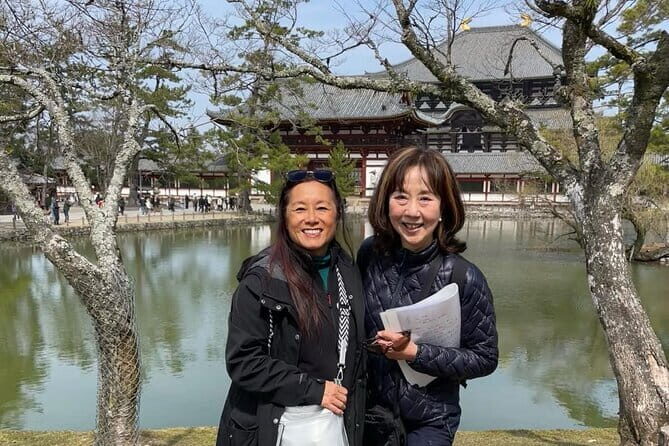
The day starts in Kyoto with a guide meeting you via hotel pickup, then you head toward Kyoto Station to begin the train ride to Nara. The tour is built around public transportation, which is great if you want local rhythm without a complicated car schedule.
The total duration is about 8 hours, so it’s enough time to cover the main highlights without feeling like you’re constantly rushing for connections. Because the guide handles the flow, you get less “where do we go next?” stress and more actual sightseeing time.
One subtle value here: your “orientation” happens during the ride and station time. You’re not just booking someone to lead you at the destination—you’re booking them to get you there smoothly.
Kyoto Station to Nara: Getting Your Bearings Without Stress
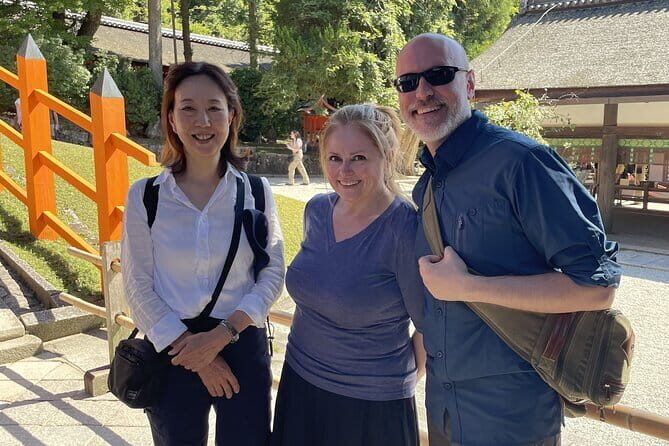
The first chunk of the day includes travel from Kyoto Station after meeting your guide. That matters because Kyoto Station can be busy and confusing if you’re doing it alone while managing luggage, tickets, and platform changes.
With a licensed interpreter, you also get an immediate translation layer for what you’ll see next—especially helpful when shrine and temple terms can feel like a blur. The goal is simple: get you to Nara feeling ready, not frazzled.
This is also where the “private” part helps. If your group moves slower, asks more questions, or wants a bathroom break before the sightseeing begins, the guide can adjust on the fly.
Nara Park’s Deer and Temples: The First Stop That Sets the Mood
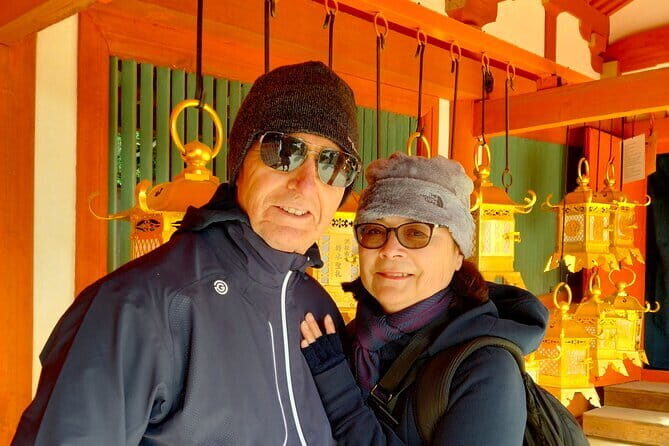
Nara Park is a huge area—660 hectares—and it’s famous for free-roaming deer. You can buy special crackers and feed the deer, which turns the park from a static walk into an interactive experience.
This stop is about 1 hour, which is the right length for first-timers. Long enough to find the deer, enjoy the atmosphere, and still keep your energy for the temple highlights later.
One practical note: Nara Park is open and outdoors, so dress for weather. If it’s hot, you’ll want something breathable; if it’s rainy, you’ll want real rain protection. Since the itinerary can change due to weather, having an emergency plan for comfort is smart.
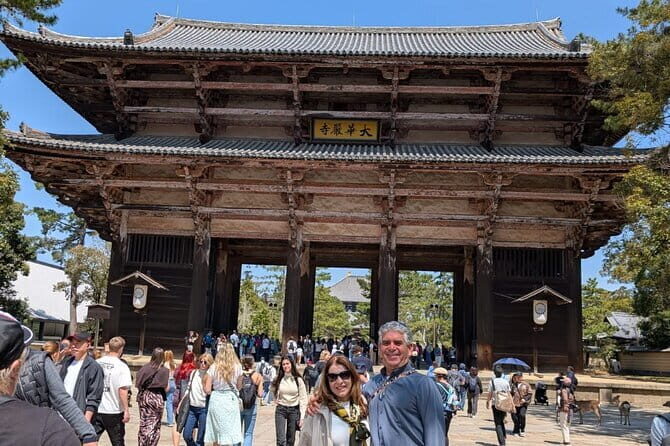
Entering Todai-ji: Nandai Gate First, Then the Great Buddha
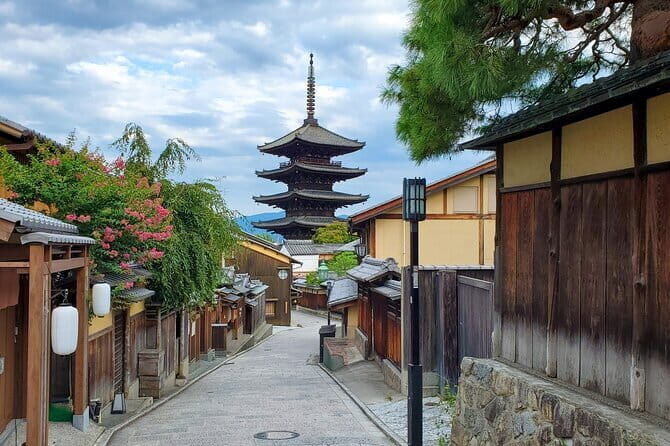
Todai-ji is one of Japan’s most important temples, and the tour handles it in a smart two-step way.
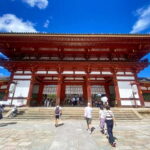
First comes the Todai-ji Temple Nandai Gate, a structure about 25 meters high with guardian kings positioned in dark alcoves on both sides. Even if you’re not a “temple architecture” person, this gate gives you scale fast. It’s the moment where you feel how large the complex truly is.
Then you move into Todai-ji itself for about 1 hour 30 minutes. The temple was built in 752, originally as the head temple of Buddhist temples across Japan. This is the stop where the tour’s interpretation pays off, because you’re not just looking at a building—you’re seeing a landmark that helped shape Japanese Buddhism’s direction.
The admission fee for this part is included, so you won’t waste time budgeting or ticketing once you’re already there. Expect a lot of looking up, walking through history, and standing in quiet spaces with heavy atmosphere.
You can also read our reviews of more tours and experiences in Kyoto


Kasuga Grand Shrine: Sacred Shinto, More Time to Take It In
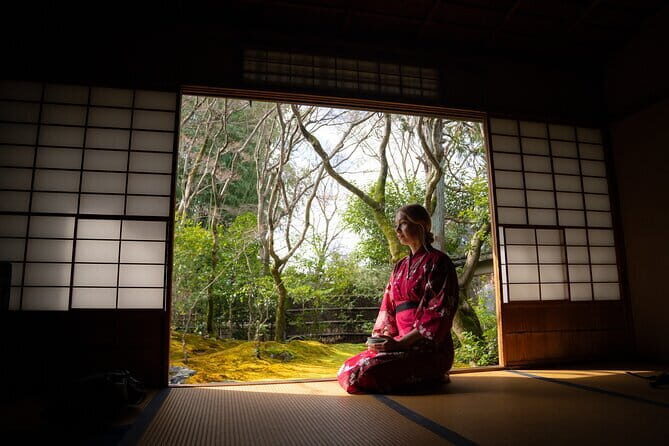
Kasuga Taisha is another signature Nara experience, and this stop is about 2 hours. It’s described as one of Japan’s most sacred shrines, with numerous gods enshrined within its grounds.
This is the part of the day where the pacing can feel calmer. Instead of just rushing through monuments, you get time to notice shrine details and how people move through the space. For me, that extra time is where the visit shifts from sightseeing into something more personal.
Admission is included for Kasuga Taisha, which helps keep the day smooth and reduces the mental clutter of paying for each site separately. If your group likes slower cultural moments—hands-on explanations, questions, quiet observation—this is likely your favorite stop.
Isuien Garden’s Shakkei: A Short Visit With a Specific Payoff
Isuien Garden is about 30 minutes, but it’s one of those places where knowing what to look for matters. The garden is known for shakkei, or borrowed scenery, where the surrounding natural landscape—including Mt. Wakakusa—is used as part of the composition.
So instead of treating the garden like a small stroll-only stop, think of it as a visual lesson. Your guide can point out how the garden is “framed” by what you see beyond it, which changes how you experience the space.
Admission is included here too. This short timing works well because it doesn’t steal time from the bigger anchors like Todai-ji and Kasuga Taisha. You get a clear payoff without ending the day exhausted.
Price and Value: What $340 Per Person Actually Covers

At $340.00 per person, this tour isn’t cheap—but it’s also not just a driver and a checklist. What you’re paying for is a combination of:
- A National Licensed English-speaking guide
- Hotel pickup
- Public transportation fees
- Admission fees to the paid sights on the schedule (Todai-ji, Kasuga Grand Shrine, and Isuien Garden are included)
Nara Park and parts like the Nandai Gate are listed as free, so you’re not paying separately for every stop. The only big “missing piece” is lunch, plus personal expenses.
For value, here’s how I’d think about it: if you’d otherwise spend time buying tickets, figuring out transport steps, and trying to translate signage alone, a licensed guide can save you real effort. And because it’s a private group experience, the money goes toward your group’s pace rather than spreading attention across a crowd.
One other detail: you get a mobile ticket, which usually keeps things simpler on the day.
Weather Changes and Your Energy Level
The itinerary might shift due to weather or other reasons, so keep your expectations flexible. That’s not a failure—it’s often how you avoid getting stuck in miserable conditions and instead protect the best parts of the day.
The tour calls for moderate physical fitness. That fits a day of walking temple grounds and a large park area. If your group prefers lots of sitting time, you may need to pace the day carefully and speak up early.
Also, since it’s outdoors for Nara Park, rain or heat can affect comfort quickly. Build in a plan for water and basic weather gear, even if you’re just doing a day trip.
When the Guide Clicks: Akiko Okada, Jun, Fumi, and Tatsuya
This is one of those tours where the guide style can make or break the day. The positive examples are consistent: guests described guides as friendly, accommodating, and focused on making the temples and shrines feel meaningful.
- Akiko Okada was credited with keeping the day full of history and culture.
- Jun was praised for being extremely friendly, flexible about pacing, and adding an extra stop to help with a souvenir.
- Fumi was described as guiding people comfortably through the train station and making conversation easy throughout the day.
- Tatsuya was described as professional and helpful with recommendations.
There’s also a clear caution in the mix: when you pay for a private historical experience, you want interpretation that matches what you’re craving. If your priority is deep explanations of Buddhist and Shinto meaning, say that during booking. If your priority is efficient sightseeing with room for personal questions, say that too.
Should You Book This Nara Day Trip?
I think you should book this if you want a guided, low-stress Nara highlights day with hotel pickup and included admissions for the key paid sites. It’s especially good for first-time Nara visitors who don’t want to figure out train timing and temple context on their own.
Skip it or reconsider if you’re counting on lunch being handled, or if you’re traveling at a pace that can’t handle a mostly full day of walking and standing. Also, if your expectations are very specific about historical depth, message those preferences ahead of time so the guide can match your style.
If you’re like most people—short on time, long on curiosity—this is a practical way to see Nara without turning your day into a logistics project.
FAQ
How long is the Nara day trip from Kyoto?
It runs about 8 hours (approx.).
What does the tour cost?
The price is $340.00 per person.
Is hotel pickup included?
Yes. The tour includes hotel pickup in Kyoto.
Are admission fees included?
Yes for the stops that list admissions in the schedule: Todai-ji (admission included), Kasuga Grand Shrine (admission included), and Isuien Garden (admission included). Nara Park and the Nandai Gate are listed as free.
Is lunch included?
No. Lunch is not included.
Is this a private tour?
Yes. It’s a private tour/activity, so only your group participates.
If you tell me your travel month and what kind of guide experience you prefer (history depth vs. practical sightseeing), I can help you decide whether this exact pacing fits your group.