REVIEW · BIKE & E-BIKE TOURS
Best of Kyoto: Ginkakuji & Path of Philosophy E-Bike Tour
Book on GetYourGuide →Operated by Kyoto Fun · Bookable on GetYourGuide
Pedal Kyoto without wrestling hills. This Best of Kyoto e-bike ride is a smart way to see major sites without spending all day in traffic or on foot, and the pace stays relaxed thanks to the E-bike boost and gentle routes. I especially like how the tour mixes the beauty of Ginkaku-ji with real explanations of Shinto and Zen, then connects it to Kyoto’s walking-life along the streets and paths.
One drawback to keep in mind: this is a riding tour, and the guide can end the trip early if anyone isn’t comfortable cycling, so you do want to show up ready to ride safely on busy Kyoto days (confident cyclist is key).
In This Review
- Quick hits (what makes this ride special)
- Why an e-bike works so well for Kyoto’s “must-sees”
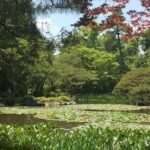
- Ginkaku-ji and the garden time that sets the tone
- Philosopher’s Path: cycling the Kyoto you actually want to feel
- Nanzenji and Heian Shrine: where guided time pays off
- The Wild West (6-hour) option: bamboo, golden looks, and rock garden calm
- Shinto and Zen explained by real people, not scripts
- E-bike comfort, daily traffic reality, and the safety rule
- Price check: how $69 adds up when entry fees are included
- How the itinerary shape keeps you from temple fatigue
- What to expect from guides: flexibility, humor, and attention
- Who this Kyoto e-bike tour is best for
- Should you book this Best of Kyoto e-bike ride?
- FAQ
- FAQ
- How long is the tour?
- Where do I meet for the tour?
- Is hotel pickup and drop-off included?
- What’s included in the price?
- Do I need to bring lunch?
- What languages do the guides speak?
- What happens if it rains?
- Is there a cancellation deadline?
- Do I need to be an experienced cyclist?
- Are there private or small group options?
Quick hits (what makes this ride special)
- Ginkaku-ji first stop: Guided temple time plus biking, with entry fees to the gardens included
- Philosopher’s Path pacing: Short ride stretches that keep you fresh for temple time
- Nanzenji and Heian Shrine: Calm, culturally important pauses with guided moments
- Wild West option: Bamboo Forest, Golden Pavilion, and Ryoanji Rock Garden if you choose the longer course
- Guides who slow down for understanding: People rave about guides like Philippe, Phillip, Salomé, Tim, Niall, and Kevin for clear, friendly teaching
- Light rain approach: You’ll either reschedule, switch to a walking tour, or proceed with a poncho when conditions are manageable
Why an e-bike works so well for Kyoto’s “must-sees”
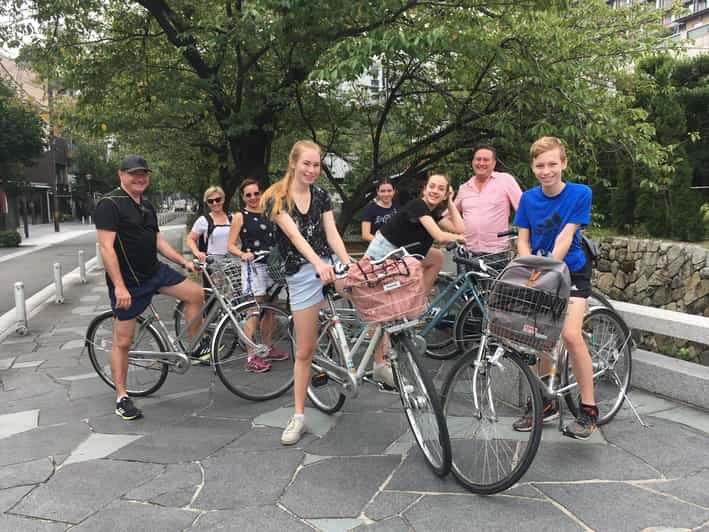
Kyoto is made for walking, sure. But it can also be made for stop-and-go, with long distances between temples and the kind of hills that turn an otherwise great day sour. That’s where an e-bike tour earns its keep. You’re still doing the sightseeing you came for, but you’re not burning your legs before you reach the gardens that make Kyoto famous.
What I like about this tour is that it uses e-bikes to do the boring part well: getting you from one meaningful site to the next. Then it lets the best parts of Kyoto take over—temple atmospheres, garden views, and the smaller streets where you can actually feel daily life. The ride also comes with the structure most DIY travelers skip: a guide who connects what you’re looking at to the ideas behind it, especially Shinto and Zen.
One more practical point: the tour includes helmets and entry fees to the gardens. That’s not just convenience; it cuts down on budgeting and last-minute decisions on the day.
You can also read our reviews of more cycling tours in Kyoto


Ginkaku-ji and the garden time that sets the tone
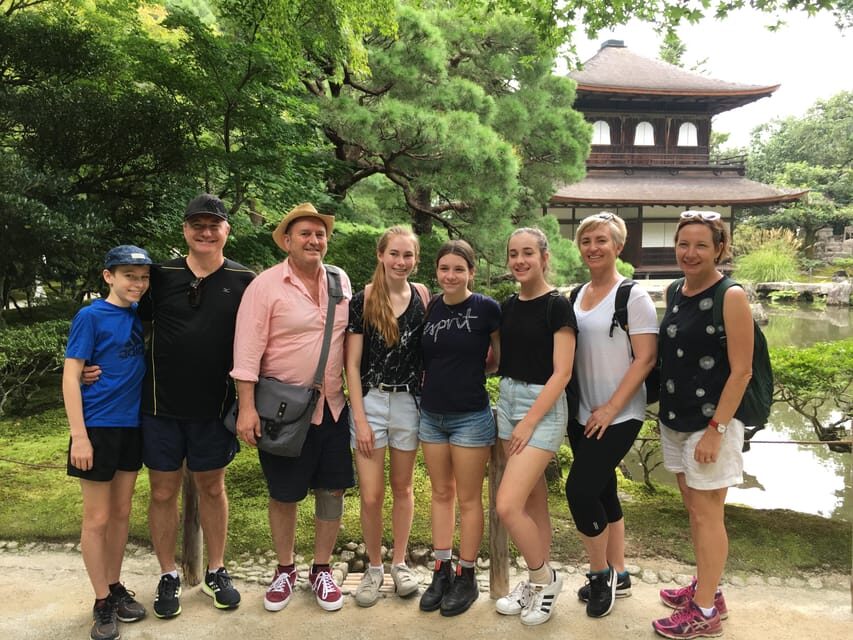
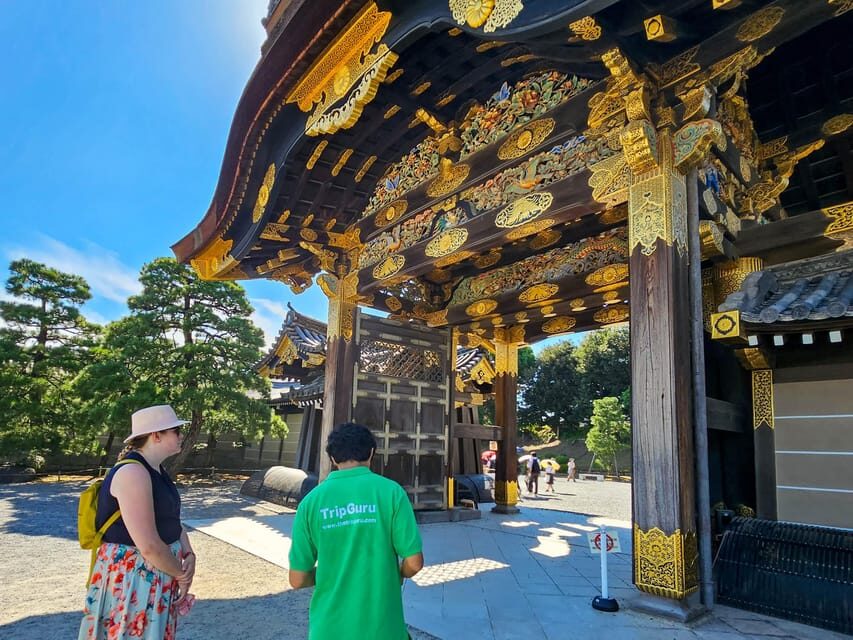
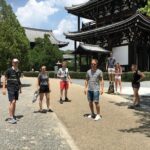
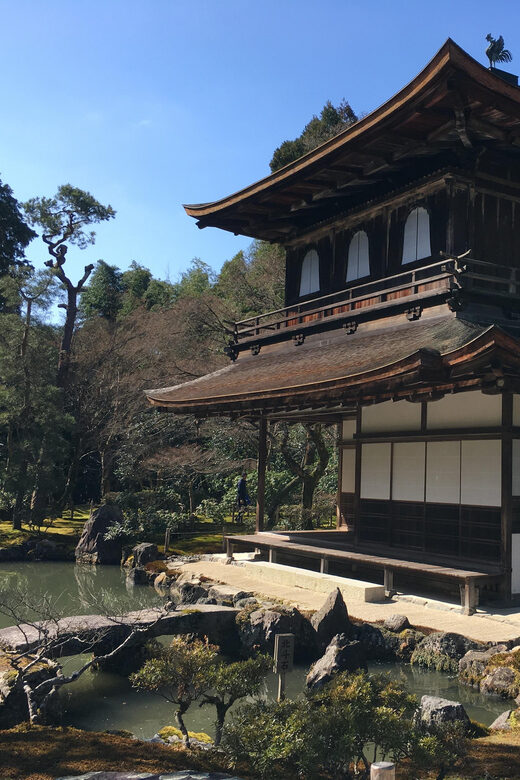
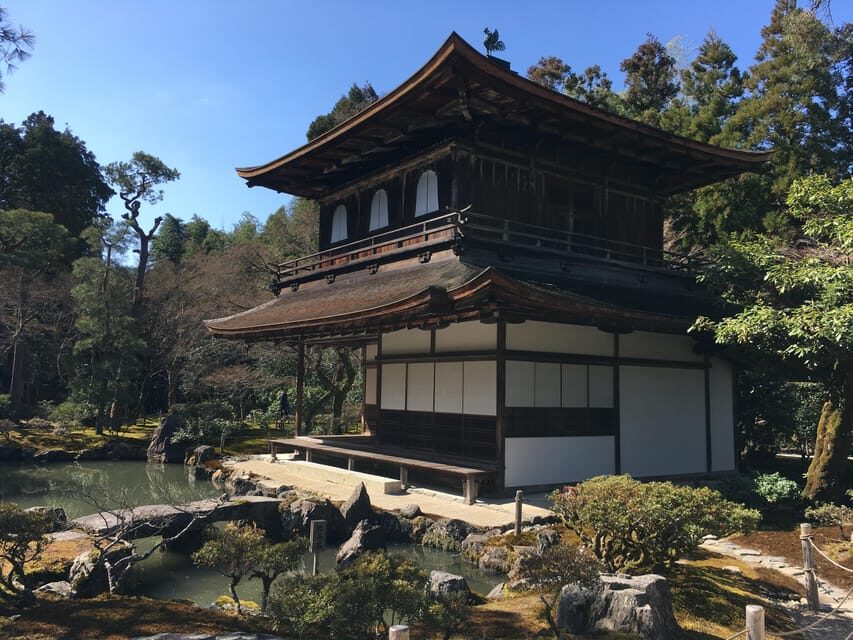
The tour’s starting point depends on which option you book, but the day commonly centers on Ginkaku-ji, including a guided visit plus cycling time. This is a great “first temple” choice because it’s visually strong and culturally loaded—perfect for starting your Kyoto story with Zen garden style and the feeling of a place meant for quiet attention.
You’ll have guided time here (about 45 minutes on the standard sequence), which matters more than you might expect. A garden can look stunning on its own, but a guide helps you notice why it’s arranged the way it is—where your eyes should go, what kind of calm the space is trying to create, and how Zen thinking shows up in the physical layout.
And you’re not just standing around. The format moves from garden to bike, which helps you avoid that common temple-travel trap: hours of slow walking that blur together. If you want your first Kyoto temple day to feel focused, not frantic, this stop does that.
Philosopher’s Path: cycling the Kyoto you actually want to feel
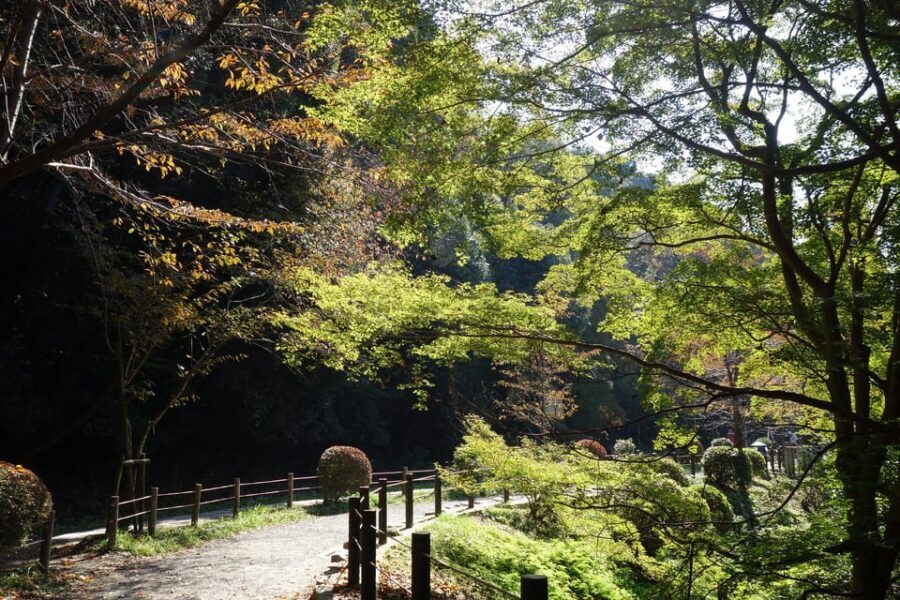
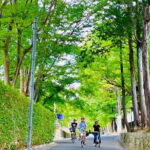
After Ginkaku-ji, the Philosopher’s Path portion is a key reason to pick this tour. You get a bike ride stretch here (listed around 30 minutes), which keeps the day flowing while you still get time in the atmosphere that makes this area special.
This is the part where Kyoto starts to feel like Kyoto, not like a checklist. The path area is known for that gentle rhythm—people moving at a human pace, greenery framing viewpoints, and the sense that the city is built for lingering. Even when you’re seated on an e-bike, you can feel that pace. It’s a nice balance: you cover distance without rushing the mood.
If you’ve only seen Kyoto from buses or cars, this section is often the moment you realize why seasoned visitors talk about walking these areas. The difference here is you’re not stuck sweating your way between stops. You’re using the bike to keep your energy for the cultural pauses.
Nanzenji and Heian Shrine: where guided time pays off
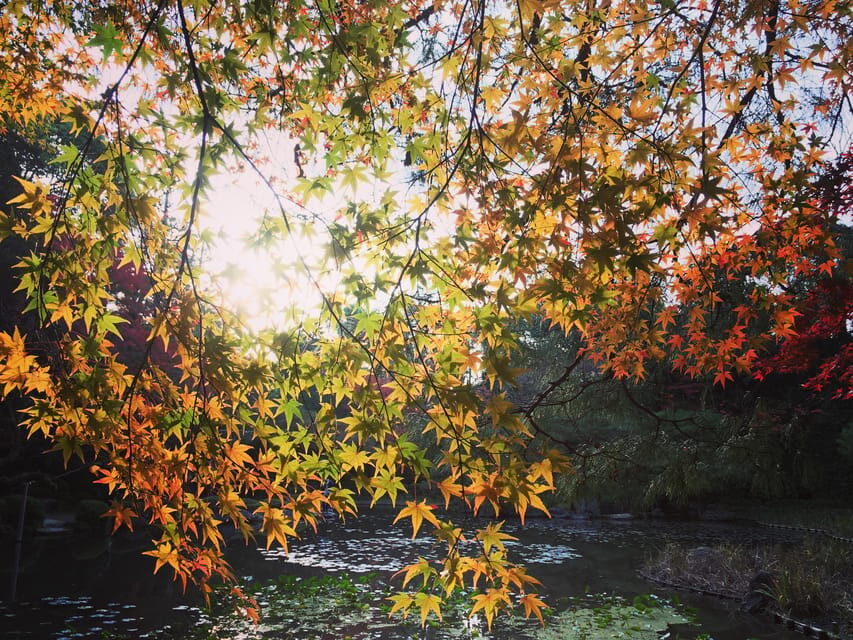
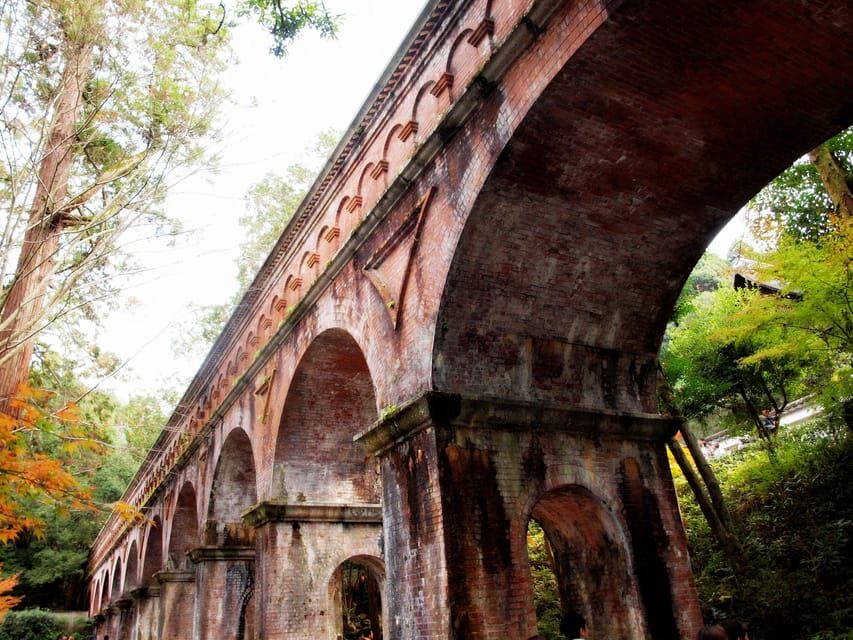
The standard route continues with a Nanzenji Temple visit (about 30 minutes) and then Heian Shrine with guided time (about 45 minutes). These stops matter because they broaden the day beyond “one iconic Zen garden.” You get more temple variety and a better sense of how Kyoto’s sacred spaces feel different depending on tradition and setting.
Nanzenji can feel quieter in your day plan because it’s not the single famous keyword everyone blurts out first. That’s why a guided visit helps. In half an hour, you won’t “master” a temple, but with a guide you can still leave with clear takeaways—what you’re looking at, what the site is known for, and what role it plays in the wider Kyoto picture.
Then Heian Shrine brings in another tone. With guided time built in, you’re not left wondering what you’re seeing or where to focus your attention. This is also a strong fit for first-time visitors who want an orientation: a guide’s explanations turn random details into meaning.
The Wild West (6-hour) option: bamboo, golden looks, and rock garden calm
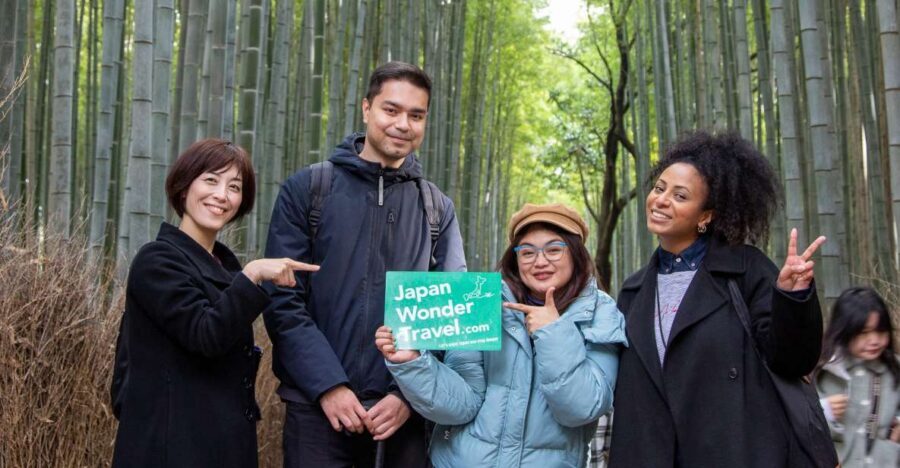
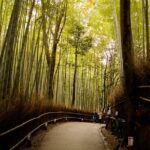
If you choose the longer course, the tour shifts into Kyoto’s big-name zone. You’ll hear it described as the Wild West route, and it includes major hits like the Arashiyama Bamboo Forest, the Golden Pavilion, and Ryoanji Rock Garden.
Here’s how that option can be a better deal for some people: if you only have a day or two in Kyoto and you want the most famous visuals with minimal planning, this route stacks them efficiently. Instead of picking just one “icon,” you get multiple, plus guided context.
The trade-off is time and intensity. The longer course is built for people who can handle a full day of movement. The upside is obvious: you’ll come away with a stronger “Kyoto highlight reel” and more variety in scenery and temple style.
Also, one review mentioned that the ride felt relaxed and that the route struck a good balance between main attractions and smaller spots. That balance is what keeps the longer West-side day from feeling like pure sprinting.
You can also read our reviews of more tours and experiences in Kyoto

Shinto and Zen explained by real people, not scripts
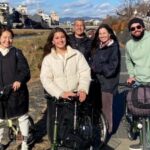
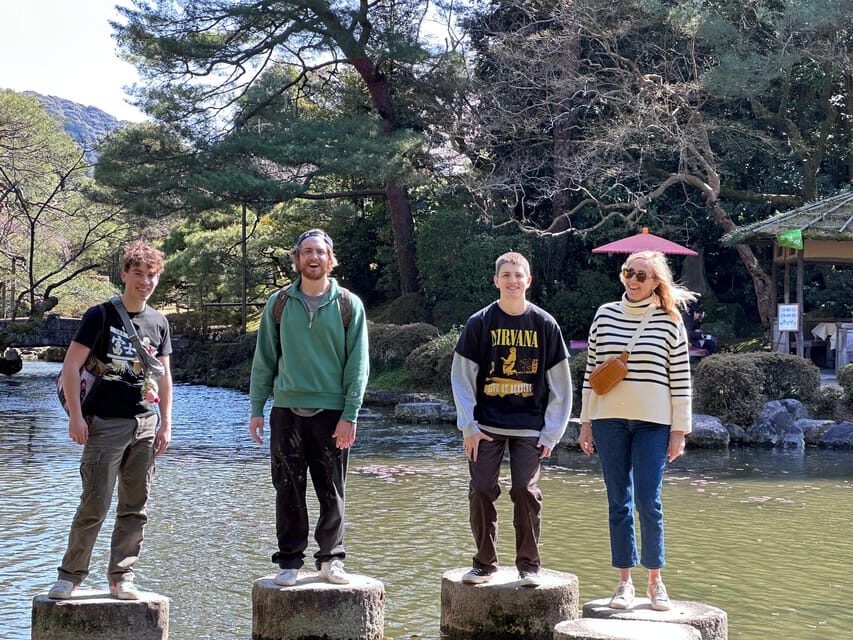
The biggest recurring praise is the guides. Guests mention names like Philippe/Phillip (often from France), Salomé, Kevin, Tim, and Niall, and the common theme is that they’re friendly, prepared, and able to explain Kyoto without dumping facts nonstop.
I like this approach because it’s how you actually learn while sightseeing. A guide can tell you the story of a temple, but the best guides also adjust to your questions and your pace. Several reviews specifically highlight that the information felt relevant rather than constant, and that the guides were generous with time.
One useful example from the feedback: a guest felt unsure about the length at first, but after about 4 hours they could have kept going. That’s a big clue that the pacing isn’t just “stand and stare.” It moves with your energy.
I also like that the tour’s explanations include both Shinto and Zen. Kyoto can feel like one long temple blur if you don’t know the basic differences. When your guide connects the ideas to the spaces, the day stops being just photos. It becomes understanding you can carry to your next stop.
E-bike comfort, daily traffic reality, and the safety rule
This is where you should be honest with yourself before you book. The tour provider states that they may end the tour if they’re concerned about safety. In other words, you really do need to be a confident cyclist.
Good news: e-bikes help a lot. Kyoto has gentle hills around many areas, and the e-bike boost is built for that reality. One review even called the biking easy and noted the route covered around 9 miles, which is a comfort signal for many first-timers.
Still, traffic and crowding in central Kyoto can be unpredictable. If you’re the type who hates riding near pedestrians, tight corners, or other bikes, you might feel more stress than you expect. That’s not a criticism of the tour. It’s just the physics of riding in a real city.
The tour includes helmets, and the guides keep things organized. But your comfort behind the handlebars matters most.
Price check: how $69 adds up when entry fees are included
At $69 per person for about 210 minutes, the math usually comes out better than it looks on first glance—mainly because key costs are baked in. Your price includes:
- the e-bike rental
- the tour guide
- entry fees to gardens
- helmets
Lunch and hotel pickup/drop-off are not included, so you’ll want to plan your day around that. But for many people, the big value is not only “having an e-bike.” It’s having a guide cover the cultural meaning so you don’t spend your limited time Googling temple facts while missing the mood.
If you’re comparing this to a self-guided e-bike rental, you’re also paying for route choice and timing. If you’ve tried riding in Kyoto solo, you know how fast navigation stress can kill the day. Here, you get a structured plan that hits major sites without turning the ride into work.
For shorter stays, the value is even clearer. A guided e-bike day can replace multiple half-days of transit, walking, and decision-making.
How the itinerary shape keeps you from temple fatigue
One of the best things about this tour format is that it mixes movement and pauses. You’re not trapped in long stretches of either only riding or only standing.
The standard sequence is built like that: Ginkaku-ji time, then Philosopher’s Path cycling, then Nanzenji and Heian Shrine stops with guided moments. That rhythm helps you remember the day as a set of distinct experiences, not one long blur.
The longer West-side course can feel like “big hits stacked,” but the guide-led structure keeps it from turning into a photo sprint. Some guests also mentioned flexibility—like adjusting for what the group wanted—so you’re not locked into feeling like a human checklist.
What to expect from guides: flexibility, humor, and attention
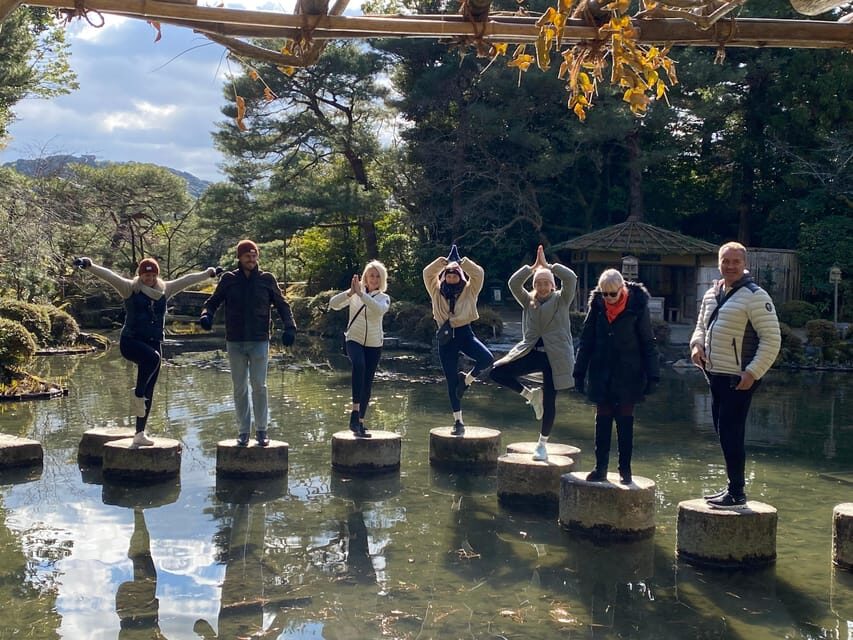
The reviews give a clear picture of how the guides behave. Several guests praised guides for being humorous and helpful, and for showing knowledge that feels like a real passion rather than a lecture.
Examples that stand out:
- A guest had a private tour with Salomé and described the experience as highly enjoyable, with strong local know-how.
- Another guest praised Philippe/Phillip for generosity with time and a clear passion for Kyoto culture.
- One review emphasized that the guide didn’t bombard the group with information nonstop, instead focusing on what mattered.
- Another mention: a guide helped with a short hike and handled an improvised picnic with dietary restrictions.
Even if your day doesn’t include those exact extras, the lesson is the same: good guides know when to slow down and when to push a little. That’s what keeps this from being just another sightseeing package.
Who this Kyoto e-bike tour is best for
This tour fits best if you want a day with structure, culture, and efficiency—without turning Kyoto into a treadmill.
You’ll likely enjoy it if:
- You want to see Ginkaku-ji and the Philosopher’s Path with less hassle than DIY
- You like temple gardens but also want meaningful context on Shinto and Zen
- You’d rather cover distance by bike than fight transit lines all day
- You prefer small groups or private-style attention (private/small groups are available)
It might be less ideal if:
- You’re not comfortable cycling in a real city environment
- You need a purely relaxed walking day with zero road riding
- You’re looking for a lunch included tour (lunch is not included)
Should you book this Best of Kyoto e-bike ride?
If your goal is Kyoto highlights with real context, this is a strong pick. The biggest reasons: the combo of e-bikes with temple-and-garden stops, and guides who actually explain the meaning behind what you’re seeing. The price also feels fair because e-bike rental, helmets, and garden entry fees are included.
Book it if you’re a confident cyclist and you want your Kyoto day to feel guided but not stiff. Skip it or reconsider if cycling would make you anxious—because the provider’s safety rule is real, and you’ll have a better day when you’re comfortable in the saddle.
FAQ
FAQ
How long is the tour?
The tour duration is listed as 210 minutes. Course options can run longer depending on which route you pick.
Where do I meet for the tour?
The meeting point may vary depending on the option booked. One listed starting point is Kyoto Bike Rentals at 222 Koyamachō.
Is hotel pickup and drop-off included?
No. Hotel pickup and drop-off are not included.
What’s included in the price?
The price includes an E-bike rental, a tour guide, entry fees to gardens, and helmets.
Do I need to bring lunch?
Lunch is not included.
What languages do the guides speak?
The tour guide is available in English and French.
What happens if it rains?
With light rain, you can reschedule, switch to a walking tour, or go ahead with a poncho. If rain is heavy, the provider may cancel the tour with a full refund.
Is there a cancellation deadline?
Yes. You can cancel up to 24 hours in advance for a full refund.
Do I need to be an experienced cyclist?
You need to be a confident cyclist. The guide can end the tour early if they are concerned about anyone’s safety.
Are there private or small group options?
Yes. Private or small groups are available.