REVIEW · FOOD
Kyoto: Nishiki Market Food Tour
Book on GetYourGuide →Operated by Arigato Travel KK · Bookable on GetYourGuide
If Kyoto has a food front door, Nishiki is it. This 3-hour walking Nishiki Market Food Tour turns a quick browse into a guided tasting of seasonal bites, Japanese tea, and food-culture context from an English guide like Raquel or Sanae. I like the focus on family-run stalls and the small-group pacing, which keeps you from getting lost in the crowd. One thing to keep in mind: you’ll do a lot of standing and walking, so comfortable shoes really matter.
Nishiki Market is locally nicknamed the Kitchen of Kyoto, and the tour leans into that. You’ll sample local snacks and dishes, usually from about 10 vendors, then use some built-in shopping time while the guide helps you understand what you’re looking at. The guide also connects what you eat to Japanese food traditions recognized by UNESCO.
At $173 per person, it’s not the cheapest way to eat in Kyoto, but you’re paying for guidance, access to tastings that you might skip on your own, and a calmer route through the market. If you’re allergic to certain foods or need dietary modifications, you’ll want to plan ahead with the organizer.
In This Review
- Key things to know before you go
- Entering Nishiki Market the “Kitchen of Kyoto” way
- What I liked most: food you can’t easily replicate on your own
- One practical drawback
- How the 3-hour pacing works (and why it matters)
- The tastings: seafood, snacks, seasonal produce, and sweets
- What makes the guide stops worth it
- Shopping time: use it for practical buys
- Japanese tea included: a small add-on that changes the whole meal
- Why UNESCO and “Japanese food culture” show up on a food tour
- Price and value: is $173 worth it?
- Getting to the meeting point in Kawaramachi (no stress required)
- Who this tour fits best (and who should pass)
- Dietary needs and allergies
- Extra costs to plan for (so you don’t get surprised)
- Final verdict: should you book the Nishiki Market Food Tour?
- FAQ
- How long is the Kyoto Nishiki Market Food Tour?
- How many people are in the group?
- What’s included in the price?
- Is hotel pickup included?
- Where do I meet the guide?
- How do I get there from Kawaramachi Station?
- Do I need to bring anything for the reservation?
- What should I do if I have food allergies or dietary needs?
- Is the tour in English?
- Can I cancel and get a refund?
- Is transportation to the meeting point included?
Key things to know before you go
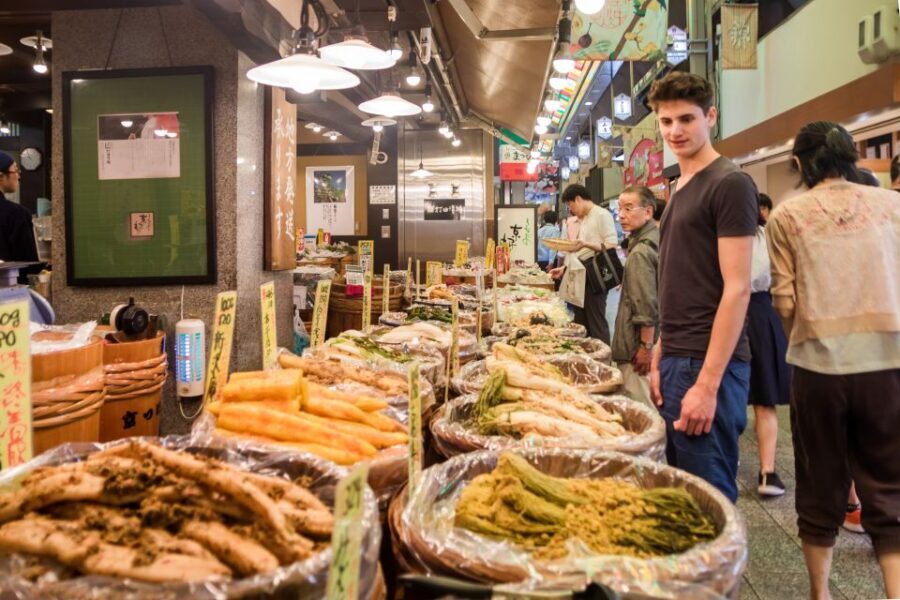
- Small group (up to 8 people): more time to ask questions and less pushing through the aisles.
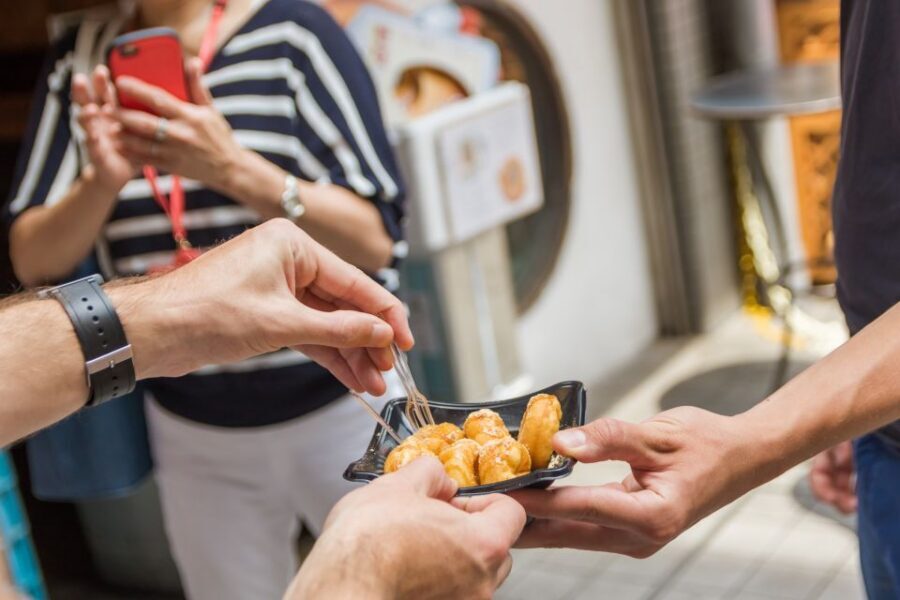
- About 10 vendor tastings: you get a guided sample platter instead of one snack and done.
- Japanese tea included: it’s part of the experience, not an optional add-on.
- Seasonal and regional lunch included: you’re not just grazing.
- Walk-focused timing (3 hours): plan to return to sightseeing right after, with hungry fuel topped up.
- Meeting point is in Kawaramachi: easy to reach from the Hankyu line with a short walk.
Entering Nishiki Market the “Kitchen of Kyoto” way
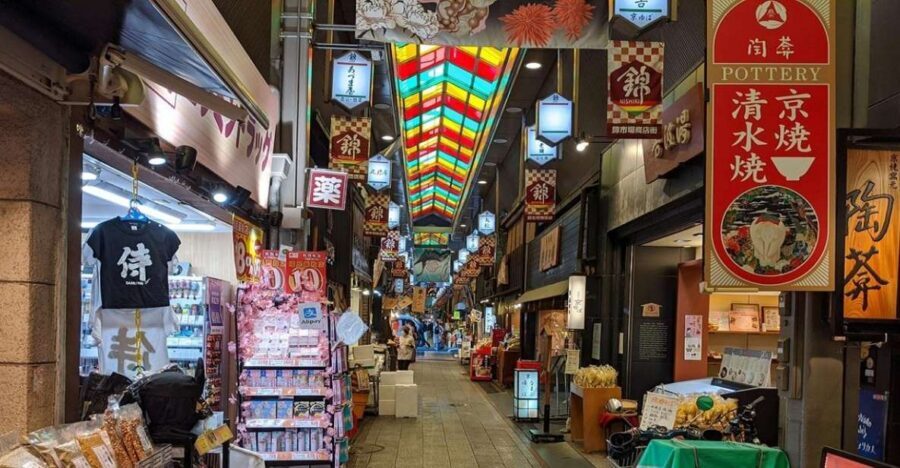
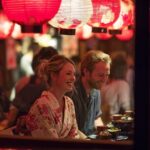
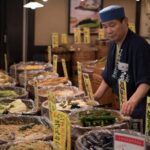
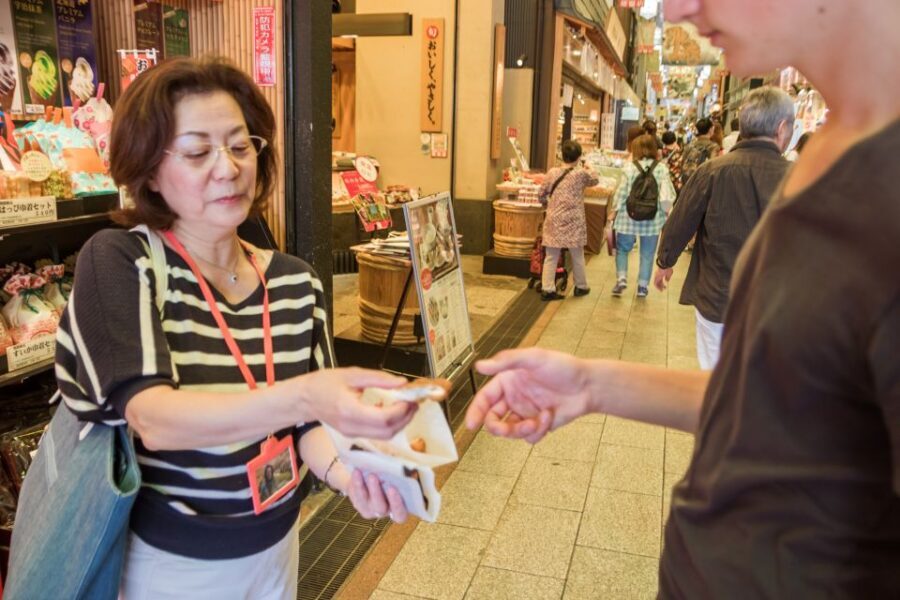
Nishiki Market has a reputation for a reason. The lanes are narrow, the stalls are old-school, and the smells hit immediately—grilled skewers, seafood aromas, pickled vegetables, and roasted tea drifting past your nose as you walk. It’s easy to treat the place like a grab-and-go shopping street, but this tour nudges you toward the meaning behind what you’re eating.
The biggest win is how a good guide changes your attention. You’re not just buying food; you’re learning what makes Japanese cuisine feel so specific to its ingredients and seasons. The tour connects the dots between everyday market foods and Japanese food culture recognized by UNESCO, so even common items start to feel purposeful.
And you’ll feel the market’s energy up close. Vendors talk with customers, people compare notes, and you get that layered feeling of past and present living side-by-side. With the small group size, you also stay close to your guide’s rhythm instead of constantly stopping to check your map.
You can also read our reviews of more food & drink experiences in Kyoto

What I liked most: food you can’t easily replicate on your own
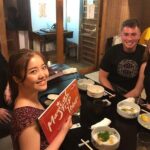
Two things make this tour stand out for me. First, the tastings are spread across different types of specialties, so you get variety fast—seafood, snack foods, sweets, and seasonal produce. Second, the guide brings structure. Even if you’ve been to Nishiki before, you’ll often notice things you would have overlooked: why a vendor uses a particular ingredient, what a pairing is meant to do, or how certain flavors fit together.
One practical drawback
You’ll be moving through a dense market for 3 hours. Even with a guide, you’ll spend time standing in spots to taste and listen. If you hate crowds or standing still, build in breaks afterward. And if you’re picky or have allergies, communicate clearly ahead of time—this tour depends on ordering off the market’s normal menu styles.
How the 3-hour pacing works (and why it matters)
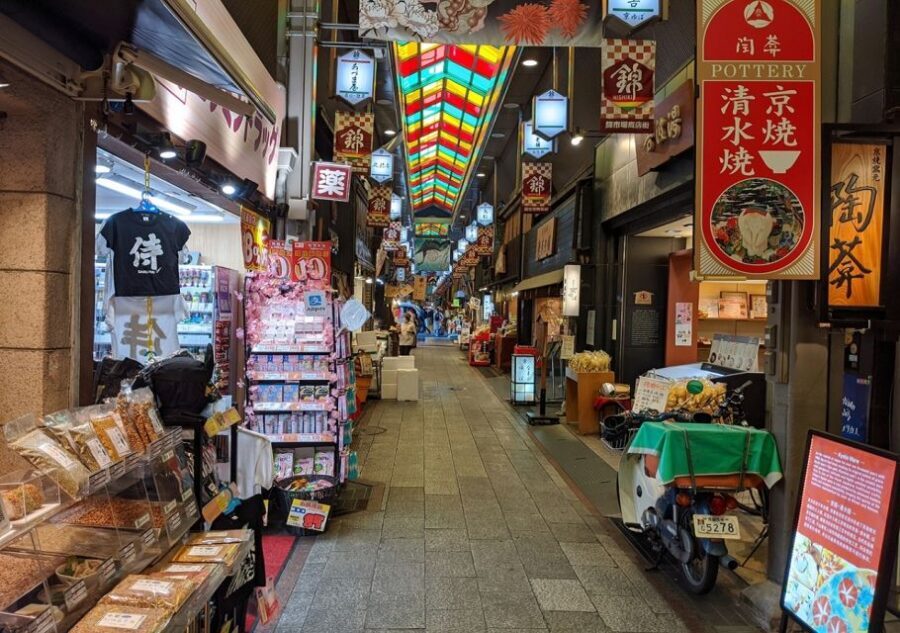
This tour is built for momentum. You start at a fixed meeting point in Kawaramachi, then you walk your way through the market with stops that keep the pace tight but not frantic.
Here’s what the timing usually feels like:
- You begin with orientation so you know how the market “works” (what to look for and what to ask about).
- Then you hit a sequence of tastings—about 10 vendors—so you’re trying multiple specialties instead of repeating the same snack.
- You finish with seasonal and regional lunch, which is a big deal. Market sampling can leave you full of “interesting bites” but not actually satisfied. Lunch fixes that.
The small group limit (up to 8 participants) is more than a comfort detail. It makes the guide’s job possible. You’re more likely to get personal guidance on what you’re tasting and why it’s worth your money—and you’ll have an easier time hearing explanations without constantly turning your head.
The tastings: seafood, snacks, seasonal produce, and sweets
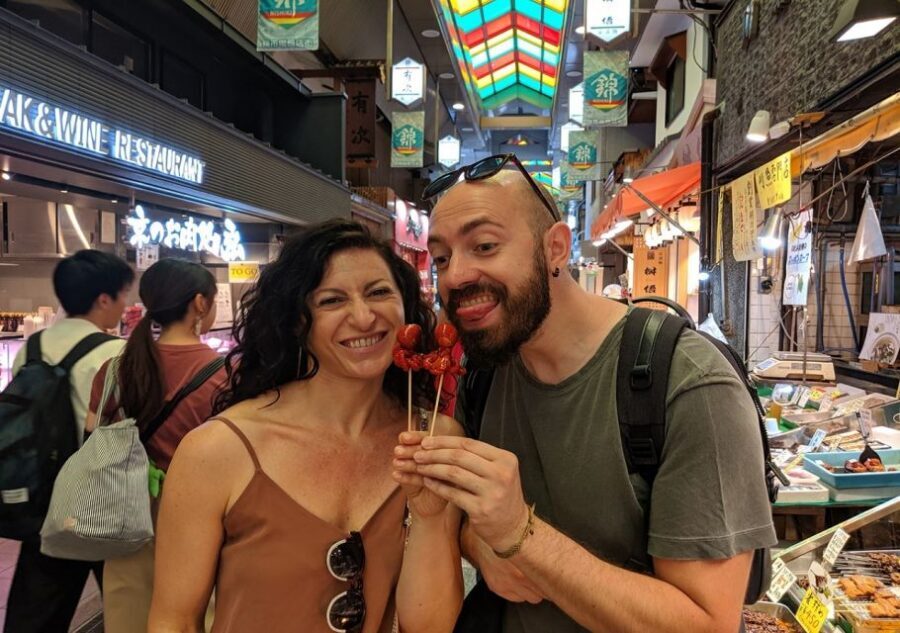
Nishiki’s specialty is range. One stall might focus on seafood, another on pickles, another on sweets or pantry items, and another on tea culture. The tour takes advantage of that variety.
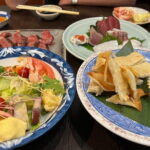
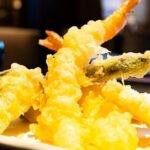
Based on what’s described and what’s been highlighted by guides like Marie and Ida, the tastings tend to include combinations like:
- Fresh and prepared seafood items (often grilled or served in bite-size forms)
- Local snack foods you’d miss if you only looked for famous brands
- Pickled vegetables and other sharp-flavored sides that reset your palate
- Seasonal sweets that reflect the time of year
- Tea-related stops, including the chance to taste Japanese tea included with the tour
One extra bonus: you can get pointed toward items that are easy to buy but harder to choose intelligently. For example, dried bonito fish (katsuobushi) has shown up in past tour experiences as a “try it and then you get it” kind of snack—especially if you like the idea of bringing home ingredients with real flavor behind them.
You can also read our reviews of more tours and experiences in Kyoto

What makes the guide stops worth it
A market self-guided stroll is fun, but it’s also random. You might end up buying the things that look best in photos and miss the items that taste best with the right context. A good guide helps you make sense of:
- which flavors are meant to be eaten together,
- how season affects what you’re seeing,
- and why some foods are treated as Kyoto staples rather than generic tourist snacks.
Shopping time: use it for practical buys
The tour includes shopping time, which is perfect timing. After you taste across vendors, you’re more equipped to decide what’s actually worth purchasing—not just what looks pretty on a tray.
Japanese tea included: a small add-on that changes the whole meal
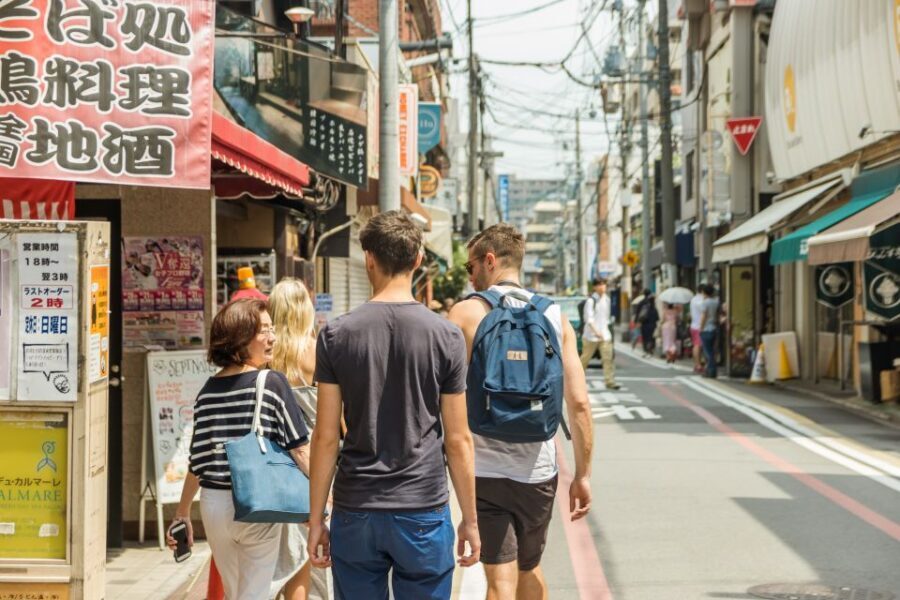
Food tours can turn into a sugar-and-snack parade. Here, Japanese tea is built in, and that matters. Tea helps you reset between tastings and makes strong flavors—like pickles or savory seafood—feel less overwhelming.
If you’re trying to learn what Japanese tea is about, this is a comfortable way to get started. Even if you don’t become a tea collector by the end, you’ll leave with a better sense of how tea supports the food instead of competing with it.
The tour’s own sensory focus makes this easier. You’ll smell roasted tea in the market air and taste it as part of the flow, not as a separate event.
Why UNESCO and “Japanese food culture” show up on a food tour
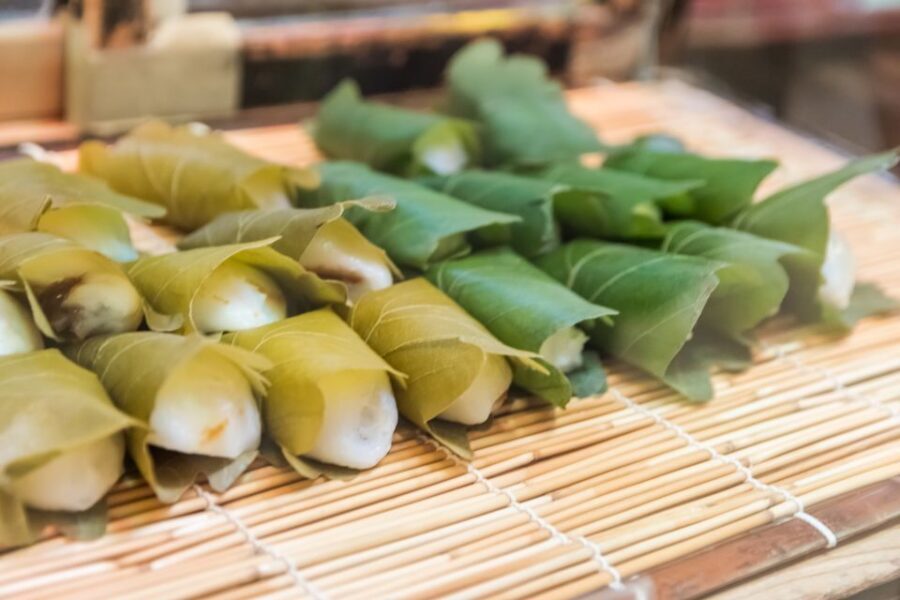
Japanese cuisine can feel simple at first glance—small portions, clean flavors, and ingredients treated respectfully. The UNESCO connection isn’t just trivia. It’s a framework for understanding why:
- ingredients are chosen with the season in mind,
- preparation methods matter,
- and the cultural idea of harmony shows up in what you pair and how you eat.
When that context is explained while you’re standing in front of the actual food, it sticks. You’re not memorizing facts in a museum. You’re tasting, asking questions, and then noticing those details while you keep walking.
Price and value: is $173 worth it?
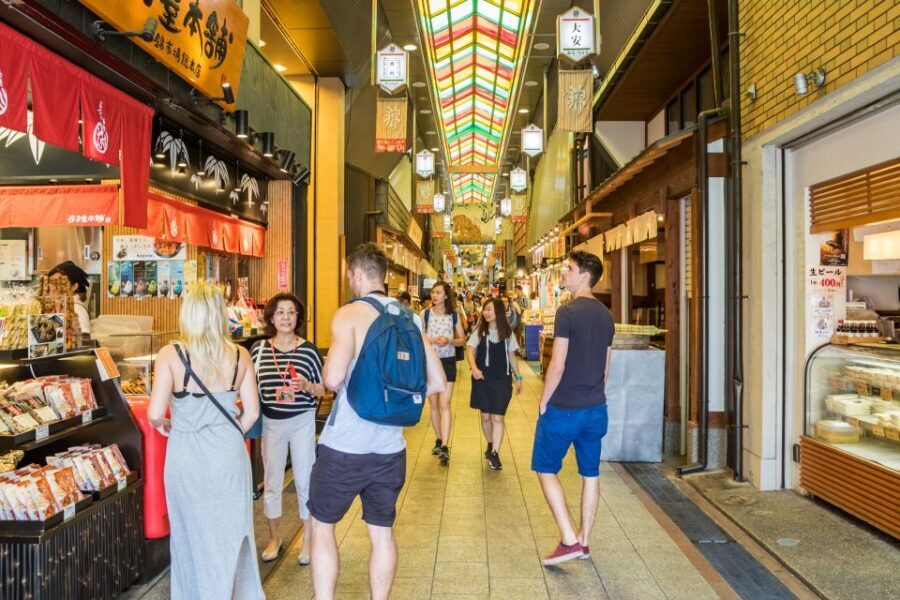
At $173 per person for a 3-hour small-group tour, you’re paying for more than “food samples.” You’re paying for:
- a guide in English,
- access to seasonal lunch plus tastings,
- Japanese tea included,
- and the ability to try around 10 vendors without planning every stop yourself.
If you tried to replicate it alone, you’d spend money on multiple items anyway—but you might miss the selections that are most representative of Kyoto’s food culture. The value isn’t only in the quantity of food. It’s in how the tour helps you understand what you’re buying, what you should prioritize, and what to skip.
That said, it’s a premium price compared to buying snacks one by one. If you’re the type who loves hunting for food independently and you already know what you want, you might feel less wowed by the cost. If you want structure and a guide who can explain what you’re tasting, it’s easier to call this money well spent.
Getting to the meeting point in Kawaramachi (no stress required)
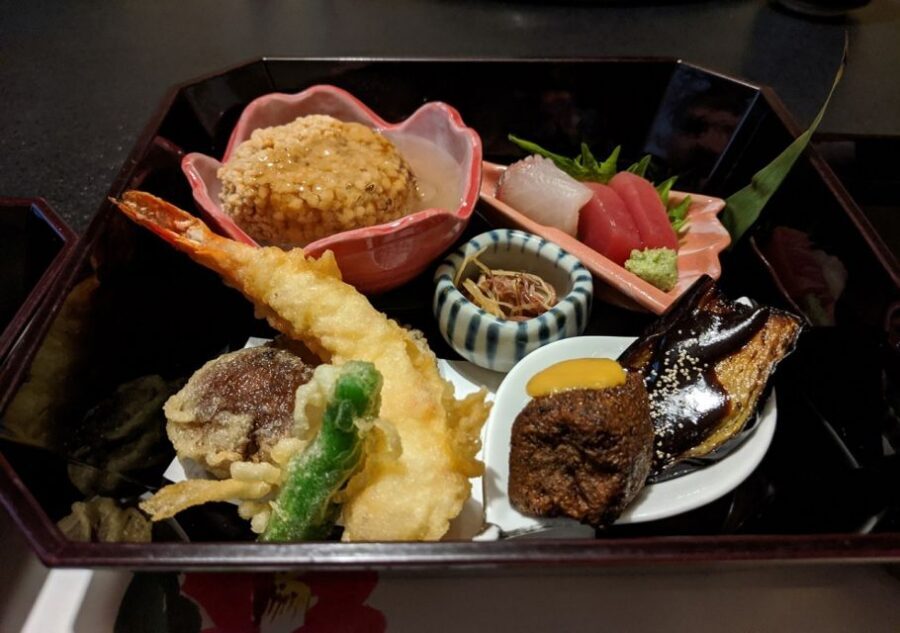
Your meeting point is in front of Lacoste, Kawaramachi. The address given is Naramonochi 375 in Shimogyō-ku. From the Hankyu train line, get off at Kawaramachi Station and take exit 9.
Because this is a walk-based market experience, getting there cleanly matters more than you might expect. If you arrive slightly flustered, you’ll feel it right away once you hit the narrow lanes.
A simple tip: give yourself a little buffer from the station to the meeting point, even if Kyoto navigation is easy for you. Nishiki’s energy can make you lose time the moment you’re inside.
Who this tour fits best (and who should pass)
This tour is a strong match if:
- you want a guided tasting path through Nishiki Market (not just a self-guided browse),
- you enjoy learning how food connects to culture and seasons,
- you’d like a calmer group size while trying a lot of different items,
- and you want lunch included so the experience ends with real satisfaction.
It may not be the best match if:
- you prefer to eat only at places you personally select with zero guidance,
- you have trouble with standing and walking in crowded areas,
- or you need very specific dietary accommodation and don’t want to communicate your requirements ahead of time.
Dietary needs and allergies
The tour asks that you inform them of any food allergies or dietary requirements. Do it early. In a market setting, a lot of items are prepared closely to other foods, and decisions may come down to what the stall can do on the spot.
Extra costs to plan for (so you don’t get surprised)
Included in the price:
- seasonal and regional lunch and food tastings,
- visit to around 10 vendors,
- Japanese tea,
- and shopping time.
Not included:
- hotel pickup (it can be arranged for an additional charge),
- gratuity,
- transportation costs,
- and additional drinks/food beyond the tastings (you can purchase at your own expense).
So bring a little extra spending money if you want to buy gifts, ingredients, or items you tasted. The market is built for buying.
Final verdict: should you book the Nishiki Market Food Tour?
If you want a food tour that actually changes how you see Nishiki—not just how much you snack—this is a great pick. I especially like that you get lunch, not only small bites, and you get the guide’s framing while you’re in the middle of the action.
Book it if:
- you want structure in a busy market,
- you like seasonal and regional food,
- and you’re happy paying for a small-group experience.
Skip it or consider self-guided eating if:
- you’re on a strict budget,
- you already know exactly what you want to buy and eat,
- or you strongly dislike walking and standing in crowded lanes.
FAQ
How long is the Kyoto Nishiki Market Food Tour?
The tour runs for 3 hours.
How many people are in the group?
It’s a small group limited to 8 participants.
What’s included in the price?
You get seasonal and regional lunch and food tastings, visits to around 10 market vendors, Japanese tea, and shopping time.
Is hotel pickup included?
No, hotel pick-up is not included. It can be arranged for an additional charge.
Where do I meet the guide?
Meet in front of Lacoste, Kawaramachi at Naramonochi 375, Kyoto.
How do I get there from Kawaramachi Station?
From the Hankyu line, get off at Kawaramachi Station and use exit 9.
Do I need to bring anything for the reservation?
A copy of your passport information is required for all participants aged 10 and over.
What should I do if I have food allergies or dietary needs?
You should inform the organizer of any food allergies or dietary requirements.
Is the tour in English?
Yes, the tour includes a live English speaking guide.
Can I cancel and get a refund?
Yes. The tour offers free cancellation up to 24 hours in advance for a full refund.
Is transportation to the meeting point included?
No. Transportation costs are not included.