REVIEW · GION DISTRICT WALKING TOURS
Kyoto: Kimono Tea Ceremony at Orizuruya Gion
Book on GetYourGuide →Operated by LINKTIVITY Inc. · Bookable on GetYourGuide
A calm afternoon in Gion starts with a kimono. This Kyoto kimono tea ceremony at Orizuruya Gion turns etiquette and matcha into something you can actually do, step by step, in a small group. I especially love the zero-stress dressing help and photos, and I also like that you learn matcha prep well enough to make your own bowl. The only real consideration: if you want the Japanese calligraphy portion, you need to choose that option, and the whole experience is still a set time block.
You’ll meet at Gion Oritsuruya and be guided through the ritual in an English-friendly format. Expect expert instruction, a traditional room setting, and Japanese sweets to round things out. The tea portion alone is great even if you’re not big on crafts, but if you’re hoping for total free roaming, this is mostly a guided, hands-on cultural lesson.
In This Review
- Key highlights I’d mark on your Kyoto map
- Kyoto Kimono Tea Ceremony at Orizuruya Gion: why this format works
- Meeting at Gion Oritsuruya: logistics that keep your stress low
- Choosing your kimono (200+ designs) and getting dressed fast
- A small wardrobe reality check
- Inside the tea room: how the ceremony gets taught in English
- Making matcha yourself: the hands-on skill you take home
- Why this matters for value
- Optional Japanese calligraphy: the add-on that earns top praise
- Time in kimono after the ceremony: Gion is where it shines
- Photos and staff help
- Price and value: is $49 fair for Kyoto?
- Who should book this Kyoto experience in Gion?
- Should you book Orizuruya Gion kimono tea ceremony?
- FAQ
- FAQ
- How long is the Kyoto kimono tea ceremony at Orizuruya Gion?
- Is the instructor able to teach in English?
- What group size is it?
- What’s included in the price?
- Where do I meet, and how do I get there?
- Can I keep the kimono after the ceremony?
Key highlights I’d mark on your Kyoto map
- Small-group size (max 10) means more questions and less waiting around
- 200+ kimono choices lets you pick what you truly like, not a single pre-picked outfit
- You learn matcha whisking using a traditional bamboo whisk (chasen)
- You make and taste your own matcha bowl paired with wagashi
- Optional calligraphy is hands-on and gets consistently strong praise
- Kimono time after the ceremony is a standout perk for Gion photos and short walks
Kyoto Kimono Tea Ceremony at Orizuruya Gion: why this format works
Kyoto has no shortage of tea ceremony options. What makes this one practical is the pace and the structure. You get help from the moment you arrive—choosing your kimono, getting dressed, and then moving into the tea room where the instructor walks you through the ritual. The result feels calm, not confusing. And because it’s capped at 10 participants, you’re less likely to get lost in the shuffle.
I also like that it’s designed for first-timers who worry about doing things wrong. The tea ceremony is taught in clear steps, and your job is basically to follow along, ask questions, and try. You’re not expected to have studied etiquette ahead of time.
One more reason I think this setup is a good match for most visitors: the experience includes small, satisfying “checkpoints.” You pick your kimono. You learn a technique (matcha whisking). You taste what you made. If you add calligraphy, you also get a second hands-on skill.
You can also read our reviews of more tours and experiences in Kyoto.



Meeting at Gion Oritsuruya: logistics that keep your stress low
You’ll meet at Gion Oritsuruya, address 572-7 Minamigawa, Gion-machi, Higashiyama-ku, Kyoto-shi, Kyoto. The location is in Gion, which matters because you’re not traveling across town just to learn something cultural. You can fit this into a day that also includes nearby sights.
From transport, it’s a 10-minute walk from Hankyu Kyoto-Kawaramachi Station or about 7 minutes from Keihan Gion-Shijo Station. That’s close enough that you don’t need a taxi, and you can arrive early enough to settle in.
The meeting point detail that’s easy to overlook: this is your responsibility. You’re covering your own travel to and from Gion Oritsuruya. Once you’re there, everything else is handled—licensed guide, utensils rental, and the dressing process.
Choosing your kimono (200+ designs) and getting dressed fast
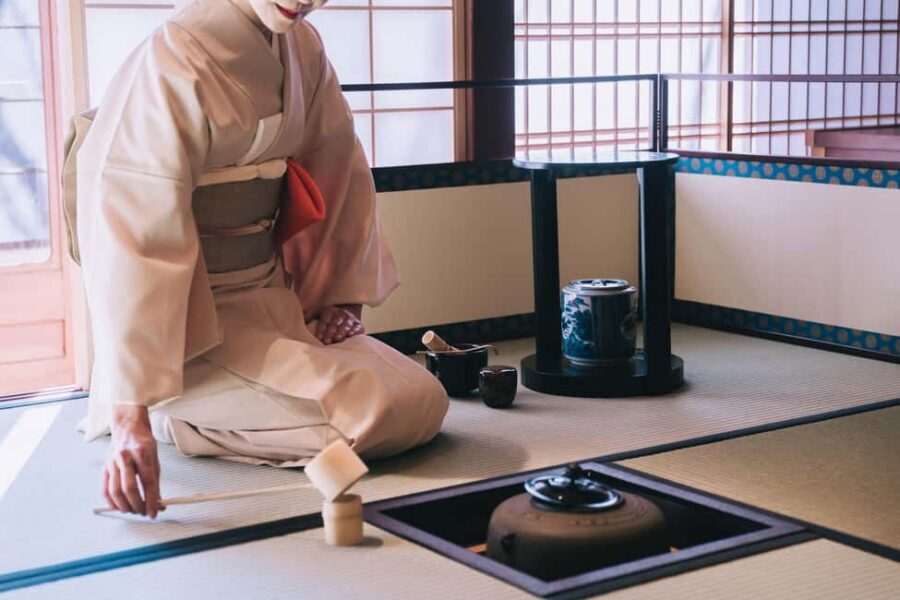
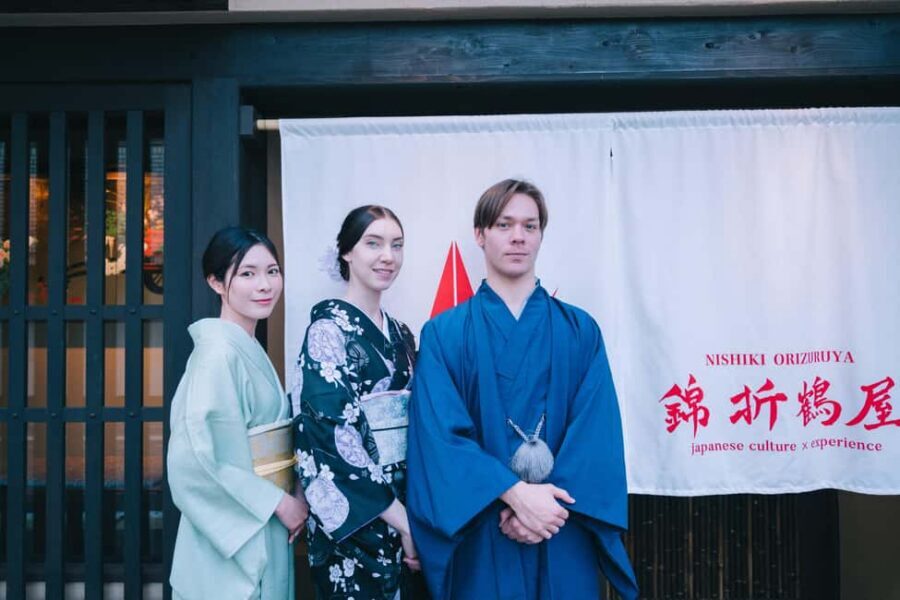
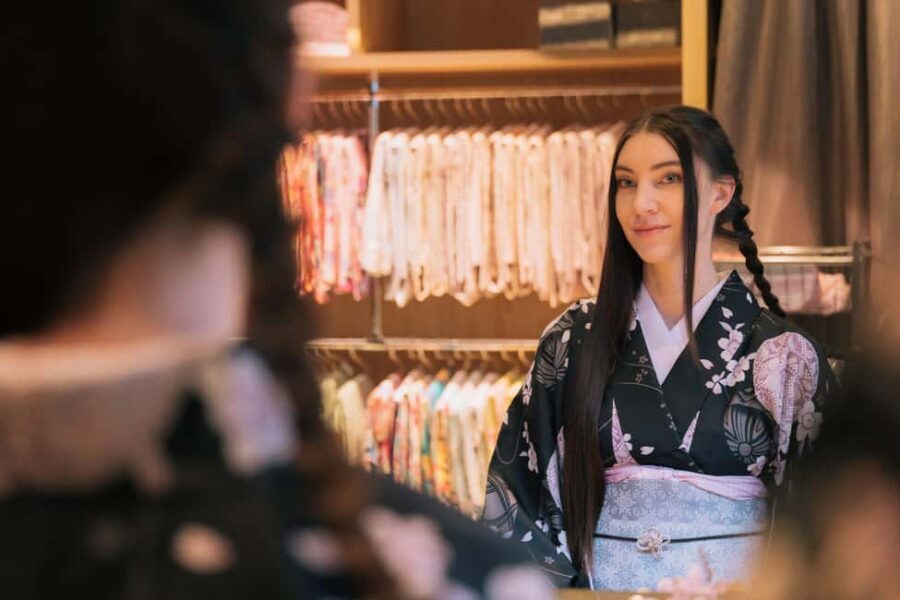
This is the part people talk about for a reason. The experience starts with selecting your kimono from over 200 designs, and the staff help you get into everything correctly. If you’ve ever watched someone else dress in a kimono and thought, That looks complicated, you’ll feel better fast. The staff move efficiently, and the process is explained in a way that doesn’t require you to know anything in advance.
For women, the package includes complimentary hair styling (a simple style). Men’s hair and styling details aren’t spelled out in the info you provided, so if that matters to you, you may want to confirm what styling is included for your group when you book.
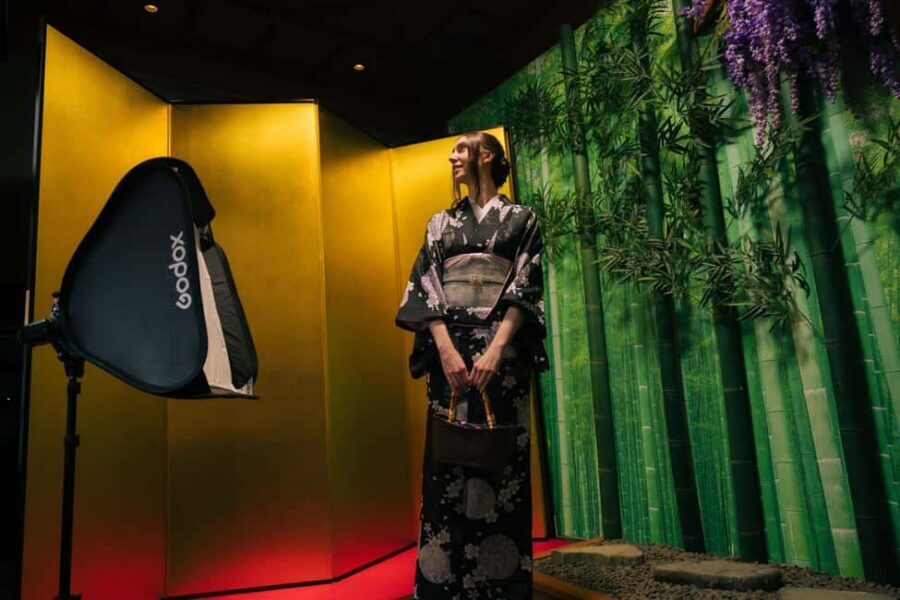
In practice, the dressing area is more than “put on fabric.” It’s part of the cultural experience. People mention feeling comfortable during the process, and many highlight how the staff are polite and patient while taking pictures. If you want that classic Gion photo look, this is one of the easiest ways to get it without fumbling with complicated steps.
A small wardrobe reality check
Wear something you can comfortably change out of and that won’t fight the dressing process. The experience includes kimono rental, but your body still needs to get from streetwear to kimono smoothly. If you’re the type who gets cold easily, plan for that too—especially in cooler months—since you’ll be outside in Gion at least briefly before and after.
Inside the tea room: how the ceremony gets taught in English
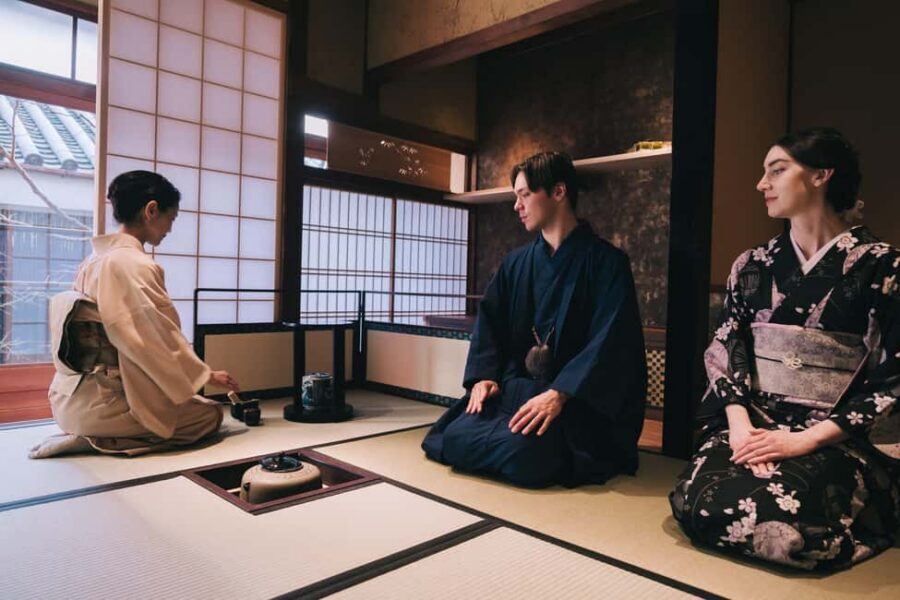
After you’re dressed, you’ll enter a tea room and follow an instructor’s guidance through the ritual. The experience is English-instruction, and the aim is to make the steps understandable, not mysterious. This is where calm, careful pacing shows up.
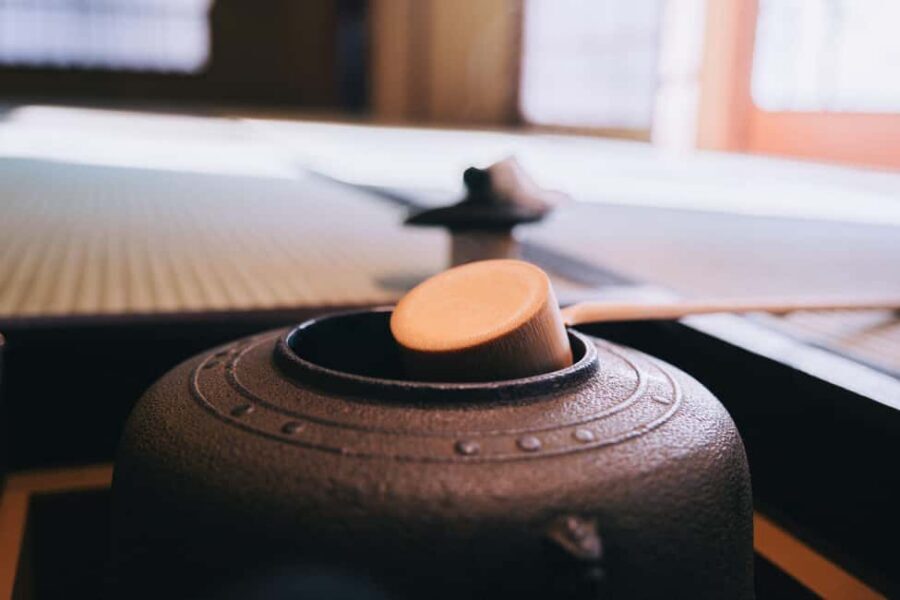
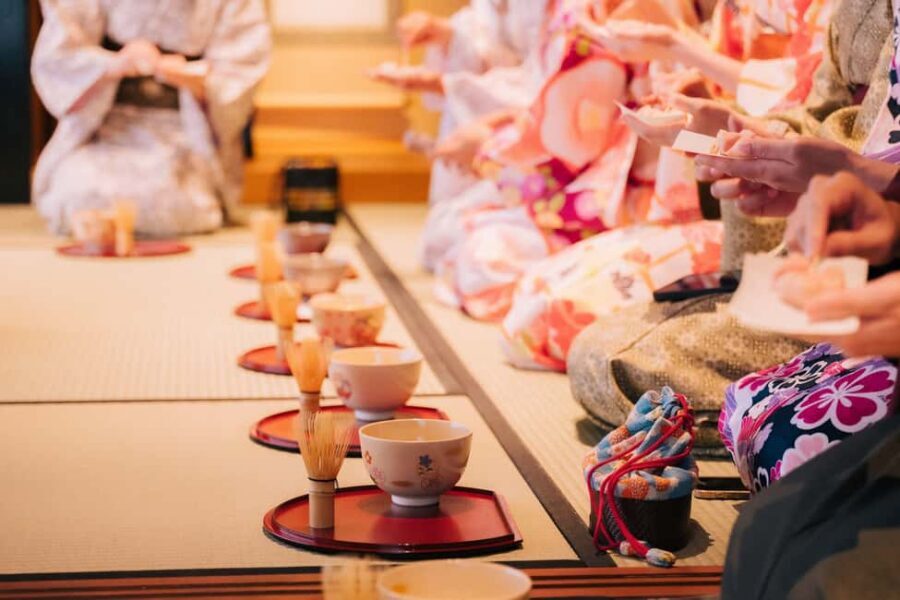
The core technique you’ll learn is how to prepare matcha using a traditional bamboo whisk (chasen). The instructor guides you through the movements and the reasoning behind what you’re doing, including what’s different about matcha types (based on what people report learning from their host). You’re not just watching someone else do it.
If you’re hoping for a cultural experience that feels authentic rather than like a photo stop, this is the best section to aim for. The people you encounter in the room tend to create a respectful atmosphere—quiet enough that you can actually focus on the process.
Also, you’ll be using rented tea ceremony utensils. That matters because you’re not hunting down equipment or trying to interpret tools you don’t understand. Everything you need is provided as part of the experience.





Making matcha yourself: the hands-on skill you take home
This is the highlight for anyone who likes doing more than just observing. You’ll learn matcha preparation and then try making your own bowl of matcha. In the tea ceremony, you’re guided through whisking and the small technique details that affect texture.
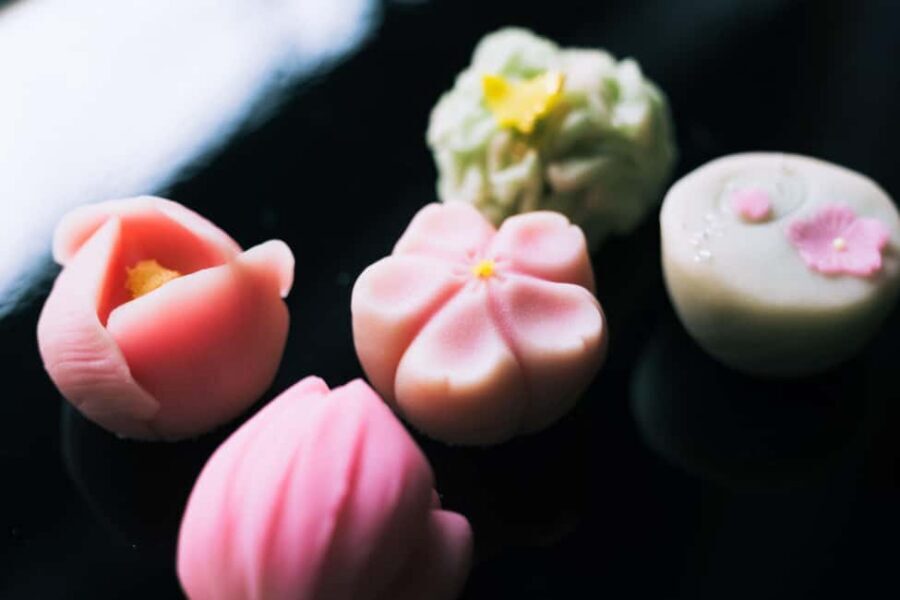
You’ll then taste your matcha along with Japanese sweets (wagashi) and matcha as snacks. Multiple people mention the sweets specifically, and the description also notes the sweets come from a century-old confectionery. That detail helps set expectations: this isn’t just a token cookie. It’s part of how the ceremony balances flavor and calm.
Why this matters for value
A tea ceremony that only shows you the steps can be nice, but it won’t stick. The moment you whisk and make something yourself, you actually learn. Even if you never recreate it at home perfectly, you’ll understand why whisking technique matters and how the ritual is structured.
Optional Japanese calligraphy: the add-on that earns top praise
If you’re considering the calligraphy option, I’d lean toward choosing it. In the reviews you provided, the calligraphy portion gets singled out as a major reason people loved the whole experience.
Here’s what’s factual from your info: a Japanese calligraphy experience option exists, and when you select it, you get a calligraphy set rental included. The tea ceremony still happens, and then you move into the calligraphy session with a hands-on instructor.
What makes calligraphy a smart add-on for many visitors is simple: it adds a second skill in the same cultural frame. Tea is about discipline and attention. Calligraphy is also about control, focus, and finishing with care. People describe it as fun, challenging in a good way, and done with lots of patience—so don’t worry if your handwriting in English is already chaos. The teaching is part of the experience.
If you like taking home something more personal than a photo, calligraphy gives you that feeling. Even if you can’t read what you wrote, you’ll remember the physical act of making it.
Time in kimono after the ceremony: Gion is where it shines
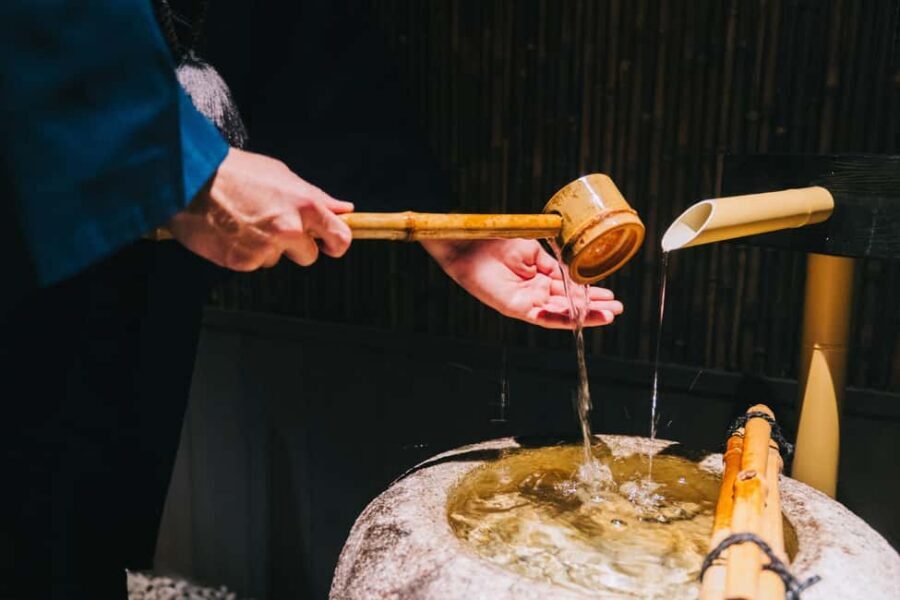
One of the best practical surprises here is what people report about keeping the kimono on after the tea ceremony. Several reviews mention wearing the kimono around the Gion area afterward, including for short walks and photos, and at least one mentions keeping the kimono until 5pm.
That’s a big deal, because it turns the experience from something that ends when the class ends into something that spills into your day. You get a chance to enjoy Gion’s atmosphere while dressed for it.
If your schedule is tight, this is also a helpful planning tool. The duration is listed as 90 minutes to 2 hours, so your total time commitment is manageable. But your walking time in kimono after that can add flexibility depending on your time slot.
Photos and staff help
People mention that staff take pictures and give helpful tips. Even if you’re not planning to photograph yourself heavily, that’s a quality-of-life benefit. It removes that awkward moment where you’re asking a stranger to take your photo and hoping everyone gets in frame.
Price and value: is $49 fair for Kyoto?
The price is $49 per person, with durations listed around 90 minutes to 2 hours. On the surface, that can sound like a lot—until you compare it to what you’re actually getting.
You’re paying for:
- Kimono rental (from a large selection)
- Dressing assistance (and simple hair styling for women)
- Tea utensils rental
- Guided tea ceremony instruction in English
- Snacks including wagashi and matcha
- A matcha skill you practice yourself
- A licensed guide and included fees and taxes
- Optional calligraphy set rental if you choose that option
For Kyoto, where you can spend a fortune on separate experiences, bundling kimono + tea + instruction is often the better deal. The big value driver is that you’re not just paying to enter a room—you’re paying for guided instruction and hands-on practice.
The other value factor: the group size. A small group makes the session feel more personal and reduces waiting, which matters in a hands-on workshop like this.
Who should book this Kyoto experience in Gion?
This is the kind of activity I recommend to people who:
- Want a structured cultural activity without worrying about etiquette
- Love photos and want authentic-looking kimono time in a Kyoto neighborhood
- Like hands-on learning (especially matcha whisking)
- Prefer small groups over big tours
- Are pairing Kyoto sightseeing with a calm, mindful break
It’s also a strong choice for couples. One person booked it as a gift, and many describe it as calming and fulfilling. Families can like it too; at least one review mentions a 14-year-old enjoying it, which suggests the pacing works across ages.
If you hate slow, quiet activities, this may feel too gentle. But if you’re looking for something different from temples-with-a-checklist, this gives you a cultural skill and a memorable costume experience without the stress.
Should you book Orizuruya Gion kimono tea ceremony?
Yes, I think it’s worth booking—especially if you want to learn matcha preparation in a guided way. The combination of small-group instruction, expert dressing, and the chance to make and taste your own bowl gives it real value beyond the novelty of wearing a kimono.
My one “not for everyone” note: if you mainly want free time and minimal structure, choose a lighter activity instead. This is still a guided experience, and your time is spent in a ritual learning format.
If you’re on the fence between the tea-only option and the calligraphy option, I’d tip toward adding calligraphy. The praise for it is strong, and it turns your afternoon into a broader cultural lesson rather than a single skill.
FAQ
FAQ
How long is the Kyoto kimono tea ceremony at Orizuruya Gion?
It runs approximately 90 minutes to 2 hours. The exact timing depends on the starting time you choose.
Is the instructor able to teach in English?
Yes. The instructor is listed as English.
What group size is it?
It’s a small group experience limited to a maximum of 10 participants.
What’s included in the price?
You’ll get snacks (wagashi and matcha), kimono set rental, tea ceremony utensil rental, simple hairstyling (women), and a licensed guide. If you select the Japanese calligraphy option, you also get the calligraphy set rental.
Where do I meet, and how do I get there?
Meet at Gion Oritsuruya, 572-7 Minamigawa, Gion-machi, Higashiyama-ku, Kyoto-shi, Kyoto. It’s about a 10-minute walk from Hankyu Kyoto-Kawaramachi Station and about a 7-minute walk from Keihan Gion-Shijo Station.
Can I keep the kimono after the ceremony?
Many bookings mention keeping the kimono on for time afterward in the Gion area, with at least one report saying until 5pm. The exact amount of time can depend on your reservation slot, so confirm the details when you book.