REVIEW · CYCLING TOURS
Kyoto: Authentic Biking Half Day Experience
Book on GetYourGuide →Operated by TripGuru Japan · Bookable on GetYourGuide
Kyoto on two wheels is a fast way to learn your bearings. This half-day route uses comfy Mamachari bikes to connect major sights in a smooth, mostly-flat ride, and I especially like that you get real context from guides like Miya and Kats while moving at a relaxing pace. The tour also makes great photo moments easy, including guide-led photo stops (Pam even called out how Miya helped them get lovely shots). One thing to keep in mind: with a packed itinerary, there’s not much time for long café breaks, so plan on handling snacks on your own if you need them.
If you’re new to Kyoto, this kind of “see the city, then know where to go next” day is a lifesaver. You pedal through the classic storylines—Gion’s old-street vibe, temple paths, and shrine woods—before finishing at the Imperial Palace grounds. You’ll want to be able to ride a bike confidently, since this is not set up for people who can’t ride, and it’s also not a fit for mobility impairments or certain health conditions.
In This Review
- Key things you’ll like about this Kyoto bike experience
- Why Mamachari bikes make Kyoto feel local fast
- Getting started at Subway Gojo Station exit 2
- Gion first: the 20-minute crash course on Kyoto vibes
- Nanzenji Temple: where the entrance fee turns into real time
- The Philosopher’s Path: a canal-side ride with built-in breathing space
- Ginkakuji and Ginkakujicho: Silver Pavilion atmosphere and gardens
- Shimogamo Shrine: old Shinto in a wooded, slower-feeling stop
- Kyoto Imperial Palace grounds: an easy calm finish
- How much you’ll cover in 4 hours (and what it feels like)
- Price and value: what $79 includes and why it matters
- Who this tour suits best (and who should skip it)
- What to bring and how to get the best experience
- Should you book this Kyoto biking half-day?
- FAQ
- FAQ
- How long is the Kyoto biking half day experience?
- Where do I meet the tour?
- What bike is included?
- Is there an English-speaking guide?
- Is the group small?
- Are any entrance fees included?
- What should I bring?
- Are meals included?
- Is there cancellation available?
- Is this tour suitable for everyone?
Key things you’ll like about this Kyoto bike experience
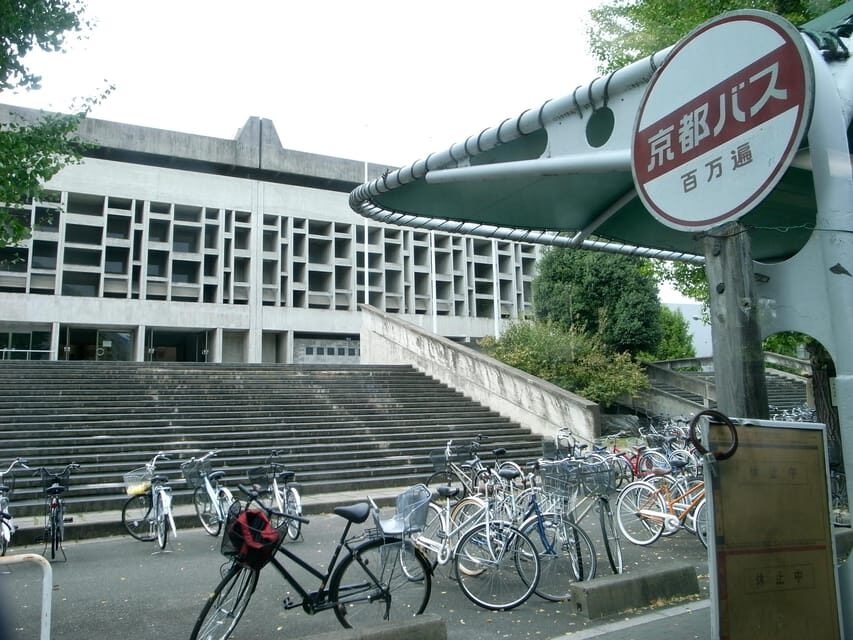
- Comfortable Mamachari-style biking: Built for everyday riding, not racing, with easy gear shifting (3 gears).
- A tight, logical route: Gion → Nanzenji → Philosopher’s Path → Ginkakuji → Shimogamo → Kyoto Imperial Palace.
- Small-group focus (up to 9): Easier navigation, calmer stops, and time to ask questions.
- Temple entry included for Nanzenji: You don’t have to track the ticket part.
- Guide photography help: Miya-style photo moments make it simpler to capture the day without interrupting the flow.
Why Mamachari bikes make Kyoto feel local fast
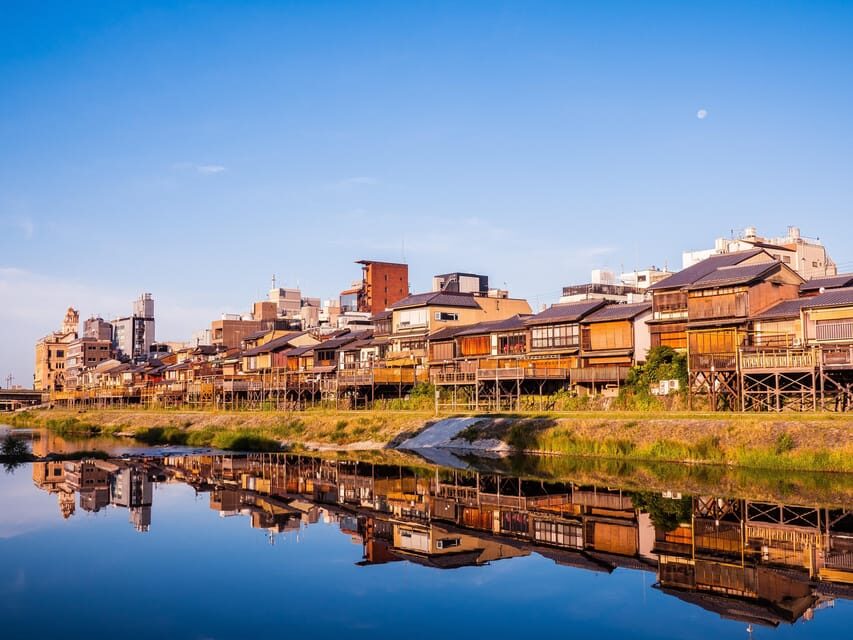
Kyoto is one of those cities where bikes just fit. Streets are designed for daily life, and locals treat cycling as normal, not special-occasion transportation. On this tour, you use a Mamachari—a “mom’s bike” type that’s practical and comfortable rather than fancy or aggressive.
That matters for your experience. You’re not fighting a stiff frame or wrestling with balance. You can keep your attention where it belongs: looking at gates, temple walls, canal edges, and the way neighborhoods shift block by block. Even with a route that links big sights, the bike setup is meant for relaxed sightseeing.
You’ll also get a helmet and standard non-electric bicycle rental (B-type with 3 gear shifts). That means you’re moving under your own effort, but with enough control to handle gentle slopes without feeling beat up.
You can also read our reviews of more cycling tours in Kyoto

Getting started at Subway Gojo Station exit 2
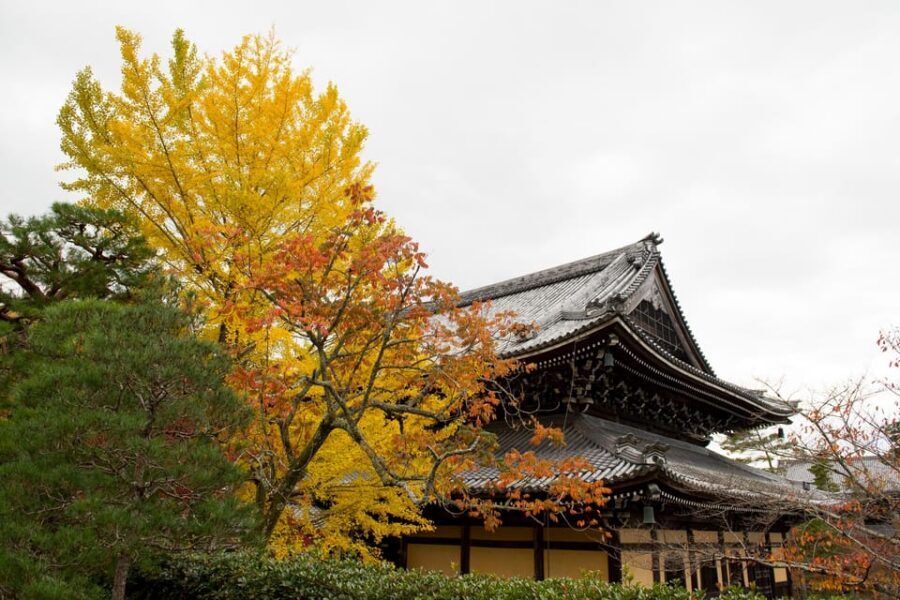
The meeting point is Subway Gojo Station, exit 2. Look for a guide wearing a TripGuru shirt or holding a TripGuru sign. This matters more than it sounds, because Kyoto can be busy around transit hubs, and you don’t want to burn the first 20 minutes hunting for the group.
Once you’re matched to your bike, the tour starts with an easy-moving segment through Gion. Think of this as your warm-up and orientation. You’re not dropped into technical biking right away. The pacing gives you time to settle in, practice basic turning, and get comfortable with bike traffic patterns before you start stacking up landmark stops.
Gion first: the 20-minute crash course on Kyoto vibes
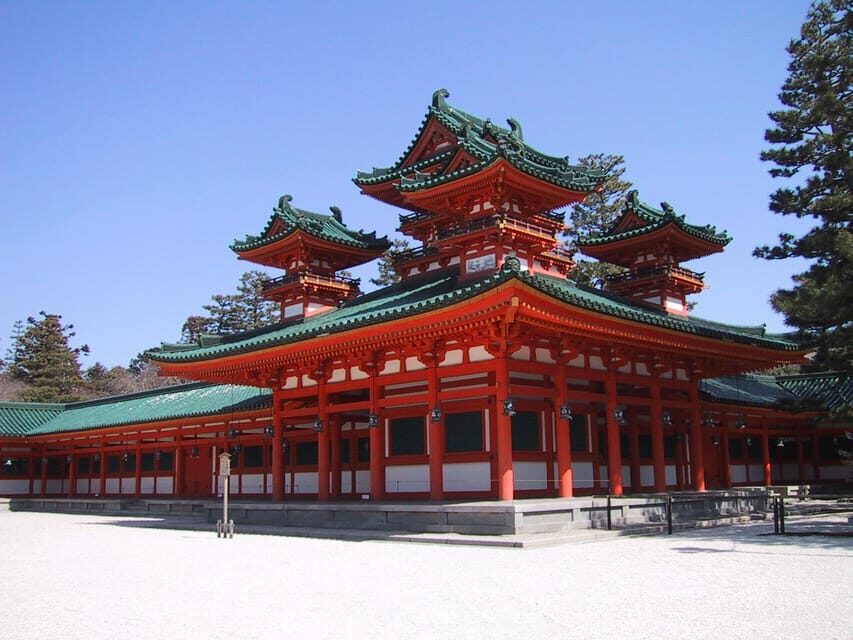
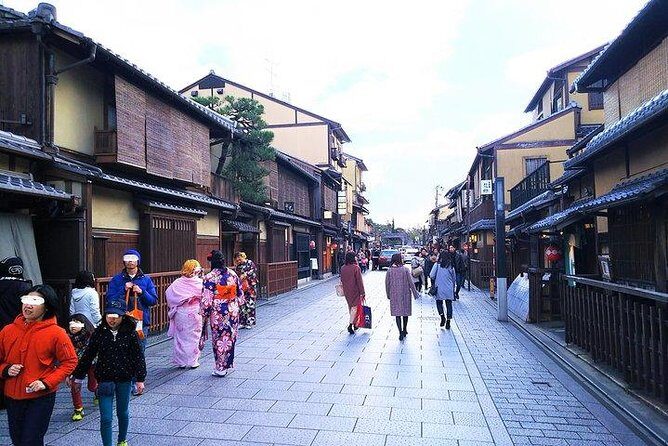
Your ride begins in Gion, Kyoto’s famous old-geisha neighborhood area. Even with only about 20 minutes here, it’s a smart opener. Gion gives you instantly recognizable Kyoto visuals: traditional-style streets, temple-adjacent scenery, and that layered feel where modern city life sits next to older architecture.
During these early minutes, your guide’s job is basically to help you see what you’re looking at. You’re not just moving from stop to stop; you’re learning the storylines that connect the landmarks. In one recent experience, Miya used this kind of framing to help the group feel confident enough to navigate Kyoto after the tour—exactly what you want from a first-day half day.
Nanzenji Temple: where the entrance fee turns into real time
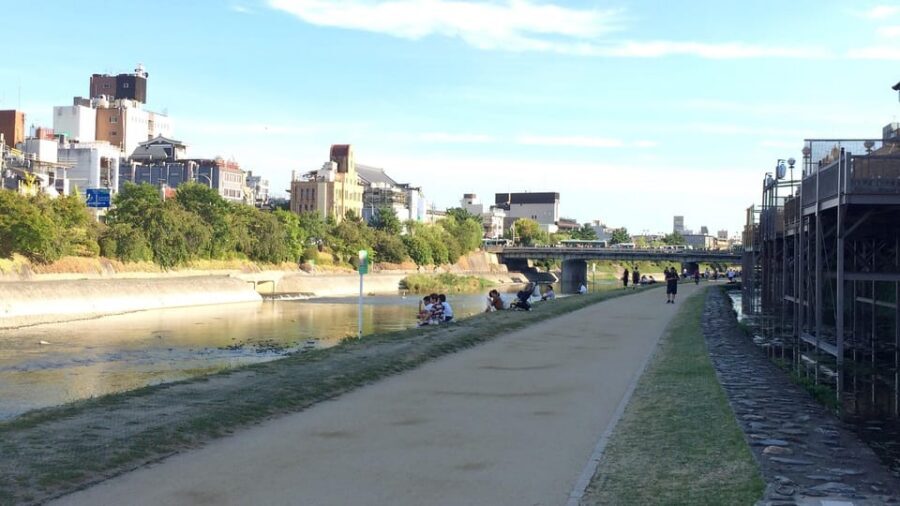
Next comes Nanzenji Temple, one of the most important stops on the route. The schedule gives you a longer window than most bike sightseeing tours, with bike time plus a guided visit. You spend about 45 minutes in the area, then you pass through again later with additional guided time and short cycling segments.
That structure is useful. The first pass helps you get oriented—where to stand, what to notice, and how the grounds change as you walk. The second segment gives you a chance to revisit the atmosphere without feeling rushed.
Also, the Nanzenji entrance fee is included, which is a small but real value point. Temples can add up fast when you’re trying to plan a day of multiple sites. Having this handled lets you focus on the experience rather than budgeting mid-tour.
In practical terms: go slow where people slow down. Temple grounds often reward walking at a slightly slower pace than you’d use on the bike. Your guide will help keep the rhythm so you see the key areas without sprinting.
The Philosopher’s Path: a canal-side ride with built-in breathing space
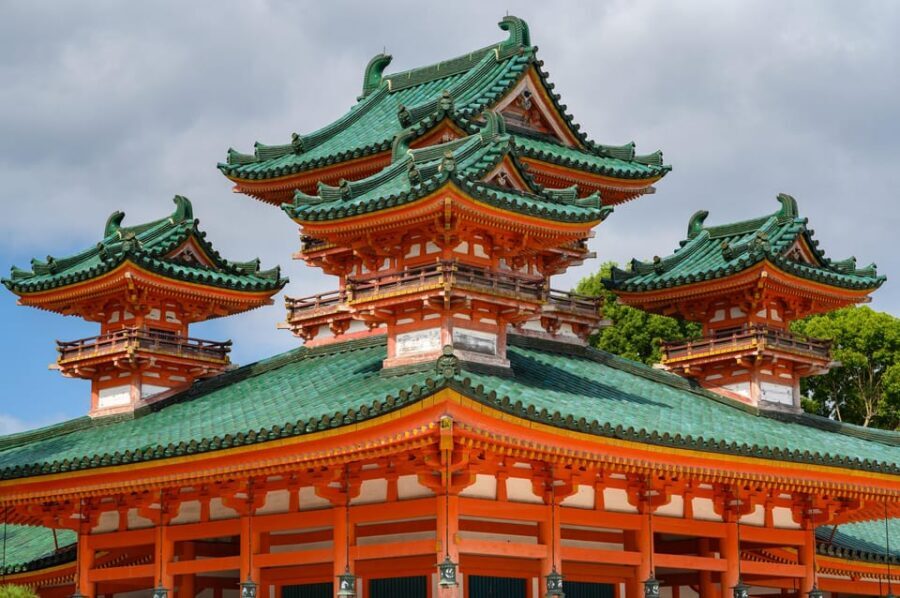
After Nanzenji, you head toward the Philosopher’s Path. You’ll bike along it in two segments (about 30 minutes, then later another 30 minutes). That split isn’t random. It gives you a chance to experience the path as both a route and a place you can pause.
This is one of Kyoto’s most photographed walking-and-canal stretches. On a bike, you get movement without losing the visual sense of the canal edge, stone, and green spaces that line parts of the route. The pacing works especially well if you’re someone who hates tours where you barely stop before the next location.
It’s also a good mental reset after temple time. Temples can feel structured and formal; Philosopher’s Path lets you absorb more light, water, and everyday street texture between the larger sites.






Ginkakuji and Ginkakujicho: Silver Pavilion atmosphere and gardens
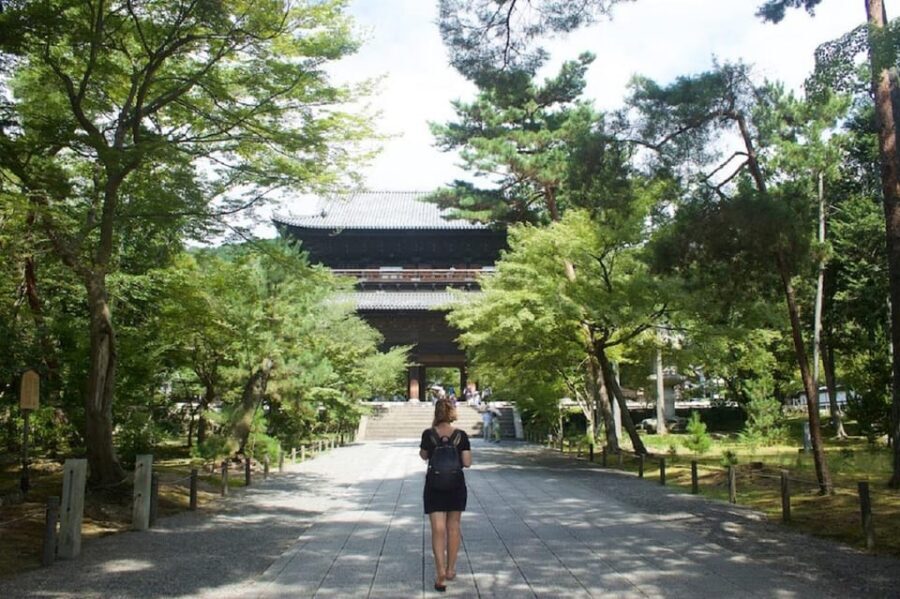
Then you reach Ginkakujicho, tied to Ginkakuji (Silver Pavilion). You’ll spend around 20 minutes in this segment, which is short enough to keep the tour moving, but long enough for your guide to point out the parts that make this place special.
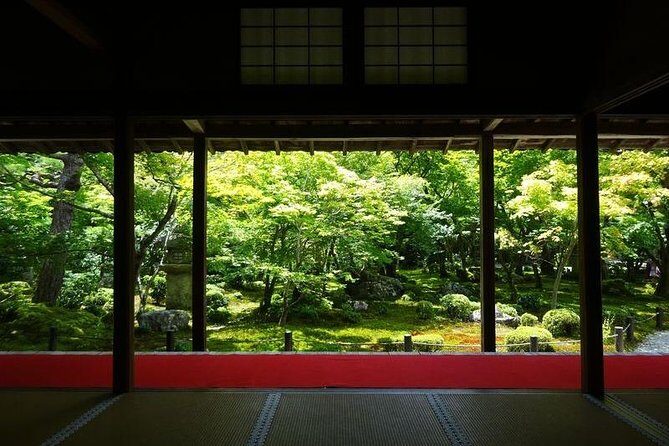
Even if you’ve seen photos before, the feeling on-site is different. The gardens and the layout often guide your eyes in a specific way, and a good guide can help you notice how the space is composed—what lines up with what, where to look for quieter corners, and what people tend to focus on.
The payoff here is variety. Earlier you’ve had temple-and-gate visuals; now you get a more garden-forward setting where the landscaping plays a bigger role in how the place feels.
If you’re traveling in a group, this is also where guide photo help really pays off. With good timing, you can capture the pavilion setting without derailing the flow for everyone else.
Shimogamo Shrine: old Shinto in a wooded, slower-feeling stop
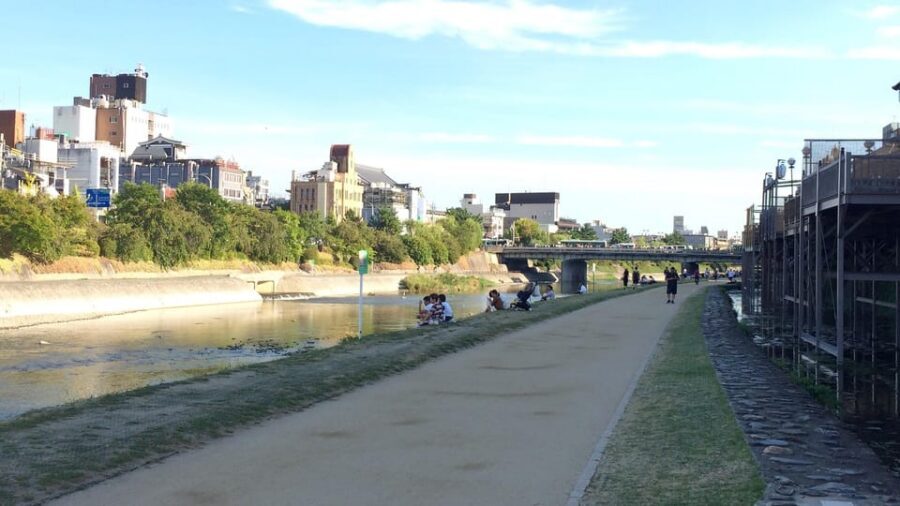
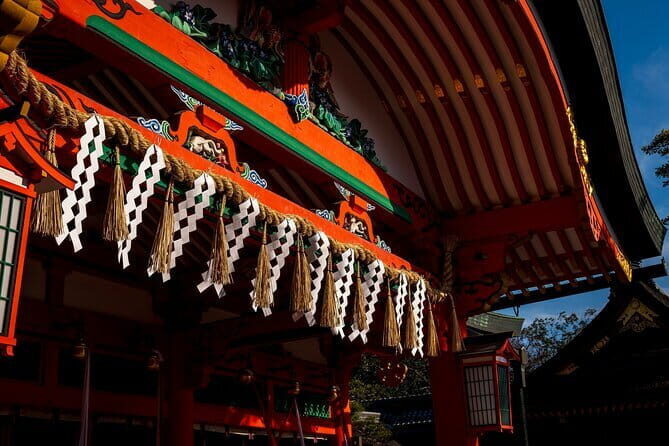
Next is Shimogamo-jinja Shrine, one of Kyoto’s oldest Shinto shrines. The tour allocates about 30 minutes here with both a guided visit and bike time in the area.
This is the stop that often feels different from the Zen-temple tone you’ve had so far. Shimogamo’s setting—trees, shrine atmosphere, and a more wooded feeling—creates a slower pace even when you’re still on a schedule.
You’ll get guidance on what to look for and how to understand the significance of what you’re seeing. This is where having an English-speaking guide matters most. Kyoto isn’t just scenery; the meaning is part of what you’re paying for.
If you love photos, this is also a smart place to slow down. Trees and shaded spaces can be tricky for lighting, so having a guide who knows where to stand helps you avoid blurry frustration.
Kyoto Imperial Palace grounds: an easy calm finish
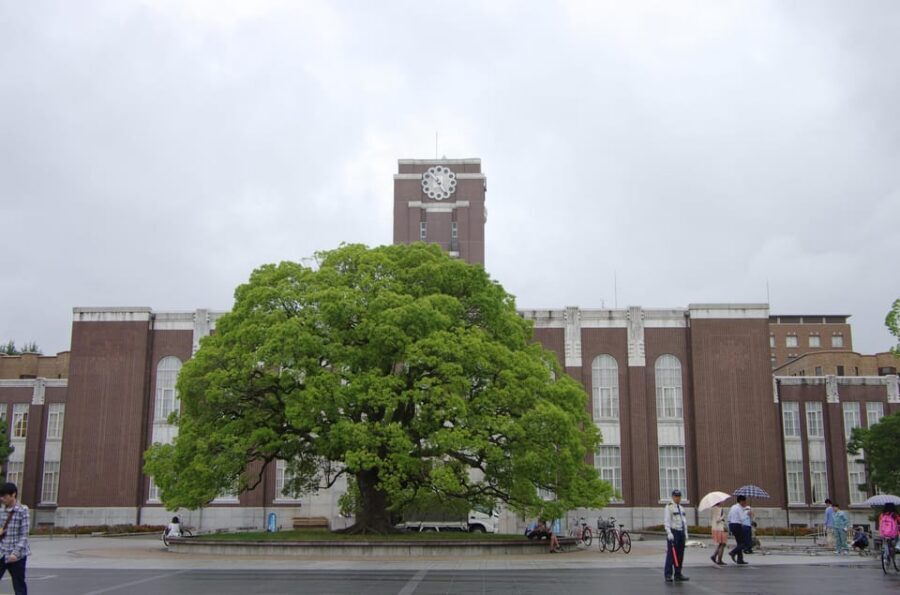
Your last major stop is Kyoto Imperial Palace. You get about 30 minutes, mostly by bike in the area plus time to enjoy the grounds.
This ending makes sense. After shrines and temple paths, the palace grounds give you room to breathe. The vibe is less about moving through tight architectural beats and more about seeing a broader landscape of former imperial residence space—without needing to spend a full day.
It’s also a nice wrap for first-timers. If you want to return later on your own, you’ll have a clear idea of where this fits into Kyoto’s overall layout.
How much you’ll cover in 4 hours (and what it feels like)
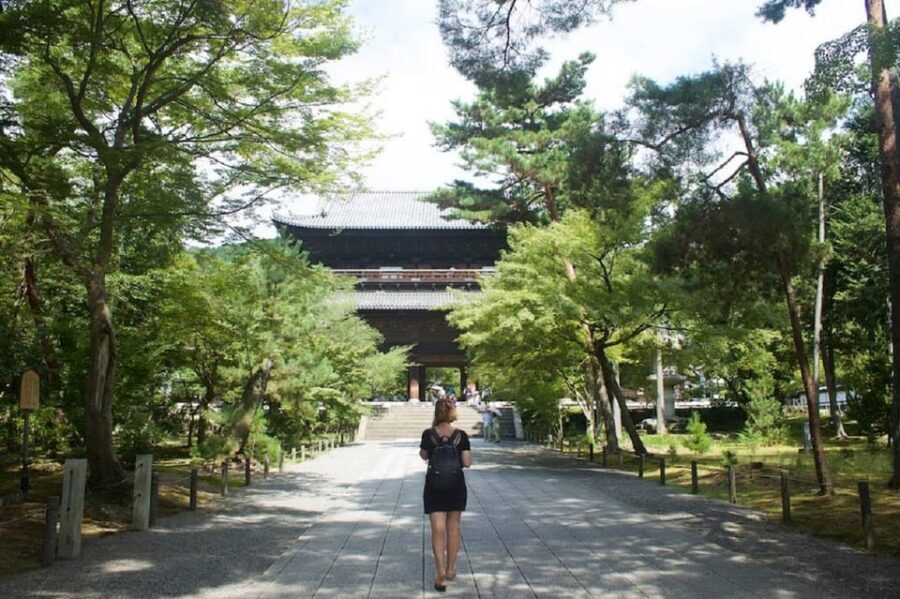
The big question: will you feel rushed?
With this tour design, you usually don’t. The route is built as a half-day loop starting and ending at Gojo Station, with short cycling segments between larger moments. Total ride time plus guided visits adds up fast, but the activity style stays mostly relaxed.
One traveler highlighted that their guide didn’t rush at temples and shrines. That’s the right approach for this city. Kyoto rewards a slower look, and a bike tour can either speed through everything or keep a calm rhythm. The best versions of this experience do the latter.
You should still be ready for active sightseeing. You’re biking and walking a bit. If you need lots of long breaks, this may feel like a lot. The trade-off is that you’ll likely come away with a strong feel for Kyoto’s geography and key sights.
Price and value: what $79 includes and why it matters
At $79 per person, this tour can feel like a good deal because you’re not just paying for transportation. You’re paying for three things at once:
- An English-speaking guide who helps you understand what you’re seeing.
- Bike rental (standard non-electric, 3 gears) plus helmet.
- A real included ticket: Nanzenji Temple entrance fee.
Add in insurance, and you’re also getting peace of mind. For many visitors, the insurance and helmet aren’t “nice-to-haves”—they’re the difference between feeling comfortable and feeling stressed.
What’s not included is also clear: no hotel pickup/drop-off and no meals. You’ll want to plan on snacks or water purchases on your own. You’ll also want some cash on hand, since the tour suggests bringing it.
In plain terms: if you want a guided, efficient first-day Kyoto overview without dealing with transit transfers and site tickets all by yourself, this price often makes sense.
Who this tour suits best (and who should skip it)
This is a strong fit if you:
- Can ride a bike comfortably for a few hours
- Want to see multiple Kyoto landmarks in one day
- Prefer guided interpretation over wandering with a map
- Like photo stops and want help getting the shots
It’s not a fit if you:
- Can’t ride a bike
- Have mobility impairments
- Are pregnant
- Have heart problems
- Have respiratory issues
Also consider your comfort in seasonal weather. Even though the ride is mostly flat, you’ll still be cycling outdoors. One review mentioned that e-bikes were a welcome option on a hot day with Kats—so if you’re sensitive to heat, ask about bike options when you book.
What to bring and how to get the best experience
Kyoto bike days can feel easy, but your comfort still depends on your basics. Bring:
- Comfortable shoes
- Camera
- Cash
I’d also add a simple mindset: treat the stops like guided photo-and-walk moments, not like bus drops. When you move with the group and let the guide set the timing, you’ll get a calmer day and better photos without feeling like you’re racing.
If you’re traveling with kids, the bike tour can work too—Vanessa’s group included kids ages 13 and 11, and they enjoyed the ride. Still, the same suitability rules apply: everyone needs to be able to ride a bike.
Should you book this Kyoto biking half-day?
I think this is worth booking if you want a first-day Kyoto orientation that’s faster than walking but not exhausting. The route hits the big names—Gion, Nanzenji, Philosopher’s Path, Ginkakuji, Shimogamo, and Kyoto Imperial Palace—while keeping the ride style comfortable on Mamachari bikes.
Book it if you like two things: (1) learning what you’re seeing, and (2) leaving with a sense of where everything is. The guides—whether it’s Miya helping with photos and confidence, or Kats shaping the pace so you don’t feel rushed—are a big part of the value.
Skip it if you hate the idea of cycling between sites, need lots of downtime for meals, or have health or mobility constraints that make biking unsafe. In those cases, a slower, more accessible day plan will likely feel better.
FAQ
FAQ
How long is the Kyoto biking half day experience?
It runs for 4 hours.
Where do I meet the tour?
Meet at Subway Gojo Station exit 2. Look for a TripGuru guide wearing a shirt or holding a sign.
What bike is included?
You get bicycle rental: a standard non-electric B-type bike with 3 gear shifts.
Is there an English-speaking guide?
Yes, the tour includes an English-speaking live guide.
Is the group small?
Yes, it’s a small group limited to 9 participants.
Are any entrance fees included?
Yes, the entrance fee at Nanzenji Temple is included.
What should I bring?
Bring comfortable shoes, a camera, and cash.
Are meals included?
No. Meals and other drinks are not included.
Is there cancellation available?
Yes. You can cancel up to 24 hours in advance for a full refund.
Is this tour suitable for everyone?
No. It’s not suitable for pregnant women, people with mobility impairments, people with heart problems, people with respiratory issues, or anyone who can’t ride a bike.