REVIEW · ARASHIYAMA TOURS
Kyoto: Arashiyama Bamboo, Togetsukyo bridge, Sanso, and more
Book on GetYourGuide →Operated by TripGuru Japan · Bookable on GetYourGuide
Bamboo and temples in one tight loop. I like how this 3-hour walk gives you Kyoto’s Arashiyama hits without forcing you to commit to a full day. You get the iconic Sagano Bamboo Forest, then the big-picture payoff at Togetsukyo Bridge.
I also love the mix of old and new: a UNESCO-listed Tenryuji temple visit with a Zen garden, followed by Okochi Sanso’s calmer villa grounds. Then you end with Kimono Forest, a modern art installation that looks almost unreal against the traditional scenery.
The main thing to consider is that it’s active walking. The route includes rocky uphills and downhills, and it’s not a good fit for people with mobility limits, heart issues, or respiratory problems.
In This Review
- Fast reasons to book this Arashiyama 3-hour walk
- Meeting at Tully’s Coffee near Randen Arashiyama Station
- Sagano Bamboo Forest: how to see it without losing time
- Togetsukyo Bridge: mountain-framed river views
- Tenryuji Temple and its Zen garden: what you’re really looking for
- Okochi Sanso Villa gardens: a quieter break in Arashiyama
- Kimono Forest: illuminated modern art at the end of the walk
- Guides, pacing, and why small groups help
- Price and value: what $26 really covers
- What to bring (and how to dress) so the walking feels good
- Who this tour suits best (and who should skip it)
- Should you book this Arashiyama tour?
- FAQ
- How long is the Kyoto Arashiyama tour?
- Where do I meet the guide?
- Are entrance fees included for Tenryuji and Okochi Sanso?
- Is there an option to buy matcha tea and a sweet?
- What should I wear and bring?
- Is it a private tour?
- Who is this tour not suitable for?
Fast reasons to book this Arashiyama 3-hour walk
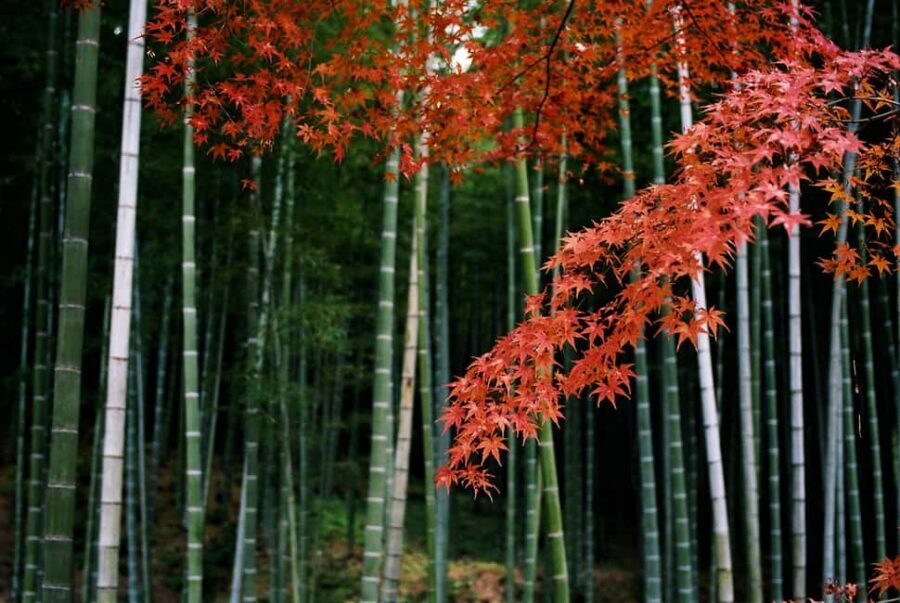
- Sagano Bamboo Forest guided walk: see the forest as more than a photo stop, with context as you go.
- Togetsukyo Bridge panoramas: you’ll get the framing of mountains and river views without needing to figure it all out alone.
- Tenryuji Temple + Zen garden: a meaningful stop, not just a quick temple pass.
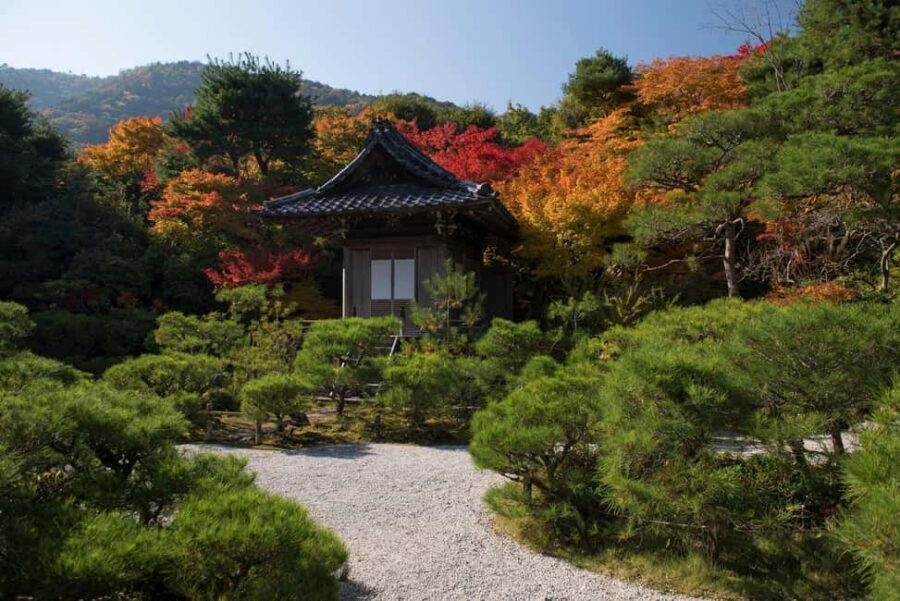
- Okochi Sanso Villa gardens: elegant, quiet garden walking with a tea house option at your own cost.
- Kimono Forest in the mix: modern illumination that contrasts sharply with Arashiyama’s classic atmosphere.
- Small group (max 9) with an English guide: easier pacing and more chances to ask questions.
Meeting at Tully’s Coffee near Randen Arashiyama Station
You start at Tully’s Coffee at Randen Arashiyama Station, which is handy if you’re using local trains. The guide meets you there in person and wears a shirt tied to their local partner, so spotting the right group is usually straightforward.
Plan to arrive early. The guides only wait about 10 minutes, so if your train is late and you’re still walking up, you may miss the start. This tour also doesn’t include hotel pickup, so you’ll want to build in a little buffer for getting to the station area.
This is a good setup for visitors who want to make Arashiyama work in limited time. You’re not trapped in a bus schedule, and you can keep your day flexible in Kyoto.
You can also read our reviews of more tours and experiences in Kyoto.



Sagano Bamboo Forest: how to see it without losing time
The heart of the experience is the Sagano Bamboo Forest. It’s one of Kyoto’s most iconic scenes, but it can also feel chaotic if you show up on your own and get swept into crowds. Having a guide helps you move with purpose—where to look, how to take photos, and what makes the bamboo walkway feel so atmospheric.
Expect a guided walk where the forest is treated like a place to experience, not a checklist item. On a cold or cloudy day, it still works because the bamboo keeps its mood. In fact, one guest shared that even on a gloomy day the walk felt like a real little adventure.
Wear shoes you trust. The forest area includes uneven ground and the broader Arashiyama district has plenty of ups and downs, so comfort matters more than style.
Togetsukyo Bridge: mountain-framed river views
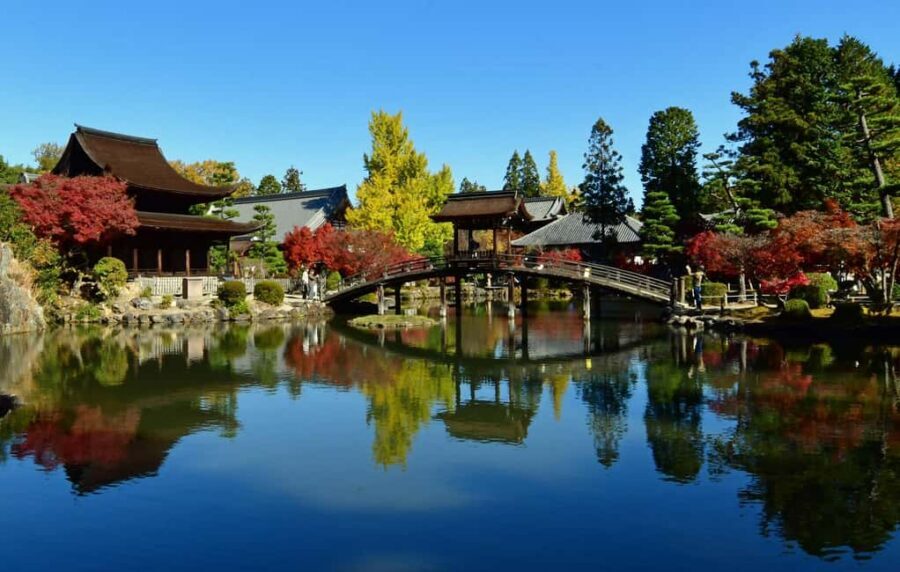
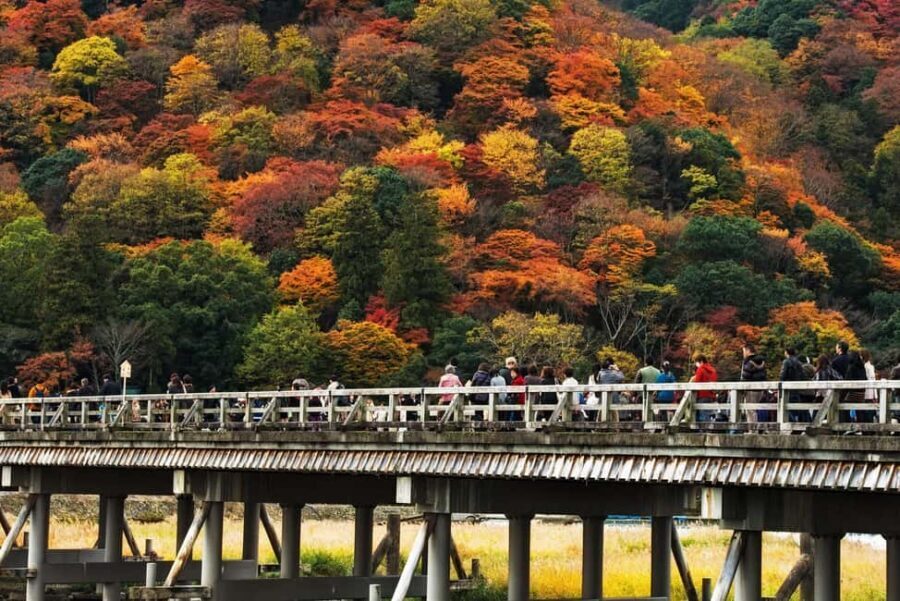
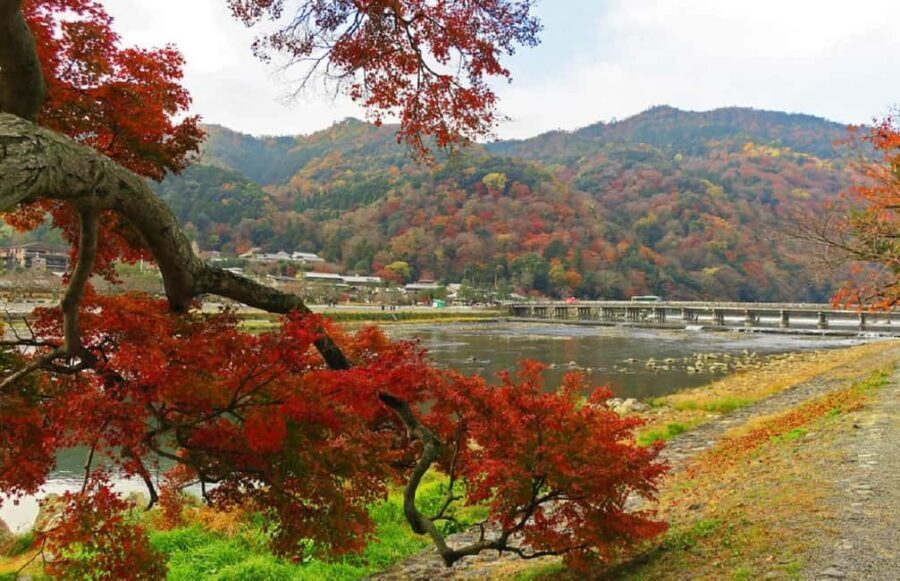
After the bamboo, you’ll shift to the big view moment: Togetsukyo Bridge. This is where Arashiyama stops being just a walk and turns into a panorama—river lines, bridge structure, and mountain scenery all in one frame.
It’s also a smart photo target because it gives you variety in one location. You can shoot from different angles, and you can capture the bridge as a foreground element while the surroundings do the heavy lifting in the background. Even if you’ve seen bridge photos online, it’s the scale and the way the mountains sit behind it that makes it feel special in person.
One practical tip: bring your camera and use your time on the bridge for photos and breathing room. Don’t spend the entire stop filming and forget that your next temples and gardens are timed into a short 3-hour window.
Tenryuji Temple and its Zen garden: what you’re really looking for
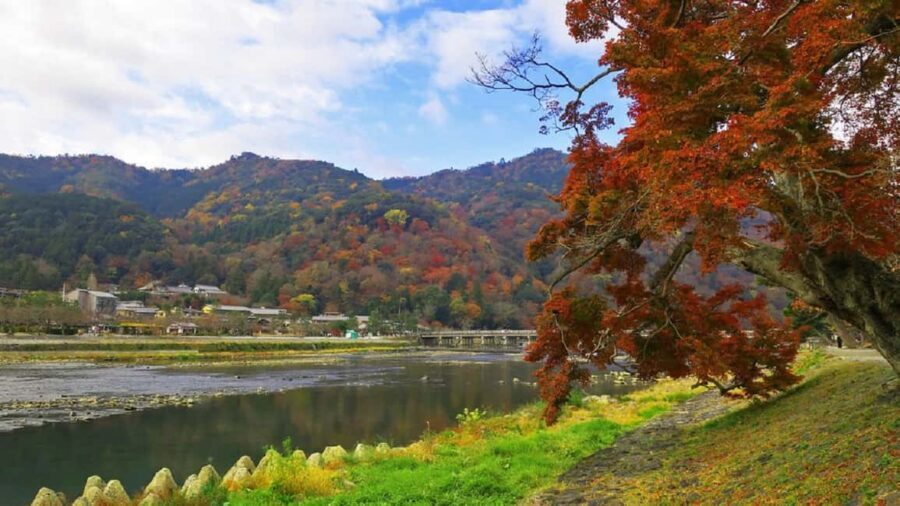
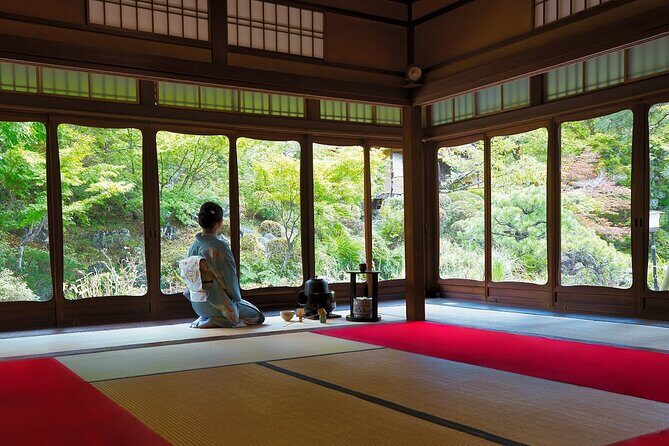
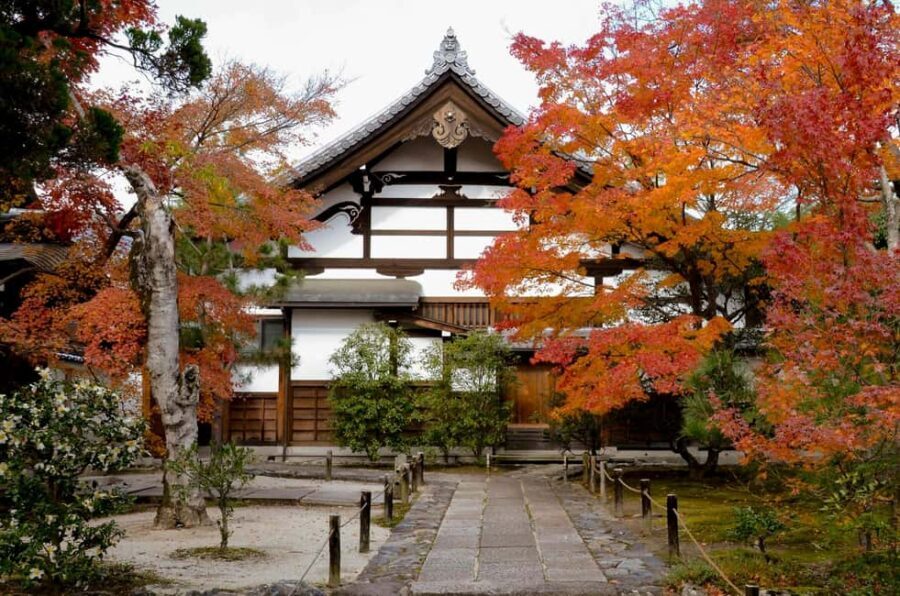
Next comes Tenryuji Temple, a UNESCO-listed stop that’s known for its Zen garden. This visit feels different from the bamboo because you’re now slowing down. The goal is to notice the garden design, the calm rhythm of the space, and how the temple grounds give the whole district a calmer pulse.
Dress matters here. You’ll be expected to wear modest, respectful clothing on temple grounds—avoid overly casual outfits like tank tops or shorts. If you’re traveling light and your hotel has already become your wardrobe hub, plan to make a quick adjustment before you enter.
The best part of having a guide at Tenryuji is interpretation. You’re not just walking through; you’re learning what to look for, so the garden doesn’t turn into a vague blur of rocks and greenery. Guests have specifically praised guides for making temples easier to understand and enjoy.
Okochi Sanso Villa gardens: a quieter break in Arashiyama
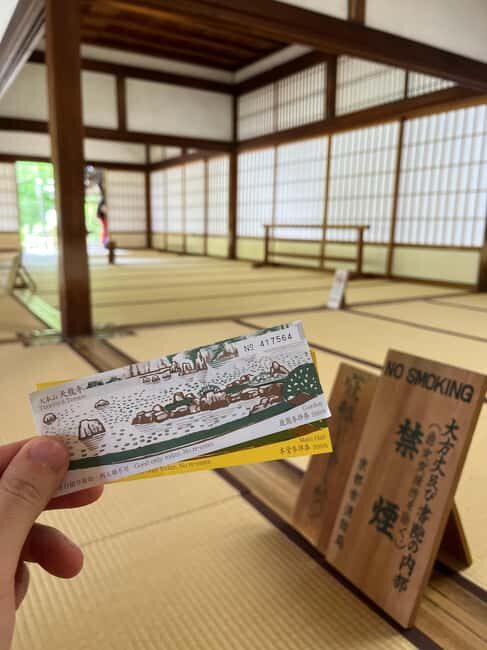
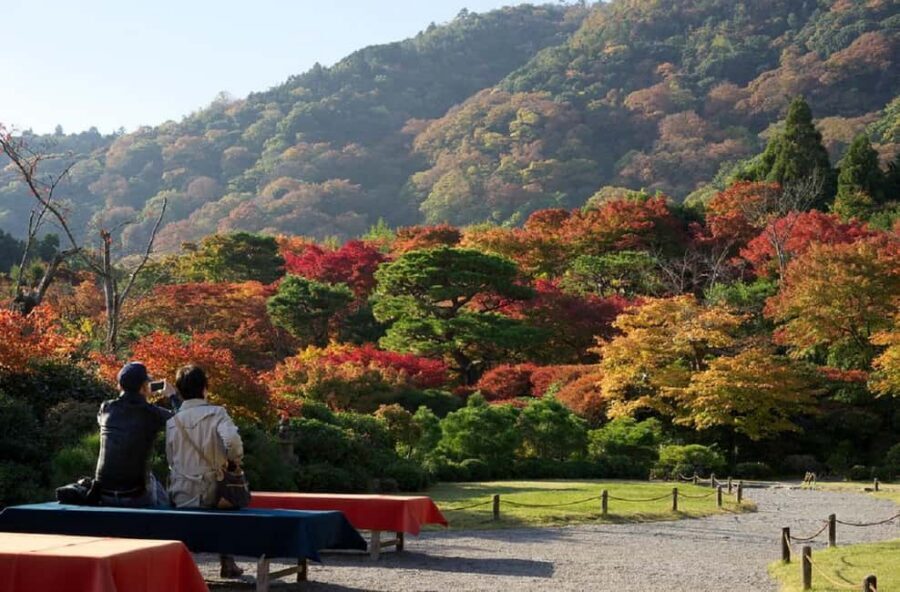
Then you get a shift in mood at Okochi Sanso Villa. This is a beautiful place to walk slowly through gardens and feel the space open up. If the bamboo forest is the loud visual icon, Okochi Sanso is the gentle exhale—still iconic, but more about atmosphere than crowd energy.
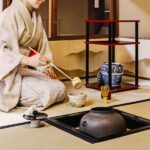
There’s also a tea house option inside the area. You can treat yourself to a traditional matcha tea and sweet, but it’s at your own expense. If you want to stretch the visit without losing time, it’s a great way to sit for a few minutes and reset your feet.
Entrance fees for both Okochi Sanso and Tenryuji aren’t included in the tour price, so budget a little extra. Even so, the experience is value-heavy because you’re guided through multiple major sights in only three hours.



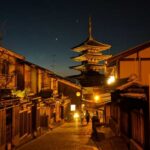
Kimono Forest: illuminated modern art at the end of the walk
You finish with Kimono Forest, a modern art installation that adds a colorful, illuminated touch to Arashiyama. This stop is clever because it turns your final minutes from classic Kyoto scenery into something playful and slightly surreal—like someone turned the lights on for the future while the temples and bamboo kept their old-world vibe.
It’s also a smart ending point if you want a photo you can’t get anywhere else. The contrast is the hook: traditional grounds on one side, bright modern visuals on the other.
Because the tour is short, you don’t linger for hours. You get enough time to enjoy it and take photos, then you’re done—exactly what you want when Kyoto days can get packed.
Guides, pacing, and why small groups help
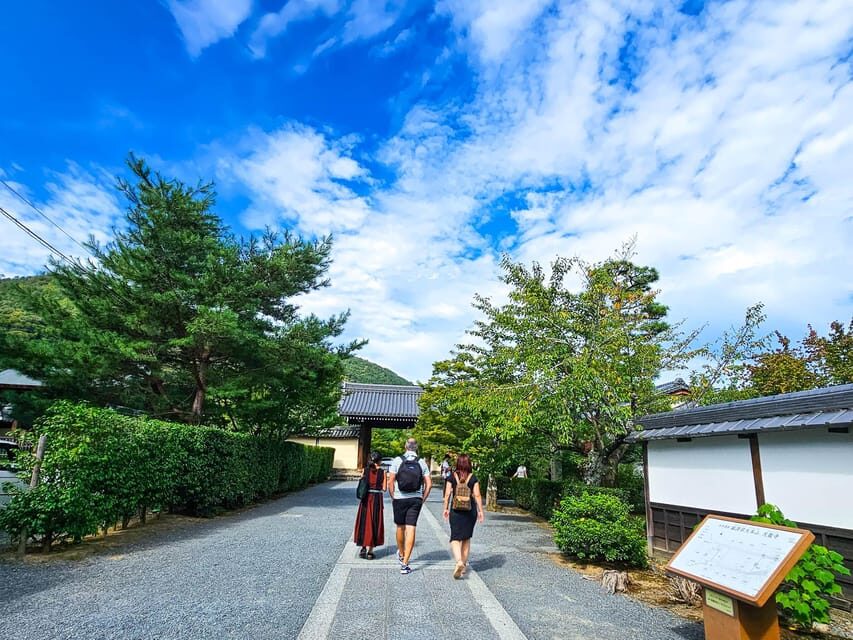
This tour runs with a small group capped at 9 people and includes a live English-speaking guide. That matters in Arashiyama, where the “obvious” walking route isn’t always obvious once you’re on the ground. With a good guide, you avoid the dead ends and the repeated backtracking that can eat up your time.
Several guides have been praised for being flexible and supportive. One example: Alex was credited with helping an older traveler navigate rocky uphill and downhill paths, which is the kind of practical care that makes a short tour feel smoother. Others have been mentioned for friendliness and for making sure questions get answered, not brushed aside.
If you’re the type who likes asking why something looks the way it does—why a garden is arranged a certain way or what a temple space is trying to teach—this format is a strong fit.
Price and value: what $26 really covers
The price is $26 per person for a 3-hour walking tour with an English guide. That base cost covers the guided experience and the time on your feet. The big add-ons are the entrance fees for Tenryuji and Okochi Sanso, which are not included.
When you compare it to the cost of doing these sights solo, the math often favors the tour. You’re paying for saved time, smart route choices, and the ability to understand what you’re seeing while you’re there. If you’ve got limited time in Kyoto, this structure is also easier on your planning stress.
Then there’s the matcha tea option at Okochi Sanso, which is optional and at your own expense. Think of that as a bonus, not part of the core value.
What to bring (and how to dress) so the walking feels good
Bring comfortable shoes first. This is a walking tour with real uneven terrain and some elevation changes, so your feet will thank you for grippy soles. Add your camera if you care about photos of bamboo, bridge views, temple grounds, and the illuminated Kimono Forest.
Pack a bit of cash too, since some on-site costs include entrance fees and optional snacks. Also, dress for temples: avoid revealing or overly casual clothing like shorts or tank tops.
If you’re planning around weather, Kyoto can change fast. On cooler days the bamboo can feel even moodier, but you might want layers so you don’t freeze during outside portions.
Who this tour suits best (and who should skip it)
This is ideal if you want the “greatest hits” of Arashiyama in a tight timeframe. You’ll get bamboo, a classic Kyoto bridge view, a major temple garden, villa gardens, and Kimono Forest—without needing to coordinate multiple tickets, directions, and timing.
It also works well if you like having someone help you interpret what you’re seeing. Guides can explain what makes Tenryuji’s garden feel contemplative and help you understand the district’s layout so you don’t waste time wandering.
On the other hand, it’s not suitable for people with mobility impairments, heart problems, or respiratory issues. If any of that applies, it’s worth choosing a gentler plan.
Should you book this Arashiyama tour?
Yes, if your Kyoto schedule is tight and you want a guided way to hit the iconic Arashiyama stops without overthinking the route. The small group size, English guide, and the mix of Tenryuji, Okochi Sanso, and Kimono Forest make this feel like more than a bamboo photo run.
Skip it if you need step-free access or if you’d rather avoid uphill/downhill walking altogether. Also, if entrance fees would stretch your budget, do the quick math on the total cost before you commit.
If you’re trying to make Arashiyama memorable in just a few hours, this one is a solid bet.
FAQ
How long is the Kyoto Arashiyama tour?
It’s a 3-hour walking tour.
Where do I meet the guide?
Meet at Tully’s Coffee at Randen Arashiyama Station. The guide will be waiting there and wearing a shirt with the local partner name.
Are entrance fees included for Tenryuji and Okochi Sanso?
No. Entrance fees are not included for Tenryuji and Okochi Sanso.
Is there an option to buy matcha tea and a sweet?
Yes. There is an option to get traditional matcha tea and a sweet at the villa’s tea house, but it’s at your own expense.
What should I wear and bring?
Wear comfortable shoes and dress modestly for temple grounds (avoid shorts or tank tops). Bring a camera and cash.
Is it a private tour?
No. It’s a small group tour limited to 9 participants.
Who is this tour not suitable for?
It’s not suitable for people with mobility impairments, people with heart problems, or people with respiratory issues.