REVIEW · SHOW
Traditional Japanese Music show & Experience Tour in Kyoto
Book on Viator →Operated by Harmony in Japan Tour · Bookable on Viator
Kyoto music you can actually touch. This traditional Japanese music show blends a live instrument concert with time to try the instruments yourself, so you don’t just watch from the sidelines. It focuses on the sound, the technique, and the little details that make Japanese instruments feel so different from what you’re used to.
The part I like most is the small group setup, capped at 12 people. That size makes it easier to get expert guidance while you learn, and it keeps the energy personal instead of rushed. Even if you’re not musical, the format is built for beginners.
One thing to consider: the show starts at 11:00 on select weekdays, and the exact program can vary by day. Plan around that, especially if you’re trying to lock in a tight Kyoto schedule.
In This Review
- Key highlights you’ll notice right away
- A 60-minute Kyoto music session built for beginners
- Price and value: what $46.24 buys you
- Where you meet, how timing works, and what to bring
- The first 25 minutes: a real concert in front of you
- The second 25 minutes: hands-on playing with guidance
- The final 10 minutes: photos that feel part of the experience
- What makes the small group format so worth it
- Which instruments you might get that day
- Who this Kyoto experience suits best
- Logistics you can plan around (without overthinking)
- Should you book this Traditional Japanese Music show in Kyoto?
Key highlights you’ll notice right away
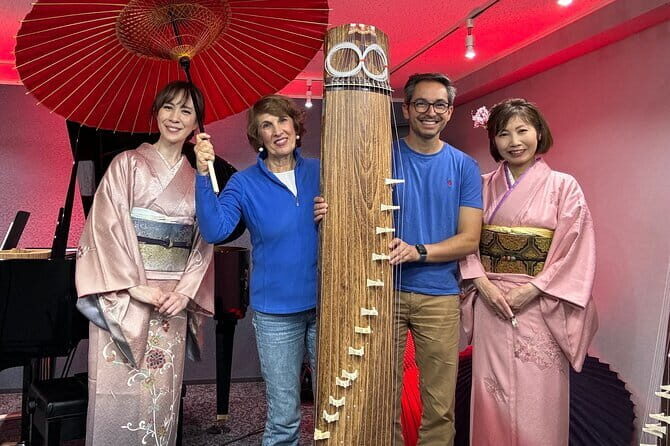
- Live traditional concert (25 minutes) with performers playing up close
- Hands-on instrument time (25 minutes) where you’ll actually try instruments
- Beginner-friendly guidance, no prior experience needed
- Small group feel with a maximum of 12 travelers
- Photo moment (10 minutes) with the instruments and performers
- Shamisen, koto, wadaiko included, plus other traditional instruments depending on the day
A 60-minute Kyoto music session built for beginners
This is one of those Kyoto activities that feels practical the moment you walk in. You’re not spending your time hunting for a venue, waiting through a long performance, and hoping the language barrier won’t be a problem. Instead, the whole session is designed around two clear phases: listen first, then play.
You’ll get a real concert with traditional instruments, followed by a guided tryout where you can put your hands on the instruments. Common picks include shamisen (a Japanese lute), koto (a Japanese harp), and wadaiko (Japanese drum), plus additional instruments depending on the day. That variety matters because you get a feel for how different these instruments are, not just a single sound you don’t know how to interpret.
It also runs about 1 hour total, broken into three parts: 25 minutes of concert, 25 minutes of instrument experience, then 10 minutes for photos. That’s a sweet spot. Long enough to learn something real, short enough to fit into a normal Kyoto day without stress.
You can also read our reviews of more tours and experiences in Kyoto

Price and value: what $46.24 buys you
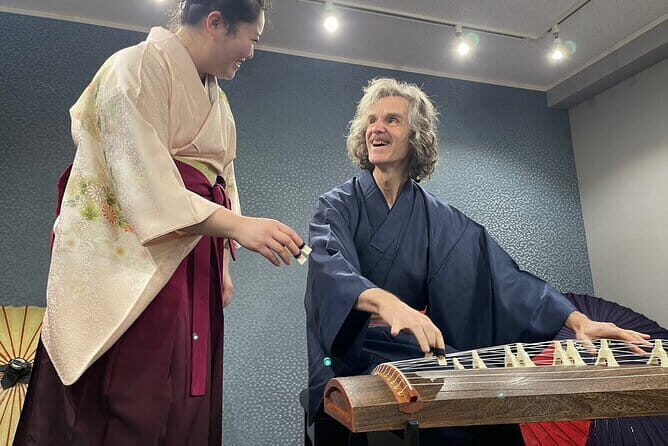
At $46.24 per person, this isn’t the cheapest thing you can do in Kyoto. But it can be good value because you’re paying for more than watching. You’re paying for guided practice with real instruments, including an instrument for experience and enough structure that you’re not left figuring things out on your own.
A lot of cultural shows give you a performance and call it done. Here, the experience is split so you actively participate. That’s why the cost doesn’t feel out of place: you’re buying access to instruction, a small group setting, and time with multiple instruments.
One extra value point: there’s no need for private transport, and it’s near public transportation. That matters in Kyoto, where getting across town can quietly add time costs. If you’re staying central, this can be a straightforward activity that doesn’t eat your whole afternoon.
Where you meet, how timing works, and what to bring
You’ll meet at 5f, 306 Higashidaimonjichō, Nakagyo Ward, Kyoto, 604-8043, Japan. The activity ends back at the meeting point, so you don’t need to plan a follow-on stop just to get out of the area.
Start time is 11:00 am, and the session runs on Monday, Tuesday, Thursday, and Friday. Since the program can vary by day, think of each booking as its own version of the experience, not a copy-paste show.
You’ll receive a mobile ticket, which is convenient when you’re walking around Kyoto with limited space in your day bag. I’d still keep a screenshot or a reliable signal plan in mind, just so you’re not scrambling on arrival.
What to bring is simple: comfortable shoes (Kyoto steps add up), and a phone for photos. A photo portion is built in, so you won’t feel like you’re violating the vibe by taking pictures at random times.
The first 25 minutes: a real concert in front of you
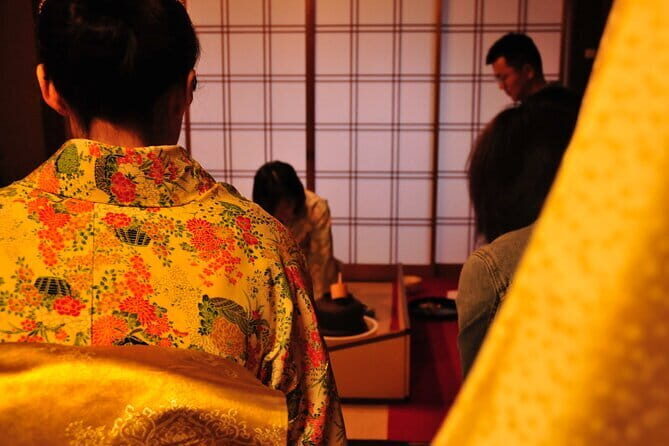
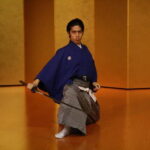
The session starts with an authentic Japanese music concert—25 minutes of performers playing traditional instruments. When music like this is done live and close, it hits differently than recordings. One review highlights the way up-close performance can feel both powerful and delicate at the same time. That’s exactly the kind of thing you can’t fully catch through a screen.
This first part also does an important job for your learning. Before you touch the instruments, you hear what the finished sound should feel like. You start picking up patterns: rhythm shape, how the instrument leads the melody, and how performers manage timing even when the music changes.
If the day includes singing (some performances in this format do), you’ll likely hear the human voice work with the instruments rather than just sitting on top of them. That makes it easier to understand how Japanese traditional music can feel like a conversation between sound and timing.
The second 25 minutes: hands-on playing with guidance
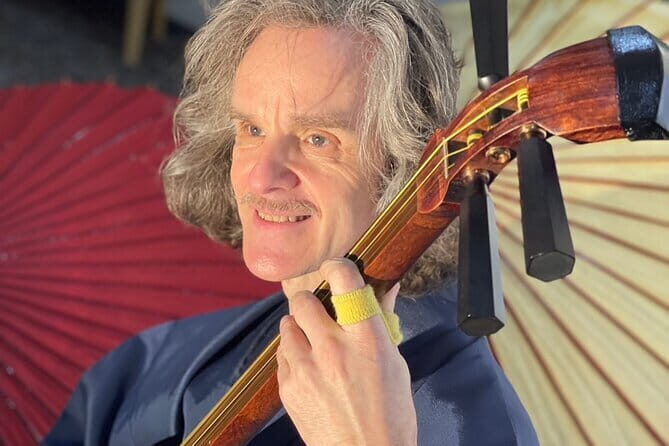
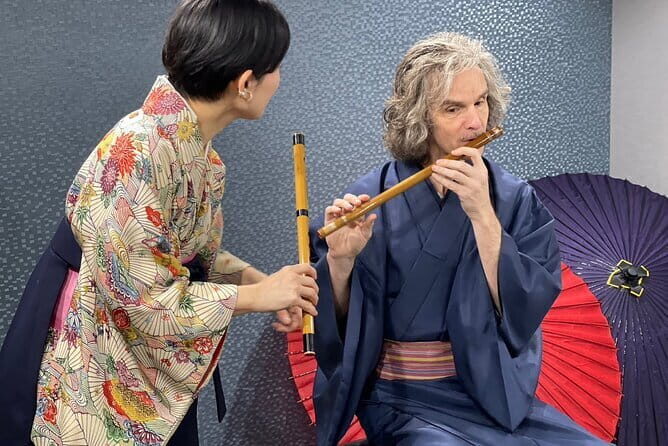
Here’s where the show becomes a true experience. After the concert, you get 25 minutes to try playing traditional instruments yourself, with expert guidance throughout. The key detail is that no prior experience is needed. That doesn’t mean you’ll instantly master anything, but it does mean the session is structured so a beginner can participate without feeling lost.
You’ll have a chance to interact with instruments such as:
- Shamisen: you’ll focus on how the instrument responds to your movements and touch
- Koto: you’ll learn the basics of how playing techniques create the distinct sound
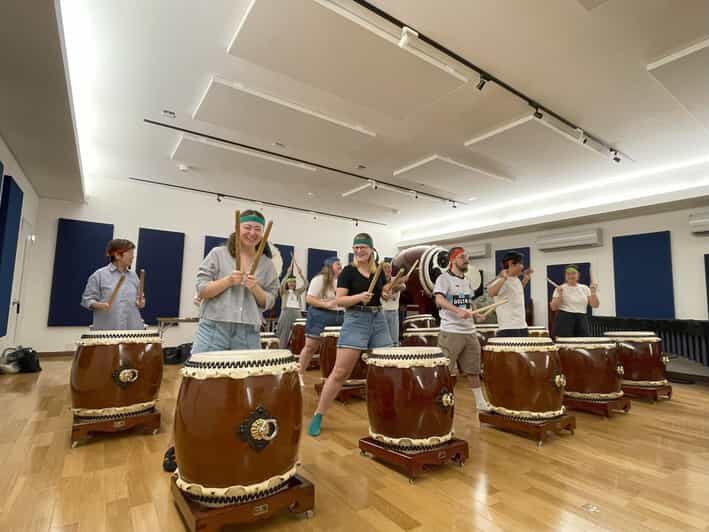
- Wadaiko: you’ll get a feel for rhythm and power, even if you’re only trying a simplified part
Because the group is small (maximum 12), guidance can actually land. In this format, you’re not just being told what to do—you can correct quickly. One review specifically notes that the organizers were patient, which is exactly what you want when you’re learning by doing. Beginners often need reassurance and a few retries to get a feel for the instrument.
Also, you’ll usually be able to choose among the instruments available that day. The idea isn’t to rush you through everything. It’s to let you pick what interests you, which helps you leave feeling like you did something meaningful rather than checking a box.
Practical tip: set your expectation that the goal is learning the basics of sound and feel, not “performing like a pro.” If you go in looking for one or two small wins—getting a clean rhythm, making a koto note sound, understanding how shamisen timing works—that’s what this experience is built to deliver.






The final 10 minutes: photos that feel part of the experience
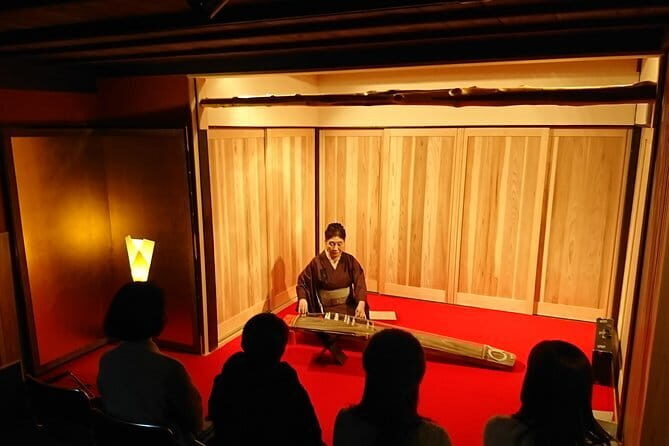
After you’ve played, the session wraps with a 10-minute photo time. This isn’t an awkward add-on where you’re trying to grab pictures while performers are packing up. It’s scheduled so you can take photos with the instruments and the performers.
That detail matters. In many live performances, photo time is rushed or restricted. Here, you’re given a window, which means you can actually enjoy the moment and get a few photos you’ll be proud to keep.
If you’re traveling with friends or family, this is also the part where you’ll want to compare who tried what. The instruments look great in photos, and you’ll have a visible memory of what you chose to play.
What makes the small group format so worth it
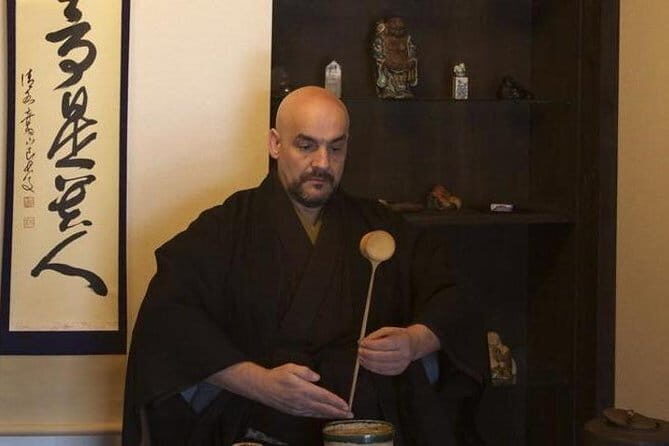
Kyoto can be crowded, and that can make cultural shows feel generic. This one keeps the group size small, max 12 travelers, and that changes the whole feel.
In a small group, you’re more likely to get:
- clearer instructions
- quicker feedback
- a smoother transition between watching and playing
- a chance to ask practical questions
And because the session is only about an hour, you don’t have time to get bored or overwhelmed. It’s compact learning. You hear, you try, you take photos, and then you’re done.
That’s why the hands-on portion lands. If you’re used to tours where you watch from a distance, this format feels more like a guided workshop with a concert attached. One review sums up the combination as successful: a short demonstration plus a genuine playing experience.
Which instruments you might get that day
The instruments you can try are not identical every day, and the show content varies. What’s consistent is that you’ll have options drawn from traditional Japanese instruments. Shamisen, koto, and wadaiko are explicitly included as part of the experience, and you may see other traditional instruments as well depending on the day.
So if you’re planning your Kyoto schedule around a specific instrument—say you’re mainly interested in drums—keep flexibility. You can still book with confidence that you’ll get multiple instruments to experience, but the exact lineup can shift.
This variation is also a plus if you’re in Kyoto longer than a day. The show doesn’t feel like a repeat. If you’re only in Kyoto briefly, it’s a good sign that you’re still likely to connect with at least one instrument strongly.
Who this Kyoto experience suits best
I think this tour is especially good for three kinds of travelers.
First, it’s great for people who like culture but don’t want a lecture. You learn through sound and touch, not through long explanations.
Second, it works well if you’re traveling with mixed interests. Even if one person isn’t into music, you can all enjoy the tryout phase because it’s physical and interactive.
Third, it’s ideal for beginners. The experience is set up for you to participate without prior experience. If you’re worried you’ll feel awkward, the small group and patient guidance approach are the kind of supports that help.
If you already play an instrument, you’ll likely enjoy the contrast and the chance to compare technique and timing in a new style. You might even leave with a few notes about how the music is constructed rhythmically.
Logistics you can plan around (without overthinking)
You don’t need to worry about complicated multi-stop routing. The activity starts at 11:00 am and returns you to the meeting point. That makes it easy to slot into a morning plan, especially if you want to see Kyoto’s main sights later in the day.
The venue is near public transportation, so you can plan around trains and buses instead of arranging private rides. You’ll also want to be on time. In a one-hour experience, a late arrival can cut into the concert or your playing time.
Service animals are allowed, which is good to know if that applies to your group.
One more practical note: the activity requires a minimum number of travelers to run. If it doesn’t meet that threshold, you’ll be offered a different date/experience or a full refund. In other words, it’s worth booking when your schedule is already flexible enough to switch plans.
Should you book this Traditional Japanese Music show in Kyoto?
Book it if you want Kyoto culture that feels hands-on, not distant. The combination of a short live concert, guided instrument experience, and a planned photo moment makes the hour feel purposeful. At $46.24, you’re paying for participation, not just observation.
Skip it only if you’re looking for a longer performance, or if you prefer very passive experiences where you don’t have to do anything. Also check the weekday schedule first—because it runs at 11:00 am on specific days, you’ll want your timing to match.
If you like the idea of learning by sound and touch, this is one of the most straightforward ways to experience traditional Japanese music in Kyoto without needing special skills.