REVIEW · GION DISTRICT WALKING TOURS
Kyoto Gion Tea ceremony & Wabi-sabi Walking Tour
Book on GetYourGuide →Operated by MagicalTrip · Bookable on GetYourGuide
Wabi-sabi makes tea taste deeper. This Kyoto Gion tour pairs a stroll through old streets with tea ceremony know-how and a philosophy lesson you can feel, not just hear. I like the focus on history, especially the visit to Kenninji Temple, often described as Kyoto’s oldest Zen temple. I also like the hands-on emphasis, like seeing and touching tea utensils and learning how a tea bowl connects to nature. One big catch: the start time is firm, so if you’re late you can miss part of the experience, including the tea moment.
You’ll meet in Gion, right by the Izumo no Okuni statue near Gion-Shijo Station (Keihan Line), and the guide keeps things organized for a group of only up to 7 people. Expect an English-speaking local guide, plus photos taken during the walk so you don’t spend the whole time juggling your phone.
This is a 210-minute walking-and-tea experience. It includes entry fees for two temples, and you’re on foot through areas that may not work well with a wheelchair or stroller.
In This Review
- Key highlights you should care about
- Gion Shijo meeting point and the walk that sets the mood
- Kenninji Temple: the oldest Zen temple stop that anchors the day
- Higashiyama streets: matcha shops, paintings, and the slow way of noticing
- Tea bowl and utensil time: seeing wabi-sabi you can handle
- The tea ceremony itself: matcha, seasonal sweets, and a tea master
- How long it really takes (210 minutes) and where time can feel tight
- Price and value: what $92 buys you in Kyoto
- Weather, walking, and comfort: Kyoto can be extreme
- Who this Kyoto Gion Wabi-sabi tour is best for
- Should you book this Kyoto Gion tea ceremony and wabi-sabi walking tour?
- FAQ
- Where is the meeting point?
- How long is the tour?
- What’s included in the tea ceremony part?
- Do I need a certain age to join the tea ceremony?
- Is this tour wheelchair accessible?
- Is free cancellation available?
Key highlights you should care about
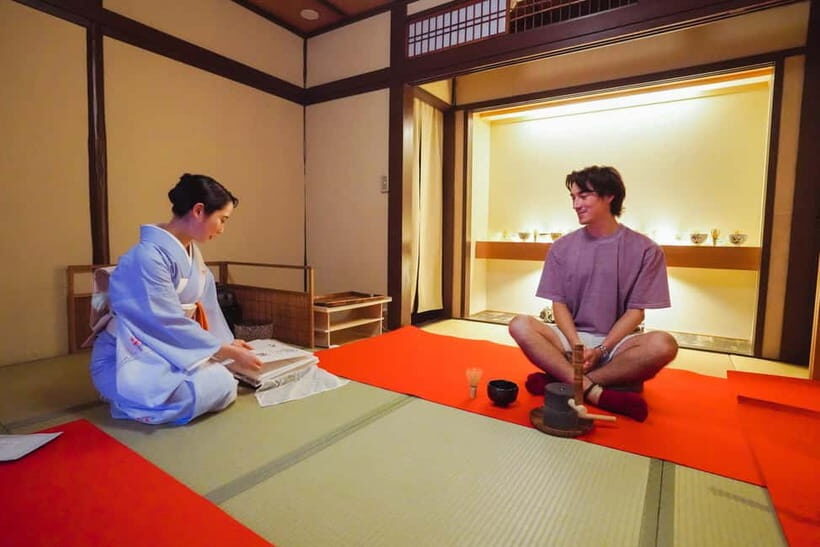
- A small group (up to 7) with an English guide who explains the meaning behind the ritual
- Kenninji Temple and a quieter temple stop where dry zen garden details show up
- Wabi-sabi taught through what you see, touch, and notice on the walk
- Matcha plus a small seasonal snack, ending with tea ceremony time led by a tea master
- You choose a tea bowl with the season and taste in mind
- Strict timing: arrive early so you don’t lose your tea ceremony slot
Gion Shijo meeting point and the walk that sets the mood
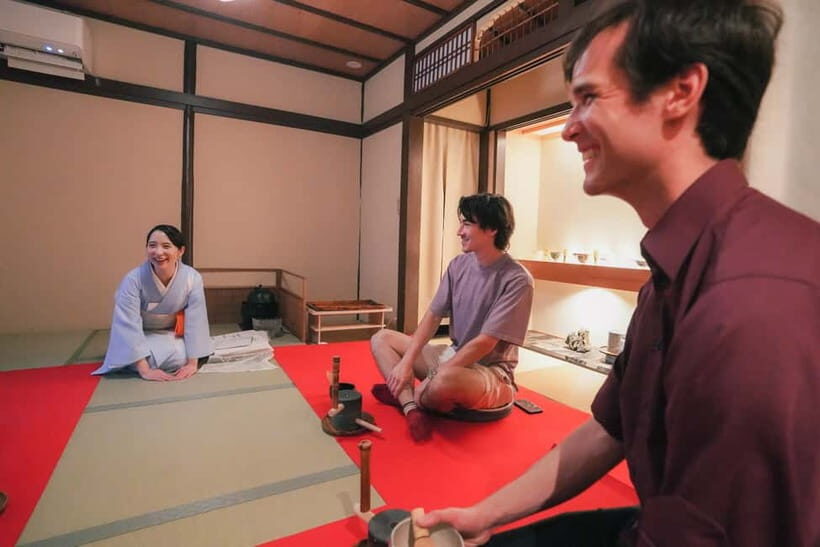
The tour begins in Gion, at the Izumo no Okuni statue by Gion-Shijo Station. Look for the orange signboard outside Exit 5 of Gion-Shijo Station on the Keihan Line. It’s an easy enough meetup point, and it also matters: you’re starting in the exact mood where Kyoto tea culture feels real, not staged.
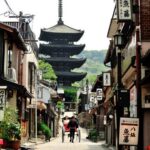
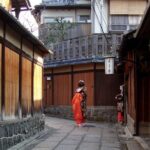
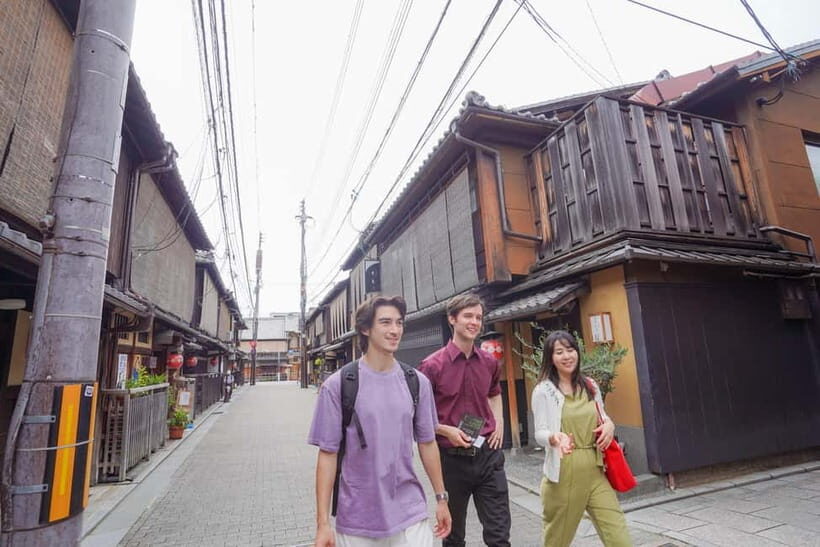
Why this matters: tea ceremony can feel formal if you only think about procedures. Starting the day in Gion first helps you shift your mindset. The guide walks you through historical streets and points out details that explain how people learned to slow down long before modern schedules existed.
You also get a photo assist during the tour. That’s useful here because you’ll likely pause in small lanes where photos aren’t “quick and easy,” especially if the group is moving steadily. With the guide taking shots, you can focus on looking, not framing.
You can also read our reviews of more walking tours in Kyoto
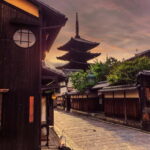


Kenninji Temple: the oldest Zen temple stop that anchors the day
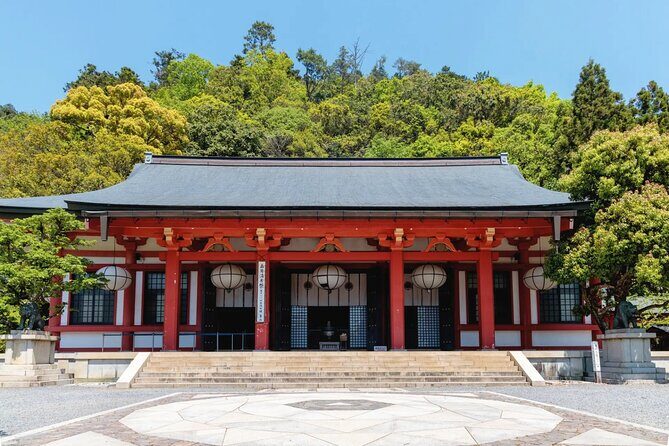
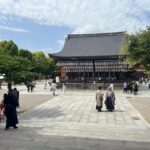
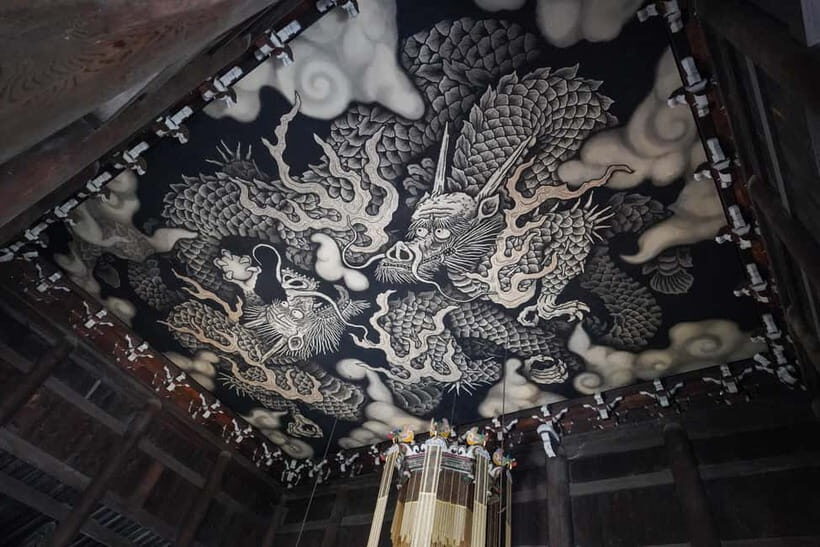
One of the strongest parts of this tour is the Kenninji Temple visit. The highlight is simple: you’re not just hopping from one pretty spot to another. You’re stepping into a Zen atmosphere that connects directly to why tea ceremony developed the way it did.
In practical terms, expect a guided temple visit where your guide links what you’re seeing to the broader tea story. The big idea is that tea isn’t only about caffeine. It’s a structured way to appreciate quiet attention: to materials, to seasons, to the “inside beauty” that lives in small things.
This is also where the day starts to make sense as a theme. Once you’ve walked and listened here, the later parts about tea bowls and wabi-sabi won’t feel random. They’ll feel like the same conversation in a different room.
Higashiyama streets: matcha shops, paintings, and the slow way of noticing
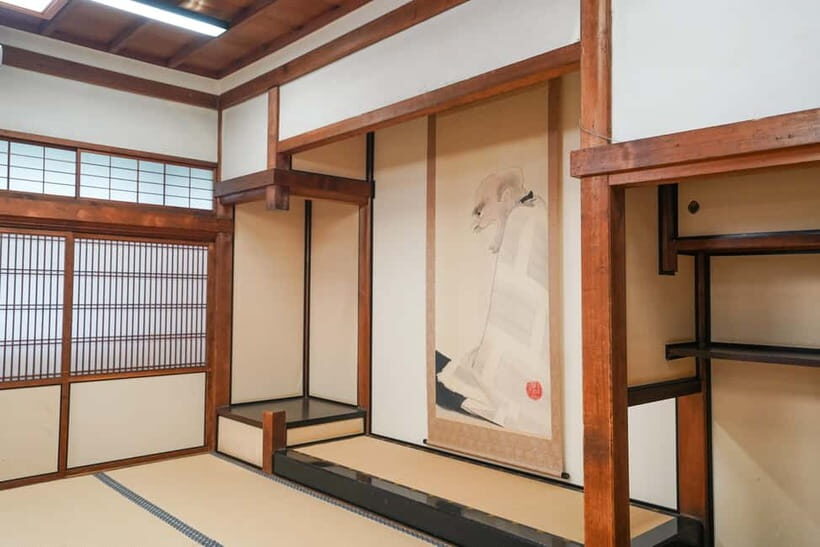
After Kenninji, you move through Higashiyama Ward. This part is less about one “must-see building” and more about building your tea sensitivity. Your guide takes you past areas where matcha culture is easy to recognize, including a stop at a famous matcha shop.
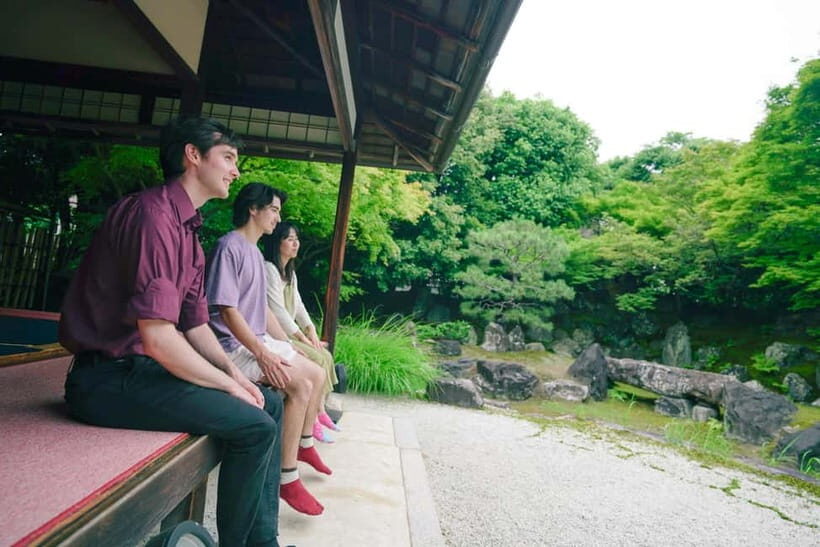
You’ll also see traditional Japanese paintings and a quiet temple with a dry zen garden feel (often described as karesansui). Even if you’re not the type who normally pauses for art, this is where wabi-sabi starts to click. The guide’s goal is to help you notice how imperfections, changes over time, and natural textures become part of the beauty.
If you’re wondering what to look for, think materials and aging. Tea tools and pottery carry traces of use. That’s part of the lesson. Wabi-sabi isn’t just a concept; it’s a way of reading the world.
Tea bowl and utensil time: seeing wabi-sabi you can handle
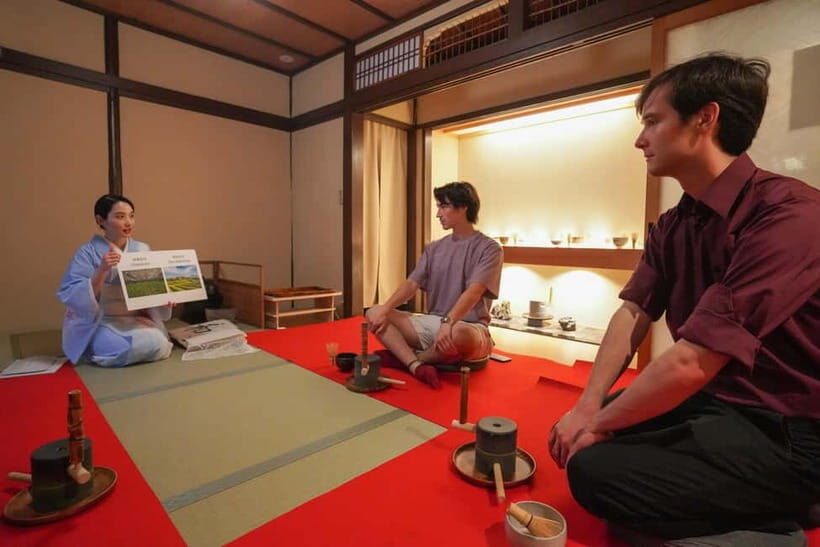
A key moment in this experience is the focus on tea utensils and tea bowls—up close. The tour includes time to admire wabi-sabi tea bowls at a traditional pottery shop, where you can see how craft, shape, and surface create a mood. This is one of the more memorable parts because it’s not passive.
Why it’s valuable: wabi-sabi can sound poetic when it’s explained in a sentence. But when you see the unevenness, the gentle wear, and the seasonal feel of the pieces, the idea becomes physical. You get practice “noticing,” which is exactly what the tea ceremony asks of you later.
This is also where the guide’s role matters. The day is designed so the walking lesson feeds into the ceremony. A guide like Masa, who has been praised for helpful, detailed explanations, is the kind of person you want here—someone who can connect temple atmosphere, utensils, and philosophy without losing you.
The tea ceremony itself: matcha, seasonal sweets, and a tea master
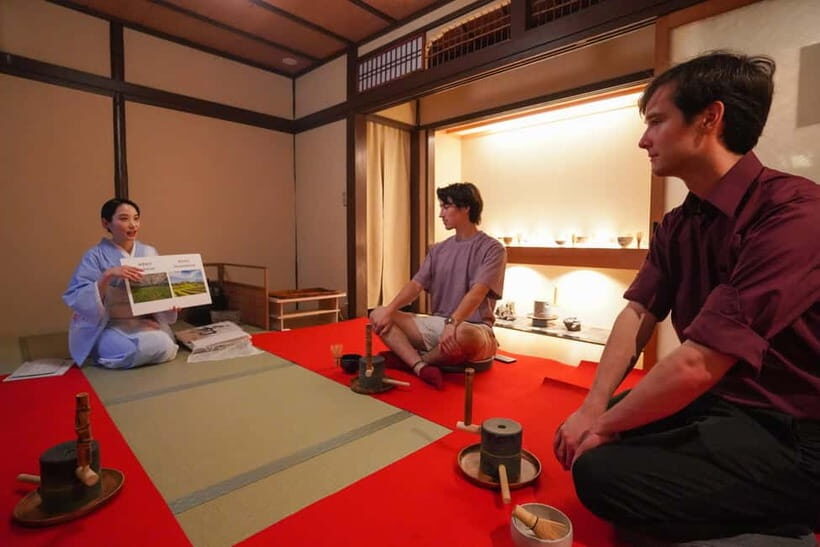
Your tour ends with tea ceremony time with a tea master. That’s the core value of the experience: you’re not just taking a photo in a tea shop. You’re participating in a real ritual where attention and timing are part of the point.
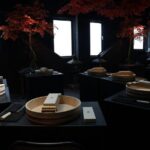
Before the first sip, you’ll choose a tea bowl based on season and taste. That sounds small, but it’s central to wabi-sabi thinking. It’s about matching the feeling of the day to the tools you use, instead of treating tea as a standard product you order and forget.
You’ll enjoy matcha along with a small seasonal snack. The snack piece matters because tea ceremony in Kyoto often feels like a full sensory pause, not just a drink. The rhythm of sweet, then tea, also helps you slow down long enough to notice texture and aroma.
Then comes the quiet part: the ceremony is built to be calm. If you’re used to rushing through Kyoto sights, this is a good reset. The goal isn’t performance; it’s presence.


How long it really takes (210 minutes) and where time can feel tight
This experience runs 210 minutes total, around 3.5 hours. That’s a good length for a thoughtful day without eating your whole afternoon. It also means there’s not much slack if you get lost, stop for extra shopping, or linger too long at a side street photo spot.
Timing is strict. The tour starts on time, and if you’re late you can be unable to join and you may miss the tea ceremony portion. This is worth taking seriously. One common travel mistake is trusting your phone map and arriving close-but-not-exact. With tours like this, close isn’t enough.
Practical tip: arrive at the meetup point early enough to use the station toilets, buy water if needed, and check your location twice. If the day is hot, that extra buffer helps a lot.
Price and value: what $92 buys you in Kyoto
At $92 per person, this isn’t the cheapest Kyoto activity. But you’re paying for three things that add up fast:
- A guided walk with multiple structured stops, including temple entry
- Tea ceremony instruction with a tea master, plus matcha and a small snack
- A small group size (up to 7), which usually makes the explanation and Q&A feel more personal
If you’re comparing options, the biggest difference is that this one tries to teach the meaning behind the ritual. Instead of only learning how to sip matcha, you learn how wabi-sabi connects to what you see in utensils, in pottery, and even in temple gardens and art.
For my money, that’s the value. Tea ceremony can be a one-hour “experience” elsewhere. Here, the tea moment is the finish line to a guided theme you build during the walk.
Weather, walking, and comfort: Kyoto can be extreme
You’ll be outside part of the day. Japan’s climate has become more extreme, with summers reported around 40°C (110°F) and winters down to about -5°C (20°F). Dress for that reality.
Also, the tour route includes some locations that aren’t accessible by wheelchair or stroller. If that affects you, plan a different activity or ask the provider ahead of time.
For everyone else, keep it simple:
- Wear shoes that can handle stone and uneven temple paths
- Bring water in summer and a warm layer in winter
- Expect a steady pace because the program depends on timing
Who this Kyoto Gion Wabi-sabi tour is best for
This tour suits you if you want:
- Tea culture with context, not just a photo
- A guided way to understand wabi-sabi through real objects like tea bowls
- A calm end to a busy Kyoto day
It’s also ideal if you’re the type who likes small-group guides who can answer questions and explain the “why” behind what you’re doing.
If you only want a quick matcha tasting, or if you dislike walking between stops, you might find it a bit structured. The whole point here is the walk-to-tea connection.
Should you book this Kyoto Gion tea ceremony and wabi-sabi walking tour?
Book it if you want a Kyoto experience that connects street-level history to a real tea ceremony, with wabi-sabi explained in a practical, eye-opening way. The biggest reason to choose this one is the match between the walking lesson and the tea master finish: you don’t just learn words, you learn how to notice.
Skip or rethink it if strict timing will be a problem for you, or if mobility/access needs make temple paths difficult. Also, arrive early. This is the one area where you can accidentally ruin the experience even if the tour itself is excellent.
If you come prepared to slow down for 3.5 hours, you’ll leave with a different relationship to tea tools, seasonal bowls, and the quiet beauty people find in everyday imperfections.
FAQ
Where is the meeting point?
You meet in front of the Izumo no Okuni statue, right outside Exit 5 of Gion-Shijo Station (Keihan Line). The guide holds an orange signboard that says Magical Trip Tour.
How long is the tour?
The tour runs for 210 minutes (about 3.5 hours).
What’s included in the tea ceremony part?
The tea ceremony includes matcha plus a small seasonal snack. Entrance fees for two temples are included, and the guide provides photos during the tour.
Do I need a certain age to join the tea ceremony?
Yes. Tea ceremony participation can accommodate people age 6 and older. Children younger than that can join but one adult must accompany them outside the facility during the experience.
Is this tour wheelchair accessible?
No. The tour is not suitable for wheelchair users, and some locations on the route aren’t accessible by wheelchair or stroller.
Is free cancellation available?
Yes. You can cancel up to 24 hours in advance for a full refund. The tour may also be cancelled in unsuitable weather for safety reasons.