REVIEW · FULL-DAY
Full-Day Sightseeing to Kyoto Highlights
Book on Viator →Operated by Mandala Japan Experience · Bookable on Viator
Kyoto can feel big on Day 1, but this plan keeps it tight. The big win is the small group (max 7), paired with a full sweep of Kyoto’s top sights so you get your bearings fast. You’ll also travel by train and bus between neighborhoods, which is how locals handle distance without turning the day into a map-reading contest.
What I like most is the way the guide adds local-life context, not just stop-and-take-a-photo facts. Names from recent days pop up often in feedback—Indra, Maureen, Naomi, Adella, and Toshi—so you can expect an energetic, story-driven approach that helps the places click.
One consideration: this is a walk-heavy day with a moderate fitness level required. If you have bad legs, you’ll likely find the pace tough, and it isn’t recommended for pregnancy beyond the first trimester.
In This Review
- Key takeaways before you go
- Kyoto Station to Arashiyama Bamboo: start smart, move efficiently
- Kinkakuji Golden Pavilion: the Buddhism story behind the view
- Shijo-Kawaramachi: shopping street energy plus a real lunch break
- Gion Shirakawa: the quieter side of a famous district
- Fushimi Inari-taisha: torii gates and Shinto basics on the walk
- Back to Kyoto Station: a clean ending, not a tangled finish
- What the price really buys you (and what costs extra)
- Guide style makes or breaks the day
- How much walking is too much?
- Who should book this Kyoto highlights day?
- Should you book this tour?
- FAQ
- Where does the tour start?
- What time does the tour begin?
- How long is the full tour?
- How large is the group?
- What’s included in the price?
- What costs extra?
- What are the main stops?
- Is the tour suitable for everyone?
- What happens if the weather is bad?
Key takeaways before you go
- Max 7 people means you’re not lost in a crowd, and your guide can adjust pacing and questions.
- One-day highlight circuit hits Arashiyama bamboo, Kinkakuji, Shijo-Kawaramachi, Gion Shirakawa, and Fushimi Inari.
- Guide-led culture explanations add meaning fast (think daily quirks like trash can habits, plus Shinto/Buddhism basics).
- Photo-friendly guidance is part of the experience, with guides happy to help you get good shots.
- Tickets and transit cost extra (Kinkakuji + public transportation), so budget for those on top of the tour price.
Kyoto Station to Arashiyama Bamboo: start smart, move efficiently
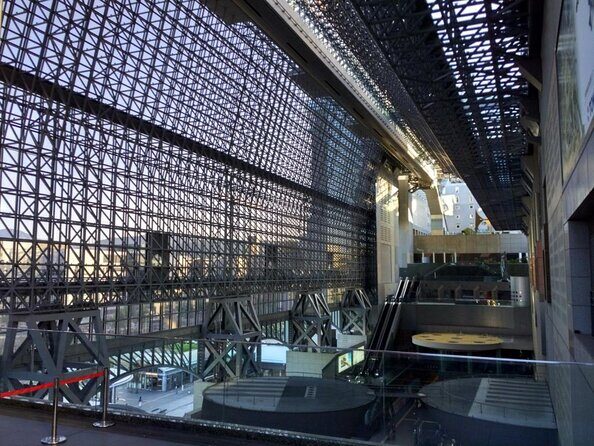
The day begins at Kyoto Tower’s area, meeting at Starbucks Kyoto Tower Sando. After a quick intro, the group rides a train toward Saga Arashiyama. This early move matters. Kyoto’s neighborhoods are spread out, and starting with transit instead of lingering at the station helps you protect time for the scenic stuff.
Once you’re in Arashiyama, you spend about an hour in the bamboo forest. Yes, you’ve seen bamboo photos before. But the difference here is how you’re guided to look beyond the obvious picture postcard. The guide’s explanations focus on why bamboo and Japanese nature spaces are treated the way they are, plus general cultural context that makes the scenery feel less generic.
A practical note for your body: bamboo spots can be crowded and stop-and-go. Plan for slow walking, keep your water handy, and don’t expect a quiet, empty stroll even early in the day.
You can also read our reviews of more tours and experiences in Kyoto
Kinkakuji Golden Pavilion: the Buddhism story behind the view
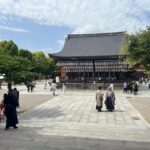
From Arashiyama, you take bus/train toward Kinkakuji. Then you get a concentrated temple visit—about 40 minutes at the Golden Pavilion area. The timing is short enough that you won’t feel stuck waiting for permission to move, but long enough to take in the main views and learn what the temple represents.
The guide frames Kinkakuji through the lens of Buddhism in Japan, plus the temple’s background. That matters because the pavilion isn’t just a pretty building. When someone explains the beliefs and the history in plain terms, you’ll notice more than reflection and gold surfaces—you’ll start seeing the structure as part of a worldview.
There’s also a very “help me get the shot” vibe here. Recent feedback repeatedly mentions guides taking photos for guests and offering picture guidance. If you want classic Kinkakuji images, this is one of the stops where that support pays off.
One drawback to plan around: Kinkakuji admission isn’t included. The cost listed is ¥500 per person. You’ll want to have money ready for this part so you don’t lose time at the gate.
Shijo-Kawaramachi: shopping street energy plus a real lunch break
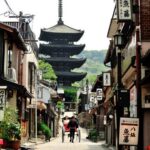
Next comes Shijo Kawaramachi, with about 75 minutes to explore the shopping street area. This is a nice change from the temple rhythm. You get time to browse, soak up street life, and refuel with lunch.
The tour uses this section as a reset point. You’ll have an opportunity to eat here, then you continue on foot, including a walk across the Shijo Bridge. Walking across a bridge is a small thing, but it’s often where you get better perspective on a city than you do standing at a single landmark.
A quick reality check: shopping streets mean lots of people and moving through crowds. This part isn’t about quiet contemplation. It’s about seeing Kyoto as a living place where locals shop and eat, not just a museum layout.
Gion Shirakawa: the quieter side of a famous district
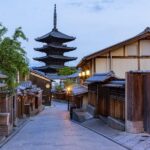
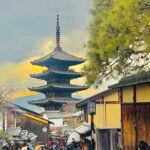
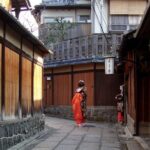
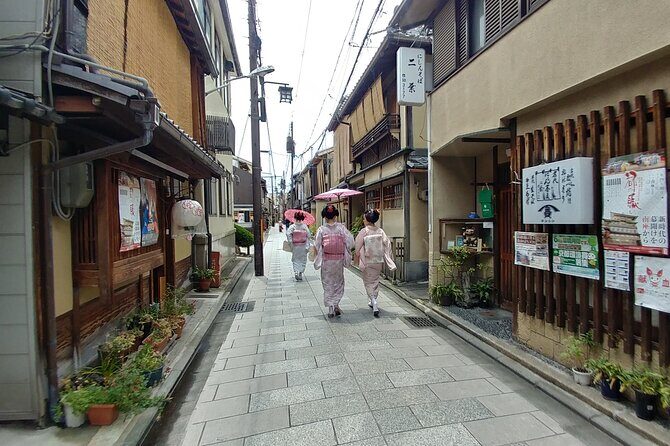
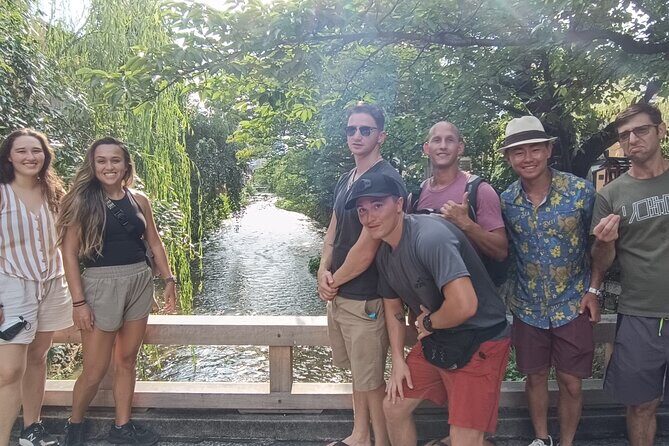
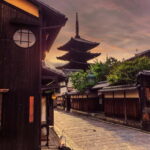
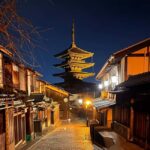
From Shijo, you head to Gion Shirakawa for about 60 minutes. This is the quieter side of Gion—the entertainment district area where geiko and maiko are associated. You’re not just wandering for Instagram. The guide focuses on how the traditions work and what you’re seeing when you look at the scenery.
In particular, you’ll learn about the roles of geiko and maiko and what makes their world different from modern street life. Even if you don’t see anyone in full traditional styling, the context helps. You’ll understand why certain details matter in architecture, streetscape, and timing.
Gion also tends to create a mental “Kyoto mode,” where the day’s earlier temple concepts and nature scenes connect to daily culture. That link is one of the reasons this tour feels like more than a checklist.
Fushimi Inari-taisha: torii gates and Shinto basics on the walk
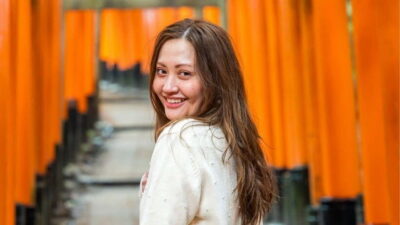
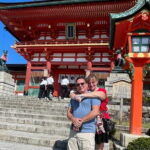
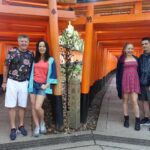
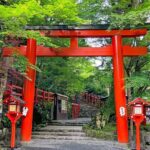
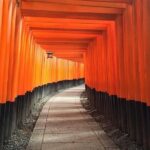
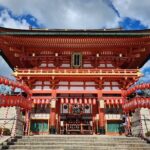
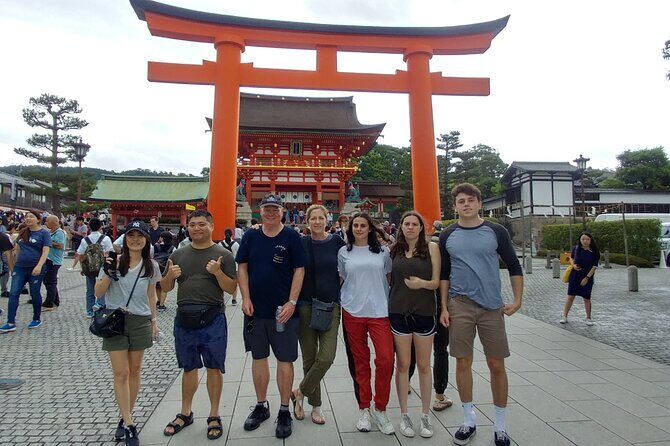
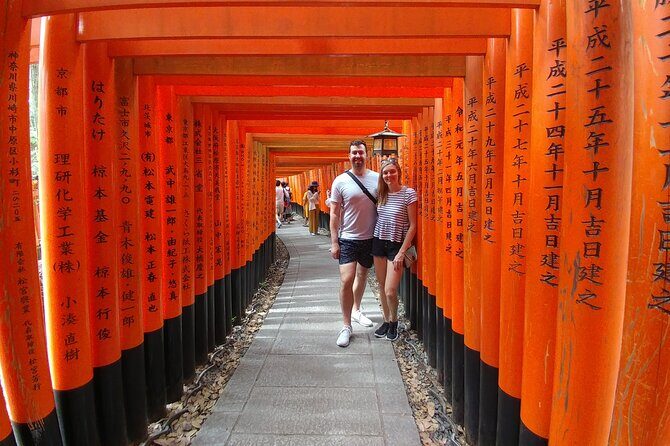
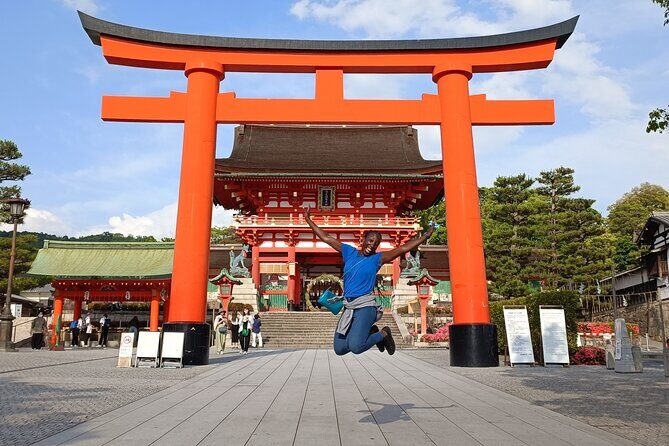
The day’s last major sightseeing stop is Fushimi Inari-taisha, with about 50 minutes. This is Kyoto’s number one tourist draw for a reason: thousands of vermillion torii gates form a tunnel you can’t really replicate anywhere else.
The guide explains Shintoism and the shrine’s history as you walk through the gates. That’s the difference between seeing a landmark and understanding why it looks the way it does and why people treat it with such devotion.
Time here is limited, which is a good thing if you want to avoid fatigue. You’ll see plenty, but you won’t feel like you’re spending half the day climbing stairs and losing your feet to the underworld of torii steps.
If you’re planning to do your own extra exploring after this tour, keep in mind you’ll likely want a second visit. With 50 minutes, you’re getting the highlight route, not the “I know every corner” experience.


Back to Kyoto Station: a clean ending, not a tangled finish
You return by train to Kyoto Station for a short wrap-up at the original meeting area. This “back where you started” format is convenient. It means you can easily grab dinner nearby or head to your next plan without guessing which bus stop is closest.
It also gives the day a natural shape: morning scenery, mid-day culture and shopping, afternoon districts, and then a shrine closer to evening energy.
What the price really buys you (and what costs extra)
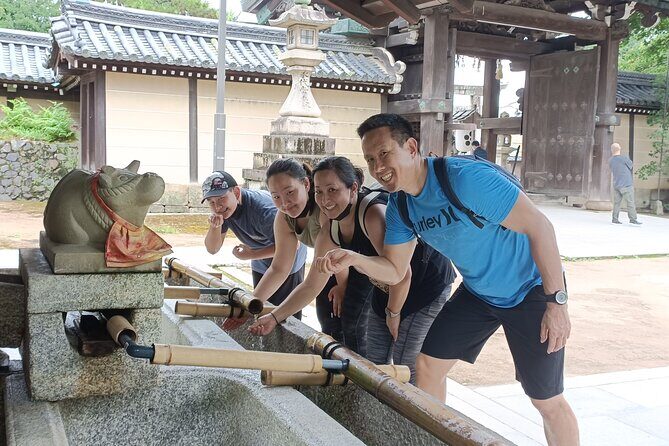
This tour costs $165.17 per person for a 7.5-hour day with a local guide and mobile ticket. For that price, you’re paying for three things that are hard to replicate on your own:
1) A tight route that compresses Kyoto’s main areas into one day
2) Transit choreography (train and bus segments handled for the group)
3) Explanation time—the guide’s stories and cultural context between major sights
But yes, the tour price isn’t the end of the math. Kinkakuji admission is ¥500 per person, and public transportation is listed as ¥1,510 per person. So the true value is best measured as tour price + these add-ons. When you budget that way, the day starts to feel more like a guided package than a “cheap sightseeing walk.”
One more value point: the group maximum is 7. When your day is built around walking plus transit plus explanations, smaller groups reduce wasted time and decision fatigue.
Guide style makes or breaks the day
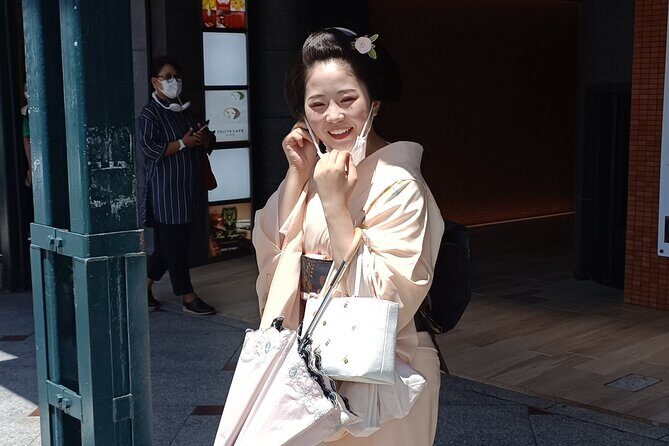
This is a guide-forward tour. The route is strong, but your day depends on how the guide strings it together.
Indra shows up again and again in recent feedback: people liked the mix of history and Japanese social perspective, plus the humor and patience. Several comments mention photo help and even teaching a few Japanese phrases. Maureen also appears frequently, praised for smooth bus and train navigation and for keeping the pacing manageable. Naomi is another name that comes up for handling multiple transportation modes with ease. Adella and Toshi are also noted for detailed customs explanations and a friendly, professional feel.
What I take from that pattern is simple: the best part isn’t only where you go. It’s how you understand what you’re seeing while you’re there.
How much walking is too much?
This is where you should be honest with yourself. The tour is a walking experience with moderate fitness needed. If your legs aren’t great, this may be more than you want for one day.
Also, this isn’t a slow “sit down at every stop” style. The program is designed to cover Kyoto highlights efficiently. That efficiency creates a faster pace. If you like lingering, you may feel you’re moving through places rather than settling into them.
On the flip side, if you want a first-day overview, this format can be exactly right. You’ll leave with a mental map of neighborhoods and cultural themes.
Who should book this Kyoto highlights day?
I’d point you toward this tour if:
- You have just one day in Kyoto and want the biggest hits without planning every transit step.
- You enjoy learning the “why” behind temples and shrines, not only the “what.”
- You want a small-group experience instead of a large bus herd.
I’d hesitate if:
- You can’t handle long walking days or rough pacing.
- You need a fully flexible schedule to stop and rest often.
- You’re traveling with concerns that require a more gentle rhythm (the tour notes it’s not recommended for pregnancy beyond the first trimester).
Should you book this tour?
If your goal is a smart, time-efficient overview of Kyoto’s top sights, I think this is a good value—especially because the small group size keeps the day feeling personal. The tradeoff is walking intensity and extra costs for Kinkakuji plus transit.
Book it when you want structure. Skip it if you want a slow, independent wander day. Either way, you’ll get a clear sense of Kyoto’s layout and culture—and that’s a win on Day 1.
FAQ
Where does the tour start?
It starts at Starbucks Coffee Kyoto Tower Sando in Kyoto, at the Kyoto Tower Sando area. The listed meeting point is the left side of the main entrance for the group gathering.
What time does the tour begin?
Start time is 8:30 am.
How long is the full tour?
The duration is about 7 hours 30 minutes.
How large is the group?
The tour has a maximum of 7 travelers.
What’s included in the price?
Included are an experienced local guide and the walking experience. The tour also uses a mobile ticket.
What costs extra?
Kinkakuji Temple admission is not included (¥500 per person). Public transportation is listed as ¥1,510 per person, and that is also not included.
What are the main stops?
The day includes Kyoto Station Building (depart and return), Arashiyama Bamboo Forest, Kinkakuji Temple, Shijo Kawaramachi, Gion Shirakawa, and Fushimi Inari-taisha Shrine.
Is the tour suitable for everyone?
It’s intended for people with moderate physical fitness. It’s noted as not recommended for people with bad leg issues and not recommended for pregnant travelers more than the first trimester.
What happens if the weather is bad?
The experience requires good weather. If it’s canceled due to poor weather, you’ll be offered a different date or a full refund.
If you want, tell me your travel dates and whether this is your only day in Kyoto. I can help you decide if this route matches your interests and energy level.