REVIEW · EVENING EXPERIENCES
Gion Night Walk:Discover Geisha Culture in Kyoto
Book on GetYourGuide →Operated by ENSHI KYOTO · Bookable on GetYourGuide
Kyoto’s geisha district looks different after dark. This Gion night walk with ENSHI KYOTO stands out because you get geisha culture context and Gion-area history from a local guide, not just street names. You also get a photo shoot included, which helps you turn a rainy-side-street moment into something you’ll actually keep.
One catch to plan for: geisha sightings are never guaranteed. It’s still a great way to understand what you’re seeing and how to behave, but it’s a nighttime walk—not a guaranteed house visit or scheduled performance.
In This Review
- Key Points You’ll Care About
- Why a Gion Night Walk Teaches More Than Daytime Photos
- Starting at Keihan Railway Exit 5: Finding Your Feet in Gion
- Historic Streets and Japanese Houses: The Gion and Geisha Backstory
- Geisha-Sighting Timing and the Courtesy Rules at Night
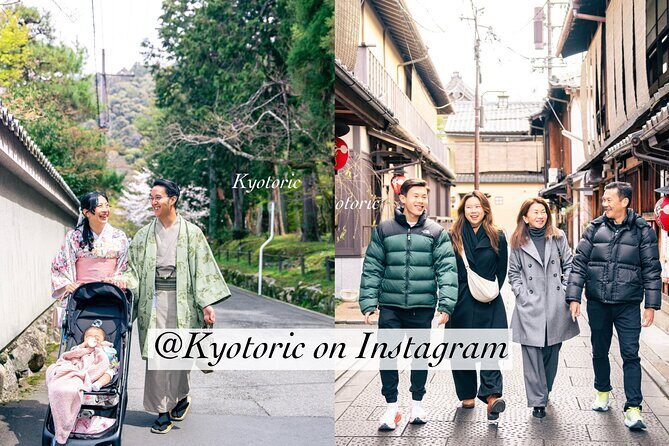
- Photo Shoot Included: Turn the Walk Into Real Memories
- Quiet Corners and Less-Expected Stops in Gion
- Value for $27: What You’re Paying For
- Who This Tour Is Best For (And Who Might Be Disappointed)
- Small Rules That Keep the Experience Respectful
- Should You Book This Gion Night Walk with ENSHI KYOTO?
- FAQ
- Where does the tour start?
- Does the tour return to the starting point?
- How much does it cost?
- What language is the tour offered in?
- Is a photo shoot included?
- What should I bring?
- Are drones allowed?
- Is alcohol allowed during the tour?
- Is it wheelchair accessible?
Key Points You’ll Care About
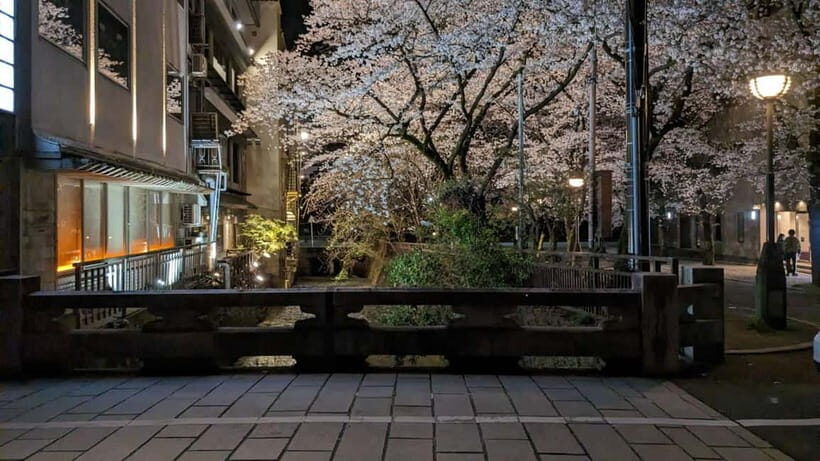
- Timed for peak geisha-sighting odds so you’re out when chances are better
- Local guide shares little-known facts not easily found online
- Historic streets and Japanese houses help you place Gion in context
- Courtesy precautions are part of the experience for that specific time of night
- Photo shoot included so you’re not stuck asking strangers to take your picture
Why a Gion Night Walk Teaches More Than Daytime Photos
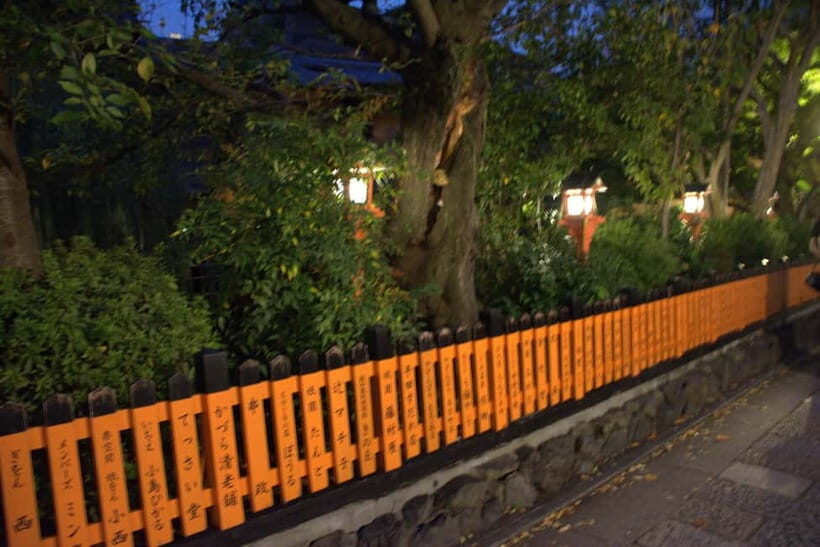
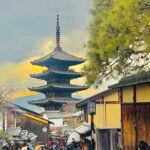
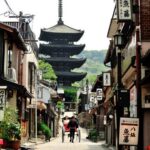
Night in Gion changes the feel fast. The lantern glow, the quiet side streets, and the sense that you’re watching a carefully maintained world make the area feel less like a checklist and more like a living neighborhood.
What I like is that this tour is built around understanding, not just wandering. You’ll learn about geisha in a way that connects the history of the district to the present-day realities. That matters because Gion can look like it belongs to old postcards, but you’re walking through something real that still has rules, routines, and people behind the scenes.
The other reason this works is the human pacing of a guided walk. You’re moving through the geisha district with someone who can answer the questions that pop up as you look at the architecture, the street layout, and the atmosphere. And you’re there at a point when geisha are most likely to be seen, which turns a casual walk into an intentional evening.
You can also read our reviews of more walking tours in Kyoto



Starting at Keihan Railway Exit 5: Finding Your Feet in Gion
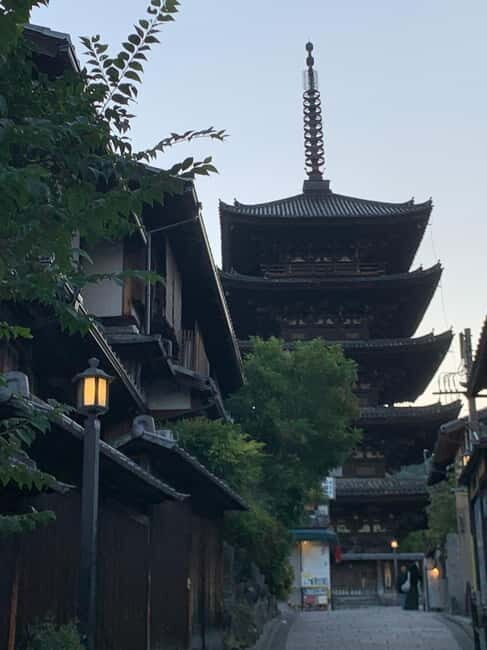
You meet at the man’s stone statue at Keihan Railway, exit number 5. That’s a smart choice because it keeps the start easy—get to the transit hub, find the statue, and you’re ready to go without stress.
From the meeting point, you’ll head into the Gion area as a group. Your guide sets the tone early: what you should notice as you walk and what kind of behavior is expected at that time of night. Even if you’ve been to Kyoto before, a geisha district changes your perspective fast. The streets aren’t just pretty; they’re part of a working cultural environment.
Practical tip: plan to arrive a few minutes early. Comfortable shoes matter here because it’s a walking experience on uneven sidewalks and quiet lanes. This is also one of those tours where your attention is the product—if you’re tired or distracted, you miss the details.
Historic Streets and Japanese Houses: The Gion and Geisha Backstory
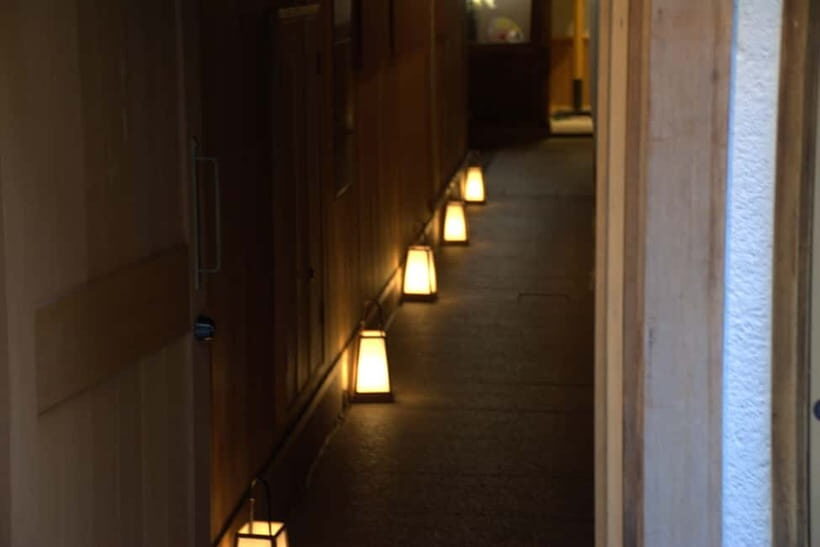
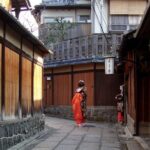
One of the main draws is how the walk connects the physical place to the story of geisha. You’ll stroll through historic Kyoto streets and view traditional Japanese houses along the way. Seeing the architecture while you hear the context makes the history stick.
You’ll deepen your knowledge of the history of geisha and the history of the Gion area itself. The big value here is that you’re not just collecting facts—you’re building a mental map of why the district looks the way it does and what life has looked like across changing eras.
This kind of explanation is hard to reconstruct on your own because it includes little-known points and the current situation of actual geisha. That’s important, because geisha culture gets simplified online. With a guide, you can ask follow-up questions and get straight answers in the moment.
Geisha-Sighting Timing and the Courtesy Rules at Night
This tour is timed for the period when geisha are most likely to be seen. That timing is one of the key reasons it’s worth doing specifically as a night walk rather than dropping by whenever you feel like it.
But the guide doesn’t just chase sightings. You’re also taught precautions to take at that time. That’s not a small detail. When you’re in a district where people live and work, your behavior affects the comfort of everyone nearby—including the people you’re hoping to see.
So go in with the right mindset: treat any sighting as a bonus, not a mission. You’ll get the most out of the experience if you focus on learning what’s happening in the culture and how to show respect while you watch.
One practical expectation check: if your main goal is to see a staged performance or a specific scheduled event, this street-walk tour may not match that. Some marketing you might encounter around the area can suggest performances at set times (like 6:00 and 7:00 p.m.), but this experience is about walking the district and understanding geisha culture in context.
Photo Shoot Included: Turn the Walk Into Real Memories
A photo shoot is included in the tour. That sounds simple, but it actually changes how you experience the walk.
At night, you usually get one of two problems: either the photos blur, or you keep interrupting the flow to ask someone else. With a planned photo moment, you can relax and let the guide handle positioning and timing. You also avoid the awkwardness of trying to photograph someone in a way that doesn’t respect the moment.
You’ll still want to dress for comfort. Night air plus cobblestones or textured pavement can add up. Bring comfy clothes and you’ll concentrate on seeing, not adjusting.
You can also read our reviews of more evening experiences in Kyoto





Quiet Corners and Less-Expected Stops in Gion
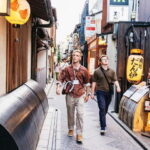
The highlights mention hidden gems, but the more useful way to think about it is this: you’ll see parts of Gion you’re less likely to notice from a guidebook route. It’s not just famous intersections. It’s the smaller streets and less-obvious viewpoints where the neighborhood feels like a neighborhood.
That’s where a local guide earns their fee. A guide can point out what matters—things you might walk past without knowing what you’re looking at. You’ll also hear little-known facts that aren’t sitting on the open internet, which makes the night walk feel like more than just sightseeing.
This is the part that often turns a decent tour into a memorable one. The difference isn’t dramatic scenery; it’s the quality of attention and the way the guide connects the details to cultural meaning.
Value for $27: What You’re Paying For
At $27 per person, the price is relatively affordable for an English-language evening guide in Kyoto. You’re not paying for luxury or transportation here. You’re paying for a human interpreter of the district—someone to explain geisha history, the Gion story, and the current situation you won’t get from a casual stroll.
You’re also getting a photo shoot, which adds value beyond the walk. And because the tour is timed when geisha are most likely to be seen, the guide isn’t just leading you around at random; you’re going out during a smarter window.
One more value note: the tour format gives you room to ask questions. When the guide answers clearly and includes relevant context, that’s what makes the two hours feel worthwhile rather than like time spent simply passing street corners.
Who This Tour Is Best For (And Who Might Be Disappointed)
This tour is a good fit if you want:
- a respectful, guided approach to geisha culture
- a night walk with context, not just photos
- help noticing what makes Gion different from other Kyoto districts
It’s also a solid choice for first-timers who feel overwhelmed by Kyoto’s range of sights. You get a focused theme and a guide who can handle questions on the spot.
Skip it (or at least recalibrate expectations) if you mainly want:
- a guaranteed geisha sighting
- a guaranteed visit inside a house
- a scheduled performance experience
The tone here is respectful street-level culture. If you want inside-access, that’s not what this format promises.
Also note practical limits. It isn’t suitable for wheelchair users, and it isn’t suitable for people with altitude sickness. If either matters, choose an alternative that fits your needs.
Small Rules That Keep the Experience Respectful
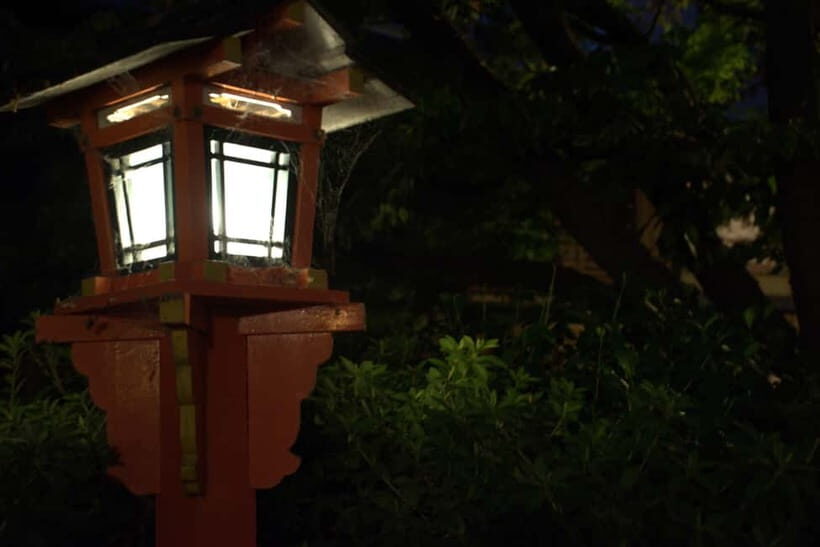
No drones are allowed. No alcohol and drugs are allowed. Those rules aren’t just legal fine print. In a quiet residential and cultural district, they help keep the atmosphere calm and respectful, especially at night.
You’ll get the most from the tour by following the guide’s instructions quickly and without arguing. If you treat the walk like you’re there to learn, you’ll feel the difference in the quality of the experience—yours and everyone else’s.
Bring comfortable shoes and comfortable clothes. You’ll be standing and walking enough that discomfort quietly ruins the fun.
Should You Book This Gion Night Walk with ENSHI KYOTO?
I’d book it if your goal is understanding geisha culture in real-world context. The tour’s best feature is the combination of historic street time plus a guide who can explain both past and present, including facts that aren’t easy to find elsewhere.
I would not book it expecting certainty. Geisha sightings can happen, but they aren’t guaranteed. If you’re okay with that and you want to learn how to look and behave properly while you walk, this is a strong value at $27.
One last practical note: because the experience can include a timing window when geisha are most likely to be seen, plan for the possibility that you’ll still leave with knowledge and a sense of place even if you don’t see a geisha on the street.
If you want the cultural context and a guided night walk, this is a good bet. If you need guaranteed performances or guaranteed inside visits, look for a different kind of experience.
FAQ
Where does the tour start?
The tour starts at the man’s stone statue at Keihan Railway, exit number 5.
Does the tour return to the starting point?
Yes, the activity ends back at the meeting point.
How much does it cost?
The price is $27 per person.
What language is the tour offered in?
The tour is offered in English.
Is a photo shoot included?
Yes, a photo shoot is included.
What should I bring?
Bring comfortable shoes and comfortable clothes.
Are drones allowed?
No, drones are not allowed.
Is alcohol allowed during the tour?
No, alcohol and drugs are not allowed.
Is it wheelchair accessible?
No, it is not suitable for wheelchair users.