REVIEW · KIMONO RENTAL & PHOTOSHOOT
Kyoto: Private Photoshoot Service
Book on GetYourGuide →Operated by Bokehtabi · Bookable on GetYourGuide
Kyoto photos hit different when you stop overthinking. This private session gives you candid portraits with gentle posing help, plus all your high-resolution files delivered fast. My only hesitation is that it’s an outdoor, natural-light shoot with strict location rules, so some famous spots are off-limits for photography.
I like that your photographer is a Kyoto local who knows where to stand, when to shoot, and how to work through crowds without turning the whole day into a production. In reviews, Micky is described as funny, easygoing, and great at showing you shots as you go, which helps if you feel awkward in front of a camera. The vibe is calm enough that you can actually act like yourself, not like you’re auditioning for a movie.
Before you book, read the basics carefully: this is not a full guided tour with a history lecture, and kimono rental is not included. You’ll also want comfy shoes and water, because you’re walking between recognizable neighborhoods like Gion, Pontocho, Shirakawa, and Arashiyama.
In This Review
- Key things I’d plan around
- A private Kyoto photo session that feels relaxed, not staged
- What you actually get: files, edits, and why the price makes sense
- A smart optional add-on
- How the shoot works: candid moments with gentle direction
- Where you’ll shoot in Kyoto (and why these places photograph well)
- Gion and Higashiyama old-town lanes
- Shirakawa Canal and old Kyoto streets
- Pontocho and lantern-alley character
- Arashiyama: bamboo, bridges, and iconic silhouettes
- Nanzen-ji area and Higashiyama quiet corners
- A practical walkthrough of the stops you might cover
- Starting points: meet near Gion or Inari area
- Yasaka Shrine and the rules question
- Maruyama Park: relaxed portrait energy
- Kimono Forest and street-market Kyoto feel
- Togetsukyo Bridge: classic bridge framing
- Pontocho and Pontocho Alley: texture and depth
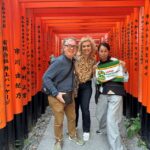
- Fushimi Inari Taisha: iconic steps and repetition
- Arashiyama Bamboo Forest: the big moment
- Hōkan-ji and Nanzen-ji: architecture-forward scenes
- Rules you should respect (so the shoot stays smooth)
- The kimono question: what’s included, what’s not, and how to plan
- Timing: when to book for best light and fewer crowds
- Who this is best for (and who might not love it)
- Should you book this Kyoto private photo shoot?
- FAQ
- How long is the Kyoto private photoshoot?
- What does the $78 price include, and is it per person?
- About how many photos will I get from the session?
- Do I get edited or retouched photos, and can I choose which ones?
- When will I receive the photos?
- Is kimono rental included?
- Are there restrictions on where photos can be taken?
- What languages do the hosts or photographers speak?
- What should I bring for the session?
Key things I’d plan around
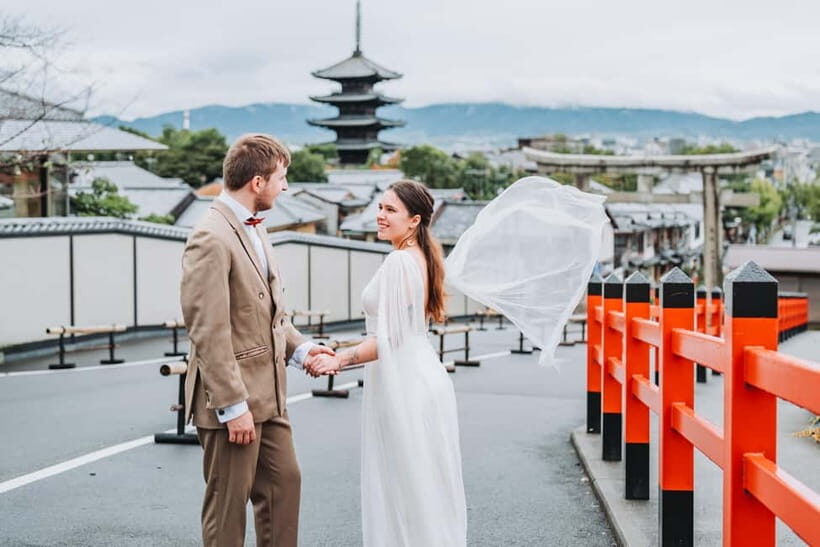
- 200+ photos from your session: you keep all originals in JPEG format via an online album
- Selectable edits: you pick which images get retouching, with natural skin cleanup
- Fast delivery: edited and final files are guaranteed within 2–3 days
- Outdoor, natural light only: timing matters, especially in spring and autumn crowds
- Strict shooting rules: no photography at Kiyomizu-dera and Yasaka Shrine, plus no touching exhibits or plants
- Kyoto-local route choices: you move through classic streets and viewpoints, often designed to reduce crowd pain
A private Kyoto photo session that feels relaxed, not staged
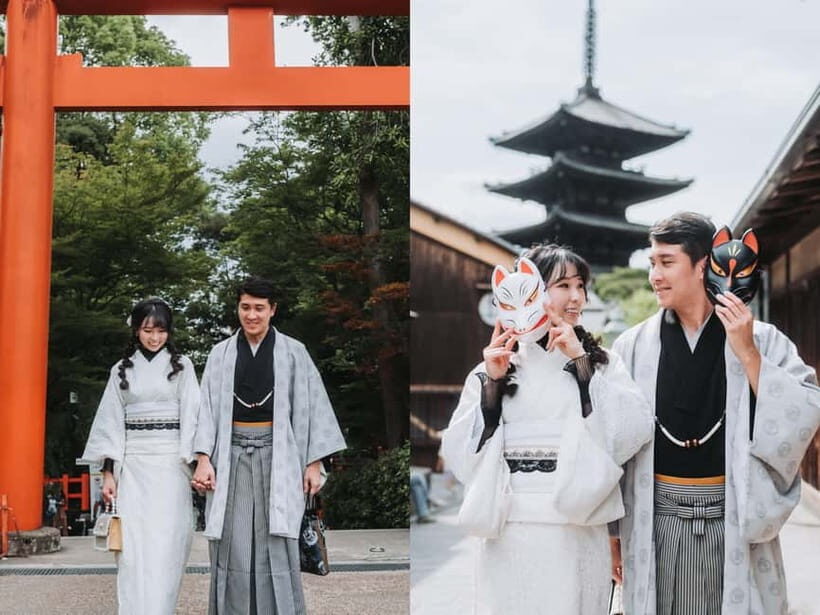
This isn’t a bus-tour with stop-and-go chanting about temple names. It’s a focused 1 hour to 90 minutes where the goal is simple: make you look great in Kyoto, without you having to know anything about cameras.
You book a private group session, so you’re not competing with strangers for the same angle. And because the shoot is outdoors and uses natural light, the results tend to look like real moments instead of an obvious studio setup. If you’ve ever tried to take photos while sightseeing, you already know the problem: you spend your vacation looking at your phone. Here, you get the comfort of a plan.
One more thing I appreciate: your photographer follows the local rules. You’ll hear instructions and get guidance on where to stand, when to move, and how to pose without going stiff. Reviews repeatedly mention Micky’s clear directions and relaxed energy, including moments where he shows you images during the session so the fun stays high.
You can also read our reviews of more private tours in Kyoto
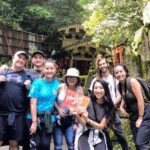
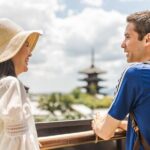
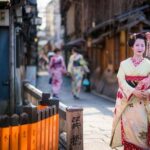
What you actually get: files, edits, and why the price makes sense
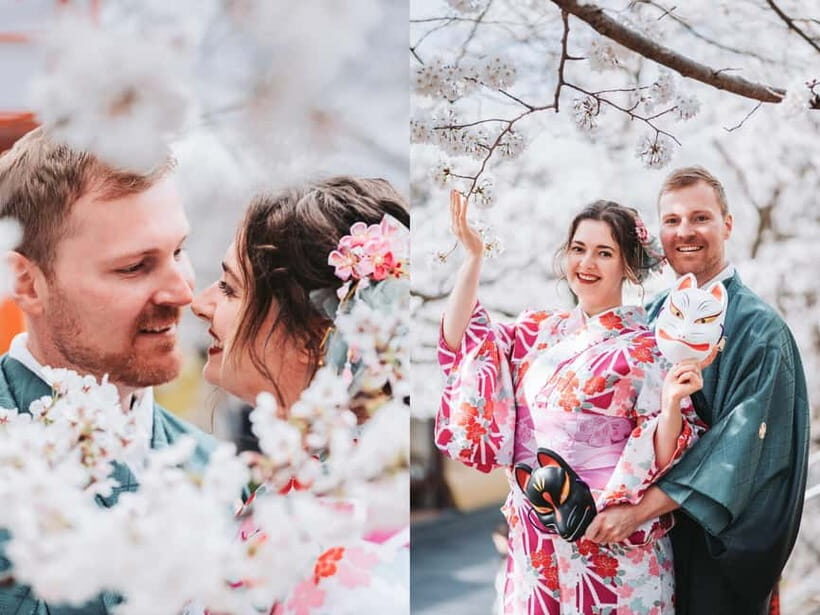
At $78 per person for a private session, the value mostly comes from what you receive afterward. Many photo services give you a small selection and try to sell you the rest. This package flips that: you get all the pictures from the session.
Here’s the practical breakdown:
- Around 200+ photos for your 1–90 minute shoot
- All original images in JPEG format, downloadable from an online album
- Edited/retouched photos are included, but you get to select which ones are professionally retouched
- Natural skin retouch is part of the editing style
- High-resolution images are provided
Delivery is also fast. The service says you’ll receive the photos within 2–3 days, which matters because your Kyoto trip days disappear fast and you want memories while they’re still fresh.
If you’re the type who always regrets picking “the wrong” photo, this setup helps. You’re free to choose your favorites for retouching, and you still keep everything else. That means you can experiment: pick a few hero portraits for editing, then keep the candid shots that capture the real trip vibe.
A smart optional add-on
There’s an add-on option for raw file format for editing, plus extra edited pictures available if you want more than what comes with your selection. That can be worth it if you’re picky about details like skin tone, color balance, or composition tweaks.
How the shoot works: candid moments with gentle direction
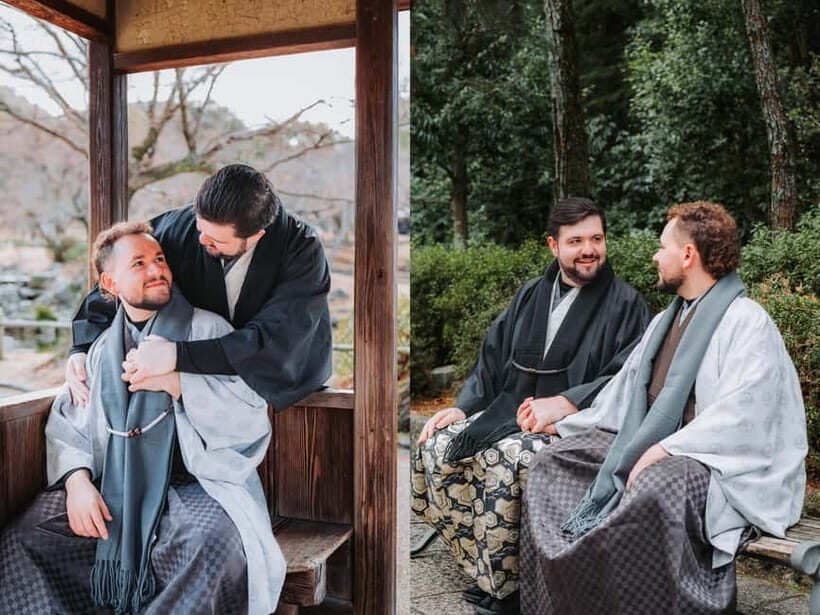
The promise here is candid, not chaotic. You’re not being asked to memorize a pose list. You get gentle coaching that helps you look natural, then your photographer captures the in-between moments.
In real sessions, that usually means:
- You’ll get direction on posture and timing, especially in busy areas
- You’ll rotate through several viewpoints so you don’t end up with 40 near-identical frames
- You’ll shoot in outdoor natural light, so you’ll likely see the best results in morning and late afternoon conditions
- Your photographer may show you shots during the session, which keeps you engaged and removes the fear of ending up with bland photos
Reviews also highlight that Micky is proactive about maximizing the time. People mention that even in hard conditions like heat, cold, or snow, the photographer keeps moving with purpose and still makes it feel comfortable. If you want photos that look like Kyoto, but you don’t want to feel like you’re performing, that balance is the big win.
Where you’ll shoot in Kyoto (and why these places photograph well)
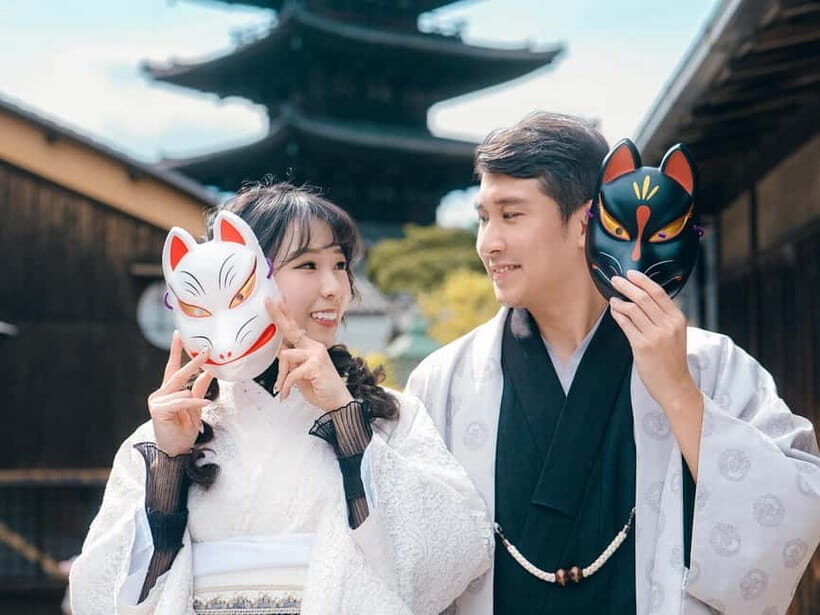
This service is built around Kyoto’s classic visual ingredients: old streets, lantern-lit alleys, temple architecture, and that unmistakable mix of tradition and atmosphere.
The locations offered include a few neighborhood “styles,” so you can end up with a variety of looks in one session:
You can also read our reviews of more photography tours in Kyoto

Gion and Higashiyama old-town lanes
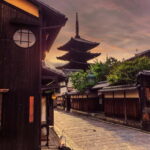
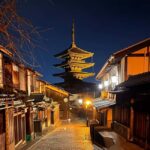
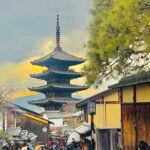
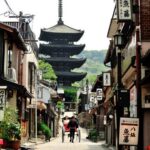
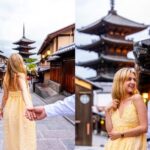
You may start in areas like Gion and then work through the UNESCO-temple zone vibe of Higashiyama. Expect stops that feel quintessential Kyoto: parks and shrine approaches, scenic walkways, and old streets that frame people well.
This style is ideal if you want portraits that look like a movie still. Tall building lines help with clean composition, and the street textures add depth behind you.
Shirakawa Canal and old Kyoto streets
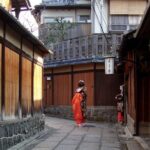
If you want romantic water-side scenes, look for the Shirakawa Canal area and nearby traditional streets. This is a strong option for couples and solo portraits because the background carries the “Kyoto story” without needing you to do anything dramatic.
Pontocho and lantern-alley character
Pontocho Street and the quieter alley lanes nearby give you that narrow-street perspective that makes people look more cinematic. Even in daylight, Pontocho can deliver a moody, layered look because of the street geometry and restaurant-front textures.
Arashiyama: bamboo, bridges, and iconic silhouettes
Arashiyama is where Kyoto gets instantly recognizable. A session here can include things like the bamboo forest area and famous bridge views. It’s also where crowds can be intense, which is exactly why having a local photographer matters. In real sessions, the photographer’s job is to get your shots while still respecting the crowd limits.
Nanzen-ji area and Higashiyama quiet corners
The Nanzen-ji area and surrounding spots offer a calmer, more spacious feel than the most jam-packed tourist lanes. If you want portraits with architectural detail and less visual noise, this is a great direction.
A practical walkthrough of the stops you might cover
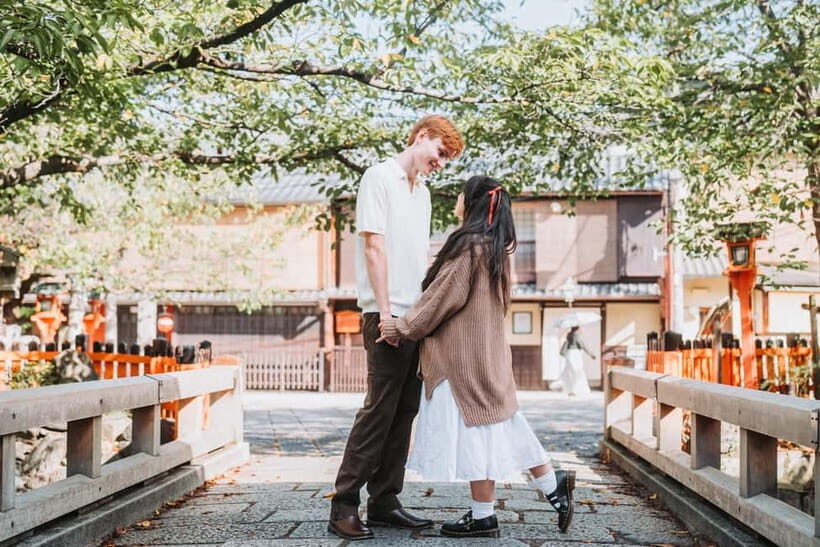
Your route is flexible based on the starting option you book. That said, your session is designed around photo stops plus a bit of sightseeing walking, usually with around an hour per main segment.
Here’s how to think about each kind of stop, and what it’s best for:
Starting points: meet near Gion or Inari area
You may meet near Inari Station, the Gion Weeping Cherry Tree area, or another defined starting spot around East Kyoto. Starting near a well-known landmark can make it easier to find your photographer quickly, especially if you’re new to Kyoto.
Yasaka Shrine and the rules question
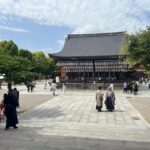
The schedule may include Yasaka Shrine as a stop for sightseeing and a walk. At the same time, there’s a clear rule that photography at Yasaka Shrine is not permitted. So you should plan for this as a walk-and-photo-stop that avoids restricted shooting areas. If having a specific temple-photo moment is essential to your plan, double-check expectations with the provider before you go.
Maruyama Park: relaxed portrait energy
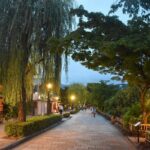
Maruyama Park is a nice breathing space between heavy foot-traffic zones. This kind of stop is good for portraits where you want greenery and open angles without feeling trapped in a narrow lane.
Kimono Forest and street-market Kyoto feel
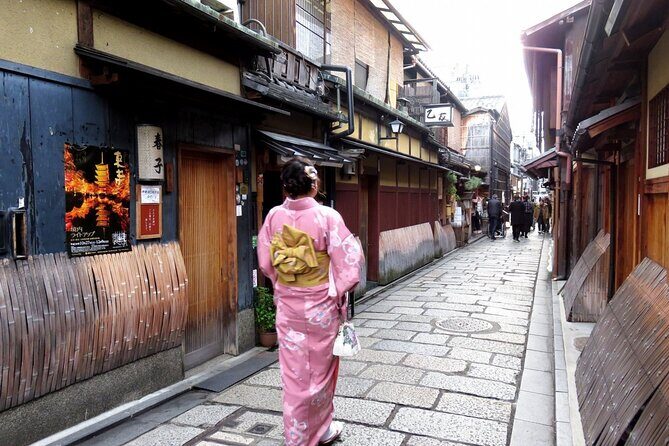
There’s often a “kimono-inspired” visual look associated with certain lanes in Kyoto, and the Kimono Forest stop is built for that aesthetic. The key point: kimono rental is not included, so if you want the full effect, you’ll need to arrange rental separately. (Some nearby shops may be recommended.)
Togetsukyo Bridge: classic bridge framing
At Togetsukyo Bridge, the background is strong. You get leading lines, a sense of place, and a classic Kyoto “I’m really here” frame. It’s also a good spot for couple shots where you want some distance and separation from the background.
Pontocho and Pontocho Alley: texture and depth
In Pontocho and the alley lanes, you’ll get that layered Kyoto look: narrow streets, vertical lines, and a natural sense of atmosphere. Even if you’re not sure how to pose, the street layout does part of the work for you.
Fushimi Inari Taisha: iconic steps and repetition
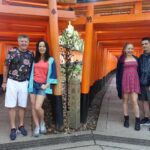
A stop at Fushimi Inari Taisha gives you the signature torii tunnel vibe. Just keep your expectations grounded: it’s an outdoor area with lots of movement, and the photographer’s job is to help you frame yourself without getting swallowed by the crowd.
Arashiyama Bamboo Forest: the big moment
The bamboo forest is the “poster” scene, but it’s also the place where crowds can overwhelm photos fast. The value of hiring a pro is that you don’t just stand in the middle and hope. You’re guided toward angles and timing that give you a clean background feel.
Hōkan-ji and Nanzen-ji: architecture-forward scenes
Temple areas like Hōkan-ji and Nanzenji tend to photograph well because of architectural lines and structured spaces. This is a good option if you want photos that feel grounded and art-directed, without looking like a generic souvenir shot.
Rules you should respect (so the shoot stays smooth)
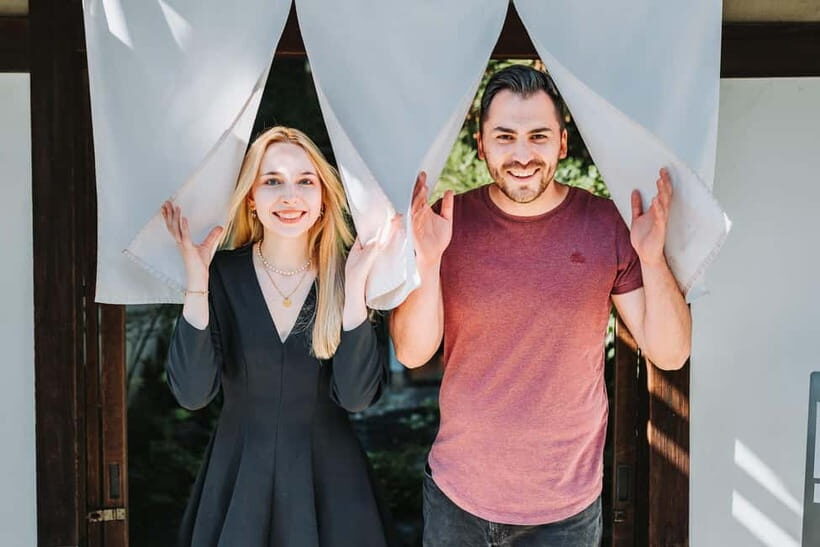
Kyoto has rules for a reason: they protect heritage, keep visitors safe, and reduce chaos. This service comes with strict “don’ts,” and that’s a good thing. It also helps your photographer keep the session moving without awkward interruptions.
You should know:
- No touching exhibits and no touching plants
- No climbing
- No making noise
- Avoid oversize luggage
If you’re thinking you’ll carry a big bag of props, rethink it. Bring a small day bag if you need one, then keep your hands free for photos and your pace comfortable between locations.
The kimono question: what’s included, what’s not, and how to plan
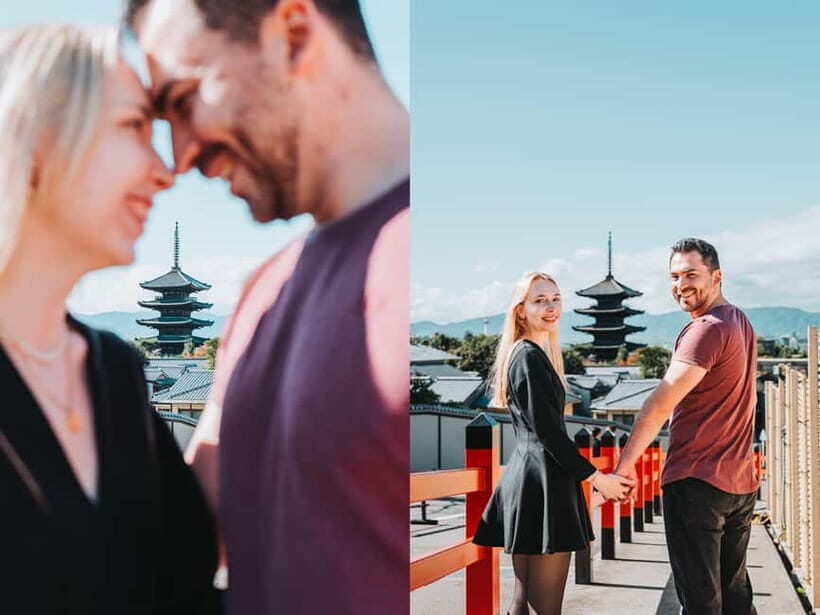
Kimono rental is not included in this photo session. That said, the provider may recommend kimono rental shops nearby if you want to go all-in.
So you have two clean options:
- Rent a kimono before or during your day and let the photographer incorporate it into the styling
- Skip kimono entirely and still get strong portraits using the streets and architecture as your “costume”
Either way, you’ll get natural posing guidance and professional editing that focuses on how you look in the frame. The service is about your photos, not the rental logistics.
Timing: when to book for best light and fewer crowds
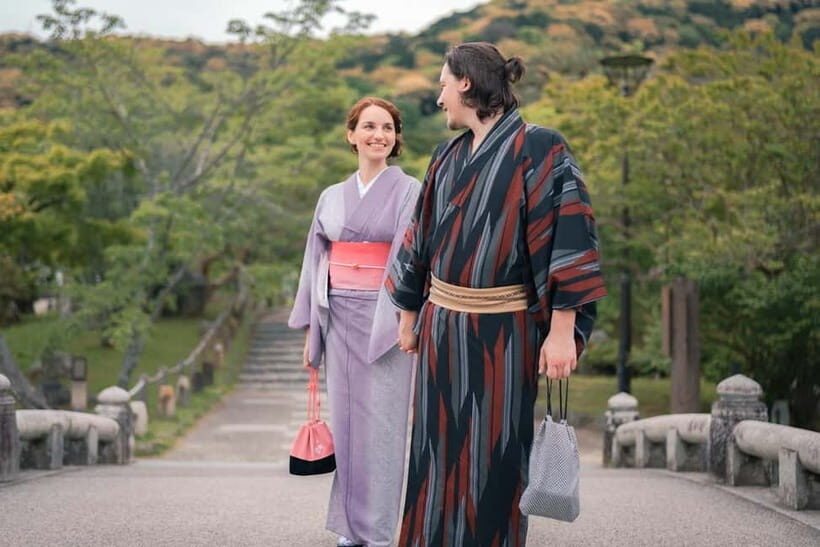
Because it’s an outdoor shoot using natural light, the time you choose affects how comfortable you feel and how well you can get clean shots.
In high season (spring and autumn), the provider strongly recommends an early session around 8:00–11:00 AM to avoid crowds and keep the atmosphere relaxed. If you’re the type who hates shoulder-to-shoulder walking, morning is your friend.
If you’re visiting in a quieter season, you still get the benefit of a planned schedule. You’ll just likely have more flexibility in where you can stop and how long you can linger at each viewpoint.
Who this is best for (and who might not love it)
This session is a good fit if you want:
- Solo, couple, or family photos
- A relaxed experience where you can be yourself
- A pro who helps you pose without making it stiff
- Fast delivery and the ability to keep everything from the shoot
It’s not a fit if you want a full tour with history explanations. This is a photography session, not a tour guide service.
Also, it’s not suitable for babies under 1 year. For families with small kids, you’ll want to confirm comfort and pacing needs.
Should you book this Kyoto private photo shoot?
If your goal is to leave Kyoto with photos you’re actually proud to post and print, this is a strong value. Getting all 200+ photos plus selectable retouching within 2–3 days is the kind of setup that protects you from buyer’s remorse.
Book it if:
- You want classic Kyoto backdrops without spending your day wrestling with a camera
- You care more about natural-looking portraits than a strict pose session
- You want the convenience of one private photographer guiding your day in a tight window
Skip or rethink it if:
- You specifically want photography at Kiyomizu-dera or Yasaka Shrine (since photography there isn’t permitted)
- You want a history-focused guided tour (this isn’t that)
- You don’t like outdoor walking or you’re expecting indoor studio comfort
If you’re flexible, pack comfortable shoes, and embrace the early-morning timing, you’ll come away with Kyoto memories you can feel.
FAQ
How long is the Kyoto private photoshoot?
It runs for 1 hour to 90 minutes, depending on the session you choose.
What does the $78 price include, and is it per person?
The price is per person, not per group, and it covers your photographer plus the photo deliverables described in the package.
About how many photos will I get from the session?
You should expect around 200 photos or more from your session, and you receive all pictures from the shoot.
Do I get edited or retouched photos, and can I choose which ones?
Yes. You get edited/retouched photos on a selectable basis, including natural skin retouch. Edited photos are part of the package, and extra edited images may be available as an add-on.
When will I receive the photos?
Delivery is guaranteed within 2–3 days.
Is kimono rental included?
No, kimono rental is not included, but the service may recommend kimono rental shops nearby if you need one.
Are there restrictions on where photos can be taken?
Yes. Photography at Kiyomizu-dera and Yasaka Shrine is not permitted. It’s also an outdoor shoot using natural light, and the photographer follows strict rules on behavior.
What languages do the hosts or photographers speak?
The host or greeter and photographer support English, Thai, and Japanese.
What should I bring for the session?
Bring comfortable shoes, drinks, and sunscreen.
![Kyoto: Personalize, private tour (3h, 5h, 8h) [W/Car Option] - Private Guide Power: 3 vs 5 vs 8 Hours in Real Kyoto Time](https://7.kyotoescapes.com/wp-content/uploads/kyoto-personalize-private-tour-3h-5h-8h-w-car-option.jpg)
.jpg)