REVIEW · WALKING TOURS
Private & Custom KYOTO Walking Tour – your Travel Companion
Book on Viator →Operated by Japan Private Tours · Bookable on Viator
Kyoto hits different with the right route. This private walking tour lets you personalize the day while an English-speaking guide handles navigation so you can focus on temples, shrines, and the streets between them. The big appeal is that it’s built around your pace, not a rigid checklist.
I especially like the tailor-made route feel and the fact that you get ticket and planning help along the way. The day also threads together Kyoto’s biggest hits—Kinkaku-ji, Kiyomizu-dera, Fushimi Inari-taisha, Arashiyama, and more—without you needing to decode train lines or maps.
One consideration: you’re on foot for about 8 hours, and entrance fees and meals aren’t included. Also, the quality of the experience can hinge on your guide, so it’s smart to ask clear questions early and set your walking pace.
In This Review
- Key things to know before you go
- What a private, custom Kyoto walking day really buys you
- Price and value: $265.82 per group (up to 5) and what to budget
- Pickup, timing, and the practical reality of an 8-hour walk
- Stop 1: Kinkaku-ji (Golden Pavilion) without the guesswork
- Stop 2: Kiyomizu-dera and the wooden stage viewpoint
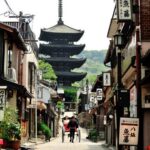
- Stop 3: Sanneizaka and Ninenzaka preserved streets
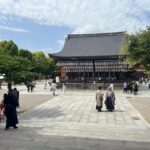
- Stop 4: Yasaka Shrine (and why it matters to Gion Matsuri)
- Stop 5: Fushimi Inari-taisha and the “torii everywhere” effect
- Stop 6: Arashiyama, bamboo forest, and Tenryuji Temple
- Stop 7: Nishiki Market shopping street, aka Kyoto’s kitchen
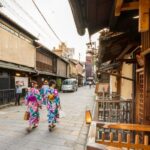
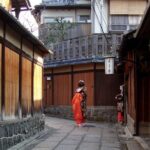
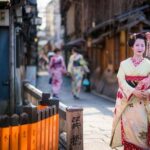
- Stop 8: Gion district, geisha neighborhood vibes
- Stop 9: Ginkaku-ji (Silver Pavilion) at Kyoto’s quieter rhythm
- Stop 10: Sanjusangendo and 1001 Kannon statues
- Stop 11: Kyoto Imperial Palace and the shift after 1868
- Stop 12: Nijo Castle, Tokugawa Ieyasu to Iemitsu
- Stop 13: Eikando Zenrinji Temple to finish the day
- How to make your custom route work in real life
- Guide quality can make or break the day (so set yourself up)
- Who this tour is best for
- Should you book this private Kyoto walking tour?
- FAQ
- How long is the Kyoto walking tour?
- What is the price?
- Is this a private tour?
- Does the tour include pickup?
- Are entrance fees included?
- Are meals included?
- Do I get a mobile ticket?
- Is private transportation included?
- What are the tour hours?
- Is it refundable if I cancel?
Key things to know before you go
- Tailor-made focus: You can shape the route around what you actually want to see.
- No getting lost: Your guide handles navigation, directions, and practical flow between sights.
- Help with tickets and planning: You’re not left guessing about admissions or timing.
- Packed but short stops: Expect quick visits at several major landmarks.
- Entrance fees and meals are extra: Budget for what you’ll pay at each site.
- Private group up to 5: Easier logistics than a big group bus day.
What a private, custom Kyoto walking day really buys you
Kyoto is gorgeous, but it can also be a maze. This kind of private setup is valuable because you trade map-reading for time at the places that matter to you. An English-speaking guide also helps with the human side—talking to vendors, keeping your day moving, and sorting out what’s worth your attention.
The custom angle matters most when your “Kyoto priorities” aren’t the standard top 10. Maybe you want more shrines than temples, or more photo breaks than long indoor stops. With a personalized plan, you’re not stuck doing everything at full intensity.
You also get a smoother experience at the landmarks themselves. Some places involve ticket lines and crowd timing; having assistance booking tickets and planning can keep the day from turning into a stressful scramble.
You can also read our reviews of more walking tours in Kyoto
Price and value: $265.82 per group (up to 5) and what to budget
The price is $265.82 per group, good for up to five people. That can be a solid deal compared with paying for separate guides, especially for families or small groups who want the same route.
But you’ll want to judge value with the full cost picture:
- Entrance fees are not included, and several of these sights charge admission.
- Meals are not included.
- Private transportation is not included (pickup is offered, but you’re still walking).
Where this tour tends to pay off is when you’d otherwise spend time figuring out logistics. If you’re short on time, new to the city, or just tired of hopping trains with a map in one hand, the money goes toward saving energy and improving your pacing.
Pickup, timing, and the practical reality of an 8-hour walk
This is about 8 hours (approx.), and it runs daily from 6:00 AM to 10:00 PM. With pickup offered, you can reduce the “first 30 minutes panic” of meeting up and getting oriented.
Still, you should treat this as a real walking day. You’re moving between several major districts, and the time at each stop is intentionally limited. Some locations are 15 minutes; others are closer to an hour. That’s not a flaw—it’s how you fit a lot of Kyoto into one day.
Bring comfortable shoes and plan your energy. If you want a slower, deeper visit at just one or two sites, tell your guide early so the route can flex.
Stop 1: Kinkaku-ji (Golden Pavilion) without the guesswork
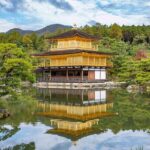
Kinkaku-ji is the Golden Pavilion, a Zen temple tied to Shogun Ashikaga Yoshimitsu. It’s a top Kyoto name for a reason, and a guided visit helps you spend less time orienting and more time actually seeing.
Your time here is about 30 minutes, and admission isn’t included. For many people, that’s enough to take in the main areas and get photos before moving on.
The tradeoff is speed. If you want to linger for atmosphere and multiple photo angles, you may need to negotiate extra time during your custom planning.
Stop 2: Kiyomizu-dera and the wooden stage viewpoint
Next is Kiyomizu-dera, known for its wooden stage that juts out from the main hall about 13 meters above the hillside below. The guide’s job here is more than pointing—it’s helping you navigate the space so you don’t miss the key viewpoints.
Your visit is about 45 minutes, and admission isn’t included. That’s a decent window for a first look, especially since the surrounding area also tends to be active.
A practical tip: decide in advance what you care about most at this stop—views, architecture, photos, or the overall experience—so you can use the time well.
You can also read our reviews of more private tours in Kyoto

Stop 3: Sanneizaka and Ninenzaka preserved streets
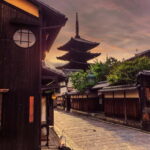
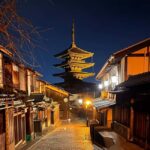
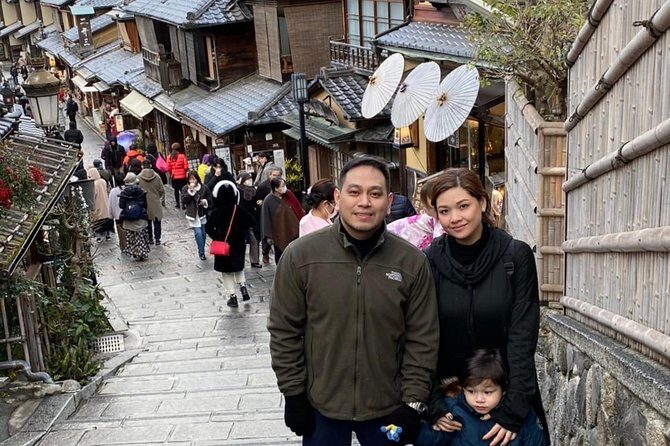
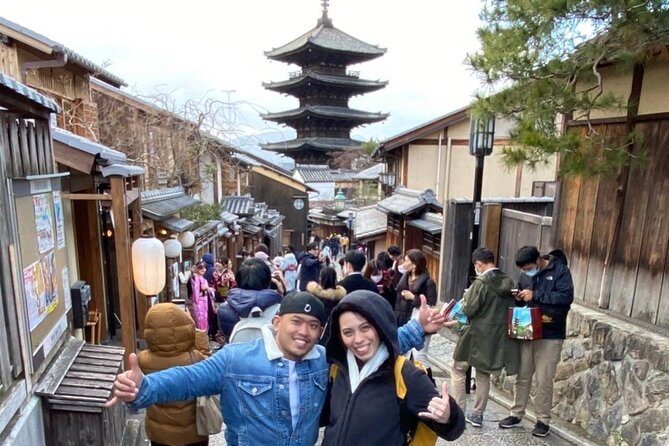
After the big temple moments, you shift into Kyoto’s “old streets” zone at Sanneizaka and Ninenzaka. These are preserved districts, and this stop is free of admission with a 45-minute window.
What I like about this kind of break is it resets your brain. You’re not just collecting temples; you’re seeing how Kyoto feels in the in-between spaces—streets, atmosphere, and traditional neighborhood style.
Because it’s a walking district, expect it to be busy. Keep your eyes up for views and details, but also watch your footing.
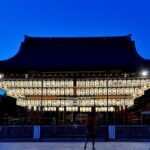
Stop 4: Yasaka Shrine (and why it matters to Gion Matsuri)
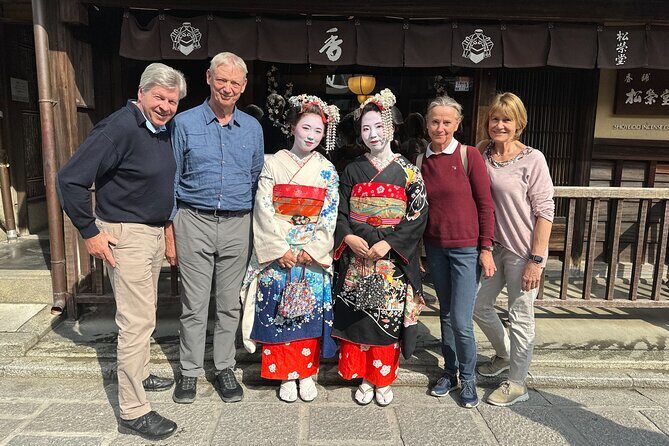
Then it’s Yasaka Shrine, also called the Gion Shrine. It’s known for its role in the Gion Matsuri, celebrated every July, which the tour describes as Japan’s most famous festival.
Your time here is about 30 minutes, and admission isn’t included. Even if you’re not visiting in July, you still get the sense that this shrine is part of a bigger seasonal story.
This is one of those stops where a guide can add value by explaining why the location is so tied to the Gion area. It turns a quick visit into something you remember.
Stop 5: Fushimi Inari-taisha and the “torii everywhere” effect
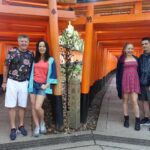
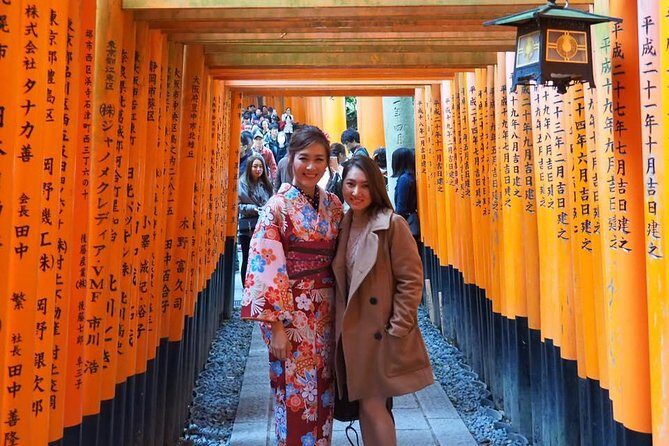
At Fushimi Inari-taisha, you’re in the heart of the torii experience: a network of trails behind the main building filled with thousand vermillion torii gates. This is one of the most visually distinctive Kyoto stops, and your guide helps you move in the right direction quickly.
The time here is only about 15 minutes, but it’s a free stop. With a short window, the goal is to see the key experience without burning your day.
If you want the full torii-walk feeling, you may need to prioritize how much of the trail you want to cover. With only 15 minutes, you’ll likely focus on the main area and move on.
Stop 6: Arashiyama, bamboo forest, and Tenryuji Temple
Arashiyama is a major Kyoto district, and the tour frames it as a place with temples, shrines, and bamboo dating back to the Heian period. You’re given about 1 hour here, and admission isn’t included.
Within that block you’ll visit:
- Bamboo forest
- Tenryuji Temple, described as one of Kyoto’s five Zen temples, founded in 1339
This stop is where the pacing really matters. Bamboo areas and temple grounds can be crowded and slower than expected, even when your scheduled visit is limited. If you have a lot of photo priority, tell your guide before you arrive so they can manage your flow.
Stop 7: Nishiki Market shopping street, aka Kyoto’s kitchen
Then you transition into something more everyday at Nishiki Market. The tour describes it as a narrow, five-block shopping street lined with more than one hundred shops and restaurants, nicknamed Kyoto’s kitchen.
Your time is about 40 minutes, and it’s free. This is a great moment for practical food sampling, browsing, and buying small gifts. Since meals aren’t included on the tour, this stop often helps people handle hunger without derailing the schedule.
I like market time because it adds texture. After temple and shrine intensity, you get Kyoto’s “daily life” side—snacks, stalls, and quick choices.
Stop 8: Gion district, geisha neighborhood vibes
Next is Gion, Kyoto’s famous geisha district. Your visit is about 30 minutes, and it’s free.
This is the part of the day that feels like walking Kyoto’s imagination: narrow lanes, traditional-street character, and the sense of a place that has been watched by history for a very long time.
A guide helps here by pointing out the right lanes and keeping you from wandering into areas that are less interesting for your limited time.
Stop 9: Ginkaku-ji (Silver Pavilion) at Kyoto’s quieter rhythm
Now you head to Ginkaku-ji, the Silver Pavilion. It’s described as being built by Ashikaga Yoshima, the grandson of Yoshimitsu, a few decades after Kinkakuji.
This stop is about 30 minutes, and admission isn’t included. I appreciate that it’s paired with Kinkaku-ji earlier in the day—same Ashikaga family connection, different vibe. It lets you compare without overthinking.
Because the time window is short, aim to enjoy the atmosphere quickly rather than trying to “max out” every single angle.
Stop 10: Sanjusangendo and 1001 Kannon statues
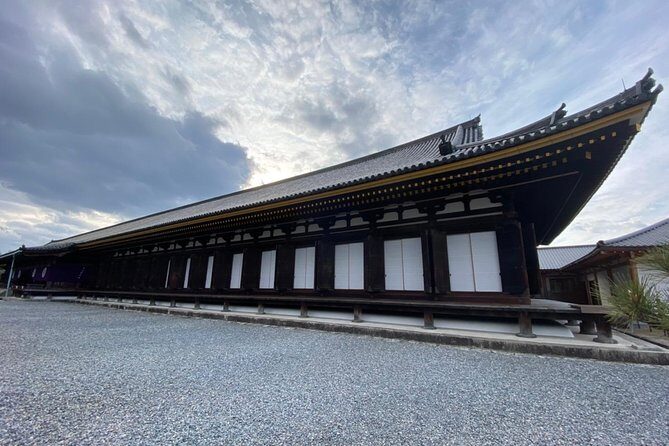
Then comes Sanjusangendo, also known as Rengeo-in. It’s famous for 1001 statues of Kannon, the goddess of mercy.
Your visit is about 30 minutes, and admission isn’t included. This is a different kind of Kyoto experience—less about gates and garden views, more about focused visual impact.
With a short visit, you’ll likely appreciate the scale first and then narrow your attention to the details. A good guide can help you choose where to stand so you get the most striking view efficiently.
Stop 11: Kyoto Imperial Palace and the shift after 1868
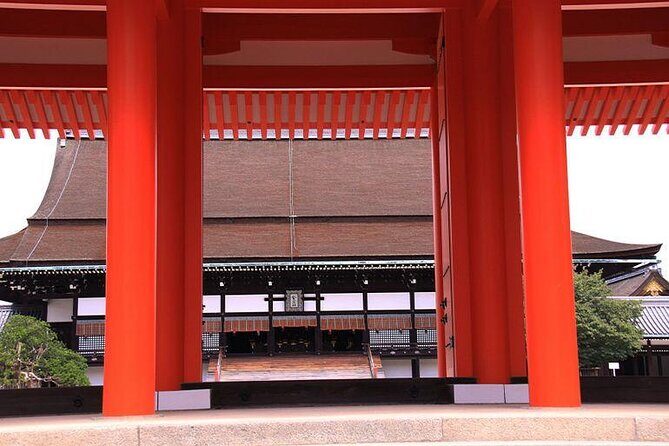
Your route continues to the Kyoto Imperial Palace, described as the former residence of Japan’s Imperial Family until 1868, when the emperor and capital moved to Tokyo.
This stop is about 30 minutes, and it’s free. I like this because it adds a political and cultural layer to the day. You’ve already seen shogun-era connections through Kinkaku-ji; now you see the imperial side.
The only drawback is you won’t get the slow, museum-like pacing. If you want to read everything, shorten shopping or other stops to make this one longer.
Stop 12: Nijo Castle, Tokugawa Ieyasu to Iemitsu
Next is Nijo Castle, built in 1603 as the Kyoto residence of Tokugawa Ieyasu, the first shogun of the Edo Period. The tour notes that Ieyasu’s grandson, Iemitsu, completed the palace buildings 23 years later.
Your time here is about 45 minutes, and admission isn’t included. This is another “time machine” stop, and it helps round out the day from temples into governance and power.
If crowds slow you down, it’s especially helpful to have a guide who can keep you moving efficiently without turning the site into a blur.
Stop 13: Eikando Zenrinji Temple to finish the day
Your final major temple stop is Eikando Zenrinji Temple (Eikandō), part of the Jodo Buddhist tradition. The tour describes it as famous for autumn colors and notes its location just north of the Nanzenji temple complex.
This stop is about 45 minutes, and admission isn’t included. Even outside autumn, the structure and setting are worth it, and finishing with a temple stop gives the day a gentle close.
If you’re feeling temple fatigue, this is where a guide’s pacing choice matters most. Ask for a slower exit if you need it.
How to make your custom route work in real life
Here’s how to get the best day out of a tailor-made walking tour:
- Pick your top 5 must-sees before the tour starts, then rank them in priority order.
- Tell your guide your walking comfort level. If you move slower, ask for fewer stops or longer time at each.
- Think about your “Kyoto ratio”: temples/shrines, street neighborhoods, food time. If food matters, protect time at Nishiki Market.
- Decide if photos are the goal or if understanding the places is the goal. You can’t do both equally everywhere in 8 hours.
Custom planning isn’t magic. It’s still a route through crowded districts. The best experience happens when you communicate early and your guide builds the day around you.
Guide quality can make or break the day (so set yourself up)
The nicest part of this experience is that you’re paired with a travel companion who handles navigation, English explanation, and practical tasks like assisting with tickets and talking to vendors.
When the guide is a strong match, it shows fast: people have mentioned guides like Jinshi, Femin, Rio, Karl, Dalivanh, and Karim as being friendly, patient, and flexible with questions and pacing. That’s exactly what you want on a long walking day.
But one caution from past experiences is that guide quality can vary. There have also been cases where a replacement was arranged because the original guide became unwell. If that happens, you should ask your new guide to quickly confirm your priorities and adjust the day if needed.
My practical advice: at the start, ask three things—what your route flow will be, how long you’ll stay at each stop, and whether your must-sees can be swapped if any site timing gets tight.
Who this tour is best for
This tour fits best if you:
- Want a guided Kyoto day but still like walking and seeing neighborhoods.
- Prefer not to fight with directions or language barriers for every stop.
- Have a small group (up to 5) and want the same plan together.
- Are doing Kyoto as a first-time trip and want a hit list that still has room for streets.
It may not be ideal if you:
- Want a slow, deep dive at one landmark for hours (this day is time-efficient).
- Have strict mobility limits, because it’s an all-walking format.
- Hate paying extra for entrance fees and prefer fully bundled pricing.
Should you book this private Kyoto walking tour?
If you want Kyoto without the map stress, this is a good booking to consider. The custom route idea and the guide-handled navigation and ticket help are where the value lives, especially for people who want to maximize a single day.
Book it if your group likes seeing multiple top sites in one shot and you’re comfortable with short, focused visits. Skip or rethink it if you need long stays at fewer places or you’d rather self-guide and pay less upfront.
FAQ
How long is the Kyoto walking tour?
It runs for about 8 hours (approx.).
What is the price?
It’s $265.82 per group, for up to 5 people.
Is this a private tour?
Yes. It’s private, and only your group participates.
Does the tour include pickup?
Pickup is offered.
Are entrance fees included?
No. Entrance tickets are not included.
Are meals included?
No. Meals are not included.
Do I get a mobile ticket?
Yes. A mobile ticket is included.
Is private transportation included?
No. Private transportation is not included.
What are the tour hours?
It operates Monday through Sunday from 6:00 AM to 10:00 PM (within the listed date range).
Is it refundable if I cancel?
No. This experience is non-refundable and cannot be changed for any reason.