REVIEW · DRINKING TOURS
Private Nishiki Market Food & Sake Tour by Young Local Guides
Book on Viator →Operated by Kansai Local Night · Bookable on Viator
Kyoto tastes best when you follow the people who eat here. This private Nishiki Market food and sake tour starts at Nishiki Tenmangu (the god of learning) and then moves into the market for guided bites and a Kyoto sake stop. You’ll finish with time to pick up foodie souvenirs like matcha snacks and small bottles.
I especially like the way the tour mixes food with local context. The shrine intro includes a short purification ritual, which sets a respectful tone before you hit the stalls.
One possible drawback: the site explanation can feel brief depending on your guide’s experience. In one review, the guide was very nice but still new, so if you want deeper detail on the shrine, bring your curiosity and ask questions early.
In This Review
- Key highlights at a glance
- Nishiki Tenmangu: Starting with the god of learning
- A private 2-hour market walk that actually feels doable
- Street-food tastings at Nishiki: what you’ll actually eat
- Kyoto pickles, yuba, and dashimaki: why these foods matter
- The sake stop: tasting Kyoto, not guessing flavors
- Shopping for matcha gifts and small sake bottles at the end
- How to get the most from a private guide like Hiyori
- Price and value: why $6.53 can still be a smart deal
- Who should book this Nishiki Market food and sake tour
- Should you book this tour?
- FAQ
- How long is the private Nishiki Market food and sake tour?
- Where does the tour start?
- Is this tour private?
- What’s included in the tour price?
- Are alcoholic beverages included?
- Do you offer vegetarian or vegan options?
- What kinds of food will I sample?
- Will I have time to shop for souvenirs?
- Does this experience use a mobile ticket?
- Is there free cancellation?
- Is the meeting point near public transportation?
Key highlights at a glance
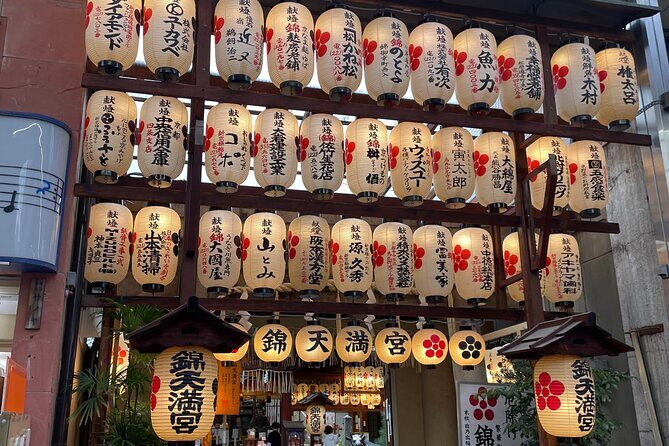
- Nishiki Tenmangu start point: A small shrine tucked into the market area, tied to success in study and business
- Private, student-guided pacing: A focused 2-hour walk designed for tasting and learning without long lines
- Food variety with dietary options: Grilled seafood, yuba, dashimaki tamago, Kyoto pickles, plus sweets and matcha
- Kyoto-made sake tasting: Learn the range from crisp and dry to fruity and smooth
- Photo service included: You can get help capturing the market moments
- Time to shop gifts at the end: Matcha snacks, condiments, and small sake bottles
Nishiki Tenmangu: Starting with the god of learning
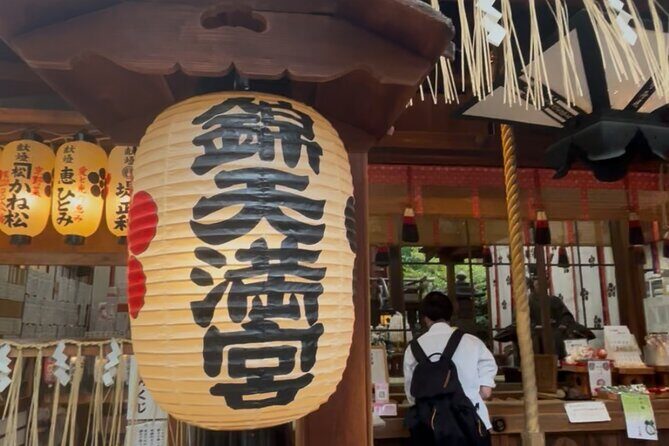
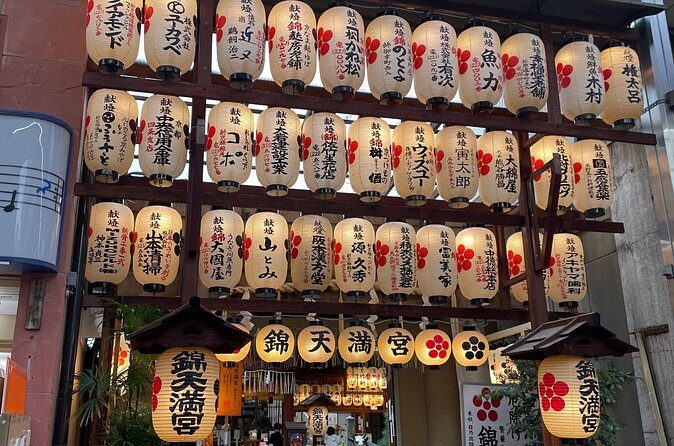
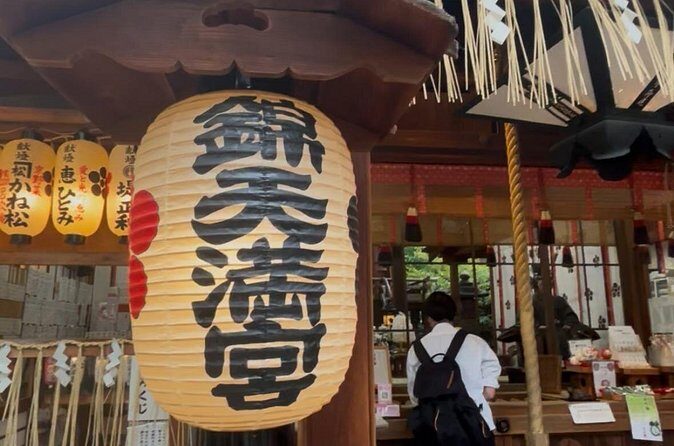
Most market tours jump straight into snacks. This one begins at Nishiki Tenmangu, a small shrine at the entrance of Nishiki Market dedicated to the god of learning. People visit to pray for success in study or business, which is a surprisingly good framing for a food trip. It nudges you to slow down for a moment and treat the market like more than just a photo stop.
You’ll also get a brief introduction and a short purification ritual before heading into the streets. Even if you don’t catch every word, I like the practical result: it helps you get your bearings fast, and it gives you a smoother entry into the crowd without feeling like you’re barging into someone’s daily routine.
The shrine is free to enter, and the stop is short (about 10 minutes). That’s a plus if you only have a couple of hours and want your time to stay anchored to food. The only caution is that if you’re hoping for a long, story-heavy shrine lecture, the tour is built to keep things moving.
You can also read our reviews of more food & drink experiences in Kyoto
A private 2-hour market walk that actually feels doable
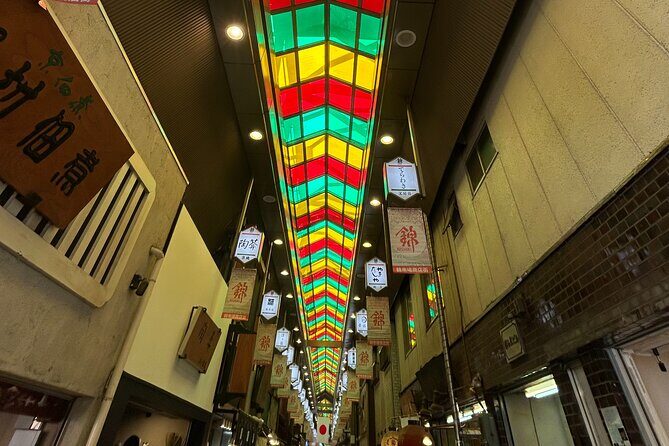
The whole experience runs about 2 hours. That matters at Nishiki Market, where it’s easy to burn time doing nothing but standing in place. A private format (only your group) helps a lot because you’re not trying to keep pace with strangers while you decide what to taste next.
Your guide is from a local student team, which is great for learning how people think about food right now, not just how it was described in guidebooks years ago. One review specifically praised Hiyori for sharing local trends and making the market feel understandable, not overwhelming.
There’s also a photography service included, which I consider a real value-add in a market like this. Stalls are busy, angles are tricky, and your hands are full. Having a guide help with photos means you can focus on eating instead of constantly swapping items in your pockets.
If you’re the type who enjoys asking questions as you go, this format works well. If you prefer slow, deep history lectures, you may feel slightly limited by the time structure.
Street-food tastings at Nishiki: what you’ll actually eat
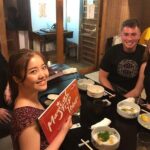
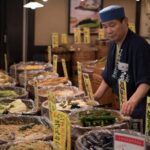
This is first and foremost a food tour, so the heart of it is your guided stroll and tastings through Nishiki Market. You’ll get a mix of hot-and-ready classics and Kyoto specialties, with vegetarian and vegan options available. That’s important here because Nishiki can skew meat- and seafood-heavy. With a guide, you’re more likely to find options that make sense rather than just avoiding everything.
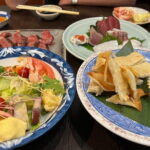
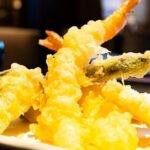
Expect savory bites such as grilled seafood, seared scallops, and even sashimi from local vendors. There’s also yuba (tofu skin), dashimaki tamago (rolled omelet), and Kyoto-style pickles. If you like contrast—crunch vs. creamy, salty vs. tangy—this lineup is built for it.
One detail I appreciate: Kyoto pickles tend to taste different from generic pickles you’ve had at home. They’re often sharper and more nuanced, so pairing them with other bites can make the flavors feel clearer, not muddled.
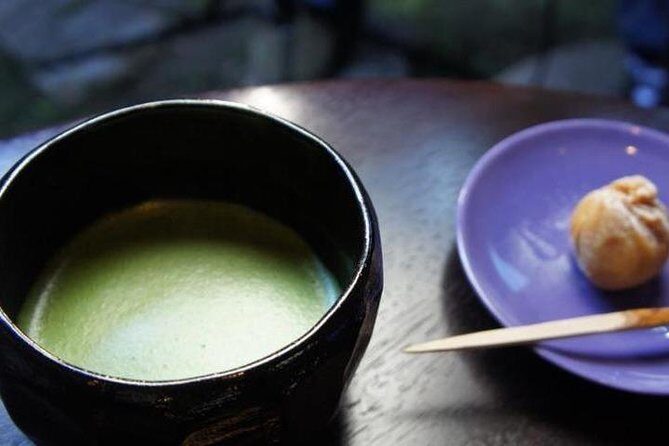
Then comes the sweet part, which is where many first-timers underestimate Nishiki. You can enjoy wagashi (traditional Japanese sweets), mochi, and matcha desserts such as parfaits or matcha ice cream made with Kyoto-grown green tea.
If you’re watching sugar intake, pace yourself. The market moves fast, and it’s easy to say yes to everything. You can still have fun without making your dessert stop your final stop—ask your guide what tastes best right now versus what’s worth saving for later shopping.
Kyoto pickles, yuba, and dashimaki: why these foods matter
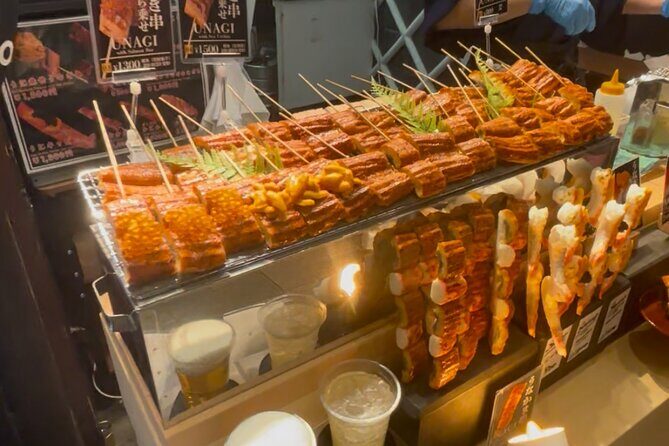
Some markets feel like a random sampling of whatever looks good. This one leans toward items that tell you something about Kyoto’s food culture. Yuba is a great example. It’s not just a novelty—it connects you to Kyoto’s long relationship with tofu and vegetarian-friendly cuisine. Even if you’re not vegetarian, it’s worth trying because it’s lighter than many fried snacks and has a delicate texture.
Dashimaki tamago is another helpful anchor. It’s a rolled omelet flavored with dashi, so you get umami without needing a heavy sauce. It’s also a good “baseline” bite: after trying grilled seafood, yuba, and pickles, you’ll notice how different textures can still feel harmonious.
And Kyoto pickles are a practical lesson in how the city uses acidity and crunch to balance richer foods. If you’ve ever wondered why Japanese meals often include small pickles or pickled sides, this tour gives you a focused way to taste the idea, not just read about it.
The sake stop: tasting Kyoto, not guessing flavors
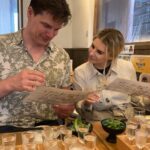
After the food stretch, you’ll visit a local sake shop for a tasting of Kyoto-made sake. This is where the tour shifts from eating to understanding what you’re drinking and why.
You’ll sample a variety of styles, from crisp and dry to fruity and smooth. That range is useful because it breaks the common assumption that all sake tastes the same. You’ll learn to describe differences beyond just “good” or “strong,” and that helps when you’re deciding what to buy later as a souvenir.
There’s an important practical note: alcohol isn’t listed as included. So even though you’ll be tasting sake as part of the experience, plan for the fact you may pay for alcoholic beverages at the shop. If you want to keep spending predictable, tell your guide you’re budget-conscious and ask how tasting works there.
You can also read our reviews of more tours and experiences in Kyoto

Shopping for matcha gifts and small sake bottles at the end
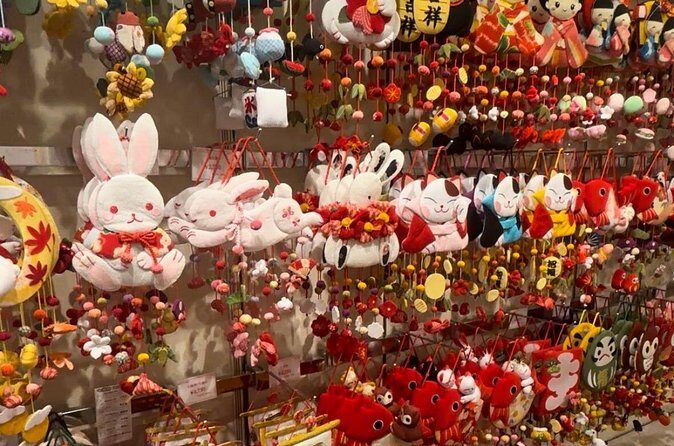
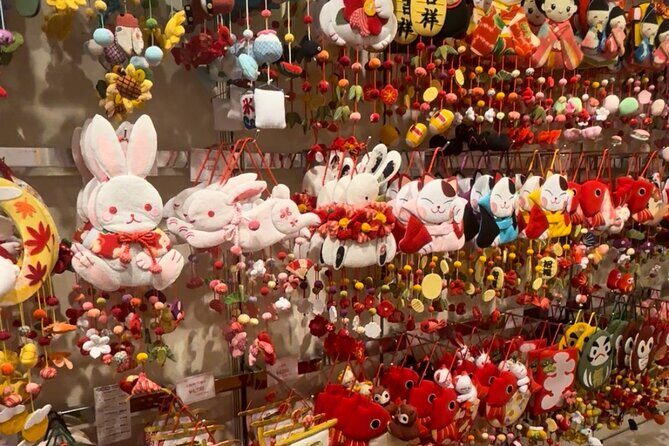
The tour ends with time to shop for foodie souvenirs. This is not just a vague “wandering time” block. It’s targeted for gifts you’ll actually want to carry home, like matcha snacks, condiments, and small sake bottles.
I like this approach because Nishiki Market is full of edible temptations, but not all of them travel well. By saving shopping until after you’ve tasted the market, you’re more likely to buy what you already know you like. It also reduces decision fatigue while you’re hungry.
One small tip from real-world experience: have cash on hand. One review specifically recommended bringing cash because some vendors may prefer it. Even if you can pay by card at some stalls, cash can save you from last-minute stress—especially when you’re buying small items like snacks and condiments.
How to get the most from a private guide like Hiyori
A good private guide can make a market feel organized. In one standout review, Hiyori was praised for sharing market knowledge and local trends, along with genuinely good bites. That’s the style you want: the guide isn’t just pointing. They’re helping you make smart choices quickly.
Still, there’s a tradeoff. Another review mentioned that the guide felt new and would have liked more information about the shrine. This doesn’t mean the tour is bad—it just means you might need to steer the conversation a bit if you want deeper explanations.
Here’s how you can help it go your way:
- Ask what to try first at each stop, not what to try later.
- If shrine context matters to you, ask a question immediately during the Nishiki Tenmangu intro.
- Mention any dietary needs up front, so your guide can steer you to vegetarian/vegan-friendly stalls without slowing everyone down.
Price and value: why $6.53 can still be a smart deal
At $6.53 per person, this tour price is strikingly low. The reason it can still make sense is that you’re paying for two things that cost real money in a market setting: guided routing through Nishiki Market and a structured tasting sequence over about 2 hours.
Also, you’re not paying for a full restaurant meal. This is built around sampling, plus a photo service. That means your cost can be controlled even if you end up spending additional money on sake or souvenirs.
The big value tradeoff to understand is what’s not included: alcoholic beverages and lunch. So you’re likely to pay separately if you drink more than the tasting pace. If you’re expecting a full meal and unlimited alcohol, the price won’t match that expectation. But if you want a guided taste-and-learn format in a compact window, it’s a good match for the money.
Who should book this Nishiki Market food and sake tour
This tour fits best if you want:
- A fast but guided introduction to Nishiki Market
- A mix of savory bites and sweets, including Kyoto pickles, yuba, and matcha desserts
- A chance to taste Kyoto-made sake with some flavor guidance
- A private experience rather than squeezing through crowds with strangers
- Dietary flexibility, since vegetarian and vegan options are available
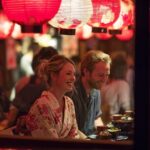
It’s a solid choice for first-timers in Kyoto who feel overwhelmed by the market. It also works well for couples, since private tours make it easier to talk, taste, and take photos without splitting up.
Where it may not fit: if you’re a history-first traveler who wants long cultural explanations and very detailed shrine background. The tour is built for food and tastings in a short time block, so the depth you get depends partly on your guide.
Should you book this tour?
Yes, if your goal is simple: taste your way through Nishiki Market with less guessing and more direction. Starting at Nishiki Tenmangu adds a meaningful pause and gives you a reason to pay attention before the snack sprint. Then you get a practical selection of Kyoto staples—yuba, dashimaki tamago, Kyoto pickles, and matcha sweets—plus a sake tasting that helps you understand what you’re buying.
I’d book it especially if you like the idea of a private guide and you’re open to sampling a few different things rather than hunting one perfect item. Just remember to plan for extra spending on alcoholic beverages and to bring some cash for vendors.
FAQ
How long is the private Nishiki Market food and sake tour?
It runs about 2 hours.
Where does the tour start?
The tour starts at 537 Nakanochō, Nakagyo Ward, Kyoto 604-8042, Japan.
Is this tour private?
Yes. It’s a private tour/activity, so only your group participates.
What’s included in the tour price?
Photography service is included.
Are alcoholic beverages included?
No. Alcoholic beverages are not included.
Do you offer vegetarian or vegan options?
Yes, vegetarian and vegan options are available.
What kinds of food will I sample?
You’ll sample items such as grilled seafood, yuba (tofu skin), dashimaki tamago (rolled omelet), Kyoto pickles, wagashi, mochi, and matcha desserts.
Will I have time to shop for souvenirs?
Yes. The tour ends with time to shop for foodie souvenirs like matcha snacks, condiments, and small sake bottles.
Does this experience use a mobile ticket?
Yes. It includes a mobile ticket.
Is there free cancellation?
Yes. You can cancel for a full refund up to 24 hours in advance.
Is the meeting point near public transportation?
Yes, the meeting point is near public transportation.