REVIEW · ARASHIYAMA TOURS
Osaka/Kyoto: Arashiyama, Nara & Fushimi Inari Shrine w/Lunch
Book on GetYourGuide →Operated by VIP Japan Tour · Bookable on GetYourGuide
Bamboo, deer, and torii in one day. This packed outing strings together Arashiyama Bamboo Forest, Nara Park, and Fushimi Inari Taisha so you can tick off Kyoto-area icons without figuring out transfers between stops. I especially like the included lunch in a centuries-old townhouse with Kobe shabu-shabu (or pork shabu-shabu and vegetarian curry), and I love how the guide helps you make sense of what you’re seeing—down to practical moves like where to aim for photos. One thing to plan for: the day runs on schedule, so some stops (especially Fushimi Inari) can feel rushed if you want to wander slowly.
The best part of this kind of tour is the “people” factor. On this route, guides such as Gary, Nick, and Mike get praised for keeping the pace fun, handling questions, and even managing heat with fans or cooling wipes during hot weather. The main downside is simply time and crowds: Fushimi Inari is packed, and the walking rhythm is not built for long, unhurried detours. Still, if you want a smooth, guided highlight reel with a great meal at the center of it, this is a strong value at $61.
In This Review
- Key Things That Make This Tour Worth Your Time
- How The Osaka/Kyoto Day Trip Runs (and why it can feel fast)
- Arashiyama Bamboo Forest: the quiet photo walk you’ll remember
- Lunch at Kyoto Wasabi: Kobe shabu-shabu in a 120+ year Kyo-machiya
- Nara Park deer and Todai-ji: cute chaos with a serious side
- Fushimi Inari: the torii tunnel plan for a crowded red climb
- Price and value: what $61 gets you (and where it saves time)
- Who This Tour Fits Best (and who should think twice)
- Tips to Make the Day Smoother (so you don’t lose time)
- Should You Book This Tour?
- FAQ
- How long is the tour?
- What’s included in the price?
- Is Todai-ji Temple entrance included?
- Where does the tour start and end?
- Is hotel pickup or drop-off included?
- What language is the guide?
- Are there any rules for Nara Park deer?
- What if the weather is extreme?
Key Things That Make This Tour Worth Your Time
- Arashiyama Bamboo Forest: a slow-feeling walk in a place that looks unreal on photos.
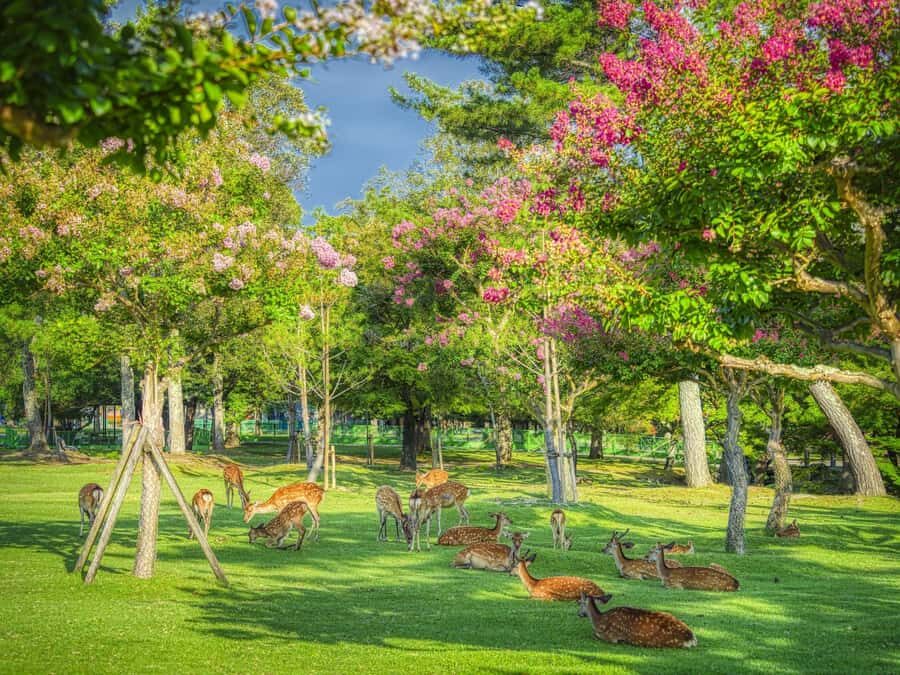
- Nara Park deer time: a quick, memorable encounter—just keep your distance.
- Lunch in a 100-year-old Kyo-machiya townhouse with Kobe shabu-shabu and other options.
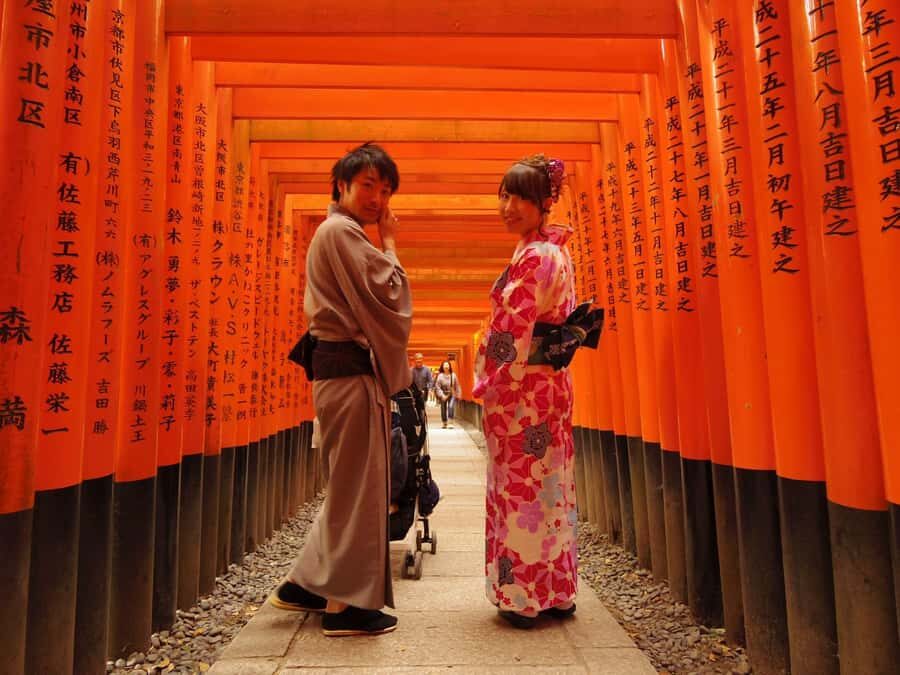
- Fushimi Inari’s 1,000 red torii: a stair-and-path climb with shrines along the way.
- AC bus logistics: you’re riding in comfort for the long day, not standing around between sites.
How The Osaka/Kyoto Day Trip Runs (and why it can feel fast)
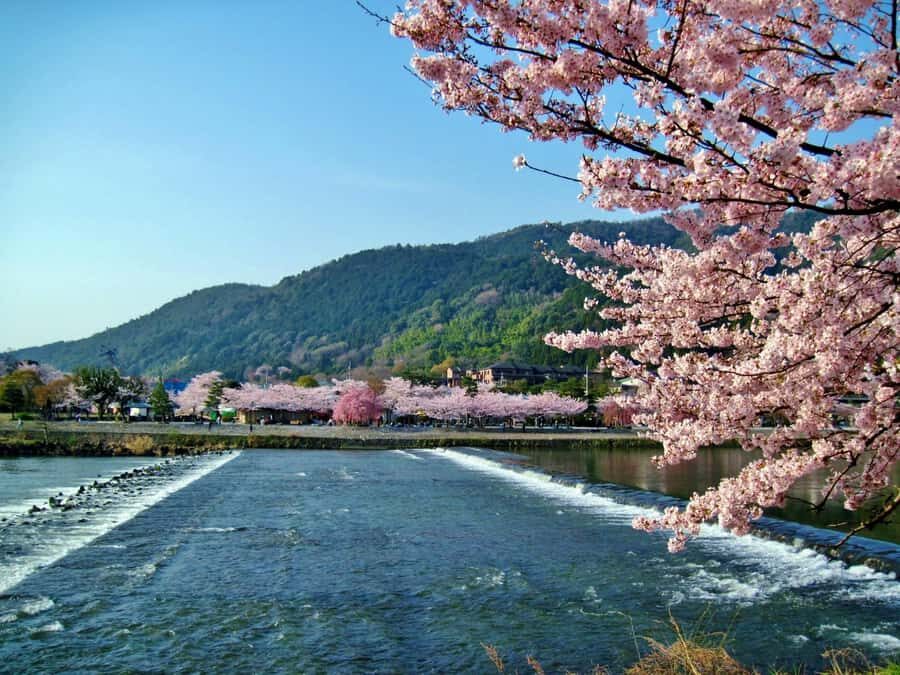
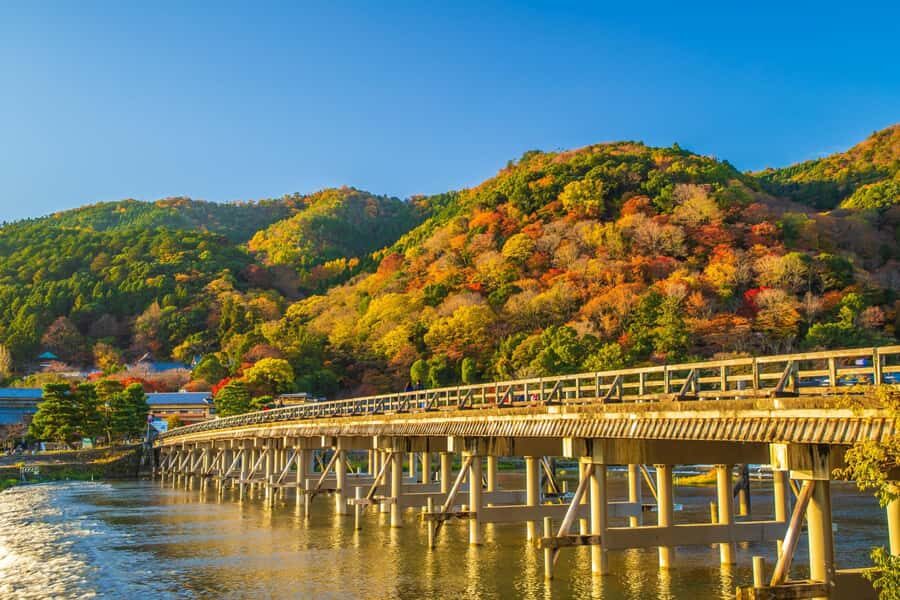
Your day starts from a designated meeting point that can vary by option—either the Osaka side (Osaka Villa Namba) or Kyoto side (Kyoto VIP Lounge). From there, you head out by bus to Kyoto’s Arashiyama area first, then on to Nara Park, and finally Fushimi Inari Shrine. The tour is about 9 hours, but traffic and crowd timing can shift the day a bit, and extra stops can be added to cover the sights.
This is a highlight itinerary, not a “live like locals for a week” setup. That’s why the schedule works: you see three big-ticket sites in one go, and you don’t burn time figuring out trains or buses between them. The trade-off is that you’ll likely feel a gentle time squeeze at the most popular places—especially if you’re the type who wants to linger at every side shrine or take a lot of photos from multiple angles.
Also note the format at each stop. The guide typically gives a rundown and instructions, but once you’re off the bus, you mostly roam on your own until it’s time to regroup. If you’re traveling with kids, this can still work well, but you’ll want to set a clear “meet back here” plan in advance.
You can also read our reviews of more tours and experiences in Kyoto


Arashiyama Bamboo Forest: the quiet photo walk you’ll remember
Arashiyama Bamboo Forest is one of those places that looks staged—except it’s not. You walk under tall bamboo stalks where the leaves and stalks sway in a way that makes the whole scene feel calmer than the rest of the day. Even if you’ve seen bamboo photos online, being there in person changes the scale. You’ll want to pause at the classic bamboo backdrop spots for pictures, because that framing is part of what people come for.
What I like about starting here: it’s a reset. If you’re coming from a bus ride and a morning of transit, this stop gives you a “downshift” early. It also tends to be a good place to get your bearings and your walking rhythm before the day gets heavier with crowds.
The one caution is simple: bamboo forests don’t stay quiet forever. Timing and foot traffic matter, so don’t spend too long trying to find the perfect shot if you’re also trying to hit later sites with energy left.
Lunch at Kyoto Wasabi: Kobe shabu-shabu in a 120+ year Kyo-machiya
After bamboo, you land at lunch inside a traditional Kyoto townhouse setting called Kyoto Wasabi. This is a big part of the tour’s value because lunch isn’t just included—it’s a real sit-down meal with choices. One reason this works for your budget: you’re paying for a tour day, and the most expensive-feeling meal option is built in.
The menu options you can choose from include:
- Kobe beef shabu-shabu (thin wagyu slices, cooked in broth right in front of you)
- Kyoto pork shabu-shabu (tender pork and tofu in a flavorful broth)
- Vegetarian curry rice (a lighter, comforting option)
And if you want to add something on the day, Kobe beef aburi sushi may be available for on-site ordering. That’s optional, so it won’t derail your day.
What I love in a tour meal like this is the pacing. Shabu-shabu is interactive but still straightforward: you eat warm food while the day’s getting crowded. You also get a proper break so the afternoon doesn’t feel like nonstop walking and sightseeing. If you’re sensitive to heat or you just need a moment to cool down, this lunch stop does the job.
Nara Park deer and Todai-ji: cute chaos with a serious side
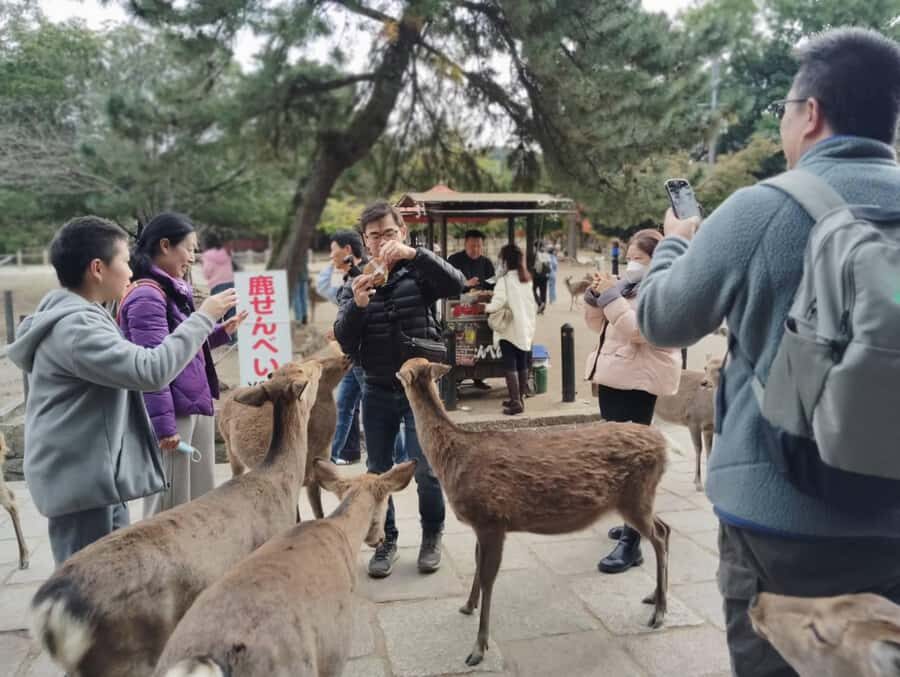
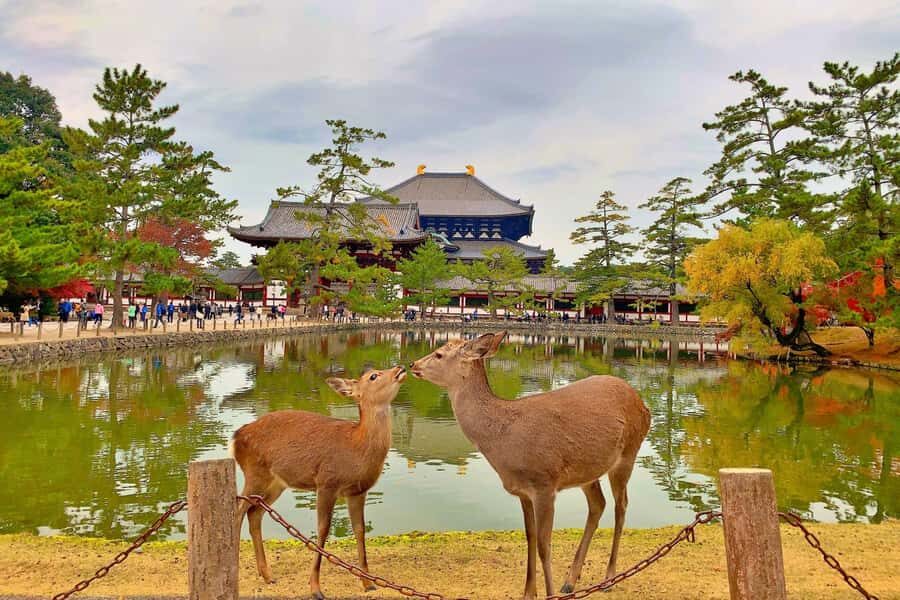
Nara Park is famous for one thing you can’t fake: deer. You’ll have time to interact from close range, and the vibe is playful—until you remember they’re wild animals. The practical rule is to don’t disturb them, and skip any risky behavior. If you’re tempted to feed or bargain with them, keep it simple and stay safe.
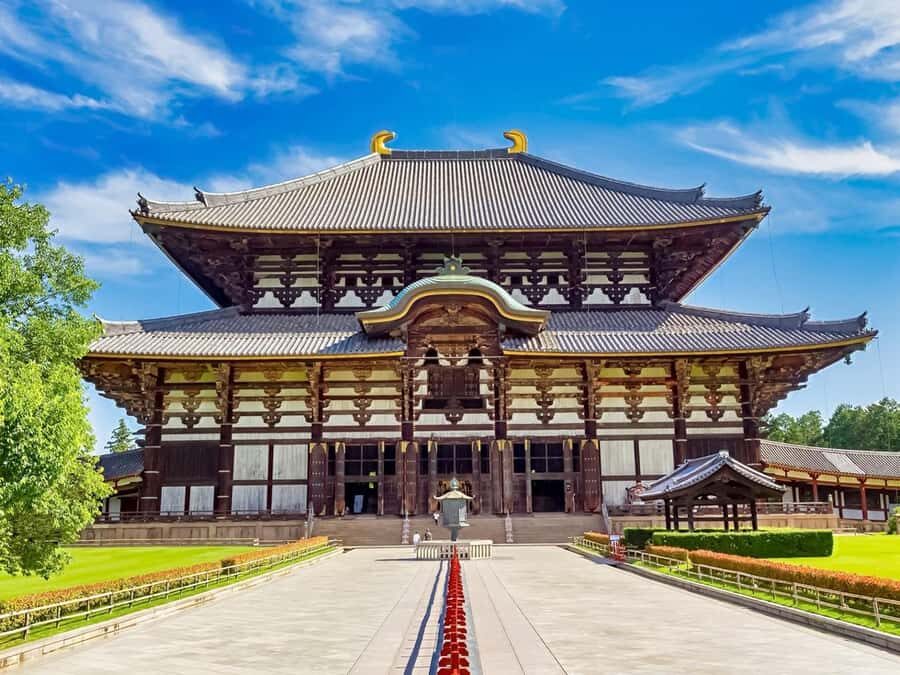
Nara also adds a major historical anchor: Todai-ji Temple. This includes the Todai-ji area and its famous Great Buddha statue, described as a world’s largest wooden structure and another UNESCO World Heritage site. The statue is 15 meters tall, which is one of those facts that doesn’t prepare you for the scale until you’re looking up at it.
One key consideration: the temple entrance fee to Todai-ji is optional and not included. That means you should decide early whether you want that extra time inside. If you’re short on energy, you can still enjoy the park atmosphere and the deer time, but Todai-ji is the “big finish” that many people don’t want to miss.
Fushimi Inari: the torii tunnel plan for a crowded red climb
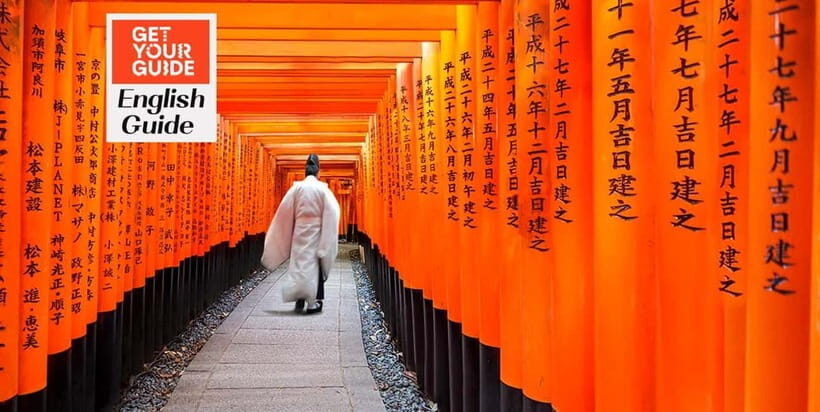
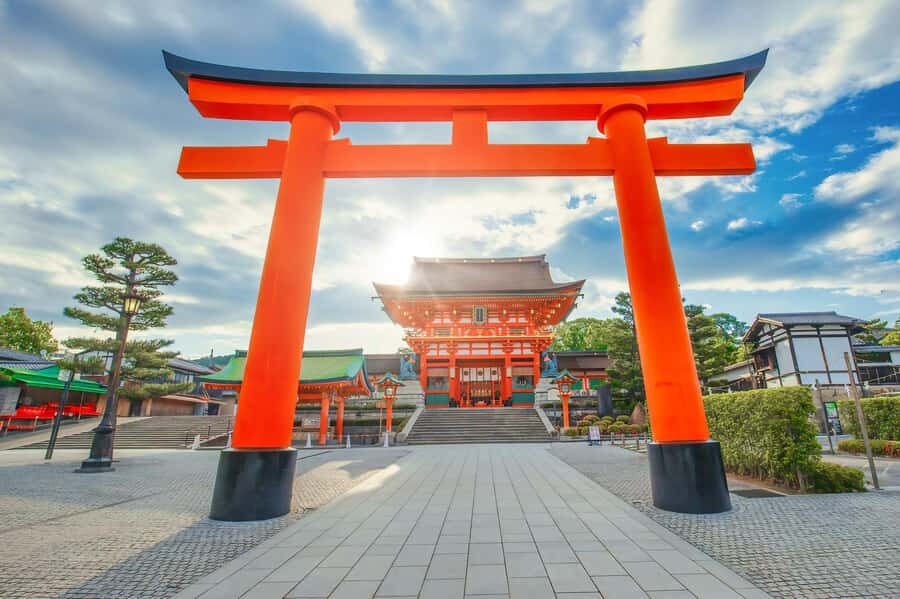
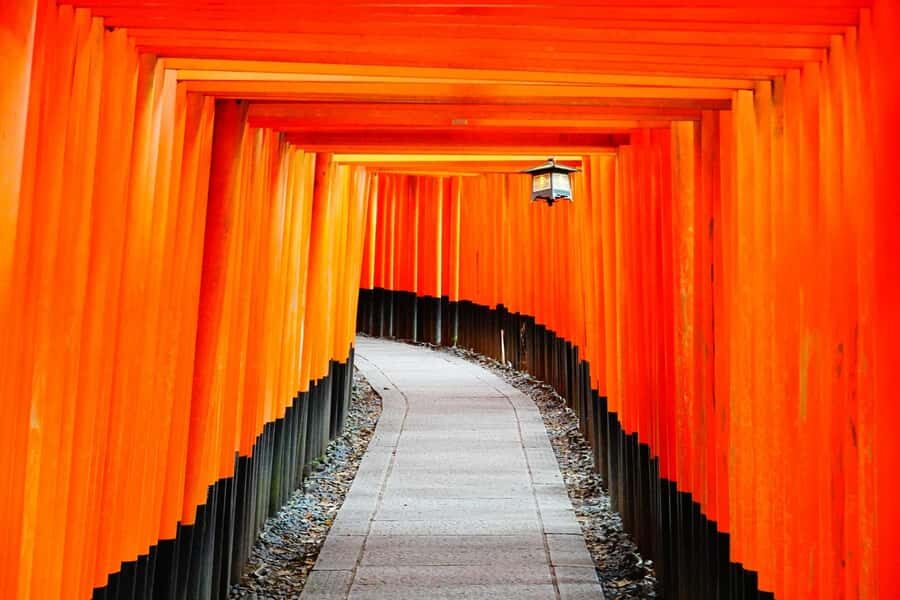
Then comes Fushimi Inari Taisha, the shrine with the famous 1,000 vermilion torii gates. This is the star stop for many people, and it’s easy to see why. As you climb the path, you move through a tunnel-like sequence of red gates, then past a chain of smaller shrines honoring Inari Okami—associated with prosperity in business, household safety, and success.
Here’s the practical truth: you’re going to feel the crowds. Even if you love the atmosphere, Fushimi Inari is not a quiet stroll. Bus parking can be a bit of a distance from the entrance, and the route can slow down when foot traffic bunches up. So, I’d go in with a simple goal: pick one or two “must-see” points for photos and don’t try to hit every possible side turn.
You might hear guidance from the bus about how to interact with the shrine in a respectful way. Some guides have helped with the steps for blessings at the shrine, which is useful if you want to participate without guessing. If you just want photos and atmosphere, you can do that too—the place is designed for both prayer and sightseeing.
If you’re sensitive to pacing, keep an eye on how much time you get at the final stop. Some people report it can feel tight, especially at the end of a long day. The good news is you still get the “Fushimi feeling” even if you don’t climb to every far point.






Price and value: what $61 gets you (and where it saves time)
At $61 per person, this tour is priced to be practical rather than fancy. You’re paying for:
- An English- or Chinese-speaking guide
- Air-conditioned vehicle (important for long hours in warmer months)
- Lunch included
- All taxes, fees, and handling charges
The big value lever is the lunch. A Kobe beef shabu-shabu meal isn’t a casual add-on—it’s usually the kind of cost people pay separately. Because it’s included here, you don’t need to build your own budget for the “proper Kyoto lunch” experience. You also avoid the time and mental effort of arranging transportation between the Arashiyama–Nara–Fushimi triangle yourself.
What you should not expect: unlimited time at every site. This tour is a packed highlight route designed to move efficiently. If you love slow travel and prefer deep, long visits, you might find certain stops too short.
That said, if you’re here for a first time in the Kyoto area, want iconic sights without logistics stress, and you’re hungry enough to enjoy a standout lunch, the math tends to work out.
Who This Tour Fits Best (and who should think twice)
This is a great fit if:
- You want Arashiyama + Nara + Fushimi Inari in one day
- You’d rather spend your energy walking in Japan than planning transfers
- You want a guided explanation so the shrines and temples feel more than just photo backdrops
- You’re happy with a “guide sets the direction, you explore on your own” style
It may be less ideal if:
- You want lots of unstructured time at Fushimi Inari or Todai-ji
- You hate crowds and prefer quiet mornings
- You’re the type who needs long seated meal time and extra downtime between stops
If you’re traveling with kids, it can still work, since the bus keeps everyone together and the tour is structured. Just remember that the schedule matters; you’ll want everyone to be ready to move when it’s time.
Tips to Make the Day Smoother (so you don’t lose time)
1) Show up early to the right meeting point. The bus departs promptly, and arriving late or at the wrong location can mean you miss the tour with no refund.
2) Bring a plan for photos. At bamboo and torii gates, there are famous angles, but you don’t want to get stuck searching while time slips away.
3) Be respectful with deer. They’re wild animals—don’t disturb them, and avoid risky “feeding” behavior.
4) Expect self-guided roaming at each stop. The guide gives context and timing on the bus, then you’re on your own until the regroup time.
5) Dress for heat. Some guides have provided cooling wipes and helped people refill water bottles during hot days, but you should still come prepared.
6) Optional Todai-ji fee check. If you care about the temple interior and Great Buddha experience, decide ahead of time so you don’t waste mental energy when you get there.
Should You Book This Tour?
If your goal is to see the Kyoto-region headline sights in one managed day—plus enjoy a real lunch with Kobe beef options—this is an easy yes. The included meal in a traditional townhouse is a standout value move, and the guide support helps you get more meaning out of each location than a pure “walk around and hope” day.
I’d skip it if you’re craving slow pacing and deep time. Fushimi Inari and Todai-ji can take longer than you think, and the day is built to finish on schedule. But for most first-timers, this tour is a practical shortcut to the highlights, with enough structure to keep you from wasting hours in transit.
FAQ
How long is the tour?
The tour is approximately 9 hours, but it may vary due to traffic or unforeseen conditions.
What’s included in the price?
Lunch, an English- or Chinese-speaking guide, an air-conditioned vehicle, and all taxes, fees, and handling charges are included.
Is Todai-ji Temple entrance included?
No. The entrance fee to Todai-ji temple is optional and not included.
Where does the tour start and end?
The meeting point varies depending on the option booked, and the tour ends back at the meeting point. There’s also an option to disembark at either Kyoto or Osaka on the return.
Is hotel pickup or drop-off included?
No. Hotel pickup and drop-off are not included.
What language is the guide?
The guide provides commentary in English or Chinese, and depending on group size it may be in both.
Are there any rules for Nara Park deer?
Yes. The deer are wild animals, so you should not disturb them.
What if the weather is extreme?
If the tour is canceled due to extreme weather or a natural disaster, you’ll receive a full refund.