REVIEW · NINJA EXPERIENCES
Kyoto: Ninja Weapon Forging Experience
Book on GetYourGuide →Operated by Kendo Experience · Bookable on GetYourGuide
Steel, fire, and a ninja souvenir in Kyoto. You get hands-on blacksmithing with real steel, plus a full craft process that ends with kanji that feels personal. It’s also right near Hieizanguchi Station, so you’re not wasting half a day getting there.
I especially love the fact that the studio builds the experience around the real work: the 800°C furnace moment where you hammer heated metal into shape. I also like that the final stages are not just decoration. You get to refine the weapon, choose a character for kanji engraving, then finish it with blackening and polish for a dramatic look.
One consideration: some weapon choices cost extra (like the kunai option), and taking your forged piece home requires care on flights since it can only go in checked luggage. It’s easy once you know that, but it matters.
In This Review
- Key Things That Make This Class Worth Your Time
- Entering The Studio: Samue, Tenugui, and a Craft Mindset
- Picking Your Weapon: Shuriken Options vs Kunai (And the Extra Cost)
- The 800°C Moment: Forging Real Steel Like You Mean It
- Shaping and Finishing: Belt Sander, Precision Lines, and Real Craft Details
- Kanji Engraving and the Ninja Knowledge Session That Adds Meaning
- The Blackening and Polish: Getting That Ninja-Like Finish (Without Guesswork)
- Price and Value: What $148 Buys You in Real Work Time
- Practical Tips: Cameras, Custom Sharpness, and Flying Home
- Who Should Book This Kyoto Ninja Forging Class
- Should You Book It?
- FAQ
- How long is the Kyoto ninja weapon forging experience?
- What weapons can I make?
- Is there an extra cost for making a kunai?
- What’s included in the price?
- Do they teach in English?
- Where is the meeting point?
- Can I take photos and videos during the class?
- Can I bring the weapon back on my flight?
- Do they sell replica swords?
Key Things That Make This Class Worth Your Time
- Suit up in samue and a tenugui, so you start the lesson in the right mindset
- Forge with real steel and work through the same steps artisans use
- Choose shuriken or kunai (kunai has a ¥3,000 additional fee)
- Add your own kanji and get a finish that includes blackening to resist rust
- Take home a finished piece in a box, with time to film and photograph
Entering The Studio: Samue, Tenugui, and a Craft Mindset
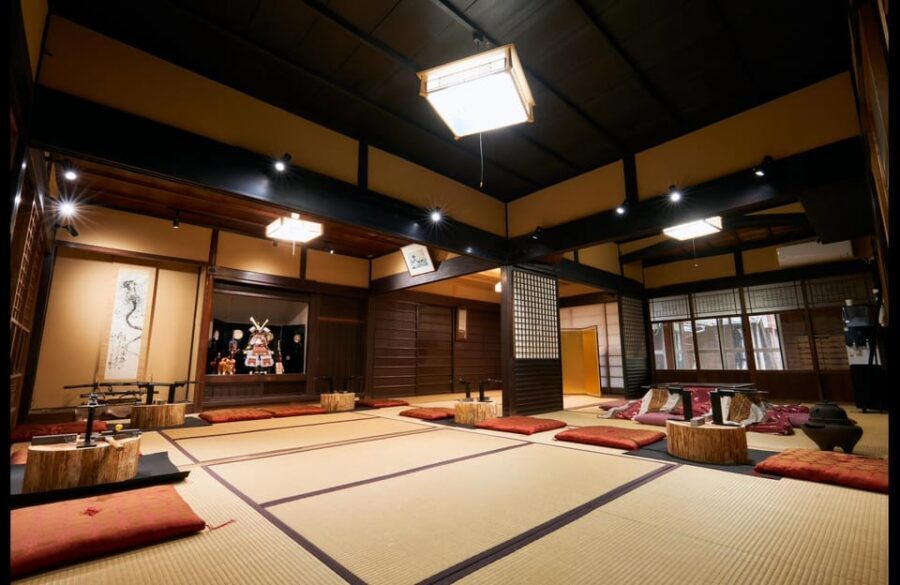
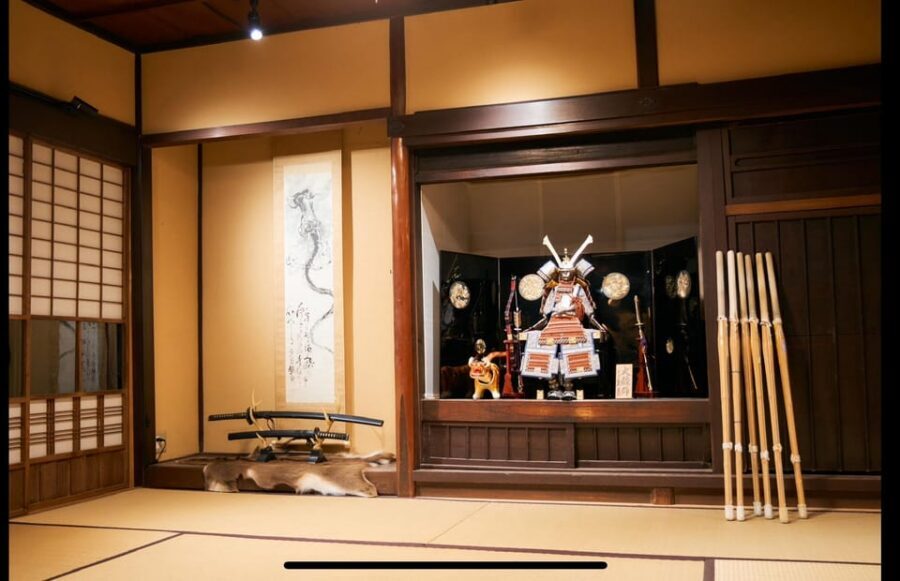
This is one of those Kyoto experiences where the room is doing half the work for you. Before you touch anything, you change into samue, the traditional work clothing blacksmiths wear, and wrap a tenugui around your head. The goal is simple: you stop acting like a tourist with a camera and start acting like a student with a task.
The meet-up spot is easy to find: it’s a 1-minute walk from Hieizanguchi Station. Go up the hill where you’ll see a red postbox in front of the station. From there, you’re in a craft-focused space instead of a big storefront. That matters because the lesson flows like training, not like a quick demo.
The studio runs in English, and the teaching team includes instructors with names you’ll hear during the process—Taka shows up in multiple accounts as energetic and guiding, with Mits as a host in at least one group, Ako giving extra help, and Yok standing out during engraving. You can expect clear instruction and plenty of hand-holding while you’re learning metalwork steps you’ve never done before.
You can also read our reviews of more tours and experiences in Kyoto.


Picking Your Weapon: Shuriken Options vs Kunai (And the Extra Cost)
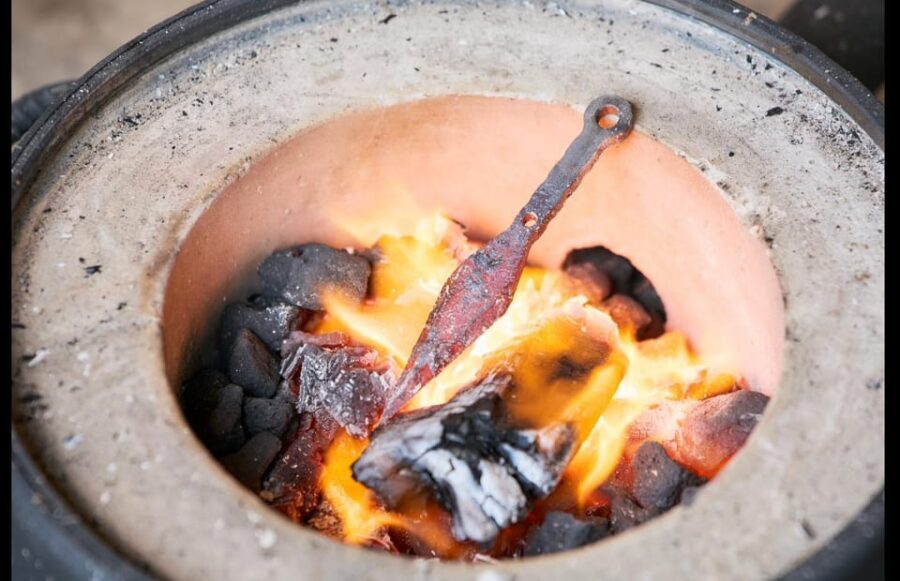
You don’t just choose a souvenir. You choose the shape, balance, and personality of what you’ll forge.
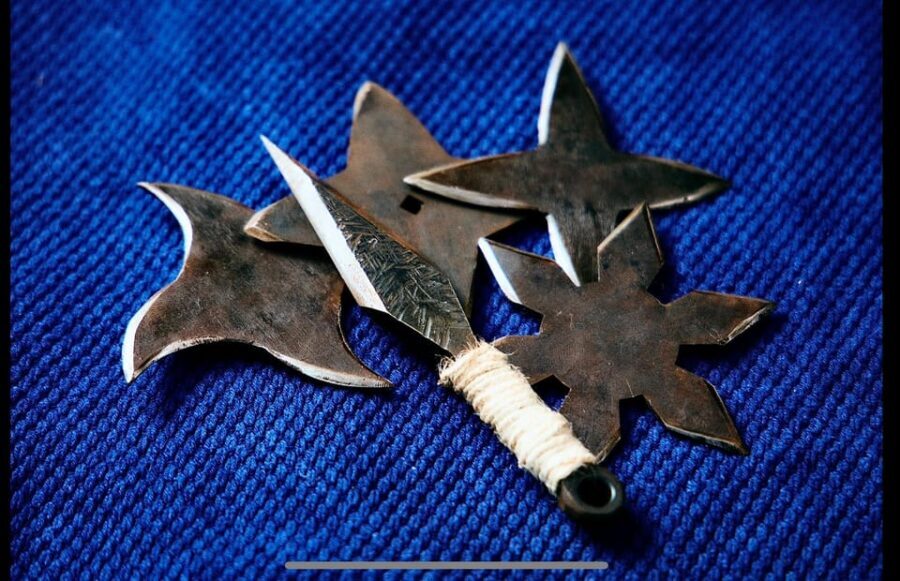
There are three shuriken styles you can make, and there’s also the kunai option. If you want the kunai, you select that option when booking, and there’s an additional fee of ¥3,000. The listing also notes that some other weapon types may require extra fees, so if you’re budget-sensitive, it’s worth double-checking the exact weapon you’re choosing before you arrive.
What I like about having choices here is that you can pick based on what you want to leave with. A shuriken tends to feel like a classic ninja keepsake—compact and visually striking. A kunai leans more tool-like, which can make the craftsmanship feel even more serious.
Also, think ahead about sharpness. In real-world group feedback, people mention they can decide how sharp to make the final weapon, including options for keeping it less sharp if it’s going into a classroom or needs to be handled more safely during travel. If that’s your situation, ask during the prep steps and follow their guidance.
The 800°C Moment: Forging Real Steel Like You Mean It
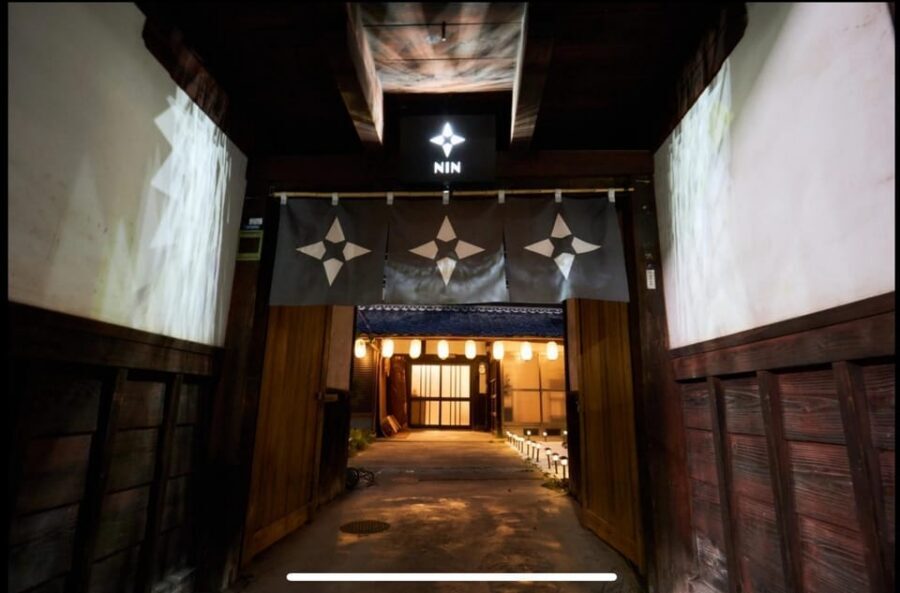
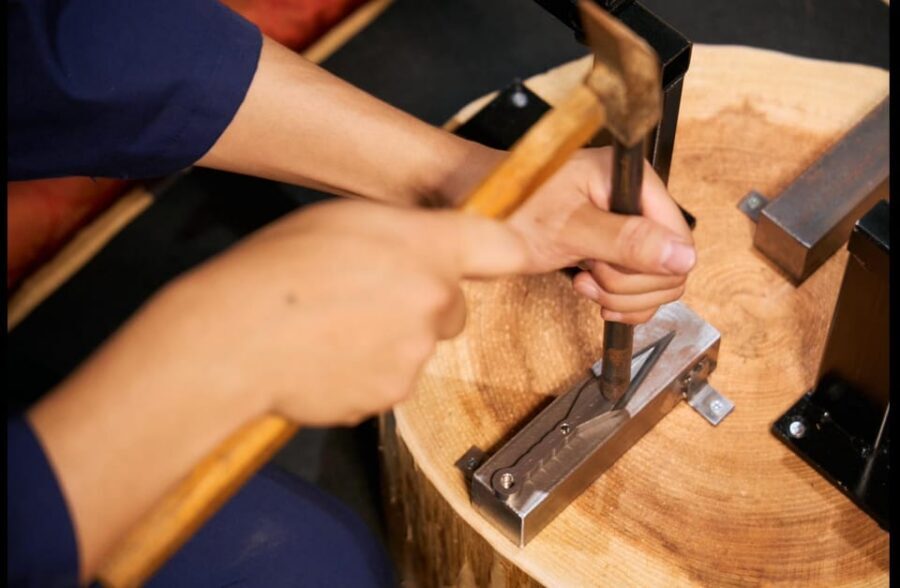
The main event is the forge. You’ll watch steel heat up in an 800°C furnace, and then you’ll strike the metal with a hammer as sparks fly. This is the part that makes the whole class different from make-and-take workshops where you mostly assemble pre-made parts.
You don’t need metalworking experience. What you need is attention. The instructors walk you through the process step by step, then you do the work yourself—forming the blade by shaping it as the metal is hot and responsive. That means the steel doesn’t just end up the right shape; it ends up with the right feel from your own effort.
If you’re the kind of traveler who likes doing something physical—something that changes in front of your eyes—this is it. You get the satisfaction of watching the weapon take form while you’re actively involved, not just watching from behind a glass panel.
Sparks and heat sound dramatic, but the studio also sets the tone for safety. Multiple accounts mention a safe environment and helpful guidance throughout. That’s important when you’re swinging a hammer near hot metal. You should still treat the experience like it’s a real workshop: listen carefully, move when they tell you to move, and don’t rush ahead of the instruction.
Shaping and Finishing: Belt Sander, Precision Lines, and Real Craft Details
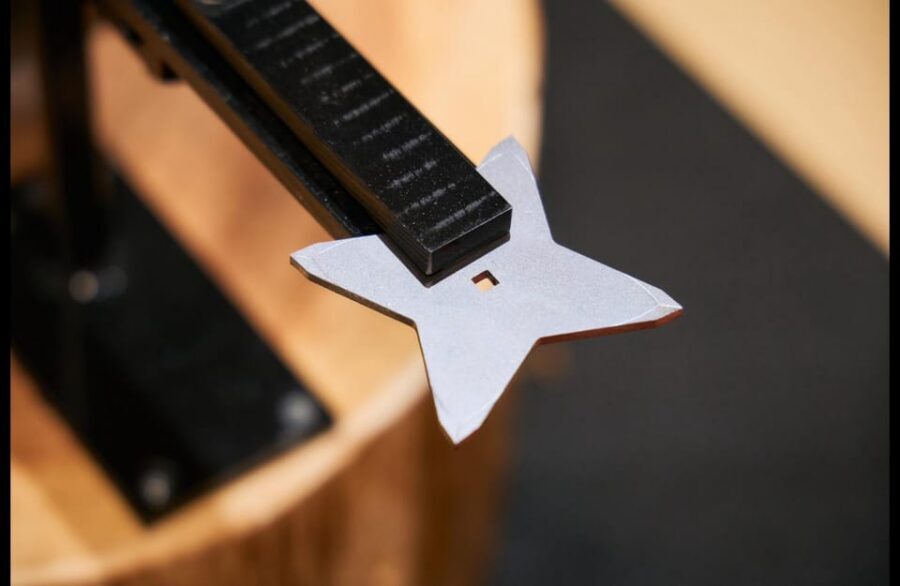
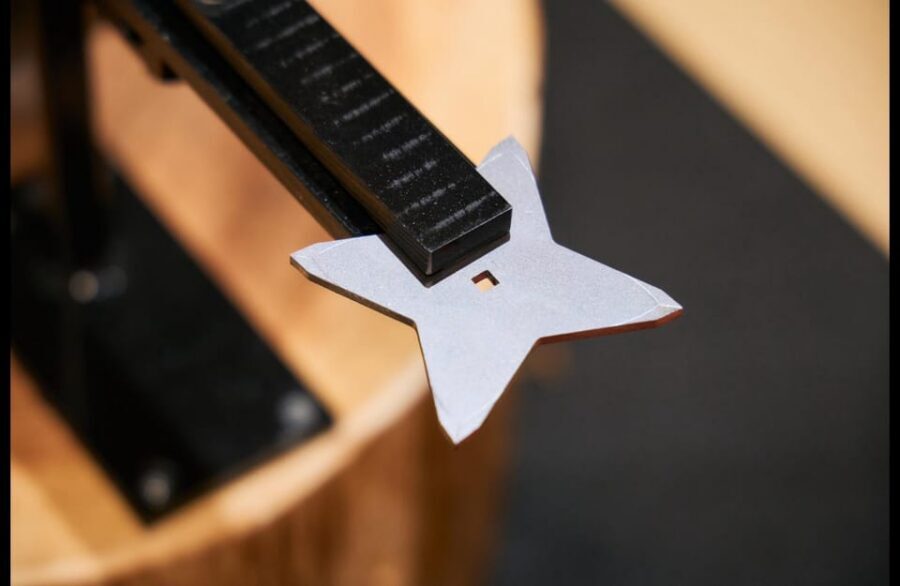
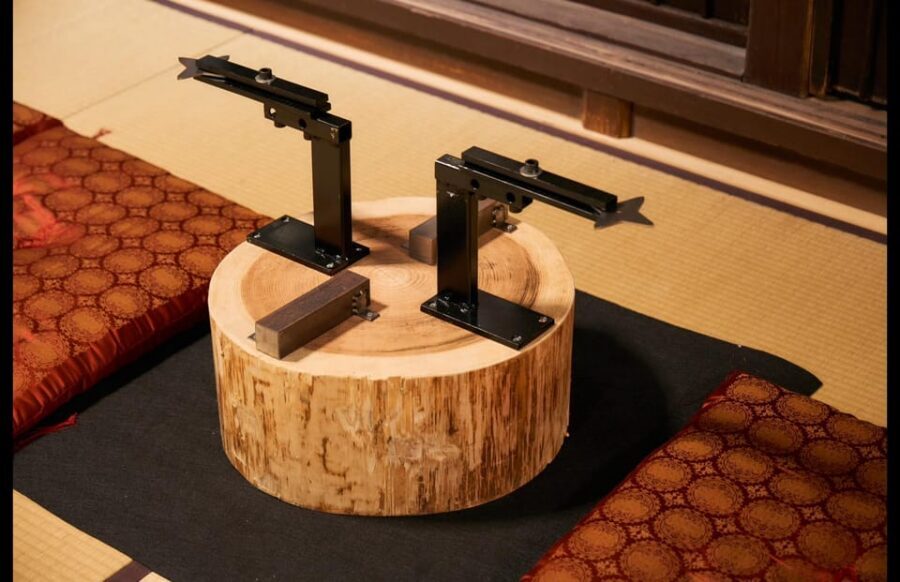
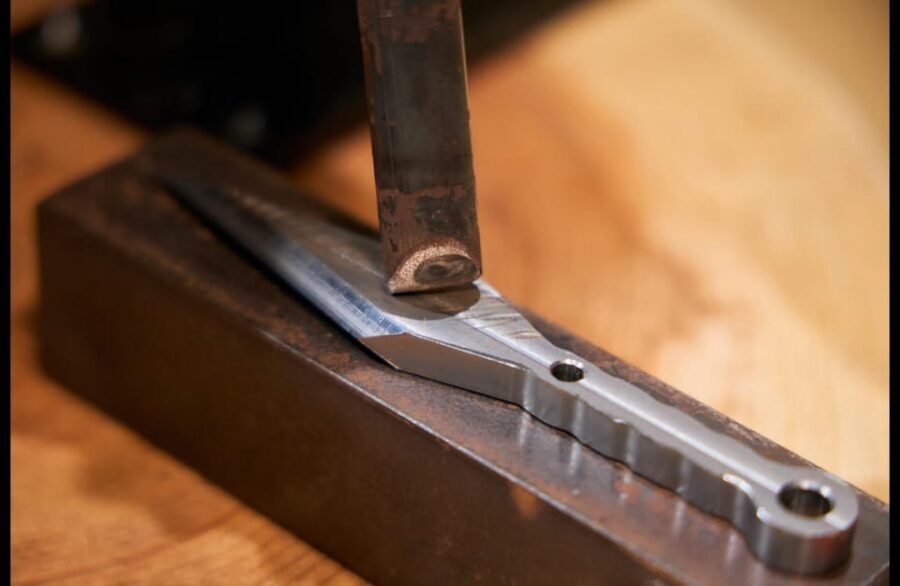
After the forging part, you shift into refinement. The lesson includes using a professional belt sander to smooth and sharpen the weapon’s shape. This is a big deal because it’s where your work stops looking rough and starts looking intentional.
What you’re chasing here is clean lines. The studio guides you through the steps so the blade and edges end up looking like something you’d be proud to display. It also changes how the weapon feels in your hand. Hammering makes it obvious you’re building from heat. Sanding makes it obvious you’re refining for accuracy.
From there, the class continues with finishing moves that look dramatic but also serve a purpose. You’ll choose a kanji character for a personal signature, then the staff handles engraving with careful precision. Finally, you’ll get blackening and polishing—details that make the finished piece look “finished” rather than homemade in the casual sense.
And yes, the studio encourages photos and videos during the process, so you can document the furnace moment and the hands-on steps rather than just taking snapshots at the end.
Kanji Engraving and the Ninja Knowledge Session That Adds Meaning
A souvenir is nice. A souvenir with meaning is better.
During the engraving portion, you pick a kanji character that inspires you, then the staff engraves it on your weapon. The key here is that your “personalization” isn’t random decoration. It’s a direct layer of identity you’re adding to the object you forged.
Then there’s the ninja knowledge session. This isn’t just trivia. You learn about the history, symbolism, and hidden techniques related to ninjas. That context matters because it helps you understand why the weapon looks the way it does, and why these symbols show up the way they do.
You also learn how the craft process connects to the cultural story around it. When you understand what you’re making and why it’s historically framed a certain way, the finished weapon feels more like a cultural artifact and less like a novelty prop.




The Blackening and Polish: Getting That Ninja-Like Finish (Without Guesswork)
This is where the class turns from forging to finishing artistry.
The studio applies a special solution to blacken the steel, which darkens the metal and helps protect it from rust. That’s practical, not just aesthetic. A polished, darkened finish is what makes your weapon look like it belongs in a story, rather than on a table at the end of a weekend craft.
After blackening, there’s a final polish step. The goal is a clean sheen, tightening the look so the weapon reads as smooth and intentional. You’ll feel the difference most when you compare it to the earlier stages. Early on, the metal shows heat and hammering marks. Later, it looks controlled.
Finally, you take your weapon home in a beautiful box—something that turns the experience into an object you can store proudly, not a bare tool you have to deal with right away.
Price and Value: What $148 Buys You in Real Work Time
At $148 per person and about 150 minutes total, this isn’t the cheapest Kyoto activity. It’s also not a long, multi-hour cooking class where you mainly watch and taste.
The value comes from what’s included:
- an instructor-led class
- a uniform (samue)
- the tools you use
- and the weapon you make to take home
That package is the point. You’re not paying for entertainment alone. You’re paying for skilled guidance through a full metalworking sequence, plus the finished steel piece at the end.
The extra-fee possibility is the one part to watch. Kunai carries a ¥3,000 add-on, and other weapon types may also cost extra depending on what you choose. If you’re trying to keep total cost predictable, decide on your weapon choice early and line up your budget accordingly.
If you’re the type of traveler who likes one standout, hands-on craft memory above a checklist of sights, this class has strong value. You leave with something you built with your own hands, and the personalization (kanji plus finish) makes it hard to replace with a store-bought souvenir.
Practical Tips: Cameras, Custom Sharpness, and Flying Home
This is a workshop. So plan like you’re going to work.
Bring a camera or phone you can handle during active steps. The studio setup includes moments designed for photos and videos, and in at least one account, staff helped people film. You’ll likely want footage from the furnace stage because the glow and sparks look best when they’re happening, not after the fact.
On sharpness: if you have travel or practical handling concerns, use the option to make the weapon less sharp where possible. You can’t assume every group will choose the same finish, but the process allows you to decide how sharp your final piece is, based on guidance during the finishing steps.
For flights, here’s the crucial rule you should follow: you can bring the forged weapon home only in checked luggage, not as carry-on. That means pack it responsibly, label it if needed, and plan to declare it if customs asks. Since you’ll have a take-home box, that’s usually the easiest way to transport it safely once you’re back to your hotel.
Who Should Book This Kyoto Ninja Forging Class
This is ideal for:
- travelers who want hands-on craftsmanship instead of passive sightseeing
- people who like cultural context, not just props—especially the ninja history session and symbolism
- families who can follow safety rules and enjoy interactive learning (multiple accounts mention kids doing the activity successfully in a safe environment)
- anyone who wants a memorable workshop souvenir with real personalization
It’s less ideal if:
- you’re short on time and need a quick stop (this is 150 minutes)
- you dislike workshops with heat, tools, and careful handling
- you’re unwilling to pay potential add-on fees for certain weapon options
Should You Book It?
I’d book it if you want one Kyoto experience that feels genuinely different: real steel, real forging steps, a personal kanji signature, and a finished piece you can box up and keep. The guidance from the team—names like Taka, Mits, Ako, and Yok show up repeatedly—suggests the staff actually cares about getting you through the steps safely and confidently.
If your budget is tight, choose your weapon option carefully so you don’t get surprised by add-on fees. And if you’re flying, treat the checked-luggage rule as part of your plan, not an afterthought.
If that sounds like your kind of day, this is the Kyoto class that turns learning into something you can hold.
FAQ
How long is the Kyoto ninja weapon forging experience?
The class runs for 150 minutes.
What weapons can I make?
You can choose from three shuriken styles, or a kunai option when booking.
Is there an extra cost for making a kunai?
Yes. The kunai option has an additional fee of ¥3,000, and some other weapons may also require extra fees.
What’s included in the price?
It includes the instructor, the weapon-making class, the uniform, tools, and the weapon you make to take home.
Do they teach in English?
Yes, the instructor speaks English.
Where is the meeting point?
It’s a 1-minute walk from Hieizanguchi Station. Go up the hill where you’ll see a red postbox in front of the station.
Can I take photos and videos during the class?
Yes. You can capture memories with photos and videos of your crafting experience.
Can I bring the weapon back on my flight?
You can take it home in checked luggage, not as carry-on luggage.
Do they sell replica swords?
Yes, the studio sells replica swords for a fee.