REVIEW · WALKING TOURS
Kyoto: Private Walking Tour with a Local
Book on GetYourGuide →Operated by Lokafy · Bookable on GetYourGuide
Kyoto can feel overwhelming fast. This private walking tour helps you get your bearings with a local’s eyes, not a checklist. I like that it’s built around conversation and comfort, so the city actually starts to make sense.
Two things I really like: a no-scripts format with a guide who tailors the walk to your interests, and real local know-how that points you toward places beyond the obvious route. You’ll also get practical guidance you can use right away in Kyoto, like how to plan stops and move around.
One possible drawback: it’s a walking tour, so if you want mostly indoor time or lots of paid attractions, you may end up spending extra on entrance fees and transport.
In This Review
- Key Things That Make This Kyoto Walk Worth It
- Meeting Your Local Guide at a Central Kyoto Spot
- How the Private, No-Scripts Format Changes the Whole Day
- Your Walk’s Shape: Temples, Shrines, Markets, and Local Culture
- A Practical 3–6 Hour Schedule That Fits Real Life
- What the Guide Adds Beyond “Where to Go”
- Crowd-smart choices and timing advice
- Neighborhood food recommendations that feel earned
- Real-world help with movement
- Niche knowledge and follow-up
- Warm communication, including language practice
- Price and Value: Is $82 Per Person Fair for a Private Walk?
- Transportation, Shoes, and Timing: The Stuff That Makes or Breaks It
- Accessibility and Who This Walk Works For
- Who Should Book This Kyoto Private Walking Tour?
- Should You Book This Kyoto Private Walking Tour with a Local?
- FAQ
- Where do we meet for the tour?
- How long is the Kyoto private walking tour?
- Is this tour private or do I join a group?
- What’s included, and what costs extra?
- Do I need to pay for transportation during the tour?
- Is the tour wheelchair accessible?
Key Things That Make This Kyoto Walk Worth It
- Private, no-group vibe: the itinerary adapts to your pace and interests
- Lokafy local guides: you’re there for people and stories, not a scripted lecture
- Crowd-smart choices: examples include temples and shrines off the main trail
- Flexibility with themes: from markets to street culture to hidden cafés
- Pickup that works: meeting points include a central landmark or your hotel/Airbnb (city center only)
- Multilingual guides: Spanish, English, and German
Meeting Your Local Guide at a Central Kyoto Spot
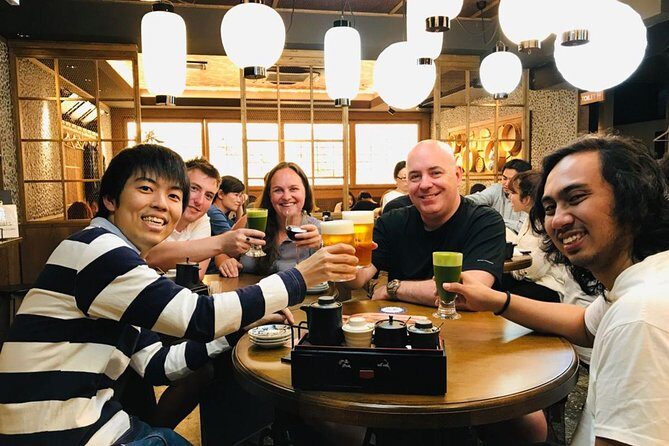
This tour is designed to start quickly, without you spending your morning figuring out logistics. You have two pickup styles: one meeting point option is MACCHA HOUSE Kyoto Kawaramachi, and the other is beginning right from your hotel lobby or just outside your Airbnb—as long as it’s a centrally located landmark or intersection within the city center.
That matters because Kyoto is easy to get turned around in on day one. Central pickup keeps you from wasting prime sightseeing time and helps you get into “Kyoto mode” fast.
You can also request a specific tour time. And because it’s a private group, your guide can meet you at the exact pace you’re comfortable with—whether you want a gentle orientation walk or a more active route.
You can also read our reviews of more walking tours in Kyoto


How the Private, No-Scripts Format Changes the Whole Day

Most tours run like a train schedule: follow the leader, hit the stops, move on. This one runs more like a visit with a friend who lives in Kyoto—meaning the conversation shapes the plan.
The big idea is simple: no groups, no scripts. Your Lokafy guide is a passionate local who tailors the experience to what you care about, whether you’re visiting for the first time or you’ve already seen the headline sites. I like this approach because it turns “Kyoto sightseeing” into “Kyoto problem-solving”—what to see next, what to skip, and where to go when the crowds are thick.
You might also notice a difference in how the guide explains things. Instead of memorized facts, you’ll get personal stories and neighborhood-level tips. In past tours, guides have guided people toward experiences like a temple stop that helped them avoid peak crowds during autumn colors, and they’ve also shared follow-up recommendations by email for niche interests.
Your Walk’s Shape: Temples, Shrines, Markets, and Local Culture
The tour isn’t locked into one predetermined loop. It’s built to match your vibe, and the day can swing toward different parts of Kyoto’s personality.
Here are the kinds of directions your guide can lean toward, based on what people tend to ask for and what guides have successfully arranged in past walks:
- Off-the-main-trail temples and shrines: One guide, Agustin, is an example of someone who took guests to a temple that wasn’t on the core tourist path, helping them escape crowds when seasonal color brought more people out.
- Iconic shrine climbs paired with calmer context: Toan, for example, has planned routes that included climbing to the top of Fushimi Inari Shrine, then pairing it with other meaningful stops like Higashi Honganji Temple and time to walk around Nishi Market.
- Food that feels local, not just convenient: Maha has taken guests to her favorite restaurant in a riverside village area, and guests have raved about the sashimi experience there. Even when meals aren’t included, a good food stop can make the whole day better.
- Hidden cafés and courtyard breaks: Depending on your pace, you might stumble on small places locals actually enjoy—like a hidden courtyard café.
- Street art and culture: If your interest leans modern, some walks can include neighborhood flavor beyond temples and gardens.
- Collectors and niche interests: One guide, Agustin, also followed up with research about a museum exhibition and an antique shop after hearing guests were interested in Japanese netsuke.
The key is that your guide uses your answers to decide where the day should go. If you tell them you care about history, they’ll probably route you toward temples and shrines. If you care about everyday Kyoto, you may spend more time on markets, small streets, and local food areas.
A Practical 3–6 Hour Schedule That Fits Real Life
The listing gives a flexible window of 3 to 6 hours, and the itinerary elements are broad—photo stop, guided tour, sightseeing, walking, and scenic views along the way. The best part is how that flexibility plays out with a private guide.
Here’s a realistic way to picture the flow of the day:
Start: meet-up, quick orientation, and a first photo stop.
Expect the first stretch to set direction—where you’re going, how the neighborhood “works,” and how to move with less fuss. The photo stop isn’t just for a souvenir; it’s usually when the guide helps you understand what you’re looking at and why it matters.
Middle: your chosen theme takes over.
This is where the walk becomes yours. If you’re into major Kyoto icons, you may tackle something like Fushimi Inari and pair it with another temple area. If you prefer calmer streets, you may go toward smaller shrines and walk lanes that feel less crowded. If you want food and daily life, the route can bend toward markets and local eateries.
Optional attraction planning (with extra entrance costs).
If you want to include a specific attraction, you’ll need to cover entrance fees. There’s also an extra detail to keep in mind: if the local guide needs paid entry for that attraction, the cost for the guide’s entrance is on you. This doesn’t make the tour worse—it just means you should factor in museum and temple tickets when you plan your budget.
Finish: wrap-up tips and next-step help.
A private walk should leave you with momentum. In past tours, guides have helped with the next decisions, like giving practical transport guidance and even helping with small tasks (one guest mentioned help with taking a photo of the meeting place, another noted assistance with shopping). If you ask good questions, you’ll usually leave with a clearer plan for the rest of your Kyoto days.
What the Guide Adds Beyond “Where to Go”
A great guide doesn’t just point you at sights. They help you experience the city with less friction.
Here are the most praised strengths that show up again and again—and how you can use them:
You can also read our reviews of more private tours in Kyoto




Crowd-smart choices and timing advice
Kyoto crowds come in waves, especially around seasonal color and famous lanes. Guides can steer you toward temples and shrines that aren’t on the most crowded circuit. That’s why people have specifically mentioned escaping peak crowds during autumn colors by being taken to places off the main trail.
Neighborhood food recommendations that feel earned
You’re not locked into one meal stop, but guides often suggest where locals like to eat. One guide took guests to a favorite restaurant in a village by the river and the sashimi experience was a highlight. If food matters to you, tell your guide what you like (and what you dislike) early.
Real-world help with movement
Kyoto navigation can be tricky. Some guides have given step-by-step tips about buses and how to move around the city. Others have helped with transportation planning, including train logistics.
Niche knowledge and follow-up
If your interests are specific—like netsuke (small collectible Japanese carvings), for instance—don’t be shy. A guide named Agustin has even sent researched information after the tour about a museum exhibition and an antique shop tied to that interest. That kind of follow-up is rare with scripted tours.
Warm communication, including language practice
This is a people-first tour. There have been cases where guides were patient and supportive with tourists, and even helped a child practice speaking a different language. If you’re traveling with kids or want someone who keeps things friendly, this format tends to fit well.
Price and Value: Is $82 Per Person Fair for a Private Walk?
The price is $82 per person for 3 to 6 hours with a private walking format. Entrance fees, meals, optional activities, and transportation around the city are not included.
So is it worth it? I think the value depends on what you want from Kyoto:
- If you want a calm introduction with decision-making help (what to see, where to go next, what to skip), private local time is often worth it. You’re buying efficiency and comfort.
- If you already have a tight plan and you’re okay exploring alone, you may not need a private guide for the full day.
- If you plan to add paid attractions, just remember that entrance fees are extra, and the guide’s entrance cost may also apply.
For most people, the sweet spot is using the guide for the parts that are hard to figure out alone: crowd timing, neighborhood-level recommendations, and turning Kyoto into an experience that matches your interests.
Transportation, Shoes, and Timing: The Stuff That Makes or Breaks It
This tour is primarily on foot, so comfortable shoes are a must. If you’re expecting a mostly seated experience, a walking tour won’t feel right.
Transportation is flexible but at your expense. During the walk, you’ll have the option of taking public transportation or a taxi to get around. If you want a private car included, you can advise the operator in advance.
That’s a smart option for families, older travelers, or anyone who wants to reduce strain without giving up the local walking feel. You’ll just need to plan for extra costs.
Accessibility and Who This Walk Works For
This tour is listed as wheelchair accessible, and that’s a major plus. It also means your guide can likely adjust the route to keep things realistic.
It’s not just about access ramps. On a city walk, the biggest challenge is usually distance and how the streets feel underfoot. A wheelchair-accessible private tour is ideal when you want local input but you can’t risk a route that’s all stairs, long distances, or constant backtracking.
Who Should Book This Kyoto Private Walking Tour?
Book it if:
- You want a Kyoto day built around you, not around a fixed group script
- You like conversation and local recommendations more than lectures
- You’re okay walking and want someone to steer you toward good spots and smart timing
- You might have specific interests (food, street culture, markets, niche collecting like netsuke)
Consider a different style tour if:
- You want a mostly indoor, museum-heavy schedule with minimal walking
- You prefer a fully planned itinerary with fixed stops and set start times
- You don’t want to think about entrance fees for optional attractions
Should You Book This Kyoto Private Walking Tour with a Local?
Yes, if your goal is to experience Kyoto through people as much as places. The private format, multilingual guides (Spanish, English, German), and the chance to shape the day make it a strong fit for travelers who want more than photos.
My quick decision rule: if you’d benefit from someone helping you choose what’s worth your time—especially on a first visit—this is the kind of tour that can save you from the common Kyoto mistake: seeing too many highlights and feeling like you missed the city’s personality.
FAQ
Where do we meet for the tour?
You can meet at MACCHA HOUSE Kyoto Kawaramachi, or you can begin right from your hotel lobby or just outside your Airbnb if it’s within the city center and near a centrally located landmark or intersection.
How long is the Kyoto private walking tour?
It runs for 3 to 6 hours. Availability and starting times depend on the date you choose.
Is this tour private or do I join a group?
It’s private. There are no groups, and the walk is tailored to your interests.
What’s included, and what costs extra?
Included is a local guide and a customized private walking tour. Entrance fees, meals and drinks, personal expenses, and optional activities are not included.
Do I need to pay for transportation during the tour?
Transportation around the city is not included. You can use public transportation or a taxi at your own expense, and you can request a private car if you want.
Is the tour wheelchair accessible?
Yes. The tour is listed as wheelchair accessible, and you should still wear comfortable shoes and expect a walking component, just with route adjustments.
If you tell me your travel dates, interests (temples, markets, food, street culture, or something niche), and mobility level, I can suggest the best way to frame your requests for a smoother, more satisfying route.