REVIEW · BIKE & E-BIKE TOURS
Kyoto: North Kyoto Guided Cycling Tour with Lunch
Book on GetYourGuide →Operated by Cycle Kyoto · Bookable on GetYourGuide
Kyoto on two wheels turns sightseeing into a real day out. This North Kyoto guided cycling tour mixes major sights (Kinkaku-ji and the Imperial Palace) with quieter streets and an included meal that keeps the momentum going. I especially liked the way the guide connects the stops to the area you’re riding through, and the small group size helps the day feel personal. One thing to weigh: it’s a full half-day with cycling, so if you’re not comfortable on a bike for several hours, you’ll feel it.
The route is built around easy flow: you start near Kyoto Station, get site-guided access, then head downhill toward Gion, with the Kamo River crossing as a natural turning point. You also get enough scheduled time at key places to actually look, not just pose for photos and move on. For me, the biggest win is how the day balances “big-name Kyoto” with calmer backstreets you’d miss if you were only hopping between spots.
Before you book, check the practical fit. This isn’t designed for kids under 13, people with mobility impairments, or anyone under 4 ft 4 in (135 cm), and it’s not a relaxed sit-on-a-bench tour. Also note the hot-weather reality: on a warmer day, you’ll want to drink steadily, and having water provided helps.
In This Review
- Key highlights worth your attention
- North Kyoto by bike: where the experience feels different
- Getting started near Kyoto Station (without losing time)
- Safety briefing, then Nishi Hongan-ji Temple the right way
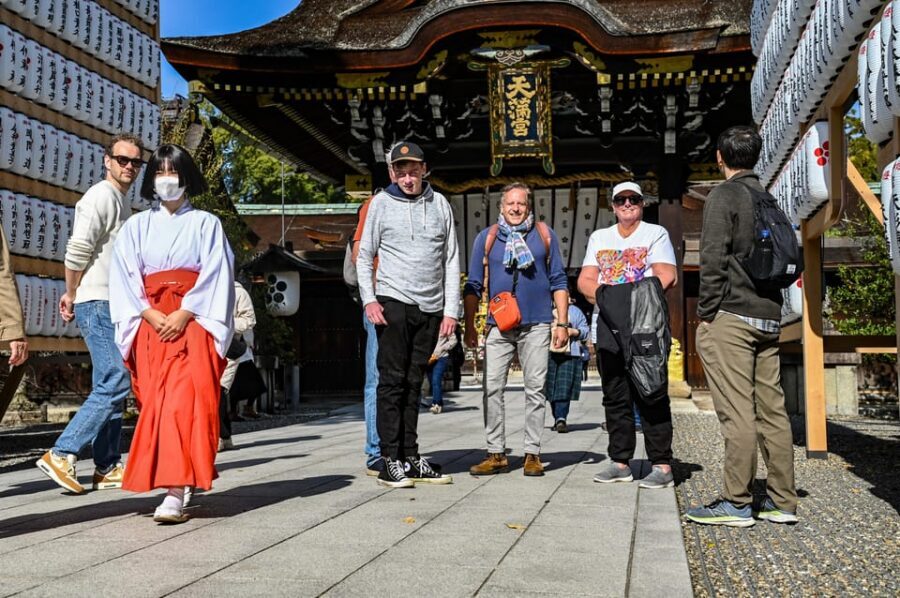
- Kitano Tenmangū Shrine: longer guided time for understanding
- Kinkaku-ji (Golden Pavilion): the short window that still feels satisfying
- Lunch included: local food that keeps you cycling-ready
- The former Kyoto Imperial Palace: guided pacing before the downhill ride
- Weaving through Gion’s backstreets with a guide
- The Kamo River moments: a natural pause for photos and air
- Price and value: what $103 buys (and why it’s not just transport)
- Bikes, what to wear, and the “don’t forget” list
- Who should book this Kyoto North Cycling Tour
- Should you book?
- FAQ
- How long is the Kyoto North Guided Cycling Tour with Lunch?
- What’s included in the price?
- Is lunch included, and how much time do you get?
- Is there an e-bike option?
- Is the tour guided in English?
- Can I get a refund if my plans change?
Key highlights worth your attention
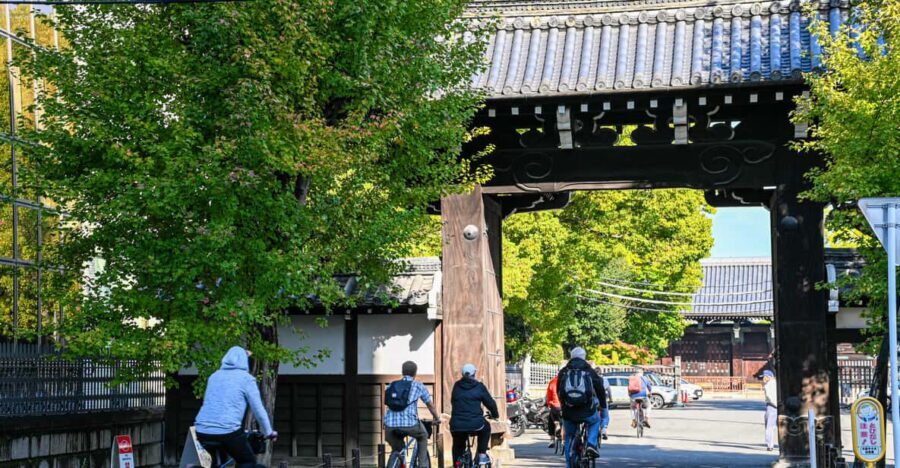
- Up-close guided visits at Nishi Hongan-ji, Kitano Tenmangū, and the former Imperial Palace, not just passing by
- Golden Pavilion timing that gives you time to look closely without racing through
- Lunch included at a local restaurant so you don’t lose your afternoon to hunting for food
- Backstreets of Gion explained as you ride, then a classic Kamo River crossing
- Small-group cap of 8 with an English live guide for questions on the spot
- Bike + helmet + water included, with an e-bike option for an upgrade
North Kyoto by bike: where the experience feels different
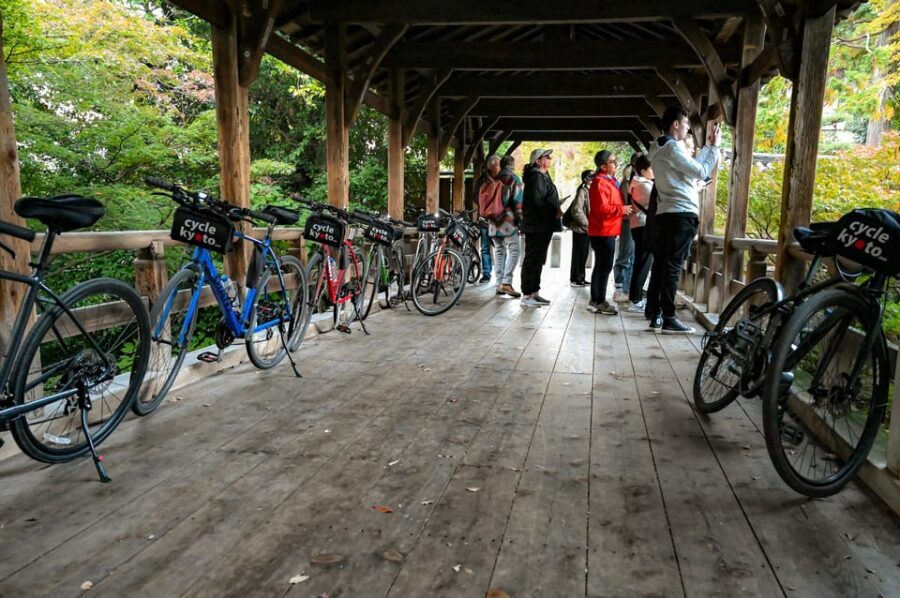
I like walking tours, but bikes change the rhythm in Kyoto in a good way. North Kyoto is full of interesting layers, and cycling lets you move between temple-and-shrine areas while still spending real time at each stop.
What makes this one work is the balance. You get the headline sights people come for, but the tour also includes the quieter neighborhoods and “in-between” streets that usually don’t make it into quick photo itineraries. The guide’s role matters here: the day isn’t just transport from A to B, it’s a guided story as you pass through different parts of town.
Also, the pacing is designed for a half-day that still feels complete. You’ll start with a safety briefing, then stack guided temple/shrine time, lunch, and sightseeing, ending back at the Cycle Kyoto office.
You can also read our reviews of more cycling tours in Kyoto

Getting started near Kyoto Station (without losing time)
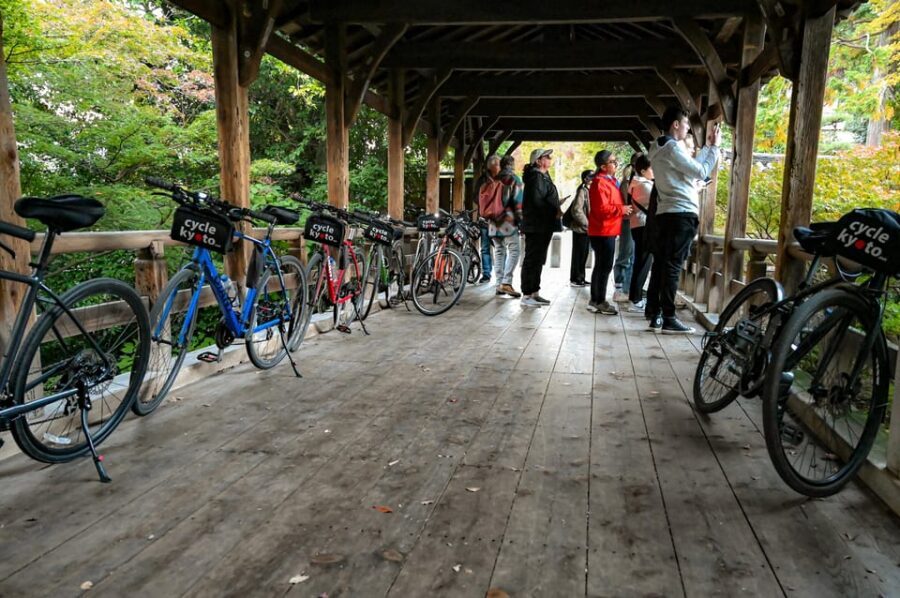
The meeting point is near JR Kyoto Station, and the directions are specific enough to follow even if you’re arriving from another train. Go past Avanti, cross over one traffic light, then walk past the Daily Yamazaki convenience store and take the first left. That shortcut matters because Kyoto can be confusing when you’re holding a helmet and trying to find your group.
Once you meet at Cycle Kyoto, you’ll get a safety briefing (about 15 minutes). It’s not the fun part, but it’s also the part that helps you feel confident once you’re rolling.
If you’re planning other commitments close to the end time, give the tour team a heads-up. The tour runs about 390 minutes, and it’s structured, so you don’t want to gamble with train timing.
Safety briefing, then Nishi Hongan-ji Temple the right way
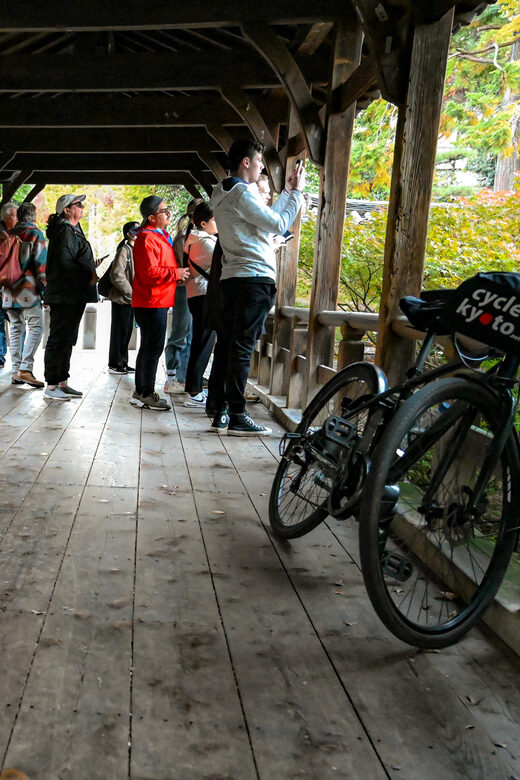
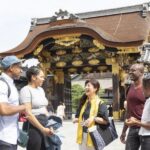
The day starts with Nishi Hongan-ji, and you don’t just get a glance. You’ll have a guided tour there for about 40 minutes, then additional time to visit (about 35 minutes). That setup is smart because you get context first, then you can look around with your own pace.
This is also one of those stops where a guide changes the experience. Kyoto’s temple spaces can feel like a maze if you don’t know what you’re looking for, so having the guide explain significance before you wander helps you notice more. It also makes it easier to ask questions while you’re there, rather than trying to Google during the day.
Plan on taking photos, but also plan on slowing down for a few moments. Even with a schedule, Nishi Hongan-ji gives you enough time to step back and actually absorb what’s in front of you.
Kitano Tenmangū Shrine: longer guided time for understanding
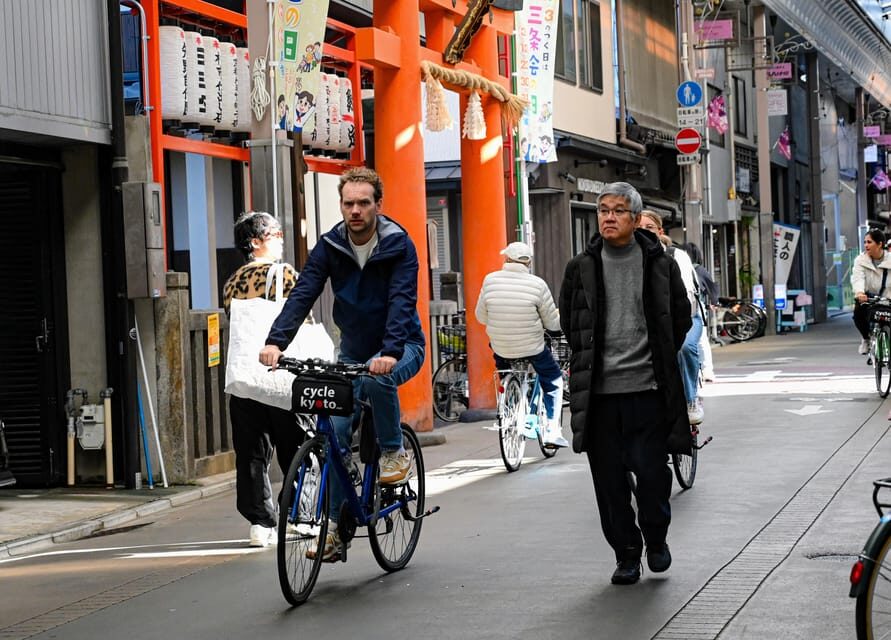
Next up is Kitano Tenmangū Shrine, where you’ll get a guided tour for about 45 minutes, then continue with the rest of your day from there. This is a shrine stop with a built-in “learn first” approach, similar to how Nishi Hongan-ji is handled.
The practical value here is simple: your guide helps you understand what you’re seeing, so the architecture and layout don’t blur together. When you’re biking through Kyoto, attention can drift, and the shrine timing makes sure your brain stays engaged.
You’ll also be moving on to the Golden Pavilion soon after, so it’s a good moment to ask any last questions you have about what connects these North Kyoto sites. The best part is that it’s not rushed.
Kinkaku-ji (Golden Pavilion): the short window that still feels satisfying
Kinkaku-ji is the stop most people picture when they think of Kyoto, and it’s scheduled to give you real viewing time. You’ll spend around 50 minutes in the Kinkaku-ji area with the plan to explore for about 30 minutes. That means you’re not stuck waiting around, but you also aren’t sprinting past everything.
With a guided day, you’ll likely arrive with better context than if you show up solo. Then you get to do the part you came for: seeing the Golden Pavilion itself and taking your time with the views you can frame from different angles.
One consideration: it’s still a major attraction, so expect crowds depending on the day and time. The tour format helps because your guide times the flow, but you’ll still want to be patient if you’re trying to photograph in a very specific spot.
You can also read our reviews of more guided tours in Kyoto

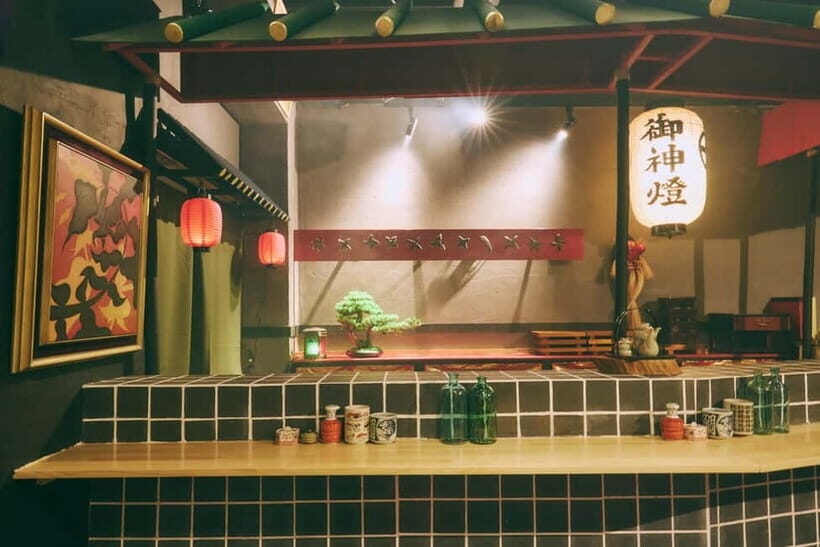
Lunch included: local food that keeps you cycling-ready
Lunch is included, and that’s a big deal in Kyoto sightseeing. Food searches can eat time fast, and this tour protects that block so you can refuel without derailing the schedule.
The lunch stop is about 1 hour, which gives you enough time to eat without feeling like you have to inhale and run. On hot days, hydration also matters. In one group’s experience, the guide handled water attentively when temperatures were around 35°C, which is the kind of practical care that makes a difference when you’re cycling.
If you have preferences or requests for your meal, this tour is set up for it. An English guide (Sean, in one instance) was able to respond to lunch requests and keep water coming during the heat. That’s a strong sign you’re not left to figure things out on your own.
Bring your camera appetite, but after lunch, keep some energy for the downhill path and the Gion backstreet section coming next.
The former Kyoto Imperial Palace: guided pacing before the downhill ride
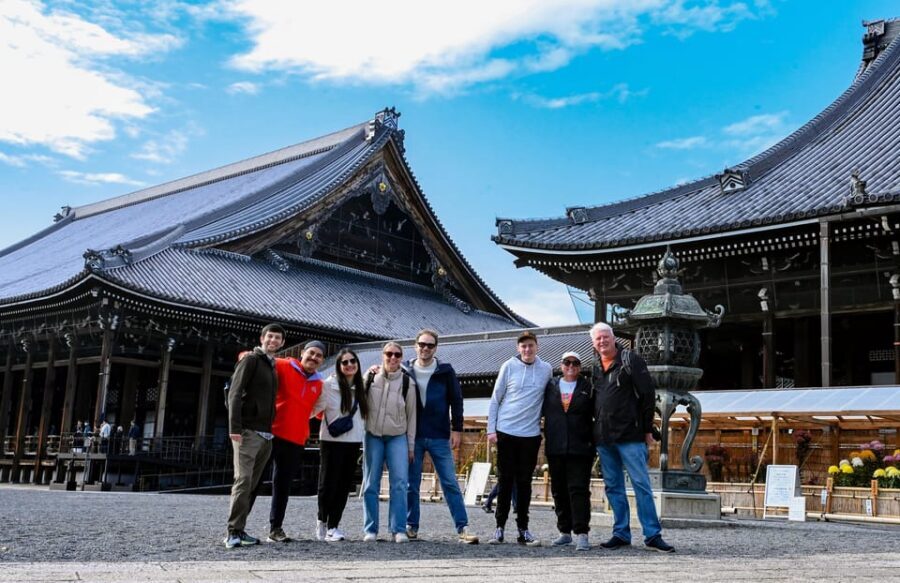
After lunch, you’ll head to the former Kyoto Imperial Palace for a guided visit of about 50 minutes. This stop gives the day more than just “pretty sights,” because you’ll learn about the significance and the story of the area through your guide.
This is also a nice structural pause before you start moving into the Gion direction. The day description mentions a gentle downhill path toward Gion, and that change of terrain is noticeable. It feels like the tour is gradually transitioning from North Kyoto temple zones into the neighborhoods people associate with Kyoto evenings and old streets.
You don’t need to be a history buff to enjoy this. Even if you only catch a few key points, having the guide’s explanation makes the architecture and the setting land better.
Weaving through Gion’s backstreets with a guide
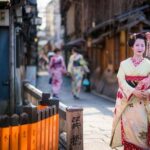
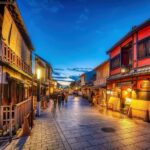
Gion is where Kyoto turns from “sites” into “streets,” and the tour uses that idea well. You’ll get a guided tour of about 40 minutes through Gion, built around learning the background of the area as you ride past backstreets.
That guided approach is the difference between seeing Gion and understanding why it matters. Without help, it’s easy to treat it like a photo stop. With the guide, you start noticing the context and how the streets connect back to the larger Kyoto story.
You’ll also cross the Kamo River around this phase of the day. That river crossing acts like a checkpoint: you feel like you’re moving forward, not just going in circles. The Kamo River itself is also a good “reset” moment for photos and a breather before the final stretch back to Cycle Kyoto.
The Kamo River moments: a natural pause for photos and air
The itinerary includes two Kamo River visit blocks of about 30 minutes each. That’s more time than you’d get if the river were treated as a quick photo stop. It gives you room to look around, take pictures, and relax your legs a bit.
This matters on a cycling day. Even if the ride isn’t exhausting, your body appreciates a break where you can stand, stretch, and breathe. Plus, it keeps the day from turning into a constant sequence of “arrive, look, leave.”
If you’re bringing a camera, this is where you can slow down. The combination of river views and Kyoto street angles is often easier to photograph calmly when you’re not sprinting between major entrances.
Price and value: what $103 buys (and why it’s not just transport)
At $103 per person for about 390 minutes, this tour is priced like a full-service guided day, not a bare-bones rental-bike experience.
Here’s what you’re getting that protects value:
- Bike, helmet, and water included
- Entrance fees for Nishi Hongan-ji, Kitano Tenmangū, Kinkaku-ji, and the former Imperial Palace
- Lunch included
- A live English guide and a small group (max 8)
If you tried to recreate this on your own, the costs would split across multiple tickets and you’d also spend time sorting logistics, especially for cycling and getting the bike in the first place. The tour’s value comes from bundling those essentials, plus the guide adds something you can’t buy with tickets: context that makes the stops feel connected.
One optional note: e-bikes are available for a 3000 yen upgrade. If you want an easier ride or you’re worried about stamina, it’s worth considering.
Bikes, what to wear, and the “don’t forget” list
This is a cycling tour, so you’ll have a better day if you dress for movement. Bring comfortable shoes and comfortable clothes. You’ll also want a camera, because the Golden Pavilion and Gion streets are the kind of places where you’ll want more than one photo angle.
A few practical rules help keep it smooth:
- Smoking isn’t allowed
- Alcohol and drugs aren’t allowed
- You’ll have water provided, but you should still keep drinking steadily during warmer weather
Also, plan around the tour’s length. It’s a half-day with multiple timed stops, so avoid booking something that cuts into the final portion of the day.
Who should book this Kyoto North Cycling Tour
This tour is a great fit if you want a structured Kyoto day that doesn’t require you to figure everything out. I think it’s especially good for:
- People who enjoy temples and shrines but also want time for streets like Gion
- Anyone who prefers a small group and an English-speaking guide for questions
- Travelers who like photos but don’t want to spend the whole day waiting in lines alone
It’s not the right choice if you need wheelchair-friendly routing, if you’re traveling with children under 13, or if you’re pregnant. It also isn’t suitable for people under 4 ft 4 in (135 cm) based on the tour’s constraints.
If you’re on the fence, consider your cycling comfort first. If you’re confident on a bike for a few hours, this will feel like a smart way to see Northern Kyoto’s highlights and its calmer side.
Should you book?
Yes—if you want Kyoto without the stress of juggling tickets, bike logistics, and meal timing. This tour has a strong structure: guided temple and shrine visits, a real lunch block, the Golden Pavilion, then Gion backstreets and Kamo River breaks. The included entrances and lunch make the price feel more reasonable, and the guide’s role turns the day from a list of stops into a connected ride.
Book it if you like two things: cycling and learning what you’re actually seeing. Skip it if you’re looking for a fully relaxed pace or you’re worried about bike time in the afternoon heat. If you’re concerned, the e-bike option is there for a reason.
FAQ
How long is the Kyoto North Guided Cycling Tour with Lunch?
The tour runs for about 390 minutes, with a safety briefing and multiple guided and self-guided stops, plus lunch.
What’s included in the price?
You get bicycle use, a helmet, water, guided temple/shrine entrances (Nishi Hongan-ji, Kitano Tenmangū, Kinkaku-ji, and the former Imperial Palace), and lunch.
Is lunch included, and how much time do you get?
Yes, lunch is included. You’ll have about 1 hour at the local restaurant.
Is there an e-bike option?
Yes. E-bikes are available for a 3000 yen upgrade.
Is the tour guided in English?
Yes, there is a live English-speaking guide.
Can I get a refund if my plans change?
You can cancel up to 24 hours in advance for a full refund.