REVIEW · EVENING EXPERIENCES
Kyoto: Gion & Geisha District Night Time Walking Tour
Book on GetYourGuide →Operated by Traveling Tokyo · Bookable on GetYourGuide
Gion at night feels wonderfully unreal. This Gion & Geisha District walk strings together shrines, historic streets, and the kind of atmosphere you just don’t get in daylight.
I love that the route mixes sacred Kyoto (Yasaka Shrine) with classic street scenery (Ninenzaka and Hanamikoji), so you’re not stuck sightseeing the same “pretty road” theme. I also like the geiko-focused storytelling, including what the guide shares about training and artistry, plus the chance for photo help along the way.
One thing to keep in mind: this is a walking tour and it’s not suitable for wheelchair users.
In This Review
- Key highlights to look forward to
- Why a Gion Night Walk Feels Different Than Daytime
- Start at Starbucks by Kyoto Gion Hotel: It’s Easy to Find
- Yasaka Shrine at the Opening: Festivals Meet Faith
- Maruyama Park Pause: Kyoto’s Oldest Public Garden
- Nene no Michi and Ninenzaka: The Picture-Lane Combo
- Yasui-Konpiragu Power Stone Ritual: A Unique Moment With Real Meaning
- Hanamikoji Street and the Geiko World: What Your Guide Explains
- Price and Value: Why $20 for Two Hours Can Make Sense
- Practical Tips for a Smooth Night in Gion
- Which Kind of Traveler Should Book This?
- Should You Book This Gion Night Tour?
- FAQ
- How long is the Kyoto Gion & Geisha District night walking tour?
- How much does the tour cost?
- Where do I meet the tour guide?
- Is the meeting point near Yasaka Shrine?
- What places are included in the walk?
- Is the tour guided in English?
- Is this tour suitable for wheelchair users?
- Can I cancel or change my plans?
Key highlights to look forward to
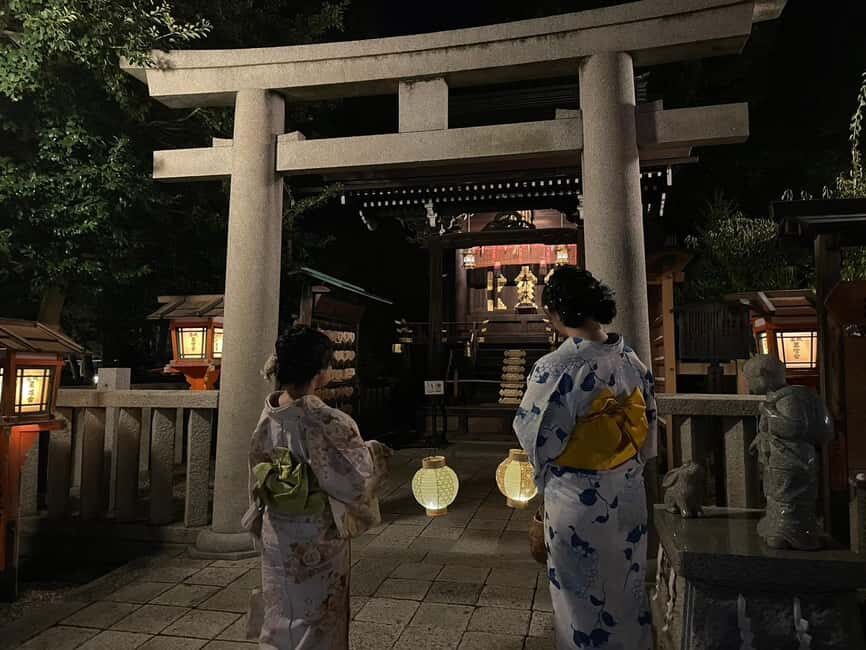
- Yasaka Shrine at night: festival ties and spiritual details that set the mood for Gion
- Maruyama Park as a breather: Kyoto’s oldest public garden for a slower pace
- Nene no Michi + Ninenzaka: stone lane charm and a historic slope built for photos
- Yasui-Konpiragu’s Power Stone archway: a symbolic ritual about bonds and unwanted ties
- Hanamikoji Street after dark: preserved wooden teahouses and geiko/geiko culture context
- Photo stops with an English guide: you get guidance plus help capturing shots
Why a Gion Night Walk Feels Different Than Daytime
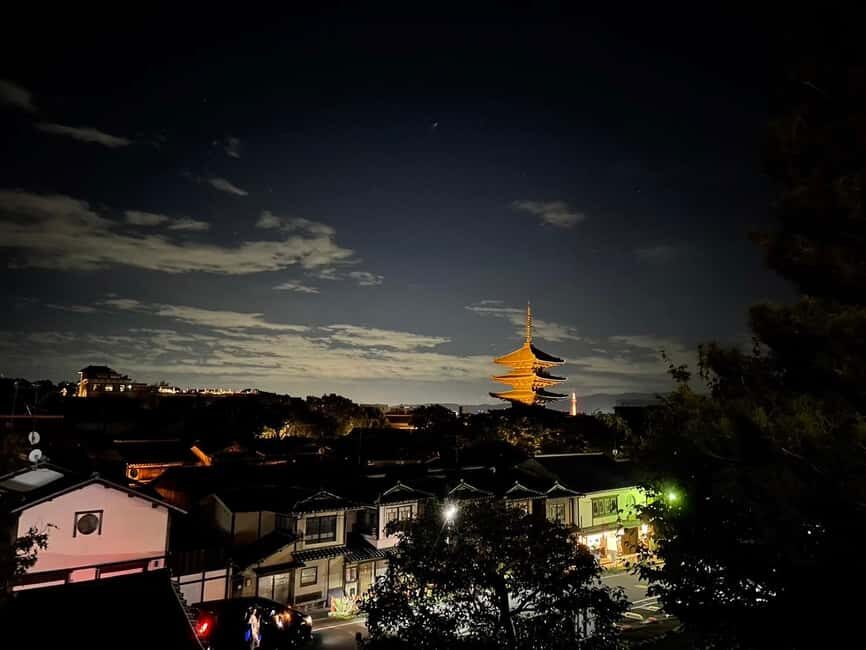
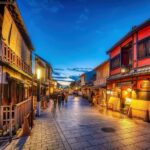
Kyoto’s best neighborhoods don’t just look good. They feel good. At night, Gion shifts from sightseeing mode to “old city story” mode. The lights soften the streets. The lanes feel narrower. The mood turns quieter, even when people are out.
That’s a big reason this tour works. You’re not only checking boxes like shrine, street, and shop. You’re moving through the parts of Kyoto that connect faith, festivals, and everyday tradition. Start near Yasaka Shrine, then flow toward Gion’s lanes and heart streets, and the story arc makes sense on the ground.
I also like that the timing is built around atmosphere. A 2-hour walk gives you the glow and the texture without burning an entire evening. It’s long enough to see several “main stops,” but short enough that you can still grab dinner right afterward.
You can also read our reviews of more walking tours in Kyoto
Start at Starbucks by Kyoto Gion Hotel: It’s Easy to Find
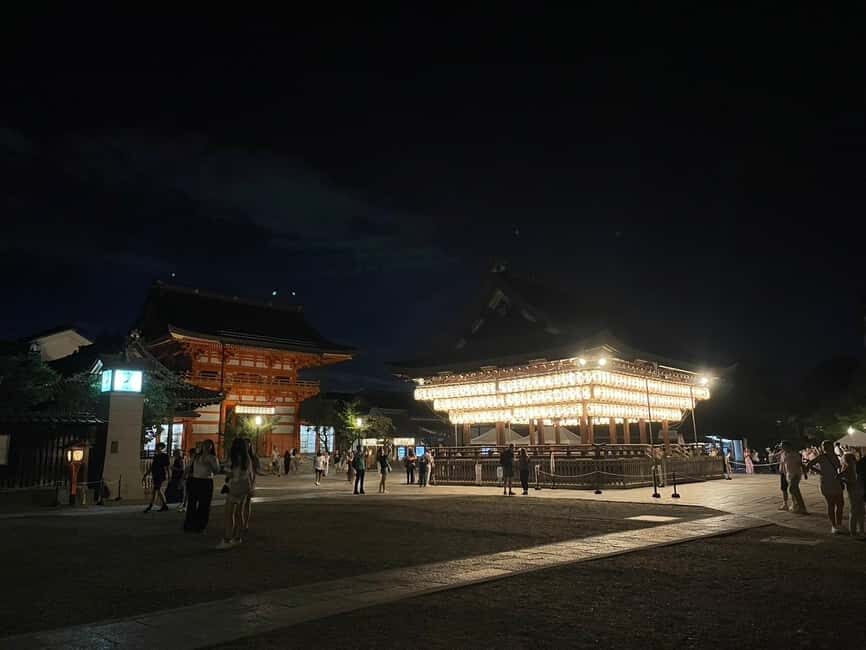
You’ll meet in front of Starbucks located by Kyoto Gion Hotel. It’s specifically described as walking distance from Yasaka Shrine’s Western Tower Gate entrance, which is a smart way to start: you aren’t wandering for your bearings.
For most people, this kind of meeting point helps a lot. A branded landmark is clear at night. And since the starting area is already near Yasaka Shrine, you avoid the common Kyoto problem of losing time at the start.
Quick practical note: wear shoes you can move in comfortably. This is a night walking experience, and even if the route isn’t described as “long,” Kyoto streets can be uneven and your pace matters for photo timing.
Yasaka Shrine at the Opening: Festivals Meet Faith
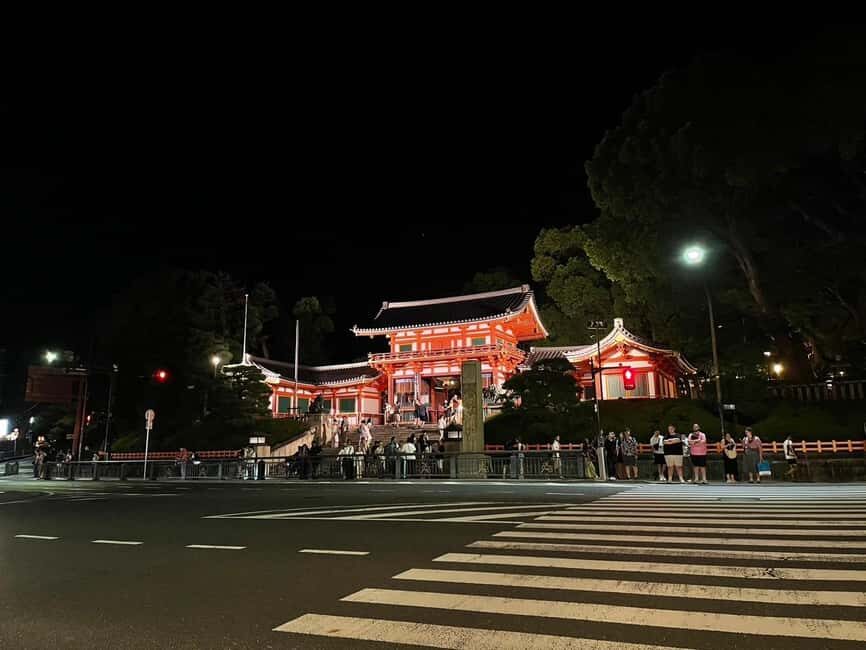
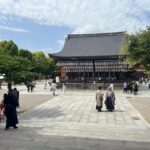
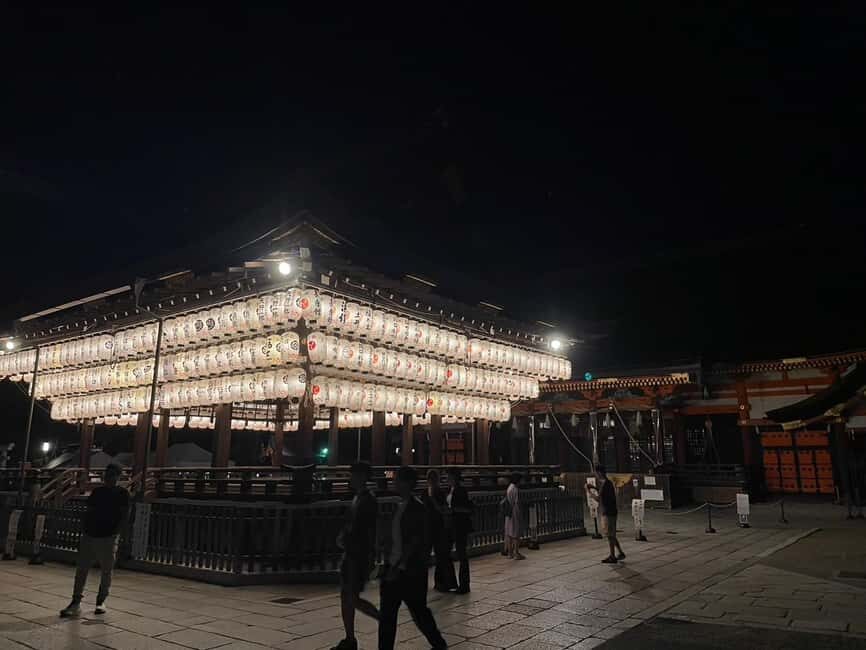
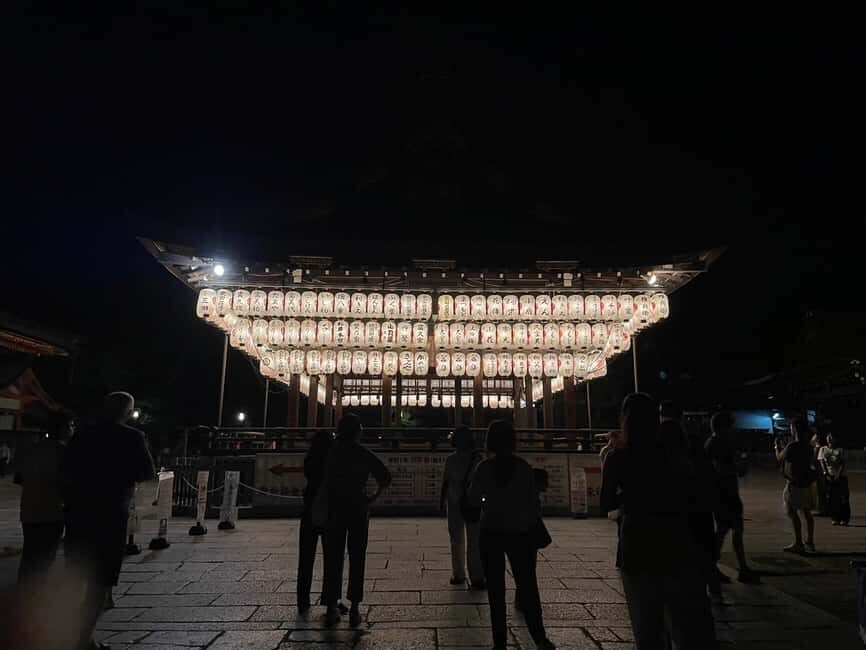
The tour begins at Yasaka Shrine, one of Kyoto’s treasured spiritual landmarks. The focus here isn’t just what the shrine looks like. It’s why it matters—its ties to Kyoto’s festivals and how that connection shapes the mood of the neighborhood.
This is a strong opening stop because shrines like Yasaka are Kyoto’s rhythm in stone. When you understand the shrine’s role, Gion’s later streets feel less random. They feel like a continuation, not a separate attraction.
The tour includes historical context during this stop, which is a real advantage. Many visitors walk past shrine details because there’s no obvious explanation on the spot. With a guide, you know what you’re looking at and why it’s meaningful, especially at night when the setting feels more personal.
Maruyama Park Pause: Kyoto’s Oldest Public Garden
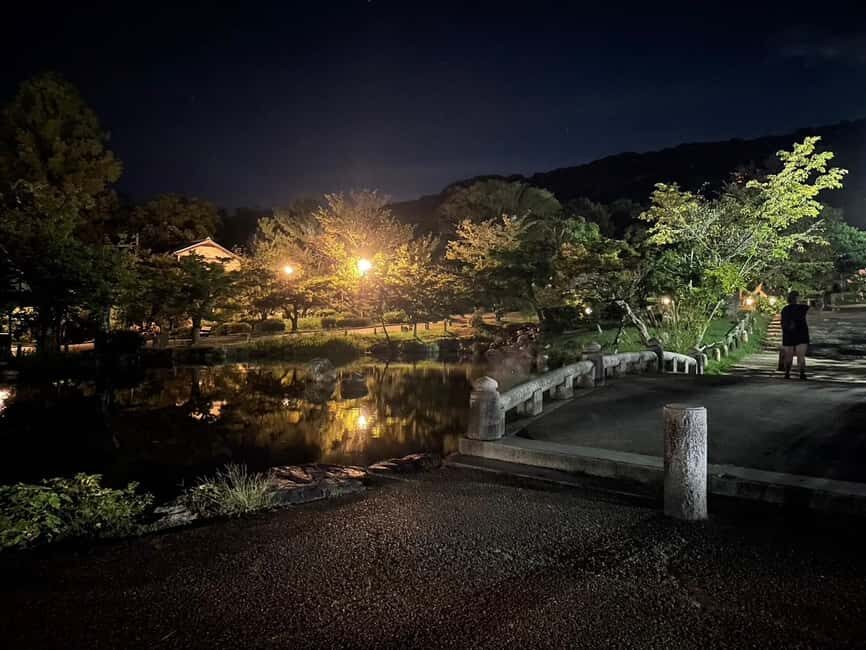
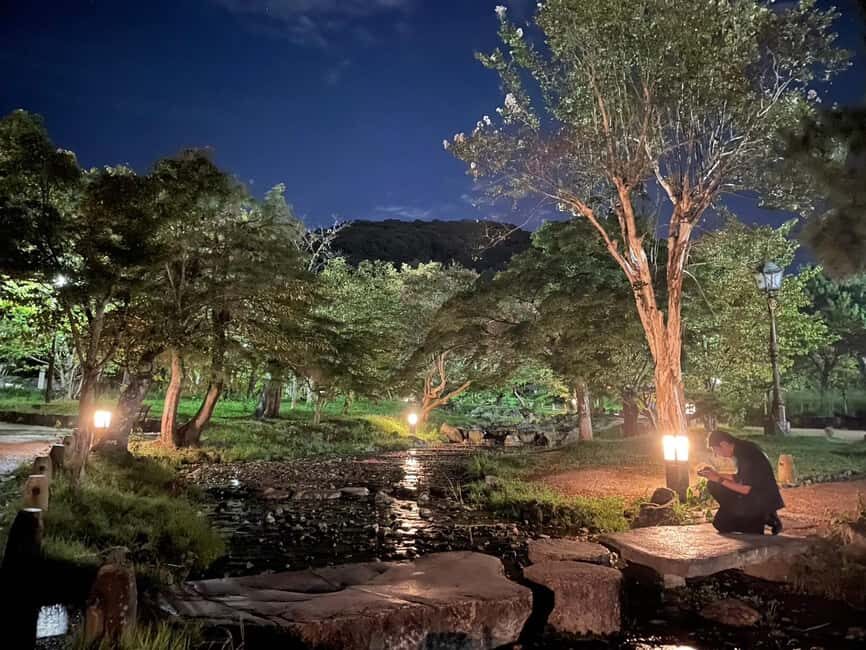
After Yasaka Shrine, the walk continues into Maruyama Park, Kyoto’s oldest public garden. This stop is a change of pace, which I really appreciate on a night tour.
Even if you love architecture and lanes, you can only photograph so many streets before your eyes (and feet) need a break. A garden gives you that reset. It also adds variety to the itinerary: you’re not only in shrine paths and stone lanes—you’re also in a calmer pocket where Kyoto’s natural grace shows up.
If it’s cold, this kind of pause matters. You can warm up a bit, listen closely, and keep your energy for what comes next: the more photogenic lanes and the busier Gion streets.
Nene no Michi and Ninenzaka: The Picture-Lane Combo
Next come two classic Higashiyama-style stops: Nene no Michi and Ninenzaka.
Nene no Michi is described as a charming stone-paved lane named after Nene, the wife of Toyotomi Hideyoshi. That naming detail matters. It turns a pretty lane into a story street, so you notice more than just the facades. You’ll see how the lane’s atmosphere fits the broader Higashiyama feel.
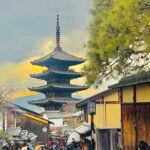
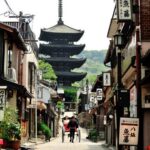
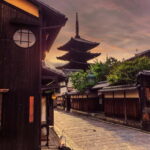
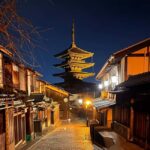
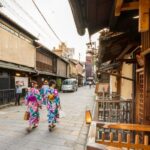
Then you head toward Ninenzaka, the photogenic slope lined with historic wooden buildings and quaint storefronts. This is the kind of Kyoto street that’s made for photos—but the key is how you use it. On a guided walk, you’re timed and positioned better than you would be wandering alone. Plus, the “night version” of Ninenzaka can feel calmer than the daytime crush.
One small consideration: slopes and stone surfaces can be slick if it’s damp. If there’s any chance of rain or icy patches, go slower than you think you need to.
You can also read our reviews of more evening experiences in Kyoto

Yasui-Konpiragu Power Stone Ritual: A Unique Moment With Real Meaning
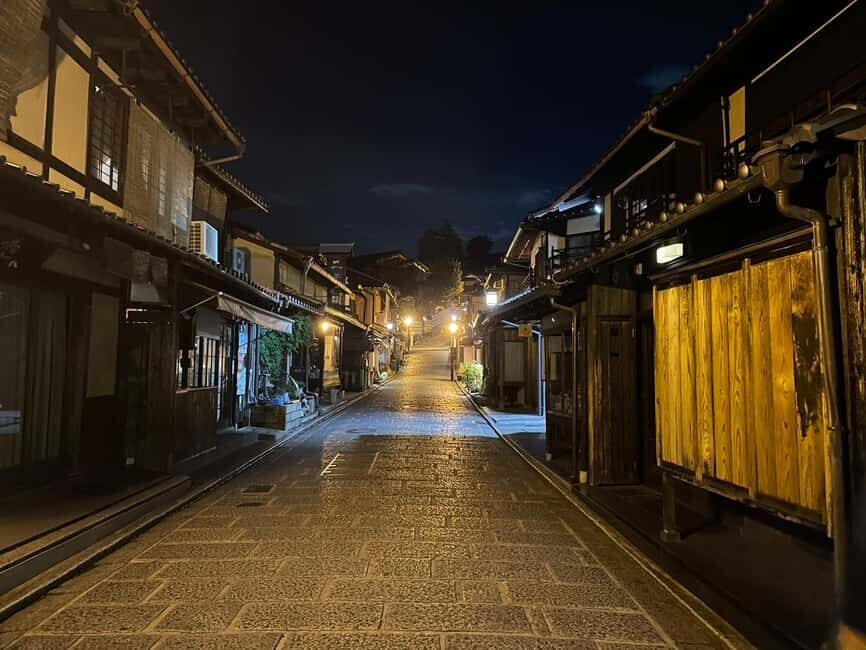
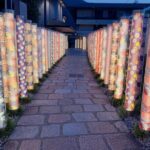
A standout cultural stop is Yasui-Konpiragu Shrine, described for its symbolic “Power Stone” archway. This is where the tour gets hands-on in the best way: not hands-on physically, but emotionally and symbolically.
The archway ritual is described as a place where locals and visitors crawl through to pray for strong bonds or to leave unwanted ties behind. That’s a striking idea. It’s also a reminder that Kyoto tradition isn’t only about aesthetics—it’s about belief and personal hopes.
Even if you’re not sure how you’ll feel doing the ritual, you’ll at least understand what it represents. That context turns a weird-looking act into something coherent. It’s one of the few stops on this kind of walk that has a clear “why” attached to it, not just “look at the shrine.”
Hanamikoji Street and the Geiko World: What Your Guide Explains
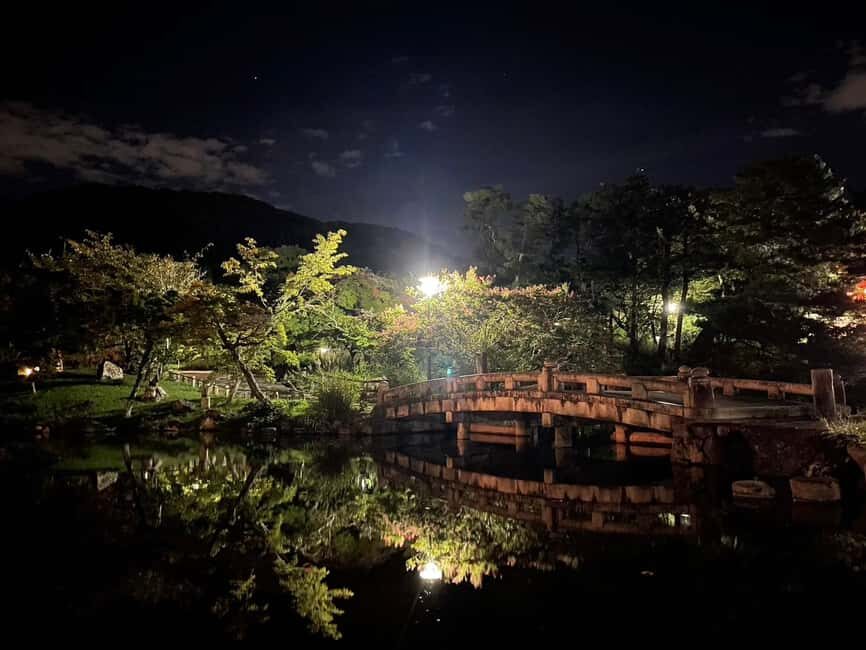
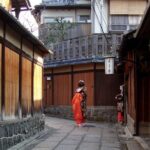
The tour finishes its Gion storytelling at Hanamikoji Street, the heart of Gion, where preserved wooden teahouses still host Kyoto’s geiko (and the world around maiko and geiko).
This is where the experience leans into culture, not just scenery. Your guide explains the lives, training, and artistry associated with geiko and maiko. That’s important because a lot of visitors only think of geiko as a visual image. A decent guide gives you the structure behind it: what training implies, what artistry means, and why the district is protected by custom.
From the experience data you shared, there’s also an extra layer: sometimes the group is lucky enough to see a geisha or geiko briefly. No one should plan their night around a guarantee, but it’s exactly the kind of “you might catch it” moment that makes night walks feel special.
And yes, this is also where photos help. If you’re traveling solo, having a guide time your angles and keep things respectful can make a big difference versus trying to set up a selfie stick in the middle of a narrow street.
Price and Value: Why $20 for Two Hours Can Make Sense
At $20 per person for about 2 hours, this tour sits in that sweet spot for Kyoto. You’re paying for three things: an English-speaking guide, curated context at specific places (especially Yasaka Shrine and the geiko world), and included photo support.
Here’s how I think about value with tours like this:
- If you were to walk these streets on your own, you’d likely enjoy the scenery. But you’d miss a lot of meaning—festival ties, why the Power Stone archway is symbolic, and what the geiko training and artistry really refer to.
- The guide saves you time. Instead of researching each stop separately, you get the story while you’re standing in the right place.
- Two hours is a realistic commitment. It doesn’t swallow your entire evening.
So the price isn’t “cheap,” but it’s fair for what you get—especially if you want understanding, not just photos.
What the ticket doesn’t include: anything that would count as a full dinner plan, and it doesn’t claim universal geisha sightings. If you want that, you can still enjoy the walk, but don’t treat the evening like a show with a fixed schedule.
Practical Tips for a Smooth Night in Gion
A few small, useful things can make your evening go better:
- Bring warm layers. One of the clearest notes from the experience data is that it can get cold at night. Plan for chilly air, not just cool evenings.
- Choose stable footwear. Stone lanes and slopes are part of the route feel. Good soles beat stylish shoes.
- Use the guide for photos, not just facts. Included photo moments and help can be a big deal if you’re solo or if you want fewer awkward shots.
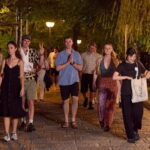
- Expect crowds, just not daytime crowds. The night timing is a major perk for atmosphere and less congestion than midday. Still, Hanamikoji and nearby lanes can have foot traffic.
- Be respectful in geisha-heavy areas. Even with a guide and photo time, keep your pace calm. Narrow streets don’t forgive rushing.
Which Kind of Traveler Should Book This?
This tour is a strong fit if you want:
- A short evening in Kyoto that feels more like a guided story than a checklist
- Geiko/geiko culture context (training, artistry, district significance)
- Nighttime atmosphere without committing to a half-day
It’s also a good pick if you’re not fluent in Japanese and you’d rather have someone explain shrine symbolism than guess. If you’re traveling with kids, it could still work, but the ritual and cultural details may be more engaging for older teens and adults.
It’s not a fit if you need wheelchair accessibility, since it’s not suitable for wheelchair users.
Should You Book This Gion Night Tour?
Yes—if you want a compact, well-paced night walk with real cultural explanations. The combination of Yasaka Shrine, classic lanes like Nene no Michi and Ninenzaka, the symbolic Power Stone ritual at Yasui-Konpiragu, and the geiko-focused context at Hanamikoji Street gives you variety in a short time.
Skip it (or choose a different style) if you’re only interested in “being in the district” and don’t care about the why behind the places. Also plan carefully if mobility is an issue—this is a walking-based experience.
If you do book, I’d go in with one goal: leave with a better read on what Gion represents, not just a pocket full of photos.
FAQ
How long is the Kyoto Gion & Geisha District night walking tour?
The tour lasts 2 hours.
How much does the tour cost?
It costs $20 per person.
Where do I meet the tour guide?
You meet in front of Starbucks located next to Kyoto Gion Hotel.
Is the meeting point near Yasaka Shrine?
Yes. It’s described as walking distance from Yasaka Shrine’s Western Tower Gate entrance.
What places are included in the walk?
The walk includes Yasaka Shrine, Maruyama Park, Nene no Michi, Ninenzaka, Yasui-Konpiragu Shrine (Power Stone archway), and Hanamikoji Street.
Is the tour guided in English?
Yes. The live tour guide speaks English, and photos are included during the tour.
Is this tour suitable for wheelchair users?
No. It is not suitable for wheelchair users.
Can I cancel or change my plans?
Free cancellation is available up to 24 hours in advance for a full refund. There is also a reserve now & pay later option.