REVIEW · FOOD
Kyoto: Gion & Pontocho Food Tour with 13 Dishes
Book on GetYourGuide →Operated by Travel Japan Together · Bookable on GetYourGuide
Kyoto at night turns food into a story you can taste. This small-group evening mixes Gion and Pontocho strolling with a serious eating plan of up to 13 traditional dishes, plus clear cultural context about geisha culture and dining etiquette.
I love that the pace is relaxed enough to enjoy the streets (not just rush to the next place), and the guide effort shows—names like Tomoko, Takuma, and Mia come up again and again for making history feel practical and easy to follow. One drawback to plan for: this is a lot of food in just 3 hours, so come hungry and keep your expectations realistic about how much you can comfortably eat.
In This Review
- Key Things I’d Plan Around
- Entering Kyoto’s Night Food Scene: Why Gion and Pontocho Works
- Meeting at FamilyMart in Gion and Getting a Smooth Start
- Yasaka Shrine Illuminated at Night: The Cultural Warm-Up
- Shirakawa Lane Walk: Geisha Streets, Etiquette, and Real Street-Level Stories
- Gion Street Food Interlude: Quick Bites in Between
- Izakaya Dinner in Gion: Karaage, Tempura, Sashimi, and Sake Pairing
- Pontocho at Dusk: A Different Mood and Another Hidden Spot
- Price Check: Is $82 Worth It for This Much Food?
- Group Dynamics: Why a Max of 8 Makes It Feel Personal
- What to Wear, What to Expect, and How to Get the Most
- Who Should Book This Kyoto Gion and Pontocho Food Tour (and Who Might Skip)
- Should You Book? My Honest Recommendation
- FAQ
- How long is the Kyoto Gion & Pontocho food tour?
- How big is the group?
- Where do we meet?
- What’s included in the price?
- Is the tour guided in English?
- Is it wheelchair accessible?
Key Things I’d Plan Around
- Up to 13 dishes in 3 hours means you’ll want an empty stomach and comfortable walking shoes
- Yasaka Shrine at night sets the tone with illuminated sights before you start eating
- Shirakawa Lane + geisha-frequented shrine time adds real context to the Gion streets
- Izakaya meal in Gion focuses on classic Kyoto flavors like karaage, tempura, and sashimi
- Pontocho’s final dinner spot shifts the vibe and keeps the tastings coming
- Small group (max 8) makes it easier to ask questions and actually talk with your guide
Entering Kyoto’s Night Food Scene: Why Gion and Pontocho Works
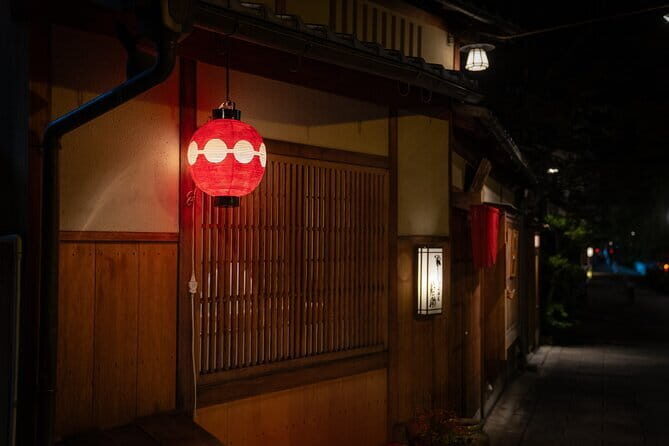
Gion and Pontocho are Kyoto’s two big “night characters.” Gion is where you go for atmosphere and stories: narrow streets, old-style neighborhoods, and the geisha world people imagine. Pontocho is where that story turns into an actual evening meal—more intimate, more local feeling, and often with a different mood than the wider lanes around Gion.
This tour is built for that exact reason. You’re not just walking past landmarks with a snack at the end. You’re sampling traditional foods in two dining stops, with enough street time in between to understand where you are and why certain foods and customs matter.
Also, the small-group format (limited to 8) matters more than you’d think. With fewer people, the guide can keep the pace human and answer questions without turning your evening into a lecture.
You can also read our reviews of more food & drink experiences in Kyoto
Meeting at FamilyMart in Gion and Getting a Smooth Start
You meet in front of the main entrance of FamilyMart, Kyoto Gion, facing the main street. It’s a simple meet point, and that’s good—especially in a neighborhood like Gion where side streets can get confusing fast.
The evening then moves in a gentle flow: a quick orientation in Gion, a longer walking segment around Shirakawa Lane, then food stops and guided time in Pontocho. The goal is to keep you from feeling like you’re sprinting between places. In practice, guides like Tomoko, Takuma, and Ruko are praised for keeping things relaxed and not rushed, which is what you want when you’re eating.
If you’re traveling in less-than-ideal weather, it’s also worth noting that at least some guides have handled snow and rain well while still keeping the experience going. So don’t plan to cancel just because Kyoto gets moody.
Yasaka Shrine Illuminated at Night: The Cultural Warm-Up
The tour starts with Yasaka Shrine, lit up beautifully at night. This is the kind of opening that makes the rest of the evening click. Before you eat, you get context for how the shrine’s history and cultural significance tie into Kyoto’s rhythms after dark.
Why this works for you: it stops the geisha talk from feeling like vague tourism. Instead, you understand that these districts and traditions are part of real Kyoto culture—observed, practiced, and respected—not just a backdrop for photos.
You’ll also get a first look at the atmosphere you came for: lights, quiet streets, and the sense that you’ve arrived when Kyoto feels at its most Kyoto.
Shirakawa Lane Walk: Geisha Streets, Etiquette, and Real Street-Level Stories
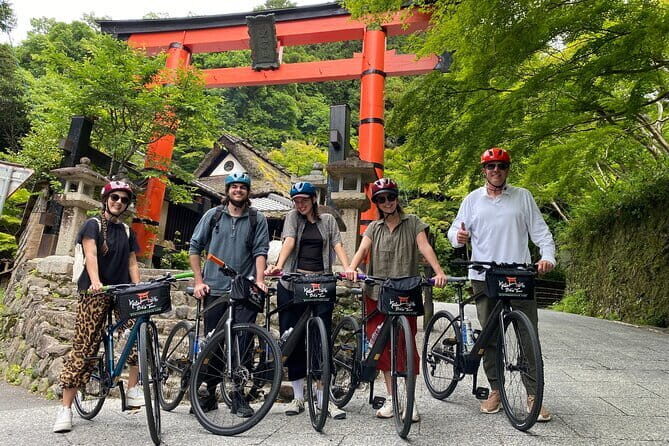
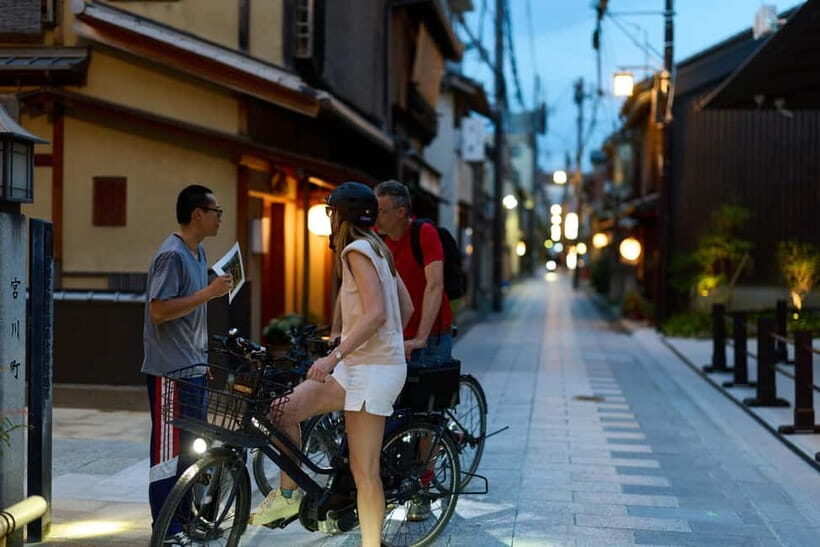
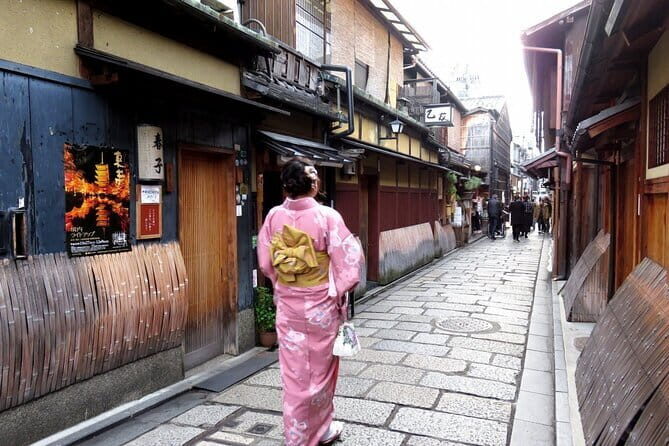
Next comes Shirakawa Lane, with a guided walk that focuses on both place and meaning—about 30 minutes here. You also visit a shrine frequented by geishas, and you’ll get to see how this corner of Gion shapes the way people live, dress, and move through the area.
This part isn’t just scenic. It’s where the guide’s storytelling does most of the heavy lifting. Several guides have been praised for explaining geiko/geisha culture in plain language, plus offering food etiquette notes—so you’re not only eating, you’re learning how locals think about dining.
One practical benefit: when you understand what to look for (and what to avoid doing), the whole walk feels less like wandering and more like reading the neighborhood. You’ll feel smarter without the tour turning into a textbook.
Gion Street Food Interlude: Quick Bites in Between
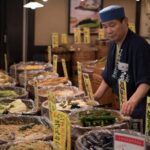
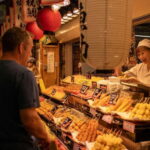
There’s a short street-food segment in Gion (about 15 minutes). This is the part that works best if you like variety. Instead of loading everything into one sitting, the tour feeds you in stages, so you taste more and you stay comfortable walking.
What I like about this structure: you get small hits of flavor while the guide keeps moving you through the district. It’s also a good moment to ask questions, since the walking breaks up the heaviness of the later restaurant meal.
If you’re the type who tends to over-order later at restaurants, this interlude helps you calibrate. You can taste, listen, and learn what to pay attention to when you sit down.
You can also read our reviews of more tours and experiences in Kyoto

Izakaya Dinner in Gion: Karaage, Tempura, Sashimi, and Sake Pairing
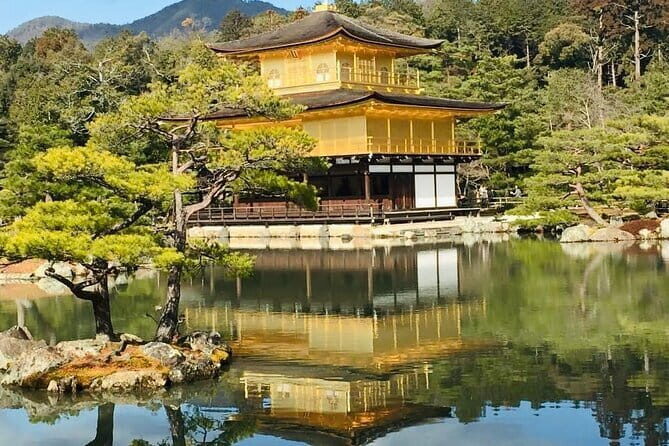
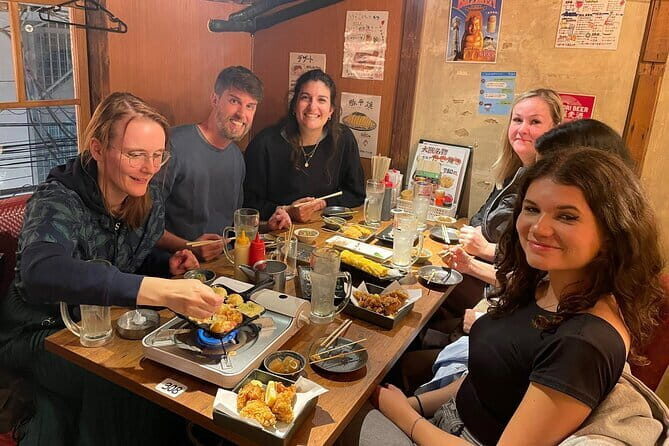
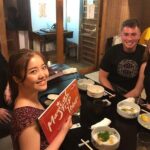
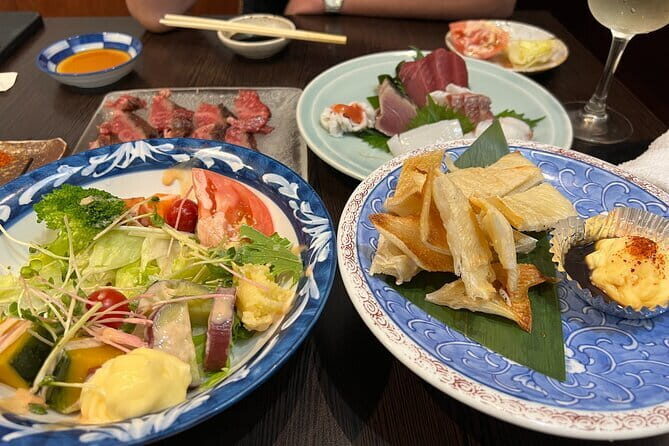
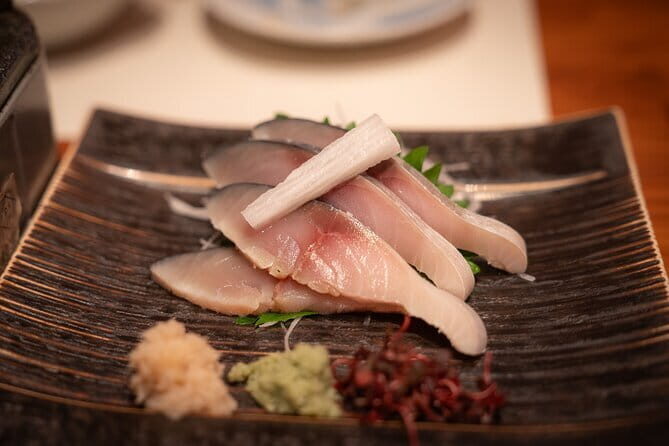
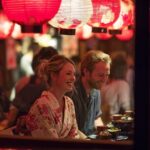
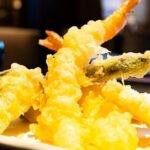
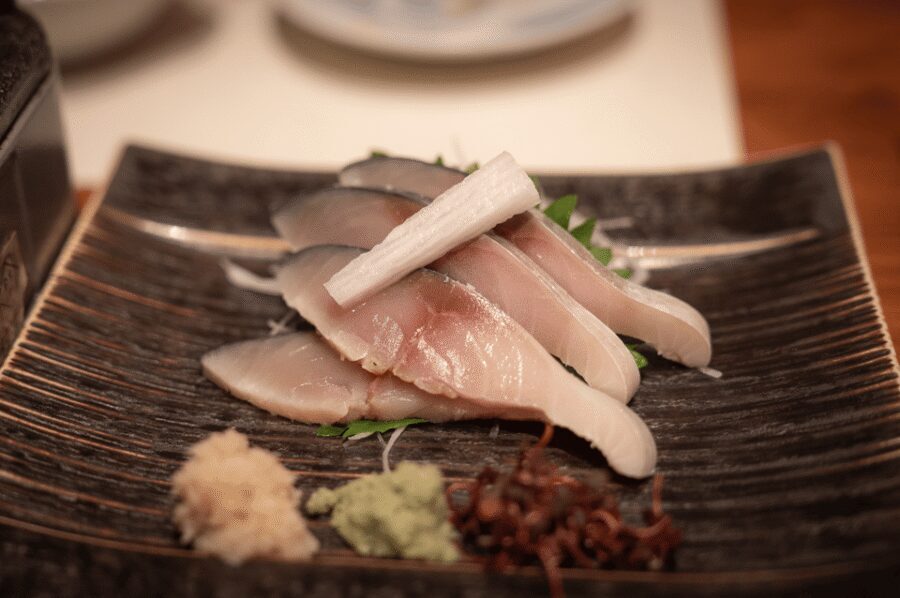
Your main sit-down happens at a cozy izakaya in Gion, where you’ll eat a big set of dishes—up to 13 across the evening (the tour includes food at 1 restaurant and 1 izakaya). The izakaya-style meal is where classic Kyoto flavors show up: karaage, tempura, sashimi, and more.
Two things I really value here:
- The food variety is intentional. You’re not repeating the same profile over and over. You get fried, crisp, raw or fresh, and multiple textures so the evening stays interesting even when you’re full.
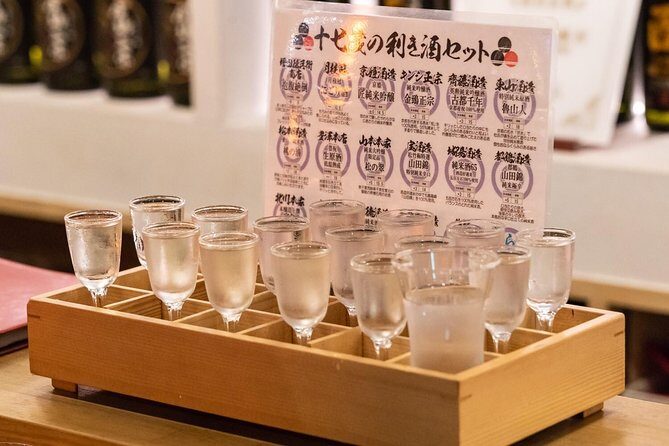
- Sake is part of the plan. The tour is set up to pair with Kyoto’s famous sake, and some guides are especially good at explaining differences between sake types in a way that doesn’t require you to be a “sake person” already.
A heads-up: included drinks cover two drinks total, and extra drinks cost more. If you’re a heavy drinker, budget for that. Otherwise, this setup is good value because you’re getting the culture-focused drink portion without it turning into an expensive open tab.
Also, if you have dietary restrictions, it’s worth flagging them upfront. At least one guide has been noted for being careful about allergies, which tells me the team takes safety seriously and won’t treat restrictions like an afterthought.
Pontocho at Dusk: A Different Mood and Another Hidden Spot
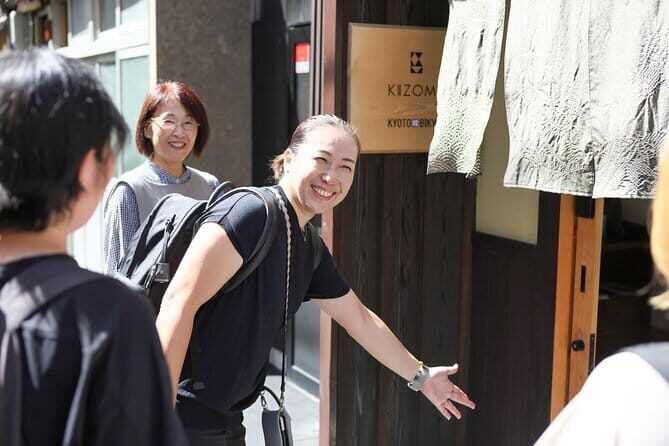
After the Gion portion, the tour shifts to Pontocho, with a guided walk segment (about 15 minutes). Pontocho has a different feel than Gion—more about narrow views and dinner-world energy than the wide open “street theater” effect.
Then you head to a hidden dining spot for about an hour, where you’ll do more food tasting plus drinks (beer or cocktail are mentioned) and dinner. This is the portion that often surprises people: you think you’ve already eaten a lot, and then the tour keeps adding tastings without losing the sense that you’re still experiencing something real.
Why I like ending here: it turns your evening into a complete loop. You start with shrine lights and tradition talk, you eat through Gion, and you finish in a neighborhood built for lingering over food. It feels like Kyoto at night, not just Kyoto during business hours.
And yes—sometimes you even catch glimpses related to the geisha district while you’re waiting or moving between places, which adds to the sense of being in the right location at the right time.
Price Check: Is $82 Worth It for This Much Food?
At $82 per person for about 3 hours, you’re paying for four things at once:
- a guide-led walk through Gion and Pontocho
- access to two guided dining stops (a restaurant and an izakaya)
- a high count of tastings (up to 13 dishes)
- two included drinks
If you tried to do this on your own, you’d likely do one strong meal well—but getting the same packed “variety plan” across multiple dishes, plus the cultural explanations that help you understand what you’re eating, would take time (and guesswork). Time is the real cost in Kyoto.
That said, this price can sting if you’re not a big eater or you don’t drink. The tour is structured around tasting, not just browsing. But if you do want a guided food night where you’re fed, educated, and still walking through the neighborhoods, the math gets easier.
My practical take: if your ideal Kyoto evening includes trying foods you wouldn’t confidently order alone, this tour is a strong value.
Group Dynamics: Why a Max of 8 Makes It Feel Personal
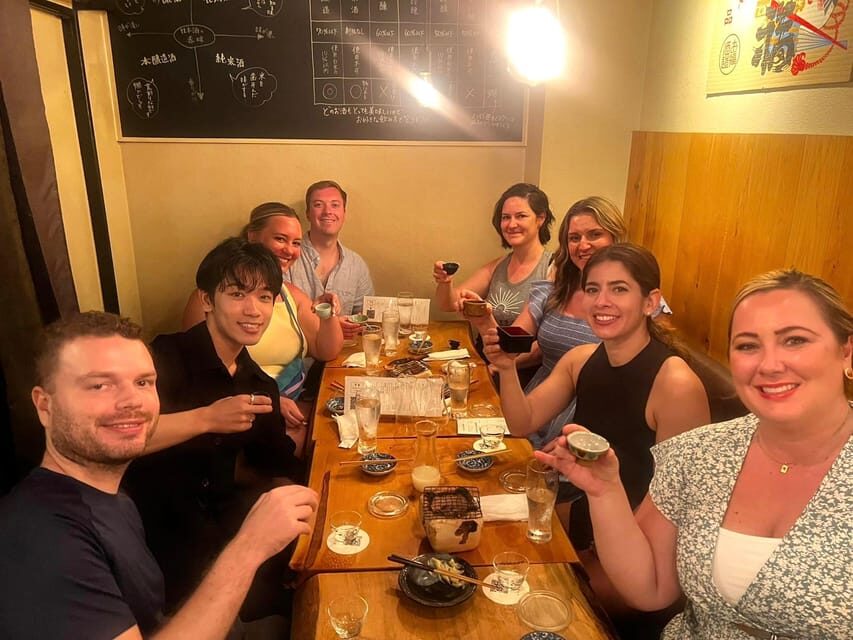
This tour is limited to 8 participants. That matters because Gion and Pontocho are best enjoyed at a human pace. With a bigger group, you spend time waiting, compressing conversations, and eating becomes more rigid.
With a smaller group, you can ask questions and get answers that actually fit your curiosity—whether that’s about geiko culture, Japanese food etiquette, or what you’re tasting. Many of the guide comments emphasize hospitality and friendliness, with people describing the experience as not rushed and comfortable.
If you’re traveling solo, this also helps. You’re not trapped in “tour mode” the whole time. The structure makes it easier to talk with fellow diners in between stops.
What to Wear, What to Expect, and How to Get the Most
You’re walking parts of Gion and Pontocho at night, then sitting for multiple rounds of food tasting. So keep expectations simple:
- wear comfortable shoes
- plan to eat multiple small rounds in one evening
- go in curious, not skeptical
This tour works best when you treat it like a guided tasting menu of Kyoto flavors. If you try to compare every dish to something you’ve had before, you can miss the point. The tour’s value is the pairing of street context + food + drink, in the same night.
Who Should Book This Kyoto Gion and Pontocho Food Tour (and Who Might Skip)
I’d recommend it if you fit at least one of these boxes:
- you want a food-forward evening without spending your trip time researching where to eat
- you’re curious about geisha culture and dining etiquette, but you want it explained clearly
- you like meeting people and chatting with your guide in a small group
- you want to sample several types of Japanese dishes, including items like sashimi and tempura
I’d think twice if:
- you don’t eat much, or you hate the idea of tasting-heavy dining
- you’re hoping for mostly sightseeing with just one main meal
- you expect unlimited drinks (two drinks are included, extras aren’t)
Should You Book? My Honest Recommendation
If you want a Kyoto evening that turns neighborhoods into something edible, I’d book it. The mix of Yasaka Shrine at night, a Shirakawa Lane walk, an izakaya meal with multiple classic dishes, and a final Pontocho tasting session makes this more than a simple dinner reservation.
For the best experience, come hungry, bring your curiosity, and keep your plans flexible enough to enjoy the full 3 hours.
FAQ
How long is the Kyoto Gion & Pontocho food tour?
It lasts 3 hours.
How big is the group?
The group is limited to 8 participants.
Where do we meet?
You meet in front of the main entrance of FamilyMart, Kyoto Gion, facing the main street.
What’s included in the price?
Food at 1 restaurant and 1 izakaya (up to 13 dishes) plus two drinks (alcoholic or non-alcoholic), along with a walking tour with a local guide.
Is the tour guided in English?
Yes, the live tour guide speaks English.
Is it wheelchair accessible?
Yes, it is listed as wheelchair accessible.