REVIEW · FULL-DAY
Kyoto: Nara, Todaiji, Kasuga Taisha Shrine Private Full Day
Book on GetYourGuide →Operated by TripGuru Japan · Bookable on GetYourGuide
Deer, lanterns, and a giant Buddha in one day. This private full-day Nara outing strings together the sights with calm, helpful context, so you are not just ticking boxes. I like the friendly, flexible guidance (people have praised guides such as Akiko for being warm and responsive).
I also like the tight, logical route: you move from Kofuku-ji and the old capital story to Nara Park’s sacred sika deer, then up to Todai-ji and Kasuga Taisha. In particular, guides like Gustavo and Vincent are noted for clear explanations that make the landmarks easier to understand, not harder.
One thing to consider: it is an eight-hour day with guided stops and walking, so it may feel full-on if you want lots of free time to wander slowly. And it is not suitable for pregnant women, people with mobility impairments, heart problems, or respiratory issues.
In This Review
- Key highlights at a glance
- Entering Nara From Kyoto: the day plan that keeps momentum
- Train logistics that actually feel simple
- Kofuku-ji and Heijo-kyo: starting with the story, not the souvenir shops
- Nara Park and the sika deer: sacred messengers, easy photo moments
- Todai-ji: the Great Buddha you actually remember
- Lunch at Kotoya: a simple decision, and you keep control
- Kasuga Taisha shrine: thousands of lanterns and a different mood
- Naramachi: Edo-period merchant lanes for an authentic, less-instant vibe
- Time, effort, and who this private day suits best
- Price and value: is $183 per person a good deal?
- What to bring (and what to skip)
- Should you book this private Nara day from Kyoto?
- FAQ
- Where is the meeting point in Kyoto?
- How long is the private tour?
- What does the price include?
- How do we get from Kyoto to Nara?
- Is lunch included?
- What are the main stops during the day?
- What languages are offered for the live guide?
- Who should not join this tour?
Key highlights at a glance
- Kofuku-ji context: start with Heijo-kyo imperial capital history and the Gyoki Statue area
- Nara Park sika deer: free-roaming, sacred messengers, plus classic Nara photo ops
- Todai-ji + Great Buddha: UNESCO site with one of Japan’s largest bronze Buddha statues
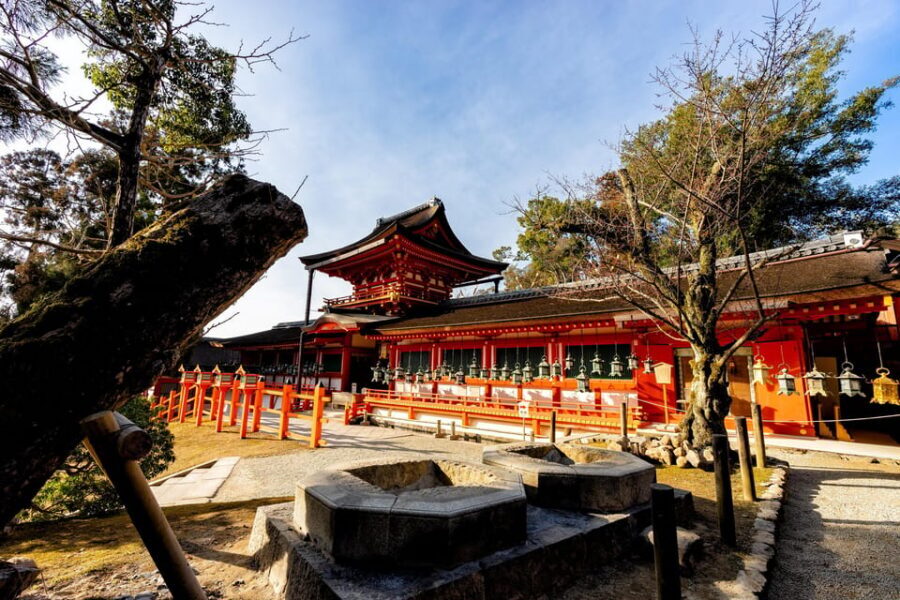
- Kasuga Taisha lanterns: shrine atmosphere with thousands of hanging lanterns
- Naramachi Edo-style lanes: traditional merchant-house streets for a slower stroll
Entering Nara From Kyoto: the day plan that keeps momentum
Most people come to Nara to see the headline spots. This tour does that, but it also gives you a “why” for each stop, which makes the day feel less random.
You meet at 7-Eleven Heart-In at JR Kyoto Station Central Entrance. The guide will be easy to spot, wearing a TripGuru shirt or holding a TripGuru sign. From there, you take the express train to Nara with the guide keeping things smooth, including help with train tickets on the day.
The rhythm matters. Your group is guided through key sights in blocks, then you get short windows to absorb the atmosphere and take photos. That works well if you want a meaningful day without spending hours planning routes, entrance timing, and transit.
You can also read our reviews of more private tours in Kyoto
Train logistics that actually feel simple
Transportation is not included in the base price, but you are not left to figure it out alone. The tour notes that you can use a JR Pass, and the one-way train ticket is listed at JPY 1280. Your guide assists you with purchasing the ticket to Nara.
The train ride is about one hour each way, so the trip does not swallow the whole day. That matters because the sights you are targeting are spread across different areas in Nara. You want to arrive with energy, not dread.
Practical tip: bring a little cash on hand anyway. The tour explicitly suggests cash, and you may want it for small purchases during the day. Also, wear comfortable shoes, because even when stops feel short, you will still be on your feet for multiple locations.
Kofuku-ji and Heijo-kyo: starting with the story, not the souvenir shops
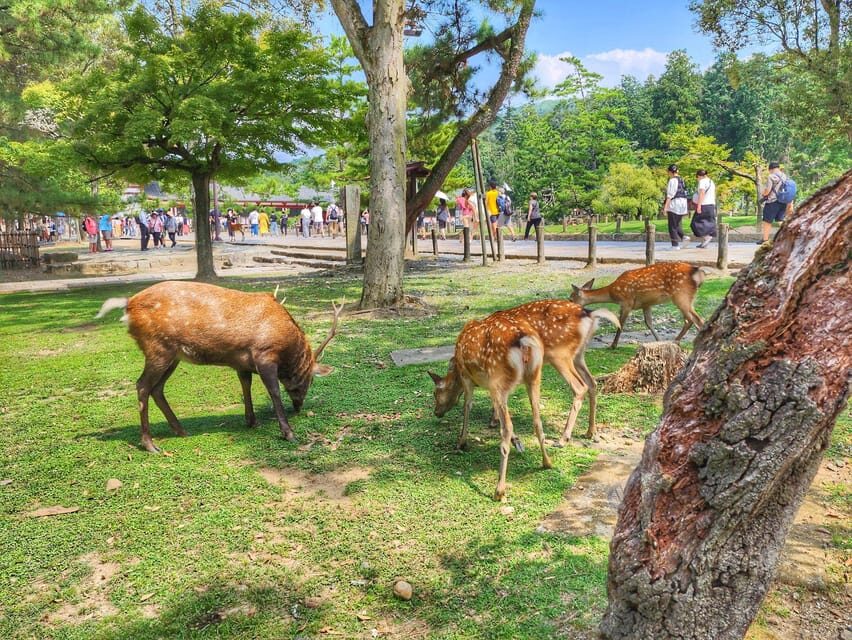
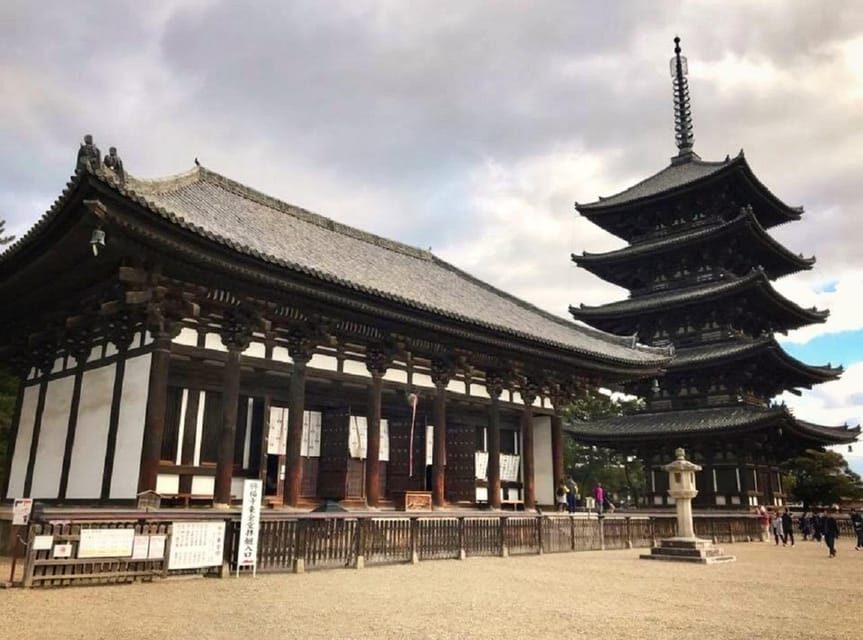
Your first major stop is Kofuku-ji, guided for about 30 minutes. It is an excellent opener because you start hearing how Nara became the Heijo-kyo imperial capital, and you learn about the temple’s role in that broader history.
You will also pass the Gyoki Statue area, which helps set the tone for the day. This is one of those moments where you can feel the tour shaping your understanding. Instead of wandering temples like a checklist, you learn what to pay attention to: why a place matters, and how it connects to Japan’s political and religious shifts.
What I like about this approach for you: it gives meaning before the big wow factor. By the time you reach Todai-ji, you are not just staring at a massive Buddha. You understand the cultural gravity behind it.
Possible drawback: if you come only for deer and photos, the Kofuku-ji history may feel a bit heavier at the start. The good news is it is only 30 minutes, so you are not stuck there forever.
Nara Park and the sika deer: sacred messengers, easy photo moments
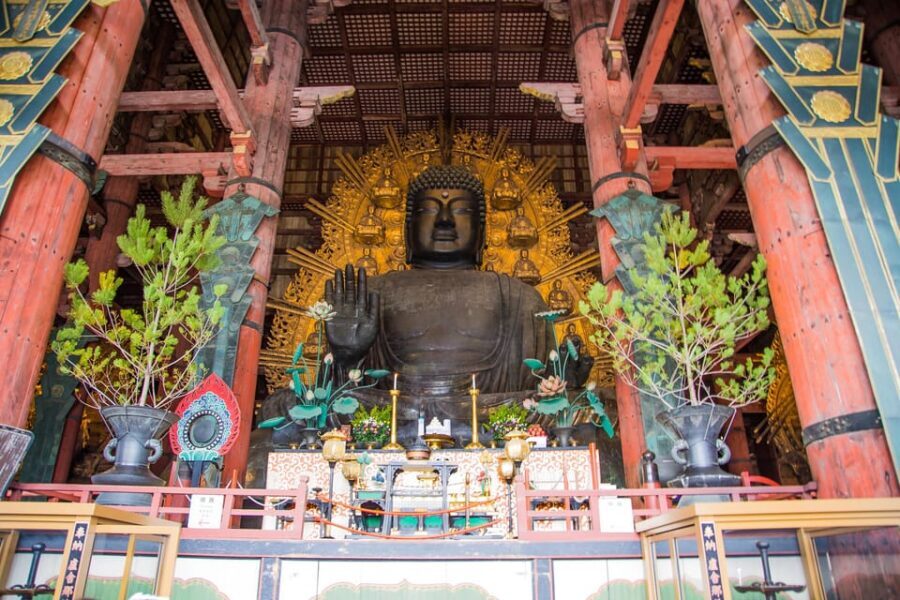
Next is Nara Park, with about 15 minutes of guided visit and walking. This is the heart of the Nara “instant icon” experience, because you will see the free-roaming sika deer.
The tour framing is clear: these deer are considered sacred messengers of the gods in Shinto, and they function as symbols of Nara. That changes how you see them. You are not just looking at wildlife; you are seeing something tied to local tradition.
Within your short time here, you can take photos and enjoy the open green spaces. Nara Park is the kind of place where the atmosphere does half the work for you: big sky, lots of greenery, and deer calmly crossing your path.
Practical note: bring your camera, and keep your eyes open for your guide’s cues. With deer roaming freely, it pays to follow group flow so you do not end up chasing a photo moment that eats your time.
Todai-ji: the Great Buddha you actually remember
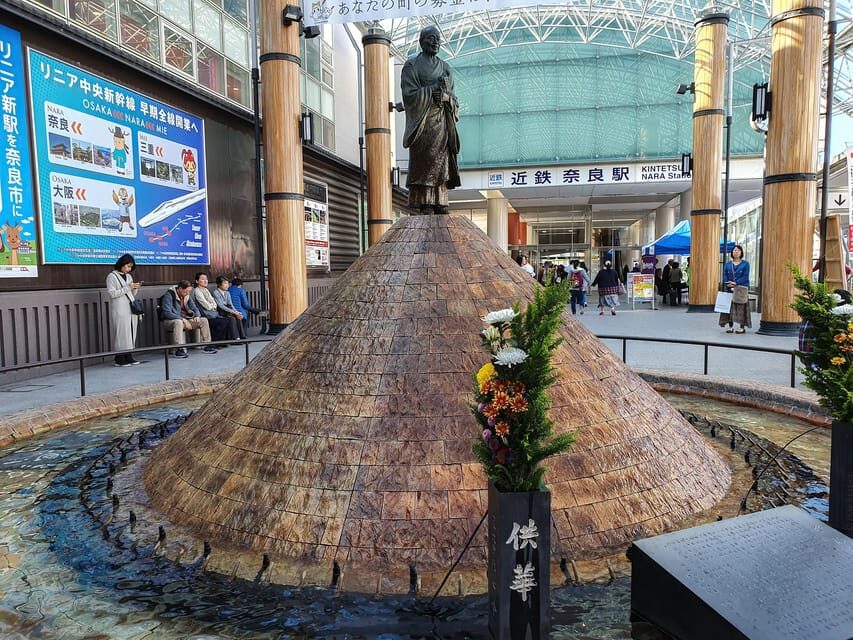
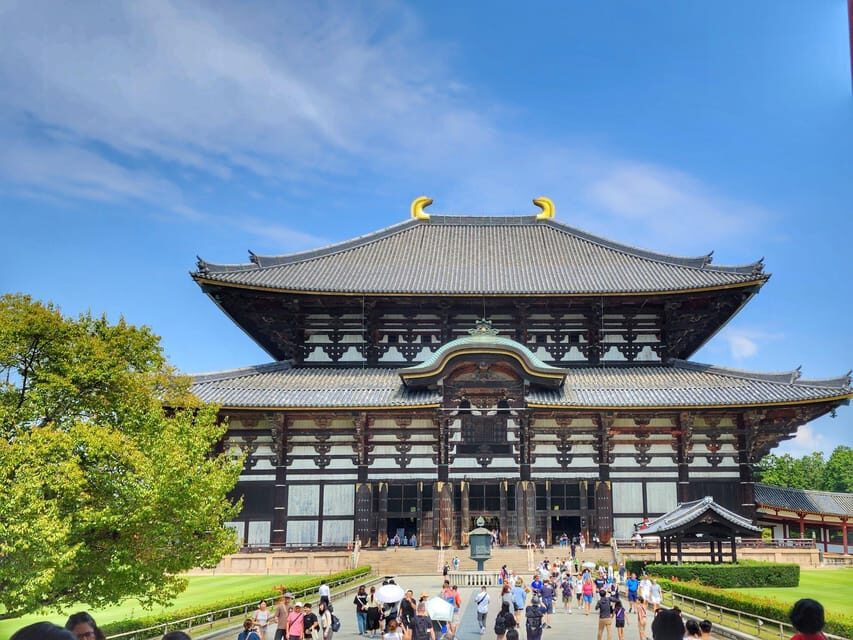
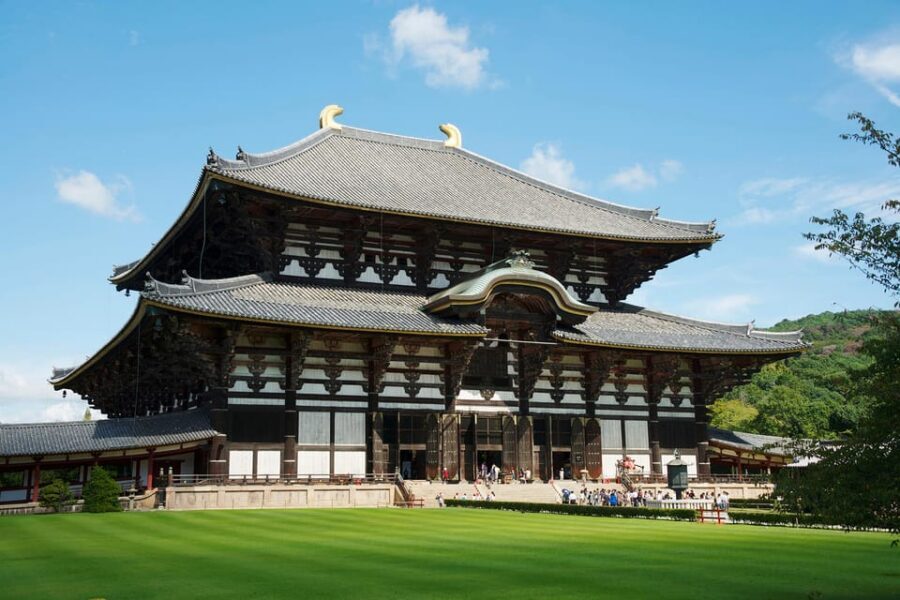
After Nara Park, you head to Todai-ji, guided for about one hour. This is a UNESCO World Heritage Site and the reason many people plan Nara day trips in the first place.
The highlight here is the Great Buddha (Daibutsu), described as one of the largest bronze Buddha statues in Japan. The scale is the obvious draw, but what you get from a guided visit is the payoff: you understand what you are looking at and why it has such cultural importance.
Why this stop is so valuable: the Great Buddha feels like a modern landmark, but it is part of a long religious story. When you have that context, your brain stops treating it like a random big statue and starts treating it like a center of gravity for the region’s Buddhist world.
Time check: you get a full hour with the guide, so you are not pushed through like a fast-food line. Still, if you are the type who wants slow, long staring, remember the day is scheduled with multiple other anchors.
You can also read our reviews of more tours and experiences in Kyoto
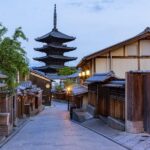
Lunch at Kotoya: a simple decision, and you keep control
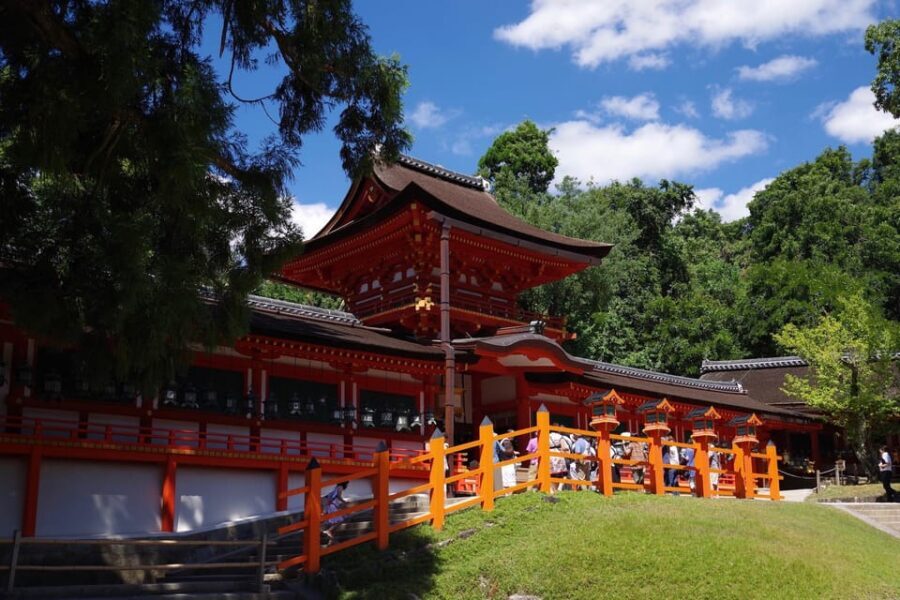
Lunch is not included by default. Instead, the tour offers a traditional meal option at Kotoya Restaurant for around JPY 2500 per person, with about one hour allocated for lunch.
This is a good setup because Nara can be busy, and having a suggested place can save you time. At the same time, you are not locked in if you prefer to grab something else or bring your own. The tour specifically notes that customers can choose the Kotoya lunch or bring their own.
My practical take: if you want the least-stress lunch, choose Kotoya. If you want maximum freedom, bring your own or plan something nearby. Either way, keep your energy for the next shrine walk—Kasuga Taisha is coming, and that lantern atmosphere takes time to enjoy properly.
Kasuga Taisha shrine: thousands of lanterns and a different mood
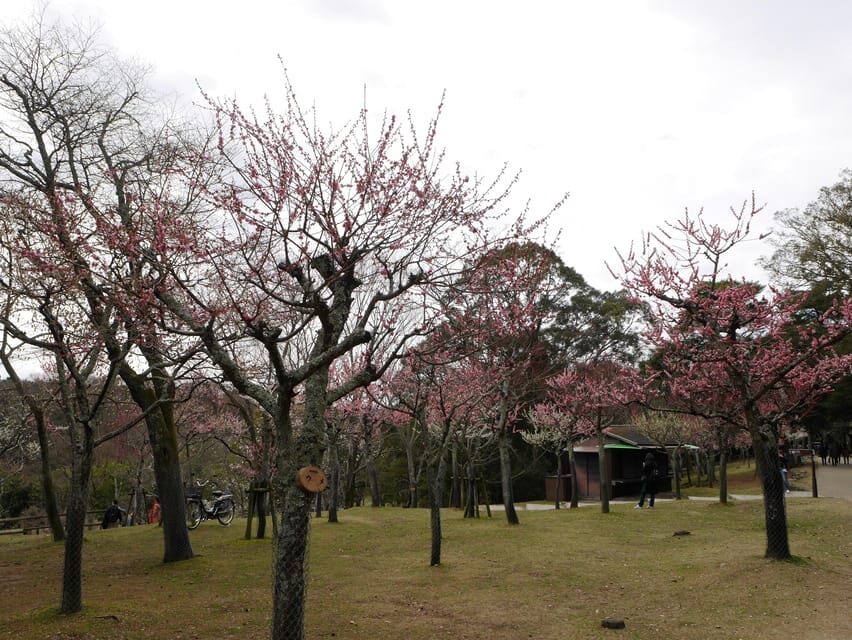
Then you visit Kasuga Taisha, guided for about one hour. This shrine is famous for its thousands of hanging lanterns, and the tour includes time to take in that visual rhythm.
Kasuga Taisha can feel different from the temple-heavy part of the day. Temples often hit you with scale and monumentality. Kasuga Taisha tends to create a mood: lanterns, shrine details, and a calmer pace that lets you slow down and look.
The tour also includes a stroll that helps connect the shrine visit to the next area. You do not just drop in and leave. You get guided help to notice what matters, then you transition into a neighborhood walk.
If you are sensitive to crowds or light-heavy environments, go into this expecting a lot of visual stimuli. The lanterns are the point, but they can be intense if you are already tired from the morning.
Naramachi: Edo-period merchant lanes for an authentic, less-instant vibe
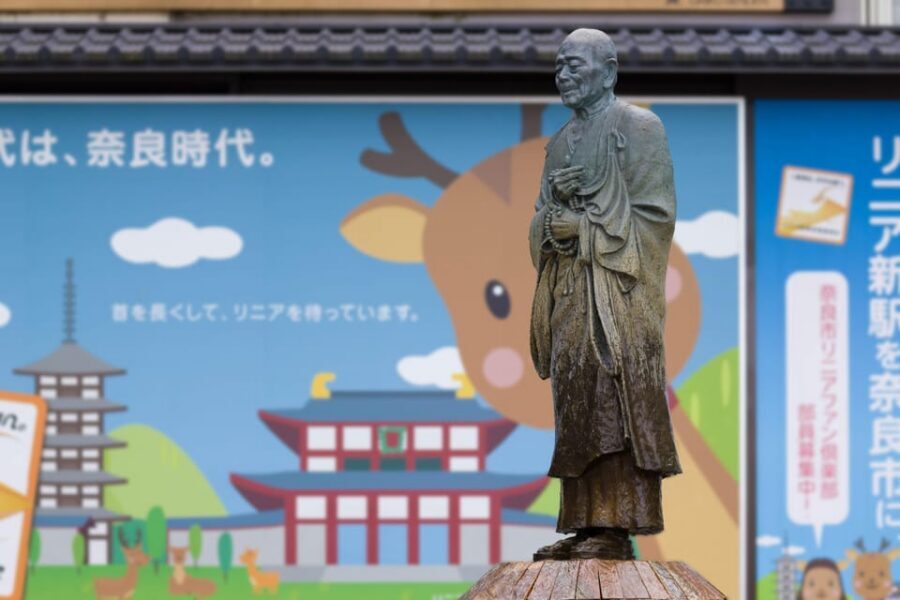
After Kasuga Taisha, you head to Naramachi, with about one hour to visit. This is where the day gains a softer edge.
You will glimpse narrow lanes lined with well-preserved traditional merchant houses, described as capturing the essence of the Edo period. This is not about one landmark you photograph from a distance. It is about street texture and atmosphere.
I like this ending because it gives you a change of pace after Todai-ji and shrine time. You get to move at a more human speed, look into the shape of old neighborhood life, and see Nara beyond the biggest hits.
If you are the kind of person who always wants one “bonus neighborhood” moment on a trip, Naramachi is that. It also gives you a place to cool down a bit before the return train.
Time, effort, and who this private day suits best
This is a private group full-day tour that runs about 8 hours. That duration is long enough to cover major landmarks without rushing, but short enough that it still feels doable from Kyoto.
Here is the trade-off: you are traveling with guided blocks at most of the key stops. If you want to build your own Nara schedule from scratch, you might prefer solo planning. If you want structure and context, this format is a win.
Who it suits:
- You want a guided day that explains what you are seeing, not just where to stand for photos
- You like the idea of a private group with an English-speaking guide (French and Spanish are offered too)
- You want transportation help with the train ticket so the day does not get complicated
Not suitable:
- Pregnant women
- People with mobility impairments
- People with heart problems
- People with respiratory issues
Price and value: is $183 per person a good deal?
At $183 per person for an eight-hour private day, the value depends on what you compare it to.
What you get that costs money if you plan alone:
- An English-speaking tour guide (and it can be French or Spanish)
- Entrance fees included for Todai-ji Temple and Kasuga Shrine
- Snacks included
- Guide support for train ticket purchase to Nara
What you add on yourself:
- Transportation to Nara (JR Pass can be used; ticket is JPY 1280 one way)
- Lunch, unless you choose the optional Kotoya meal around JPY 2500
So the real question is whether you want to pay for the “guided interpretation” layer. For many people, that is the reason to go with a tour. It turns Nara from a list into a story.
Also, you are paying for time efficiency. With a guided private day, you spend less time figuring out logistics and more time at the places that matter.
If you are traveling with friends or family, private touring can also be cost-justified because everyone shares the guide and you do not deal with a crowd-control nightmare.
What to bring (and what to skip)
The tour is straightforward about what matters:
- Comfortable shoes
- Camera
- Cash
Keep it light. You will be moving between stops, and the best photos often come from being able to step, pause, and look without wrestling bags.
If you get cold easily, bring a thin layer. The tour does not mention weather gear, but Nara days can shift from sunny to shaded quickly around parks and shrine grounds.
Should you book this private Nara day from Kyoto?
If you want a full Nara day with guide-led context, this is an easy yes. The strongest reasons are the sequence (history → deer → Great Buddha → lantern shrine → old merchant streets) and the clear, friendly guiding style people highlight in past groups, including names like Akiko, Gustavo, Vincent, and Alex.
Book it if:
- you like guided explanations and want to understand what you see
- you want convenience with train ticket help
- you are happy with a structured day that still includes time to walk and look
Skip it (or consider a different format) if:
- you want lots of long, unguided roaming
- you need accessibility accommodations, since the tour is not suitable for mobility impairments and has limits tied to health conditions
- you are trying to minimize paid extras, since lunch and transportation are on you
If that sounds like you, you will likely come away with more than photos. You will come away with the sense that Nara has a backbone, and your day made sense from start to finish.
FAQ
Where is the meeting point in Kyoto?
You meet at 7-Eleven Heart-In – JR Kyoto Station Central Entrance. Look for a guide wearing a TripGuru shirt or holding a TripGuru sign.
How long is the private tour?
The tour lasts about 8 hours.
What does the price include?
The tour includes an English-speaking tour guide, entrance fees for Todaiji Temple and Kasuga Shrine, and snacks.
How do we get from Kyoto to Nara?
Transportation is not included, but the guide will help you purchase the train ticket to Nara on the day of travel. The tour notes that a JR Pass can be used, and the one-way train ticket is listed as JPY 1280.
Is lunch included?
Lunch is not included by default. You can choose a traditional lunch at Kotoya Restaurant (around JPY 2500 per person) or bring your own.
What are the main stops during the day?
The day focuses on Kofuku-ji, Nara Park, Todaiji, Kasuga Taisha, and Naramachi, with time for walking and guided explanations at several of those stops.
What languages are offered for the live guide?
The live guide is available in French, Spanish, and English.
Who should not join this tour?
The tour states it is not suitable for pregnant women, people with mobility impairments, people with heart problems, and people with respiratory issues.
If you tell me your travel month and whether you prefer early starts or a slower pace, I can suggest the smartest way to plan your expectations around this exact schedule.