REVIEW · KYOTO
Kyoto Urushi Lacquer Factory Tour and Chopstick Making Experience
Book on Viator →Operated by JTB KYOTO OFFICE · Bookable on Viator
Lacquer gets serious in Kyoto. Step into the Tsutsumi Asakichi Urushi workshop and you’ll watch sap become urushi lacquer, then paint it onto your own chopsticks with fuki-urushi. I love how the guide turns a craft tradition into something practical and hands-on, and I love that this factory is tied to real production for artisans across Japan. The only catch: wear clothes you don’t mind getting messy, and plan without luggage storage.
This Tsutsumi Asakichi Urushi experience is run by a factory founded in 1909, and it says it refines over 70% of Japan’s domestic urushi. You’ll see how sap is collected and then refined into something craftsmen can actually use, plus how color work fits into the final product—then you head upstairs for the chopstick workshop.
The session runs about 90 minutes, starts at 10:00 am, and ends back at the meeting point in central Kyoto. The group stays small (up to 5), and it uses a mobile ticket, but the tour does require a minimum of 2 participants to operate.
In This Review
- Key things I’d plan around
- Tsutsumi Asakichi Urushi: Why This Kyoto Factory Tour Matters
- Getting Oriented in Central Kyoto (10:00 Start, No Luggage, Clothes Matter)
- Factory Tour Flow: From Sap Collection to Craft-Ready Urushi
- The Und. Storefront: Where Tools and Supplies Meet the Craft
- Chopstick Workshop Upstairs: Your Hands-On Moment With Fuki-Urushi
- Taking Your Lacquer Chopsticks Home: The Souvenir With Real Meaning
- Price and Value: Is $97.55 Worth It?
- Who This Kyoto Urushi Tour Fits Best
- Should You Book This Kyoto Urushi Lacquer Factory and Chopstick Tour?
- FAQ
- How long is the Kyoto Urushi Lacquer Factory Tour and chopstick experience?
- What time does the tour start?
- Where do I meet for the tour?
- Is the tour conducted in English?
- What’s included in the price?
- How many people are in the group?
- Is luggage storage available?
- What is the cancellation policy?
Key things I’d plan around
- Over 70% of domestic urushi: you’re seeing large-scale refinement, not a tiny demo.
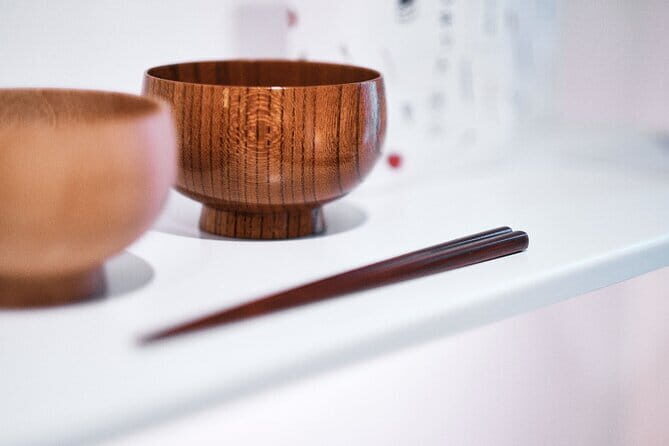
- Hands-on fuki-urushi chopsticks: you keep the pair you lacquer yourself.
- English tour: the craft process is explained clearly end to end.
- Founded in 1909, 4th generation today: the factory connects past production to present-day use.
- Wear-get-dirty clothing: the workshop part can be messy, and there’s no luggage room.
Tsutsumi Asakichi Urushi: Why This Kyoto Factory Tour Matters
Kyoto is full of craft shops. This one works because it’s not just selling finished items—it’s tied to the full chain of making urushi lacquer. At Tsutsumi Asakichi Urushi, you’ll learn how lacquer sap is collected from the Japanese lacquer tree, then refined until it’s ready for craftsmen.
What I like most is the scale and the purpose behind the work. The factory explains that it supplies high-quality lacquer to lacquerware artisans and craftsmen across Japan, and it puts a real number on that footprint: it refines over 70% of domestic urushi. That matters, because it helps you understand why the process is taken so seriously. When something supports makers nationwide, details aren’t optional.
You also get a sense of why urushi is still relevant. The current 4th generation owner is trying to reestablish urushi in everyday life, not only for traditional goods but for modern products too. And the message is clear: safe use of high quality lacquer matters, whether you’re making classic lacquerware or something new.
You can also read our reviews of more tours and experiences in Kyoto.



Getting Oriented in Central Kyoto (10:00 Start, No Luggage, Clothes Matter)

This experience starts at Tsutsumi Asakichi Urushi Japan, 600-8098 Kyoto, Shimogyo Ward, Inarichō, 540番地. It ends back at the same meeting point, which makes it easy to fit into a busy Kyoto day without planning a complicated second leg.
It’s set for 10:00 am and runs about 1 hour 30 minutes. With a schedule like that, I think it’s a strong choice if you want one focused cultural activity rather than bouncing between half-day stops.
Two practical notes can change how comfortable your day feels:
- There’s no large luggage storage, so travel with a day bag, small backpack, or whatever you can carry comfortably.
- Wear clothes suitable for getting dirty. Even if you’re careful, this is a hands-on lacquer workshop, and you don’t want to worry about every speck.
You’ll also want to remember that transportation isn’t included. Plan on reaching the factory by public transit or a short local taxi ride on your own.
Factory Tour Flow: From Sap Collection to Craft-Ready Urushi
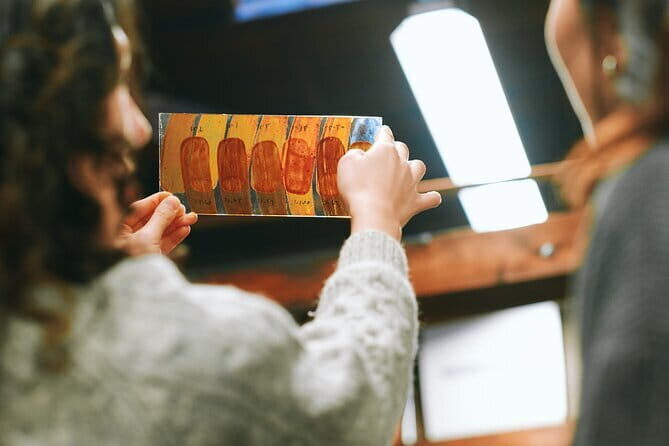
The heart of the tour is the process. You’ll enter the factory environment and get guided explanations of how lacquer sap is collected from the Japanese lacquer tree. Then the guide walks you through how the sap is refined into a usable material for craftsmen.
You won’t be stuck with only talking. During the factory tour, you’ll see well-kept details about refining and coloring lacquer for the needs of local makers. This is where the experience becomes more than a souvenir stop: you start connecting what you see in lacquerware (sheen, color, finish) to the work that happens before any decoration.
The tour also gives you a sense of why urushi production isn’t quick or casual. The factory’s story includes the decline of traditional urushi in the 20th century and the challenge of keeping production alive. When you hear that, you’ll understand why the current generation is pushing for safer, higher quality lacquer use and for keeping urushi relevant beyond museum pieces.
One more thing I appreciate: the tour is conducted entirely in English. That’s big in a technical craft like lacquer, where key steps and reasoning matter. You’re not just learning what happens—you’re hearing the logic behind the refinement and color work.
The Und. Storefront: Where Tools and Supplies Meet the Craft
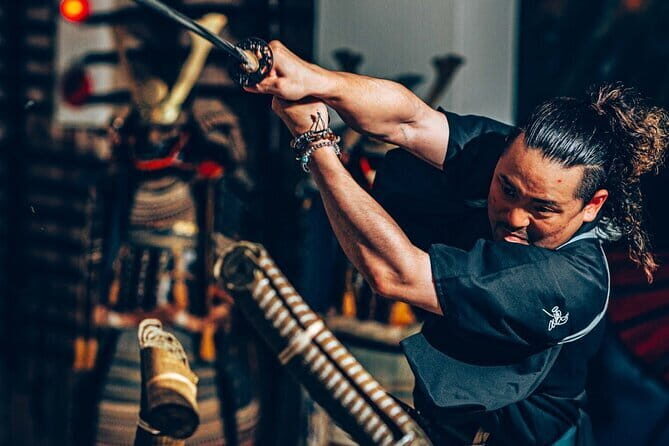
Before you go into the factory side, you start at the factory store area called Und., which specializes in items and tools for lacquerware artists. Walking into that space sets expectations fast. It feels like a working craft culture—more maker supply than tourist stall.
What’s useful here is that you’re not only learning history. You’re seeing what people use to do the job. Even if you don’t buy anything, the store is a quick education in how lacquer craft has its own world of materials, tools, and routines.
If you’re the type who likes to shop with a purpose, this is a better setup than browsing random gifts. The store supports actual practitioners, which means you’re more likely to notice how lacquer work fits together as a system: tools, materials, and the finished object all connect.
And because the tour continues directly into the factory and then the workshop upstairs, it doesn’t feel like a separate shopping stop. It’s part of the same story arc, from raw material to workable lacquer to finished craft.
Chopstick Workshop Upstairs: Your Hands-On Moment With Fuki-Urushi
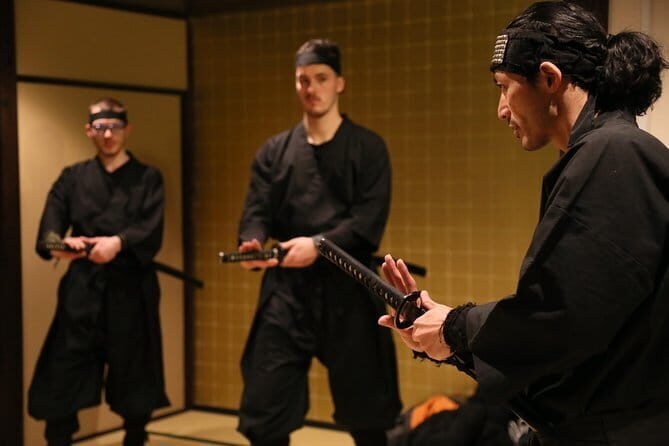
After the factory portion, you’ll head to the workshop area on the top floor. This is where you apply lacquer to a pair of chopsticks, using the traditional fuki-urushi technique.
This is the most satisfying part of the day for me, because it forces your brain to switch from reading about craft to doing it. In most craft experiences, you watch and leave. Here, you put lacquer onto a real functional object, and you get to take it with you.
A workshop like this also helps you appreciate why the factory steps matter. When you physically apply lacquer, you start to understand how refinement and color work affect what you’re seeing and doing. Even without turning into a lacquer artisan overnight, you’ll walk away with a clearer respect for why makers spend time on the early stages.
You’ll leave with your chopsticks as a present and a memory from the factory visit. That’s a nice touch for value: you’re not paying mainly for a talk—you’re getting a tangible object that carries the process with it.
Practical tip: treat this moment like a low-stakes class. Focus on the technique you’re shown, not on perfection. The point is learning how lacquer work feels when it’s applied, not producing showroom-level chopsticks on your first try.





Taking Your Lacquer Chopsticks Home: The Souvenir With Real Meaning
Most Kyoto crafts give you something pretty. This one gives you something practical, because chopsticks are meant to be used. That changes the emotional payoff. It’s easier to remember the factory steps when you’re holding the same object you lacquered yourself.
Because the tour ends back at the meeting point, the “take it home” portion is straightforward in terms of logistics. You’ll just need to handle the chopsticks like any delicate handmade item—keep them secure in your bag and avoid rough tossing or bending.
Also remember: there’s no large luggage storage at the factory. If you’re also carrying shopping bags, plan how you’ll pack your chopsticks right away. A small protective pouch or wrap can be the difference between calm and stressful.
Price and Value: Is $97.55 Worth It?
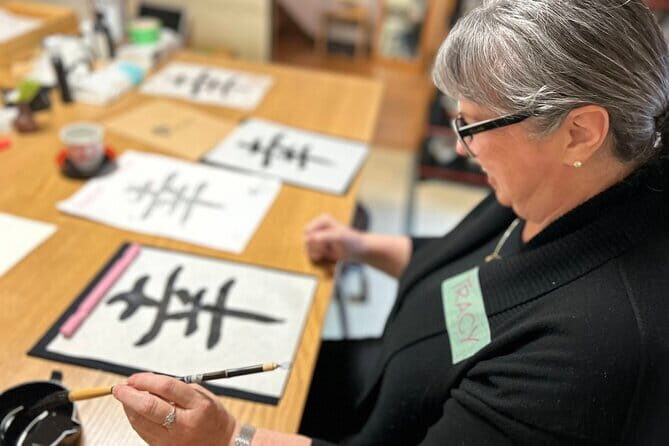
$97.55 for a 90-minute, English-guided experience isn’t a bargain in the strict sense. But it can be fair value when you look at what’s included: a guided factory tour plus hands-on lacquer application to a pair of chopsticks that you keep.
Where the price makes sense for me is the combo:
- You get to see urushi refining and coloring connected to real production.
- You get an instruction-based workshop, not just a viewing experience.
- The group stays small, up to 5 people, which usually means you’re not lost in a crowd.
The fact that the factory refines such a large share of domestic urushi also matters. You’re not paying for a performance. You’re paying for access to the real work of a long-running producer founded in 1909.
If you love crafts, materials, and process, you’ll likely feel the value right away. If you’re in Kyoto for quick photo stops only, it may feel like more time and effort than you want.
Either way, it’s worth doing the math based on your own style: how much you enjoy hands-on making versus pass-through sightseeing.
Who This Kyoto Urushi Tour Fits Best
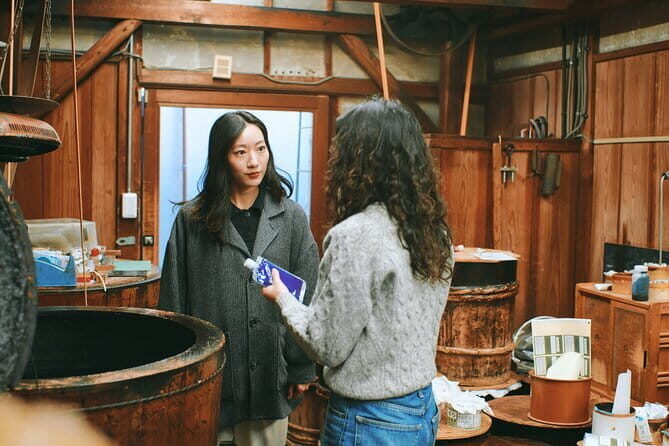
This experience is a great match if you:
- want a serious craft topic explained in plain English,
- like hands-on cultural workshops more than simple museum-style tours,
- enjoy understanding how materials become finished objects.
It’s also a solid option for couples or small groups because it runs with a minimum of 2 participants. If you’re traveling solo, check dates carefully so you’re not stuck with an offered alternative or a cancellation if the minimum isn’t met.
If you’re sensitive to messy hands or worry about getting dirty clothes, take the workshop clothing note seriously. This is designed for craft work, not for staying spotless in your favorite outfit.
And if you’re planning your day around central Kyoto and public transit access, this stop is conveniently located and easy to stitch into an itinerary.
Should You Book This Kyoto Urushi Lacquer Factory and Chopstick Tour?
Book it if you want more than a souvenir shop visit. This is a process-focused experience with a hands-on payoff: you learn how urushi lacquer is refined and colored, then you apply lacquer yourself using fuki-urushi and take your chopsticks home.
Skip it only if you’re looking for something purely scenic or you want zero mess. Also, if your schedule is tight around the 10:00 am start, double-check that you can make it without stress.
If you’re a curious maker-at-heart—even if you’ve never touched lacquer before—this tour is the kind of Kyoto craft visit that leaves you with a better story than a photo.
FAQ
How long is the Kyoto Urushi Lacquer Factory Tour and chopstick experience?
It lasts about 1 hour 30 minutes.
What time does the tour start?
The start time is 10:00 am.
Where do I meet for the tour?
Meet at Tsutsumi Asakichi Urushi Japan, 600-8098 Kyoto, Shimogyo Ward, Inarichō, 540番地.
Is the tour conducted in English?
Yes, the tour is conducted entirely in English.
What’s included in the price?
You get a guide, a tour of the store and the factory, and you apply lacquer to a pair of chopsticks.
How many people are in the group?
The maximum group size is 5 travelers.
Is luggage storage available?
No, there is no large luggage storage available.
What is the cancellation policy?
This experience is non-refundable and cannot be changed for any reason. If it’s canceled because the minimum number of participants isn’t met, you’ll be offered a different date/experience or a full refund.