REVIEW · HISTORICAL TOURS
Kyoto: Historic Higashiyama Walking Tour
Book on GetYourGuide →Operated by Pinpoint Traveler · Bookable on GetYourGuide
Kyoto does change fast, but this area shows it gently. You get a tight route through Fushimi Inari Taisha and then back down into Higashiyama’s old streets, with a guide who helps you make sense of what you’re seeing. I like the built-in “story stops” that connect shrines, temple rituals, and daily Kyoto life in under four hours. I also like that the group stays small (up to 10), so the guide can slow down for questions and even shift pace when people are getting tired. One possible drawback: there’s some uphill walking and steps, so if hills exhaust you, plan carefully.
What makes this tour practical is that two big ticket entrances are already handled: Kōdaiji and Kiyomizu-dera. You’ll spend time where the sights matter, not just walk between photo spots, and you’re left with free time at the end to keep exploring at your own speed.
In This Review
- Key highlights you’ll feel right away
- Why Higashiyama works so well on foot
- Meeting at JR Inari Station and getting your timing right
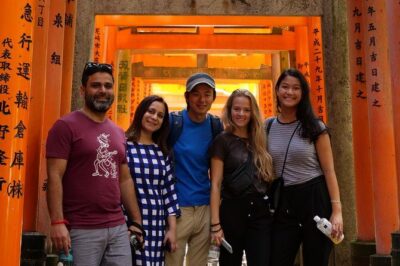
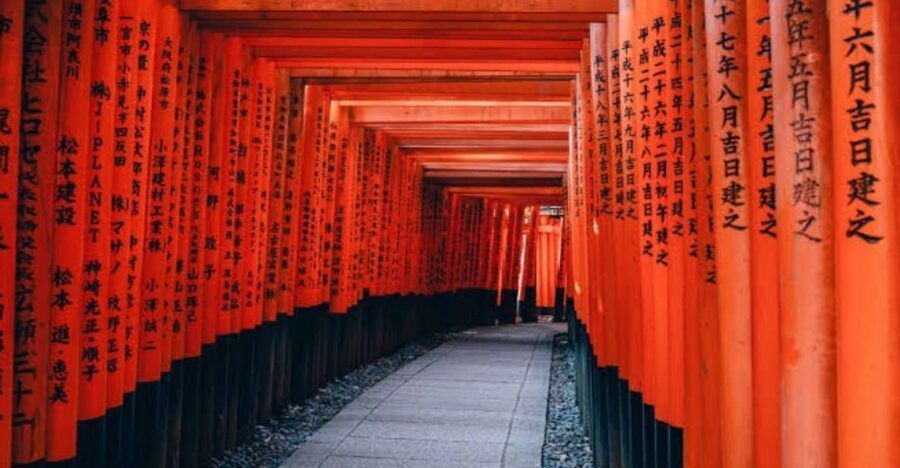
- Fushimi Inari Taisha: torii gates with a plan, not just photos
- Gion transfer: the stories behind the evening-entertainment district
- Kōdaiji Temple: serenity, gardens, and a bamboo grove moment
- Sannenzaka backstreets: shopping you can actually enjoy
- Kiyomizu-dera: the Otowa Waterfall and why the ritual matters
- How the guide experience changes everything
- Price and value: what $106 buys you in Kyoto
- What to bring (and what to leave behind)
- Best for: first-timers, history lovers, and anyone who wants a plan
- Should you book the Kyoto Historic Higashiyama Walking Tour?
- FAQ
- Where do I meet for the Kyoto Higashiyama Walking Tour?
- How long is the tour, and what’s the walking like?
- What is included in the price?
- Are food and drinks included?
- What languages are the live guides available in?
- Is the tour suitable for people with mobility impairments?
Key highlights you’ll feel right away
- Fushimi Inari’s Senbontorii route guided so you don’t just wander through red gates
- Train transfer to Gion so you hit both areas without losing the day
- Kōdaiji Temple with admission included, plus calm gardens and bamboo groves
- Sannenzaka backstreets for traditional streetside snacks and small souvenirs
- Kiyomizu-dera with admission included and the Otowa Waterfall ritual you can try
Why Higashiyama works so well on foot
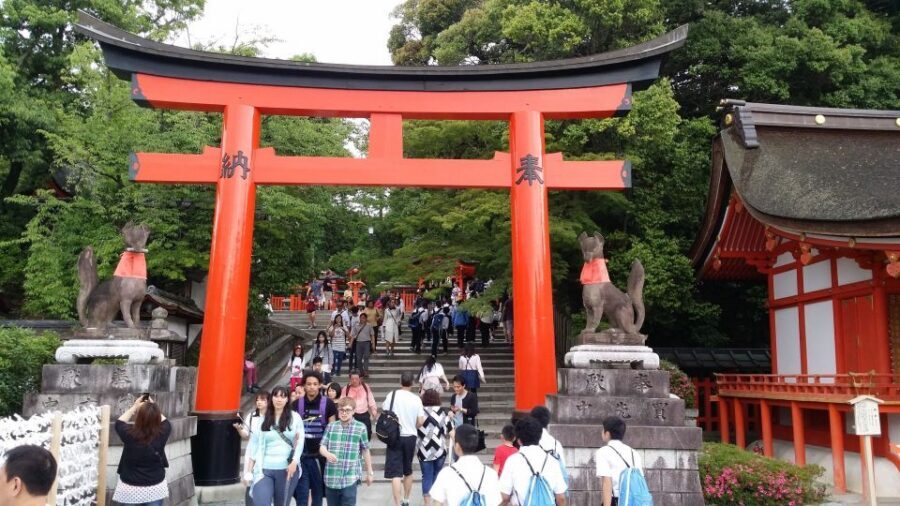
Higashiyama is the part of Kyoto people picture first. The old lanes, temple gates, and hillside views make you feel like the city has layers. And the layout is friendly for walking because you’re basically working along a downhill (and then downhill again) flow rather than doing a cross-city marathon.
This tour’s format is also smart: it mixes iconic “must-see” stops with smaller moments in between. You’ll start at a shrine that’s famous worldwide, then step into neighborhoods where the atmosphere is the point. The result feels like a guided introduction to how Kyoto’s history still shows up in daily rhythms.
You can also read our reviews of more walking tours in Kyoto



Meeting at JR Inari Station and getting your timing right
You meet just outside the fare gates of JR Inari Station, right near the entrance area. It’s easy to reach from other parts of Kyoto, and if you’re on the Keihan line you can walk a few minutes to the JR station. The key is simple: arrive with a few minutes to spare, because the first stop starts the tour’s momentum.
I also like that the meeting setup is straightforward. You’re not hunting inside a maze of platforms or counting streets from memory. Once you’re with the group, you’re off.
Comfort-wise, bring good shoes. This is a walking tour with hills. It’s not advertised as an extreme hike, but you do need footwear that handles steps and uneven surfaces.
Fushimi Inari Taisha: torii gates with a plan, not just photos
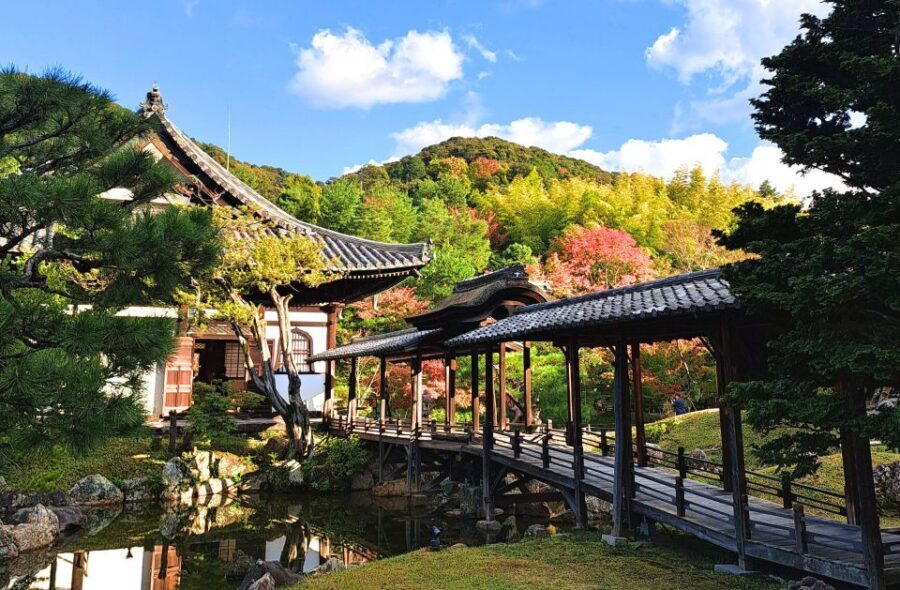
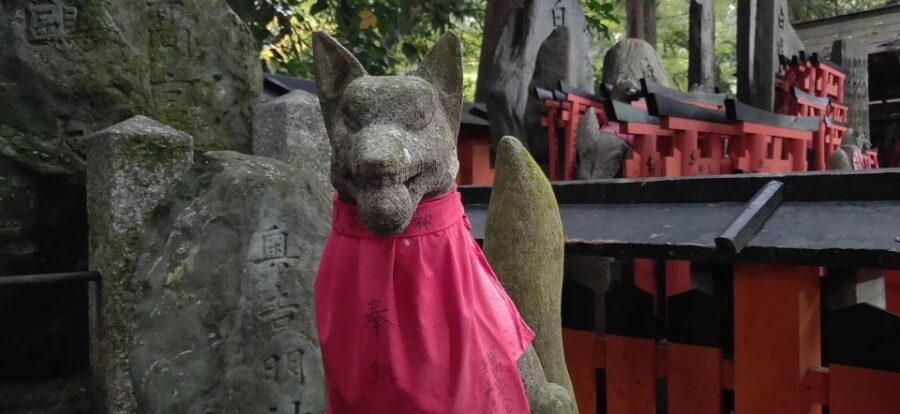
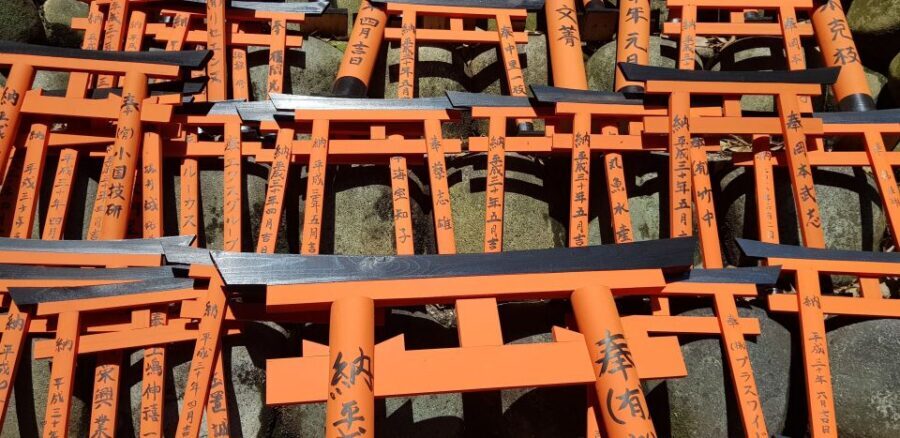
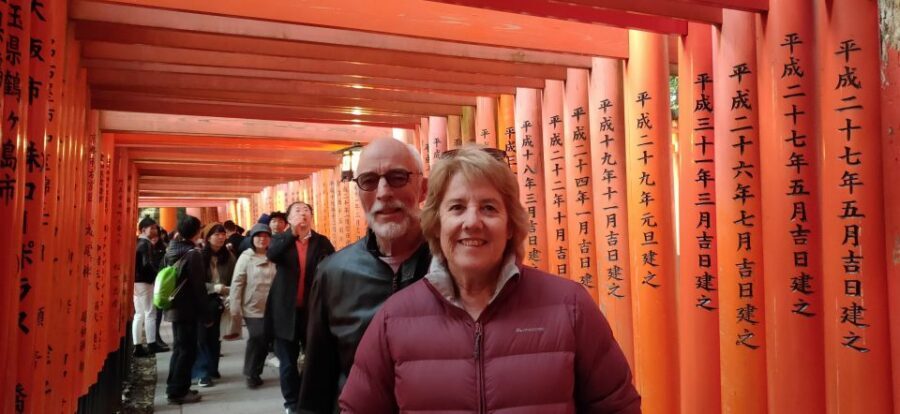
Fushimi Inari Taisha is one of those places where people either love it instantly or feel slightly overwhelmed. The torii gates stack and snake up the mountain, and without context you can end up moving in circles. With a guide, you get a sense of why the shrine matters and what you’re actually walking through.
The tour starts at the shrine area and goes into the Senbontorii section, where the famous vermilion gates line the way. You’ll get time for guided viewing, then you’ll keep moving along the path with the “why” explained rather than just the “what.” That matters here, because this isn’t just a scenic corridor. It’s a shrine with a living cultural role.
A nice bonus: the guiding approach tends to include small side moments along the way. You might see smaller shrines and details that you’d easily miss if you were only following the busiest flow. That’s where photos get more interesting too, because you start noticing the quiet corners, not only the main gate shots.
Gion transfer: the stories behind the evening-entertainment district
After Fushimi Inari, you take a short train ride to Gion. That transfer is more than convenience. It keeps the tour from becoming a long slog that eats your best energy before you reach the temples.
In Gion, the big idea is understanding it as a working neighborhood, not a museum. The guide connects what you see in the streets to the area’s reputation as an entertainment quarter, including its link to geisha culture and the broader history that shaped the district. You get a guided walk (about 30 minutes) through the lanes, then you can pause as you like.
One thing I appreciate in a route like this is that it helps you read the neighborhood quickly. Gion can look similar at street level from the outside, but with context you start noticing the cues: where traditional spaces show up, how the lanes feel, and why people associate this area with evening life.
Kōdaiji Temple: serenity, gardens, and a bamboo grove moment
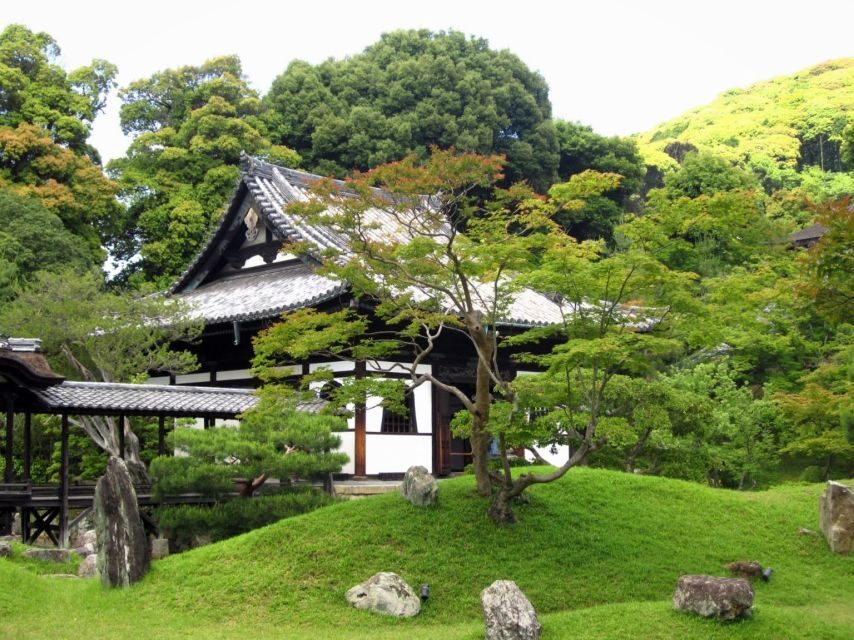
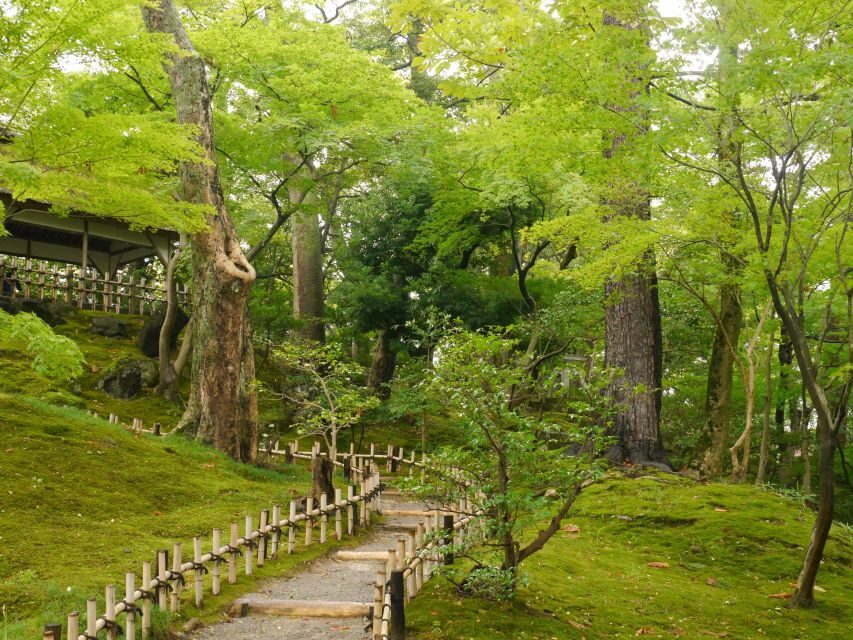
Kōdaiji is a different mood from the torii gates. Here, the pace drops. You’ll get about 40 minutes at the temple, and admission is included, so you don’t need to budget extra or stop to figure out tickets mid-walk.
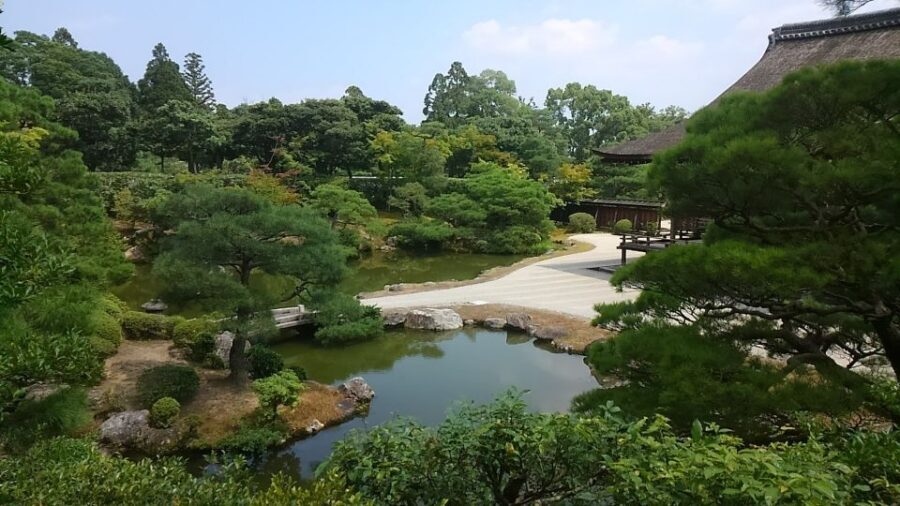
Kōdaiji is known for its early 17th-century temple complex and for the way the gardens create a calm setting. The tour specifically calls out the serenity of the gardens and a bamboo grove. That’s a big deal in Kyoto: you need places where your brain can cool off after a busy sight like Fushimi Inari.
This is also a good stop for photos that don’t scream tourist-crowd. If you time it well, you can capture quiet corners and still get a sense of scale. More importantly, you’ll understand the experience is about being in the space, not rushing through.
You can also read our reviews of more historical tours in Kyoto


Sannenzaka backstreets: shopping you can actually enjoy
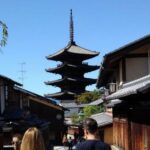
Between Kōdaiji and Kiyomizu-dera, you walk through Sannenzaka and other backstreets in Higashiyama. This is where Kyoto becomes sensory. The lanes are narrow, the buildings feel traditional, and the street life is part of the show.
You can pick up snacks or small souvenirs along the way. The tour does not include food, so you’ll need to buy what you want, but the street setup makes it easy. If you like stopping for a quick bite while you walk, this is the part of the day that fits that style.
Sannenzaka also serves a practical purpose: it prepares you for the final climb. You’re gradually moving toward Kiyomizu-dera’s viewpoint, so by the time you reach the temple area, you’re not shocked by the steepness.
Kiyomizu-dera: the Otowa Waterfall and why the ritual matters
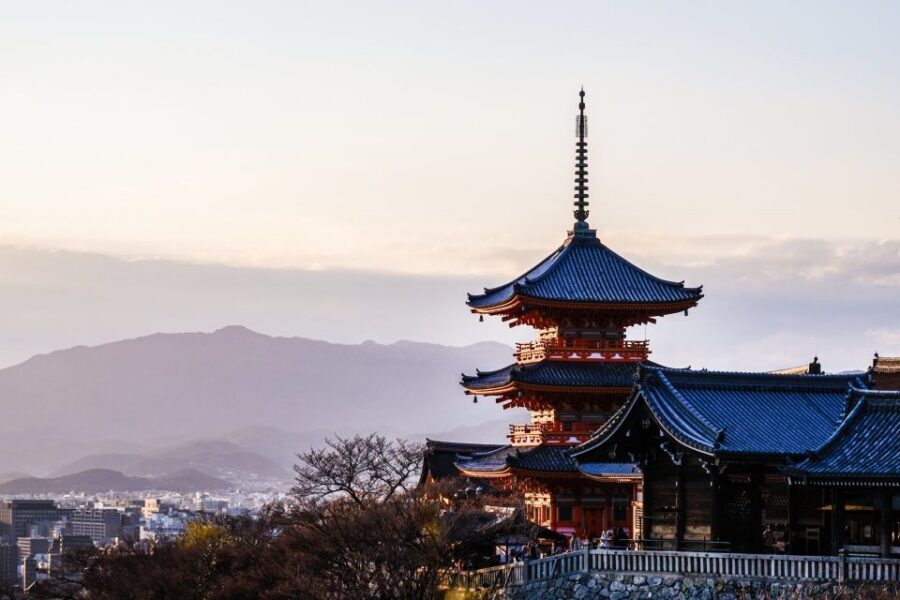
Kiyomizu-dera is the payoff view. You’ll get about 30 minutes of guided time here, and admission is included. The temple’s famous for its clear mountain water flowing from the Otowa Waterfall.
What makes the stop interesting is the ritual tied to the three divided streams. You can sample the water yourself if you want, and the tradition says the streams bring different outcomes, such as health, wealth, or happiness. The story is also clear about restraint: if someone is greedy, the wishes won’t come true.
That’s the kind of detail a guide helps you handle. Without it, you might just stand there, drink water, take a photo, and move on. With context, you experience the place in a more meaningful way.
And yes, there are spectacular views from the area. Kiyomizu-dera is one of those spots where the surrounding city suddenly looks different because you’re seeing it from up high and framed by temple structures.
How the guide experience changes everything
This tour’s reputation is strongly tied to how the guide works with real people in real conditions. Names like Hugo, Damian, Lito, and Ferdinand come up in the best way: friendly and adaptable, with a talent for answering questions and keeping the day moving without turning it into a race.
You can also expect the guiding style to be interactive. The tour information and the guide feedback point to explanations of Japanese history and customs, not just basic facts. That makes a difference at shrines and temples, where the same object can feel totally different depending on what you know to look for.
Another repeated strength: the guide approach can help with energy levels and heat. Higashiyama can get intense, especially in summer, and you want someone who can adjust. You’ll also benefit if you care about details like small shrines off the main flow, because that’s how you avoid only collecting big-name snapshots.
Price and value: what $106 buys you in Kyoto
At $106 per person for a 4-hour guided walk, you’re paying for structure. That structure matters in Kyoto because time is expensive and distractions are constant. Fushimi Inari, Gion, Kōdaiji, and Kiyomizu-dera are all major spots. Trying to connect them efficiently on your own would mean planning entrances, figuring out the best routes, and losing some time to wandering.
The value case is strongest because the tour includes entry fees for Kōdaiji and Kiyomizu-dera. It also includes the train ticket from Fushimi Inari to Gion. Those are the exact things that often become hidden costs and time-sinks when you travel independently.
Is it pricey for a walking tour? It can be, if you compare it to free self-guided wandering. But if you want context and smooth transitions, $106 doesn’t feel unreasonable. Especially when the group is limited to 10 participants, which helps the guide actually manage the day.
What to bring (and what to leave behind)
This tour is simple, but it does have a couple of rules.
Bring:
- Comfortable shoes you can trust on steps and uneven surfaces
Leave:
- Luggage or large bags. The tour notes that you should not bring them, which means you’ll want to travel light or use luggage storage through your hotel.
Also, accept that you’ll do some uphill walking. It’s not described as exceptionally steep or demanding, but it’s still walking uphill in Kyoto. Plan your hydration and pace accordingly, especially in warmer weather.
Best for: first-timers, history lovers, and anyone who wants a plan
I think this works best for:
- First-time visitors to Kyoto who want the Higashiyama highlights in one efficient session
- People who enjoy history and cultural context, especially around shrines and temple rituals
- Travelers who like small-group attention rather than following a crowd with no explanations
- Families too, since guides often engage questions and keep the stories moving in a way that lands with kids
Who might want to skip:
- Anyone with mobility impairments. The tour is not suitable for mobility needs, and it includes walking uphill and stairs.
If you’re the type who loves wandering, you can still enjoy this. The tour ends at Kiyomizu-dera, and you can stay after to explore on your own.
Should you book the Kyoto Historic Higashiyama Walking Tour?
If your goal is to see the big names in Higashiyama without spending your brainpower on logistics, I’d book it. The mix of Fushimi Inari, Gion, Kōdaiji, Sannenzaka, and Kiyomizu-dera is a sensible sampler of what makes Kyoto feel like Kyoto. Add in included admission at the two temple stops and a guided explanation that connects the places, and the price starts to make sense fast.
Book it if you want:
- Clear guidance through crowded and confusing areas
- Ritual context at Kiyomizu-dera’s waterfall
- A calmer Kōdaiji break with gardens and bamboo
- A small-group pace with a guide who can respond to questions and energy
Skip or reconsider if:
- Hills and steps are a problem for you
- You want a fully self-guided day with no structure at all
- You’re traveling with large luggage and don’t have a plan for storing it
FAQ
Where do I meet for the Kyoto Higashiyama Walking Tour?
You meet just outside the fare gates of JR Inari Station, near the entrance area.
How long is the tour, and what’s the walking like?
The tour lasts about 4 hours and includes some uphill walking. It’s not described as exceptionally steep or demanding, but it does involve steps.
What is included in the price?
Entry fees for Kōdaiji and Kiyomizu-dera are included, and the train ticket from Fushimi Inari to Gion is included.
Are food and drinks included?
No. Food and drinks are not included, so you’ll need to buy what you want, including snacks along Sannenzaka.
What languages are the live guides available in?
Live tour guides are available in French, Hebrew, Spanish, and English.
Is the tour suitable for people with mobility impairments?
No. The tour is not suitable for people with mobility impairments. It also has rules against luggage or large bags.