REVIEW · FUSHIMI INARI TOURS
Inside of Fushimi Inari – exploring and lunch with locals
Book on GetYourGuide →Operated by Japan Exploration Tours JIN · Bookable on GetYourGuide
Fushimi Inari can feel like a traffic jam, but this route gives it room to breathe. I especially love the inside-the-shrine experience plus the way the guide helps you notice the details most people miss, and the local soba lunch actually feels like part of the day, not an afterthought. The only drawback is that this is still a hike: you’ll go up and down stairs, so comfy shoes matter.
What makes it work well is the small group size and the guide-led pacing. You get an English tour with time to stop for photos, snack along the way, and even hit a higher, calmer perspective point—without racing through the gates like everyone else.
In This Review
- Key takeaways before you go
- The real appeal: a guided Fushimi Inari that isn’t just gates
- Starting at 大鳥居: getting oriented fast
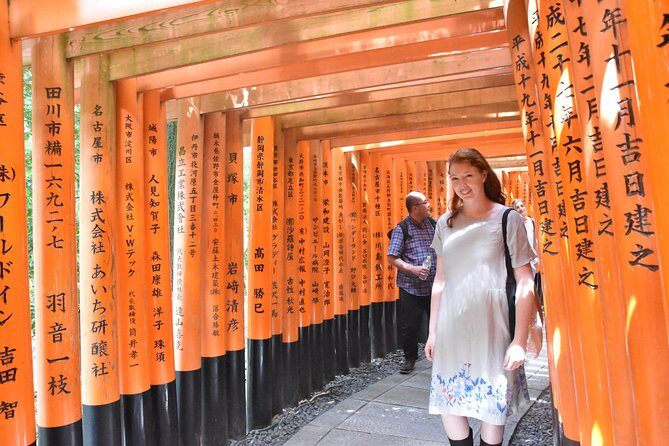
- The red-gate maze, but with breathing room
- Bamboo and cedar paths, plus the stops most people skip
- Going up the forest route: calm uphill, then a summit
- Tea, boiled egg, and a viewpoint over Kyoto
- Lunch: soba and inari sushi at a traditional restaurant
- Photo time without feeling trapped
- Pacing and effort: easy-moderate with stairs
- Guide impact: names you might meet and why they matter
- Price and value: what you’re really paying for
- Where this tour fits best in your Kyoto trip
- Should you book this Fushimi Inari inside-and-lunch tour?
- FAQ
- How long is the Fushimi Inari inside and lunch experience?
- Where do I meet the guide?
- Is the tour in English?
- What’s included for food during the tour?
- Are drinks included with lunch?
- Are vegan options available?
- How big is the group?
- Is there a lot of walking or stairs?
- What is the summit stop like?
- Should I book if I’m traveling with dietary restrictions or allergies?
Key takeaways before you go
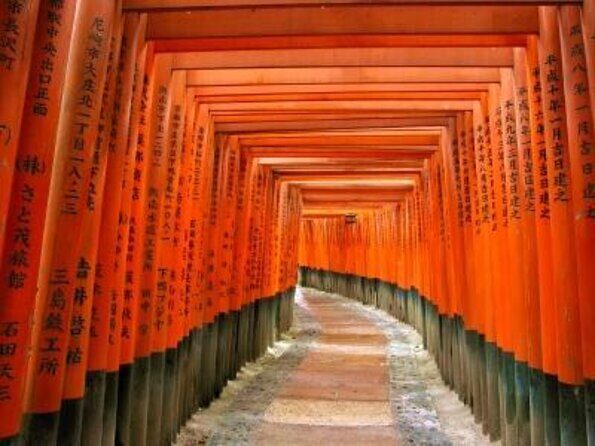
- You’ll start at the Great Torii Gate (大鳥居) and build your way through the complex with context, not just photo stops
- Off-main-path routes through bamboo and cedar so you’re not stuck in the densest crowds
- A summit stop at 233m with a viewpoint over Kyoto when conditions allow
- Tea-and-egg break in a mountain hut, plus lunch at a traditional soba restaurant
- Small group size (up to 10) means your guide can slow down, answer questions, and tailor pace
- Vegan options are available but you need to tell the organizer in advance
The real appeal: a guided Fushimi Inari that isn’t just gates
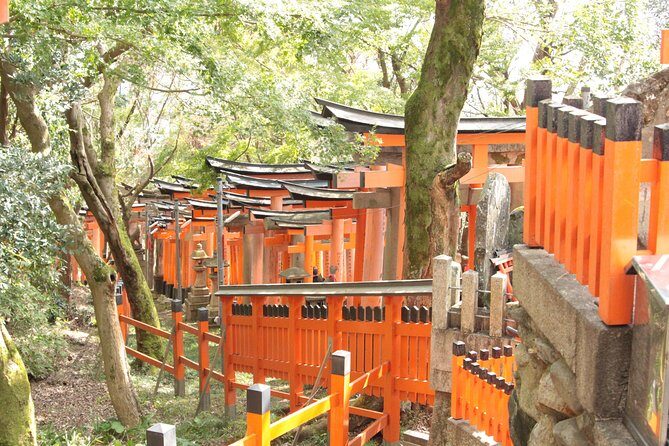
Fushimi Inari Taisha is famous for a reason. Those thousands of red torii gates can make you feel like you’re walking through a living corridor. But if you only do the main flow, you miss how the site functions as a set of sacred stops—each one with its own feel, sound, and rhythm.
This tour’s big strength is how it changes your tempo. A good guide doesn’t just point; they help you see—what you’re standing in, why certain spots feel different, and where the calmer paths lead. I like that the group is small (limited to 10), because it keeps you from getting shuffled like a school group.
You can also read our reviews of more tours and experiences in Kyoto


Starting at 大鳥居: getting oriented fast
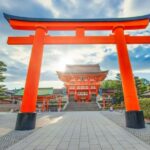
You meet at the first huge torii area: the stone pillar at the first gate across from JR Inari Station exit (near the big entrance people use to start walking). You also get clear direction that you’re looking at about a 10-minute walk from Fushimi-Inari Station on the Keihan line—useful if you’re bouncing between Kyoto lines.
From the start, the tour frames what you’re about to see: the main shrine area and the thousands of red gates, with an explanation of their history and cultural background. Even if you’ve seen photos, this helps your brain click into the site’s logic instead of treating it as a single long walkway.
The red-gate maze, but with breathing room
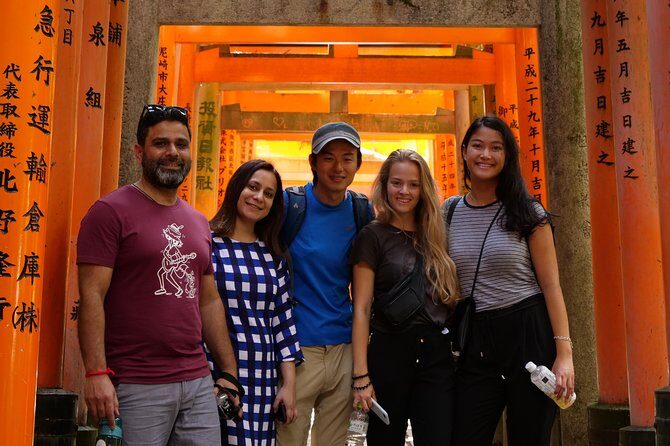
Walking through Fushimi Inari isn’t technically difficult, but it can feel constant. That’s where this tour earns its value: you don’t just follow the busiest lanes. You also get directed onto less crowded photo-friendly routes on the way up and down.
Along the main shrine segment, you’ll spend real time there instead of rushing past it. The guide also builds in little “stop-and-look” moments so you understand what you’re seeing—why certain things are positioned where they are, and how the route connects sacred points rather than acting like a theme park trail.
Bamboo and cedar paths, plus the stops most people skip
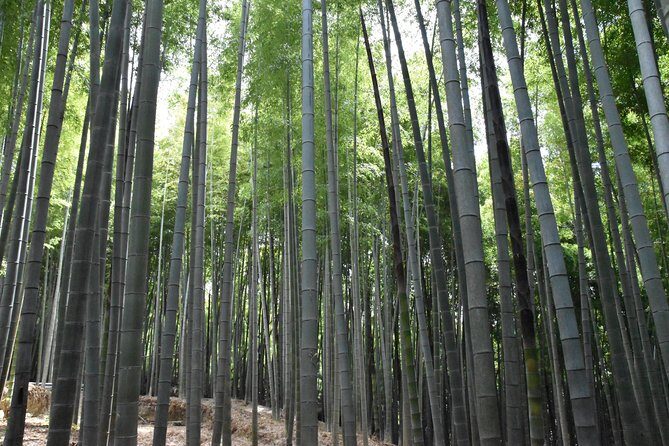
After you’ve gotten your bearings, you transition from the heaviest foot traffic into a quieter stretch. The experience includes an easy walking section through a peaceful bamboo and cedar-tree forest path, which is a welcome change in texture and sound. That shift matters because it lets the site feel like a mountain shrine again, not just a photo queue.
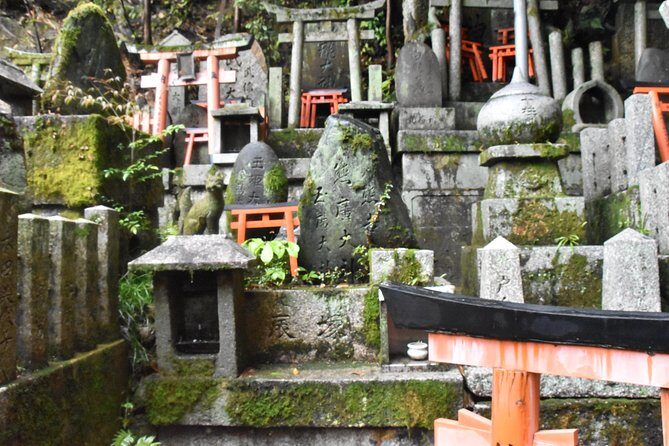
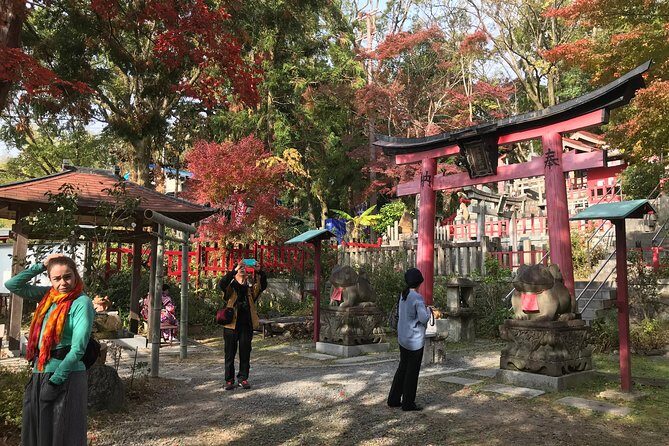
On this section, the tour includes visits to authentic holy spots you might not find on your own, like worship stones and a waterfall. You’ll also make a stop at a factory area linked to the torii-gate world. This is one of those details that turns your visit from sightseeing into a sense of craft—some past bookings highlight seeing a master carve torii columns, which makes the place feel more human.
Going up the forest route: calm uphill, then a summit
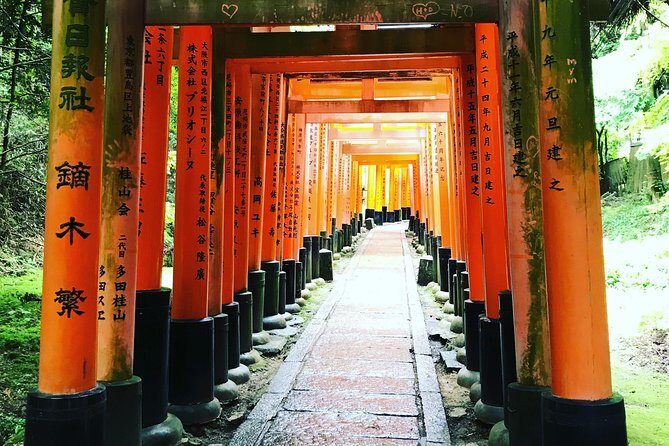
One of the reasons to do this instead of solo walking is the uphill structure. The tour includes a forest route climb toward the summit shrine, described as about a 20-minute ascent. The summit is 233m high, and the guide shows you around the shrine there rather than dropping you off like a checkpoint.
A summit stop at Fushimi Inari changes how the whole complex looks. From higher up, the gates stack and taper in a way that’s hard to appreciate when you only move forward at ground level. It also helps you escape the densest parts of the walkway without timing the day perfectly yourself.




Tea, boiled egg, and a viewpoint over Kyoto
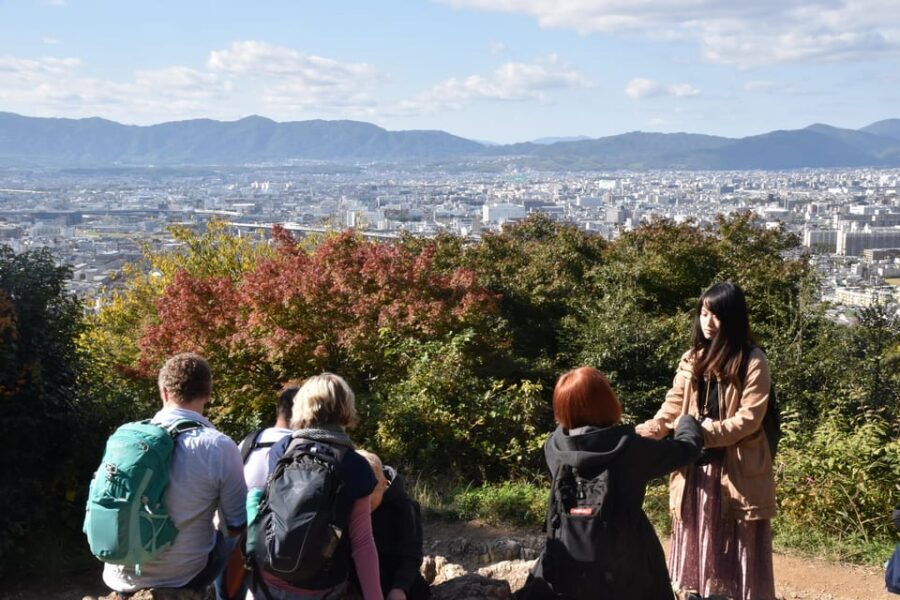
Halfway through your day, you get a planned break that’s actually useful: snack and drink time, including Japanese hot tea and a boiled egg with salt in a mountain hut. This isn’t just a snack break. It’s a reset for your legs and your mind in the middle of a hiking route.
Then you’re treated to a breathtaking panorama view of Kyoto city from the viewpoint. The exact feel of the view depends on weather, but the tour’s timing gives you a good chance to catch it while you’re not exhausted. And yes, you’ll have time to look up and not just look through your camera.
Lunch: soba and inari sushi at a traditional restaurant
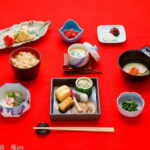
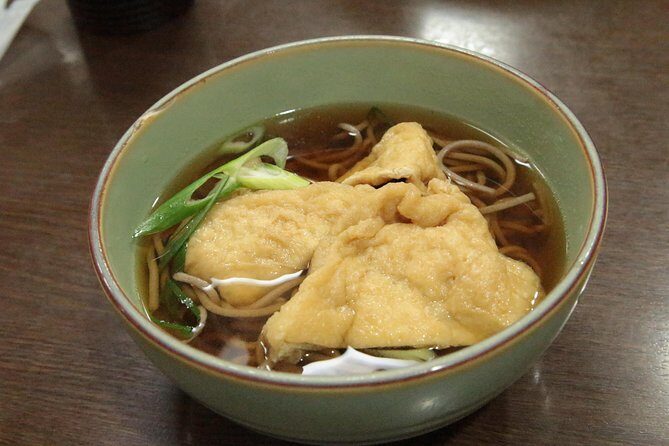
This is where the tour really earns a spot in your day plan. Lunch is included at a traditional soba restaurant, and you’re served Japanese noodle soba plus fried sweet sushi (Inari sushi). You’ll also get the tea-and-egg portion earlier, so you’re not bouncing between hunger and sightseeing.
One practical note: drinks at the lunch restaurant aren’t included, so if you want bottled water or anything beyond tea, budget for it. Another key point is diet: vegan options are available, but you must tell the organizer in advance. If you show up with no notice, your flexibility can get limited fast in Japan.
If you care about eating like a local, this is the right kind of included meal. It’s sit-down, traditional, and designed for your energy level, not a rushed grab-and-go that leaves you drained.
Photo time without feeling trapped
You get a dedicated photo-shooting part during the descent. That matters because many people struggle to find a window for photos when crowds are highest and everyone else is moving as a single tide. Here, the guide helps you find photogenic spots that are usually less crowded, so you can slow down and frame shots without constantly stepping aside.
Also, because the group is small and pacing is flexible, you’re not forced into a rigid line. This is especially helpful if you’re doing this as a first-time visitor who still wants time to look at signs, small offerings, and details.
Pacing and effort: easy-moderate with stairs
This tour is described as an easy walking experience, but it’s not flat. You’ll have some stairs and an uphill path to the summit area. The good news: it’s structured with breaks and a casual pace, so it doesn’t turn into a grind.
Wear comfortable clothes and shoes that handle stone steps and uneven outdoor surfaces. Bring a hands-free backpack for hiking so you’re not juggling bags while taking photos or snack breaks.
If you’re someone who likes to walk slowly, ask questions, and enjoy your surroundings, this fits your style. If you hate stairs or fatigue quickly, you might prefer a lighter shrine-only route.
Guide impact: names you might meet and why they matter
The guides can make a huge difference because they’re handling two jobs at once: history context and route timing. Past bookings mention guides like Kenji, Go, Ko, Taishi, and Yuya, and the common theme is that they explain what you’re looking at and help you find quieter paths.
What I like about that mix is it keeps the tour from turning into a checklist. You can ask questions about the shrine setting or Shinto traditions, and the guide can connect your observations to the site’s meaning. You’ll also often get practical suggestions for what to do after the tour ends—handy if you want to keep the momentum going around Kyoto.
Price and value: what you’re really paying for
At $67 per person for about 4 hours, you’re paying for more than entry to a famous site. The tour includes an English live guide, route guidance through calmer paths, tea and boiled egg, and a full lunch of soba plus inari sushi. There’s also shrine interaction support via offering staff.
If you were to visit Fushimi Inari on your own, you’d save on the tour fee—but you’d also lose the off-main-route guidance, the structured stops (including the factory-related torii crafting world and summit explanation), and the included meal that keeps you fueled.
For people who want a high-quality experience without spending half the day figuring out the route, this price makes sense. For ultra-budget travelers who are happy to wander independently and skip guided context, it might feel a bit pricey—still, you’re buying convenience plus a very Kyoto-style lunch.
Where this tour fits best in your Kyoto trip
This is a strong choice if:
- you’re visiting Fushimi Inari for the first time and don’t want a crowded day to define it
- you care about culture and want context while you walk
- you want a plan that includes food without hunting for lunch mid-hike
- you travel as a small group and prefer a guide-led pace
It’s also a good pick if you’re the kind of person who likes photos, because the route is set up for better timing and angles—without you having to research every side path.
Should you book this Fushimi Inari inside-and-lunch tour?
I think you should book if you want Fushimi Inari to feel like a real journey: shrine-to-shrine, gate-to-gate, and mountain-to-viewpoint—with a local meal that actually seals the day. The small group size helps a lot, and the included tea-and-egg plus soba lunch makes the day easier to manage.
Don’t book if your body hates stairs or you truly want only the single busiest torii corridor. This tour is designed for people who don’t mind walking uphill and who appreciate guidance.
If you do book, plan around comfortable footwear, and if you’re vegan, make sure your dietary preference is communicated in advance so lunch stays part of the fun.
FAQ
How long is the Fushimi Inari inside and lunch experience?
It runs for about 4 hours.
Where do I meet the guide?
The meeting point is at the stone pillar at the first gate (大鳥居), across from the JR Inari Station exit, listed on Google Maps.
Is the tour in English?
Yes, it’s an English live guide experience.
What’s included for food during the tour?
You get lunch (soba noodles and fried sweet Inari sushi) plus tea and a boiled egg at a mountain hut.
Are drinks included with lunch?
Drinks at the lunch restaurant are not included.
Are vegan options available?
Yes, vegan options are available, but you need to tell the organizer in advance.
How big is the group?
It’s a small group limited to 10 participants.
Is there a lot of walking or stairs?
You should expect uphill walking and some stairs. Paths are described as well-organized, but the route does involve up and down.
What is the summit stop like?
The tour includes a forest route to the summit shrine, and the summit is 233m high. The guide walks you around the shrine there.
Should I book if I’m traveling with dietary restrictions or allergies?
The tour notes options for allergies or dietary restrictions, and it also specifically calls out vegan needs with advance notice, so it’s worth confirming your requirements before the tour starts.