REVIEW · NARA DAY TRIPS
Kyoto/Nara: Family-Fun & Cultural Car Tour with Hotel Pickup
Book on GetYourGuide →Operated by Zen Voyage Japan · Bookable on GetYourGuide
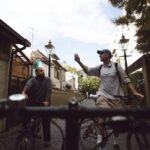
Kyoto and Nara look better when you’re not fighting transit. I really like the hotel pickup plus private van setup, and I love that the day hits big, kid-friendly icons like Arashiyama’s Bamboo Grove and Fushimi Inari’s red gates.
One thing to consider: this is a 10-hour family-focused route, so the day moves at a “together” pace. If you want long, slow museum-style time at every stop, you’ll probably feel the schedule squeeze a bit.
In This Review
- Key highlights at a glance
- Hotel pickup and the private van that keeps everyone calm
- Arashiyama Bamboo Grove, Togetsukyō Bridge, and the fun side stops
- Kyoto’s classic must-sees: Kinkaku-ji and Nijo Castle without the chaos
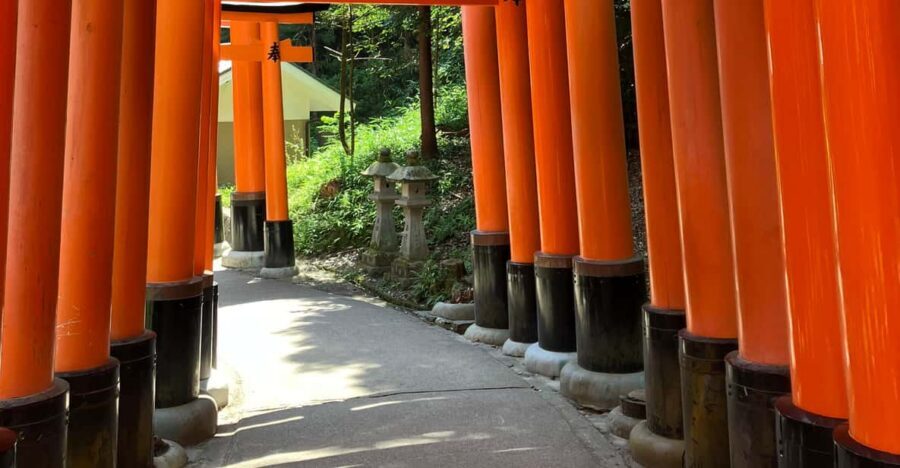
- Fushimi Inari Taisha: red gates, forest paths, and a kid-walk that feels like an adventure
- Gion and Yasaka Shrine, plus Kyoto treats without the tourist trap vibe
- Kiyomizu-dera and the views-and-walk rhythm of Old Kyoto
- Heading to Nara: deer time beats any lesson plan
- Todai-ji, the Great Buddha, and a finish that doesn’t feel rushed
- What the $394 price really covers (and what you still need to plan)
- Best way to prepare: shoes, cash, and a pace that fits your group
- Who this car tour is perfect for
- Should you book this Kyoto and Nara family car tour?
- FAQ
- What’s included in the tour price?
- How long is the tour, and what’s the pacing like?
- Where can the driver pick you up and drop you off?
- Is there an option for a child seat?
- Do we need to buy tickets for temples and shrines?
- Can you pick up from the Kobe cruise port or the airport?
Key highlights at a glance
- Private luxury vehicle + hotel pickup/drop-off from Kyoto, Osaka, Nara, or Kobe
- Arashiyama Bamboo Forest plus scenic river views at Togetsukyō Bridge
- Fushimi Inari Taisha with a walk that kids can actually enjoy
- Nara Park free-roaming deer with guide stories that make it make sense
- Todai-ji and the Great Buddha timed in for a smooth family flow
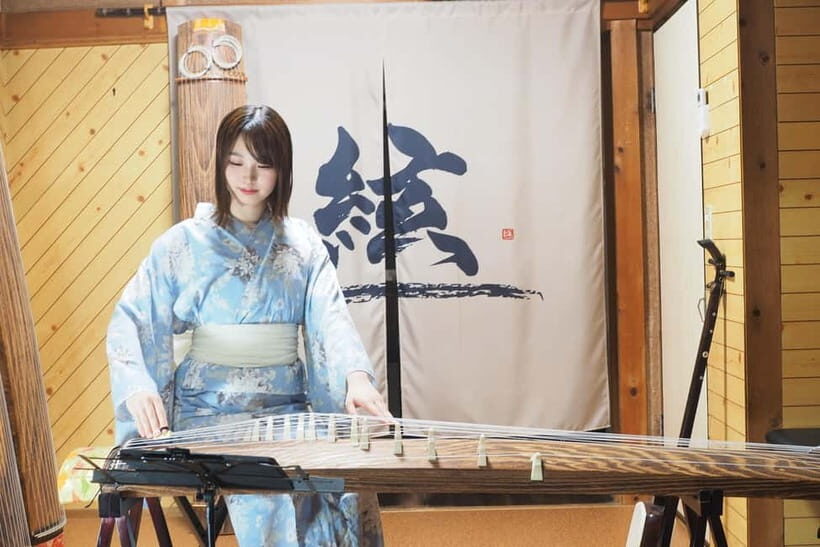
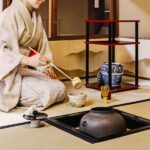
- Optional origami or calligraphy with a local artist if you request it ahead
Hotel pickup and the private van that keeps everyone calm
If you’re traveling with kids, the best sightseeing trick is simple: don’t spend your morning learning rail schedules. This tour starts with a hotel pickup option across Kyoto, Osaka, Nara, or Kobe, with a driver-guide who speaks English (and also Japanese, Hindi, and Arabic). You’ll meet them at 8:00 AM or another time that works for you, then ride in an air-conditioned private vehicle.
I like that it’s set up like a true private day, not a group bus plan. You get a flexible pace, which matters when someone needs a bathroom break, a snack, or a minute to reset after a crowded shrine area. On a day like this, those small breaks keep the whole trip from turning into a stress test.
There’s also onboard Wi‑Fi (hotspot), which helps when you’re juggling directions, restaurant searches, or translating menus for the adults while the kids watch something harmless. You’ll likely want that for Nara and Kyoto neighborhoods where your phone will be your map.
You can also read our reviews of more tours and experiences in Kyoto.



Arashiyama Bamboo Grove, Togetsukyō Bridge, and the fun side stops
The day begins by heading to Kyoto’s outskirts for Arashiyama’s Bamboo Forest. This is the place most people picture when they think of Kyoto, and it’s a great first stop because it’s visual and easy for kids to understand fast. Expect a guided walk, photo time, and enough space to stretch without constantly “standing in line.”
What I find useful here is the order. Bamboo Grove early tends to feel less chaotic than later in the day, and the rest of Arashiyama works as a natural follow-up. You also get time around Togetsukyō Bridge, which gives you a classic river-and-mountains framing. It’s not just pretty for photos—kids can look for birds, spot river traffic, and take a breath between main sights.
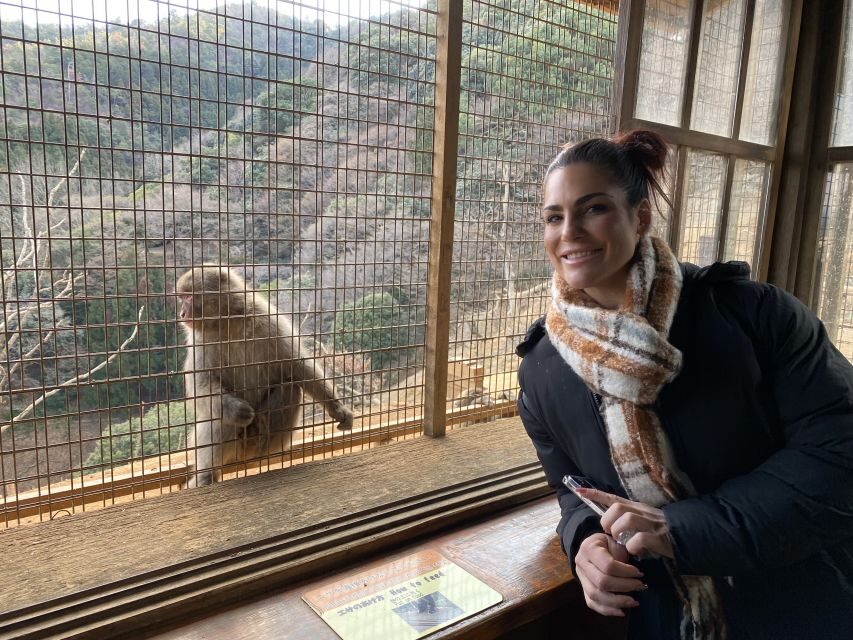
The itinerary also includes Arashiyama Money Park. It’s the kind of stop families often like because it’s playful and shop-friendly. You can use it as a low-pressure break, pick up small souvenirs, and keep energy from crashing before you head into the more intense shrine and temple walking.
One practical note: wear shoes you trust. Even with a driver and a planned route, you’ll still be walking a fair amount across uneven sidewalks, temple grounds, and shrine paths. Bring a camera, too, but also bring patience—this is a day built around people noticing details.
Kyoto’s classic must-sees: Kinkaku-ji and Nijo Castle without the chaos
After Arashiyama, you’ll move through Kyoto highlights that many families want, but not everyone wants to plan themselves. The tour includes Kinkaku-ji (Golden Pavilion) for about 45 minutes. For kids, this kind of landmark is straightforward: big, recognizable, and good for a “checkmark” moment. For adults, it’s a reminder that Kyoto isn’t only about streets and shops—it’s also about carefully designed spaces meant for contemplation.
Then you head to Nijo Castle for around 1 hour. This is a solid family-friendly choice because castles give you a different pacing. You can split attention between wide views and interior structure without needing to sit still for long. The guide’s job is to turn “a building” into something you can talk about during the ride back.
There’s a clever benefit to doing these two stops on the same day: they reduce the need to transfer between different areas of the city. You’re not bouncing across Kyoto multiple times with luggage or strollers. You’re traveling by van, with parking handled for you.
Fushimi Inari Taisha: red gates, forest paths, and a kid-walk that feels like an adventure
Next up is Fushimi Inari Taisha, one of Japan’s most iconic shrines. You’ll spend about 1 hour with photo time and guided walking. The famous part is the winding tunnel of red torii gates climbing into the hills.
Here’s why this stop tends to work for families: it’s not one static photo. Kids can track the path forward gate by gate. Even if you don’t go to the very top, the experience still feels like an adventure because the gates keep changing your view as you move.
Your guide will help you understand what you’re seeing and why Inari matters, so you’re not just counting gates. That meaning makes the walk feel less like a chore and more like a story you’re inside.
If you’re traveling with smaller kids, plan on moving slowly and taking breaks when needed. The tour is flexible, and the guide can help you adjust the timing so nobody melts down halfway up the slope.
Gion and Yasaka Shrine, plus Kyoto treats without the tourist trap vibe
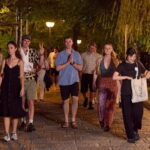
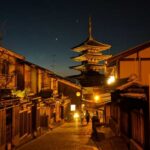
From Fushimi Inari, the tour heads toward Gion (about 1 hour). Gion is where Kyoto’s old-street feeling shows up most clearly, and it’s a good place for kids to see that Kyoto isn’t only temples. You’ll get photo time and guided sightseeing, plus an extra stop at Yasaka Shrine.
This combo works because it balances atmosphere. Shrines give meaning and structure; neighborhoods give texture. You can slow down here without feeling like you’re missing the “big highlights.”
There’s also mention of a casual sweets tasting at a lesser-known Kyoto shop loved by families. I like this type of stop because it’s less about collecting souvenirs and more about tasting the place you’re standing in. It’s also one of the best ways to keep energy steady before you move to heavier temple walking later.
Just remember meals and drinks aren’t included as a general rule, so treat any tasting as part of the day’s plan rather than a full meal replacement. Bring a little cash as the tour suggests.



Kiyomizu-dera and the views-and-walk rhythm of Old Kyoto
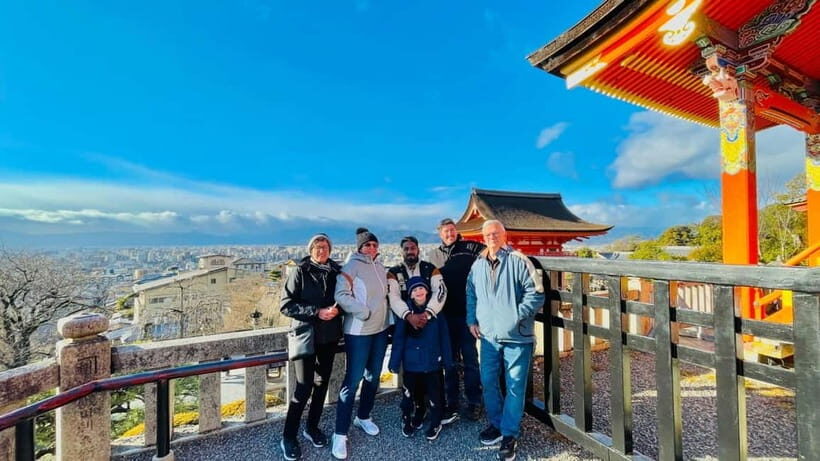
Next comes Kiyomizu-dera, with about 35 minutes of guided time plus walk and sightseeing. This is one of those Kyoto stops where the “wow” factor is built for all ages. Even if your kids don’t care about every detail, they’ll usually care about the dramatic setting and the chance to look out from different vantage points.
This stop also teaches a useful lesson about planning: Kyoto temples are often a mix of crowds, stairs, and open viewpoints. Having a driver-guide helps you time your walking so you’re not sprinting across the day.
You’ll also spend time around Nishiki Market, included in the plan. Markets are great for families when you keep expectations realistic: you’re sampling, not shopping for everything. Nishiki is especially good for kids who like snacks and adults who enjoy watching how food culture works in real time.
If you have picky eaters, this is a manageable place to handle it. You can taste small items, choose what works, and skip what doesn’t. Just keep an eye on your steps—markets can be busy, and strollers may feel tight depending on crowd flow.
Heading to Nara: deer time beats any lesson plan
After lunch, you’ll transfer to Nara Park. This is where the trip turns into pure kid joy. The free-roaming deer are the headline, and the tour includes photo time, guided storytelling, and free time (about 1 hour).
What makes this stop valuable is that it’s not just deer photos. Your guide explains the deer’s sacred role and ties it to Nara’s ancient setting in a way that’s meant for kids, not a lecture. That makes the experience feel respectful rather than random.
A practical tip: deer can be bold, so keep snack situations controlled. The tour includes walking and sightseeing, so you’ll want comfortable shoes and a calm plan for your kids if they get excited. This is one of the few places where excitement can turn fast, and a guide can help you keep things smooth.
There’s also included time at Nara National Museum (about 30 minutes). That’s a nice balance after deer energy because it gives context to the region. Even if kids don’t love museums, short cultural stops can help the day feel cohesive instead of jumping from one “fun thing” to the next.
Todai-ji, the Great Buddha, and a finish that doesn’t feel rushed
The final major anchor in Nara is Todai-ji. You’ll get about 1 hour of guided time, photo opportunity, and sightseeing. Todai-ji is famous for the Great Buddha, and this is the moment where the day’s big themes—Japan’s spirituality and grand religious architecture—click into place.
If you’re traveling with kids, you might worry about temples feeling too long or too quiet. This tour’s advantage is timing. You’re not spending all day only in incense-filled halls. You’ve already had deer energy, market breaks, and Kyoto walking stops. That means kids can usually handle a longer “standing still” moment better than you’d expect.
The plan also includes Todai-ji Dobutsuen (the related area). Even if you don’t spend every second there, it can add variety to break up the final stretch.
What the $394 price really covers (and what you still need to plan)
At $394 per group up to 5 people, this tour is priced like a private family car day, not a per-person bus ticket. That matters because you’re getting a luxury private vehicle, hotel pickup/drop-off, and all the behind-the-scenes travel costs like highway toll fees, gas, and parking.
You’re also getting a driver-guide who’s meant to handle the flow of multiple major sights across two cities in a single day. That reduces decision fatigue. Instead of asking which train, which bus, which entrance fee line, you’re following a route that’s designed to keep the day manageable for families.
What’s not included: meals and drinks, personal expenses, and tickets. The tour plan includes visits to major sites, but you should still expect to pay for any entrance tickets as needed. Also, a child seat costs an additional $35.
If you’re deciding whether the price is fair for your family, a good way to think about it is this: you’re paying for convenience plus time. For many families, that’s the difference between a “we made it” day and a miserable navigation day.
Best way to prepare: shoes, cash, and a pace that fits your group
The tour gives you a straightforward packing list: comfortable shoes, a camera, and cash. I’m a big fan of tours that say this clearly, because it saves you from arriving unprepared and spending your first hour scrambling.
Because the pace is adjustable, bring your “real travel” expectations. If someone gets tired, your best tool is honesty early. Tell your guide and adjust the plan. The tour is built for rest breaks, snack stops, or extra time at favorite spots, so you won’t be punished for being human.
Also, note the tour includes customizable itinerary. If you have a must-do swap (within the overall day structure), you can ask. This matters most for families who have strong opinions about which shrine, which shopping street, or how much walking is reasonable.
Who this car tour is perfect for
This is a strong fit if you:
- Want a family-friendly Kyoto and Nara day without the stress of transit planning
- Like a structured route but still want room to move at your pace
- Care about major icons: Bamboo Grove, Fushimi Inari, Nara deer, Todai-ji
- Prefer private time over crowds and want pickup from your hotel or preferred spot
It’s not the best fit if you want:
- Hours at each site with minimal walking
- A purely “museum and detail” day with long, slow study time at every location
- Airport or cruise port pickup unless you arrange it with the provider for an extra fee (the plan notes that cruise port terminal pickup isn’t available, with an alternative from Sannomiya Station possible for Kobe port guests)
Should you book this Kyoto and Nara family car tour?
I’d book it if you’re traveling with kids and you want the day to feel organized without feeling stiff. The combination of Arashiyama + Fushimi Inari + Gion/Kiyomizu-dera + Nara deer + Todai-ji is a lot, but the private van and flexible pacing help it feel doable.
Skip it (or tweak your expectations) if your family hates walking slopes and crowded temple areas. You’ll cover enough ground that comfortable shoes and a calm mindset are non-negotiable.
One last thought: the guide matters here. A good driver-guide can turn a packed list of sights into a smooth story day. The experience’s overall rating is strong, and that matches what you want most from a family-focused private tour—friendly, helpful guidance that keeps things moving without losing the fun.
FAQ
What’s included in the tour price?
The tour price includes hotel pickup and drop-off from Kyoto, Osaka, Nara, and Kobe, a private air-conditioned luxury vehicle, an English-speaking driver-guide (also Japanese, Hindi, and Arabic), highway tolls, gas, parking fees, and Wi‑Fi onboard. It also includes guided visits to the listed sights, plus Togetsukyō Bridge, Arashiyama Money park, Yasaka Shrine, and Nishiki Market as part of the day. Meals, drinks, and site tickets aren’t included.
How long is the tour, and what’s the pacing like?
The tour runs for 10 hours. The schedule is designed around families, with a pace that can be adjusted for rest breaks, snack stops, and extra time at favorite spots.
Where can the driver pick you up and drop you off?
Pickup and drop-off are available in Kyoto, Osaka, Nara, and Kobe. The pickup can be at 8:00 AM or another time that works best for you. Drop-off locations mirror the same cities.
Is there an option for a child seat?
Yes. A child seat is available but costs an additional $35.
Do we need to buy tickets for temples and shrines?
Tickets are not included. Your guide will take you to the major sites on the route, but you should expect to pay for any required entrances separately.
Can you pick up from the Kobe cruise port or the airport?
Pickup from cruise port terminals isn’t available, but there is a free alternative for Kobe Port guests: pickup from Sannomiya Station is possible. Airport pickup is not available, though cruise port or airport pickup can be arranged for an additional $200 on request.