REVIEW · 1-DAY TOURS
From Osaka/Kyoto: Private Kyoto & Nara Day Trip with Pickup
Book on GetYourGuide →Operated by Japan tours International by Unemoto LLC · Bookable on GetYourGuide
Deer, torii, and temples in one car day. You’ll cover Kyoto and Nara in a single private 10-hour outing with hotel pickup, so you can spend less time commuting and more time at the icons.
I like two things a lot: first, the guides can explain what you’re looking at in real, practical language—names you might hear include Yosuke, Bong Yamaguchi, Keiko, and Steven. Second, the pacing hits the big moments without pretending you’ll study everything—Nara Park for deer feeding, then Todaiji Daibutsuden for the Great Buddha Hall.
One catch to plan for: it’s not a full guided walk everywhere, and roads can eat into time—so some parts will be more self-guided than lecture-style, plus entry tickets and meals are on you.
In This Review
- Key points to know before you go
- Why This Private Kyoto and Nara Day Trip Packs So Much In
- Osaka, Kyoto, or Kobe Pickup: The Convenience Factor
- Nara Park Deer Time and Todaiji’s 15-Meter Buddha
- Fushimi Inari’s Vermilion Torii Gates: How to Enjoy the Walk
- Kinkaku-ji Golden Pavilion: Small Time, Big Visual Impact
- Arashiyama Bamboo Forest and the Togetsukyo Bridge Break
- Transport Comfort, Guide Style, and the Not-Fully-Guided Reality
- Price and Value for a $632 Private Group
- Should You Book This Kyoto and Nara Private Day Trip?
- FAQ
- What cities are pickup and drop-off available from?
- Is this tour private?
- How long is the day trip?
- Are food and entry tickets included?
- What language will the host or greeter speak?
- Does the host help with tickets and waiting in line?
- Is there a full guided tour at every stop?
- Can I cancel for free, or pay later?
Key points to know before you go
- Hotel pickup and drop-off from Osaka, Kyoto, or Kobe, in an air-conditioned private vehicle
- Nara Park + Todaiji in one flow, including the 15-meter bronze Buddha inside Daibutsuden
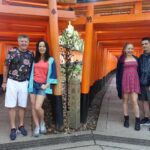
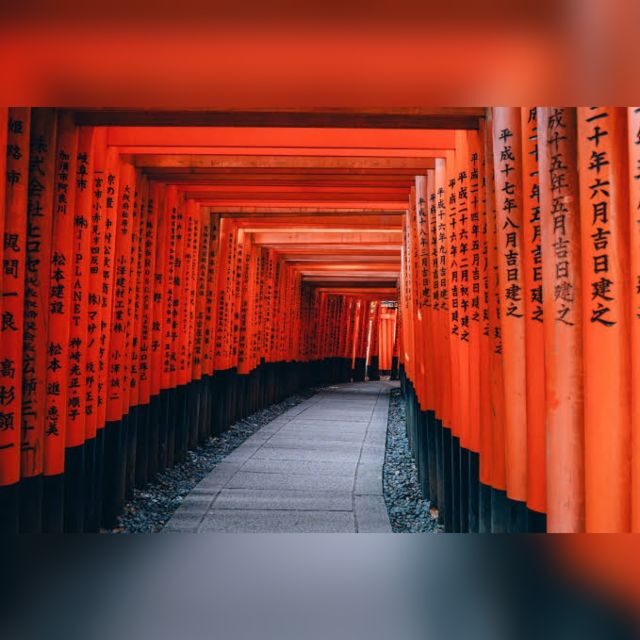
- Fushimi Inari Taisha torii gates for a long photo walk through the red corridor
- Arashiyama time that actually includes shopping and lunch, not just a quick stop
- Optional Sagano Romantic Train in spring (cherry blossoms) or fall (maples), depending on conditions
- Many hosts focus on practical help like ticket-line guidance and translation support
Why This Private Kyoto and Nara Day Trip Packs So Much In
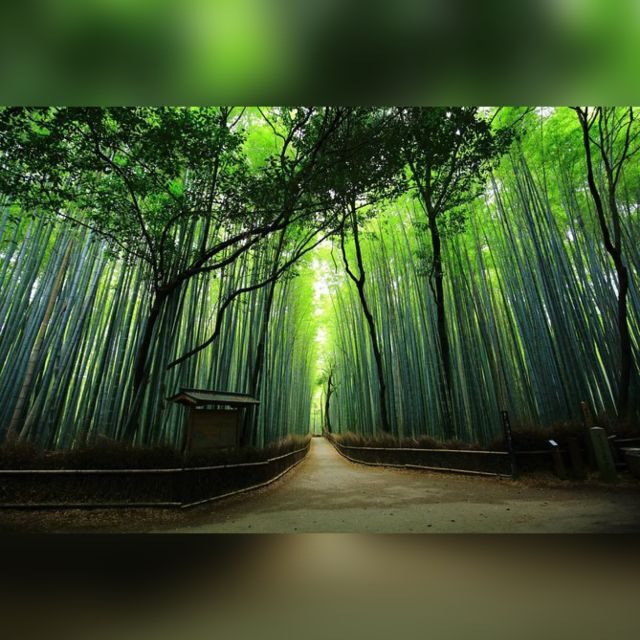
This is the type of day that works best when you have limited time in Kansai. In 10 hours, you’ll hit the headline sights people travel across the planet for: Nara’s deer and Todaiji’s giant Buddha, Kyoto’s torii at Fushimi Inari, the gold of Kinkaku-ji, and Arashiyama’s bamboo area.
I like that it’s structured enough to prevent wasted hours, but flexible enough for you to react to crowds. If you want photos without feeling like you’re sprinting, you’ll benefit from having a driver who can help you find the right rhythm at each stop.
That said, you’re still dealing with one-day physics: walking takes time, and Kyoto traffic can be unpredictable. Think of this tour as a “great highlights sampler,” not a slow spiritual retreat.
You can also read our reviews of more private tours in Kyoto
Osaka, Kyoto, or Kobe Pickup: The Convenience Factor
Pickup is included, with three main starting points: Osaka, Kyoto, or Kobe. You’ll meet your driver/host at your hotel, and you’re asked to wait in the lobby about 10 minutes before your scheduled time.
This matters more than it sounds. Getting from Osaka or Kyoto to Nara and then back through Kyoto takes time even on paper. With private transport, you’re not timing buses or chaining trains while your day is burning daylight.
Also, this is a private group with an English-speaking driver/host. You may also run into Tagalog support from the greeter, and several named guides have been praised for helping with translation and practical questions like ticket handling.
Nara Park Deer Time and Todaiji’s 15-Meter Buddha
Nara Park is your first big emotional payoff. You’ll spend about 30 minutes there, including a guided element plus sightseeing time. The highlight is simple: freely roaming deer, and the option to buy crackers to feed them. It’s a little chaotic in a fun way, so wear shoes you trust and keep your snack hands steady.
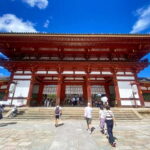
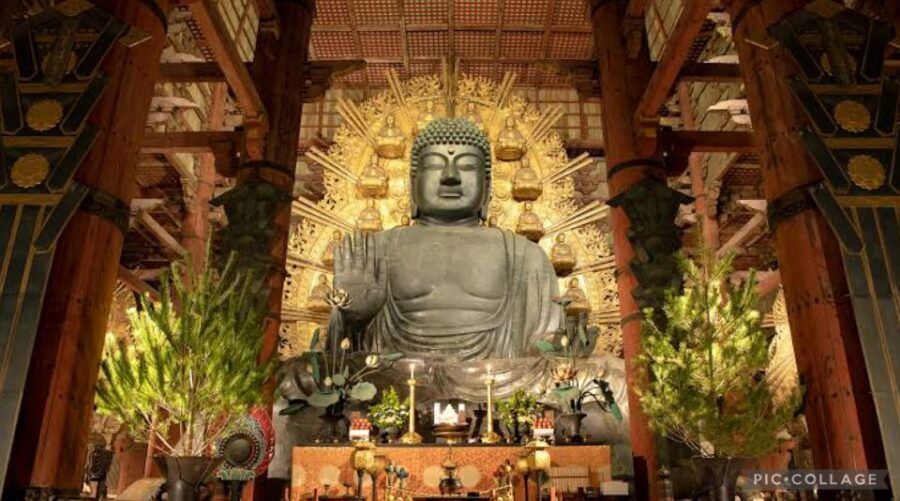
Then you move to Todaiji—about 40 minutes at Todai-ji Daibutsuden, also called the Great Eastern Temple. This is where the scale punches you in the chest. You’ll see the Daibutsuden hall and the 15-meter-tall bronze Buddha statue of Buddha. It’s UNESCO World Heritage for a reason: the complex feels designed to make you look up and slow down, even when your itinerary is rushing.
A practical note: since part of the time is self-guided, use the driver’s orientation to get your bearings first. Ask what areas to prioritize for photos, and then let yourself wander without constantly checking your timing.
Fushimi Inari’s Vermilion Torii Gates: How to Enjoy the Walk
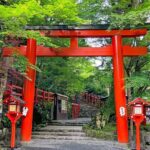
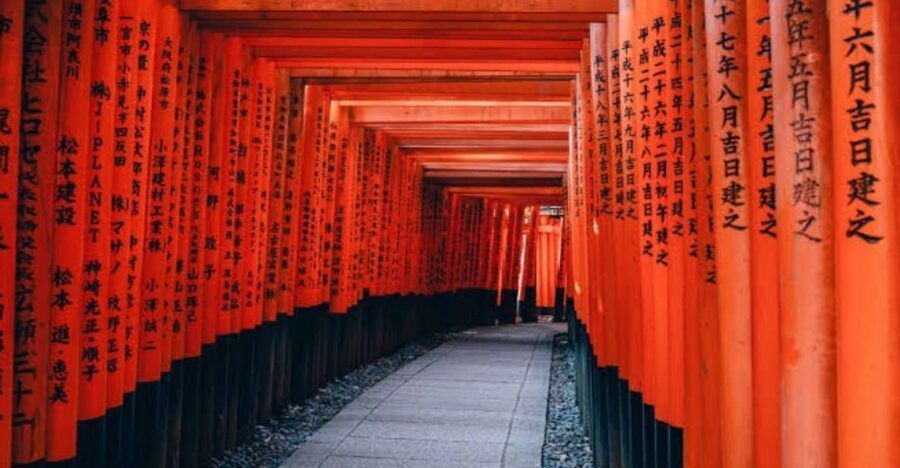
Fushimi Inari Taisha is the red torii gate moment you see in photos—but it’s still better in real life because the tunnel effect keeps going. You’ll have about 40 minutes here, with guided explanation plus walking time.
The torii gates can feel endless in the best way. Your best strategy is to decide your personal turnaround point early. Don’t try to “win” the whole route if you’ve already been walking all day; instead, aim for a section that gives you the depth and the repetition in your photos without burning your energy.
Because this stop involves a lot of walking through crowds, it helps that your host can manage pacing and ticket-line or entry guidance. That turns a stressful slog into a controlled stroll.
If you care about the photo look, plan to move slowly through your preferred stretch rather than stopping for every shot. The gates photograph well when you keep walking, then pause in a few intentional spots.
Kinkaku-ji Golden Pavilion: Small Time, Big Visual Impact
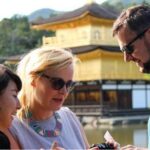
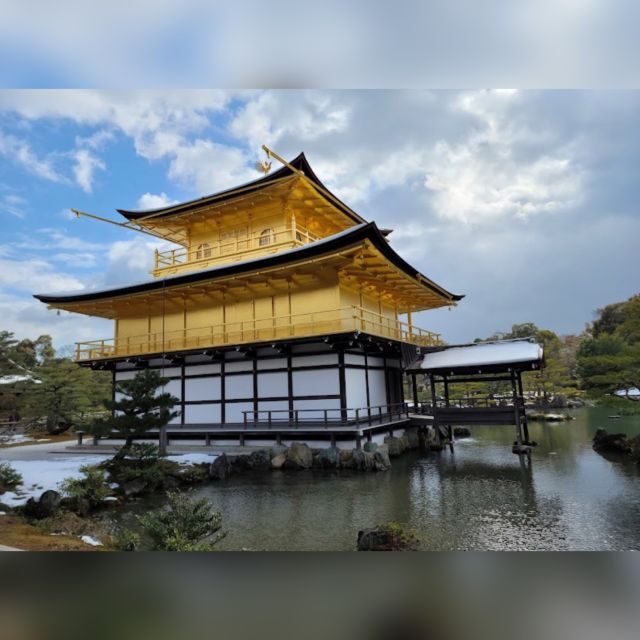
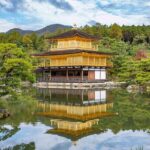
Kinkaku-ji, the Golden Pavilion, gets its own 40 minutes with sightseeing and a self-guided component. The main feature is obvious: multiple floors covered in gold leaf, and a mix of architectural styles across levels.
This stop works because you don’t need a full lecture to appreciate it. Even with limited time, the pavilion reads instantly. You’ll spend your minutes wisely if you do two things: first, take in the whole building from the main viewpoints; then, once you’re oriented, move to angles where the gold really pops against the surrounding space.
Because it’s self-guided, your best use of time is simple: focus on what you came for, and resist the temptation to keep circling when you’re starting to feel rushed. Your later torii-gate walk and the Arashiyama segment will thank you.
You can also read our reviews of more tours and experiences in Kyoto
Arashiyama Bamboo Forest and the Togetsukyo Bridge Break
Arashiyama is where the day becomes more about scenery and less about monuments. You’ll get about 70 minutes here, and that includes lunch time, a guided element, shopping time, and sightseeing on the way. That’s important: it gives you a chance to actually eat without turning lunch into a lost battle.
Then the day breaks into smaller hits:
- A short stop at Togetsukyo Bridge (about 10 minutes) across the Katsura River
- A brief photo stop and guided/shopping time at the Kimono Forest area (about 10 minutes)
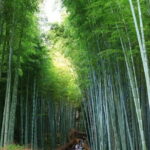
- Arashiyama Bamboo Forest photo/walk time (about 30 minutes)
The bamboo forest section is the visual headline. Expect crowds at popular hours, and plan to move at walking speed rather than trying to stop every second. If you’ve got your camera ready, you can still get framed shots without slowing down the whole group’s flow.
There’s also an optional choice: the Sagano Romantic Train. The key detail is the seasonal nature of it—cherry blossoms in spring, maple colors in fall. If conditions and timing allow, this can add a “Kyoto postcard” feeling to the day. If it doesn’t line up, you still get the bamboo and bridge, so you’re not left empty-handed.
Transport Comfort, Guide Style, and the Not-Fully-Guided Reality
This tour includes private transportation in an air-conditioned vehicle, plus an English-speaking driver/host. The guide service is practical: you’ll get help with purchasing tickets and waiting in line with you, not just a ride and a checklist.
One important nuance: a full guided tour of every site isn’t the model. Instead, you get guided time at certain stops and self-guided time at others. That’s not a flaw, but it changes how you should approach it. If you want deeper explanations at temples, ask your host specific questions early in the day.
There’s also an option to request a National Licensed Guide for an additional fee. If you’re the type who wants context, symbolism, and temple background beyond the basic overview, this is the add-on to consider.
Accessibility can be a concern on any one-day itinerary like this because walking time is real. Still, the private format can help. One guest shared that their guide Bill supported them step-by-step and made the day feel manageable, which is exactly what you want from a good host in a place with uneven terrain and crowds.
Price and Value for a $632 Private Group
The price is $632 per group up to 2, for a 10-hour day with pickup and drop-off. That’s not cheap on paper, but it often makes sense when you price convenience, time, and stress.
Here’s what your money is buying:
- Private car time instead of transfers and scheduling
- An English-speaking driver/host to coordinate stops and help with ticket lines
- A day plan that concentrates your effort on the biggest Kyoto and Nara highlights
Here’s what’s not included:
- Food and drinks
- Entry tickets
So you should think of the cost as paying for the ride and orchestration, not the full “one price includes everything” package. If you’d rather pay less and you’re comfortable navigating trains and crowds, public transport can be cheaper. But if your goal is to see the icons with minimal hassle, the private format becomes good value fast.
Also note: pickup and drop-off at Kobe Port Terminal and Maizuru Port Terminal involve an additional charge. If you’re starting from a cruise route, check that detail before you lock in your time.
Should You Book This Kyoto and Nara Private Day Trip?
I’d book this if you want a smart, high-impact day where you see the major icons without spending your vacation time on transit. It’s a great fit for couples and small groups who value flexibility, clear guidance, and a driver who can keep you moving through busy areas.
I would hesitate if you want slow temple study or you dislike any plan that includes self-guided time. You’ll cover a lot of ground, so anyone who hates walking crowds should consider whether a shorter or more focused itinerary would feel better.
If your priority is stacking the top sights—Todaiji’s Great Buddha, Fushimi Inari’s torii gates, Kinkaku-ji, and Arashiyama bamboo—in one day with private pickup, this is a strong way to do it.
FAQ
What cities are pickup and drop-off available from?
You can choose pickup from Kyoto, Kobe, or Osaka, and drop-off is available at Kobe, Osaka, or Kyoto. If you’re using Kobe Port Terminal or Maizuru Port Terminal, there’s an extra charge.
Is this tour private?
Yes. It’s a private group experience, using a private vehicle for your party.
How long is the day trip?
The experience is listed as 10 hours.
Are food and entry tickets included?
No. Food and drinks are not included, and entry tickets are also not included.
What language will the host or greeter speak?
The host/greeter language options are listed as English and Tagalog. The driver/host is described as English speaking.
Does the host help with tickets and waiting in line?
Yes. The host provides guidance with purchasing tickets and waiting in line with guests.
Is there a full guided tour at every stop?
No. The service includes guidance during parts of the day, but a full guided tour of every attraction is not provided. Some time is self-guided.
Can I cancel for free, or pay later?
You can cancel up to 24 hours in advance for a full refund. You can also reserve now & pay later (book and pay nothing today).
If you tell me your exact pickup city (Osaka vs Kyoto vs Kobe) and your travel month, I can suggest the order to prioritize photos and the best fit for optional Sagano Romantic Train timing.