REVIEW · KYOTO
Kyoto: Kaiseki Reservation at Hanasaki Manjiro
Book on GetYourGuide →Operated by TakeMe Co.,Ltd. · Bookable on GetYourGuide
A quiet dinner in Kyoto that feels like stepping into calm. I love the 120-year-old machiya townhouse setting and the way the meal leans on seasonal Kyoto kaiseki ingredients. One thing to plan for: the full course can be filling, so an empty stomach helps.
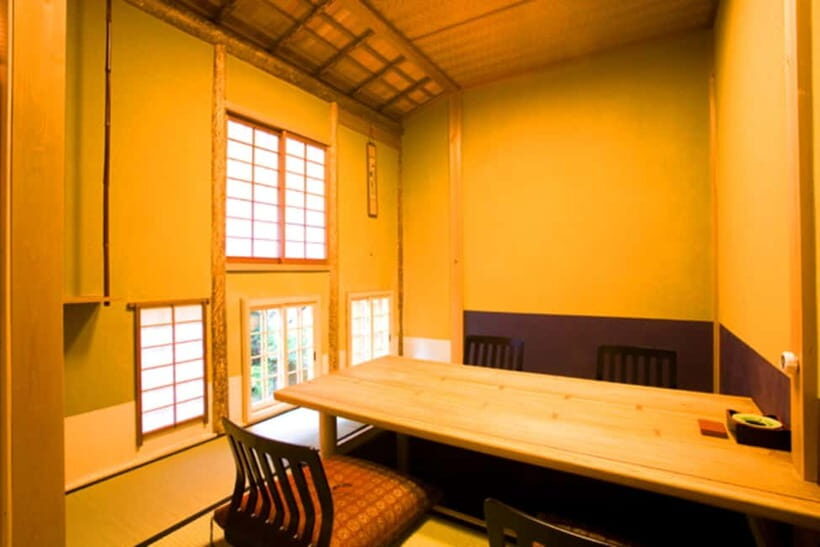
You’ll eat in a private tatami room with garden views, not a loud restaurant scene. The food is delicate, beautifully presented, and the staff explain the dishes clearly (one past dining review even mentioned an English helper named Mihoko). Just know there’s no formal guide included with the reservation, so you’re relying on the restaurant staff for explanations.
In This Review
- Key Things I’d Prioritize
- A 120-Year-Old Machiya Dinner Steps from Higashiyama Temples
- Getting Seated: Private Tatami, Garden Views, and a No-Fuss Approach
- What Kaiseki Actually Means Here (And Why You’ll Enjoy It)
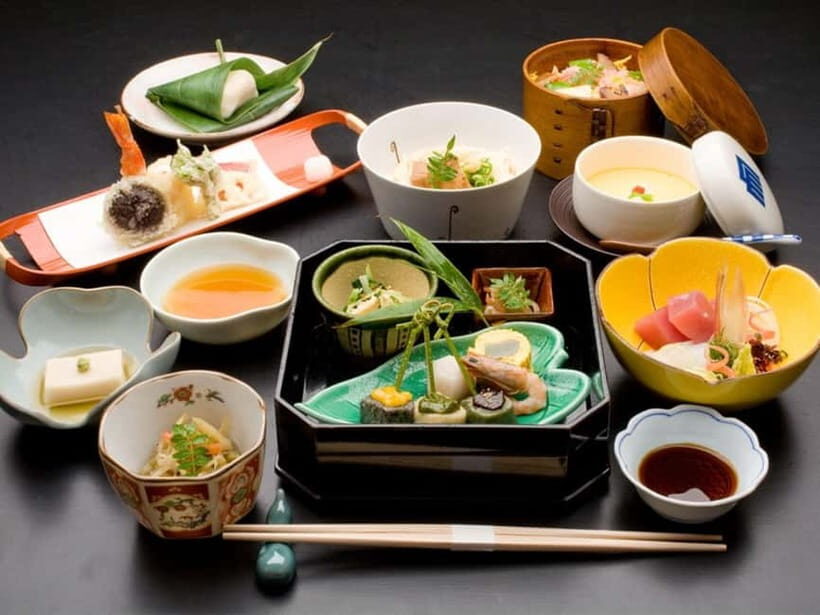
- A Typical Course Flow: Expect Art, Then Flavor
- Seasonal Kyoto Ingredients: The Real Value of This Reservation
- Portion Size, Food Pace, and When to Ask for a Lighter Menu
- Maiko or Geiko Requests: A Special Add-On to Consider
- Price and Value: Is $48 for Kaiseki a Good Deal?
- Where to Fit It: Timing and Nearby Temple Stops
- Who Should Book Hanasaki Manjiro
- Final Call: Should You Book This Kaiseki Reservation?
- FAQ
- How long does the kaiseki reservation last?
- Where is Hanasaki Manjiro, and how do I get there?
- What’s the price per person?
- Is the full course menu included?
- Are drinks included?
- Is there a guide provided during the meal?
- Can maiko or geiko performances be arranged?
- What should I do when it’s time for my reservation?
- Is this experience wheelchair accessible?
- What’s the cancellation window for a full refund?
- Is there a pay later option?
Key Things I’d Prioritize
- 120-year-old machiya dining room in Higashiyama, close to major temples
- Seasonal multi-course kaiseki using Kyoto vegetables and local ingredients
- Private tatami rooms with a calm garden atmosphere
- Maiko/geiko performances can be arranged on request (if you ask in advance)
- $48 price point that includes a full course menu and tax, with water provided
A 120-Year-Old Machiya Dinner Steps from Higashiyama Temples
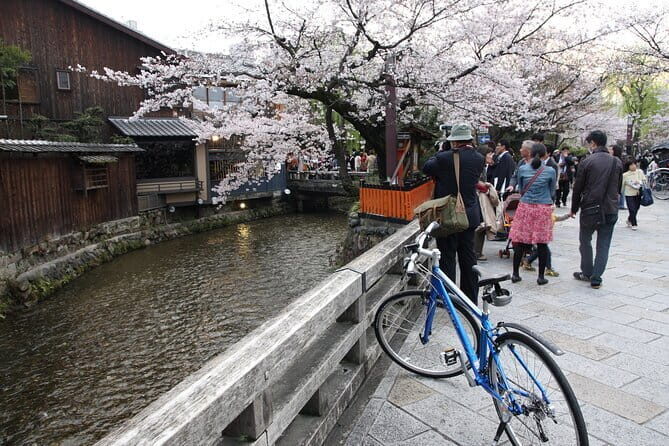
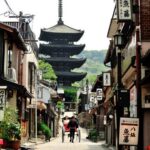
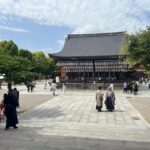
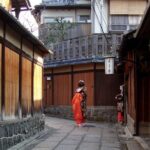
Kyoto’s Higashiyama has two speeds: the daytime temple-and-shop shuffle, and the quieter world you find when you slow down. Hanasaki Manjiro lives in that second speed. It’s in a historic machiya townhouse that has been restored, about a short walk from the temple area—close enough that you can pair it with sightseeing, but tucked away so it feels away from the crowds.
The townhouse matters. Kyoto isn’t just “nice scenery” here—it’s architecture that shapes your meal. You enter a traditional space with that lived-in calm you only get in older homes: the pace is slower, the seating feels intimate, and it’s easier to pay attention to what’s on your plate. If you’re tired of rushing between photo stops, this is a very civilized reset.
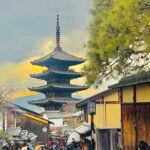
And location is practical. You’re near major landmarks like Kodaiji Temple, Chion-in, and Kiyomizu-dera. That means you can build a day around the neighborhood without spending extra time commuting. You just have to respect the timing—this is a reservation meal, so don’t run late while trying to “squeeze in one more street.”
You can also read our reviews of more tours and experiences in Kyoto.

Getting Seated: Private Tatami, Garden Views, and a No-Fuss Approach
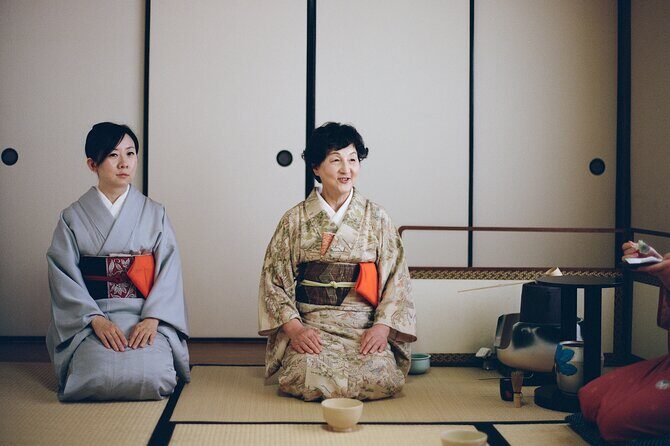
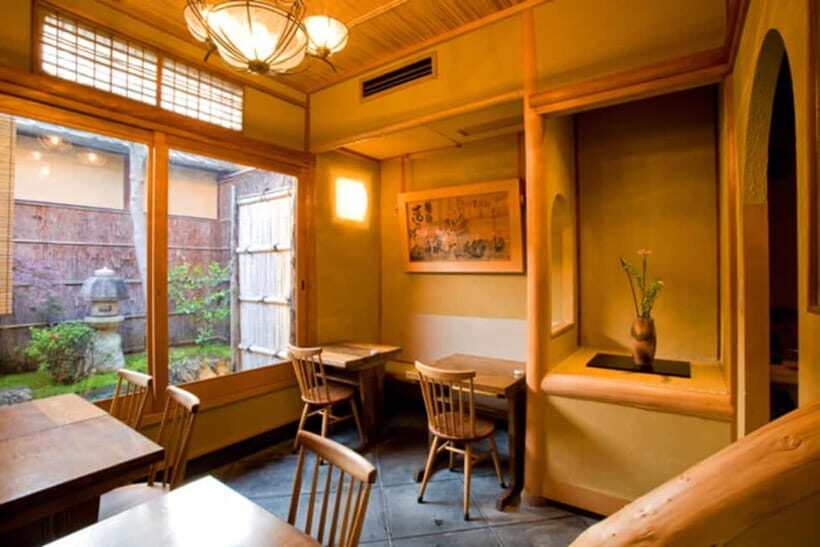
You’ll be eating in a private tatami room, and that changes everything about kaiseki. Kaiseki is designed for attention—seasonal ingredients, small servings, clean flavors, and an order to it. In a shared dining room, it’s easy to feel like you’re part of the flow. In your own room, you can actually enjoy the rhythm.
Most importantly, many rooms include a garden view, which acts like a slow-moving soundtrack. Even if the main garden details aren’t the focal point, the visual calm keeps the meal from feeling like a “performance for strangers.” It feels personal—especially if you’re celebrating something or just trying to make one night in Kyoto feel special.
How the meal is run is straightforward: when it’s time, you go straight into the restaurant. There’s no extra group meet-up ritual once you arrive. Also, the experience is described as reservation-only with no guide provided, so keep expectations simple: you’re there for the food and the setting, and the staff support you at the table.
What Kaiseki Actually Means Here (And Why You’ll Enjoy It)
Kaiseki is often described like it’s a “special meal,” but the real value is what you learn to notice. This course format is built around seasonality, presentation, and balance—how you go from one flavor to the next without any one dish taking over.
In this townhouse, that concept lands well. The meal uses seasonal Kyoto vegetables and local ingredients, so it doesn’t feel like a generic “Japanese dinner for tourists.” You’re more likely to taste the season in the details: a crisp bite here, a gentle sweetness there, and flavors that move from lighter tastes toward more satisfying ones as the courses progress.
A tip from the dining experience style: kaiseki rewards patience. You don’t just eat; you read the plates. The portion sizes are usually small, but the sequence adds up. One past diner noted the 9-course format felt generous and even had leftovers packaged—so don’t assume it’s “light snacking.” It’s structured feeding, not a buffet.
A Typical Course Flow: Expect Art, Then Flavor
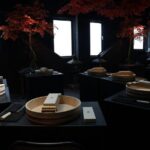
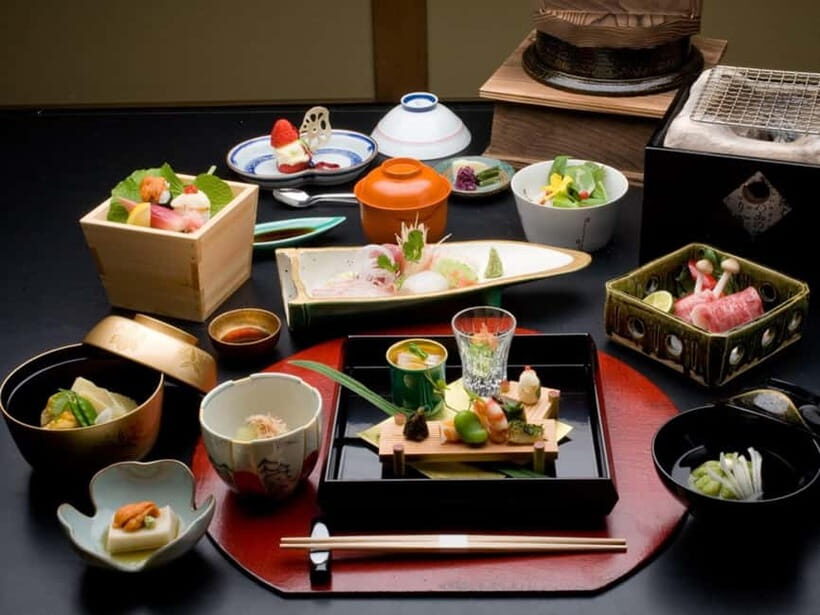
Kaiseki is famous for looks, but I don’t care about looks unless they support taste. What I like about this kind of Kyoto meal is that the presentation helps you understand the intent of each dish. You’ll see careful plating, seasonal ingredients arranged with purpose, and flavors that are meant to be clean and precise.
From past diners, a few items stuck out as memorable examples of what you might encounter:
- Very fresh seafood, including shrimp called out as the freshest tasted in years
- Wagyu beef for a first-time taste, cooked and served with a refined hand
- Dishes so delicate that one diner said they felt like scenes from a Japanese royal-movie fantasy (yes, that’s a real mental image this meal can create)
I’m not promising those exact items every time—menus change by season—but the pattern is consistent: the staff aim for dishes that feel thoughtful, not heavy-handed.
If you’re the type who gets annoyed when food arrives slowly, don’t panic. Kaiseki is paced. That’s the point. Plan your evening so you’re not rushing off to another reservation, and you’ll enjoy the meal instead of watching the clock.
Seasonal Kyoto Ingredients: The Real Value of This Reservation
The best way to judge this experience isn’t the townhouse alone, and it isn’t the word kaiseki. It’s the use of local ingredients in Kyoto-style seasonal cooking. That’s where you see the difference between a “nice dinner” and an experience that feels rooted.
Kyoto vegetables and seasonal picks are the quiet stars. They’re not trying to impress you with loud sauces. Instead, they highlight texture and natural flavor—how something tastes when it’s at the right moment in the year. If you’ve visited Kyoto and eaten the same type of food in a touristy strip, this meal gives you the other side: careful cooking and a respect for ingredients.
This also makes the meal a good choice even if you’ve eaten Japanese food before. You’re not ordering familiar comfort items. You’re sampling a Kyoto seasonal menu that’s built to change.

Portion Size, Food Pace, and When to Ask for a Lighter Menu
One practical consideration: full course kaiseki can be filling. A past diner said you should come with an empty stomach, and another suggested considering a smaller option if you prefer lighter portions. That’s the kind of detail I wish more people shared.
So here’s how I’d plan it:
- If you want the full experience, eat lightly before you arrive and don’t schedule a big dessert after.
- If you’re sensitive to heavy meals or you’re not into a longer sequence, ask about a smaller course option when you confirm your reservation (the idea of options came up in past dining experiences).
Also, pacing matters. Expect the meal to take around two hours. If you’re trying to cram in Kiyomizu-dera right before, give yourself wiggle room. Temple stairs can steal your appetite faster than you think.
Maiko or Geiko Requests: A Special Add-On to Consider
This is one of those “only if you want it” experiences. Hanasaki Manjiro notes that maiko or geiko performances can be arranged upon request. That means you shouldn’t treat it like a guaranteed show. But if it’s on your Kyoto bucket list, it’s worth asking about when you book or when you’re confirming.
If you do include it, remember that a performance isn’t the same as eating quickly. The meal is still the main event. I’d treat the show as a bonus layer—something that adds to the cultural feel without turning your night into a rushed ticketed event.
Price and Value: Is $48 for Kaiseki a Good Deal?
At $48 per person, this reservation sits in the “serious experience but not out of reach” category. You’re paying for a restored historic townhouse, a private tatami setting, a full multi-course menu, and sales tax. Drinks (other than water) aren’t included, so decide ahead of time whether you want to add tea or alcohol on top.
Here’s how I evaluate value for kaiseki:
- If you’re paying for the food only, kaiseki can feel expensive.
- If you’re paying for the total package—seasonal menu, quiet private room, and a calm atmosphere built into a 120-year-old machiya—the value often makes sense.
And that’s the key. This isn’t just “eat and go.” You’re getting a traditional setting designed for attention. If you’re visiting Kyoto’s temple district already, it also saves time and hassle versus chasing a high-end dinner far from where you’re spending your day.
Where to Fit It: Timing and Nearby Temple Stops
Because the restaurant is near the Higashiyama temple zone, you can plan a smooth day. If you’re aiming for classics, Kodaiji Temple, Chion-in, and Kiyomizu-dera are in the neighborhood. The experience sits along the Higashiyama Sando area, which is a convenient walking route full of cultural atmosphere.
The best strategy is simple:
- Choose one temple area highlight in the morning or early afternoon.
- Leave time for wandering the old-town streets.
- Use the kaiseki reservation as your anchor meal later, when you want a break from crowds.
Also, arrive with enough time to find the spot calmly. The reservation style is direct: when it’s time, you go into the restaurant. Don’t rely on last-minute sprinting while trying to match your exact entry time.
Who Should Book Hanasaki Manjiro
I think this reservation is best for people who want more than a casual meal in Kyoto.
You’ll like it if:
- You want a traditional townhouse dining experience rather than a modern restaurant room
- You enjoy seasonal food and the idea of tasting a menu in sequence
- You want privacy and calm, especially for a date or a special occasion
- You like the Higashiyama area and want one evening that feels slower
You might reconsider if:
- You hate longer restaurant meals and want quick service
- You only want food that’s bold and filling right away
- You’re expecting a formal guide to lead you through the meal (the experience is described as reservation-only with no guide)
Final Call: Should You Book This Kaiseki Reservation?
If you’re doing Kyoto’s Higashiyama temples, I’d strongly consider booking this. The combination of a 120-year-old machiya setting, private tatami comfort, and a seasonal kaiseki menu makes it feel like you’re sampling Kyoto in a way you can’t replicate at a standard restaurant. The $48 price is reasonable for what you get—especially since the full course and tax are included, and water is available.
Just go in prepared: plan to enjoy a two-hour meal, come with an appetite or be ready to ask about lighter options, and consider requesting maiko/geiko if that’s part of your Kyoto wish list.
FAQ
How long does the kaiseki reservation last?
The experience runs for about 2 hours.
Where is Hanasaki Manjiro, and how do I get there?
It’s roughly a 10-minute walk from Gion-Shijo Station on the Keihan Main Line, or about a 15-minute walk from Kawaramachi Station on the Hankyu Kyoto Line.
What’s the price per person?
The price is $48 per person.
Is the full course menu included?
Yes. The full course menu is included, along with sales tax and the reservation.
Are drinks included?
Drinks are not included, except water.
Is there a guide provided during the meal?
No guide is provided with the reservation.
Can maiko or geiko performances be arranged?
They can be arranged upon request.
What should I do when it’s time for my reservation?
Go directly into the restaurant at your reservation time.
Is this experience wheelchair accessible?
Yes, it’s listed as wheelchair accessible.
What’s the cancellation window for a full refund?
You can cancel up to 24 hours in advance for a full refund.
Is there a pay later option?
Yes, you can reserve now and pay later.