REVIEW · WALKING TOURS
Kyoto: Highlights Guided Walking Tour
Book on GetYourGuide →Operated by Made in Nippon · Bookable on GetYourGuide
Kyoto hits different on foot. This highlights walking tour strings together the places you’ve heard of with the streets where you feel Kyoto. I like that it starts right at Kyoto Station and then flows through UNESCO Kiyomizu-dera toward old-town neighborhoods with real local flavor.
Two things I’d bet on: you get a local guide who makes connections between history, spirituality, and everyday street life, and you spend your time walking the paths tourists don’t usually linger on. The feedback also puts the spotlight on guide Yu (including Yu Noda), with people praising his depth and how he tailors answers to what they want to see.
One consideration: this is a 3–4 hour walking plan with short stops. If you prefer long, slow museum-style pacing or you’re hoping for lots of free time for food and drinks, you’ll need to manage your expectations (and come ready to buy on your own).
In This Review
- Key highlights you’ll actually feel during the walk
- From Kyoto Avanti to Old Kyoto: a smart start point
- Kiyomizu-dera: the UNESCO stop that sets the tone
- Yasaka Shrine and Sannenzaka: walking the sacred-to-street transition
- Hanamikoji Street in Gion: where geisha spotting becomes real
- Crossing the Kamo River into Pontocho Alley
- Nishiki Market and Nishiki-Tenmangu: Kyoto’s kitchen and a shrine detour
- Nijo Castle: nightingale floors and gardens at the end
- Price and time: does $34 really make sense?
- Who this Kyoto Highlights Walking Tour is best for
- Should you book this Kyoto Highlights Walking Tour?
- FAQ
- Where is the meeting point?
- How long is the tour, and where does it run from?
- What’s included in the price?
- Is food or drinks included?
- What languages are the live guides?
- Is the tour wheelchair accessible?
Key highlights you’ll actually feel during the walk

- Kiyomizu-dera with guided time at the UNESCO site and the famous wooden stage view
- Sannenzaka → Yasaka Shrine → Hanamikoji for the classic temple-to-geisha-street rhythm
- Gion’s Hanamikoji street where you might spot geisha heading to evening appointments
- Kamo River and Pontocho Alley, including a lantern-lit restaurant lane feel
- Nishiki Market plus a shrine stop at Nishiki-Tenmangu
- Nijo Castle, known for its nightingale floors and gardens
From Kyoto Avanti to Old Kyoto: a smart start point
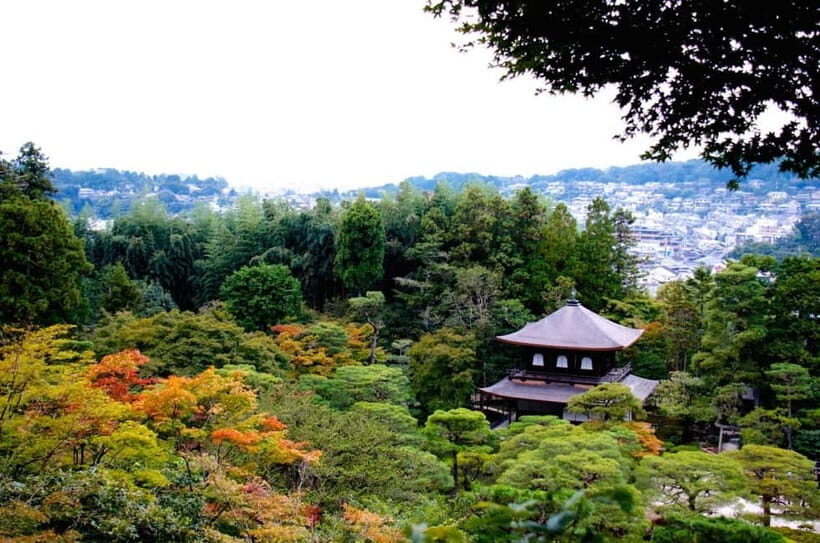
The meeting point is in front of Kyoto Avanti (京都アバンティ). That’s handy because Kyoto Station is the big hub, so you’re not hunting across town to find the tour group. You also get a short bus/coach segment early on, which helps you settle into the route without starting every step from scratch.
Once you’re moving, the pacing stays manageable because the plan alternates between guided visits and short walks. It’s a good format if you want to see several “musts” in a few hours, without feeling like you’re racing the whole time.
If you’re thinking about logistics, I’d come with cash and/or a credit card, since food and drinks aren’t included. You’ll also want comfortable shoes, because this is still Kyoto—old streets mean uneven footpaths and lots of curb-to-temple distance on foot.
You can also read our reviews of more walking tours in Kyoto


Kiyomizu-dera: the UNESCO stop that sets the tone

The tour’s first major cultural moment is Kiyomizu-dera, with guided sightseeing time and a walk section that keeps you close to what you’re seeing. This is a UNESCO World Heritage site, and what you’re likely to notice right away is the wooden stage with views over Kyoto—plus the mention of seasonal beauty. Even if you don’t know the details before you arrive, the guide’s job is to connect the sight to what it means.
Why this stop matters in the bigger picture: it gives you a visual anchor. Many Kyoto neighborhoods make more sense once you’ve seen the kind of sacred space where ceremonies and tradition were designed to be experienced with your eyes as much as your mind.
A practical note: because the guided visit window is limited, you’ll get the highlights rather than a slow, one-building-at-a-time experience. If you’re the type who wants to linger for photos and then read every sign, you’ll appreciate having a guide to point you toward the best areas to spend your time.
Yasaka Shrine and Sannenzaka: walking the sacred-to-street transition
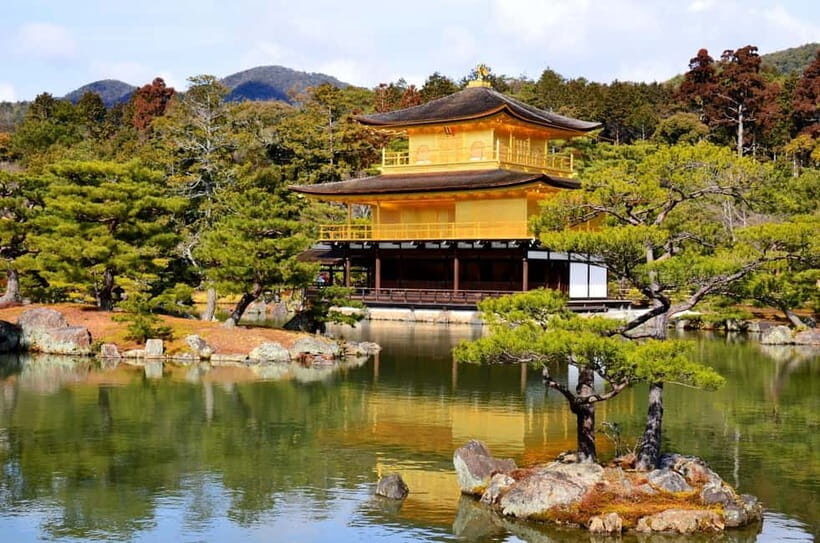
After Kiyomizu-dera, you move toward Yasaka Shrine with guided time and a walk through the surrounding streets. Yasaka Shrine is described as a symbol of Kyoto’s spiritual heritage, and you’ll feel that shift from monumental temple space to shrine-and-street atmosphere.
The route also includes Sannenzaka Street, known for its atmospheric old-street feel. This is the kind of place where the details matter: traditional shops, narrow lanes, and that slow “look around” pace you can’t replicate at a train-station shopping mall.
For me, the biggest value here is the way the tour links the physical walk to the theme. You’re not just checking boxes—you’re moving through the neighborhoods that help explain why Kyoto feels like Kyoto.
If there’s a drawback in this segment, it’s simple: old streets can get crowded, and short guided blocks mean you’ll need to stay close and move when the group moves.
Hanamikoji Street in Gion: where geisha spotting becomes real
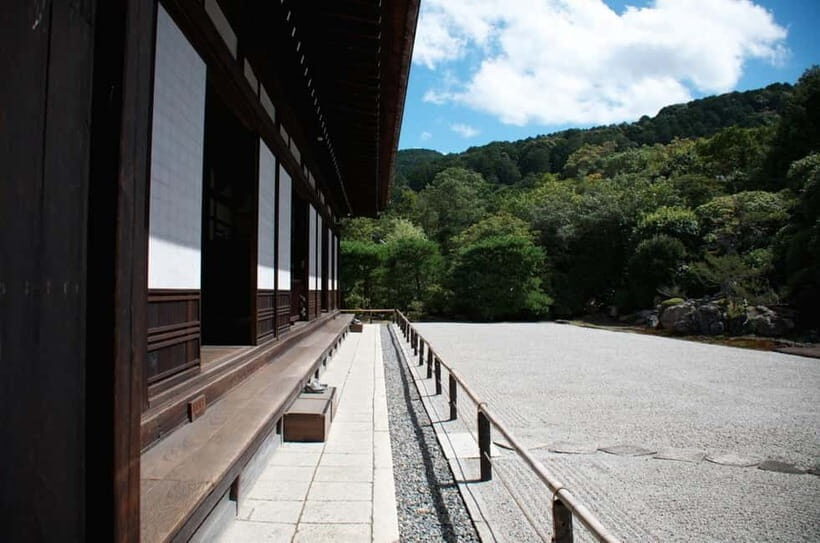
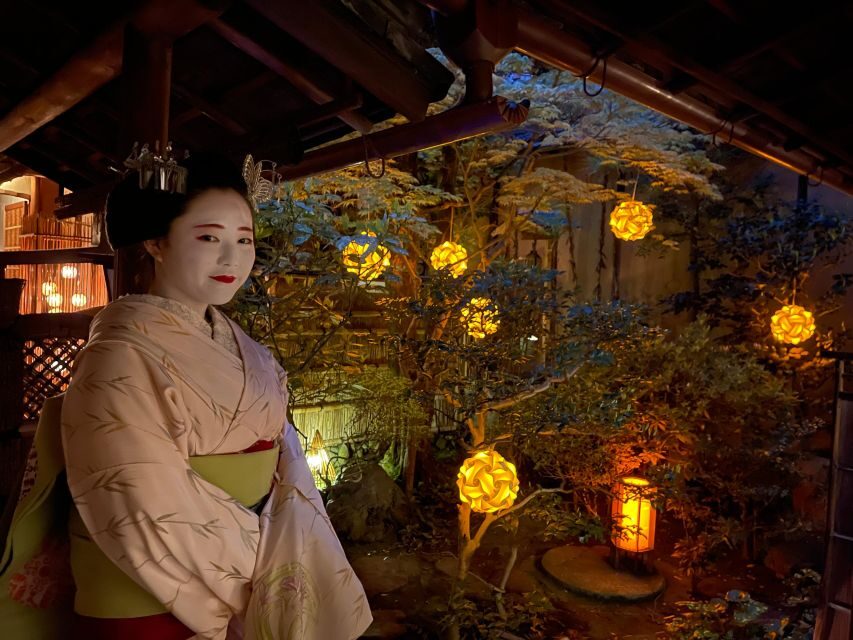
Next comes Hanamikoji Street in Gion, with guided sightseeing time and a walk section. This is where the tour description leans into one of Kyoto’s most recognizable scenes. You may catch a glimpse of elegantly dressed geisha heading to evening appointments—no guarantees, but the odds improve when you’re on the right street at the right time and not stuck viewing from a distance.
What I like about including this stop rather than leaving it as a random photo stop: it’s handled as part of a path with context. You’re walking from shrine and historic streets toward the Gion zone, so the contrast doesn’t feel confusing. It feels like a story.
One thing to keep in mind: geisha sightings are fleeting. The tour format is best if you’re willing to observe respectfully and move on without trying to force a moment for your camera.
Crossing the Kamo River into Pontocho Alley
A short walk brings you to the Kamo River, then the tour heads into Pontocho Alley. Pontocho is described as a narrow lane with lantern-lit restaurants, and even if you’ve seen photos online, being there in person tends to feel different because you’re at walking distance from the lights, not just looking through a lens.
This segment works well as a change of pace. Up to this point, you’re in temple-and-shrine rhythm. Pontocho gives you an evening-street vibe and a sense of how Kyoto’s traditions and modern street culture share the same areas.
Practical tip: since food and drinks aren’t included, Pontocho is where you might decide whether you want to buy something or simply wander and photograph the alley atmosphere. Either way, plan your expectations: this stop is time-limited, so you won’t have the entire evening to explore side streets.
You can also read our reviews of more guided tours in Kyoto


Nishiki Market and Nishiki-Tenmangu: Kyoto’s kitchen and a shrine detour

The tour includes Nishiki Market, with guided time for sightseeing and a short walk segment. Nishiki is often described as Kyoto’s Kitchen, and this stop is positioned for the senses: you can see, smell, and taste local delicacies. Since food isn’t included, that’s a key reason the market is included at all—you’ll have the chance to pick what you want, when you want it, with guidance on what to look for.
Right after, you visit Nishiki-Tenmangu Shrine for a short guided stop. This combination is clever. Markets can be overwhelming, and a shrine break helps reset your pace. It also keeps the theme of spirituality and tradition alive even while you’re in a food-focused area.
A balanced way to think about this portion: go hungry, but don’t assume you’ll eat a full meal. The time is structured, so you’ll likely have chances to sample or purchase small items rather than sit down for a long, multi-course experience.
Also, if you’re worried about budget, this is where it can swing. The tour price covers the guide and walking plan, not what you decide to taste.
Nijo Castle: nightingale floors and gardens at the end
The tour’s final big cultural highlight is Nijo Castle, described as a former shogun residence famous for its nightingale floors and exquisite gardens. This is a great “wrap-up” stop because it shifts you from street scenes back to a grand, palace-style environment with its own kind of quiet importance.
Why it’s a strong closing chapter: after temples, shrines, and neighborhood lanes, you end with a place built around power, ceremony, and design. The nightingale floors are specifically called out, which signals that you’ll get a guided explanation of what makes them special rather than just walking past rooms.
The itinerary also suggests a bus/coach segment after this to return you toward Kyoto Station. That matters because it helps keep the final stretch from turning into an exhaustion test.
Price and time: does $34 really make sense?
At $34 per person for 3–4 hours, the value is mostly in what’s included: a personalized walking tour with a local guide. That’s the key. You’re paying for interpretation and direction—someone to connect the dots between Kiyomizu-dera, Yasaka Shrine, Gion streets, Nishiki Market, and Nijo Castle.
What’s not included is also important. Food and drinks aren’t included, and transportation isn’t included. Yet the route includes short bus/coach segments, so you should plan for the possibility of paying for those transfers yourself. If you already know you’ll buy snacks in Nishiki Market, or you expect to use local transport for the short rides, the price can still feel like a bargain.
In my view, this tour earns its money if you fall into one of these groups:
- You want multiple highlights without researching every stop.
- You like walking in a structured path with stops that actually match the theme.
- You appreciate a guide who can answer your questions on the spot.
Who this Kyoto Highlights Walking Tour is best for
This is a strong fit if you like classic Kyoto scenes in a single half-day. It’s also a good choice if you’re balancing a busy itinerary and want the city’s spiritual and artistic side without spending your whole day on transit.
If you’re traveling with kids, this can work only if your group can handle shorter stops and lots of walking. If someone in your party hates crowds or hates standing still for photos, you may want to adapt expectations because the route passes through well-known areas.
It also works well for solo travelers because the guide keeps things moving and reduces the stress of figuring out what to do next. The reviews you provided emphasize engagement and personal attention, especially with Yu (including Yu Noda), and that’s usually what you want from a small group tour.
Should you book this Kyoto Highlights Walking Tour?
If you want a practical way to get the core Kyoto experience—temple, shrine, Gion streets, Nishiki food lanes, and Nijo Castle—this tour makes sense. The big selling point is the local guide and the way the route ties the different parts of Kyoto into one story. The pricing feels fair for what you’re getting, as long as you’re okay paying for your own food and possible transfers.
I’d only skip it if you strongly prefer unstructured exploration, or if you want long time at each site to read every placard and sit for a while. In this format, you’ll move, look, learn, and then move again.
If that sounds like you, book it.
FAQ
Where is the meeting point?
Meet in front of the entrance of Kyoto Avanti (京都アバンティ).
How long is the tour, and where does it run from?
The tour lasts 3 to 4 hours and starts from Kyoto Station area via Kyoto Avanti, with walking and short bus/coach transfers during the route.
What’s included in the price?
It includes a personalized walking tour with a local guide.
Is food or drinks included?
No. Food and drinks are not included, so you’ll want cash or a credit card for purchases.
What languages are the live guides?
The live tour guide speaks English and Japanese.
Is the tour wheelchair accessible?
Non-folding wheelchairs and electric wheelchairs are not allowed.