REVIEW · WORKSHOPS
Kyoto: Kintsugi Jewelry Workshop with Natural Stones
Book on GetYourGuide →Operated by Kintsugi Jewelry engrace · Bookable on GetYourGuide
Kintsugi jewelry turns a break into beauty. This 150-minute workshop in a 100-year-old Kyoto townhouse is a calm break from the shrine crowds, and you’ll leave with a piece you truly made, not just bought. I especially liked the hands-on pace and the way the craft connects to Japanese thinking about repair and imperfection.
Two things I liked a lot: you get to design with real choice, from pottery fragments to colorful natural stones and pearls, and you’ll also learn the cultural meaning behind kintsugi as part of the process. One thing to consider is that the location is in a traditional setting and the workshop is not suitable for wheelchair users, so plan other options if mobility is an issue.
The setting helps the whole experience work: it’s small (up to 10 people), guided step-by-step in English or Japanese, and it’s located just a short walk from Fushimi Inari Taisha. If you want a meaningful Kyoto souvenir you can wear—and you like quiet, creative time—this is a strong match.
In This Review
- Key highlights you should know before you go
- Why Kintsugi jewelry beats a typical Kyoto souvenir
- Finding the atelier: 100-year townhouse near Fushimi Inari
- Choosing your pieces: pottery shards, stones, shells, and more
- The actual kintsugi method (and why it feels different)
- What you learn beyond the craft
- Timing and flow: a 150-minute creative session
- Language, group size, and who teaches
- Price and value: does $106 make sense?
- Who should book this, and who might want to think twice
- Planning your day: make it work with Fushimi Inari
- Should you book this Kintsugi Jewelry Workshop?
- FAQ
- Where is the meeting point?
- How long is the workshop?
- What language is the instruction available in?
- How big is the group?
- What materials are included?
- Do I take my jewelry home the same day?
- Is the workshop safe for people with allergies?
- What accessory types can I make?
- Is it wheelchair accessible?
- What are my options if I need to cancel?
- Is reserve now, pay later available?
Key highlights you should know before you go
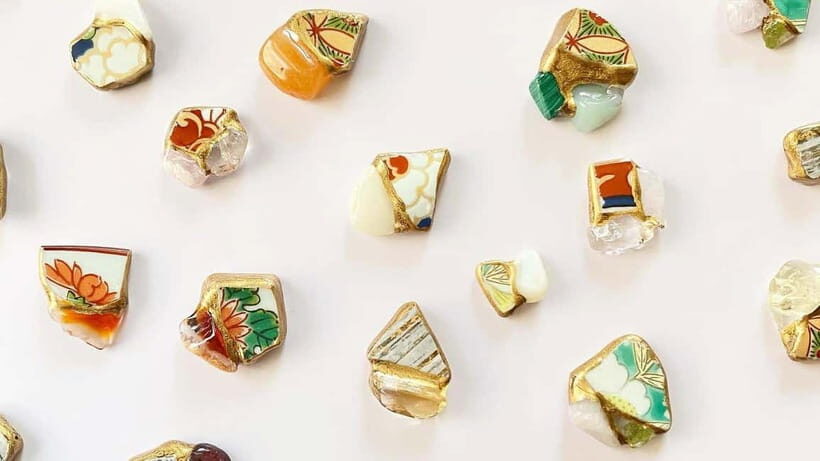
- Small group class limited to 10 people, so you actually get guidance while you work
- Choose from named pottery styles like Arita, Karatsu, Oribe, Kyoto, Shigaraki, and Hagi
- Materials are provided, including synthetic lacquer and gold powder for the kintsugi look
- Build accessory types such as earrings, rings, necklaces, brooches, tie pins, and cufflinks
- Works well for a reset day near Fushimi Inari, especially if you want something calmer than temples
Why Kintsugi jewelry beats a typical Kyoto souvenir
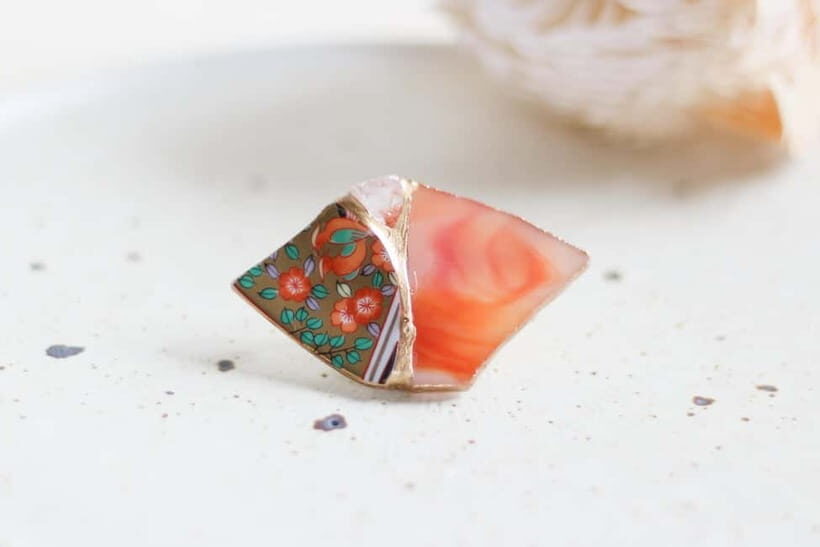
Most Kyoto souvenirs sit on a shelf. This workshop gives you something different: a wearable story made from broken ceramics. The key is that kintsugi is not about hiding damage—it’s about celebrating it.
I love that the class treats repair like an art form, not a DIY shortcut. You’re using synthetic lacquer and gold powder to recreate the signature “golden join” look, and your final piece is one-of-a-kind because your pottery shard selection is one-of-a-kind too.
There’s also a practical emotional payoff. When you spend time shaping your own design, you remember the process, not just the purchase. It’s a great fit if you want a craft experience that feels personal without requiring any prior skills.
You can also read our reviews of more tours and experiences in Kyoto

Finding the atelier: 100-year townhouse near Fushimi Inari
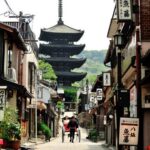
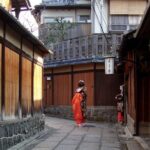
The workshop takes place in a traditional Kyoto one-story townhouse, and it’s easy to plug into a day because it’s close to Fushimi Inari Taisha. The walk from the shrine area is short—about 3 minutes—and you can also reach it from either Keihan Ryukoku Daimae-Fukakusa Station (about a 5-minute walk) or JR Inari Station (about a 5-minute walk).
Look for a white entrance curtain (noren) at the front. It’s also worth knowing that there’s no parking available at the atelier, and the street in front is a narrow alley that isn’t meant for vehicles. If you’re relying on taxis or rideshares, treat public transit or walking as your main plan.
Also, the workshop uses a traditional space. That’s part of the charm, but it’s the same reason it’s not suitable for wheelchair users. If you need step-free access, you should plan ahead with the operator before booking.
Choosing your pieces: pottery shards, stones, shells, and more
The design part is where you’ll feel the class become yours. You pick from pottery shards and decorative materials, then match them to the accessory type you want.
You’ll choose among pottery styles including Arita, Karatsu, Oribe, Kyoto, Shigaraki, and Hagi. That matters because these names aren’t just labels—they reflect different regional pottery traditions in Japan, and choosing among them helps your finished jewelry feel more intentional. The class also offers decorative options beyond pottery fragments, including stained glass, natural stones, shells, and pearls.
Then you choose your accessory category. The workshop supports multiple styles, such as:
- earrings
- rings
- necklaces
- brooches
- tie pins
- cufflinks
You don’t just pick materials—you build a combination. That’s how you end up with something that feels tied to you, not a cookie-cutter craft kit.
The actual kintsugi method (and why it feels different)
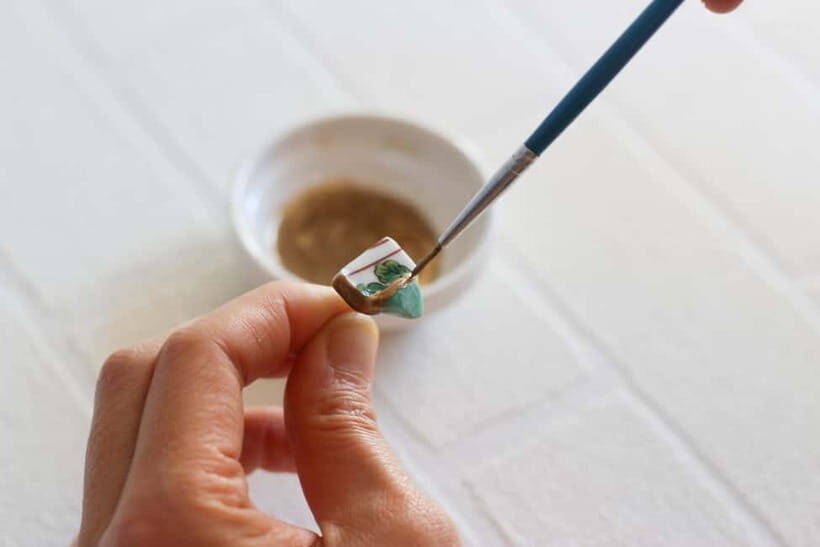
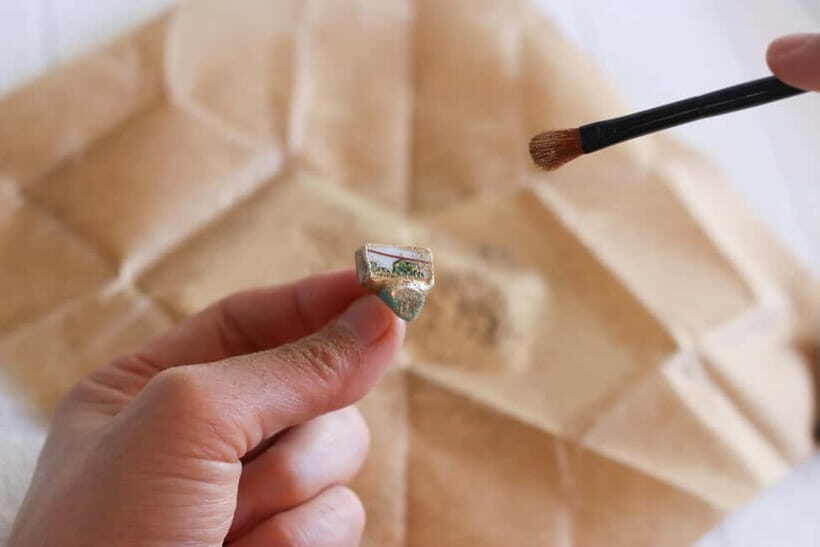
Kintsugi starts with the idea that broken ceramics have value. In practical terms, you’ll be using lacquer and gold powder to join and accent ceramic pieces so the repair becomes part of the visual design.
You’re working with synthetic lacquer and gold powder, which is specifically used to avoid allergic reactions. That’s a meaningful detail because it means the workshop design is mindful of common sensitivities, without turning the experience into a lecture on safety steps.
The pace is guided. You’ll get instructor assistance as you build, and the group is small enough that you can ask questions while you work. Expect the class to feel meditative, not rushed—this isn’t a “paint-by-numbers” experience.
One practical tip: take your time during the design stage. Once you’ve committed to your look, the process becomes about careful assembly and finishing. If you’re a planner, enjoy that part—if you like improvising, you’ll still have enough structure to make good decisions.
What you learn beyond the craft
A good craft class gives you a souvenir. A great one adds context you’ll actually remember, and this workshop does that.
You’ll learn the history and significance of kintsugi in Japanese culture as part of the experience. The instructor also connects the technique to broader ideas about repair and acceptance, including the concept of wabi-sabi. Even if you don’t go deep into philosophy at home, you’ll understand why people treat repaired objects as meaningful rather than “fixed.”
This cultural layer changes how you see your own piece. When you finish your jewelry, you’re not just thinking about color and shape—you’re thinking about what it means to keep something, even after it breaks.




Timing and flow: a 150-minute creative session
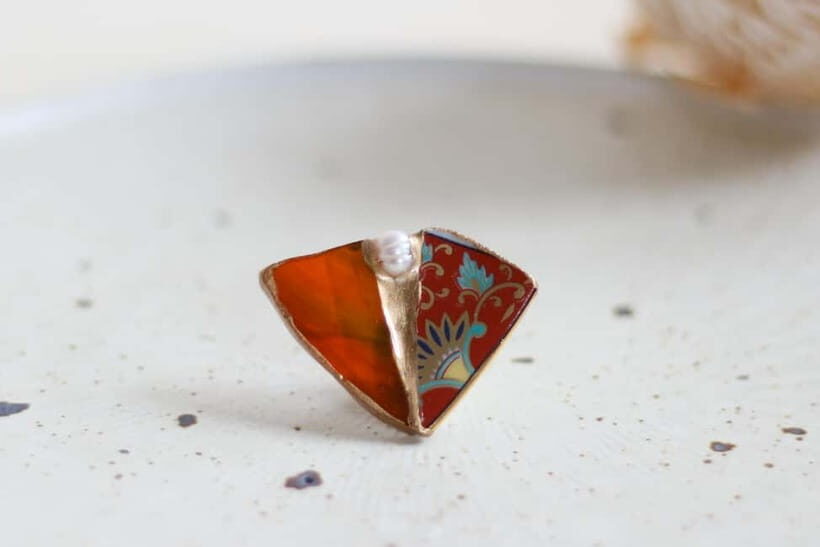
The total duration is 150 minutes. That’s long enough to choose materials, design with intention, and actually finish something you’ll want to wear.
Because it’s a workshop, you won’t spend the whole time just watching. You’re building, placing, and assembling under guidance. The class also supports taking home your creations on the same day, so you don’t have to plan around shipping or waiting for repairs.
If you like having a clear activity window, this is a good one. It gives you a structured afternoon or late morning slot right near major sights, which is handy in Kyoto where travel days can get jammed.
Language, group size, and who teaches
Instruction is offered in English and Japanese, and the group is limited to 10 participants. In a small group like this, you’re less likely to feel lost when you hit a step that needs a quick explanation.
The instructor experience really matters in a craft like this. People who come here tend to appreciate patient, calm step-by-step guidance, including time to design rather than feeling rushed.
If you’re traveling with mixed comfort levels—say, one person who loves crafts and another who’s unsure—you’ll probably find the pacing works because the class supports hands-on learning rather than speed.
Price and value: does $106 make sense?
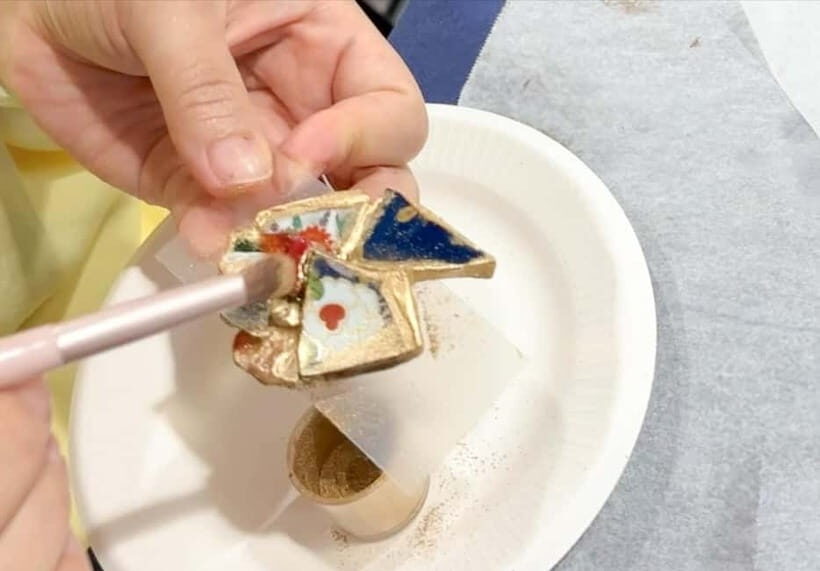
At $106 per person for a 150-minute workshop, this is not the cheapest activity in Kyoto—but it’s also not trying to be. The value is tied to what you actually get.
Here’s what you’re paying for:
- A guided craft experience on a traditional technique
- Instructor assistance throughout your building steps
- Materials included, including synthetic lacquer and gold powder
- A wide selection of pottery shards and decorative options
- A finished take-home souvenir made the same day
You’re also paying for the convenience of location and vibe: the workshop is in a real Kyoto townhouse setting near Fushimi Inari. It’s easy to turn into a half-day plan without logistics headaches.
If you’re choosing between a mass-market shop stop and a hands-on craft, I’d pick this workshop. The souvenir has your fingerprints—and that’s the kind of value that lasts longer than a pre-made trinket.
Who should book this, and who might want to think twice
This workshop is ideal if you:
- want a meaningful Kyoto souvenir you can wear
- like craft and design, even if you’ve never done it before
- want a calmer break near Fushimi Inari
- prefer small-group attention over big group tours
It may be less ideal if you:
- use a wheelchair or need step-free access (the workshop is not suitable for wheelchair users)
- want a “see Kyoto highlights” tour format with lots of walking and sightseeing (this is mainly a studio craft experience)
If you’re traveling with kids, it can work for some families, but you should think about attention span and manual steadiness. One family attendance included an 8-year-old in the class, so it’s possible—but don’t assume every child will enjoy the pace.
Planning your day: make it work with Fushimi Inari
Because the atelier is close to Fushimi Inari Taisha, you can structure your day to match your mood. If you want a quieter start, consider visiting the shrine earlier, then using the workshop as a reset once the crowds and stair-and-steps energy kick in.
If you’re not in the mood for more walking, the workshop can act like your main event. You get design time, cultural context, and a take-home piece in one block—without needing to sprint between sights.
Also, remember: no parking at the atelier. So if you’re planning a ride, make walking or transit your default.
Should you book this Kintsugi Jewelry Workshop?
I think you should book it if you want Kyoto without the nonstop push. The combination of kintsugi history, hands-on making, and a calm setting makes it a standout afternoon activity. And because the materials are included and you take your piece home the same day, you don’t have to manage extra prep or follow-up.
Skip it—or at least reconsider—if mobility access is a concern (the workshop isn’t wheelchair-friendly) or if you’d rather spend your time doing more sightseeing than crafting.
If your travel style leans toward craft, meaning, and personal souvenirs, this is the kind of class you’ll still be happy about months later.
FAQ
Where is the meeting point?
The atelier is about a 5-minute walk from Keihan Ryukoku Daimae-Fukakusa Station or JR Inari Station. You’ll find it in a traditional one-story house with a white entrance curtain, and you should refer to the photo map showing the route from the nearest station.
How long is the workshop?
The workshop lasts 150 minutes.
What language is the instruction available in?
The instructor teaches in English and Japanese.
How big is the group?
It’s a small group limited to 10 participants.
What materials are included?
Materials include synthetic lacquer and gold powder, plus you’ll choose pottery shards, natural stones, and pearls.
Do I take my jewelry home the same day?
Yes. You can take your handmade creations home the same day.
Is the workshop safe for people with allergies?
The workshop uses synthetic lacquer to avoid allergic reactions.
What accessory types can I make?
You can choose accessory types such as earrings, rings, necklaces, brooches, tie pins, cufflinks, and more.
Is it wheelchair accessible?
No. The workshop is not suitable for wheelchair users.
What are my options if I need to cancel?
You can cancel up to 24 hours in advance for a full refund.
Is reserve now, pay later available?
Yes. You can reserve your spot and pay nothing today.