REVIEW · MUSEUMS
Kyoto : Family-Friendly Sword Lesson at Samurai Ninja Museum
Book on GetYourGuide →Operated by GLOBA Inc. · Bookable on GetYourGuide
One of the quickest ways to feel like a samurai. You get dressed head-to-toe in hakama and samurai gear, learn how to handle a katana, then take photos in costume-ready settings at the Samurai Ninja Museum. The small group vibe makes it easier to actually follow the lesson, not just watch.
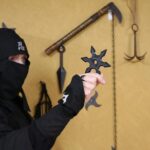
I also like the mix of skills: you’re taught sword movement patterns (including kata sequences) before you try it, and the experience doesn’t stop there. After the sword time, you get a ninja weapons trial where you can try throwing shuriken at a target. The one drawback to consider is that this samurai venue has age limits, with children under 3 not allowed.
In This Review
- Key things to know before you go
- Samurai Ninja Museum Costume and the Instant Transformation
- Katana Lesson in a Small Group: How the Training Actually Works
- Photo-Ready Samurai Moments Without Turning It Into Just a Photo Op
- Ninja Weapons Trial: Shuriken Target Practice After the Sword
- Museum Time: Guided Samurai and Ninja Sights Between Activities
- Family-Friendly Reality Check: Ages, Group Size, and Participation
- Price and Value for a 2-Hour Samurai-and-Ninja Combo
- Logistics That Actually Matter in Kyoto
- Should You Book the Kyoto Samurai Sword Lesson and Ninja Trial?
- FAQ
- FAQ
- How long is the Kyoto Samurai Ninja Museum sword lesson?
- What is included in the price?
- Does the lesson take place in English?
- Is it suitable for young children?
- How large is the group?
- Is transportation included?
- Where can you find it in Kyoto?
Key things to know before you go
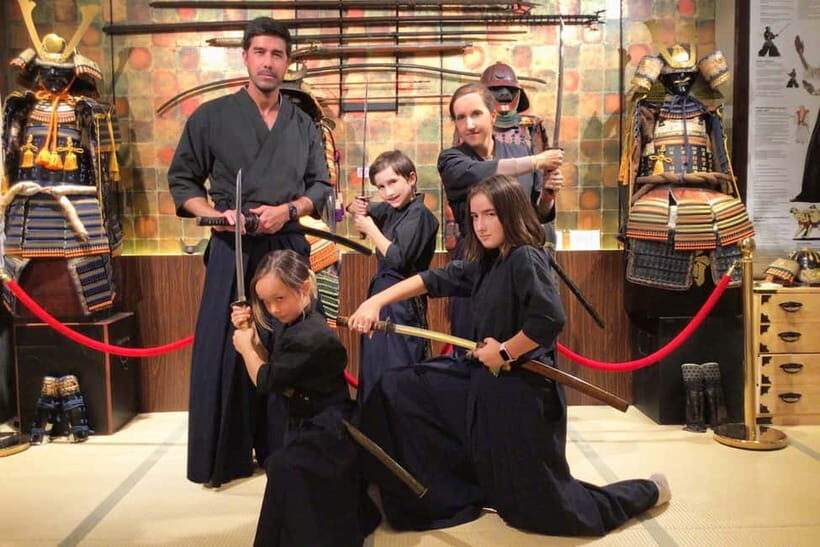
- Full samurai outfit included: hakama, helmet, and armor-style gear for that instant transformation
- Katana training with instruction: you watch a demonstration and practice sword handling step by step
- You learn kata sequences: movement patterns are part of the lesson, not just posing
- Ninja shuriken target trial: try throwing ninja weapons at a target
- Theme photo moments: studio and samurai-themed backgrounds for pictures in costume
- Small group coaching: limited to 10 participants, with a total cap of 22
Samurai Ninja Museum Costume and the Instant Transformation
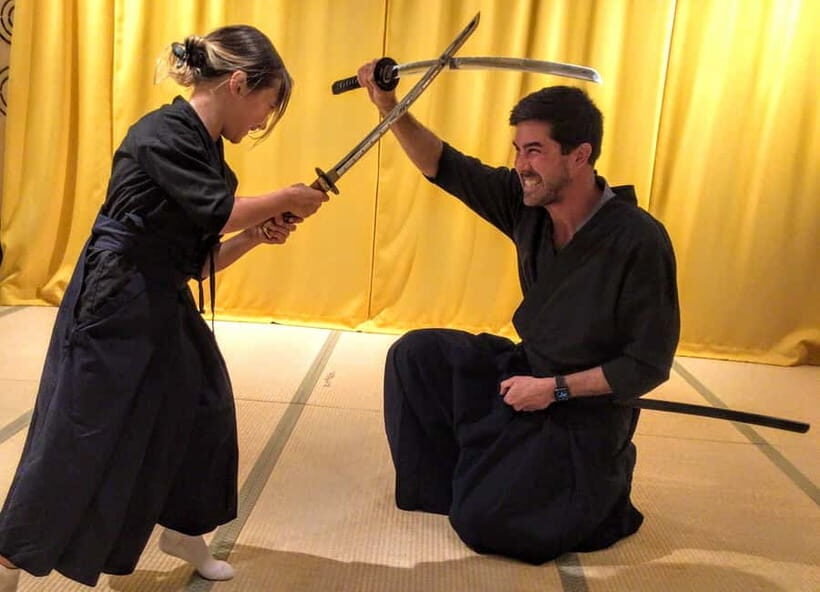
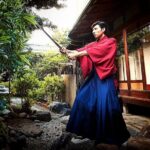
Kyoto does “tradition” in layers, and this experience gives you the easiest entry point. You’ll start with the costume portion of the day, and it’s not just a quick change. You’ll be outfitted with hakama, plus samurai helmet and armor-style pieces, so you’re not borrowing a look for the photos only—you’re actually walking through the training as a character.
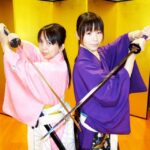
Once you’re in gear, the atmosphere shifts fast. People tend to focus on how it feels to hold a sword, but the real magic is what happens right after you put the outfit on: posture, confidence, and that ready-for-photos stance kick in automatically. The experience leans into that with themed photo opportunities, including posing with swords in front of a studio setup and samurai-themed backgrounds. You’ll leave with pictures that feel like more than a rental costume.
A good thing to know: the lesson is English-led, and it’s designed so most people can participate. If your goal is family-friendly fun with a genuine activity, this costume-first flow helps everyone get into it quickly, including kids.
You can also read our reviews of more museum experiences in Kyoto

Katana Lesson in a Small Group: How the Training Actually Works
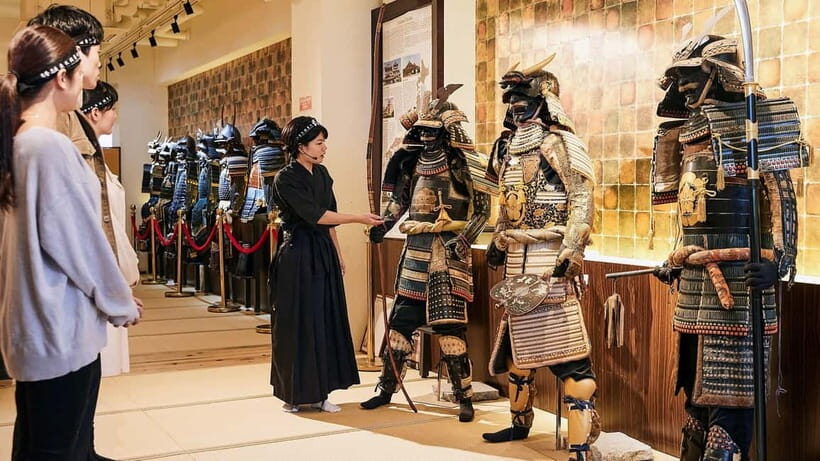
This is not a passive show. You’ll begin by watching an instructor demonstrate how to swing and handle a katana properly, then you’ll try it yourself. The structure matters because katana training can feel intimidating if you jump in too fast. Here, you get the “what to do” first, then the practice.
What I like is that the coaching is small-group. Even though the overall activity can run with up to 22 people, the lesson is limited to 10 participants. That’s the sweet spot where you’re not lost in a crowd. It also helps if you’re with kids, since you’re more likely to get your questions answered and correct your stance before you get too comfortable doing it wrong.
The lesson includes learning movement patterns, with at least two kata sequences taught using the katana. Kata can sound fancy, but think of it as practiced forms—short sequences that train your timing and control. It’s a great way for beginners to feel progress because you’re not just swinging randomly; you’re following a set of movements you can repeat.
You may get different instructors depending on the day. Some past sessions have been led by teachers named Raito, Ken, Nobu, and Jukia, and the consistent theme in the feedback is that the instructor makes it fun while keeping the basics clear. If you’re booking for a family, this is the kind of class where an upbeat, hands-on guide can make the difference between kids being restless and kids wanting one more try.
Photo-Ready Samurai Moments Without Turning It Into Just a Photo Op
The photos are part of the experience, but they aren’t the whole point. The best way to think about it is: you earn the costume moment through the lesson, and then the photo time becomes a natural payoff.
You’ll pose with swords in front of samurai-themed studio and background setups. That matters for two reasons. First, it’s easier to get good pictures when the setting is prepared for posing rather than improvising. Second, it keeps momentum during the 2-hour session. After practice, everyone wants a moment to show what they learned, and the organized photo stops turn that into something tangible.
One small practical consideration: you’ll be wearing traditional clothing and armor-style pieces, so you’ll want to be ready for light physical activity while you’re in costume. This isn’t listed as extreme training, and most people can participate, but it’s still hands-on, so plan to be engaged rather than treating it like a quick viewing.
Ninja Weapons Trial: Shuriken Target Practice After the Sword
Then comes the pivot—from samurai to ninja. The included ninja weapons trial gives you a try-at-it activity that feels like a game. The focus is on ninja shuriken throwing at a target, which is the kind of skill kids usually grasp instantly and adults enjoy because it’s tactile and measurable.
This part works well after the katana lesson because you’re switching from controlled sword swings to quicker aiming and throws. It adds variety so the session doesn’t become one long “practice the same thing” loop. You’ll also get a clear win: when the shuriken hits the target, everyone gets that immediate satisfaction.
And if you’re curious about the connection between samurai and ninja in Japanese popular culture, this hands-on trial helps. Even if you don’t care about weapons lore, you still come away with a fun, photo-worthy story: I dressed as a samurai, trained with a sword, then tried throwing ninja shuriken.
Museum Time: Guided Samurai and Ninja Sights Between Activities
After the hands-on parts, you also get museum time at the Samurai and Ninja Museum. In the experience format, there’s a guided visit, which helps you connect what you did with what you’re seeing.
From the perspective of what you’ll experience on-site, this museum component is there to keep the lesson from being purely performative. You’ll learn about the broader samurai theme, and you’ll likely notice how the exhibits and guiding explanations reinforce the techniques and weapon ideas you just tried.
This is a nice balance if you’re traveling with kids. They can burn energy in the training parts, then you can reset with a guided look at the themes while still staying within the same 2-hour window.
You can also read our reviews of more tours and experiences in Kyoto




Family-Friendly Reality Check: Ages, Group Size, and Participation
This is built for families in Kyoto. The setup is stroller accessible, wheelchair accessible, and located near public transportation. That means you’re not stuck planning a complicated route just to participate.
The age rule is the one thing you must watch. Children under 3 cannot enter the samurai venue. If you’re traveling with toddlers, that changes the equation. For everyone else, most people can participate, and the small-group format keeps the environment manageable.
Group size is also worth highlighting because it affects comfort. With a limit of 10 participants in the lesson, kids can stay engaged without feeling like they’re competing for attention. And with a total cap of 22 travelers, the session should still run in a controlled way rather than turning into a chaotic line.
If you’re deciding whether to bring younger kids, ask yourself this: can they handle two hours of outfit changes, basic movements, and a hands-on activity? If yes, this is a strong pick. If you’re working with a very fatigue-prone age range, you may want to schedule it for a time of day when energy is high.
Price and Value for a 2-Hour Samurai-and-Ninja Combo
At $66 per person for a 2-hour experience, you’re paying for more than instruction. The value is in the bundle:
- Samurai sword lesson with demonstration and practice
- Use of hakama, plus helmet and armor-style gear
- Themed photo opportunities with sword posing
- Ninja weapons trial (shuriken target practice)
Many experiences in Kyoto focus on one piece: either costume photos or weapon demonstrations. This one combines both into a single session, and the time stays tight at 2 hours. That makes it easier to fit into a family itinerary without adding extra transportation time for separate activities.
It’s also worth noting that transportation to and from the activity isn’t included. Since the site is near public transportation, it’s usually manageable, but you’ll still need to plan your own route.
If you’re trying to decide whether $66 is worth it, here’s the honest way to look at it: you’re covering a staffed, supervised hands-on lesson plus full costume pieces plus ninja trial plus organized photos. If those are exactly the boxes you want checked, it’s priced like a true activity, not just an entry ticket.
Logistics That Actually Matter in Kyoto
A few details help you plan smoothly.
First, this is an English-led session, and it’s guided by an instructor. That matters because you’ll be practicing physical movements—clear coaching makes it safer and more fun.
Second, the class format is small. You skip the ticket line, which saves time and reduces standing around with kids. That doesn’t just feel convenient; it keeps the session from starting late and helps you keep the day on schedule.
Third, this is near public transportation. If you’re staying in Kyoto’s central areas, you’ll likely find it easier to reach than places that require complicated transfers.
Finally, there’s a maximum traveler count for the activity, with a note that the session can run up to 22 people overall. The lesson itself stays limited, but this cap is a reminder to book ahead for your preferred time slot if your schedule is tight.
Should You Book the Kyoto Samurai Sword Lesson and Ninja Trial?
Book it if you want a hands-on, family-friendly Kyoto experience that turns into real memories. This is especially good if:
- You’re traveling with kids who love dressing up and trying activities
- You want both samurai and ninja elements in one 2-hour session
- You care about more than photos and actually want sword practice and kata sequences
- You like structured fun led by a guide, not just wandering a museum
Skip it if your plan is mainly sightseeing and quiet cultural time. The activity is designed to be active and interactive. If you prefer slow, low-energy experiences, this may feel too hands-on.
If you do book, go in with the right mindset. Treat it like training plus play: you’ll learn basic katana handling, try movement patterns, then throw shuriken at a target, all while wearing full samurai gear.
FAQ
FAQ
How long is the Kyoto Samurai Ninja Museum sword lesson?
The experience lasts about 2 hours.
What is included in the price?
It includes the samurai sword lesson, use of hakama, use of a samurai helmet and armor, themed photo opportunities, and a ninja weapons trial.
Does the lesson take place in English?
Yes. The instructor teaches in English.
Is it suitable for young children?
Children under 3 years can’t enter the samurai venue. Stroller access is available, and most travelers can participate.
How large is the group?
The lesson is in a small group limited to 10 participants, and the overall activity can have up to 22 travelers.
Is transportation included?
No. Transportation to and from the activity is not included.
Where can you find it in Kyoto?
It’s at the Samurai Ninja Museum and is near public transportation.