REVIEW · FULL-DAY
Kyoto, Osaka, Nara Full Day tour by Car English speaking Driver
Book on Viator →Operated by NIHON HORIZON TOUR · Bookable on Viator
Kyoto in one day works best with a car and a plan. This private tour takes you to major sights like Arashiyama and Kiyomizudera, with a driver who helps with timing, navigation, and getting great photos without the stress.
I especially like how much you can adjust day-of. The tour is private for up to 6, and you can add or skip stops depending on what you care about most, instead of being locked into a bus schedule.
One thing to consider: this is advertised as an English-speaking driver/guide, but the level of on-the-go guiding varies. If you want nonstop narration like a classroom tour, you’ll want to set expectations early.
In This Review
- Key highlights at a glance
- Price and logistics: what you’re paying for in real life
- Getting picked up: where the tour starts matters
- The 10-hour day: pacing, comfort, and how to avoid rushing
- Stop-by-stop Kyoto: what each place is good for (and what to watch)
- Arashiyama Bamboo Grove: short time, strong payoff
- Kiyomizudera Temple: views + the classic terrace moment
- Kinkaku-ji (Golden Pavilion): iconic, but crowds are part of it
- Fushimi Inari Taisha: torii gates and slow, steady walking
- Gion: the atmosphere stop between major landmarks
- Sanjusangendo Temple: 1001 Kannon statues without the long wait of a museum
- Ginkaku-ji (Silver Pavilion): a calmer temple contrast
- Nishiki Market Shopping District: snacks and quick buys
- Kyoto Imperial Palace: ceremony and calm inside the city
- Nijo Castle: shogun-era power in a walkable complex
- Eikando Zenrinji Temple: a quieter temple feel
- Yasaka Shrine: the last photo-and-stroll finish
- Is the driver really a guide? Managing expectations the smart way
- Value check: who this Kyoto car tour fits best
- Quick budget planner (so the day doesn’t surprise you)
- Should you book it?
- FAQ
- How long is the Kyoto day tour?
- How many people is the tour for?
- What’s included in the tour price?
- Are entrance fees included?
- What are examples of entrance fees for Kyoto stops?
- Where can the driver pick you up?
- Is there an option to customize the itinerary?
- What if the tour runs longer than 10 hours?
- Is cancellation free?
Key highlights at a glance
- Door-to-door pickup and drop-off from Osaka, Kyoto, Kobe, Nara, or airport/cruise locations
- Private car only for your group, with an air-conditioned vehicle
- A tight hit list of Kyoto icons, from Arashiyama Bamboo Grove to Yasaka Shrine
- Stops are walk-and-look friendly, with short museum-style time and photo opportunities
- Entrance fees not included, with posted examples like Kiyomizudera and Kinkaku-ji
- Time matters: about 10 hours total, with an overtime policy listed for extra hours
Price and logistics: what you’re paying for in real life
The price is $650.30 per group (up to 6) for roughly 10 hours. For a private day in Kyoto, you’re not really paying for a long scripted lecture. You’re paying for transportation, local coordination, and someone to make the day run smoothly while you focus on sights, photos, and deciding what’s worth extra time.
That private-car value hits hardest if:
- you’re traveling as a small family or group
- you want fewer train transfers and less station hunting
- you’d rather spend energy exploring than figuring out connections
The main tradeoff is also clear: most top Kyoto stops are popular and photogenic, so you get a look, not a week-long deep dive. The itinerary pacing is built around getting to many big names, which means you’ll likely move from one atmosphere to the next—bamboo grove, temple terraces, torii gates, markets—without lingering as long as you might on your own.
Also budget for tickets. Entrance fees are not included, and the tour lists examples such as:
- Kinkaku-ji: 500 yen (adults)
- Kiyomizudera: 400 yen (adults)
Osaka Castle and several other sites have their own fees too, if you choose that region instead.
You can also read our reviews of more tours and experiences in Kyoto
Getting picked up: where the tour starts matters
This tour includes pickup and drop-off plus a meet-and-greet. You can be picked up from your own location in Osaka, Kyoto, Kobe, Nara, or from key travel points like Osaka Kanasai Airport and the Osaka cruise terminal.
That matters more than it sounds. Kyoto can feel spread out, and the moment you add trains, elevators, and station exits, the day can shrink. A door-to-door start helps you actually use your time for sights, not logistics.
If you’re staying in multiple locations, traveling with kids, or arriving on a cruise schedule, this kind of pickup setup is one of the biggest reasons to book a private car instead of public transport.
The 10-hour day: pacing, comfort, and how to avoid rushing
Expect a long-but-manageable day. The plan includes multiple stops, each with a set time window, such as:
- Arashiyama Bamboo Grove: 30 minutes
- Kiyomizudera: 1 hour
- Kinkaku-ji: 40 minutes
- Fushimi Inari: 40 minutes
- Nishiki Market: 1 hour
- plus more temple/castle stops across the rest of the day
You’ll likely feel the rhythm: arrive, quick orientation, walk the key areas, take photos, then move on. On a first trip, that’s ideal. On a repeat trip, you might want to swap a stop for a neighborhood stroll and a slower meal.
Comfort-wise, the vehicle is air-conditioned, which helps in warm weather. One reviewer specifically mentioned relief from heat thanks to the van. Still, cars vary, so if you’re sensitive to noise or want a quieter ride, it’s worth mentioning it ahead of time.
Stop-by-stop Kyoto: what each place is good for (and what to watch)
Below is the Kyoto-focused route used for this day plan. You can typically skip or add options based on your preferences, but these stops are the core “big hits” list.
Arashiyama Bamboo Grove: short time, strong payoff
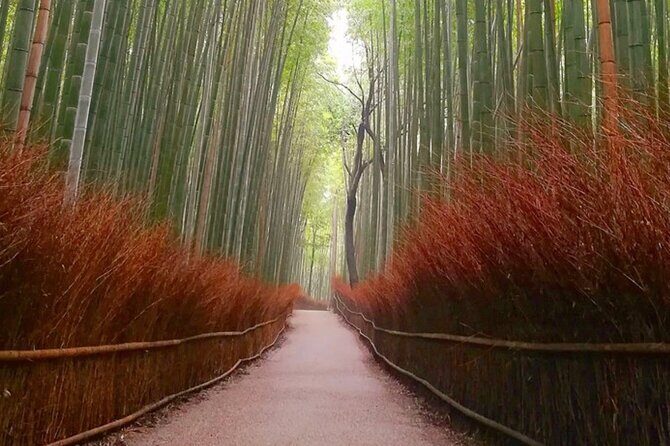
You start in Arashiyama, one of Kyoto’s most important sightseeing districts. The headline is the Arashiyama Bamboo Grove—a thick, walking-level tunnel of bamboo that photographs beautifully.
Because you only have about 30 minutes, treat this as a photo-and-first-impressions stop:
- plan for a quick loop through the grove
- don’t spend time trying to “maximize” every side path
- bring a light jacket if the air feels cooler under the bamboo
What to consider: with limited time, you may want to skip anything that feels like a long detour unless it’s clearly on the path you’re already taking.
You can also read our reviews of more tours and experiences in Kyoto

Kiyomizudera Temple: views + the classic terrace moment
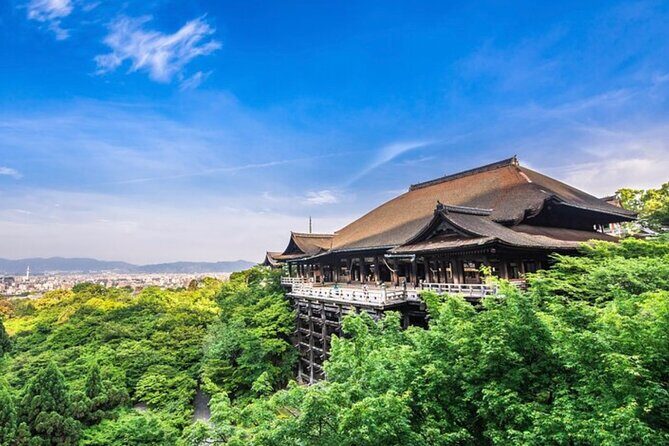
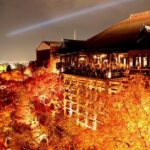
Next is Kiyomizudera, founded in 780 and tied to the Otowa Waterfall area in eastern Kyoto. You get about 1 hour here, which is enough to see the main complex and get your bearings on the surrounding hills.
This stop is popular for a reason: the temple layout and viewpoints make you feel like you’re standing inside a postcard. If you’re paying the entrance fee, it’s worth focusing your time on the main halls and the terrace-style areas where the views open up.
Quick tip: wear shoes that handle slopes and steps. Kyoto temple grounds can be more uneven than you expect.
Kinkaku-ji (Golden Pavilion): iconic, but crowds are part of it
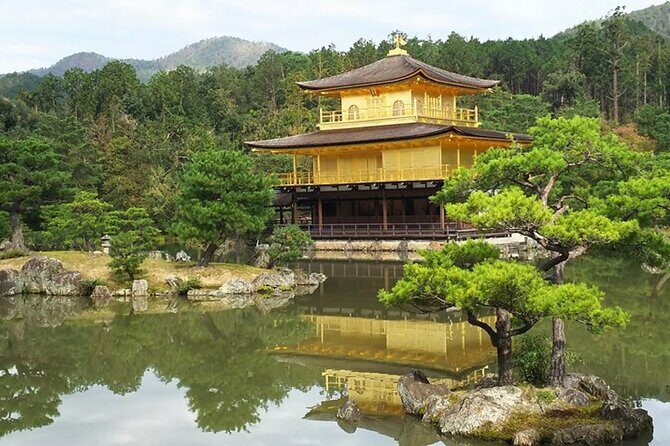
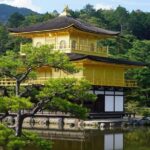
Kinkaku-ji is one of Kyoto’s most famous Zen temples, officially Rokuon-ji. You have about 40 minutes, and you’ll be able to see why it’s such a staple: the temple’s exterior presence is instantly recognizable.
What to watch for: the closer you get to the most photographed angles, the more you’ll share space with other people aiming for the same shot. Your best move is to let others finish the “must-have” photo, then step slightly to an alternate angle for calmer viewing.
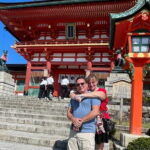
Fushimi Inari Taisha: torii gates and slow, steady walking
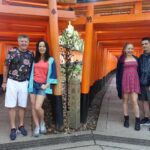
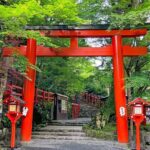
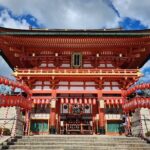
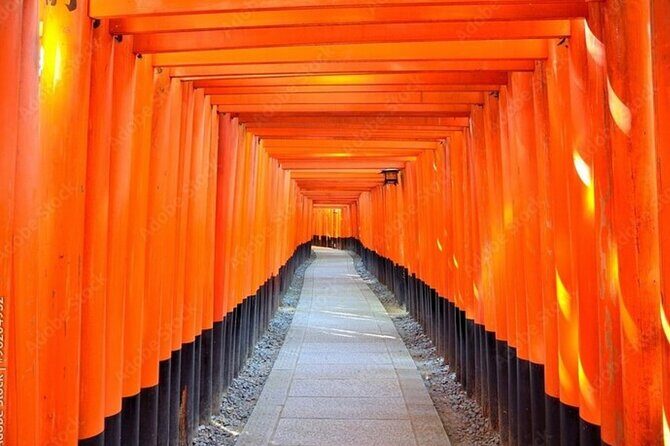
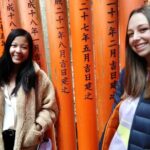
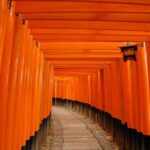
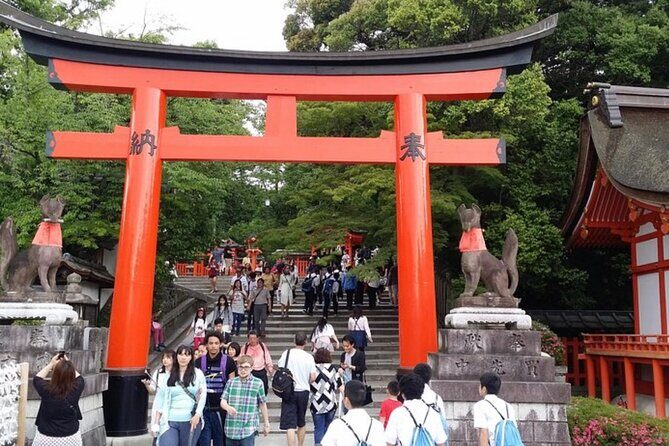
Fushimi Inari Taisha is known for its thousands of vermilion torii gates. You get about 40 minutes—enough time to enjoy the gates and get a sense of the shrine’s scale without feeling like you need to hike to every far point.
This is one of those places where the value is in movement:
- walk at a comfortable pace
- pause often for photos through the gate lines
- don’t try to cover the entire network in 40 minutes
Admission is listed as not included, so you’ll want to keep your budget ready for ticketing if applicable.
Gion: the atmosphere stop between major landmarks
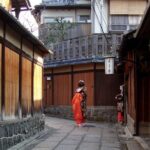
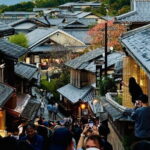
You’ll spend about 30 minutes in Gion, Kyoto’s well-known geisha district area around Shijo Avenue between the Kamo River and Yasaka Shrine.
Even if you’re not hunting for a specific encounter, Gion is good for:
- people-watching
- quick street photos
- tasting the neighborhood vibe through shops and side streets
If you want shopping, pair this with your market time earlier or later, because you likely won’t have long here.
Sanjusangendo Temple: 1001 Kannon statues without the long wait of a museum
Sanjusangendo (Rengeo-in) is famous for 1001 statues of Kannon, the goddess of mercy. You’ll get about 40 minutes.
This stop is a great change of pace. Instead of gardens and terraces, you get a concentrated cultural display where your eyes naturally track across the arrangement.
What to consider: if you’re temple-focused and crowd-averse, this might feel more “contained” than outdoor-heavy stops.
Ginkaku-ji (Silver Pavilion): a calmer temple contrast
Ginkaku-ji (Silver Pavilion) is a Zen temple on Kyoto’s eastern mountains, and you’ll have about 1 hour.
It’s a good pairing after Fushimi Inari because the tone shifts from gate-walking to a more garden-temple rhythm. Expect time for halls and pathways, and use your hour to move slowly rather than speed-running the grounds.
Nishiki Market Shopping District: snacks and quick buys
About 1 hour at Nishiki Market gives you a lively look at Kyoto’s food-and-stall culture. This is a shopping break that still feels like sightseeing, especially if you like browsing.
Practical advice:
- go hungry enough to snack
- keep your budget flexible; it’s easy to spend without noticing
- if you’re buying packaged items, check how you’ll carry them back
No entrance ticket is listed here, so the “cost” is mostly what you choose to buy.
Kyoto Imperial Palace: ceremony and calm inside the city
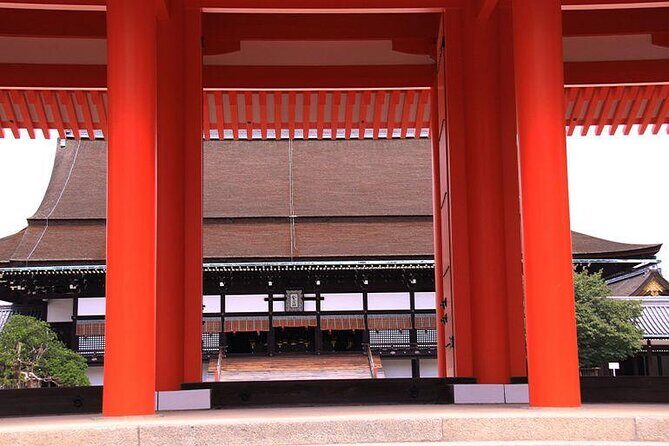
You’ll head to Kyoto Imperial Palace for about 1 hour. The palace area matters because Kyoto was Japan’s imperial center until 1868, so it has an official, structured feel compared with the more everyday neighborhoods you’ve visited.
This is a solid stop if you enjoy Japan’s formal layout and want a different kind of architecture experience. Use your time to walk the main areas and notice how the palace grounds manage crowd movement.
Nijo Castle: shogun-era power in a walkable complex
Nijo Castle is listed next, about 1 hour. It was built in 1603 as the Kyoto residence of Tokugawa Ieyasu, and it helps you connect Kyoto to the Edo period power story.
This is where your day starts to feel like “Kyoto’s big institutions,” not just shrines and markets. Castle interiors and surrounding grounds can also make a nice break from temple-heavy walking.
Eikando Zenrinji Temple: a quieter temple feel
You’ll spend about 1 hour at Eikando Zenrinji Temple. It’s described as the main temple of the Jodo-shu Seizan-Zenrinji school, with a background tied to training and esoteric Buddhism.
This stop can be a good choice if you want something less crowded than the most famous names. The day is already packed, so the value is in variety: a different temple style and a different historical thread.
Yasaka Shrine: the last photo-and-stroll finish
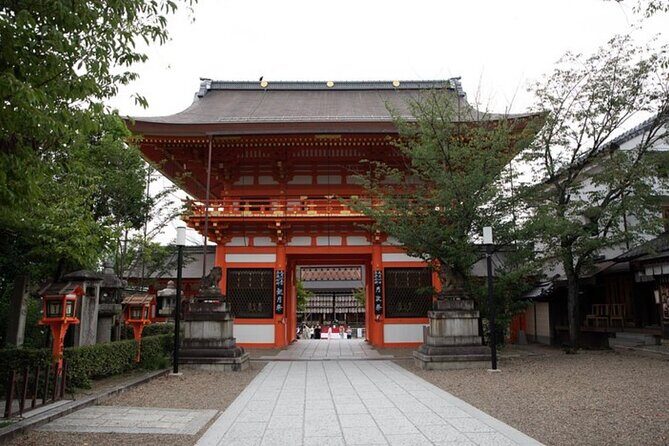
Finally, you’ll stop at Yasaka Shrine for about 30 minutes. It’s linked to a history record that traces back to the Heian era.
This is a strong closing stop because it gives you a sense of Kyoto’s spiritual center while still keeping the walking manageable before you head back.
Is the driver really a guide? Managing expectations the smart way
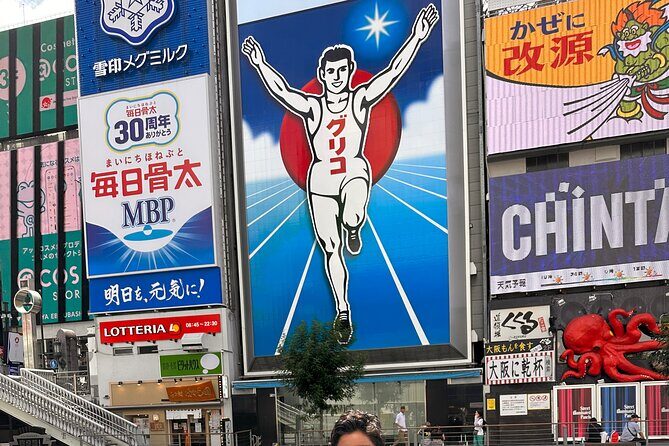
The tour includes an English speaking driver/guide, and for many people that means practical help: timing, location knowledge, and photo-friendly walking support. In positive experiences, the driver helped visitors move through sites smoothly and provided background so the places didn’t feel random.
But not every booking sounds like nonstop guiding. A few reports describe a lighter commentary style, with the driver focusing more on transport than deep explanations. Another complaint pointed out that the experience felt more like a driver-and-car arrangement than a fully guided narrative.
So here’s my practical advice: before you go, message your priorities. If you want more explanations, ask clearly for how the driver will handle narration at each stop. If you’re mainly focused on efficiency and photos, then a transportation-first approach can actually fit your travel style well.
Value check: who this Kyoto car tour fits best
This day tour is a strong match if you:
- want a private plan for up to 6 people
- don’t want to wrestle with transit routes across Kyoto
- value someone helping with photos and logistics
- prefer seeing many highlights in a single day
It might be less perfect if you:
- expect a full-time, museum-style guide for every stop
- have a strict interest in one specific site and want hours there
- hate any chance of itinerary adjustments, since customization is part of the service style
Also remember: this is a one-day format. If you’re trying to cover Kyoto + Osaka + Nara, the provider’s own guidance is to book separate days so you can do all three properly rather than cramming everything into one long drive.
Quick budget planner (so the day doesn’t surprise you)
Your tour cost includes private transport with tolls and gas, plus the driver/guide fee, pickup and drop-off, and meet-and-greet. What you’ll pay extra for is mostly:
- entrance fees at sites you choose to enter
- meals
Entrance fees examples already listed include:
- Kinkaku-ji: 500 yen (adults)
- Kiyomizudera: 400 yen (adults)
And if you swap in other regions, Osaka Castle entrance is listed at 600 yen per person.
If you’re building a travel budget, plan on adding a few hundred yen totals per person for major temple stops, plus meal spending on top.
Should you book it?
Book this Kyoto car tour if you want an easy, private way to hit top landmarks with minimal transit headaches. The door-to-door pickup, the air-conditioned vehicle, and the fact that you can get around a packed day without fighting train schedules are the big wins.
Don’t book blindly if you need heavy, constant guiding at every stop. This service is at its best when you want practical help and flexible time use. If you prefer deep lectures, ask for that in advance.
If you tell me which dates you’re considering and whether you’re more into temples, food markets, or neighborhoods, I can suggest which stops to keep and which to swap for your exact interests.
FAQ
How long is the Kyoto day tour?
It runs for about 10 hours (approx.).
How many people is the tour for?
It’s priced for a group of up to 6 people.
What’s included in the tour price?
Private transportation in an air-conditioned vehicle is included, along with highway tolls and gasoline, an English speaking driver/guide, and pickup and drop-off with meet-and-greet.
Are entrance fees included?
No. Entrance fees are not included and you can choose to skip sites if you prefer.
What are examples of entrance fees for Kyoto stops?
Kinkaku-ji is listed at 500 yen for adults, and Kiyomizudera is listed at 400 yen for adults.
Where can the driver pick you up?
Pickup is offered from Osaka, Kyoto, Kobe, Nara, and also from Osaka Kanasai Airport or the Osaka cruise terminal.
Is there an option to customize the itinerary?
Yes. The tour is fully customizable, and you can add or skip places.
What if the tour runs longer than 10 hours?
An overtime charge is listed as 5000 yen per extra hour after 10 hours (hotel-to-hotel time).
Is cancellation free?
Free cancellation is offered if you cancel at least 24 hours in advance, and the provider notes that good weather is required; in poor weather you’ll be offered another date or a full refund.