REVIEW · KYOTO
Experience Kimono in Kyoto
Book on Viator →Operated by 京都着物レンタル · Bookable on Viator
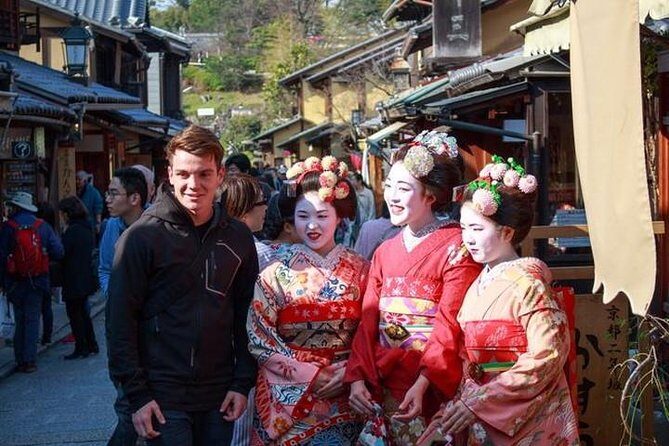
Kyoto looks better in a kimono. This experience lets you skip the tricky buy-and-put-on part and still get the full traditional look, with an expert handling everything in a private dressing room. You also get real staff guidance, so you’re not just wearing a costume—you’re learning how to make it look right.
I love that the hair set and accessories are included, plus you can choose your own kimono and build your outfit with obi and add-ons. The main catch is simple: you need to plan your day around the time limit, because you’re asked to return the kimono by 17:00.
In This Review
- Key Things You’ll Notice Right Away
- Kimonos for $25: what that value really buys in Kyoto
- From the showroom to your outfit: choosing kimono, obi, and accessories
- Private dressing room and hair set: tabi, shoes, and comfort details
- Your kimono walk route: Gion, Kawaramachi, and temple photo spots
- Timing that matters: plan around the 17:00 return and closing time
- Who this is for (and who should skip it)
- Should you book this kimono experience in Kyoto?
- FAQ
- How long is the kimono experience in Kyoto?
- What’s included in the price?
- Do I get help choosing and styling the kimono?
- Where does the experience start and end?
- What should I do after I get dressed?
- What happens in summer months?
Key Things You’ll Notice Right Away
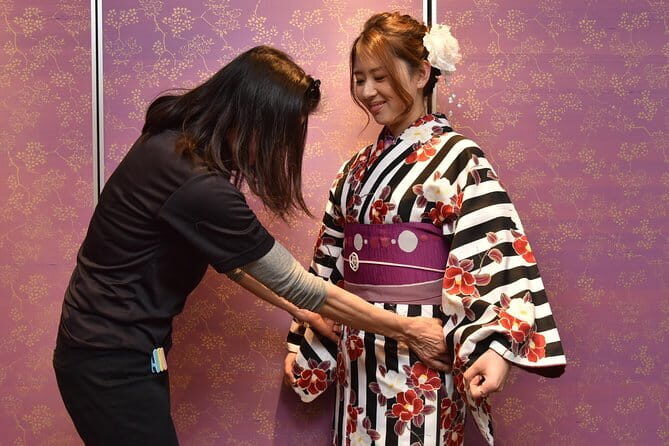
- Expert dressing + hair styling in a private room, so you can relax while getting ready
- Kimono, obi, and shoes included, plus hair accessories and a Japanese bag
- Staff tips for best photo locations in Kyoto, especially around Gion and nearby sights
- You can explore at leisure after you’re dressed, rather than rushing through a rigid itinerary
- Seasonal swap to yukata in summer months (instead of kimono)
Kimonos for $25: what that value really buys in Kyoto
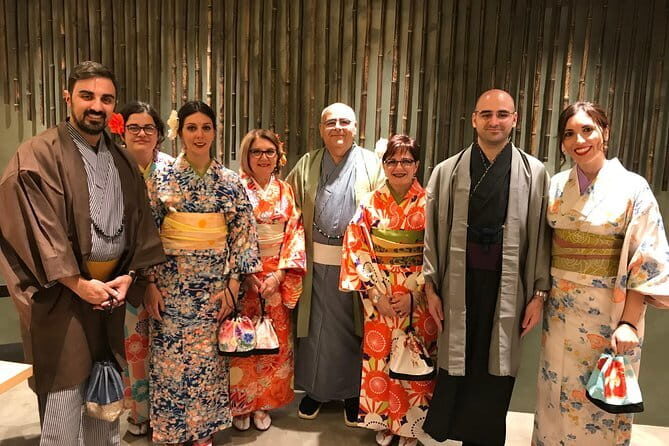
At about $25 for roughly an hour, this is one of those Kyoto experiences that feels like good logistics more than a splurge. The big value isn’t just the clothing—it’s the skill and time saved. Getting dressed for a kimono is famously fiddly, and buying one can be pricey if you don’t plan to keep it. Here, you’re paying for the rental outfit and the know-how to put it on correctly, including hair work and key accessories.
What you’re really buying is confidence. A staff member helps you choose a kimono from their collection, then supports you through obi and accessory pairing so the look actually comes together. That matters for photos and for comfort while walking around Kyoto’s older streets.
You’ll also appreciate the included items list, because it reduces last-minute hassle. The package covers kimono/yukata, obi, shoes, Japanese sox (tabi-style), a Japanese bag, hair set, and hair accessories—so you’re not stuck trying to source missing pieces.
One more value point: the staff doesn’t just get you dressed and send you off. They provide recommendations for where to go and how to see Kyoto while wearing a kimono. The experience leans into that simple idea: Kyoto is visual, and dressing for it makes even ordinary walks feel special.
You can also read our reviews of more tours and experiences in Kyoto.


From the showroom to your outfit: choosing kimono, obi, and accessories
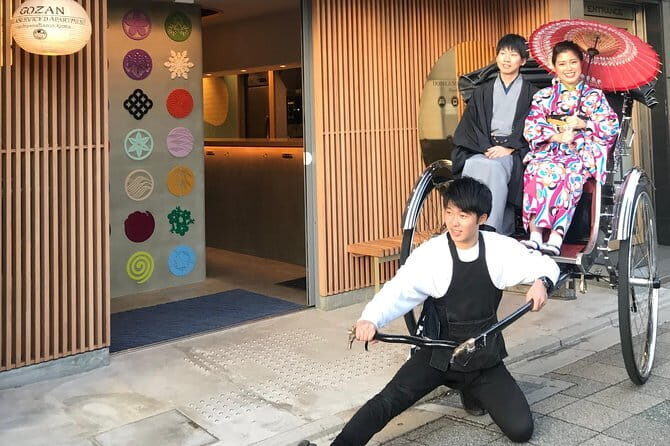
Your experience starts with choosing your kimono. You pick your favorite from the shop’s collection, then the styling process begins. The outfit is more than a robe; it’s the combination of kimono, obi (the belt), and the right supporting accessories—bags, add-ons, and details that help the whole look read as intentional.
Here’s the practical benefit: if you’ve never styled a kimono before, you’re not expected to wing it. The staff advises you on how to style your kimono, and they help with accessory choices to match what you selected at the start. That’s a big deal because kimono styling can look random when you guess wrong, especially if you’re aiming for photos in Kyoto’s iconic settings.
You also get options for mixing and matching your overall look. The process includes choosing obi and accessories, and you’re building a style that feels like you—not a fixed uniform. That’s why this feels more personal than a standard “try-on and leave” rental.
If you care about photos (and who doesn’t in Kyoto?), this part of the experience matters. The staff’s guidance helps you position your outfit choices for what Kyoto looks like on the street: Gion lanes, temple approach paths, and the pedestrian-friendly shopping streets near Kawaramachi are all perfect backdrops when your outfit looks cohesive.
Private dressing room and hair set: tabi, shoes, and comfort details
Once you choose your kimono, you move into preparation. The dressing and hair styling happen in a private room, so you can focus without feeling watched or rushed. Privacy matters, especially if you’re traveling with family and want a calm, dignified setup rather than a crowded fitting scene.
Hair styling is included and free. Hair accessories are also included, so you don’t need to worry about bringing anything. This is where many kimono experiences fall short elsewhere: they dress you, but the hair part is what makes the look feel fully Kyoto.
There’s also a thoughtful seasonal detail. From October through May, you’re gifted tabi (Japanese socks) as a trip memory. In summer months, the experience prepares yukata instead, which is the lighter seasonal version you’ll see worn widely in warmer weather.
Shoes are included too, which is the other practical win. When you’re walking around all day in an outfit style that’s different from your normal footwear, having the correct matching pieces matters. You’ll also receive a Japanese bag, so you can carry what you need without breaking the look.
Finally, the staff doesn’t keep the experience locked to the shop. They share personal recommendations—where you should head and how to go. That’s useful because Kyoto can feel like a puzzle if you only have a general temple-and-shrine list. With kimono on, you want to spend your time where the setting fits the look.
Your kimono walk route: Gion, Kawaramachi, and temple photo spots
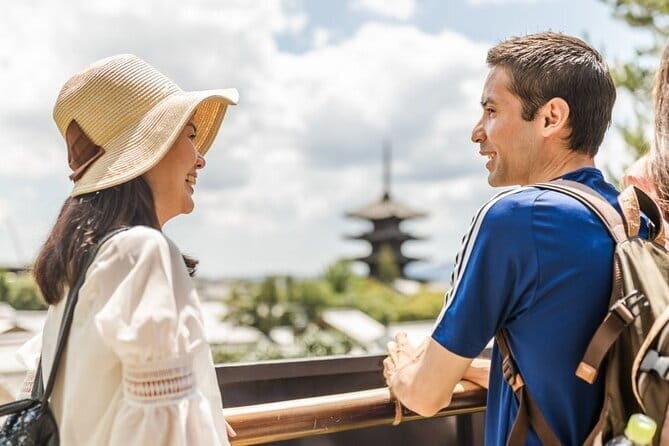
After dressing is complete, you get to stroll at leisure until the shop’s closing time. This is one of the smartest parts of the format. You don’t have to follow a scripted route. Instead, you can take your time and choose what matches your energy—temples if you’re feeling quiet, shopping lanes if you want color and people-watching, and photo breaks when the light is good.
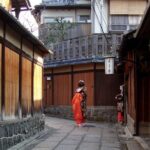
The shop’s location helps a lot. It’s near public transportation, and it’s also convenient for reaching areas on foot. Gion district is within walking distance, and that’s where kimono photos in Kyoto tend to feel most instantly “right.” The streets there are narrow, atmospheric, and made for wandering slowly.
You can also plan around Kawaramachi shopping district, which is nearby as well. That means your kimono day doesn’t have to be only temples and traditional streets. You can mix in modern Kyoto energy without losing the traditional vibe that your outfit brings.
What makes this experience feel different from a basic rental is the staff’s guidance on best locations. They’ll offer tips on where to go and where to aim your camera. Even if you already have Kyoto favorites in mind, those quick recommendations can save you time. Kyoto’s best photo angles often depend on tiny factors: which lane you choose, which side of the street you walk on, and where foot traffic naturally slows down.
You’ll also get an added incentive from the kimono itself. Many stores and locations offer special services or discounts to guests dressed in kimono. The experience doesn’t promise specific offers, but it tells you the discounts exist and that you’ll likely find them during your stroll. That can stretch your value beyond the $25 base price—small savings add up when you’re shopping or snacking anyway.
Timing that matters: plan around the 17:00 return and closing time

This is a short experience at about one hour for the dressing and hair portion, but it’s not a one-and-done photo moment. You stay out longer in your kimono. That’s great because you get time to enjoy Kyoto properly rather than rushing through a checklist.
Still, timing is key. You’re asked to return your kimono by 17:00. Summer months involve yukata, which can feel lighter in the heat, but the return time doesn’t change the need to plan your day.
Here’s how I’d think about it as a traveler: treat this as a planned window in your Kyoto schedule. If you start too late, you’ll cut into the best walking time. If you start early, you can enjoy a long loop through Gion and nearby streets without feeling like you’re racing the clock.
Also note that the experience ends back at the meeting point. That means after your explorations, you’ll wrap up and head back to where you started. If you want to keep building your Kyoto day after that, you’ll plan for the post-kimono period—dressing can take time, and you’ll be returning the outfit once your window closes.
One more timing tip: since staff recommendations are part of the experience, ask questions right away during the getting-ready time. The moment you’re dressed is when they can help you most. If you wait until you’re already lost on a side street, you lose the benefit of that insider perspective.




Who this is for (and who should skip it)
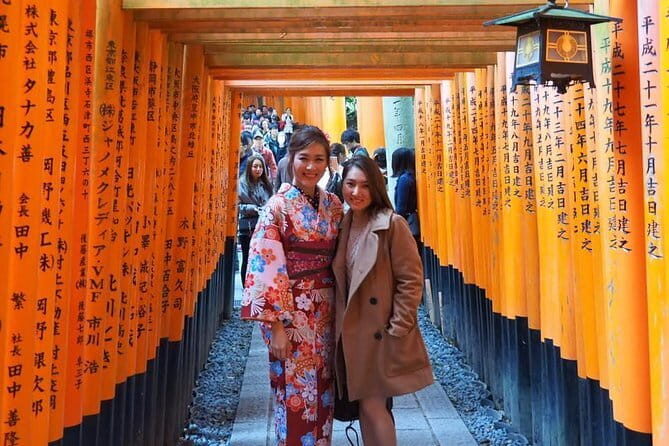
This kimono experience is private, meaning it’s just your group and you’re not mixed into a larger crowd. That suits couples, small families, and friend groups who want a calmer, more personal setup.
It’s also a good match if you want:
- A traditional Kyoto look without the stress of trying to dress yourself
- Included hair styling and accessories, not just a robe rental
- Photo-friendly wandering with staff recommendations
- A flexible stroll rather than a strict guided route
There are a few clear limits from the provided info. It’s not recommended for kids under 3 years old, and it’s not recommended if you’re in sick condition. If you know you’ll need frequent breaks or you’re dealing with health issues that affect comfort, this may not be the right fit.
You’ll also want to be comfortable with the basic structure: you’re dressing, then you’re wearing the outfit while exploring, then you return it by 17:00. If you’re the type of traveler who wants full freedom with no time constraints, that’s the one consideration that could bother you.
As for the tone of the experience, the reviews highlight kindness and warmth. One review mentions being treated like family and the staff sharing a lot of information, while another points to both education and enjoyment in colorful traditional garments. There’s also mention of the staff taking many pictures during the experience. So if you want your kimono day to feel cared for (not transactional), this is the right style of setup.
Should you book this kimono experience in Kyoto?

Yes—if you want a traditional Kyoto experience that’s easy to execute and photo-ready. For about $25, you get a complete outfit setup with hair styling, accessories, and staff help choosing your kimono and directing you to good places for pictures. That combination is where the value really lives.
Book it if:
- You’d rather spend your Kyoto time walking than wrestling with dressing details
- You want staff guidance on where to go and what to photograph
- You like the idea of a private, relaxed preparation in a private room
Skip it if:
- You strongly dislike time constraints like returning by 17:00
- You’re not in a condition to dress comfortably or you’re traveling with a very young child under the recommended age range
If you do book, bring a flexible mindset. Your kimono day works best when you let the outfit guide your route—Gion for the atmosphere, nearby shopping streets for color, and temples for classic Kyoto scenes—then come back on schedule to return the clothing.
FAQ

How long is the kimono experience in Kyoto?
It’s about 1 hour for the dressing and preparation part, followed by time to stroll around Kyoto at leisure until the shop’s closing time.
What’s included in the price?
The price includes hair set, hair accessories, kimono or yukata, obi, shoes, Japanese sox (tabi), and a Japanese bag.
Do I get help choosing and styling the kimono?
Yes. You choose your kimono from the collection, then staff help you with accessories like obi and bags. If you don’t know how to style a kimono, the staff advises you and helps you pick the right items.
Where does the experience start and end?
It starts at GOZAN HOTEL & SERVICED APARTMENT Higashiyama Sanjo 35-7 Sanchōme, Higashiyama Ward, Kyoto, 605-0005, Japan, and ends back at the same meeting point.
What should I do after I get dressed?
After everything is finished, you explore Kyoto on your own in your kimono until the shop’s closing time, using staff recommendations for good places to visit and photograph.
What happens in summer months?
During summer months, the experience prepares yukata instead of kimono.