REVIEW · MUSEUMS
Kyoto Sword Experience – includes Museum Ticket/Ninja Experience
Book on Viator →Operated by Maikoya · Bookable on Viator
There are worse ways to spend two hours in Kyoto than training like a samurai. I especially liked the traditional dojo feel and the hands-on Iaido-style practice with a blunt replica sword (no sharp blade stuff). The main thing to keep in mind is that the pace can feel busy on crowded days, so arrive on time and don’t expect a slow, private lesson.
You’ll also get more than just sword time: the included museum ticket comes with a guided look at how samurai and ninja culture shaped Kyoto. One more consideration: the experience includes dressing and photo moments, and in peak weeks that can mean more waiting than you’d hope.
In This Review
- Key Things to Know Before You Go
- Samurai Ninja Museum: What You’re Really Signing Up For
- Dressing Like a Samurai: Hakama, Fit, and the Photo Factor
- Iaido Basics with a Blunt Replica Sword: The Skill You’ll Actually Take Home
- The Sword Fight Moment: Fun, Controlled, and Beginner-Ready
- Ninja Star Throwing: The Skill, the Challenge, and the Let-Down Risk
- Museum Ticket Included: What You Gain Beyond the Dojo
- Timing, Duration, and Why Crowds Can Change the Feel
- Group Size Rules: What the Limits Mean for Your Experience
- Meeting Point and How to Show Up Ready
- Who This Samurai Sword Experience Works Best For
- Value for Money: Is $83.91 Worth It?
- Should You Book Kyoto Sword Experience (with Museum Ticket)?
- FAQ
- What does the experience include?
- Is a real sword used?
- How long is the experience?
- Where do I meet for the tour?
- Are tickets mobile?
- What are the age limits?
- How big are the groups?
- Is the elevator available?
- Can I cancel for a full refund?
- Is transportation included?
Key Things to Know Before You Go
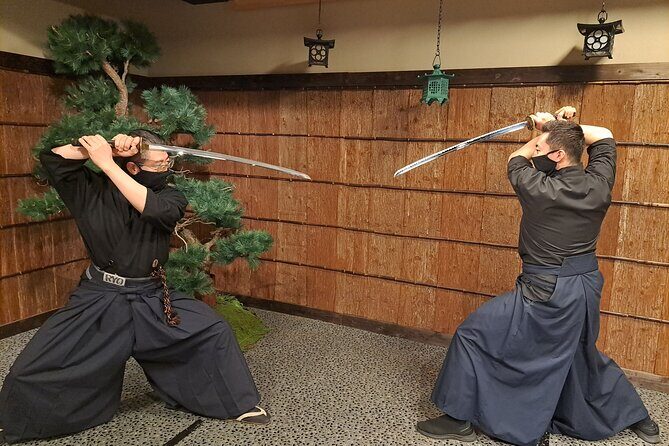
- You practice with a blunt, law-safe replica sword, so it’s controlled and beginner-friendly
- Multiple daily start times let you pick a slot that fits your Kyoto schedule
- You get museum admission included, not just a quick lesson
- Ninja star throwing is part of the experience, plus samurai gear photo time
- Dojo age rules apply: children under 7 aren’t allowed in the dojo
- Elevator is out of service from Jan 24, 2026 to Feb 19, 2026, so stairs may matter
Samurai Ninja Museum: What You’re Really Signing Up For
This isn’t a museum where you quietly wander and call it “culture.” You’re here to do two things back-to-back: a hands-on samurai training session and a guided visit inside the Samurai and Ninja Museum.
The venue experience is part of the fun. You start at SAMURAI NINJA MUSEUM Kyoto at 109 Horinouechō, Nakagyo Ward, Kyoto (near public transportation). From there, you’ll be directed into the dojo area and geared up. If you want your Kyoto day to feel active, this works well.
Also, the whole setup is designed for real-world visitors, not martial artists. The “safe setting with guidance” part is important because it keeps the lesson focused on basics—stance, form, and what to do next—rather than turning it into something intimidating or overly technical.
You can also read our reviews of more tours and experiences in Kyoto



Dressing Like a Samurai: Hakama, Fit, and the Photo Factor
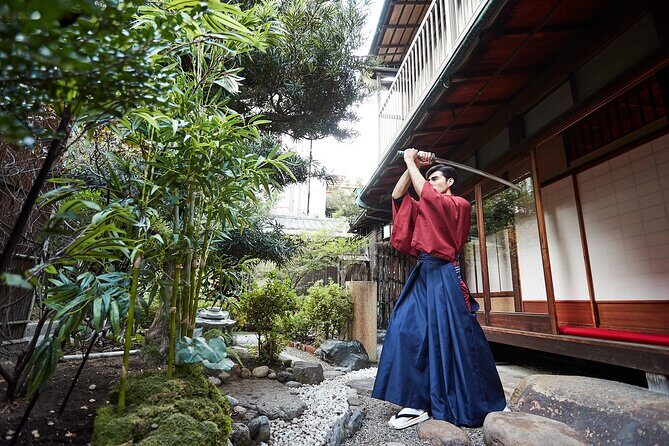
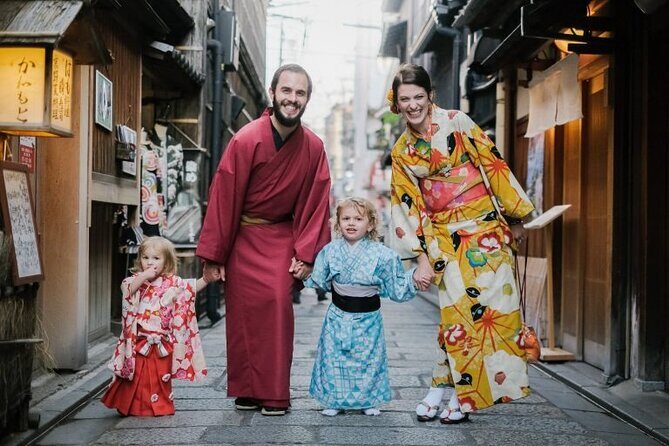
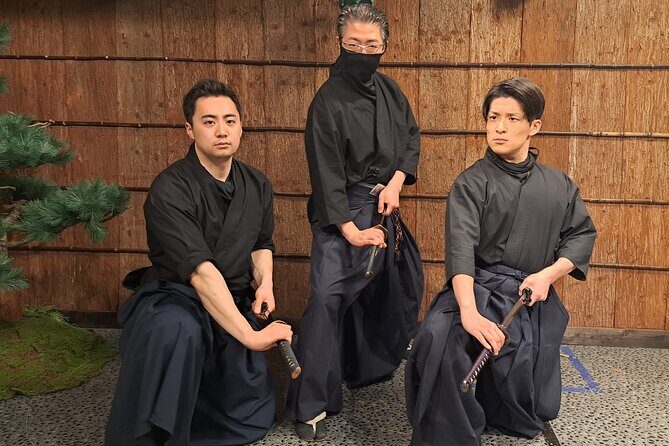
Your session begins with getting into traditional samurai hakama. It’s not just costume theater. Wearing the outfit helps you move the way the instructor expects, and it sets the tone fast—straight posture, controlled movements, and the right frame for practicing forms.
Then comes the part you can’t ignore: the photo time. People leave with pictures in samurai gear, and you’ll also get chances to pose around the venue. I like that this is built in rather than a last-minute afterthought, because it means you’re not rushing through everything just to get one decent shot.
One practical note: the experience depends on staff helping many people at once. During busier periods, you may feel the flow is more “line up and go” than “slow coaching.” If you’re okay with that, you’ll likely have a great time. If you hate waiting, come early to reduce stress.
Iaido Basics with a Blunt Replica Sword: The Skill You’ll Actually Take Home
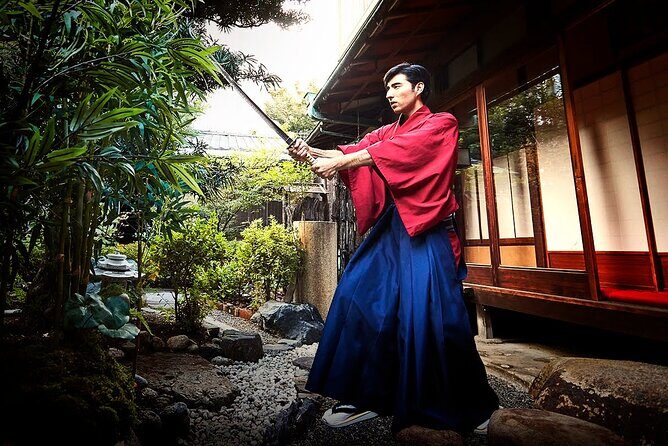
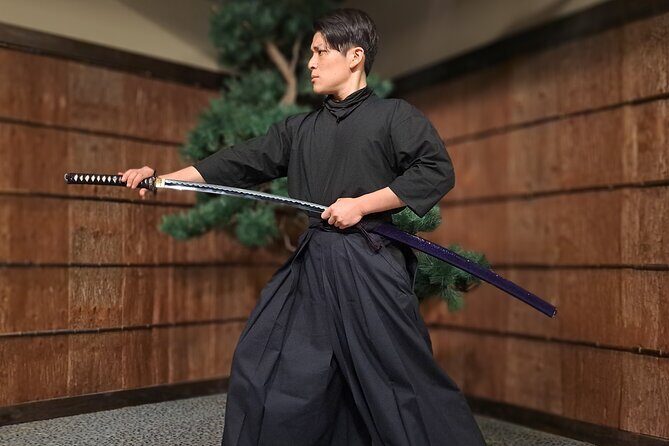
The training focuses on Iaido-style basics using a blunt, safe replica sword. That blunt-sword detail matters for two reasons. First, it’s aligned with Japanese law (the experience specifically states it does not involve real swords or sharp blades). Second, it lets you concentrate on technique without the fear factor.
In practice, you’re learning how to hold the sword properly and how to move through simple, controlled steps. It’s the kind of lesson where you start clumsy and then get smoother once the instructor shows the path and you repeat it.
In the reviews, names like Ken, Nobu, and Riku pop up in a positive way, and that’s consistent with what a good beginner class should feel like: clear direction, energy from the guide, and enough encouragement to keep you going when your stance feels awkward at first. One review also mentions a helpful instructor leading the session in a way that made people feel like they were truly training, not just posing with gear.
Even if you don’t remember every detail later, you’ll leave with something useful: a better sense of posture and sword-hand discipline—how small adjustments change your balance.
The Sword Fight Moment: Fun, Controlled, and Beginner-Ready
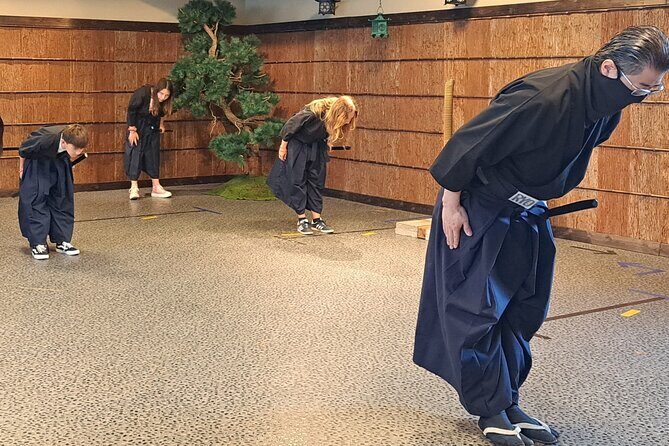
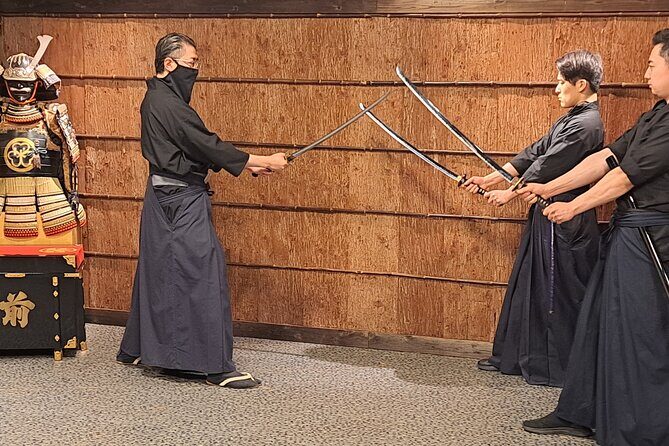
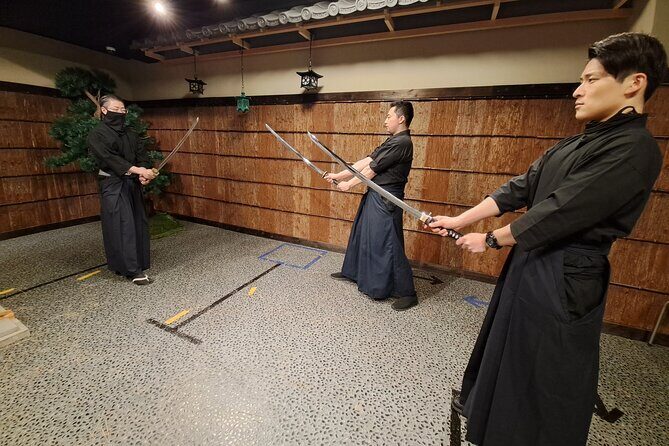
After the basic Iaido techniques, you get a simple sword fight with the safe replica sword. This is not a real duel. Think of it as a structured drill that gives you adrenaline without turning the class into chaos.
This is where the experience often becomes the highlight. People describe it as exhilarating, and the reason is straightforward: once you understand the basic hold and motion, doing it with a partner or in a quick drill feels more like a lived activity than a lecture.
If you’re coming with friends, this part is especially good because it’s interactive. Even if only some members of your group are comfortable with the movements at first, the format usually keeps everyone involved.
And yes, there are safety rules, which is a good thing. A well-run “fight” section should be energetic and still controlled, and the program’s emphasis on safe practice is the reason it can work for first-timers.
Ninja Star Throwing: The Skill, the Challenge, and the Let-Down Risk
A big selling point is the chance to throw a ninja stars. Expect short, guided coaching here, then a moment to try it yourself.
That said, one of the risks of any group activity is that the exact timing can shift. There’s at least one negative account where ninja star throwing was not experienced as described. I can’t tell you that will happen for you, but it’s enough to make a simple suggestion: when you arrive, confirm what’s still scheduled for your particular group time slot. Staff should be able to tell you what you’ll do today.
When it does happen, it’s a great change of pace. It also adds variety for people who want more than sword movement—especially kids who might not care about perfect form, but love the idea of tossing a ninja star.
You can also read our reviews of more museum experiences in Kyoto






Museum Ticket Included: What You Gain Beyond the Dojo
You also get admission to the Samurai and Ninja Museum with a free history tour. This is the part that turns the experience from pure fun into something you can connect to Kyoto.
The museum side gives you context: how samurai and ninja culture influenced the world around them, and how that shows up in artifacts, displays, and guided explanations. In reviews, people note that the museum tour felt informative and helped them understand what they were doing in the dojo. That matters because otherwise you might leave thinking only, That was cool.
One reason the museum ticket is good value is that it’s not a separate add-on. You’re paying once and getting both activities. If you were going to visit a museum anyway, this pairing can make the whole day feel tighter and more satisfying.
Also, the museum portion helps families. If you’re traveling with someone who doesn’t want to sweat through drills, they still have guided content to focus on.
Timing, Duration, and Why Crowds Can Change the Feel
The session is listed at about two hours. The reality of that time can vary depending on how full the slot is and how smooth the transitions are between dressing, training, museum tour, and any photo moments.
On lighter days, the flow likely feels smooth. On heavier days, some people describe the experience as rushed or disjointed, more waiting than practicing. Several negative comments point to peak season crowding and staffing flow issues, and the operator also acknowledges that there have been operational problems during very busy periods in the past.
So here’s my practical advice: treat the two hours as a busy activity block, not a slow personal lesson. Arrive a few minutes early. Be ready to change fast. Keep your expectations aligned with a group class.
That doesn’t mean it’s bad—it means you should plan your Kyoto day around it. Don’t schedule this between other time-sensitive plans that require perfect punctuality.
Group Size Rules: What the Limits Mean for Your Experience
The information you’re given includes a maximum traveler cap of 22, and it also states a smaller limit showing up to 4 travelers in the activity details. Those numbers don’t always line up in many tour platforms, and the safest approach is this: check your confirmation details for your specific time slot.
In general, smaller groups help you feel the instructor’s attention more. If your session is in the smaller range, you’ll probably get more time practicing and less time waiting. If it’s in the larger range, expect more of the “turn-taking” feel.
The positive reviews line up with what you want from a smaller group: people mention names of instructors and feel engaged during the museum tour. The negative reviews describe crowded rooms and lots of waiting. That pattern is common in hands-on experiences, even when the instructors are great.
Meeting Point and How to Show Up Ready
You’ll meet at SAMURAI NINJA MUSEUM Kyoto, 109 Horinouechō, Nakagyo Ward, Kyoto, 604-8117. It’s a straightforward start point, and it’s near public transportation, which makes it easier to fit into a Kyoto itinerary.
The experience includes changing into hakama, moving between spaces, and time for photos. Wear comfortable clothes you can put on and remove around the dressing process. If you bring a bag, keep it simple and light.
One more heads-up: the elevator is out of service from January 24, 2026 to February 19, 2026. Also, some people mention stairs during parts of the experience. If you’re sensitive to stairs or mobility limits, it’s worth planning your day with that in mind.
Who This Samurai Sword Experience Works Best For
This is ideal for you if you want an active Kyoto experience where you can say, I trained, not just I watched.
It’s especially good for:
- First-timers who want safe instruction and structure
- People who like hands-on history and want context afterward through the museum tour
- Families with kids who are old enough to participate in the dojo area (children under 7 aren’t allowed in the dojo)
It may be less ideal if you:
- Hate waiting and prefer private instruction
- Expect a slow, cinematic “warrior training” experience with lots of one-on-one coaching
- Are visiting during peak crowds and want everything to run like a quiet museum visit
Value for Money: Is $83.91 Worth It?
At $83.91 per person, you’re not just paying for sword practice. You’re paying for a package: safe replica sword training, a dojo experience, museum ticket plus guided tour, ninja star throwing, and photo moments in gear.
That can be excellent value when you compare it to paying separately for a museum admission plus a separate class. The museum component matters here. Without the museum tour, this could feel like a short stunt show. With it, you get explanation—why the training exists, what it represents, and how it connects to real historical themes.
So the question becomes: do you enjoy structured activities with a bit of waiting? If yes, the price starts to make sense fast.
If you want a long, detailed lesson with lots of repetition, you might feel the class is shorter than you want. That’s the main “value mismatch” risk, and it’s why arriving ready and keeping expectations realistic matters.
Should You Book Kyoto Sword Experience (with Museum Ticket)?
I’d book it if you want a fun Kyoto experience that’s actually hands-on and then explained afterward. The dojo training and museum tour combination is the big reason this can feel worth it: you get action first, context second.
I’d also book it if you’re comfortable with a group environment where the schedule has to move. Think of it as an active workshop day, not a private tour.
Skip it only if you strongly dislike crowds, waiting, or structured transitions. If you’re visiting during peak season, go in with calm expectations and arrive on time. And when you check in, confirm the ninja star portion is included in your session flow.
If you want, tell me your travel month and whether you’re going as a couple or family. I can help you decide which time slot style (earlier vs later in the day) will likely feel smoothest for your group.
FAQ
What does the experience include?
It includes a Samurai sword experience in a traditional dojo using a blunt, safe replica sword, a museum ticket plus a free history tour at the Samurai and Ninja Museum, and it also includes dressing up and the chance to throw ninja stars.
Is a real sword used?
No. The experience states it does not involve real swords or sharp blades and uses a blunt, safe replica sword in compliance with Japanese law.
How long is the experience?
The duration is listed as approximately 2 hours.
Where do I meet for the tour?
Meet at SAMURAI NINJA MUSEUM Kyoto, 109 Horinouechō, Nakagyo Ward, Kyoto, 604-8117, Japan. The experience ends back at the meeting point.
Are tickets mobile?
Yes. The tour includes a mobile ticket.
What are the age limits?
Children under 7 are not allowed to enter the samurai dojo venue. Children must be accompanied by an adult.
How big are the groups?
The information provided includes a maximum of 22 travelers, and it also notes a maximum of 4 travelers for the activity. Your confirmation should show the specific group details for your time slot.
Is the elevator available?
No. The elevator is listed as out of service from January 24, 2026 to February 19, 2026.
Can I cancel for a full refund?
Yes. Free cancellation is available up to 24 hours in advance for a full refund. If you cancel less than 24 hours before the start time, the amount paid is not refunded.
Is transportation included?
No. Transportation to and from attractions is not included.