REVIEW · DINING EXPERIENCES
Kyoto: Geisha Dinner & Gion Cultural Walk
Book on Viator →Operated by Travel Japan Together · Bookable on Viator
A night with geisha entertainment starts in Gion. This Kyoto geisha dinner combines a short stroll through classic streets with a kaiseki dinner and close-up conversation with a skilled geisha or maiko. I like that the evening is designed as a real cultural moment, not just a photo stop.
Two things I especially appreciate: you get a 2-hour geisha accompany period during the dinner, and the meal is a proper kaiseki course rather than a basic set menu. One consideration is that attendance of geiko/maiko isn’t guaranteed—if availability is tight, you’ll be notified in advance, and the tour also has a minimum of 4 participants to run.
Because it’s a small group (max 10) and the pacing is built around evening streets, you can expect a calm, respectful experience in a place where doing it right matters.
In This Review
- Key highlights you should know
- Kyoto Geisha Dinner & Gion Cultural Walk: what this experience really feels like
- Kaiseki dinner is the centerpiece, and you get time for it
- Why Gion Shirakawa fits the story of a geisha evening
- Hanamikoji Street: the calm route toward the restaurant
- What you’re likely to see during the geisha portion
- The value question: $274.35 for 3 hours, and what makes it feel fair
- Group size, meeting point, and how the evening flows
- “Almost barrier-free” experiences: what I can infer for wheelchair users
- Who this tour is best for (and who might want something else)
- Practical tips to get more from the walk and dinner
- Should you book Kyoto: Geisha Dinner & Gion Cultural Walk?
- FAQ
- How long is the Kyoto geisha dinner and Gion cultural walk?
- What is included in the dinner?
- Do I need to pay for tickets during the walk stops?
- Where does the tour start and end?
- What if geiko or maiko are not available?
- How many people are in the group?
- Is this experience refundable if I need to cancel?
Key highlights you should know
- Kaiseki dinner as the core experience, built around traditional course dining
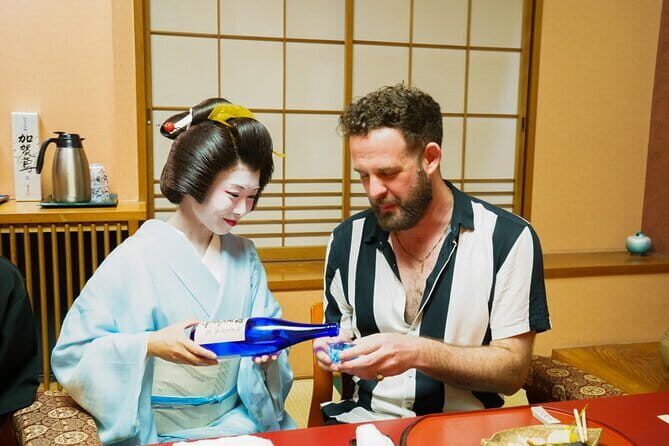
- Geisha or maiko time for about two hours, including dance, music, and elegant conversation
- Gion Shirakawa canal area stop for that Kyoto “in-the-streets” atmosphere
- Hanamikoji Street walk in the Gion district where you’re headed toward the restaurant
- Unlimited drink during the dinner portion
- Small max group size (10) for a more controlled, intimate feel
Kyoto Geisha Dinner & Gion Cultural Walk: what this experience really feels like
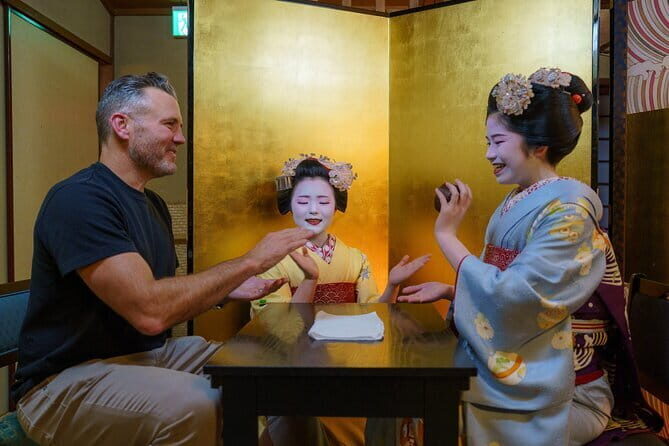
If you’re chasing Kyoto’s geisha culture, the biggest question is always the same: will it feel like a performance for tourists, or a cultural evening with context? This tour is built to lean toward the second option. You’re not just eating; you’re paired with someone who can explain what you’re seeing and how the system works—historically and in modern practice.
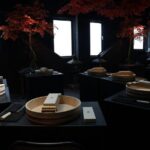
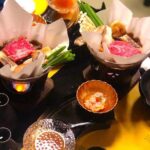
The dinner itself is kaiseki, Kyoto’s signature style of multi-course dining. That matters because kaiseki isn’t just “fancy food.” It’s usually about seasonality, careful presentation, and an unhurried flow that suits conversation. This tour wraps that rhythm around live entertainment, so the meal doesn’t feel like an interruption—it feels like part of the evening.
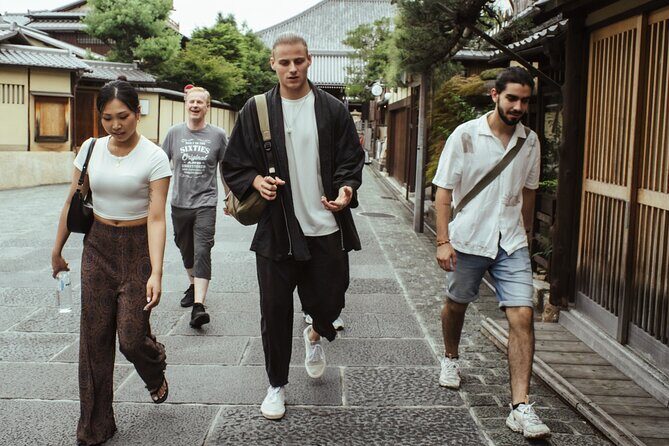
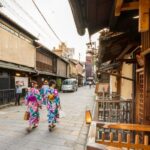
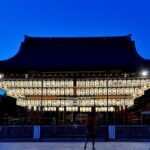
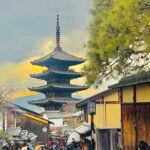
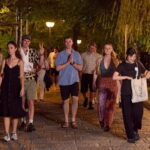
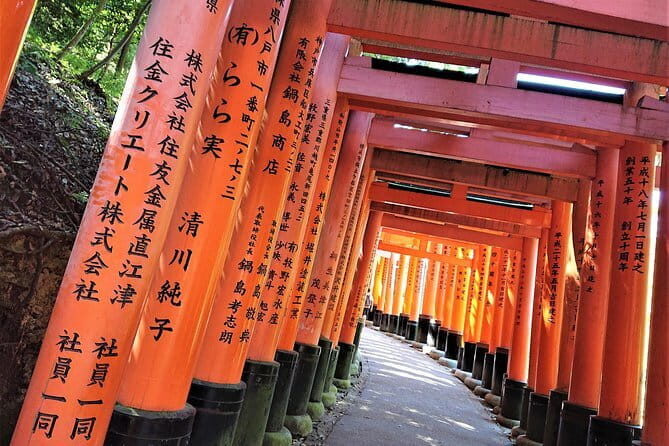
Then there’s the setting. You start in Higashiyama, move through two iconic Gion-linked areas, and spend the night in the atmosphere that makes Gion what it is: wooden machiya houses, old lanes, and lantern-lit streets. It’s the kind of backdrop that makes you slow down without being told to.
You can also read our reviews of more walking tours in Kyoto
Kaiseki dinner is the centerpiece, and you get time for it
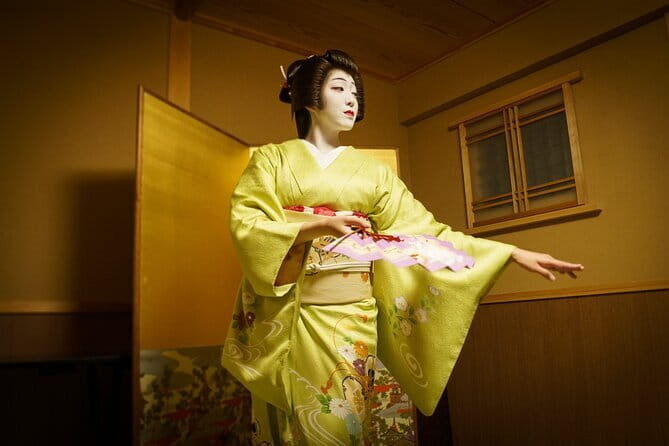
Kaiseki is included, and so is a major part of what makes this tour worth considering: two hours of geisha accompany. That is a long stretch for this kind of experience. In practice, it means you should have enough time to ask questions and actually listen, instead of only catching short “sound bites.”
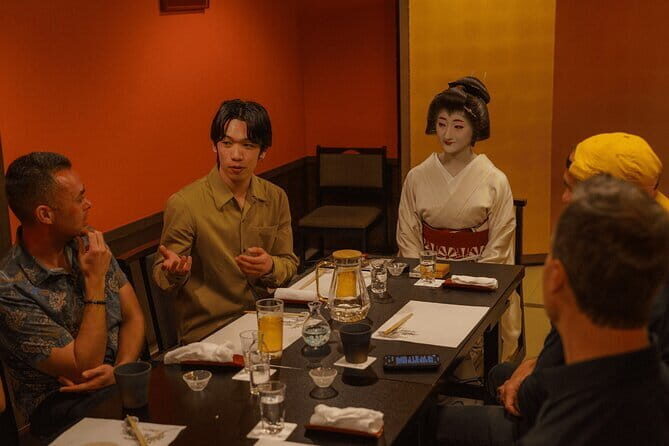
During that period, the entertainment is traditional: dance, musical instrument playing, and conversation. The tour also includes guided context about geisha life and customs—how training works and why the artistry is so precise. You’ll also get insights tied to Kyoto’s cultural heritage, which helps you place what you’re seeing into a bigger picture rather than treating it as an isolated show.
One practical note: the meal includes unlimited drinks, which can be a big value add if you typically order alcohol or non-alcoholic specialty drinks. Extra food and drinks beyond that are not included, so if you’re a heavy eater late at night, keep an eye on how you order.
Why Gion Shirakawa fits the story of a geisha evening
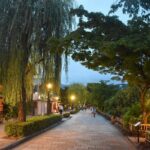
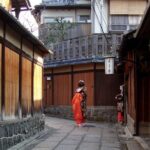
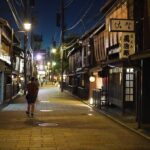
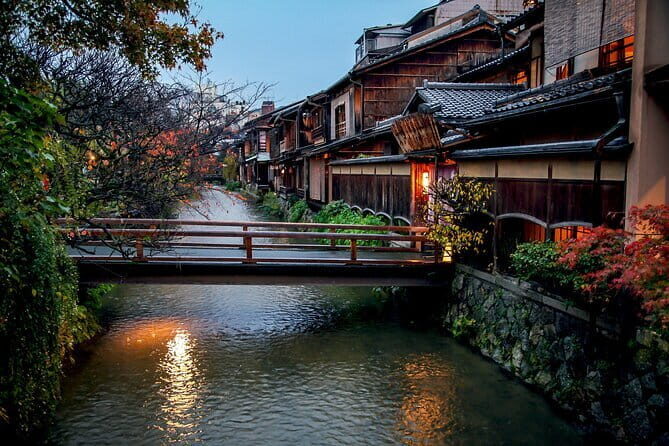
Your first stop is Gion Shirakawa, centered around the Shirakawa Canal. This is one of the most postcard-famous parts of Gion—and with good reason. The canal lined with willow trees, the traditional machiya houses, and the presence of tea houses create a Kyoto “you can feel it in your feet” vibe.
This stop is only about 30 minutes, but that short window is a smart choice. It gives you enough time to get oriented in the neighborhood before dinner. Also, because you’re close to the classic look of the district, you’re not spending the evening hunting for “the right street.” You’re already in it.
A small but real takeaway: Gion Shirakawa is especially enchanting during cherry blossom season (when the canal blooms). Even if you’re not traveling during spring, it’s still a great example of how Kyoto preserves form and atmosphere—an important context for geisha culture, which depends on tradition and ceremony.
Hanamikoji Street: the calm route toward the restaurant
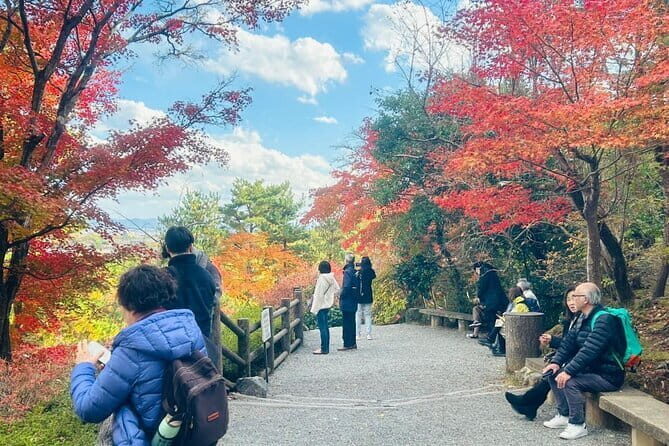
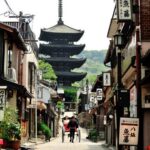
Next you’ll go to Hanamikoji Street, the historic lane in Gion that runs from Sanjo-dori toward Kenninji Temple. This street is famous for its preserved wooden buildings, including machiya houses that function as teahouses and higher-end restaurants.
You’re also going to the restaurant where you can meet the geisha. So this part of the evening is both aesthetic and functional. You’re not just walking around for views—you’re building the mood as the night approaches the main event.
Hanamikoji is particularly atmospheric at night, with lantern lighting turning the street into a soft glow corridor. Even if you mostly focus on where you’re walking, the change from day-light sightseeing to evening Kyoto is often what makes geisha encounters feel special rather than random.
What you’re likely to see during the geisha portion
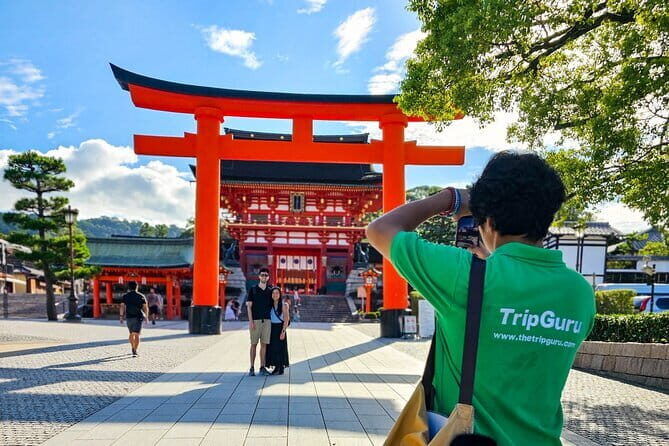
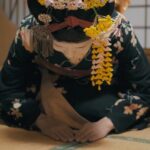
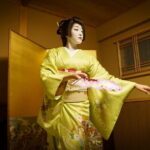
The core promise here is entertainment accompanied by conversation. The geisha (or maiko, depending on availability) can perform traditional dances, play musical instruments, and talk with guests in an elegant, structured way.
The tour description also emphasizes historical significance and the intricacies of training. That’s important because geisha artistry isn’t casual. It’s built through years of disciplined practice. When you have someone explaining that, the performance lands differently—you notice the care in timing, the choreography, and the cultural codes you might otherwise miss.
You should also be aware of one key variability. The tour notes that, depending on availability, geiko and maiko may or may not be arranged. If they can’t secure one of the roles, you’re told in advance. That doesn’t mean the tour is a bait-and-switch—it means you’re booking a cultural evening that depends on real-world availability of performers.
You can also read our reviews of more tours and experiences in Kyoto
The value question: $274.35 for 3 hours, and what makes it feel fair
At $274.35 per person for about 3 hours, this is not a bargain meal. But value in Japan often comes down to what’s included, not what’s cheaper nearby.
Here’s what you’re paying for:
- Kaiseki dinner (a multi-course format, not just a plate or two)
- Geisha accompany for roughly two hours, meaning a real portion of the time is spent with entertainment and conversation
- Unlimited drinks during the included dinner portion
- Guided explanation about geisha life and Kyoto cultural heritage
If you’ve ever done a “dinner + a show” night, you know how often the show is short and the food is secondary. This setup flips that. Dinner is the vehicle, and the geisha time is the event.
Also, it’s a small group (maximum 10). In experiences like this, small groups can feel more respectful and less chaotic. That matters when you’re trying to take in conversation and performance without constant distraction.
The only real value downside is the same consideration as above: the presence of geiko/maiko depends on availability. The tour does say you’ll be notified in advance if they can’t arrange attendance.
Group size, meeting point, and how the evening flows
This is capped at 10 travelers, which keeps the pace controlled. You’re also told you may need at least 4 participants for the group to operate. That’s not unusual, but it’s worth noting if your schedule is tight and you’re traveling during a busy season.
Your start point is CACAO MARKET by MARIEBELLE KYOTO at 165-2 Tokiwachō, Higashiyama Ward. Your end point is FamilyMart at 573-4 Gionmachi Minamigawa, Minamigawa, Higashiyama Ward. The tour indicates the start and finish are close to where you’ll be going, including being close from the geisha house you visit.
In other words, you’re not dragged across half of Kyoto after dinner. You’re guided from the meeting point into the Gion district, then back out to a convenient drop near the end location.
The tour also uses a mobile ticket, which is helpful in Kyoto where it’s easy to lose paper tickets while you’re walking.
“Almost barrier-free” experiences: what I can infer for wheelchair users
One review specifically mentions that the tour felt almost barrier-free for a wheelchair user. The key positive there was communication: the agency contacted the traveler to arrange things based on wheelchair needs, and they followed through with a guide named Sayaka, described as polite and friendly.
I can’t promise full accessibility across every moment of every evening (street surfaces in old districts can be tricky), but the lesson for you is clear: if accessibility is a priority, contact the operator early and be specific about what you need. The tour’s messaging suggests they take arrangements seriously when they’re aware ahead of time.
Who this tour is best for (and who might want something else)
This is a great fit if you:
- want a structured cultural evening in Kyoto, not just a casual night out
- like kaiseki and want it tied to meaningful context
- enjoy conversation and explanations, not only watching performances
- prefer small-group experiences over large crowds
It may not be ideal if you:
- are mainly there for street photos and don’t care about dinner format
- dislike unpredictable elements like geiko/maiko availability
- need fully flexible timing (this experience is described as non-refundable and not changeable)
If you’re planning Kyoto around food, culture, and a calm night in Gion, this one belongs on your list.
Practical tips to get more from the walk and dinner
This is the kind of evening where tiny planning choices pay off.
- Wear comfortable shoes. Gion streets are beautiful, but you’ll still be walking on uneven surfaces and cobblestones.
- Eat light earlier in the day if you’re curious about tasting everything in a kaiseki course. Kaseki typically follows a flow, and you don’t want to be stuffed before dinner starts.
- Have a couple of respectful questions ready about geisha training, customs, or what the performance means. You’ll get the chance to talk during the geisha accompany time, so questions make it better.
- If you’re traveling during cherry blossom season, keep your eyes open for that canal-side spring look around Gion Shirakawa.
Also, if you’re the type who appreciates good hospitality, pay attention to how the evening is paced. The structure of a walking prelude plus a long geisha portion is designed to keep you in the mood for both eating and learning.
Should you book Kyoto: Geisha Dinner & Gion Cultural Walk?
I’d book it if you want a Kyoto night that combines kaiseki dinner with real-time cultural explanation and extended geisha interaction. The pricing makes more sense when you consider that geisha time, dinner format, and unlimited drinks are included, and the group stays small.
I’d hesitate if geiko/maiko availability is crucial for your specific expectations, since the tour notes that attendance may not be arranged depending on availability. I’d also be careful if you’re looking for a low-commitment, last-minute plan—this one is built as a set evening.
If you’re ready for a respectful, structured Gion night—where you eat first-class Kyoto dining and spend time learning alongside the performance—this is the kind of experience that can turn into a real story you’ll remember long after you leave the streets.
FAQ
How long is the Kyoto geisha dinner and Gion cultural walk?
It’s approximately 3 hours total.
What is included in the dinner?
You get a kaiseki course meal, geisha accompanying time (about two hours), and unlimited drinks.
Do I need to pay for tickets during the walk stops?
Admission tickets for the stops listed are free.
Where does the tour start and end?
It starts at CACAO MARKET by MARIEBELLE KYOTO (165-2 Tokiwachō, Higashiyama Ward) and ends at FamilyMart (573-4 Gionmachi Minamigawa, Higashiyama Ward).
What if geiko or maiko are not available?
The tour may not be able to arrange attendance depending on availability, and you’ll be notified in advance.
How many people are in the group?
The tour has a maximum of 10 travelers, and it requires a minimum of 4 participants to run.
Is this experience refundable if I need to cancel?
No. It’s non-refundable and cannot be changed for any reason.