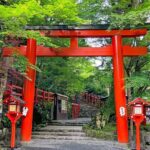
Kyoto in half a day, with a real plan. This private tour strings together major sights like Fushimi Inari plus a UNESCO temple, using taxis and public transport so you spend less time sorting directions and more time seeing Kyoto. The route is built for first-day orientation: your guide handles the order and the walking logic.
What I like most is the mix of show-stoppers and calmer pauses. You get a garden-style break at Chishaku-in and the chance to move through Kyoto’s old-street vibe around Sannenzaka and Ninenzaka. One possible drawback: it’s a tight 5½-hour program, so you can’t swap stops or start somewhere else on the fly.
In This Review
- Key things to know before you go
- Why this half-day Kyoto plan works (and what you’ll actually see)
- Price and logistics: what you pay, and what you’ll still spend
- Fushimi Inari (plus Chishaku-in): the walking start you’ll be glad you did
- Stop 1: Fushimi Inari-taisha Shrine
- Stop 2: Chishaku-in
- Sanjusangendo and Kiyomizu-dera: two temples, two moods
- Stop 3: Sanjusangendo Temple
- Stop 4: Kiyomizu-dera (UNESCO)
- Sannenzaka, Ninenzaka, Yasakanoto, and Gion: finishing with streets and atmosphere
- Stop 5: Sannenzaka & Ninenzaka
- Stop 6: Yasakanoto
- Stop 7: Gion district
- Your guide can make or break the day (and these guides sound strong)
- Getting the most from the route: pacing, photos, and small planning hacks
- Who this private Kyoto tour suits best (and who might want another option)
- Should you book this Kyoto 6h private tour?
- FAQ
- What is the group size for this private tour?
- How long is the tour?
- What time does the tour start and where do you meet?
- Where does the tour end?
- Is lunch included?
- Are temple and attraction admission fees included?
- Do I need cash?
- Does the tour include pick-up service?
Key things to know before you go
- Seven major Kyoto stops in one 5½-hour window, with planned transit between them
- UNESCO time at Kiyomizu-dera, including the famous balcony viewpoint area
- Fewer headaches thanks to taxis plus public transport, not just one mode of travel
- A “lesser-known” temple pause at Chishaku-in (garden time, then back into the route)
- Photogenic finish in Gion, with a short but worthwhile walk through the geisha district atmosphere
Why this half-day Kyoto plan works (and what you’ll actually see)
Kyoto has a lot of icons, and they’re not clustered like some cities. This tour earns its keep by grouping big-name sights into one sensible run, then filling gaps with side streets and temple moments that feel more “Kyoto” than “checklist.”
The schedule is built around efficient sightseeing blocks. You start at Kyoto Station’s Kyo-NaviJapan spot at 12:00 pm, then head out for the signature shrine route, move into temple-heavy areas, and end in Gion (near Gionmachi Minamigawa). The timing matters because each area has its own rhythm. Fushimi Inari is about walking the gates. Kiyomizu-dera is about reaching the viewpoint and taking in the big views. Sannenzaka and Ninenzaka shift you back toward old-town streets and browsing.
Also, this is a private experience for up to 3 people. That’s a sweet spot: you get a guide’s attention without the “tour herd” feeling, and your pace can be more realistic for photos and short pauses.
You can also read our reviews of more private tours in Kyoto

Price and logistics: what you pay, and what you’ll still spend
The tour price is $236.48 per group (up to 3). That’s not cheap in total dollars, but it can be very reasonable when you think in terms of time saved and guide coverage for a tight schedule. You’re buying someone else’s route planning and navigation, plus a guided run through several top locations.
Then comes the practical part: extra costs. Temple admission fees are not included, and the estimate given is about 1500 yen per person for all temple admissions. Public transportation is listed as 150 yen per person, and taxi rides cost about 2500–3000 yen per taxi. Since the tour uses both taxis and transit, those numbers are your best reality check.
A few smart move-tips based on how this tour is set up:
- Bring Japanese yen. The tour explicitly warns that yen is needed for many places like admissions, taxis, transit, and souvenirs.
- Since lunch isn’t included and there’s no lunch time built in, you’ll want to eat before 12:00 pm. If you’re the type who snacks lightly while walking, plan that too.
- Wear comfortable shoes. The itinerary includes walking through shrine paths and steep-ish streets around the historic district.
Mobile ticketing is included, so you’re not wrestling with paper vouchers.
Fushimi Inari (plus Chishaku-in): the walking start you’ll be glad you did
Stop 1: Fushimi Inari-taisha Shrine
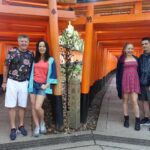
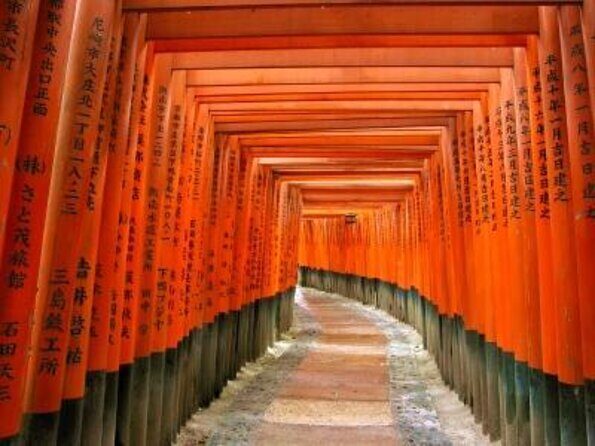
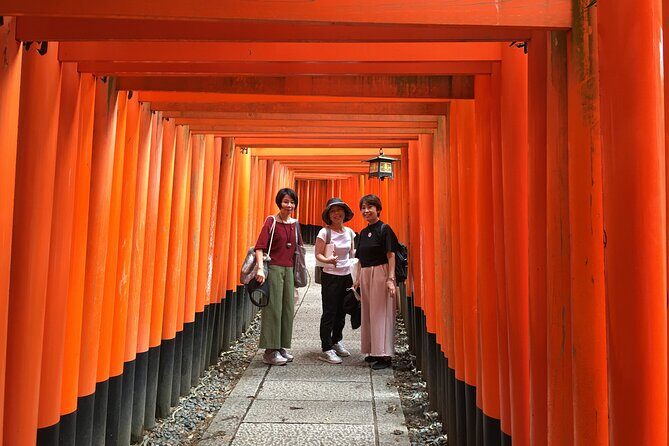
This is the showpiece start: Fushimi Inari with its famous thousands of torii gates. The route is free at this stop, and it’s a classic Kyoto experience. What makes it especially good at midday is that you get momentum right away—your guide can help you move efficiently through the busiest sections.
Because this is a walking-focused shrine, your footwear matters. Give yourself time to pause for photos and to notice how the atmosphere changes as the gates extend. It’s not just a photo spot; it’s a sense-of-place walk.
Stop 2: Chishaku-in
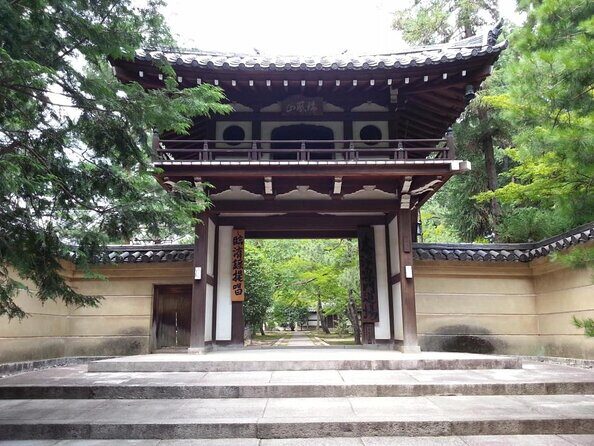
After the torii gates, you get a calmer break at Chishaku-in, described as a quieter, garden-like temple stop. Admission here is not included, but the time is 40 minutes, and the benefit is variety: less stamp-collecting, more atmosphere.
This is also where a private guide helps. You’ll spend that short window knowing what to look for instead of walking a garden wondering what’s important.


Sanjusangendo and Kiyomizu-dera: two temples, two moods
Stop 3: Sanjusangendo Temple
Sanjusangendo is famous for national treasures and for its long wooden structure, plus 1000 statues of Kannon (the goddess of mercy). Admission is not included here, but the stop is about 1 hour, which is enough time to see the main features without feeling like you got dumped into a room and released.
The practical lesson: if you don’t know what you’re looking at, huge temple rooms can feel overwhelming. A good guide turns it into an actual story—why the number matters, what the space is doing, and where your eyes naturally go.
Stop 4: Kiyomizu-dera (UNESCO)
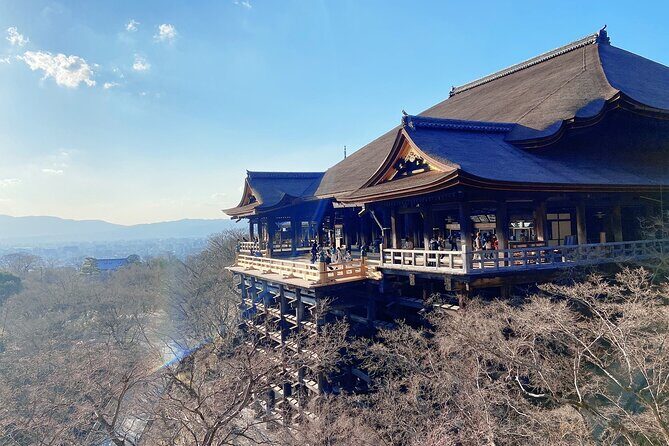
This is your UNESCO anchor: Kiyomizu-dera, a UNESCO World Heritage site (as a cultural site). Admission is not included, and you get about 1 hour.
The highlight described is the large balcony area with panoramic views of Kyoto. The balcony itself is the big moment, but don’t skip the approach and surrounding viewpoints. This stop is best if you treat it like a viewpoint outing: pause, look out, and then take your photos after you’ve actually seen the scene.
Also, Kiyomizu-dera is famous, which means crowds are part of the deal. The private format still helps because your guide can time your movement across the most congested areas.
Sannenzaka, Ninenzaka, Yasakanoto, and Gion: finishing with streets and atmosphere
Stop 5: Sannenzaka & Ninenzaka
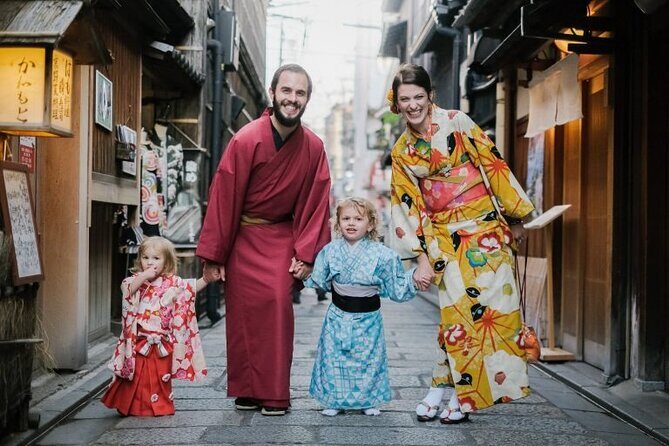
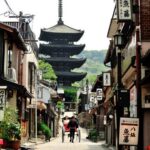
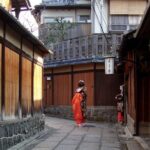
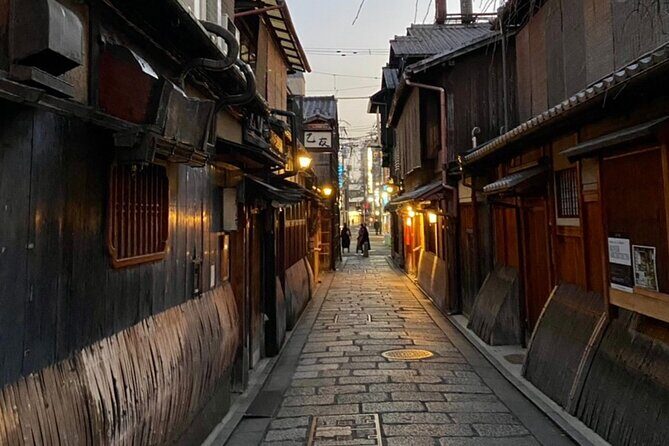
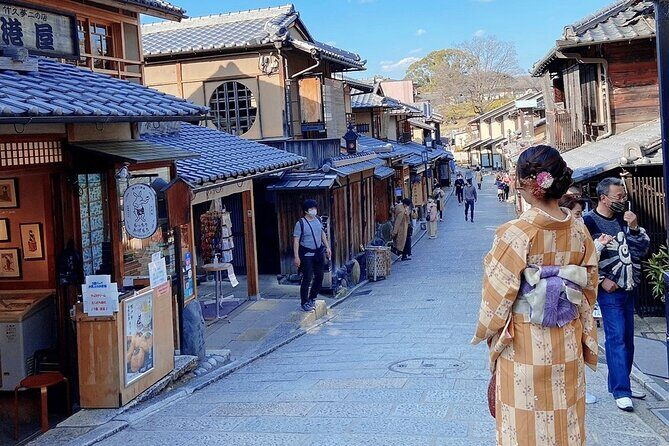
After temple time, you shift into old-street Kyoto. Sannenzaka and Ninenzaka are lined with traditional wooden buildings and mostly operate as souvenir-and-snack streets. Admission here is listed as free, and the stop is about 1 hour.
What’s useful about having this as a scheduled block: you’re not trying to find these streets after you’re already tired. Your legs and your energy are best during this part of the day, and you can browse without rushing.
A quick practical angle: keep an eye on bags. This stretch can tempt you into buying more than you planned.
Stop 6: Yasakanoto
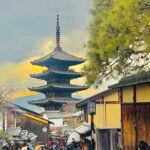
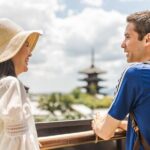
Next is Yasakanoto, the five-story pagoda landmark. The schedule gives it only about 5 minutes, and you’ll look at it from the outside. Admission is free.
That short stop is still worth it because it gives you a recognizable Kyoto landmark photo. Just don’t plan to linger here like you would at a major temple.
Stop 7: Gion district
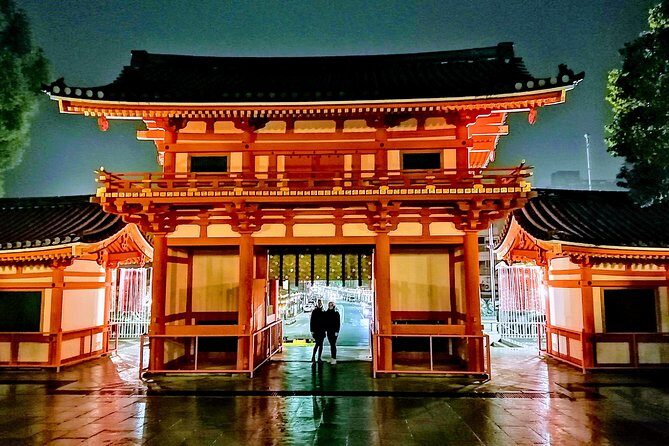
You end with Gion, described as the geisha district area with Maiko and Geiko. It’s listed as about 20 minutes, and admission is free.
In other words: you’re not getting a long guided “dinner-and-shows” night here. You’re getting the atmosphere. Use this final window for a slow walk, quick photos, and the feeling of Kyoto’s old-town social streets. Your guide also helps you with how to get to your next spot after the tour, which matters if you’re continuing your day on your own.
Your guide can make or break the day (and these guides sound strong)
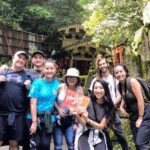
This tour includes a selected local professional guide, and the tone from past experiences is consistent: guides are informative and patient, with a knack for making the day feel comfortable rather than rushed.
Names that come up include Yoshi and Kaori, plus Mutsumi. The common thread is that they explain history in a way you can actually follow, without turning everything into a lecture. One big plus: your guide can be flexible with what you want to emphasize during the day—so if you care more about temples vs. street atmosphere, you’re not stuck in a rigid script.
If you value a guide who will answer questions on the spot and adapt quickly to your pace, this is a good match.
Getting the most from the route: pacing, photos, and small planning hacks
A half-day schedule means you should think in terms of “good enough” moments that add up. Here’s how to make the day feel smoother:
- Do your best photo planning at the transitions. Between stops, you’ll notice your energy changing. Fushimi Inari is the walking photo phase. Kiyomizu-dera is viewpoint photo time. Sannenzaka and Ninenzaka are browsing photo time.
- Keep your yen accessible. Admissions and transport are explicit extra costs, and many places may not take other currency.
- Don’t count on a lunch reset. The itinerary doesn’t include time to eat, so if you need a sit-down meal later, plan where you’ll do that after you finish in Gion.
- Bring comfortable layers. The tour depends on good weather, and you’ll be outside for much of it.
Who this private Kyoto tour suits best (and who might want another option)
This works especially well if:
- It’s your first time in Kyoto and you want a smart orientation in one half-day.
- You hate figuring out transit connections between distant sights.
- Your group is small (up to 3), so private attention matters.
You might want to skip or choose a different format if:
- You need flexibility to change stops or start time mid-day. The route is fixed, and the tour notes that you can’t change the itinerary or starting point.
- You want a long lunch break or a slower pace with extended wandering in one single area.
It’s a “see a lot, then move on” style of tour, not a “hang out all day in one neighborhood” style.
Should you book this Kyoto 6h private tour?
If your goal is to check off the big Kyoto hits without getting lost between them, I’d say yes, book it—especially for first-time visitors who want a guide to handle navigation and pacing. The value improves when you break it down by coverage: multiple major sites, guided context at temples, and a finish in Gion, all inside one coordinated block.
The main decision point is your tolerance for a set schedule. If you’re okay with a brisk half-day, comfortable shoes, and a pre-planned lunch, this is a strong way to get your bearings fast. If you crave long unstructured time in one area, consider a longer neighborhood-based plan instead.
FAQ
What is the group size for this private tour?
It’s a private tour for your group, with a maximum size of up to 3 people.
How long is the tour?
The duration is approximately 5 hours 30 minutes.
What time does the tour start and where do you meet?
The start time is 12:00 pm, and the meeting point is Kyoto Tourist Information Center Kyo-NaviJapan in the Kyoto Station building (2nd floor).
Where does the tour end?
The tour ends in the Gion area near 570-177 Gionmachi Minamigawa, Higashiyama Ward.
Is lunch included?
No. The tour does not include lunch, and there isn’t time to eat during the tour.
Are temple and attraction admission fees included?
No. Temple admission fees are not included, with an estimate of about 1500 yen per person for all temple admissions. Some stops are listed as free, but not all.
Do I need cash?
Yes. The tour advises you to have Japanese yen ready because many places don’t accept other currencies for things like admissions, taxis, transit, and souvenirs.
Does the tour include pick-up service?
No pick-up service is included. You meet at the Kyoto Station Kyo-NaviJapan location instead.