REVIEW · TEA CEREMONY EXPERIENCES
KYOTO Tea Ceremony with kimono near by Imamiya Jinjya Shrine
Book on Viator →Operated by CAREN · Bookable on Viator
Wearing a kimono changes how tea feels. This Kyoto session takes you from kimono selection and hair setting to a guided tea master experience near Daitoku-ji and Imamiya Jinjya. It’s small-group, paced calmly, and built around learning how tea culture actually works.
I love the way the dressing is layered and hands-on, with real help putting on your kimono and getting your look right. I also love that it’s not just watching: you learn the manners, taste the tea with seasonal sweets, and then brew your own cup.
One thing to consider is comfort. A kimono can feel a bit restrictive for 1.5 hours, so plan for minimal walking and take your time with posture and movement.
In This Review
- Key Things I’d Watch For
- A Kyoto Tea Ceremony Set by Daitoku-ji and Imamiya Jinjya
- Choosing a Kimono in Nishijin and Getting Hair Set
- Meaning Behind Patterns and the Photo-Friendly Fit
- Inside a Tea Room Used for Three Generations
- How You Learn Tea Etiquette Step by Step
- Brewing Your Own Cup of Japanese Tea
- Price and Value: What $99.49 Really Buys
- Comfort Notes and Best-Fit Guests
- Practical Tips to Make Your Day Go Smooth
- Should You Book This Kyoto Kimono Tea Ceremony?
- FAQ
- How long is the Kyoto kimono tea ceremony experience?
- What does the price include?
- Where is the meeting point?
- How big are the groups?
- Is private transportation included?
- Is there a mobile ticket?
- What happens if the weather is bad?
- Is there a minimum number of travelers?
- What is the cancellation policy?
Key Things I’d Watch For
- Nishijin kimono picking: choose a color and pattern you really like before the tea begins
- Hair set first, photos next: you’ll get styled before you take your pictures
- Tea room with three generations of use: a lived-in setting close to Daitoku-ji
- Tea master instruction (30 years of study): a formal demo plus clear explanation
- Manners and etiquette coaching: you’ll learn how to handle and enjoy the moment
- Hands-on brewing: you get a turn making your own tea, not just sipping
A Kyoto Tea Ceremony Set by Daitoku-ji and Imamiya Jinjya
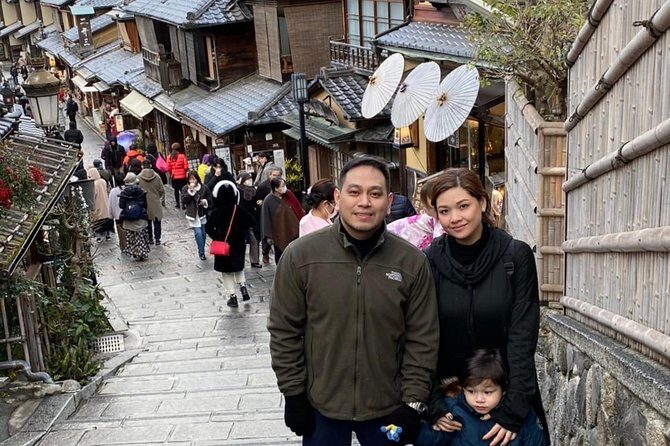
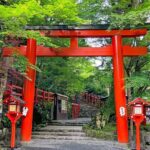
If you’re picturing a tea ceremony as a quiet room with no context, this one gives you place and meaning. You’re in Kyoto’s temple area, close to Daitoku-ji, and the overall experience is connected to the Imamiya Jinjya neighborhood vibe people come to Kyoto for.
The day moves at a human pace. The whole experience runs about 1 hour 30 minutes, and the group stays limited to 12 travelers. That matters because tea culture is slower by design, and small groups make it easier to ask questions and get individualized guidance.
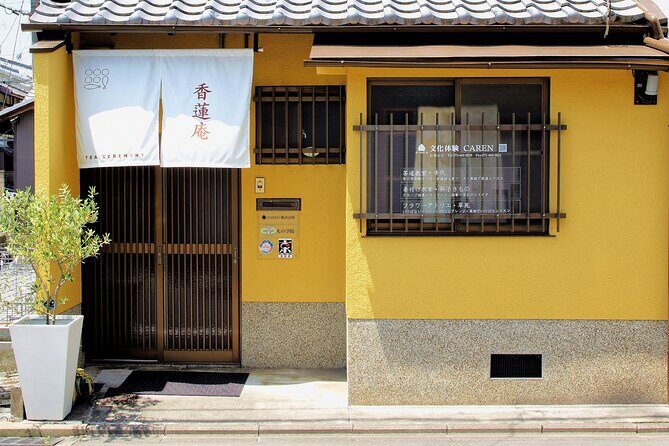
You’ll meet at Tea Ceremony – Caren at 74-4 Murasakino Daitokujichō, Kita Ward, Kyoto. From there, the staff leads the flow: dressing, photos, and then the ceremony portion in the tea room. If you’re using Kyoto public transit, this setup is friendly for getting there without needing private transportation.
You can also read our reviews of more tours and experiences in Kyoto.


Choosing a Kimono in Nishijin and Getting Hair Set
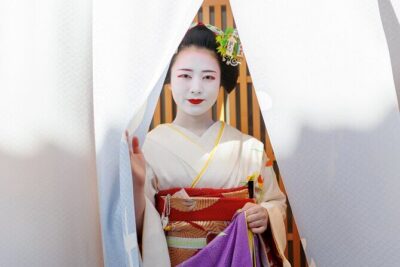
This isn’t a flimsy costume moment. You pick your kimono from a collection in Nishijin, Kyoto, then the team helps you get into it correctly. Nishijin is known for Kyoto textile traditions, so even before tea starts, you’re already touching the craft side of the culture.
What I like about this approach is the timing. You choose first, then you get hair set before the kimono is fully put on. That sequence helps everything look cohesive in your photos and makes the outfit feel complete rather than random pieces slapped together.
The dressing process is multi-step. You may notice how much work goes into fitting a kimono properly and how many layers are involved. That’s a big part of why people leave feeling like they gained respect for the clothing itself, not just a souvenir photo.
If you’re planning what to wear under the kimono, I’d aim for something easy to remove and re-wear. A kimono day is simpler when you’re not wrestling with complicated outfits. Also, think ahead about the color you want, because you’ll be asked what you prefer and the team works efficiently once your pick is made.
Meaning Behind Patterns and the Photo-Friendly Fit
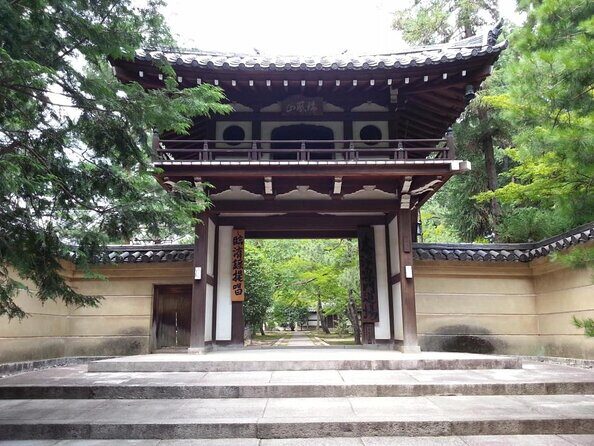
Before tea, you get a short photo setup. It’s not a long, stiff “stand here” session. It’s a simple photo shoot that fits into the overall rhythm of the day, and the staff helps you pose so you don’t have to figure it out on your own.
There’s also explanation during the experience, including commentary on the history of tea ceremonies and the meaning behind different kimono patterns. That part is what separates this from a purely performative event. You’re not only wearing traditional clothing—you’re being taught how to read the details.
I also appreciate how the staff handles the practical side of looking good in a kimono. Reviews talk about attendants who take care with photos and comfort, and that tracks with what the program is designed to do: help you look authentic, not awkward.
If you want the photo results to feel less staged, bring a calm mindset. Tea ceremony days reward patience. You’ll get better pictures because you’re moving slower and letting the staff guide the moment.
Inside a Tea Room Used for Three Generations
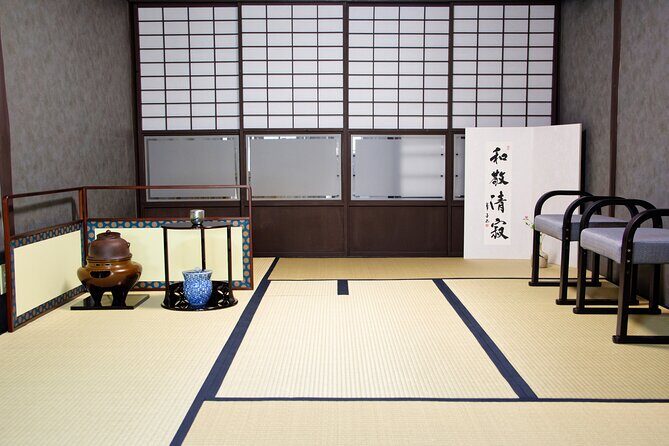
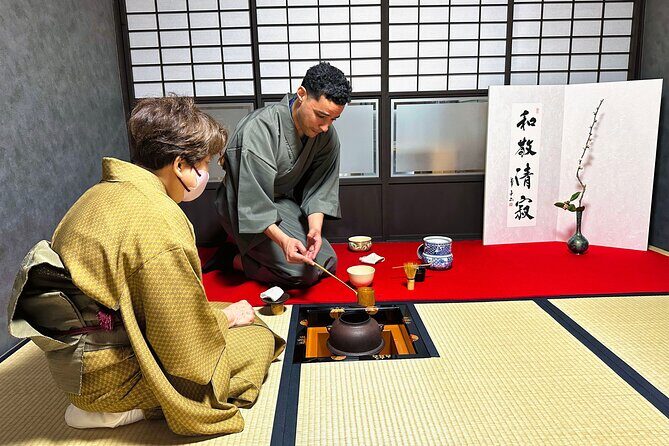
After you’re dressed and styled, you step into a tea space that’s described as being used for three generations. It’s also noted as being a bit old, but in a way that feels lived-in rather than sterile. The good news: they’re focused on making you comfortable even if the room isn’t brand new.
This is one of those details that affects the vibe. A room with history tends to feel less like a set and more like a real place where tea culture is practiced. And since the tea room is located near Daitoku-ji, you’re surrounded by the kind of Kyoto atmosphere that makes tea feel logical, not random.
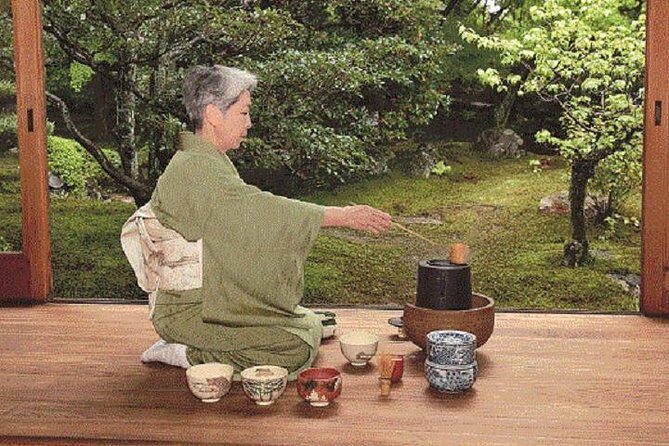
The ceremony itself is guided by a tea master who has studied for 30 years. That’s a strong signal that you’re watching something formal, but the coaching around it is meant to be understandable. You’ll also have seasonal sweets alongside your tea, which helps the experience feel like more than matcha tasting. It’s about seasonal balance and the full sensory moment.
Some sessions include walking as part of the day. One of the best ways to make the ceremony feel special is that it’s not just happening in place—you’re moving through a temple setting as part of the day’s flow. That small bit of “getting there” can make the ceremony feel like an event, not a ticketed stop.
How You Learn Tea Etiquette Step by Step
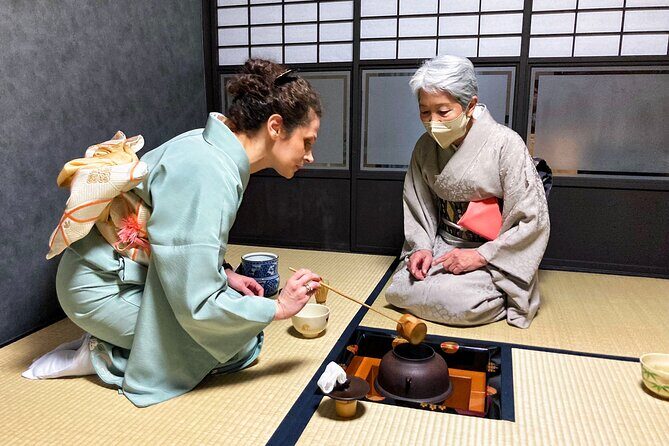
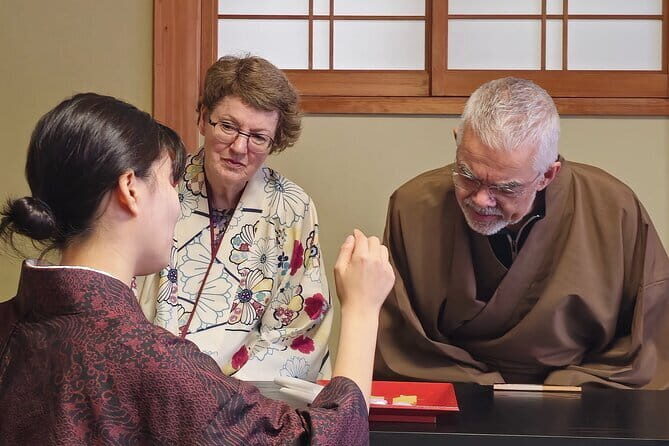
Tea ceremonies have rules, but you don’t need to already know them. The structure here is designed for first-timers. You’ll learn the basics of how the ceremony works, including Japanese manners you should use while participating.
The guide provides commentary on the history and meaning behind the ritual, and that helps you understand why the movements matter. Tea culture isn’t about speed or performance. It’s about attention—what you do with your hands, how you sit, how you accept and enjoy the cup, and how you behave during the shared moment.
In past sessions, the translation and guidance have been handled by hosts and interpreters, including names like Akira and Mera in some group experiences. Even if you don’t get the same people, the format is consistent: friendly instruction, clear explanation, and time to process what you’re seeing.
Expect a blend of demonstration and explanation. You’ll watch the tea master prepare tea, then follow along with learning about etiquette and ceremony steps. It’s calm and respectful, but it’s also not so formal that you feel lost.
One practical note: tea ceremonies ask you to slow down. If you’re the type who hates being quiet or sitting still, you might find it challenging. But if you can meet the pace halfway, you’ll feel the “why” behind the ritual.




Brewing Your Own Cup of Japanese Tea
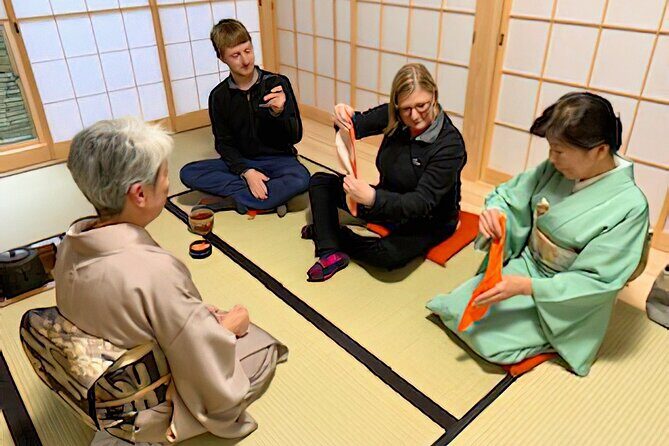
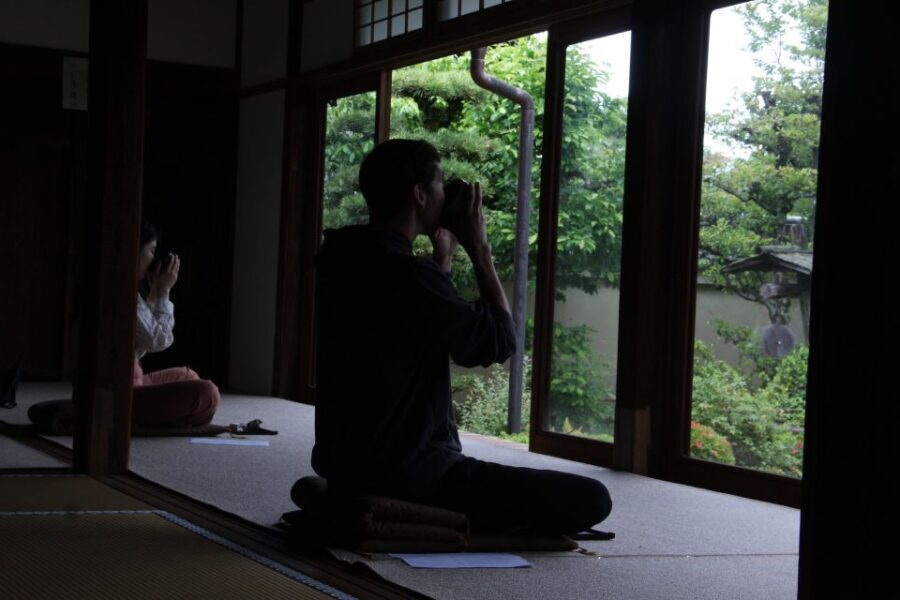
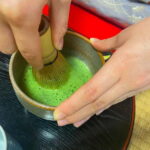
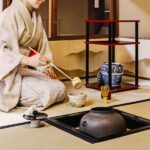
This is the part that turns a pretty experience into a memory with real meaning. After you taste the tea and seasonal sweets, you get the chance to prepare your own tea.
The staff doesn’t just hand you tools and hope for the best. You’re taught how to brew, and the guidance helps you connect the steps you watched with what you’re doing yourself. That connection makes the etiquette lessons stick.
If you’re worried you’ll be clumsy, don’t be. This is practiced learning, not a test. People who are nervous usually relax once they realize the goal is understanding and participation, not perfection.
What I find valuable is that you leave knowing the difference between ceremonial tea and casual tea. You learn how much thought goes into each movement and how the ritual supports a calmer way of being. Even a short session can change how you look at matcha back in your hotel.
And yes, you’ll have a cup to enjoy. Tea, sweets, and the chance to brew makes this feel like a full cultural activity, not a lecture and a snack.
Price and Value: What $99.49 Really Buys
At $99.49 per person, you might wonder if this is a lot for tea. Here’s the honest breakdown of what you’re paying for: outfit, labor, instruction, and access to a formal setting.
You’re not just buying a demonstration. You’re paying for authentic kimono selection, assistance putting on the kimono, hair styling, and guidance on what you’re wearing. That alone is expensive work, especially when the team manages it for multiple people in a small group.
You’re also paying for expert teaching. A tea master with decades of study leads the ceremony, and there’s professional instruction throughout. Plus, your experience includes coffee and/or tea and the ceremony includes seasonal sweets, which makes it feel complete rather than token.
Finally, you get photo opportunities as part of the process. The photos matter because you’re fully dressed, styled, and guided. If you’ve ever tried to do kimono photos on your own and ended up with stress and bad angles, you’ll appreciate having staff help you handle it properly.
The main “cost” side is time and comfort, not money. Plan for a slower pace and some physical constraint from the kimono. If that doesn’t sound appealing, you’ll feel the friction more than the joy.
Comfort Notes and Best-Fit Guests
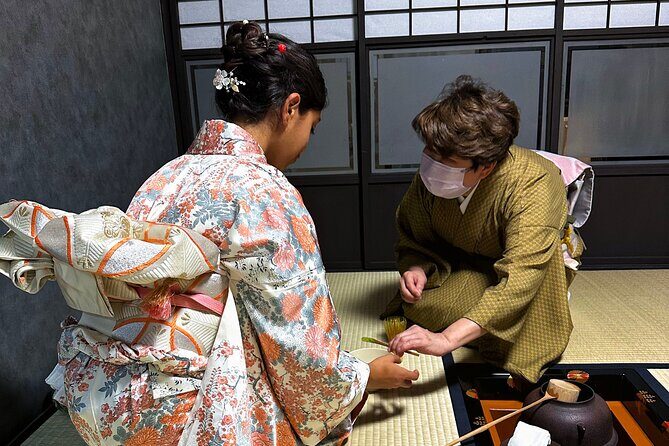
This experience fits best if you want hands-on cultural participation. If you’ve never done a tea ceremony or you’ve never worn a kimono, this is a strong first step because the staff handles both sides: clothing and ceremony.
It’s also a good choice for families. Some groups include teenagers who still enjoy it when the experience is explained clearly and photos are handled with care. Couples often like it too because it feels romantic and symbolic, especially with a calm temple setting.
If you’re traveling solo, small-group structure helps. You’re not treated like an afterthought, and the chance to make tea yourself gives you an easy way to participate without needing a partner.
Who might want to think twice?
- If you strongly dislike getting dressed with help
- If you need lots of movement during your activity
- If you’re sensitive to feeling constricted by traditional clothing
If any of those are you, I’d still say you can have a good time, but go in with clear expectations.
Practical Tips to Make Your Day Go Smooth
A few small choices can make a big difference in how relaxed you feel.
First, arrive with time to settle in. Getting dressed takes effort and the team needs a moment to work efficiently when everyone shows up. If you can get there early, it reduces the “everyone arrived at once” pressure.
Second, decide what you want before you arrive if you have preferences. The experience involves choosing a kimono based on color and pattern, and the team will ask you what you like. Having an idea helps the process move faster and makes you feel more confident.
Third, plan your footwear. You’ll be in Kyoto, so you’ll likely be doing a bit of walking around the ceremony area. Your kimono experience will be calmer if your legs feel comfortable before you step into the formal setting.
Finally, go in expecting calm. Tea is a slow practice. If you treat it like a checklist, it can feel long. If you treat it like a guided moment, you’ll get more out of the etiquette lessons and the hands-on brewing.
Should You Book This Kyoto Kimono Tea Ceremony?
I think you should book it if you want a Kyoto experience that’s more than a photo stop. The kimono selection and dressing support turn the outfit into part of the cultural story, and the tea master instruction makes the ceremony feel authentic and serious without being inaccessible.
Skip it if you’re mainly chasing a casual souvenir activity. This is structured, formal, and time-based. The kimono isn’t optional once you’re in it, and the best results come when you accept the slower pace.
My final take: for most first-timers, this is one of the best ways to understand tea culture quickly, respectfully, and hands-on. When you can dress in kimono, sip matcha, learn the manners, and then brew your own cup in the space near Kyoto temples, it’s hard to beat the value.
FAQ
How long is the Kyoto kimono tea ceremony experience?
It lasts about 1 hour 30 minutes.
What does the price include?
The experience includes coffee and/or tea and instruction from a professional instructor. The kimono experience includes help choosing and putting on a kimono, plus hair styling and photo time as part of the program flow.
Where is the meeting point?
Meeting is at Tea Ceremony – Caren, 74-4 Murasakino Daitokujichō, Kita Ward, Kyoto, 603-8231, Japan.
How big are the groups?
The experience has a maximum of 12 travelers.
Is private transportation included?
No, private transportation is not included.
Is there a mobile ticket?
Yes, it’s a mobile ticket.
What happens if the weather is bad?
If it’s canceled due to poor weather, you’ll be offered a different date or a full refund.
Is there a minimum number of travelers?
Yes. If it’s canceled because the minimum isn’t met, you’ll be offered a different date/experience or a full refund.
What is the cancellation policy?
Free cancellation is allowed up to 24 hours in advance for a full refund. If you cancel less than 24 hours before the start time, the amount paid will not be refunded.