REVIEW · TEA CEREMONY EXPERIENCES
The Art of Mindful Living: Tea Ceremony in Kyoto
Book on Viator →Operated by maiyuur culture retreat · Bookable on Viator
Matcha can slow down a Kyoto afternoon. In a Japanese old house in Kyoto, I love the organic Ujimatcha and the calm Japanese garden that makes photos feel easy, not rushed. One thing to consider: this spot is a bit removed from central Kyoto, so plan travel time.
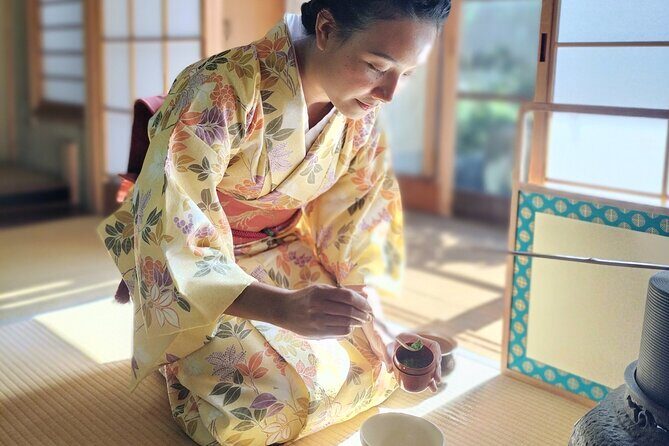
This experience is about mindful pacing in real life. You’ll sit in the tea-room setting, learn how matcha works (history, types, and how to drink it), enjoy matcha with Japanese sweets, and then make your own bowl. And if you’re traveling with kids, you’re not stuck with matcha-only—there’s cocoa for children instead.
In This Review
- Key Things I’d Put on Your Must-Do List
- A Kyoto Tea Ceremony in an Old Residence and Garden Setting
- What Happens in Your 1-Hour Tea Ceremony Session
- The lesson part (matcha basics you can actually use)
- Watch the ceremony with matcha and sweets
- Then you make matcha yourself
- Matcha, Japanese Sweets, and How They Handle Food Needs
- The sweets you can choose from
- Organic Kyoto Uji matcha (and what to expect)
- Vegan and allergy-friendly accommodations
- No alcohol
- Timing, Photos, and That Quiet Garden Moment
- Price and Value: Is $44.42 a Fair Deal?
- Kimono Rental in Kyoto: Costs, What’s Included, and What to Expect
- Private Sessions and Group Size: When It Makes Sense
- Logistics That Matter in Kyoto: Getting There Without Stress
- Who This Tea Ceremony Suits (and Who Might Skip It)
- Should You Book The Art of Mindful Living Tea Ceremony in Kyoto?
- FAQ
- How long is the tea ceremony experience?
- What’s included in the price?
- Can the sweets be made vegan or adjusted for allergies?
- Do children need to drink matcha?
- Is there alcohol served during the ceremony?
- Can I rent a kimono or similar clothing, and what does it cost?
- Can I book a private tea ceremony?
- What if the weather is bad or I need to cancel?
Key Things I’d Put on Your Must-Do List
- Organic Ujimatcha made in Kyoto: the session is built around high-quality matcha, not just a quick tasting.
- Tea ceremony + sweets + hands-on matcha: you don’t only watch; you participate.
- Vegan and allergy-friendly options: you can plan your sweet confidently.
- Optional kimono, plus photo props: add ¥4000 kimono for the full Kyoto look, and use traditional umbrella/photo items.
- Small group feel: group sessions max at 6, with flexibility for larger groups.
- Children get cocoa: a practical choice for families, so the kids aren’t just waiting.
A Kyoto Tea Ceremony in an Old Residence and Garden Setting
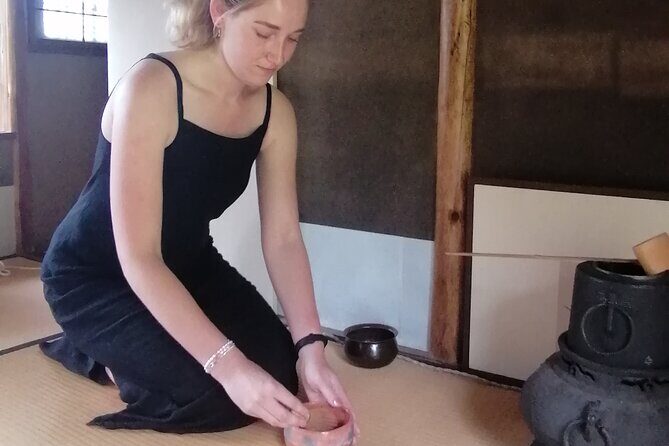
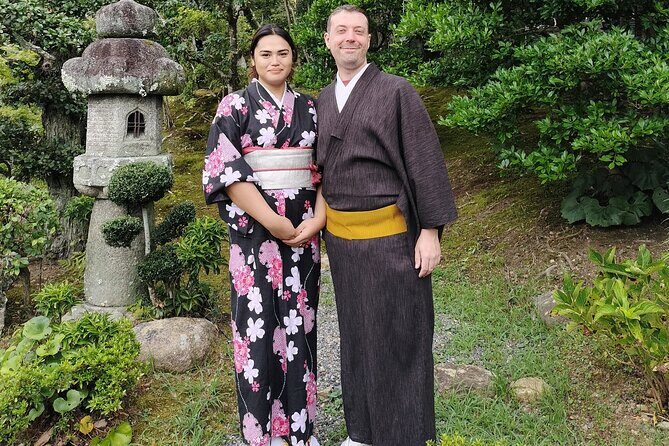
This isn’t the kind of tea ceremony that feels staged in a busy showroom. You’ll be in a Japanese old residence with a dedicated tea-ceremony room and access to a beautiful Japanese garden for photos before things begin.
The garden matters more than it sounds. When you arrive, you’re not immediately stuck indoors. You get a few minutes to step into a quieter rhythm—good if your Kyoto day is already packed with temples, crowds, and photo lines. The whole experience leans into calm: chairs are provided, and the ceremony pace gives you time to absorb what’s happening instead of just collecting stamps.
One small practical note: you can enter the property with a stroller, but you can’t bring it inside the building. If you’re traveling with little ones, you’ll want to be ready to fold or leave it at the appropriate spot.
You can also read our reviews of more tours and experiences in Kyoto.



What Happens in Your 1-Hour Tea Ceremony Session
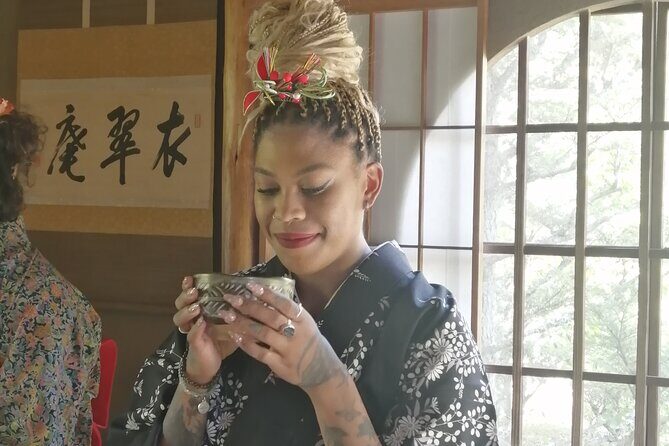
The total time is about 1 hour, so it’s realistic even if you have a tight Kyoto schedule. Here’s how the flow typically feels—structured, but not rigid.
The lesson part (matcha basics you can actually use)
You’ll get an explanation that covers:
- the tea ceremony itself
- matcha’s effects and why people treat it like more than a drink
- types of matcha and Japanese tea
- how to drink matcha properly
This is the part that makes the rest click. Instead of sipping matcha like it’s just a taste test, you learn what to notice—texture, aroma, and the reason the ritual matters.
Watch the ceremony with matcha and sweets
While the ceremony runs, you’ll enjoy matcha along with Japanese sweets. The setting is set up so you can see what’s happening without craning your neck or trying to squeeze around other people.
Then you make matcha yourself
The best part for many people is that you don’t just sit there—you get to try making matcha tea. That hands-on step turns matcha from a concept into something you can repeat later at home.
Even better: the host explains what you’re doing as you do it, so you don’t feel like you’re guessing. In this kind of activity, that guidance is the difference between fun and frustration.



Matcha, Japanese Sweets, and How They Handle Food Needs
In many Kyoto tea experiences, sweets are an afterthought. Here, they’re part of the rhythm.
The sweets you can choose from
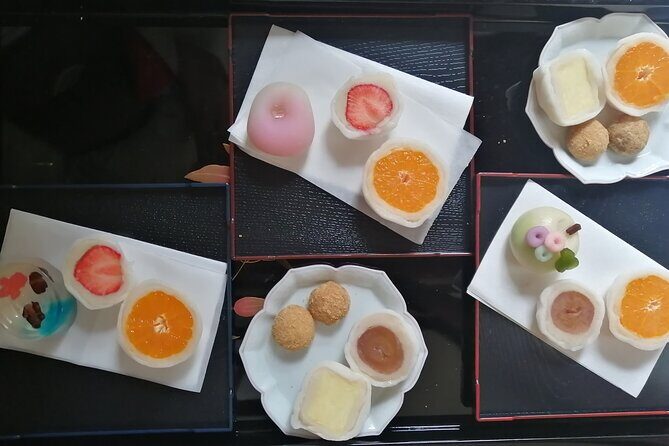
One Japanese sweet is included in the price. You can choose from:
- a traditional bean-paste sweet cake
- fresh fruit daifuku
If you want both, there’s an additional fee of ¥500 per person. That’s a nice option if you’re the type who wants to taste more than one style, but it also gives you permission to keep it simple.
Organic Kyoto Uji matcha (and what to expect)
The matcha is described as organic Ujimatcha made in Kyoto. In plain terms, you should expect a proper matcha taste—earthy, with that characteristic grassy depth—served in a ceremonial way.
Also, it’s not treated like a luxury souvenir matcha. It’s treated like a practical ingredient in a ritual. That’s why the lesson portion helps: you learn how to drink it so you can appreciate the quality.
Vegan and allergy-friendly accommodations
If you have food restrictions, this is one of the most reassuring points about the experience. The sweet offering can be accommodated for food allergies and vegan needs.
No alcohol
Alcoholic beverages aren’t included. So if you’re hoping to pair tea with a drink, you’ll need to plan elsewhere.
Timing, Photos, and That Quiet Garden Moment
You’re allowed to take photos during the tea ceremony. You also have a chance to enjoy photos before the ceremony in the garden.
That matters in Kyoto, where the most beautiful moments sometimes happen while you’re still hunting for the right light. Here, the photo time is built in, so you’re not scrambling.
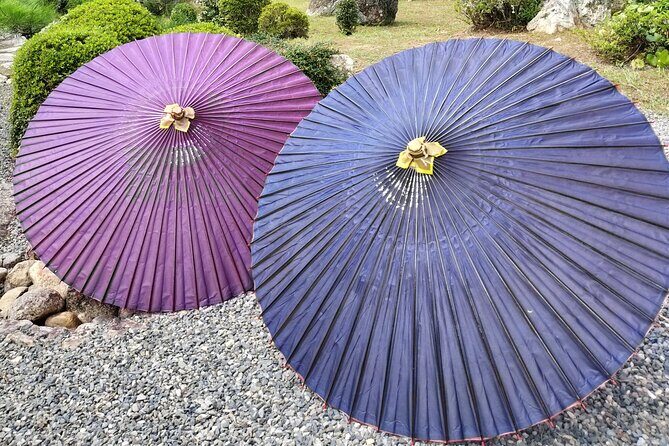
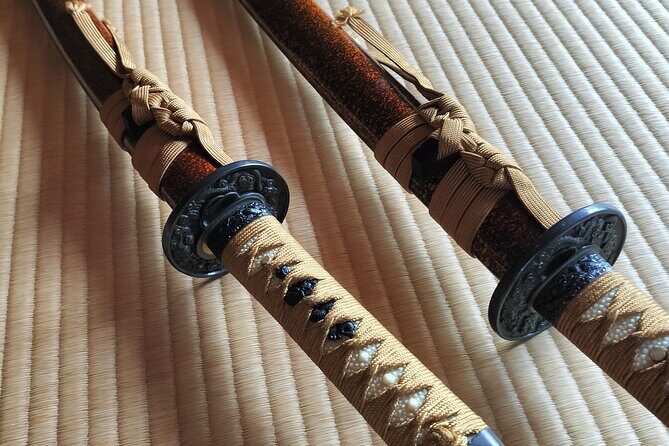
There’s also a fun special photo option: guests can use a traditional umbrella and an imitation sword for taking pictures only. It’s a small add-on, but it’s the kind of detail that turns a cultural activity into a memory you’ll actually want to show.
Rain note: if it’s raining, plan to take photos while holding an umbrella. It also isn’t possible to take photos in the kimono when it’s raining and you’re getting wet without an umbrella. In other words: think practical first, then style.
Price and Value: Is $44.42 a Fair Deal?
At $44.42 per person, you’re paying for more than a sip of matcha. For a one-hour activity, the value comes from the combination:
- organic Kyoto Uji matcha
- Japanese sweets (one sweet included; choice of bean-paste cake or fresh fruit daifuku)
- instruction on the ceremony and matcha basics
- time to observe and then make matcha yourself
- snacks included
You also get the atmosphere: a tea room, a garden for photos, and a small-group setting. If you’re the kind of traveler who values calm, slower experiences, that environment is part of the product—not just decoration.
What can add cost:
- Want both sweets? Add ¥500 per person.
- Want kimono or hakama? That’s extra (more below).
So my take: the base price feels fair because it includes the structured learning plus the hands-on part. If you’re going to pay for matcha anywhere in Kyoto, this format is one of the most complete ways to do it.
Kimono Rental in Kyoto: Costs, What’s Included, and What to Expect
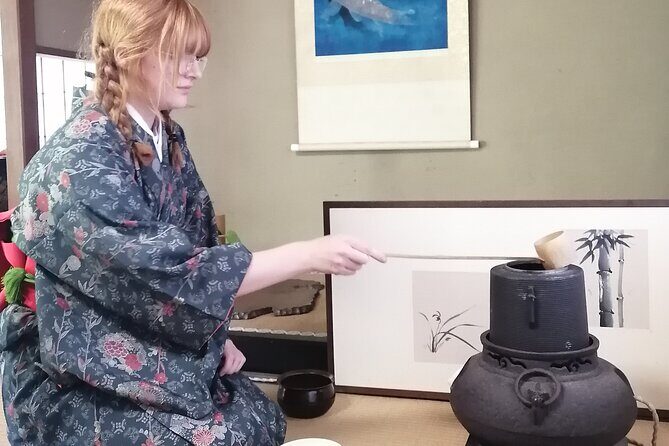
If you want the classic Kyoto look, you can add kimono rental while you do the ceremony. Options include:
- Kimono: ¥4000
- Hakama: ¥8000
- Baby romper-type kimono: ¥600
- Undershirt rental: ¥200
Two important practical details:
1) There’s no hair set and no make-up included.
2) For kimono wearers, hair accessories are prepared so you can use them freely.
Also, expect a little extra time and effort compared with normal clothes. Kimono is part of the experience, but it’s not a drop-in costume. If you’re very time-crunched, it can be worth considering whether you want the photos or the freedom of moving without fabric constraints.
Finally, there’s a photo reality check: if it’s raining, umbrellas are key for photos while wearing a kimono.
Private Sessions and Group Size: When It Makes Sense
Group sessions are limited to a maximum of 6 travelers, though the experience can accommodate sessions with more than 6 participants.
If you want more personal attention—or you’re coming with a family group that benefits from a calmer pace—private sessions are available, but you’ll need to contact in advance.
There’s also the umbrella and imitation sword photo option for taking pictures. In a smaller setting, that kind of detail tends to feel less like a “tick-box” and more like part of the memory-making.
Logistics That Matter in Kyoto: Getting There Without Stress
The meeting point is at Kaze no Waon, 14 Utanokitanoinchō, Ukyo Ward, Kyoto, 616-8201, Japan. The location is near public transportation, but it’s not in the densest downtown area.
So here’s the practical advice: build in travel time. This is one of those activities where arriving late is annoying because the garden photo window and the ceremony timing both matter.
If your day is temple-heavy and you’re moving around a lot, consider making this a mid-day anchor rather than stacking it right after a long, crowded stop.
Who This Tea Ceremony Suits (and Who Might Skip It)
I think this is a great fit if you want:
- a calm Kyoto moment away from rush
- to learn matcha properly instead of treating it like a quick taste
- a hands-on activity where you actually make matcha
- a family-friendly tea option (kids get cocoa)
- photo time in a garden setting
- vegan or allergy support for the sweet
You might skip or rethink it if:
- you strongly prefer central Kyoto neighborhoods and hate extra transit time
- you’re only looking for a fast photo and don’t care about the lesson or hands-on step
- you’re expecting alcohol pairings (those aren’t part of this experience)
Should You Book The Art of Mindful Living Tea Ceremony in Kyoto?
If you like thoughtful, structured experiences with real participation, I’d book it. For the money, you’re getting organic Kyoto Uji matcha, a proper sweet pairing, guided matcha-making, and a serene garden setting that makes Kyoto feel quieter for an hour.
Add kimono if you want the visual story. Skip kimono if you want maximum comfort and minimum hassle. Either way, the core value is the same: you leave with a matcha routine you can actually repeat at home, not just a photo.
If you’re traveling soon, I’d plan ahead. The activity tends to book out about 13 days in advance on average, so don’t leave it to the last minute.
FAQ
How long is the tea ceremony experience?
It lasts about 1 hour.
What’s included in the price?
You’ll receive snacks and you get one Japanese sweet included (choice of traditional bean paste sweet cake or fresh fruit daifuku).
Can the sweets be made vegan or adjusted for allergies?
Yes. The experience states it can accommodate food allergies and vegan options.
Do children need to drink matcha?
No. The experience offers cocoa for children instead of matcha.
Is there alcohol served during the ceremony?
No. Alcoholic beverages are not included.
Can I rent a kimono or similar clothing, and what does it cost?
Yes. Kimono rental costs ¥4000. Hakama rental is ¥8000. Baby romper-type kimono rental is ¥600, and an undershirt rental is ¥200. Hair set and make-up are not included.
Can I book a private tea ceremony?
Yes. Private sessions are available, but you need to contact before booking.
What if the weather is bad or I need to cancel?
The experience requires good weather. If it’s canceled due to poor weather, you’ll be offered a different date or a full refund. You can cancel for a full refund up to 24 hours in advance.
If you want, tell me your travel dates and whether you’re considering kimono or a private session, and I’ll suggest the smoothest way to fit it into your Kyoto day.