REVIEW · WORKSHOPS
Sekka Cotton Furoshiki Class
Book on Viator →Operated by Kyoto Shibori Museum · Bookable on Viator
You can dye your own Kyoto souvenir in an hour. This private sekka shibori class at the Kyoto Shibori Museum teaches you how to fold and dye a cotton furoshiki, then uses the waiting time to turn the lesson into a mini museum visit. I especially like the hands-on craft you finish with a real keepsake, and I like the calm, guided museum time that makes the technique feel bigger than a demo. The one potential drawback: the dyeing part can feel a bit standardized and quicker than you might expect if you’re hoping for a deeper, slower, more complex workshop.
Because it’s private, you’re not squeezed into a big group rhythm. You’ll work directly with an instructor on a specific cloth size (86cm x 89cm) and a specific method, then spend about 30 minutes waiting for your fabric to dry while you learn about shibori. If you’re short on time in Kyoto but still want a true craft experience—not just sightseeing—this format works well.
In This Review
- Key Points to Know Before You Go
- Sekka Shibori in One Hour: What You Really Make
- Kyoto Shibori Museum: Timing Your Visit Around Dye Time
- The Folding-and-Dye Process for Your Cotton Furoshiki
- Color Choice and the 86cm x 89cm Souvenir Size
- Learning Shibori While Your Fabric Dries
- Museum Shop Reality Check: Budget for Beautiful Textiles
- Who This Fits Best (And Who Might Want More Time)
- Price, Timing, and the Value of a Private Lesson
- Getting There, What to Bring, and What to Expect Day-Of
- Should You Book Sekka Cotton Furoshiki Class?
- FAQ
- How long does the Sekka Cotton Furoshiki class take?
- Is this class private or shared with other people?
- What exactly will I dye?
- What happens while the fabric is drying?
- Where does the class take place?
- Do I receive a ticket on my phone?
- How much does it cost?
- What languages support is available?
- Can I cancel for a full refund?
Key Points to Know Before You Go
- Private lesson for your group keeps the pace personal and question-friendly
- Sekka shibori focuses on folding and dyeing a cotton furoshiki using boards and dye
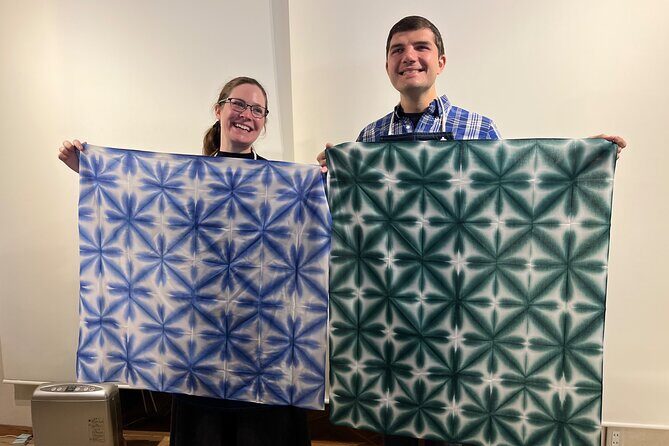
- You get a finished souvenir: a cotton furoshiki sized 86cm x 89cm
- Dyeing + museum time: about 30 minutes of drying comes with shibori learning upstairs
- Plan for extra spending if you love textiles and museum shop items
Sekka Shibori in One Hour: What You Really Make
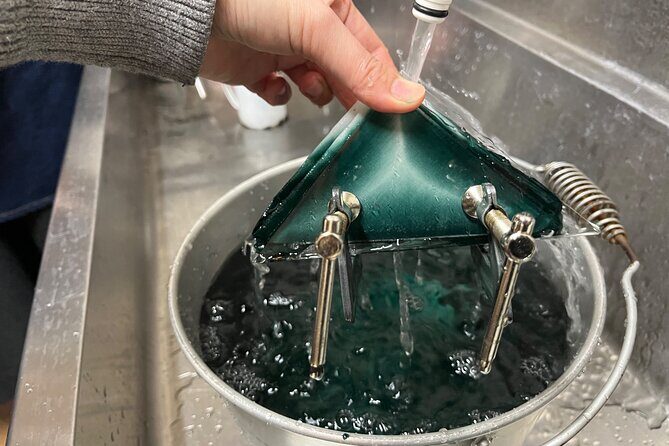
If you want a Kyoto memory you can actually hold, this class is built for you. You dye a cotton furoshiki (wrapping cloth) using the sekka shibori method, so you’re not just watching color theory—you’re making a piece you can wrap with.
The class runs about 1 hour, and the museum-style “waiting time” matters. The dye needs time to dry, so your workshop isn’t stuck in a silent pause. Instead, you shift into learning and browsing while your fabric sets.
Price-wise, it’s $43.35 per person, which is pretty reasonable when you factor in materials and the finished cloth you take home. For Kyoto, you often pay more for shorter experiences that end with nothing physical.
You can also read our reviews of more tours and experiences in Kyoto
Kyoto Shibori Museum: Timing Your Visit Around Dye Time
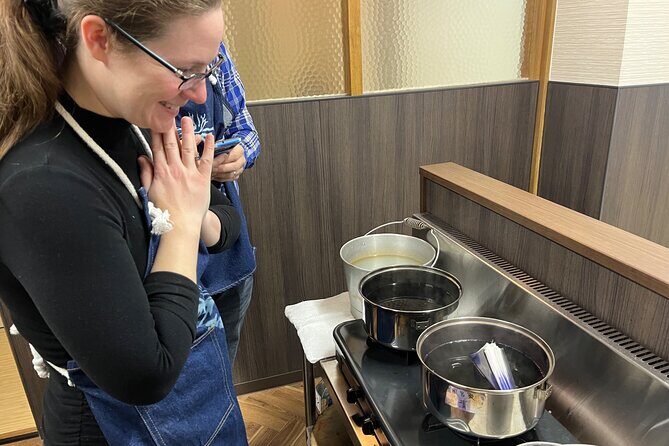
Your stop is the Kyoto Shibori Museum, at 135-5 Shikiamichō, Nakagyo Ward. The activity ends back at the meeting point, so you’re not left darting across town afterward.
The schedule is simple and practical:
- You start by preparing the folded cloth for dyeing.
- You dye it.
- You wait about 30 minutes for drying.
- During that wait, you tour shibori displays and browse tools, art pieces, and samples.
- Then you move on with your class and take your finished souvenir home.
This is a smart setup for jet-lagged days or tight sightseeing itineraries. You get a full craft “arc” in about an hour, without needing a half-day commitment.
The museum is also described as near public transportation, which is a real help in Kyoto. You can fit this into a day when your feet are already doing overtime.
The Folding-and-Dye Process for Your Cotton Furoshiki
This isn’t a vague craft class. You learn a specific technique and do it step by step. First, you choose your preferred color, then you fold your fabric in the way needed for sekka shibori.
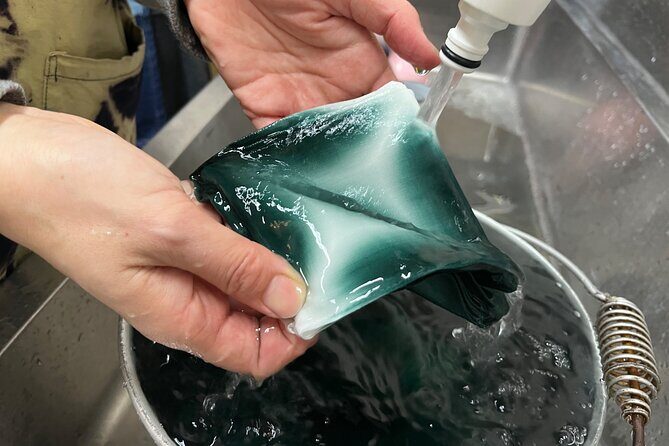
After folding, the fabric goes between two boards. That board-and-fold structure is one of the key ideas behind shibori: the cloth is shaped so the dye hits in controlled patterns instead of spreading evenly.
Then comes the dyeing. You’ll see how the instructor guides the process, and you’ll get the sense that the method is repeatable even if you’re doing it for the first time. For many people, that “I can actually do this” moment is the whole point.
One fair heads-up: the hands-on portion can feel a little standardized, and some people find it more straightforward than they expected. If you’re an advanced textile maker looking for a long, highly experimental session, you may wish the dyeing phase lasted longer. If you’re new to shibori, the clarity is a plus.
Color Choice and the 86cm x 89cm Souvenir Size
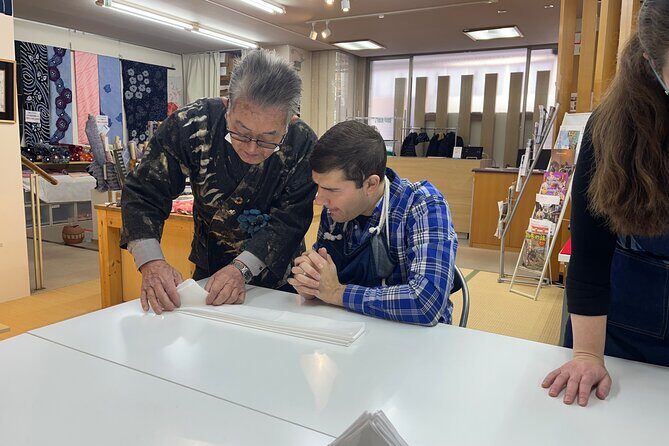
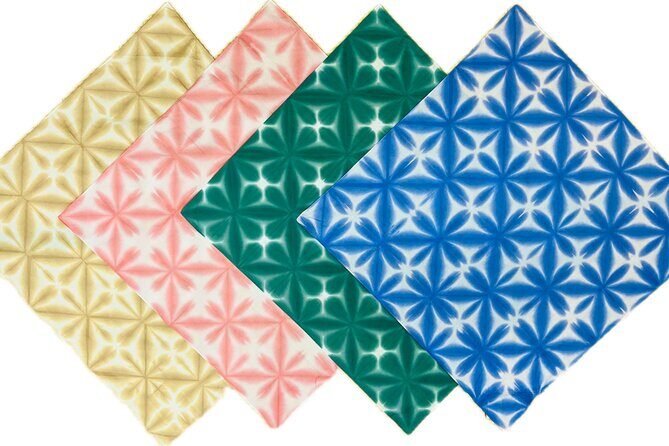
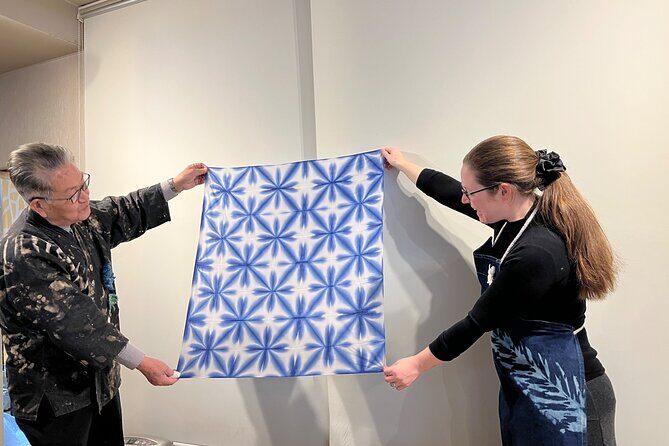
You’ll dye a cotton furoshiki sized 86cm x 89cm. That’s a meaningful detail because it tells you what you’re making: not a tiny sample, not a coaster-sized project, but a real cloth with enough size to be used or shown.
The class is designed so you leave with a finished item. That’s important in Kyoto, where craft workshops can sometimes end with you returning later for pickup. Here, you’re working toward something you can take away as your souvenir from the city.
If you like the idea of bringing home something practical (not just a postcard), this checks that box. A furoshiki can be used for wrapping, storing, or gifting, and it’s also a visual reminder of learning technique—not buying something finished.
Learning Shibori While Your Fabric Dries
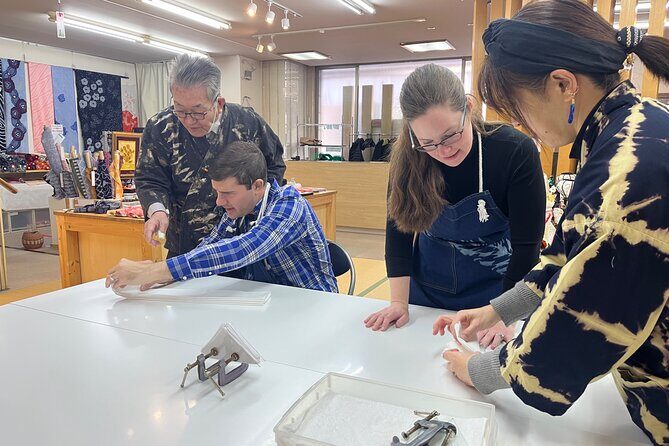
Here’s where the experience becomes more than a single action. Once the dye is done, your fabric needs time to dry—about 30 minutes—and you use that time for learning.
You’ll browse shibori art pieces, tools, and samples displayed in the museum. This matters because it gives context to what you’re doing. Instead of treating folding and dyeing like a one-off craft trick, you see how shibori lives in Japanese textiles and artwork.
You also get museum time that doesn’t feel like you’re waiting around. Some people also notice an educational video and a strong display of textile artistry during the museum portion, which helps the whole session click into place.
And if you love seeing process, the museum’s upstairs exhibits and samples can be a highlight. One memorable detail: the museum has an exhibition connected to work by 50 artisans over 50 years, which is the kind of scale that makes the craft feel alive rather than historical museum-only.






Museum Shop Reality Check: Budget for Beautiful Textiles
The museum shop is part of the experience. You can browse fabrics, shibori items, and souvenirs while you’re there.
This is where you may need to plan your spending. People often leave wanting more, because it’s hard to look at textiles like this and not want a few extra pieces. If you do want to shop, give yourself some mental room for it—this class may inspire impulse buys.
The class itself gives you a finished furoshiki, but the shop adds options if you want accessories, fabric, or additional shibori goods to bring home.
Who This Fits Best (And Who Might Want More Time)
This class works especially well if you want:
- a hands-on craft in a short time
- a guided approach to sekka shibori
- a private experience that’s easier to manage than big-group workshops
- a real souvenir made with your own hands
It’s also described as family friendly, and people have done it with teenagers and enjoyed it as a shared activity. If you’re traveling with kids, the clear structure and step-by-step guidance can make it doable without turning into a stressful art project.
On the other hand, if you’re someone who wants a more experimental dye workflow or a longer class with more customization, you might find the dyeing phase too quick and the method too structured. The upside is it’s efficient. The downside is it won’t feel like a long studio session.
Price, Timing, and the Value of a Private Lesson
Let’s talk value in plain terms.
For $43.35 per person, you’re paying for:
- a private lesson for your group
- instruction in the folding-and-board technique
- dyeing and materials
- a finished cotton furoshiki you take home
- about 30 minutes of museum time while the fabric dries
That combination is the value. Many Kyoto workshops charge a similar amount but don’t include the “learn while you wait” museum component. Here, the class keeps moving instead of stalling.
Also, private format matters. You don’t have to guess when your turn is coming or worry about getting clear instructions. It’s a calmer way to learn.
Booking seems typical for an experience like this—you can usually plan ahead, and it’s best to lock it in if your Kyoto schedule is tight. You’ll also get a mobile ticket for this activity, which makes day-of logistics easier.
Getting There, What to Bring, and What to Expect Day-Of
The meeting point is at the Kyoto Shibori Museum, address: 135-5 Shikiamichō, Nakagyo Ward, Kyoto, 604-8261, Japan. Since it ends back at the meeting point, you can treat it as a stand-alone stop without adding extra travel complexity.
The class says it’s near public transportation, which helps. Still, Kyoto can be hilly and walking-heavy, so wear comfortable shoes. You’ll be inside for the workshop, but you’ll likely walk a bit getting there.
As for what to bring: the data doesn’t list specific items, so I’d treat it like a normal museum craft visit. Wear clothes you don’t mind getting a little dye-related risk (even if the process is controlled). Also bring patience for the drying time—this is part of the learning flow.
Most people can participate, but if you have specific mobility needs, it’s smart to check directly since the information provided only says most travelers can participate.
Should You Book Sekka Cotton Furoshiki Class?
Book it if you want a Kyoto experience that’s hands-on, structured, and actually productive. You’ll leave with a real cotton furoshiki (86cm x 89cm), and you’ll understand shibori a lot better because the lesson includes museum time while your cloth dries.
Skip it or reconsider if your goal is a long, highly customizable dye experiment. This is efficient and guided, so advanced makers may want more freedom and more time per step.
If you’re deciding between “another temple photo day” and “a craft you’ll remember,” I’d pick the craft. This one fits well on days when you want something meaningful without turning your schedule into a marathon.
FAQ
How long does the Sekka Cotton Furoshiki class take?
The lesson takes about 1 hour (approximately). The process includes dyeing and a drying period, plus time to explore the museum.
Is this class private or shared with other people?
It’s private. Only your group participates in the lesson.
What exactly will I dye?
You’ll dye a cotton furoshiki (wrapping cloth) using the sekka shibori method. The cloth size is 86cm x 89cm.
What happens while the fabric is drying?
The dyeing portion is followed by a drying period of about 30 minutes. During that time, you learn more about shibori by browsing displays, tools, samples, and art pieces in the museum.
Where does the class take place?
The class takes place at the Kyoto Shibori Museum, located at 135-5 Shikiamichō, Nakagyo Ward, Kyoto, 604-8261, Japan.
Do I receive a ticket on my phone?
Yes. This experience uses a mobile ticket.
How much does it cost?
The price is $43.35 per person.
What languages support is available?
The information provided notes that many individuals in the environment speak English, and the experience includes staff who explain the process and can answer questions.
Can I cancel for a full refund?
Yes. Cancellation is free up to 24 hours in advance for a full refund. If you cancel less than 24 hours before the start time, the payment is not refunded.