REVIEW · WORKSHOPS
Ramen Broth Class by Michelin Guide Shop & Custom Chopsticks
Book on GetYourGuide →Operated by Musoshin Fit inc. · Bookable on GetYourGuide
Ramen starts with the soup. This Ramen Broth Class turns Kyoto’s Gion into a hands-on ramen workshop, with a real recipe you can repeat at home and photo-worthy extras. Two standout perks for me are the tenugui souvenir you use while cooking and the name-engraved chopsticks you get to take home.
The main consideration: it’s not suitable for children under 10 and it isn’t wheelchair-friendly, so check your group fit before you book.
In This Review
- Key Highlights Worth Your Time
- Kyoto’s Gion Meets Michelin-Recognized Ramen
- Price and what you really get for $58
- What Happens in the First 15 Minutes: Names, Chopsticks, and Chef Gear
- Heads-up before you show up
- The Broth Lesson (About 40 Minutes): How Ramen Really Starts
- Why this “broth-first” order is a smart teaching choice
- Noodles Time: Fresh Homemade Noodles From a Nearby Factory
- Toppings and Chashu: Two Styles of Pork, One Special Sauce
- A small but important detail: toppings are part of the lesson
- The Photo Spot and the Souvenir System
- Shipping note if you want items delivered
- Timing: 90 Minutes That Don’t Feel Stretched
- Who This Ramen Broth Class Is For (and Who It Might Not Fit)
- What You’ll Be Able to Do at Home
- Should You Book It? My Practical Take
- FAQ
- How long is the ramen broth class?
- Where does the class take place?
- What is the price per person?
- What souvenirs do you get?
- What dietary options are available?
- What languages is instruction offered in?
- What should I bring?
- Is this class appropriate for kids or wheelchair users?
Key Highlights Worth Your Time
- You’ll make broth you can actually reproduce: a clear ramen base process, not just a quick demo.
- Name-engraved chopsticks are the memorable souvenir: they personalize the chopsticks with your name via a special machine.
- Tenugui + apron = real chef roleplay: wrap the head towel and you’ll feel part of the kitchen flow.
- Fresh noodles from the nearby noodle factory: the class uses homemade noodles made at Musoshin’s local facility.
- Two chashu styles, one of them only here: pork belly chashu (1-day prep) and pork cartilage chashu (pressure-cooked, special sauce).
- Dietary options include vegan and gluten-free: and there are options beyond toppings.
Kyoto’s Gion Meets Michelin-Recognized Ramen
If you’re the type of traveler who wants more than a one-time meal, this class hits the sweet spot. You’re not just tasting ramen in a pretty neighborhood—you’re learning how ramen starts: with the broth.
Musoshin is backed by Michelin Guide Shop credibility and has earned Michelin recognition in Toronto for four years. That matters because ramen isn’t just flavor; it’s process. You’ll learn the structure behind it: how long things need to cook, how to season, and what makes the final bowl taste like ramen rather than “hot noodle soup.”
Also, this is a good class for people who like food theater but still want substance. You’ll cook, you’ll eat, and you’ll walk away with practical tools (and souvenirs) that keep the memory alive.
You can also read our reviews of more guided tours in Kyoto

Price and what you really get for $58
$58 for 90 minutes in Kyoto isn’t a bargain compared with a street snack. But it is a fair price when you look at the package:
- You get a full ramen broth-making session.
- You eat ramen you made.
- You receive multiple take-home items: name-engraved chopsticks and a tenugui used during cooking.
- The class includes fresh noodles and handmade toppings prepared by the chefs.
For comparison, a good ramen dinner is often expensive in Kyoto. This class bundles the dinner plus the cooking education plus personalized souvenirs, which is where the value lands.
What Happens in the First 15 Minutes: Names, Chopsticks, and Chef Gear
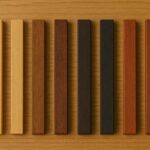
The experience starts with something that feels simple, but it sets the tone: your name. After that, you’ll engrave your name onto a pair of chopsticks using a special machine. Those chopsticks are then placed into a traditional Japanese box, with added color, and presented as a one-of-a-kind souvenir.
That’s a nice touch for two reasons. First, it’s personal, not generic chopsticks you could buy anywhere. Second, it’s a smooth “get-set” moment before you start cooking—your hands stay busy and focused, so the broth lesson doesn’t feel rushed.
Next comes the chef transformation. You’ll receive a Musoshin tenugui (a souvenir head towel). Wrap it around your head, put on a Musoshin apron, and suddenly you’re in chef mode. It’s not just costume. It helps you stay present in the process.
Then, like any serious kitchen class, you wash your hands thoroughly before cooking begins. It’s a small step, but it keeps things clean and comfortable.
Heads-up before you show up
- The class is taught in English and Japanese.
- Comfortable clothes matter. This is cooking, not a museum tour.
- Bring a camera if you want photos of the process and the included photo spot.
The Broth Lesson (About 40 Minutes): How Ramen Really Starts
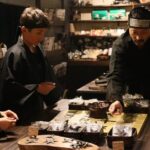
Once everyone is ready, a professional chef teaches you how to make ramen broth that you can recreate at home. The lesson takes about 40 minutes for the soup portion, and it’s built around a straightforward method rather than complicated culinary jargon.
This is the part I’d prioritize if you’re hoping to bring skills back. Nailing the broth is what separates great ramen from mediocre ramen. When you learn the base, you can later adjust toppings, noodles, and seasonings on your own.
Even better, the class isn’t frozen in one style. You’ll have options:
- Gluten-free
- Vegetarian
- Vegan
And there’s strong support for people who want plant-based ramen beyond toppings. You may find that vegan and vegetarian options can include choices for the broth, not only substitutes in the toppings lineup.
You can also read our reviews of more tours and experiences in Kyoto

Why this “broth-first” order is a smart teaching choice
Many cooking classes rush you into the fun stuff (like toppings) and leave the main flavor foundation vague. Here, the broth comes first. That makes your bowl make sense. If the broth is right, everything else is easier to build on.
Noodles Time: Fresh Homemade Noodles From a Nearby Factory
After the broth is ready, you move to the noodles. These aren’t dry supermarket noodles or a random brand pulled from a package. The class uses fresh, homemade noodles crafted at the nearby Musoshin noodle factory.
That detail changes the class. Fresh noodles behave differently than dried noodles: they’re springier, and they absorb broth in a more “ramen way.” When you taste your bowl at the end, it’s easier to understand why ramen shops obsess over noodle texture.
It also helps you when you go home. You’ll know what to aim for: fresh-style chew and spring, not just any wheat noodle.
Toppings and Chashu: Two Styles of Pork, One Special Sauce
Toppings are handmade by the chefs, and they’re sourced from the nearby Musoshin Gion restaurant. That means you’re eating a bowl built like a real shop bowl, not a DIY compromise.
You’ll have two chashu choices:
- Pork belly chashu, carefully prepared over one full day in the kitchen.
This is the slow-care style that tends to create that tender, flavorful slice you see in classic ramen shops.
- Pork cartilage chashu, pressure-cooked for two hours and seasoned with Musoshin’s special sauce.
This version is available only here, which makes it a real “you can’t get this exact bowl anywhere else” moment.
On top, you’ll build your ramen with:
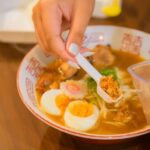
- seasoned soft-boiled egg
- bamboo shoots
- green onions
You’ll then enjoy the ramen you made yourself, which is one of the best parts of this class. Cooking lessons are great, but there’s no better proof than eating the result while it’s hot and fresh.
A small but important detail: toppings are part of the lesson
This isn’t just “watch the chef plate.” You’ll be part of the bowl-making. That makes it easier to remember what belongs where and how it should taste together.
The Photo Spot and the Souvenir System
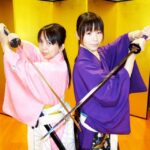
This class includes a special-effects-themed photo spot. It’s not essential, but it’s fun if you like sharing a ramen-making moment without needing to stage everything yourself.
Then there are the souvenirs, and they’re tied to the actual experience:
- Your name-engraved chopsticks
- The tenugui you used during noodle making (your personal souvenir)
These items matter more than typical “class keepsake” objects because they’re integrated into your actions during the workshop. You earn them in the flow of the class.
Shipping note if you want items delivered
If you request delivery of painted items to your next hotel, shipping cost isn’t included. Plan for that if you’re trying to travel light.
Timing: 90 Minutes That Don’t Feel Stretched
The total duration is 90 minutes, which is a comfortable window for a food class. You get:
- chef prep and name/chopstick personalization
- tenugui and apron steps
- the main broth work (about 40 minutes)
- noodle preparation and finishing the bowl
- eating what you made
Since start times vary based on the option booked, you’ll want to pick a time that won’t leave you starving for dinner later—or feeling rushed because you have a strict evening plan.
In practice, it’s a smart daytime or early evening activity, especially if your Kyoto itinerary includes temples and neighborhoods that you want to keep flexible.
Who This Ramen Broth Class Is For (and Who It Might Not Fit)
This class is a strong match if:
- you like hands-on learning more than a passive food tour
- you want a ramen base recipe you can use at home
- you enjoy food souvenirs that feel personal
- you need gluten-free, vegetarian, or vegan options
It may be less of a fit if:
- your group includes anyone under 10
- someone in your party needs wheelchair access (it’s not suitable for wheelchair users)
- you’re looking for a quick, casual tasting with no cooking involvement
What You’ll Be Able to Do at Home
The goal isn’t to make you a ramen master overnight. It’s to give you enough process and structure to reproduce a great ramen base.
From this class, you should walk away with:
- a broth-making method you understand, not just a list of ingredients
- a ramen bowl idea that matches what you tasted (broth + noodles + toppings)
- the confidence to adjust for dietary needs, since the class offers gluten-free, vegetarian, and vegan options
That’s why this experience is more valuable than a one-and-done meal. You’ll keep using the knowledge, especially when you want comfort food that tastes like Japan.
Should You Book It? My Practical Take
If you like cooking classes and you want a Kyoto food experience that’s more than consumption, I’d book this. The best reason is simple: you leave with both skills and souvenirs—name-engraved chopsticks and a tenugui you actually used—plus you eat what you made.
The price makes sense when you consider the full package: broth instruction, fresh homemade noodles, handmade toppings, and a chef-guided process. If you’re traveling on a tight schedule, 90 minutes can be a perfect slot. If your group needs dietary accommodations, you’re in the right place.
Just be honest about fit: check age limits and mobility needs first, and wear comfortable clothes so the cooking part feels easy.
FAQ
How long is the ramen broth class?
The class runs for about 90 minutes total.
Where does the class take place?
It’s in Kyoto’s Gion district.
What is the price per person?
The price is $58 per person.
What souvenirs do you get?
You’ll receive chopsticks with your name engraved, and you’ll also take home the Musoshin tenugui you use during the cooking experience.
What dietary options are available?
The class offers options for gluten-free, vegetarian, and vegan guests.
What languages is instruction offered in?
The instructor can teach in English and Japanese.
What should I bring?
Bring a camera and wear comfortable clothes.
Is this class appropriate for kids or wheelchair users?
Children under 10 years old shouldn’t participate. The activity isn’t suitable for wheelchair users.