REVIEW · GION DISTRICT WALKING TOURS
Private Walking Tour in Gion and Higashiyama
Book on Viator →Operated by IKOO - let's go! · Bookable on Viator
Kyoto can feel like a living timeline. This private walking tour strings together Gion and Higashiyama in about 3 hours, so you spend less time figuring out routes and more time understanding what you’re looking at. I like that the guide keeps you moving and points out the stuff you’d likely miss solo, especially around geisha culture and key temples. Another big plus: several major stops are listed with admission-free entry, so your money goes mostly to the guidance and pacing.
One thing to keep in mind: it is a short, concentrated walk. Some stops are brief, so if you want extra time for photos or lingering, you’ll want to set your priorities before you start.
Key points worth knowing
- Private format means only your group goes with you and you get your guide’s full attention
- Gion to Higashiyama in 3 hours keeps the day efficient without turning it into a checklist grind
- Free-entry sites on the route help your budget feel more predictable
- Temple + shrine variety covers Buddhism roots, tea-house district atmosphere, and everyday practices
- Seasonal views at Maruyama Park make the walk feel different depending on when you go
- Guide-led navigation lets you focus on what matters instead of map-spotting
In This Review
- Why This Gion + Higashiyama Walk Works in Three Hours
- Meeting at Izumo-no-Okuni and Starting in the Right Story
- Gion First: Geisha Culture on the Streets You’ll Keep Looking Back At
- Kennin-ji: Zen Temple History Without the Confusing Parts
- Hokan-ji (Yasaka Pagoda) and the Old-Town Streets Around It
- Ninenzaka Path: Where Higashiyama’s Classic Street Feel Comes Through
- Maruyama Park in 10 Minutes: Seasonal Views That Change the Mood
- Yasaka Shrine Finish: Omikuji Traditions and a Strong Closing Note
- Price and Private Value: Is $144.88 Worth It?
- Dominic’s Style: Friendly, Fast Answers, and Local Insights
- So Who Is This Tour Best For?
- Should You Book This Private Walking Tour?
- FAQ
- How long is the private walking tour?
- Where do you meet and where does the tour end?
- Are there admission fees for the stops?
- What places are included on the route?
- Is this tour private?
- Can I cancel for a refund?
Why This Gion + Higashiyama Walk Works in Three Hours
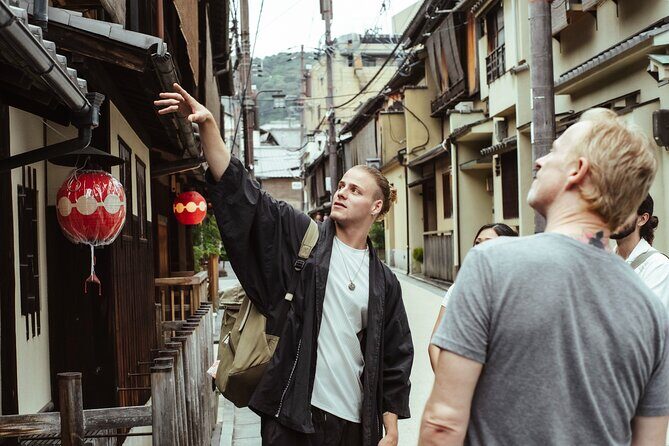
If you only have one day in Kyoto, Gion and Higashiyama are the obvious choices. The trick is doing it in a way that actually feels meaningful and not like you’re rushing from one landmark to the next. This tour is built for that. You’re looking at an approximately 3-hour route that connects the areas in a logical flow, with a guide helping you keep your bearings as you go.
I also like that the tour is designed around interpretation, not just sightseeing. You’ll hear commentary tied to the places you pass, like geisha culture and Japanese traditions, rather than getting a generic “here’s a temple” speech. And because it’s private, you can ask questions on the spot and get answers matched to what you’re seeing right then.
Another practical win: you’re not left to plan everything yourself. The description frames this as a shortcut to the highlights, and the stop pattern supports that. You hit big-name places and classic walking streets while staying within a reasonable time window.
The only consideration is energy level. Even when a route is well-paced, you’re still walking. If you’re the type who needs frequent breaks, you’ll want to plan for that reality. But if you’re comfortable with a focused half-day, this format is strong value.
Meeting at Izumo-no-Okuni and Starting in the Right Story
You’ll meet at the Statue of Izumo-no-Okuni in Higashiyama Ward. That choice matters more than you might think. Starting at a recognizable point in Higashiyama helps you orient fast, and it also sets the tone for the areas you’re heading into—Gion and Higashiyama are tightly connected by culture, streets, and tradition.
The tour ends at Yasaka Shrine, near the main gate (south side). The meeting point and finish location are close enough that you don’t feel like you’re being dragged across town, but far enough that you get a real walk through the character-filled streets between.
One detail I appreciate: the tour is listed as a private activity, meaning only your group participates. That’s helpful because it removes that “accordion effect” you get on larger group tours. The guide can adjust the pace to your questions and your interests, which is exactly what you want in a place where side streets matter.
If you’re using public transportation, the tour is also described as near public transportation, which usually means fewer headaches getting there and less wasted time before you start seeing things.
You can also read our reviews of more walking tours in Kyoto


Gion First: Geisha Culture on the Streets You’ll Keep Looking Back At
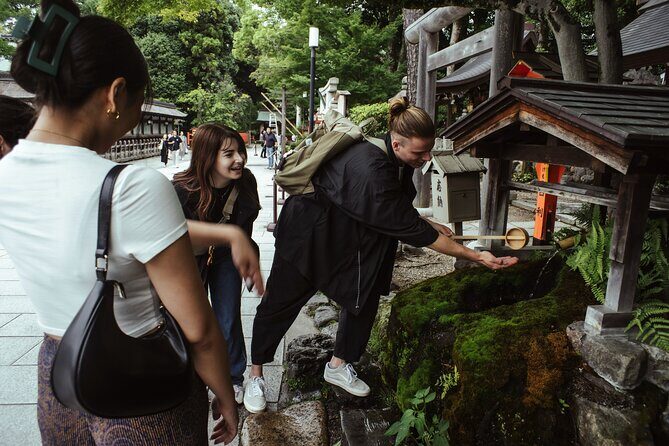
Your first stop is Gion, with about 1 hour allocated here. That’s the right amount of time for getting your head around the district without feeling rushed. Gion is famous for its cultural imagery, but what makes a difference is how you understand it while you’re walking—where the traditions show up, how the area has evolved, and what people historically associated with the neighborhood.
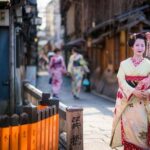
This stop is explicitly framed as a deep look at geisha culture and how it fits into Kyoto’s identity, blending ancient traditions with modern beauty. Even if you’ve read about geisha before, a guided walk helps you connect the concepts to the actual streets and locations around you.
I also think Gion works well as a starting point because it gives you cultural context before you head into temple territory. You’re essentially training your eyes: you learn what to notice, and then the rest of the route lands with more meaning. After this first hour, you’re not just moving through neighborhoods—you’re interpreting them.
If you’re visiting Kyoto for the first time and you want one day to feel cohesive, starting here is smart. If you’re a repeat visitor and want to sharpen your understanding of how Gion relates to nearby Higashiyama, the guide commentary can still add value, especially when you can ask questions privately.
Kennin-ji: Zen Temple History Without the Confusing Parts
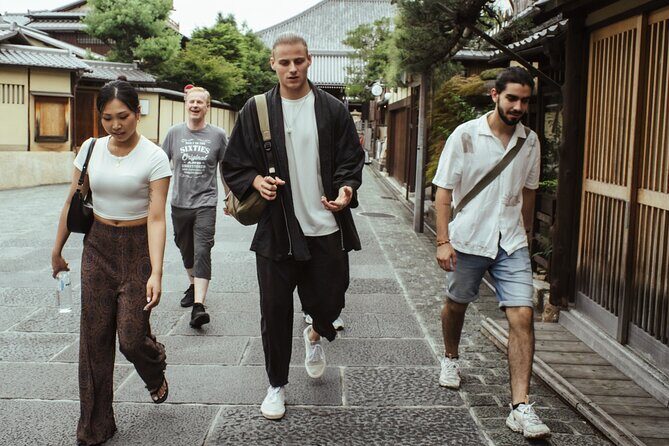
Next up is Kennin-ji Temple, with about 30 minutes. This stop is tied to the origins of Buddhism and its influence on culture. Kennin-ji is presented as one of Kyoto’s oldest Zen temples, which gives the visit instant gravity.
What I like about this pairing is that it shifts your focus from neighborhood culture to spiritual roots. You get a sense of why Buddhism matters for how Kyoto developed—art, architecture, daily practices, and the way communities organized space over time.
A 30-minute window can sound short, but for a guided introduction it’s often ideal. You’re getting enough time to appreciate the setting and absorb key points, without spending your whole day inside one site. Also, this stop is listed with free admission, which helps you keep the whole day feeling affordable.
The practical benefit: when you’re standing in a temple environment, your brain can’t always sort everything out quickly. A guide can connect the dots so you’re not lost in names, dates, and architectural terms. And since it’s a private tour, you can ask what you actually want to understand rather than waiting for a group pause.
Hokan-ji (Yasaka Pagoda) and the Old-Town Streets Around It
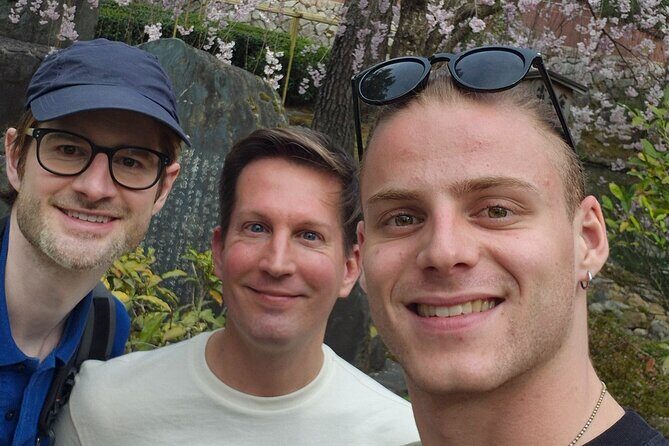
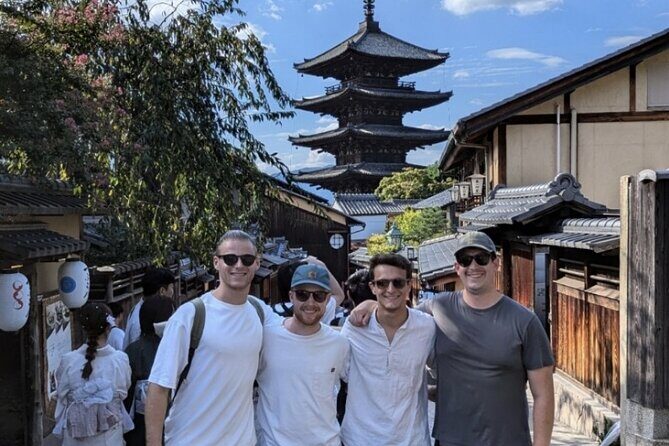
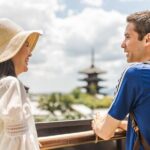
After Kennin-ji, you move on to Hokan-ji Temple, also known for the Yasaka Pagoda. This stop runs about 20 minutes, and the emphasis is not only on the temple itself but also on the surrounding old-town feel.
This is where the walk becomes more textured. The description highlights narrow streets lined with traditional shops and cozy cafés, which is exactly the kind of contrast that keeps Higashiyama interesting. You’re not just sightseeing through a designed path—you’re moving through the kind of lanes that make Kyoto feel like Kyoto.
For me, these shorter temple-and-street segments are where your photos and memories tend to become more personal. The guide can steer you toward the corners and viewpoints that fit the stories you heard earlier, so you’re not just taking pictures of buildings. You’re capturing how the neighborhood breathes.
Admission is listed as free here as well. That means you aren’t paying an extra fee to enjoy the atmosphere around the pagoda area, and it keeps the experience tied closely to what you value: guidance, context, and classic streets.
If you dislike rushing, you’ll want to use your questions strategically during these 20 minutes—ask what you care about most, because this part is designed to be quick but meaningful.
Ninenzaka Path: Where Higashiyama’s Classic Street Feel Comes Through
At this point, you walk along the Ninenzaka Path in Higashiyama. This is described as a charming street with old shops, cozy cafés, and teahouses. The big value here is momentum: after temples and cultural context, you shift into a more street-level Kyoto experience.
Ninenzaka is the kind of street where your attention naturally goes to details—signs, building shapes, and the flow of pedestrians. With a guide, you can focus on the why behind what you see, not just the what. Even without getting stuck at one fixed spot, the street walk helps you understand the district’s layout and vibe.
I like this portion because it breaks up the “stop” pattern. You’re not constantly entering and exiting places. Instead, you’re moving through the lived-in part of the district—where you can imagine what daily life and tourism feel like at different times of day.
And since this stop has no listed admission fee, it’s the kind of segment that can make your day feel more balanced: you’re seeing places you’d probably want to revisit later, especially if you like shopping for small crafts or simply wandering.
You can also read our reviews of more private tours in Kyoto

Maruyama Park in 10 Minutes: Seasonal Views That Change the Mood
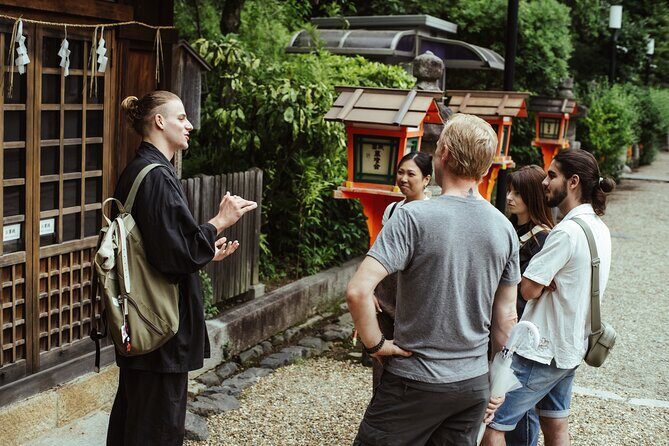
The tour then includes Maruyama Park for about 10 minutes, with a note that it’s known for cherry blossoms in spring and momiji (autumn leaves) in fall. It’s a quick stop, but those are the seasons when Kyoto’s outdoor views matter most.
Even if you’re not going in peak blossom or leaf season, you still get a pause between the more structured sites. Parks in Kyoto can feel like a reset button for your legs and your attention. You get a view framed by surrounding temples, which ties back to the spiritual context you’ve built earlier.
This is also a good reminder that Higashiyama isn’t only about interiors and religious buildings. It’s about how those spaces connect to outdoor traditions and seasonal rituals. Ten minutes won’t turn you into a season expert, but it can help you notice the district differently as you continue toward Yasaka Shrine.
If you’re planning your trip timing, this is one of the parts that responds best to the calendar. Go in spring or fall and you’ll likely feel the difference. Go in other seasons and you’ll still get a breather and a change of scenery.
Yasaka Shrine Finish: Omikuji Traditions and a Strong Closing Note
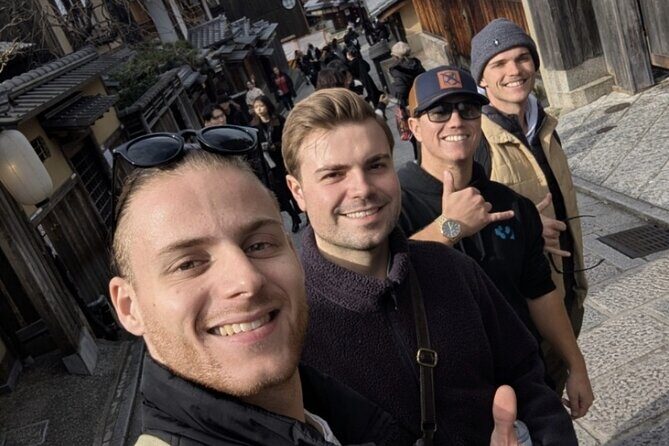
The last major stop is Yasaka Shrine, with about 30 minutes. Yasaka Shrine is described as historic and culturally significant, and the walk includes coming across traditional practices like drawing omikuji (fortune-telling).
This finish works well because it blends the everyday with the ceremonial. Temples earlier leaned more toward origins and cultural roots, while Yasaka Shrine adds a snapshot of how people interact with tradition in real time. Omikuji is especially memorable because it’s participatory, not just observational.
I like ending here because it gives you a clear “anchor” to wrap your day. You know where you are, and you also know you’re finishing at a major place that’s easy to connect to afterward for dinner or a late stroll.
Since admission is listed as free again, your last stop keeps the day consistent. You’re not dealing with extra ticket decisions right at the end, which helps your day feel smooth.
Also, ending near the main gate helps. It’s easier to find your bearings and move on without getting stuck circling a site.
Price and Private Value: Is $144.88 Worth It?
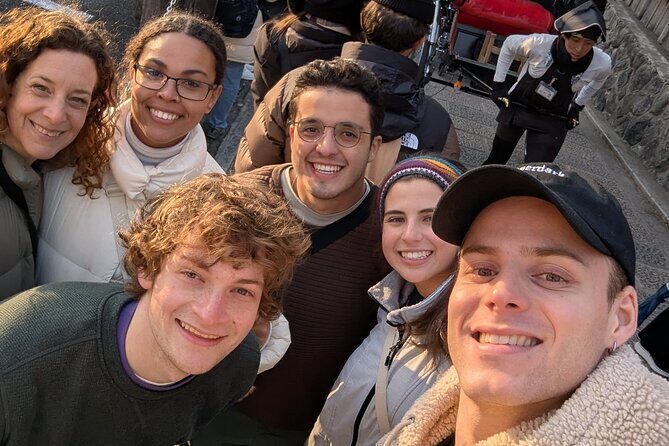
At $144.88 per person for an approximately 3-hour private walking tour, the cost is not cheap in the usual sense. But it’s also not priced like you’re buying access to ticketed attractions. The itinerary includes multiple sites with free admission, so the payment is mainly for the guide, the route design, and the time savings.
Here’s how I think about it: if you’re going to spend hours reading about where to go and still end up confused once you’re on the ground, the guide can be a better use of money than more self-planning. This tour’s promise is time saved, and the structure supports it: you’re covering Gion, Kennin-ji, Hokan-ji (Yasaka Pagoda), Ninenzaka, Maruyama Park, and Yasaka Shrine in one connected walk.
Private value matters most if any of these are true for you:
- You want to ask questions and get direct answers as you walk
- You care about understanding culture, not only collecting photos
- You prefer a plan with fewer decisions mid-day
- You’d rather pay for a guide than risk losing time navigating
If you’re the type who loves solo wandering with no agenda, this could feel like you’re paying for structure. But if you want your day to feel intentional, this price can make sense—especially in a group, since private tours often become more reasonable when shared.
Dominic’s Style: Friendly, Fast Answers, and Local Insights
A standout theme in the feedback attached to this tour is the guide experience—especially with Dominic. The compliments are consistent: he’s described as extremely friendly, very good at answering questions, and delivering local insights that make the walk feel more like a conversation than a lecture.
That matters. In places like Gion and Higashiyama, it’s easy to get overwhelmed by details. A guide who stays upbeat and responds to your curiosity helps you keep the day enjoyable, even when you’re moving between multiple cultural sites.
So if you book, don’t be shy with questions. Ask what something means, ask what to notice, ask how the area changed. The tour is set up so your guide’s full attention is part of the value.
And yes, people mention it as worth it. Not as a vague compliment, but because the guide behavior supports the whole point of a private tour: you get personal attention, not just a path.
So Who Is This Tour Best For?
This private walk is a strong match for:
- First-timers who want the classic Gion and Higashiyama feel without spending your whole trip researching
- Couples or small groups who want a quieter, faster rhythm than group tours
- People who care about cultural context—geisha culture, Buddhism roots, and Japanese traditions
- Visitors who like “see, learn, walk” pacing rather than long museum-style stops
It may be less ideal if:
- You dislike guided commentary and want purely free wandering
- You need long stays at each site rather than short, efficient segments
- You want a lot of shopping time built into the schedule (this walk is structured around cultural highlights)
Should You Book This Private Walking Tour?
Book it if you want a time-saving, guide-led day that connects Gion and Higashiyama into one story. The mix of geisha culture context, Kennin-ji and Zen background, the Yasaka Pagoda area, classic streets like Ninenzaka, and a strong finish at Yasaka Shrine is a practical way to see Kyoto’s highlights without getting lost in planning.
I’d skip it if you’re determined to do everything on your own and you’re fine spending time figuring out what matters at each stop. But if you’d rather pay for navigation, interpretation, and a friendly guide like Dominic, this tour can be a very efficient way to turn one Kyoto day into a deeper experience.
FAQ
How long is the private walking tour?
It’s listed as about 3 hours.
Where do you meet and where does the tour end?
You meet at the Statue of Izumo-no-Okuni in Higashiyama Ward and end at Yasaka Shrine near the main gate (south side).
Are there admission fees for the stops?
The itinerary lists admission as free for each named stop: Gion (free), Kennin-ji Temple (free), Hokan-ji Temple (free), Maruyama Park (free), and Yasaka Shrine (free).
What places are included on the route?
The route includes Gion, Kennin-ji Temple, Hokan-ji Temple (Yasaka Pagoda), Ninenzaka Path, Maruyama Park, and Yasaka Shrine.
Is this tour private?
Yes. It’s a private tour/activity, and only your group participates.
Can I cancel for a refund?
Yes. You can cancel up to 24 hours in advance for a full refund. If you cancel less than 24 hours before the start time, the amount you paid will not be refunded.